Festivals of India: Ranakpur Jawai Bandh Festival

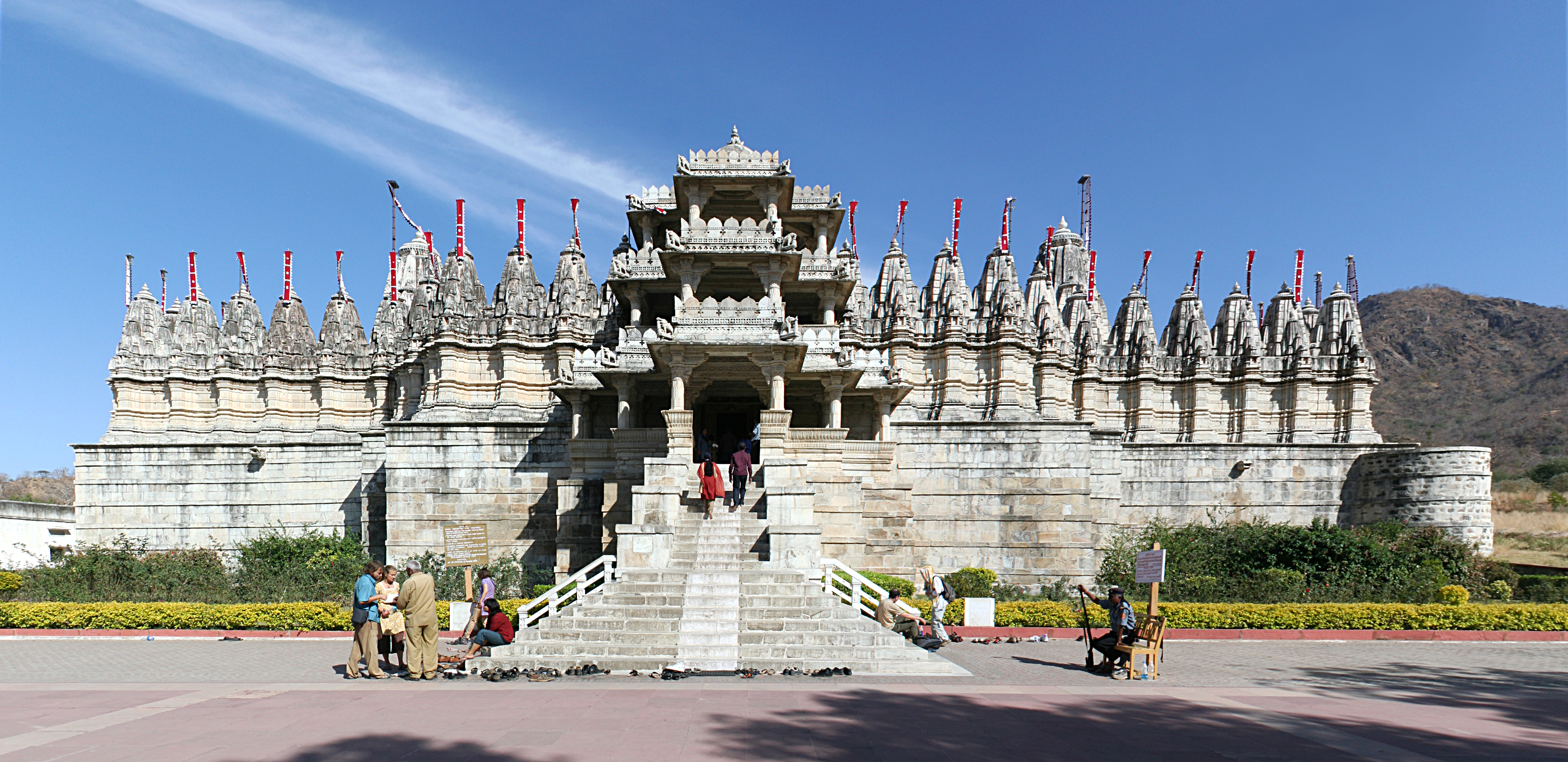
The Ranakpur Jawai Bandh Festival is a vibrant celebration that showcases the rich cultural heritage, natural beauty, and artistic traditions of Rajasthan. Held annually in the Pali district of Rajasthan, this two-day festival has become a significant event on the state’s cultural calendar, attracting visitors from across India and beyond. The festival takes place in the picturesque settings of Ranakpur, known for its stunning Jain temples, and the Jawai region, famous for its unique landscape and wildlife. Organised by the Department of Tourism, Government of Rajasthan, the Ranakpur Jawai Bandh Festival aims to provide visitors with an immersive experience of Rajasthan’s diverse cultural tapestry. 

The Ranakpur Jawai Bandh Festival is a relatively new addition to Rajasthan’s festival calendar, having been initiated by the state government as part of its efforts to promote cultural tourism and showcase lesser-known regions of Rajasthan. While the festival itself doesn’t have ancient roots, it draws upon centuries-old traditions, art forms, and natural heritage of the region.

The idea behind the festival was to create a platform that could highlight the unique offerings of the Ranakpur and Jawai areas. Ranakpur, with its magnificent 15th-century Jain temples, represents the architectural and spiritual heritage of Rajasthan. On the other hand, the Jawai region, with its distinctive rocky landscape and thriving leopard population, showcases the state’s natural beauty and wildlife conservation efforts.

The festival was conceptualised to bridge these two aspects – the cultural and the natural – providing visitors with a holistic experience of Rajasthan. By doing so, it aims to promote sustainable tourism in the region, benefiting local communities while preserving the area’s cultural and natural heritage. Since its inception, the festival has grown in scale and popularity. What started as a local event has now become a much-anticipated annual celebration, drawing visitors from various parts of India and abroad. The festival’s program has expanded over the years, incorporating more activities and performances to cater to a diverse audience.

The Ranakpur Jawai Bandh Festival typically takes place in December, marking the onset of the winter tourist season in Rajasthan. The cool, pleasant weather of December provides an ideal backdrop for the outdoor activities and performances that form a significant part of the festival. 

The festival is spread across two locations:

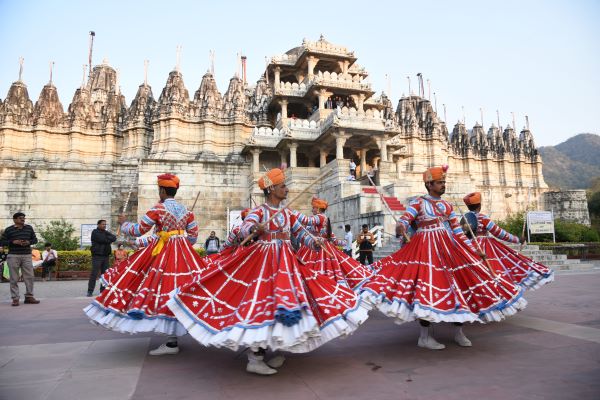
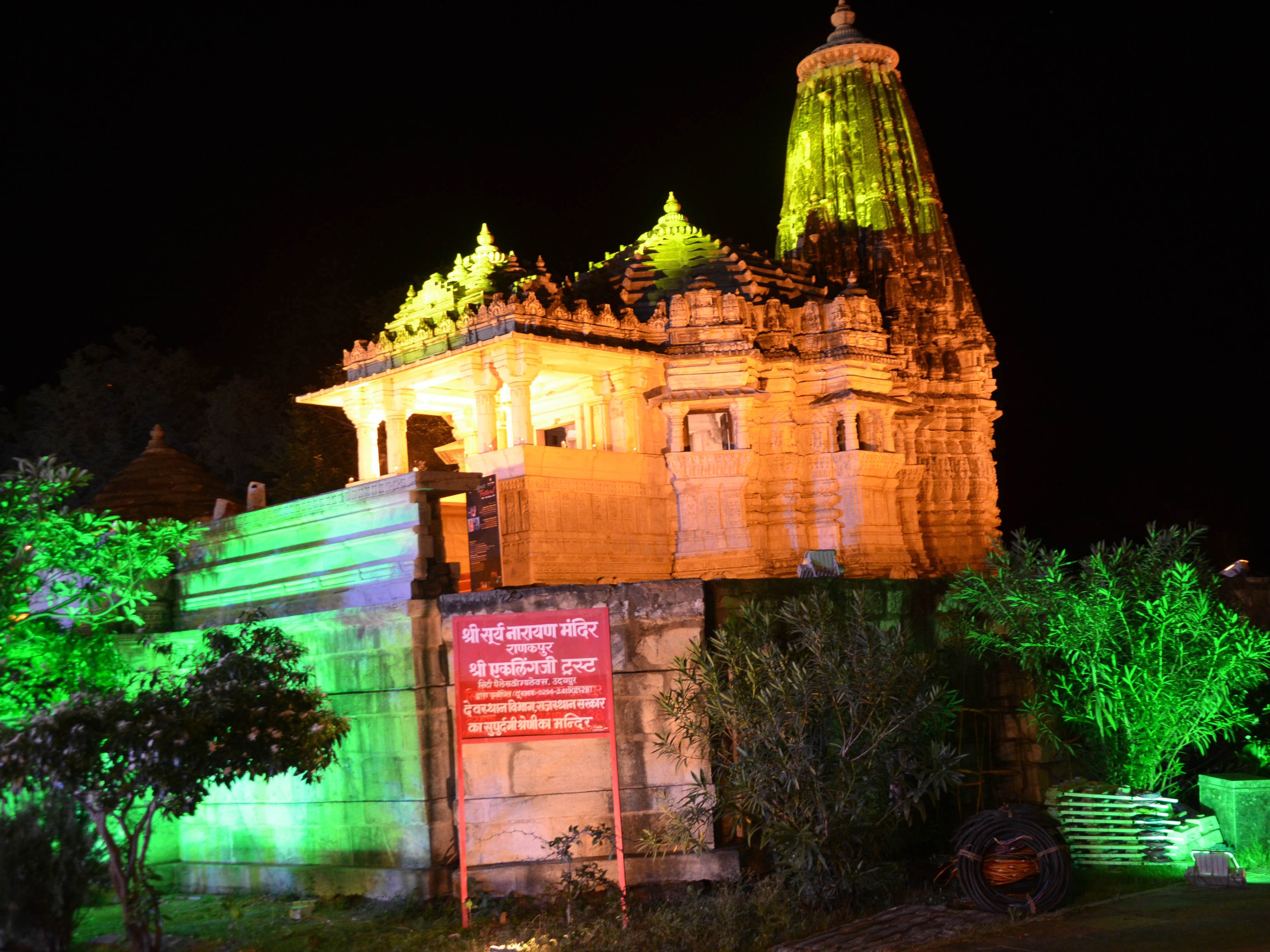
Ranakpur: Located in the Pali district of Rajasthan, Ranakpur is renowned for its stunning Jain temples. The main temple, dedicated to Adinath, is a marvel of architecture with its 1444 intricately carved marble pillars. The serene surroundings of Ranakpur, nestled in the Aravalli range, provide a perfect setting for the cultural and spiritual aspects of the festival.

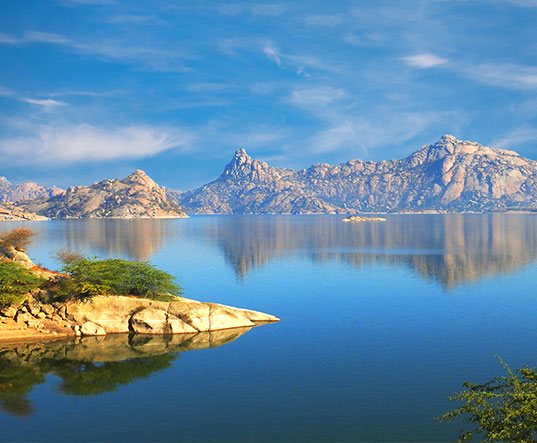
Jawai: The Jawai region, named after the Jawai River and the Jawai Bandh or dam, is known for its unique landscape characterized by granite rock formations. This area is famous for its thriving leopard population and offers a stark yet beautiful contrast to the architectural splendor of Ranakpur.

The dual location of the festival allows visitors to experience two distinct facets of Rajasthan – its rich cultural heritage and its raw natural beauty – within a single event.

The Ranakpur Jawai Bandh Festival offers a diverse range of activities that cater to various interests. The festival begins each day with early morning yoga and meditation sessions. These sessions are typically held in the serene surroundings of Ranakpur, with the majestic Jain temples providing a stunning backdrop. Experienced yoga instructors guide participants through various asanas and meditation techniques, allowing visitors to start their day in a peaceful and rejuvenating manner. Guided nature walks are organized in both Ranakpur and Jawai. In Ranakpur, these walks often focus on the local flora and fauna found in the Aravalli range. In Jawai, the nature walks offer an opportunity to explore the unique rocky landscape and learn about the region’s ecology. One of the most exciting activities of the festival is the jeep safari in the Jawai region. These safaris offer visitors a chance to explore the rugged terrain and potentially spot the elusive leopards that the area is famous for. The safaris are led by experienced local guides who share their knowledge about the region’s wildlife and conservation efforts. As evening falls, the festival area is illuminated with thousands of earthen lamps or diyas, creating a magical atmosphere. This Deepotsav or a festival of lights is a visual spectacle that adds a touch of spiritual beauty to the festivities.

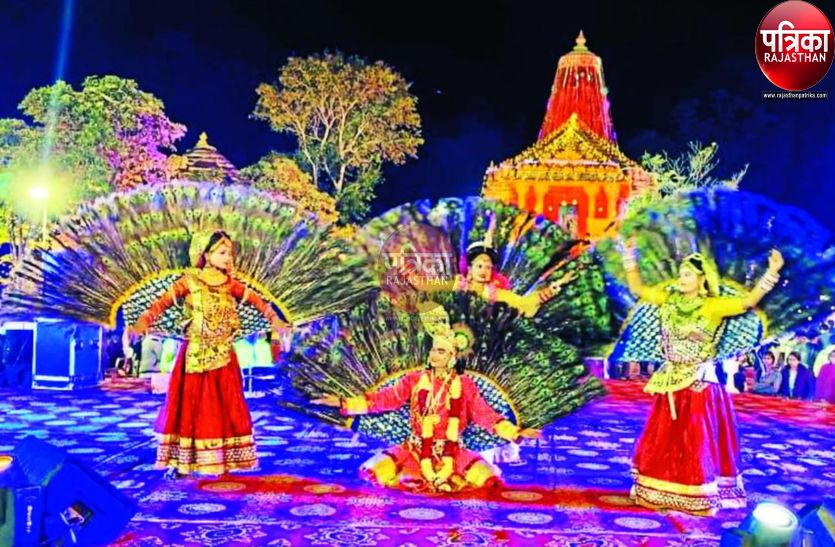
The evenings are dedicated to cultural performances that showcase the rich artistic heritage of Rajasthan. These performances include traditional Rajasthani folk music, including genres like Manganiyar and Langa, that fill the air with soulful melodies, energetic performances of Rajasthani folk dances such as Ghoomar, Kalbelia, and Bhavai that enthral the audience, and traditional Rajasthani puppet shows, known as Kathputli, that narrate folk tales and legends.

Local artisans demonstrate their skills in various traditional Rajasthani crafts such as block printing, tie-and-dye, pottery, and miniature painting. Visitors can watch the artisans at work and even try their hand at some of these crafts. Given the picturesque locations of Ranakpur and Jawai, the festival organises photography tours. These tours are led by professional photographers who guide participants on capturing the best shots of the temples, landscapes, and wildlife. Food stalls offering a variety of Rajasthani delicacies are set up during the festival. Visitors can savour authentic dishes like Dal Baati Churma, Gatte ki Sabzi, and Ker Sangri, getting a taste of traditional Rajasthani hospitality. For the more adventurous visitors, activities like rock climbing and rappelling are organized in the Jawai region, taking advantage of the area’s unique geological features. The clear night skies of the Jawai r. egion offer excellent conditions for stargazing. Astronomy enthusiasts guide visitors through constellations and share stories related to celestial bodies.

While the Ranakpur Jawai Bandh Festival is a relatively new event, it draws upon and celebrates cultural elements that have deep roots in Rajasthani tradition. The festival serves as a platform to showcase and preserve various aspects of Rajasthan’s rich cultural heritage. The stunning Jain temples of Ranakpur, which form a backdrop to many festival activities, are a testament to the architectural prowess of ancient India. Built in the 15th century, these temples, with their intricate marble carvings, represent the pinnacle of Maru-Gurjara architecture. The festival draws attention to this architectural marvel, promoting awareness and appreciation of India’s architectural heritage. The cultural performances during the festival play a crucial role in preserving and promoting Rajasthan’s folk arts. Many of these art forms, passed down through generations, face the risk of being lost in the face of modernization. By providing a platform for folk musicians, dancers, and puppeteers, the festival contributes to keeping these traditions alive. 

The art and craft demonstrations during the festival showcase the skills of local artisans. Crafts like block printing, tie-and-dye, and miniature painting are integral to Rajasthan’s cultural identity. The festival not only provides exposure to these artisans but also helps in passing these skills to younger generations. The focus on traditional Rajasthani cuisine during the festival helps in preserving and promoting the state’s rich culinary heritage. Many of the dishes served at the festival have been part of Rajasthani cuisine for centuries, each with its own cultural significance and stories. 

The festival, with its focus on both cultural heritage and natural beauty, emphasizes the traditional Rajasthani ethos of living in harmony with nature. This is particularly evident in the Jawai region, where local communities have coexisted with leopards for generations. The yoga and meditation sessions, as well as the Deepotsav, reflect the spiritual traditions that have long been a part of Rajasthani culture. These elements of the festival provide visitors with a glimpse into the spiritual practices that have shaped the region’s cultural landscape.

According to local legend, the construction of the main Ranakpur temple was inspired by a divine vision. It is said that a Jain businessman named Dharna Shah had a dream in which he saw a celestial vehicle. Following this vision, he commissioned the construction of the temple. The intricate design of the temple, with its numerous halls and 1444 pillars, is said to have been inspired by this divine vision.

The Jawai region is known for its unique coexistence between humans and leopards. Local folklore is rich with stories of the leopards being protectors of the land. Many villagers consider the leopards as guardians and believe that sighting a leopard is auspicious. These beliefs have contributed to the conservation efforts in the region.

Local legends speak of the construction of the Jawai Dam as a feat of human perseverance blessed by divine intervention. Stories tell of how the initial attempts to build the dam failed until local deities were propitiated, after which the construction was completed successfully.

The Aravalli range, which forms the backdrop of both Ranakpur and Jawai, features in many mythological tales. One legend states that the Aravalli range was formed when Lakshman, brother of Lord Rama, drew a line with an arrow to protect Sita during their exile.

Near the Ranakpur temples stands an ancient banyan tree that is the subject of many local legends. Some believe that the tree has healing properties, while others consider it a wishing tree. During the festival, many visitors pay their respects to this tree.

The Ranakpur Jawai Bandh Festival plays a significant role in promoting environmental awareness and conservation efforts in the region. The Jawai region is known for its successful conservation of leopards. The festival helps raise awareness about the importance of wildlife conservation and the unique ecosystem of the area. During the jeep safaris and nature walks, guides educate visitors about the local flora and fauna and the conservation efforts underway.

The festival promotes sustainable tourism practices. By showcasing the natural beauty of the region, it encourages a form of tourism that is respectful of the local environment and wildlife. The festival organisers emphasise responsible behavior during wildlife safaris and nature walks. The Jawai Dam, which gives the festival part of its name, is crucial for water management in the region. The festival draws attention to the importance of water conservation in this semi-arid region of Rajasthan. Through interactions with local communities, the festival helps highlight traditional ecological knowledge. This includes local practices of water harvesting, sustainable agriculture, and coexistence with wildlife. The festival has adopted a plastic-free policy, encouraging the use of eco-friendly materials. This initiative not only helps keep the festival area clean but also spreads awareness about reducing plastic usage.

The Ranakpur Jawai Bandh Festival has a significant positive economic impact on the local communities. The festival attracts tourists from various parts of India and abroad, providing a boost to the local tourism industry. Hotels, guesthouses, and homestays in the region see increased bookings during the festival period. The festival creates temporary employment opportunities for local residents. This includes jobs in event management, hospitality, transportation, and as guides for various activities. The art and craft demonstrations during the festival provide a platform for local artisans to showcase and sell their products. This direct interaction with customers often leads to increased sales and sometimes long-term business relationships. Local restaurants, shops, and service providers see increased business during the festival. The influx of visitors benefits various sectors of the local economy. By showcasing the attractions of Ranakpur and Jawai, the festival contributes to long-term tourism promotion for the region. Many first-time visitors during the festival often plan return trips, contributing to sustained tourism growth.

While the Ranakpur Jawai Bandh Festival has been successful in promoting the region’s cultural and natural heritage, it also faces certain challenges. One of the primary challenges is maintaining a balance between promoting tourism and ensuring the conservation of the region’s natural resources and wildlife. The increased footfall during the festival period needs to be managed carefully to minimize the impact on the local ecosystem. The growing popularity of the festival puts pressure on the local infrastructure. There’s a need for sustainable development of tourism infrastructure that can cater to the increased number of visitors without compromising the region’s natural beauty. As the festival grows, there’s a challenge in maintaining the authenticity of cultural presentations. There’s a need to ensure that commercialisation doesn’t lead to dilution of traditional art forms and practices. Ensuring meaningful involvement of local communities in the planning and execution of the festival is crucial for its long-term success and sustainability. While the festival provides a significant boost during its duration, there’s a need to leverage its popularity for year-round tourism development in the region.

Looking to the future, the Ranakpur Jawai Bandh Festival has significant potential for growth and evolution. There are discussions about extending the duration of the festival to allow for more activities and to spread the tourist influx over a longer period. Future editions of the festival could have an increased focus on eco-tourism, promoting responsible travel practices and environmental education. The festival could evolve to include cultural exchange programs, inviting artists and performers from other parts of India and abroad to participate. The use of technology, such as virtual reality experiences of wildlife safaris or temple architecture, could be incorporated to enhance the visitor experience. The festival could serve as a platform for launching and showcasing research and conservation initiatives related to the region’s wildlife and ecology.

The Ranakpur Jawai Bandh Festival stands as a vibrant celebration of Rajasthan’s rich cultural heritage and natural beauty. By bringing together the architectural splendor of Ranakpur’s temples and the raw, rugged beauty of the Jawai landscape, the festival offers visitors a unique and comprehensive experience of Rajasthan. More than just a tourist event, the festival plays a crucial role in preserving and promoting various aspects of Rajasthani culture – from its folk arts and traditional crafts to its culinary heritage and spiritual practices. It serves as a platform for local artists and artisans to showcase their skills and find new audiences. Economically, the Ranakpur Jawai Bandh Festival has become a significant event for the local communities, providing various opportunities for employment and business.

Festivals of India: Losoong

Also known as Namsoong, Losoong is one of Sikkim’s most significant and vibrant celebrations. This joyous festival marks the beginning of the Sikkimese New Year and commemorates the end of the harvest season. Beyond its agricultural significance, Losoong has evolved into a grand cultural showcase, highlighting the unique traditions and heritage of Sikkim. 

The roots of Losoong can be traced back to the agrarian lifestyle that has long been the backbone of Sikkimese society. Initially, the festival was primarily celebrated by the Bhutia community, one of the major ethnic groups in Sikkim. However, over time, Losoong has transcended its original cultural boundaries and is now embraced by various communities in the region.

The festival’s expansion reflects the cultural diversity and integration that characterizes Sikkim. Today, Losoong is celebrated not only by the Bhutias but also by the Lepchas and other smaller tribes across Sikkim, Darjeeling, and even parts of Nepal. This widespread adoption of the festival speaks to its universal themes of gratitude, renewal, and community celebration.

The evolution of Losoong from a community-specific celebration to a widely observed festival also mirrors the historical changes in Sikkim. As the region saw increased interaction and cultural exchange between different communities, festivals like Losoong became platforms for shared celebration and cultural expression.

Losoong’s timing is intricately linked to the Tibetan Lunar Calendar, typically falling on the 18th day of the 10th lunar month. In the Gregorian calendar, this usually corresponds to a date in December. The festival’s alignment with the lunar calendar underscores its connection to natural cycles and agricultural rhythms, which have long guided the lives of Sikkimese people.

The celebration of Losoong is not confined to a single day but extends over four days. This extended duration allows for a rich tapestry of events, rituals, and festivities to unfold. The multi-day celebration also reflects the importance of the festival in Sikkimese culture, providing ample time for both religious observances and communal festivities.

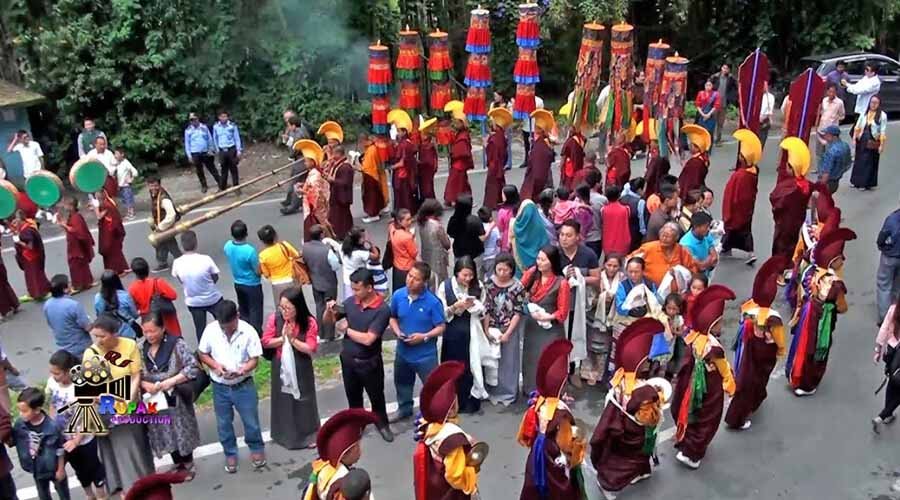
During these four days, the entire region of Sikkim comes alive with a festive atmosphere. Streets are adorned with colourful flags and decorations, creating a striking contrast against the backdrop of snow-capped mountains. Monasteries and monks prepare for elaborate celebrations, while local communities organize various events and competitions.

The festival serves as a platform for showcasing traditional folk dances, religious rituals, and ceremonies that have been passed down through generations. At the heart of the cultural celebrations are the ancient monasteries of Sikkim, particularly the renowned Rumtek Monastery and Tsuklakhang Palace. These sacred spaces become focal points for cultural events, hosting a variety of performances that bring together the spiritual and artistic elements of Sikkimese culture.

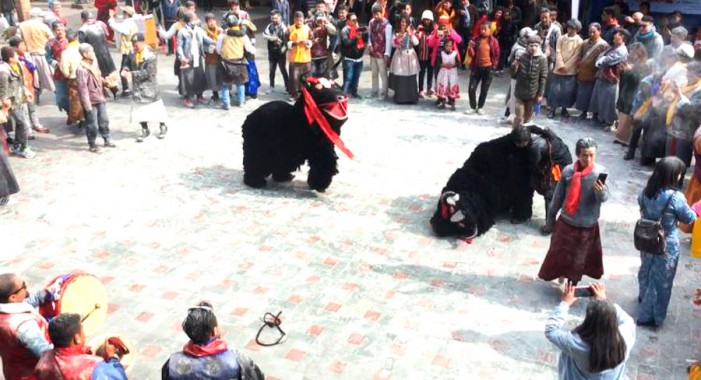
One of the most captivating aspects of Losoong is the performance of traditional dances. These dances are not merely entertainment but serve as living repositories of Sikkimese history, mythology, and cultural values. Each movement and gesture in these dances carries deep symbolic meaning, often narrating stories of historical events, spiritual beliefs, or moral teachings.

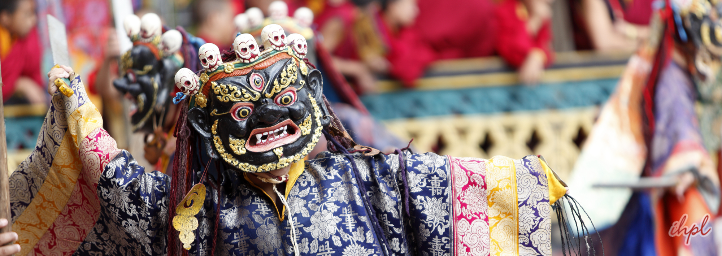
Among the various dance performances, the Black Hat dance holds a special place in the Losoong celebrations. This dance is a powerful reminder to the locals of the eternal victory of good over evil. Through its intricate choreography and symbolic costumes, the Black Hat dance encapsulates key elements of Sikkimese spiritual beliefs and historical narratives.

The festival also provides a platform for local artisans, musicians, and performers to showcase their talents. This not only helps in preserving traditional art forms but also allows for their evolution and adaptation in contemporary contexts. The coming together of various artistic expressions during Losoong creates a rich, multifaceted cultural experience that reflects the diversity and creativity of Sikkimese society.

The rituals and ceremonies of Losoong are deeply rooted in Sikkimese spiritual traditions, many of which share close ties with Tibetan Buddhist practices. This connection is evident in the similarities between Losoong and Losar, the Tibetan New Year celebration. The proximity of Sikkim to Tibet has led to a natural assimilation of many Tibetan rituals and customs into Sikkimese culture.

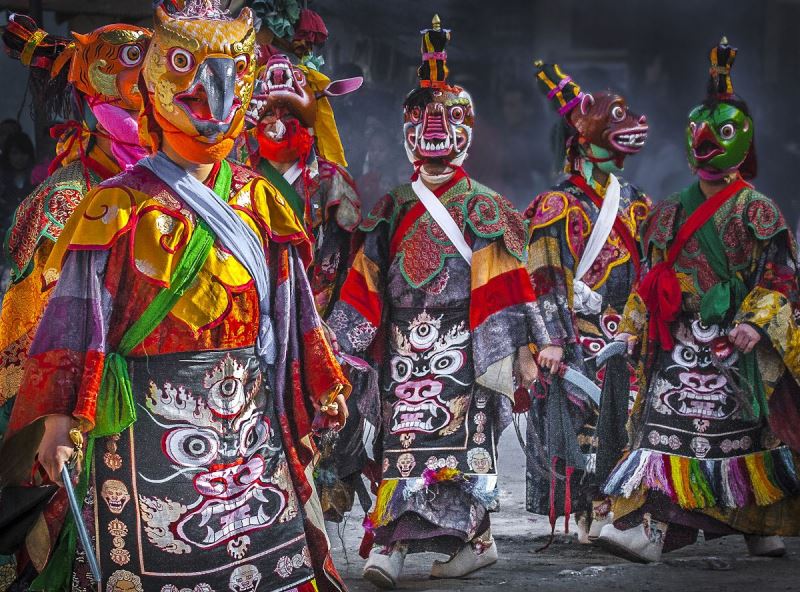
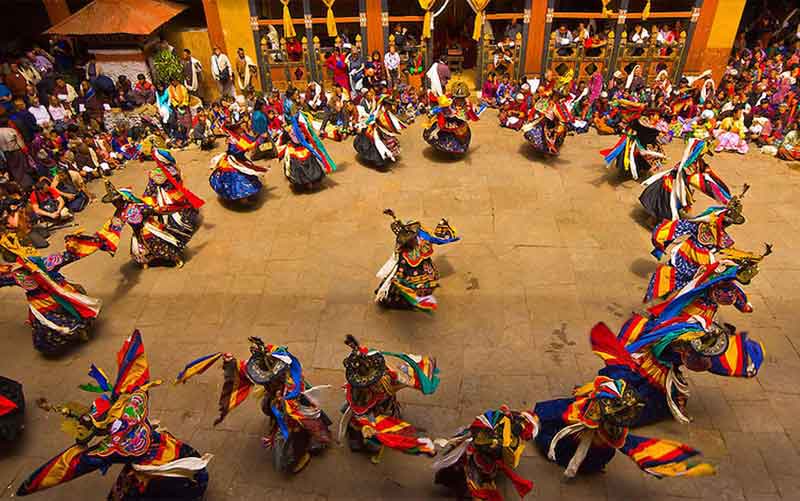
One of the most significant and visually striking rituals of Losoong is the performance of Cham dances by Buddhist monks. These sacred dances are not merely performances but are considered a form of meditation in motion and a means of spiritual teaching. The dancers, adorned in elaborate costumes and masks, perform precise movements that symbolize various aspects of Buddhist philosophy and mythology.

The Cham dances are characterised by their vibrant colours, intricate masks, and the rhythmic accompaniment of traditional music. Each dance tells a specific story or represents a particular deity or concept from Buddhist teachings. The masks worn by the dancers are particularly significant, often depicting various deities, demons, or animals, each with its symbolic meaning.

Another important ritual is the offering of Chi-Fut to the deities. Chi-Fut is a type of locally brewed alcohol that holds special significance in Sikkimese culture. The offering of Chi-Fut is believed to please the deities and seek their blessings for the coming year. This ritual underscores the blend of spiritual practices and local traditions that characterize Losoong celebrations.

A key symbolic ritual during Losoong is the burning of an effigy representing a demon king. This act symbolizes the destruction of evil forces and the purification of the community as it enters the new year. The ritual burning is often accompanied by prayers and chants, creating a powerful atmosphere of spiritual renewal.

Archery contests are another integral part of Losoong celebrations. These competitions not only showcase the traditional skills valued in Sikkimese culture but also serve as a form of community bonding and friendly competition. The archery contests often draw large crowds and are accompanied by cheering, music, and a festive atmosphere.

Throughout the festival, monasteries play a crucial role in conducting various religious ceremonies. Monks engage in extended prayer sessions and perform rituals aimed at blessing the community and warding off misfortunes for the coming year. These religious observances provide a spiritual foundation to the festivities, reminding participants of the deeper meanings behind the celebrations.

Losoong holds profound religious significance, deeply rooted in the spiritual beliefs and practices of Sikkim. The festival is not merely a cultural celebration but a time of spiritual renewal and rededication for the Sikkimese people. Central to the religious aspect of Losoong is the belief in the power of ritual and prayer to cleanse negative energies and invite positive forces for the new year. The various ceremonies conducted during the festival are believed to eliminate bad luck and misfortunes. Monks play a crucial role in this spiritual cleansing, conducting rigorous rituals and ceremonies to seek blessings from gods and goddesses for the upcoming year.

The religious aspects of Losoong also reflect the syncretic nature of Sikkimese spirituality, which blends elements of Buddhism, Hinduism, and indigenous beliefs. This spiritual diversity is evident in the various rituals and practices observed during the festival, each contributing to a rich tapestry of religious expression.

The spiritual significance of Losoong extends beyond the formal rituals. It is seen as a time for personal reflection and renewal, where individuals can reflect on the past year and set intentions for the new one. This personal spiritual dimension adds depth to the communal celebrations, making Losoong a holistic experience that addresses both individual and collective spiritual needs.

No celebration in Sikkim is complete without indulging in the local cuisine, and Losoong is no exception. The festival provides a perfect opportunity to showcase the rich culinary heritage of Sikkim, with a wide array of traditional dishes prepared and shared during the celebrations. Some of the traditional dishes consumed during Losoong include Aalum, a traditional Sikkimese dish made from boiled potatoes mixed with spices and herbs, Babar which is a type of bread made from fermented rice batter, often served as a staple during festive meals, Furaula, a sweet dish made from rice flour, often shaped into various forms and deep-fried, and Gundruk, a fermented leafy green vegetable, considered a delicacy in Sikkimese cuisine.

In addition to these traditional dishes, Losoong also sees the preparation of special festive foods. Families often prepare elaborate meals to share with relatives and friends, fostering a sense of community and hospitality. The communal sharing of food during Losoong is seen as a way of strengthening social bonds and expressing gratitude for the abundance of the harvest.

Beverages also play an important role in Losoong celebrations. Traditional drinks like Chang, a millet-based alcoholic beverage, are often consumed during the festivities. These drinks are not just refreshments but are often imbued with cultural and sometimes spiritual significance.

Losoong’s impact extends far beyond its religious and cultural significance, playing a crucial role in the social fabric of Sikkimese society. The festival serves multiple important functions in the community. Losoong brings together people from various backgrounds, strengthening social ties within the community. The shared experiences of celebration, ritual, and feasting create a sense of unity and belonging among participants. Through its rituals, dances, and customs, Losoong plays a vital role in preserving and transmitting Sikkimese cultural heritage. It provides a platform for younger generations to learn about and engage with traditional practices.

The festival attracts tourists and visitors, providing an economic boost to local businesses. Artisans, performers, and food vendors often find increased opportunities during the festival period. As a festival celebrated by various ethnic groups, Losoong fosters inter-community understanding and harmony. It serves as a reminder of the shared cultural heritage that unites different communities in Sikkim. For the Sikkimese people, Losoong is an important marker of cultural identity. It allows them to celebrate their unique heritage and affirm their place in the diverse cultural landscape of India. The festival serves as an important marker in the agricultural and social calendar of Sikkim, helping to structure the year’s activities and providing a sense of cyclical renewal.

While Losoong itself is not associated with a specific mythological story, it is deeply connected to the broader mythological and spiritual beliefs of Sikkim. These beliefs, which blend Buddhist, Hindu, and indigenous elements, provide a rich backdrop to the festival celebrations. One of the key mythological elements reflected in Losoong is the concept of cosmic renewal. Many of the rituals and practices during the festival symbolize the cyclical nature of time and the eternal struggle between good and evil. The burning of the effigy of the demon king, for instance, represents the triumph of positive forces over negative ones, a theme common in many mythological narratives.

The Black Hat dance, performed during Losoong, is steeped in legend. According to some accounts, this dance commemorates the assassination of King Langdarma, a 9th-century Tibetan king who was opposed to Buddhism. The dance is said to reenact how a Buddhist monk, disguised as a Cham dancer, assassinated the king to protect the dharma.

Another mythological element present in Losoong celebrations is the worship of local deities and nature spirits. Sikkim’s indigenous beliefs include a pantheon of local gods and spirits associated with mountains, rivers, and forests. During Losoong, offerings and prayers are often made to these entities, reflecting the deep connection between the Sikkimese people and their natural environment. The concept of karma and its cyclical nature is also reflected in many Losoong rituals. The idea that actions in one year can influence the fortunes of the next is a driving force behind many of the purification and blessing ceremonies conducted during the festival.

While not directly related to Losoong, the legend of Guru Padmasambhava, who is said to have introduced Buddhism to Sikkim, forms an important part of the spiritual backdrop against which the festival is celebrated. Many of the monasteries that play a central role in Losoong celebrations trace their spiritual lineage back to Guru Padmasambhava. These myths and legends, while not always explicitly narrated during Losoong, form the spiritual and cultural foundation upon which the festival is built. They provide depth and meaning to the various rituals and practices, connecting the present-day celebrations to a rich tapestry of historical and spiritual narratives.

While Losoong continues to be a vibrant and significant festival in Sikkim, it faces several challenges in the modern era. As more young people move to cities for education and employment, there’s a risk of losing connection with traditional practices. The influence of global popular culture can sometimes overshadow traditional cultural expressions. There’s a delicate balance between promoting the festival for tourism and maintaining its authentic cultural significance. The increased footfall during the festival period can put pressure on local ecosystems, especially in ecologically sensitive areas. As farming methods modernize and change, there’s a risk of losing the deep connection between the festival and traditional agricultural cycles. 

In response to these challenges, various preservation efforts are underway. Efforts are being made to document the rituals, songs, and dances associated with Losoong to ensure their preservation for future generations. Schools and cultural organizations in Sikkim are working to educate younger generations about the significance of Losoong and other traditional festivals. The Sikkim government has recognized the importance of preserving cultural heritage and provides support for traditional festivals like Losoong. Local communities are taking active roles in organizing and promoting Losoong celebrations, ensuring that the festival remains relevant and meaningful. Efforts are being made to promote responsible tourism during Losoong, balancing economic benefits with cultural and environmental preservation. While maintaining core traditions, there’s also an effort to adapt certain aspects of the festival to make them more relevant and engaging for younger generations.

In the 21st century, Losoong has evolved to meet the changing needs and contexts of Sikkimese society while still maintaining its core cultural significance. The festival now serves multiple roles. Losoong has become a showcase of Sikkimese culture for visitors from other parts of India and abroad, helping to promote cultural tourism in the state. In an era of rapid social change, Losoong provides an important anchor for community identity and cohesion. The festival’s agricultural roots are being leveraged to promote awareness about sustainable farming practices and environmental conservation. As a festival celebrated by people of different faiths, Losoong serves as a model for interfaith harmony and cultural integration. The festival period provides economic opportunities for local artisans, performers, and small businesses. For the younger generation of Sikkimese, Losoong serves as an immersive educational experience in their cultural heritage.

Losoong, the Sikkimese New Year festival, is a vibrant testament to the rich cultural heritage of Sikkim. From its origins as an agricultural celebration to its current status as a major cultural event, Losoong has evolved while maintaining its core essence of community,

Festivals of India: Shree Kolayat Fair

The Shree Kolayat Fair, also known as the Kapil Muni Fair, is one of Rajasthan’s most vibrant and culturally rich festivals. Held annually in the town of Kolayat, near Bikaner, this fair is a significant religious and social event that attracts thousands of devotees and tourists. The fair is dedicated to Kapil Muni, a revered sage in Hindu mythology, and is marked by a series of rituals, cultural performances, and communal activities. 

The origins of the Shree Kolayat Fair are deeply rooted in Hindu mythology and the ancient history of Rajasthan. The town of Kolayat is believed to be where Kapil Muni, an incarnation of Lord Vishnu, meditated and attained enlightenment. According to legend, Kapil Muni was a great sage and philosopher who composed the “Sankhya Darshan,” one of the six classical systems of Indian philosophy.

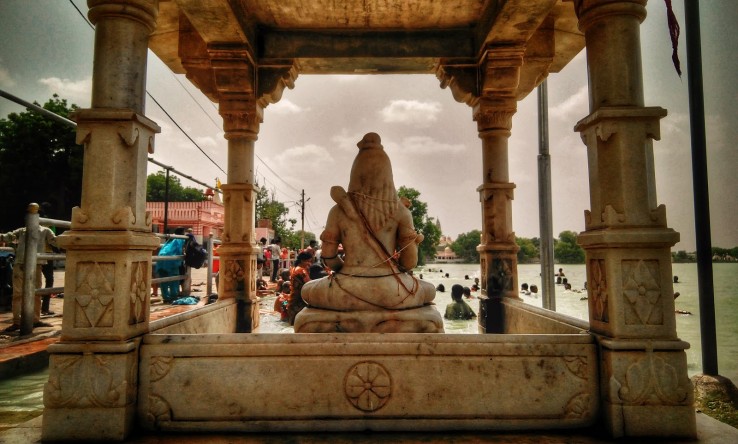
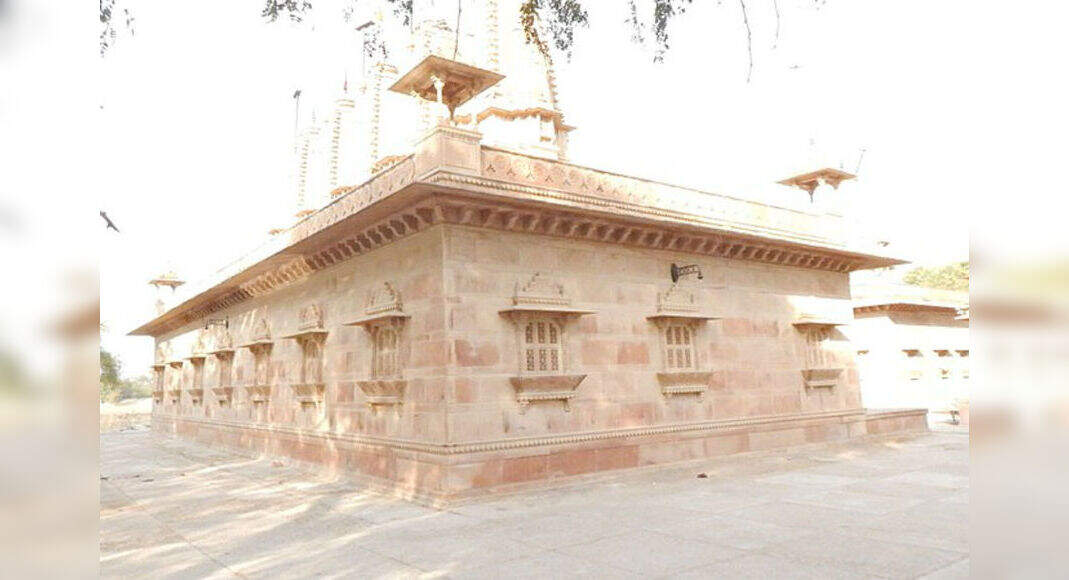
Kolayat is home to the Kapil Muni Temple, which stands by the side of a large lake known as Kolayat Lake. The lake is considered sacred, and its waters are believed to have purifying properties. The Shree Kolayat Fair is held in honour of Kapil Muni and is a time for devotees to pay homage to the sage, seek blessings, and take part in various religious and cultural activities.

The Shree Kolayat Fair is steeped in mythology and legends that add to its spiritual significance. One of the central myths associated with the fair revolves around Kapil Muni’s penance and the sanctity of Kolayat Lake. Kapil Muni is regarded as an incarnation of Lord Vishnu and is credited with the authorship of the Sankhya philosophy, which emphasises the dualism of matter and spirit. According to legend, Kapil Muni chose Kolayat as his place of meditation due to its serene and tranquil environment. It is said that his intense penance and meditation at Kolayat Lake sanctified the waters, making them capable of absolving sins and granting spiritual purification. Another legend tells of a time when the sage’s meditation was disturbed by a group of celestial beings. In his anger, Kapil Muni cursed them, but later, out of compassion, he granted them the boon that anyone who bathed in the lake during the fair would be absolved of their sins. This belief continues to draw thousands of devotees to Kolayat Lake each year.

Another significant myth associated with Kapil Muni and Kolayat Lake involves King Sagara and his sons. According to the legend, King Sagara performed the Ashwamedha Yagna (a horse sacrifice ritual) to assert his supremacy. Indra, the king of gods, became jealous and stole the sacrificial horse, hiding it in the hermitage of Kapil Muni. King Sagara’s 60,000 sons searched for the horse and eventually found it at Kapil Muni’s hermitage. Mistaking the sage for the thief, they disturbed his meditation. In his anger, Kapil Muni reduced them to ashes with his fiery gaze. The king’s descendants later performed penance to appease the sage and were instructed to bathe in Kolayat Lake to purify their souls and attain salvation.

The Shree Kolayat Fair blends religious rituals, cultural performances, and communal activities. The fair typically takes place in the month of Kartik, around October-November according to the Gregorian calendar and culminates on Kartik Purnima, the full moon day of Kartik. 

One of the most important rituals of the Shree Kolayat Fair is the holy dip in Kolayat Lake. Devotees believe that bathing in the lake during the fair absolves them of their sins and grants spiritual purification. The lake is surrounded by 52 ghats or bathing steps, and each ghat has its significance. On Kartik Purnima, one sees the highest number of devotees taking the holy dip, creating a vibrant and bustling atmosphere.

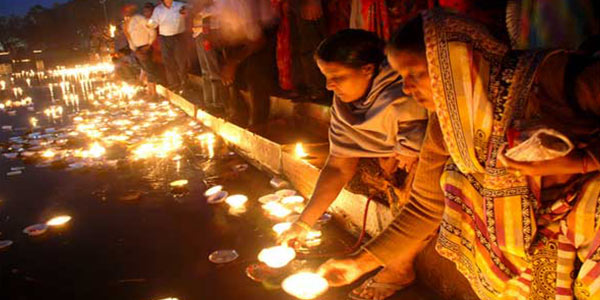
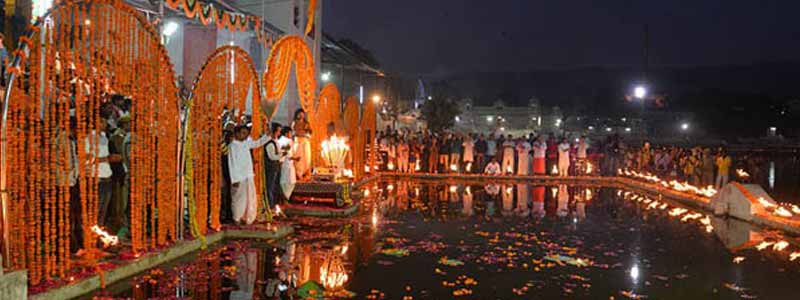
Another significant ritual is the offering of diyas or earthen lamps to the lake. Devotees light diyas and set them afloat on the waters of Kolayat Lake as an offering to Kapil Muni. The sight of thousands of diyas floating on the lake creates a mesmerising and serene ambiance, symbolising the triumph of light over darkness and good over evil.

The Kapil Muni Temple, located on the banks of Kolayat Lake, is the focal point of the fair. Devotees visit the temple to offer prayers, seek blessings, and perform rituals to honour Kapil Muni. The temple is beautifully decorated during the fair, and special pujas or worship ceremonies are conducted by the priests.

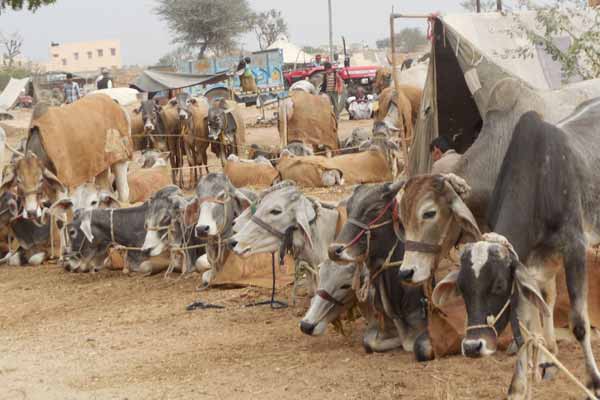
The Shree Kolayat Fair is also known for its cattle trading activities. Farmers and traders from various parts of Rajasthan and neighbouring states bring their livestock to the fair for trading. The cattle market is a bustling hub of activity, with a wide variety of livestock, including cows, camels, goats, and horses, being bought and sold. The trading of livestock is an essential aspect of the fair, reflecting the agrarian lifestyle of the region.

The fair is a celebration of Rajasthani culture and heritage, with a variety of cultural performances taking place throughout the event. Folk music and dance performances, puppet shows, and traditional Rajasthani plays are some of the highlights. These performances provide entertainment for the visitors and offer a glimpse into the rich cultural traditions of Rajasthan.

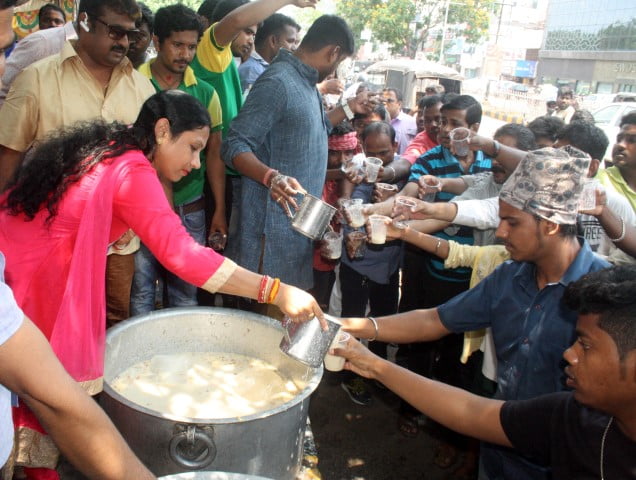
Community feasts are an integral part of the Shree Kolayat Fair. Devotees and visitors come together to share meals, fostering a sense of community and camaraderie. The feasts typically include traditional Rajasthani dishes, and the food is often prepared and served by volunteers.

The fair attracts pilgrims from various parts of India, and many of them undertake long journeys to reach Kolayat. Pilgrims often travel in groups, singing devotional songs and carrying flags and banners. Processions are a common sight during the fair, with devotees carrying idols of Kapil Muni and other deities through the streets.

Kartik Purnima, the full moon day of the Hindu month of Kartik, holds special significance in Hinduism and is considered an auspicious day for various religious activities. The Shree Kolayat Fair culminates on this day, and it is believed that the spiritual benefits of participating in the fair are magnified on Kartik Purnima.

Kartik Purnima is associated with several important Hindu deities and events. It is believed to be the day when Lord Vishnu incarnated as Matsya, his fish avatar to save the Vedas from the demon Hayagriva. It is also considered the day when Lord Shiva defeated the demon Tripurasura, leading to the celebration of Tripuri Purnima.

In the context of the Shree Kolayat Fair, Kartik Purnima is the day when the blessings of Kapil Muni are most potent. Devotees believe that performing rituals and taking a holy dip in Kolayat Lake on this day can lead to the absolution of sins and the attainment of spiritual merit.

The rituals on Kartik Purnima at the Shree Kolayat Fair are elaborate and deeply symbolic. Devotees wake up early in the morning and take a holy dip in the lake at sunrise. They then visit the Kapil Muni Temple to offer prayers and seek blessings. Special pujas and havans or rituals with the holy fire are conducted by the priests, and devotees participate in these ceremonies with great devotion. In the evening, the lake is illuminated with thousands of diyas, creating a breathtaking spectacle. Devotees offer the diyas to the lake, and the sight of the floating lamps is a symbol of hope, faith, and spiritual enlightenment.

The Shree Kolayat Fair is not just a religious event; it is a significant cultural and social gathering that has a profound impact on the local community and the region as a whole. The fair provides a substantial economic boost to the town of Kolayat and the surrounding areas. The influx of pilgrims and tourists leads to increased business for local vendors, artisans, and traders. The cattle market, in particular, is a major economic activity, with significant transactions taking place during the fair. The cultural performances and activities at the fair play a crucial role in promoting and preserving Rajasthani culture. Folk music, dance, and traditional arts are showcased, providing a platform for local artists and performers. The fair also attracts cultural enthusiasts and researchers who are interested in studying and documenting the rich heritage of Rajasthan.

The Shree Kolayat Fair fosters social cohesion and community spirit. It brings together people from different backgrounds and regions, creating an environment of unity and harmony. The communal activities, such as feasts and processions, encourage social interaction and strengthen bonds within the community. While the Shree Kolayat Fair continues to be a vibrant and significant event, it faces several challenges in the modern era. Efforts are being made to address these challenges and ensure the preservation of the fair’s cultural and religious significance. The large number of visitors to the fair can lead to environmental issues, such as pollution and waste management challenges. Efforts are being made to promote eco-friendly practices, such as the use of biodegradable materials and proper waste disposal systems. 

Awareness campaigns are also conducted to educate visitors about the importance of preserving the natural environment of Kolayat Lake. With the influence of modernisation and changing lifestyles, there is a risk of losing traditional practices and rituals associated with the fair. Cultural preservation initiatives, such as documentation and promotion of traditional arts, are being undertaken to ensure that the heritage of the Shree Kolayat Fair is passed down to future generations. To accommodate the growing number of visitors, there is a need for improved infrastructure and facilities. This includes better transportation, accommodation, sanitation, and medical services. The local government and community organisations are working together to enhance the infrastructure while maintaining the cultural integrity of the fair.

The Shree Kolayat Fair is a celebration of faith, culture, and community that holds a special place in the hearts of the people of Rajasthan. It is a time when devotees come together to honor Kapil Muni, seek spiritual purification, and celebrate the rich cultural heritage of the region. The fair’s vibrant rituals, cultural performances, and communal activities create an atmosphere of joy and devotion, making it a unique and memorable experience for all who attend. As the fair continues to evolve and adapt to modern challenges, it remains a testament to the enduring traditions and values of the Garo people. The Shree Kolayat Fair is not just a festival; it is a living tradition that connects the past with the present and offers a glimpse into the spiritual and cultural richness of Rajasthan.

Festivals of India: Wangala

Also known as the Hundred Drums Festival, the Wangala festival is one of the most significant and colourful celebrations of the Garo tribe in Meghalaya. This post-harvest festival marks the end of the agricultural year. It is a thanksgiving ceremony for Misi Saljong, also known as Pattigipa Ra’rongipa or the Great Giver, the sun god of fertility. The Wangala festival is a vibrant display of Garo culture, traditions, and their deep connection to nature and agriculture.

The Wangala festival has its roots in the ancient agricultural practices and beliefs of the Garo people. The Garos, one of the major tribes of Meghalaya, are known for their matrilineal society and strong connection to the land. Agriculture has been the primary occupation of the Garos for centuries, and their festivals and rituals are closely tied to the agricultural cycle.

The exact origin of the Wangala festival is lost in the mists of time, but it is believed to have been celebrated for many generations. The festival’s name, “Wangala,” is derived from the Garo word “wanna,” which means celebration. It is a time when the community comes together to express gratitude for a bountiful harvest and to seek blessings for the coming year.

Historically, the Wangala festival was celebrated independently in every Garo village. Each village would have its dates and duration for the festival, which could last anywhere from a few days to a week. However, in recent times, efforts have been made to organise a centralised Wangala celebration to showcase Garo culture to a wider audience and preserve their traditions.

The Wangala festival is deeply rooted in Garo mythology and their traditional belief system. At the festival’s heart is the worship of Misi Saljong, the sun god, believed to be the provider of good harvests and prosperity. According to Garo mythology, Misi Saljong taught the Garo people the art of agriculture. He showed them how to clear the land, sow seeds, and harvest crops. The Garos believe that it is through Misi Saljong’s blessings that they receive abundant harvests. The Wangala festival is their way to express gratitude to this benevolent deity and to seek his continued favour. Another important mythological figure in the Wangala festival is Goera, the goddess of agriculture. Goera is believed to be the protector of crops and is often invoked alongside Misi Saljong during the festival rituals.

The Garos also believe in various nature spirits that inhabit the forests, rivers, and mountains. These spirits are thought to play a role in the success of their agricultural endeavors. During the Wangala festival, offerings are made to these spirits to appease them and ensure their cooperation in the coming agricultural year.

One of the myths associated with the Wangala festival tells of a time when the Garo people faced a severe drought. The crops were failing, and the community was on the brink of starvation. The village elders gathered to perform rituals and prayers to Misi Saljong. According to the legend, Misi Saljong appeared to them in a dream and instructed them to perform a dance with drums and to make offerings of rice beer. When the villagers followed these instructions, rain began to fall, and their crops were saved. This myth is said to be the origin of the drum dance that is now central to the Wangala celebrations.

The preparations for the Wangala festival begin well in advance of the actual celebration. As the harvest season nears its end, the village elders come together to decide on the dates for the festival. Traditionally, the festival is held in November, but the exact dates can vary depending on the completion of the harvest and other local factors. Once the dates are set, the entire community gets involved in the preparations. 

One of the most important preparations is the brewing of rice beer, known as “chu” in the Garo language. Rice beer plays a significant role in Garo rituals and celebrations. The brewing process begins several weeks before the festival to ensure that the beer is properly fermented by the time of the celebration. The Garos take great pride in their traditional clothing, and the Wangala festival is an occasion to showcase their finest attire. Women prepare colourful wraparound skirts called dakmanda and blouses kutchi. Men ready their traditional dhotis and vests. Special attention is given to the headdresses, often adorned with feathers and hornbill beaks.

The festival’s alternative name, “Hundred Drums Festival,” highlights the importance of drums in the celebration. Skilled craftsmen in the village work on repairing old drums and making new ones. The primary drum used in the Wangala festival is the “dama,” a long, cylindrical drum made from hollowed-out tree trunks and animal hide. The entire village undergoes a thorough cleaning in preparation for the festival. Houses are repaired and whitewashed. The central area where the main celebrations will take place is cleared and decorated with bamboo structures, flowers, and leaves.

A significant amount of time is spent preparing food for the festival. Large quantities of rice, meat, and vegetables are readied for the communal feasts that will take place during the celebration. In the weeks leading up to the festival, the community, especially the youth, practice the traditional dances and songs that will be performed during the Wangala. 

The Wangala festival typically lasts two to three days, although in some villages, it can extend up to a week. The celebration is a mix of solemn rituals and joyous festivities. The first day of the festival is known as Salgittal or Salgittoa, which means “thanksgiving.” This day is marked by several important rituals. The festival begins with the village priest, the “Kamal,” performing an invocation ceremony. The Kamal offers prayers to Misi Saljong and other nature spirits, seeking their blessings for the community. The first fruits of the harvest are offered to Misi Saljong. This typically includes newly harvested rice, vegetables, and fruits. The offering is made on a special altar set up for the occasion. In some villages, a ceremonial sacrifice of a rooster or a goat may be performed. This is done to appease the spirits and ensure their continued favour. The Nokma or village chief and other important members of the community are anointed with rice powder mixed with water. This symbolises purification and preparation for the festivities to come. A sacred fire is lit, which will be kept burning throughout the festival. This fire symbolises the presence of Misi Saljong among the people.

The second day, known as Kakkat or Kakket, is the main day of celebration. This is when the most iconic events of the Wangala festival take place. The day begins with the Rugala ceremony, where Nokma and his wife lead a procession to the central festival ground. They carry a basket of rice, which symbolises the community’s harvest. The highlight of the festival is the Wangala dance. Dancers, dressed in colourful traditional attire, form lines with men and women alternating. They dance to the rhythmic beat of drums, bamboo clappers, and gongs. The dance movements mimic various agricultural activities such as sowing, weeding, and harvesting. This is where the festival gets its alternative name. A hundred or more drums are played simultaneously, creating a thunderous and mesmerising rhythm. The sound of the drums is believed to reach Misi Saljong, carrying the community’s prayers and gratitude. A grand feast is held where the community comes together to share food and rice beer. This feast symbolises the abundance of the harvest and the spirit of community sharing. Various traditional games and sports are organised, including wrestling, tug-of-war, and archery competitions. 

The final day of the festival is typically reserved for concluding rituals. The Kamal leads the community in offering final thanksgiving prayers to Misi Saljong and other deities. The sacred fire lit on the first day is ceremonially extinguished, marking the end of the festival. The community elders bless the younger generation, wishing them prosperity and good fortune for the coming year. In some villages, there are rituals to bid farewell to the spirits and deities, thanking them for their presence during the festival.

Music and dance are integral to the Wangala festival. The most important musical instruments used during the celebration include the Dama, a long, cylindrical drum that gives the festival its “Hundred Drums” moniker; the Nagra, a smaller drum used to provide counterpoint rhythms; the Gong which is used to provide additional rhythmic elements; and Bamboo Clappers which provides a distinctive clacking sound that complements the drums. The Wangala dance is a complex performance that tells the story of the agricultural cycle. The dancers move in synchronised patterns, their movements representing different farming activities. Swaying movements represent the swaying of rice plants in the wind while stomping feet mimic the act of threshing rice and hand movements show the sowing of seeds and the harvesting of crops. The dance is performed in lines, with men and women alternating. As the dance progresses, the tempo of the music increases, and the movements become more energetic, culminating in a joyous celebration of the harvest.

Food plays a central role in the Wangala festival. The celebration is an opportunity for the community to come together and share in the abundance of the harvest. Some traditional dishes served during the festival include Wak Pura, a dish made from pork and bamboo shoots, Nakham Bitchi, a chicken curry cooked with special herbs, Pura which are various types of smoked meat, Minil Songa, a dish made from fish and local vegetables, and Pitha which are rice cakes often served as dessert. Rice, being the main crop, features prominently in all meals. It is often served with various meat and vegetable side dishes. The traditional rice beer, “chu,” is essential to the celebration. It is consumed during the feasts and used in various rituals as an offering to the deities.

The Wangala festival holds immense social and cultural significance for the Garo community. The festival brings the entire community together, strengthening social bonds and reinforcing a sense of shared identity. Through the rituals, dances, and music, the festival helps in preserving and passing down Garo cultural traditions to younger generations. The festival marks the end of the agricultural year and the beginning of a new cycle, helping to structure the community’s annual activities. Today, the festival has become a tourist attraction, bringing economic benefits to the region. The festival’s focus on nature worship and agricultural cycles helps maintain an awareness of environmental issues among the community.

While the Wangala festival remains an important part of Garo culture, it faces several challenges in the modern era. As more young Garos move to cities for education and employment, there’s a risk of losing touch with traditional practices. The spread of Christianity among the Garo community has led to changes in how the festival is perceived and celebrated. There are concerns that the increasing tourism around the festival might lead to its commercialisation, potentially diluting its cultural significance. Changes in agricultural practices and environmental conditions pose challenges to the traditional agricultural cycle that the festival celebrates. Despite these challenges, the Wangala festival has shown remarkable resilience and adaptability. 

In recent years, there have been concerted efforts to preserve and promote the festival. While individual villages still celebrate Wangala, there are now also centralised celebrations organized by cultural organizations and the state government. These larger events help in showcasing Garo culture to a wider audience. Efforts are being made to document the rituals, songs, and dances associated with the festival to ensure their preservation. Schools and colleges in the Garo Hills region often organise programs to educate students about the significance of Wangala and other traditional festivals. The festival is now promoted as a cultural tourism event, attracting visitors from across India and abroad. While this brings economic benefits, care is taken to maintain the festival’s authenticity. Some communities have adapted certain aspects of the festival to align with changing religious beliefs while still maintaining its core cultural significance.

The Wangala festival is more than just a harvest celebration; it is a vibrant expression of Garo culture, spirituality, and connection to the land. Through its colorful dances, rhythmic music, traditional attire, and communal feasts, Wangala offers a window into the rich cultural heritage of the Garo people.

As the festival continues to evolve in the face of modern challenges, it remains a testament to the resilience and adaptability of indigenous cultures. The Wangala festival serves as a reminder of the importance of preserving cultural traditions while also embracing change.

Festivals of India: Madhvacharya Jayanti

Commemorating the birth anniversary of Sri Madhvacharya, one of India’s most influential philosophers and theologians, Madhvacharya Jayanti typically falls in September or October according to the Gregorian calendar, marks the birth of a man who profoundly impacted Hindu philosophy and continues to inspire millions of followers worldwide.

Sri Madhvacharya, also known simply as Madhva, was born in 1238 in Pajaka, a small village near Udupi in the present-day state of Karnataka. He is renowned as the founder of the Dvaita or dualism school of Vedanta philosophy, which he called Tattvavada, meaning “arguments from a realist viewpoint”. 

Madhvacharya’s life was marked by extraordinary events from the very beginning. According to hagiographies, his birth was accompanied by divine signs and miracles. His parents, Madhyageha Bhatta and Vedavati had long yearned for a child and considered his birth a blessing from Lord Vishnu. Even as a young boy, Madhvacharya displayed remarkable intelligence and spiritual inclination. At the tender age of five, he received spiritual initiation, and by twelve, he had already accepted sannyasa, the most renounced order of spiritual life. This early renunciation set the stage for his lifelong dedication to spiritual pursuits and philosophical inquiry.

Madhvacharya’s contributions to Indian philosophy and theology are vast and enduring. His accomplishments can be broadly categorized into philosophical, literary, and social reforms.

Madhvacharya’s most significant contribution was the formulation and propagation of the Dvaita or dualism school of Vedanta. This philosophy stands in contrast to the Advaita or non-dualism philosophy of Adi Shankara and the Vishishtadvaita or qualified non-dualism of Ramanuja. The Dvaita philosophy asserts that there are fundamental differences between the individual soul or jiva, matter or prakriti, and God or Ishvara.

Madhvacharya propounded the concept of five-fold differences or pancha bheda. The pancha bheda is was the difference between God and the individual soul; the difference between God and matter; the difference between individual souls; the difference between soul and matter; and the difference between various forms of matter.

Madhvacharya identified Vishnu as the Supreme Being, equating Him with Brahman as described in the Upanishads. Unlike some other Indian philosophical schools that viewed the world as an illusion, Madhvacharya asserted that the world is real and not merely an illusion or maya. Controversially, Madhvacharya proposed that some souls are eternally destined for hell, a concept not commonly found in Hindu philosophy.

Madhvacharya was a prolific writer, authoring numerous works that expounded his philosophy and interpreted sacred texts. His literary output is impressive, with thirty-seven works attributed to him. Some of his most important works include commentaries on the thirteen principal Upanishads, offering his unique interpretations of these ancient texts. His commentary on the Brahma Sutras, the foundational text of Vedanta philosophy, is considered one of his most important works. Madhvacharya’s commentary on the Bhagavad Gita provides insights into his understanding of karma yoga and bhakti yoga and the Mahabharata Tatparya Nirnaya presents his interpretation of the Mahabharata, emphasising its spiritual and philosophical aspects. The Bhagavata Tatparya Nirnaya is a commentary on the Bhagavata Purana, this work elucidates Madhvacharya’s views on devotion to Vishnu while the Anu-Vyakhyana, considered his masterpiece, is a supplement to his commentary on the Brahma Sutras.

Madhvacharya was not just a philosopher but also a social reformer. He challenged prevailing social norms and worked towards making spiritual knowledge accessible to all. Madhvacharya declared that the path to salvation was open to all, regardless of caste or birth. This was a revolutionary idea in medieval India, where spiritual knowledge was often restricted to upper castes. He established the Ashta Mathas or Eight Monasteries in Udupi, which became centres of learning and spiritual practice. Madhvacharya emphasized bhakti or devotion as a means of spiritual realisation, making spirituality more accessible to the common people.

The life of Madhvacharya is replete with stories of miraculous events and divine interventions. While these stories may be viewed as hagiographical embellishments, they form an integral part of the tradition and reflect the reverence in which Madhvacharya is held by his followers.

According to tradition, Madhvacharya’s birth was not ordinary. It is said that his parents had been childless for many years and prayed fervently to Lord Ananteshwara, a form of Lord Vishnu for a son. Their prayers were answered, and Madhvacharya was born as an incarnation of Vayu, the wind god.

Several miraculous events are associated with Madhvacharya’s childhood. It is said that Madhvacharya’s father had accumulated many debts. To help repay these, young Madhva miraculously converted tamarind seeds into gold coins. Near Madhvacharya’s house lived a demon named Maniman in the form of a snake. The young Madhva is said to have killed this demon with the big toe of his left foot. Stories tell of Madhvacharya’s ability to appear instantly before his mother whenever she felt anxious, jumping from wherever he was playing. As a child, Madhvacharya is said to have consumed 4,000 bananas and thirty large pots of milk in one sitting, demonstrating his divine nature.

Madhvacharya is believed by his followers to be the third incarnation of Vayu, the wind god. According to this belief, the first incarnation was Lord Hanuman, the devoted servant of Lord Rama, the second was Bhima, one of the Pandava brothers in the Mahabharata while Madhvacharya was the third and final incarnation. This belief in Madhvacharya’s divine origin adds to his authority as a spiritual leader and philosopher in the eyes of his followers.

One of the most significant mythological stories associated with Madhvacharya is his supposed encounter with Vyasa, the legendary author of the Vedas and Puranas. According to tradition, Madhvacharya travelled to Badrikashrama in the Himalayas, where he met Vyasa in person. This meeting is said to have lasted for several days, during which Vyasa imparted advanced spiritual knowledge to Madhvacharya and confirmed the correctness of his philosophy.

Madhvacharya Jayanti is celebrated with great devotion and enthusiasm, particularly in South India where his influence is strongest. The festival typically falls on the Vijaya Dashami day in the month of Ashwin, typically between September and October according to the Gregorian calendar.

Madhvacharya Jayanti serves multiple purposes. It’s a day to remember and honour the life and teachings of Madhvacharya. For followers of the Dvaita philosophy, it’s a time for spiritual introspection and renewal of their commitment to Madhvacharya’s teachings. The festival provides an occasion to educate people, especially the younger generation, about Madhvacharya’s philosophy and contributions to Indian thought. It brings together the community of Madhvacharya’s followers, strengthening their bonds and shared spiritual heritage.

The celebration of Madhvacharya Jayanti involves various rituals and activities. Temples dedicated to Madhvacharya or those belonging to the Dvaita tradition conduct special pujas or worship ceremonies on this day. Devotees often engage in the recitation of Madhvacharya’s works or texts that he commented upon, such as the Bhagavad Gita. Scholars and spiritual leaders give discourses on Madhvacharya’s philosophy and its relevance in contemporary times. Many communities organise cultural programs featuring devotional music and dance performances. Following Madhvacharya’s teachings on social reform, many followers engage in charitable activities on this day. Some devotees observe a fast on this day as a form of spiritual discipline and many try to visit Udupi, the centre of Madhvacharya’s activities, or other places associated with his life.

Madhvacharya’s influence extends far beyond his immediate followers. His ideas have had a lasting impact on Indian philosophy and spirituality. Madhvacharya’s philosophy significantly influenced later Vaishnava thinkers. The founder of Gaudiya Vaishnavism, Chaitanya Mahaprabhu, and his followers thoroughly studied Madhvacharya’s works before developing their philosophy. The prominent Gaudiya Vaishnava theologian, Jiva Goswami, drew heavily from Madhvacharya’s writings in composing his works. 

Madhvacharya’s emphasis on devotion or bhakti as a means of spiritual realisation contributed to the broader Bhakti movement in India. His teachings helped make devotional practices more accessible to common people, regardless of their caste or social status. Madhvacharya established a strong tradition of disciplic succession. Notable scholars in this lineage include Jayatirtha, Vyasatirtha, and Raghavendra Tirtha, who further developed and propagated Dvaita philosophy.

The eight mathas or monasteries established by Madhvacharya in Udupi continue to be important centres of learning and spiritual practice. The most famous among these is the Udupi Krishna Matha, known for its unique tradition of Krishna worship. 

Madhvacharya identified Vishnu as the Supreme Being, possessing infinite auspicious qualities. He taught that God is independent and self-existent; the world is dependent on God for its existence and functioning; God is the efficient and material cause of the universe; and divine grace is essential for salvation.

Regarding the individual soul or jiva, Madhvacharya taught that souls are eternal and innumerable, each soul is unique and maintains its individuality even after liberation, the soul is inherently dependent on God, and knowledge of one’s true nature as a servant of God is crucial for spiritual progress.

Unlike some Indian philosophical schools that view the world as an illusion, Madhvacharya asserted that the world is real, not illusory, the diversity we see in the world is real and not merely an appearance, and the world is subject to God’s control and exists for His pleasure.

Madhvacharya outlined a clear path to spiritual liberation. These are Knowledge or Jnana which is understanding the nature of God, soul, and the world; devotion or Bhakti which means cultivating loving devotion to Lord Vishnu; detachment or Vairagya by which one develops dispassion towards worldly pleasures, and divine grace because ultimately, liberation depends on God’s grace.

A unique aspect of Madhvacharya’s philosophy is the concept of gradation among souls. He proposed that souls are categorised based on their inherent qualities and potential for liberation and some souls are destined for eternal liberation, some for eternal bondage, and others which will oscillate between the two states. This concept of gradation and eternal damnation for some souls has been one of the more controversial aspects of Madhvacharya’s philosophy.

While Madhvacharya lived and taught in the 13th century, his ideas continue to be relevant in the modern world. His emphasis on the reality of difference resonates with modern ideas of pluralism and diversity. The concept of each soul being unique underscores the importance of individual worth and potential. Madhvacharya’s emphasis on righteous living and devotion provides a framework for ethical behavior in daily life. His approach to critically examining existing philosophies encourages intellectual inquiry and debate. The view of the world as real and valuable can foster a sense of responsibility towards the environment. 

Like any philosophical system, Madhvacharya’s Dvaita has faced challenges and criticisms. The idea that some souls are eternally condemned has been difficult for many to accept. Critics argue that Madhvacharya’s conception of God is too anthropomorphic. Some scholars have questioned Madhvacharya’s interpretations of Vedic texts, arguing that they are sometimes forced to fit his philosophical framework. Critics have pointed out perceived logical inconsistencies in some aspects of Dvaita philosophy. Despite these challenges, Madhvacharya’s philosophy continues to thrive and evolve, with modern scholars offering new interpretations and defences of his ideas.

While Madhvacharya Jayanti is primarily celebrated in India, particularly in the southern states, it has gained recognition globally due to the spread of Hinduism and the growing interest in Indian philosophy. The epicentre of Madhvacharya Jayanti celebrations is Udupi, Karnataka, where Madhvacharya established his primary matha. The Krishna Temple here becomes a focal point of festivities. Throughout Karnataka, especially in coastal regions, temples and mathas organise special pujas, discourses, and cultural programs. Tamil Nadu, Andhra Pradesh, and Kerala also see significant celebrations, particularly in areas with a strong Madhva following. While celebrations are less prominent in North India, some Vaishnava communities do observe the day with devotional activities.

Madhvacharya Jayanti is more than just a birthday celebration; it’s a testament to the enduring impact of a philosopher who lived over 700 years ago. Madhvacharya’s life, teachings, and legacy continue to inspire millions, offering a unique perspective on the nature of reality, the divine, and the human condition. His emphasis on the reality of difference, the supremacy of Vishnu, and the path of devotion has left an indelible mark on Hindu philosophy and practice. The annual celebration of Madhvacharya Jayanti serves as a reminder of his contributions and an opportunity for spiritual renewal for his followers.

We’re reminded of the rich philosophical traditions of India and their continued relevance in our modern world. Whether one agrees with all aspects of his philosophy or not, there’s no denying the profound impact Madhvacharya has had on Indian thought and spirituality.