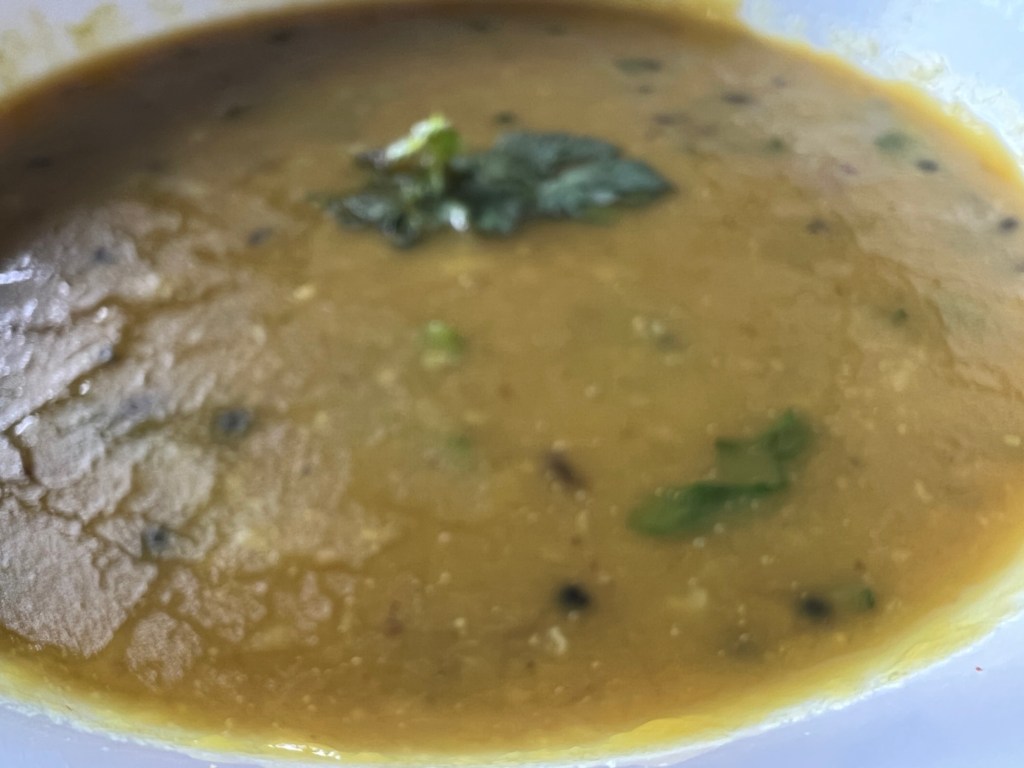
Recipes: Sesame Seed Jaggery Sweet Powder

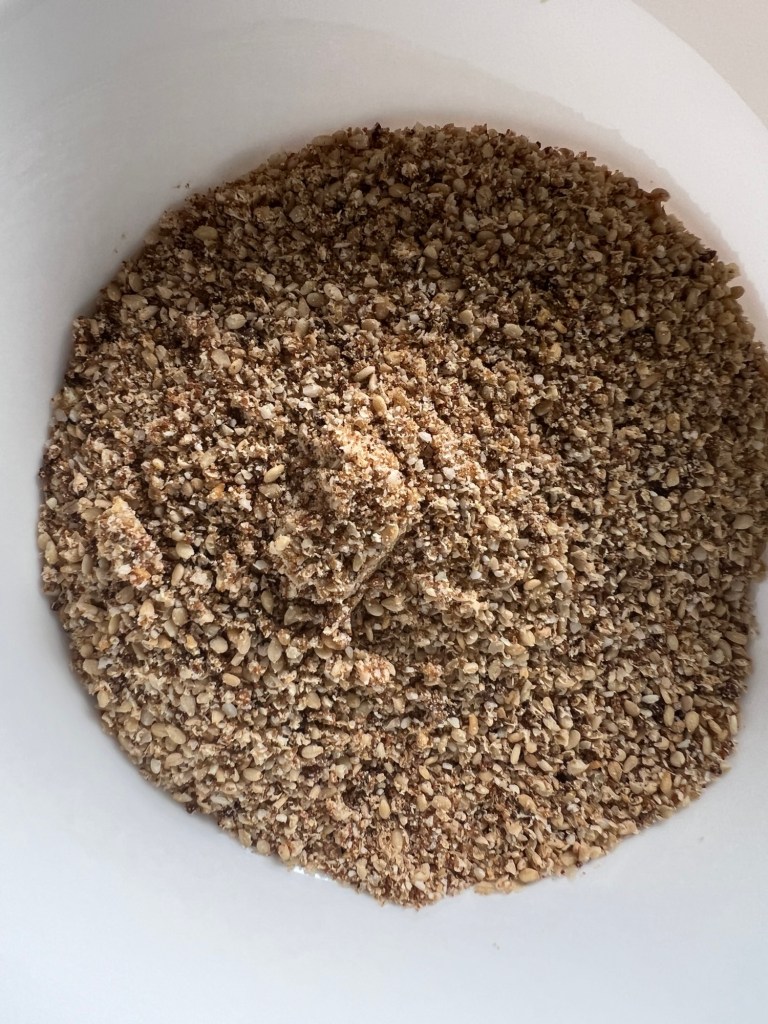
A couple of months back, I had to make a sweet offering quickly and didn’t have the time to make something elaborate, so I thought of this recipe, which is not only very quick to put together but also hardly takes any time, uses just two ingredients, and has health benefits.

Sesame seeds are a powerhouse of nutrients, packed with healthy fats, protein, and fibre, which support heart health and digestion. They are an excellent source of calcium, promoting strong bones and teeth, especially for those who may not consume dairy. Rich in antioxidants and anti-inflammatory properties, sesame seeds help protect the body against oxidative stress and chronic diseases. Their high magnesium content is beneficial for regulating blood pressure and maintaining cardiovascular health. Additionally, sesame seeds contain lignans and phytosterols, compounds known for their cholesterol-lowering effects.

The second ingredient, jaggery, a traditional unrefined sugar, is a natural sweetener rich in essential minerals like iron, magnesium, and potassium. It helps improve digestion by stimulating the secretion of digestive enzymes, making it beneficial after meals. Jaggery is known for its blood-purifying properties, which can help detoxify the liver and cleanse the respiratory tract. Its iron content makes it an excellent natural remedy for combating anemia and boosting energy levels. Jaggery is also a source of antioxidants, which help fight free radicals and boost overall immunity.

Sesame Seed Jaggery Sweet Powder

Ingredients:

  • ½ cup white sesame seeds
  • ½ cup brown jaggery

Method:

  • In a warm pan, dry roast the sesame seeds until they turn brown and start to pop. 
  • Transfer to a plate and let it cool.
  • If using rock jaggery, powder the jaggery to ½ cup and keep aside.
  • Once the sesame seeds are cool, pulse the seeds in a mixer. Just one or two pulses should be enough. 
  • Remove the sesame seed powder to a mixing bowl and if using powdered jaggery, add that and mix well.
  • If using rock jaggery, powder the jaggery first and then pulse the sesame seeds. 
  • Mix well and transfer to a moisture-free container. This should last well for a week or so outside.

Recipes: (Almost) Instant Onion Chutney

Today’s recipe is a chutney frequently served with South Indian food at restaurants. I saw this recipe in a reel a few months back, so recently, when I made masala dosai, I decided to make this quick chutney, albeit with my own take. The chutney took less than 10 minutes to make, and this included the prep work, which was miniscule. 

(Almost) Instant Onion Chutney

Ingredients:

  • 2-3 medium sized onions, roughly chopped
  • 3-5 cloves of garlic, peeled
  • 1 tsp ginger, peel and chopped roughly
  • 1 small ball of tamarind
  • 3-4 dried red chillies, destalked
  • 1-2 tsp jaggery powder
  • Salt to taste

Method:

  • In a blender, blend together all the ingredients into a smooth paste.
  • Check for seasoning and add salt and jaggery powder as needed.
  • Serve with Idlis and dosai or even chapati or bread.

Notes:

  • My chutney turned brown/purple because I only had purple onions at home. If you use the white onions, it turns a nice red colour
  • For some people, the taste of the onions may be strong, so in such cases, you can lightly sauté the onions and cool it before blending it.
  • I used jaggery powder, but this can be substituted with rock jaggery or even sugar.
  • As a South Indian, I always have tamarind fruit at home. This can be found in Indian stores, but as a substitute, you can also use 1 tsp tamarind paste or even lemon juice to amp up the tartness.
  • Traditional South Indian chutneys typically have a tempering on top. I don’t like that, so either avoid it or do it before I blend. If you want the tempering, heat 1 tsp oil in a small pan and when the oil heats up, add in 1 tsp mustard seeds and let them pop. Then put in 2 dry red chillies, along with 1 tsp urad dal and once the urad dal starts to brown, remove from the flame and pour over the chutney.
  • The untempered chutney is a great addition to sandwiches. 

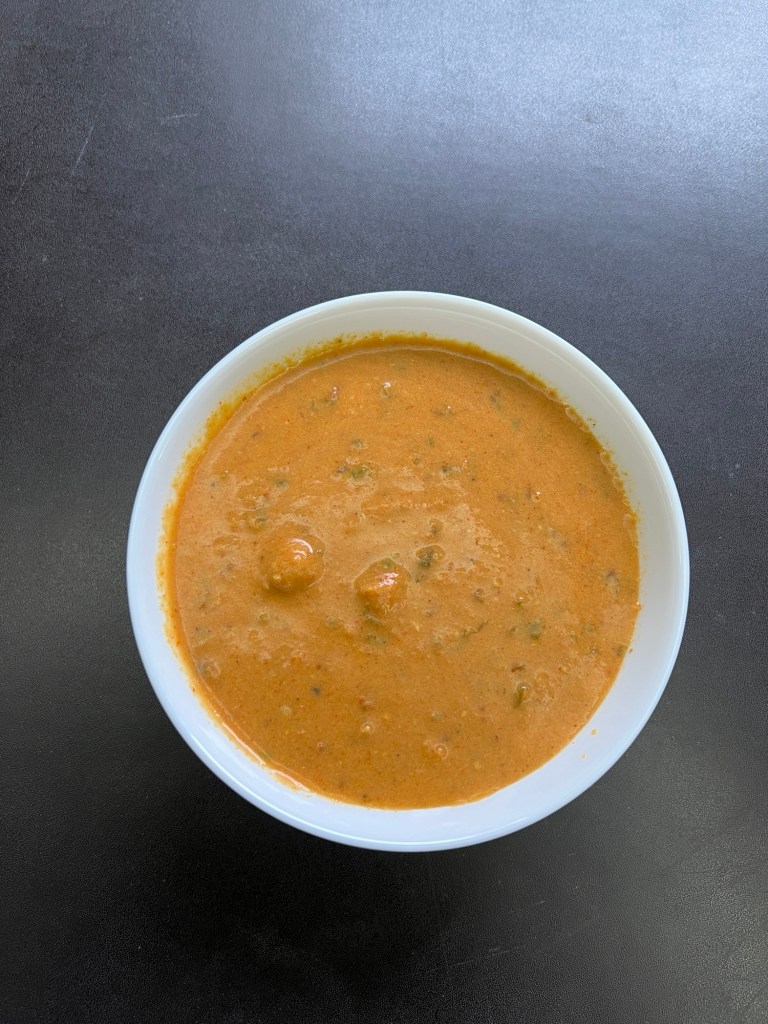
Dahiwale Chole aka Chickpeas in a Tomato Yogurt Sauce

The other day, while wondering what to cook — something that happens to all of us — I suddenly had an epiphany and thought of experimenting with some boiled chickpeas that I had at home. The result was this quick gravy that took about 15-20 minutes to put together and went beautifully with the boiled chickpeas. I will also be making this gravy again, this time trying it with different vegetables.

Dahiwale Chole aka Chickpeas in a Tomato Yogurt Sauce

Ingredients:

  • 1 cup boiled chickpeas
  • 2 medium-sized onions, roughly chopped
  • 4 medium-sized tomatoes, roughly chopped
  • 5-6 garlic cloves, peeled
  • 1-inch piece of ginger, peeled
  • 2-3 fresh red chillies, destalked
  • 1 cup yoghurt, whisked
  • 2 tbsp roasted peanut powder
  • 1 tsp cumin seeds
  • ¼ tsp turmeric powder
  • ½ tsp Kashmiri red chilli powder
  • 1 tsp cumin powder
  • 1 tsp coriander powder
  • 1 tsp jaggery powder (optional)
  • Salt to taste
  • 1 tbsp oil or ghee
  • Finely chopped coriander leaves to garnish

Method:

  • Blend together the garlic, ginger and red chillies into a smooth and keep aside.
  • Blend the onions into a fine paste and keep aside.
  • Blend the tomatoes into a fine paste and keep aside.
  • Heat the oil in a pan and when the oil heats up, add in the cumin seeds and let the seeds pop.
  • Pour in the blended garlic, ginger and chillies and stir well for a couple of minutes
  • Then add in the blended onions, sprinkle a bit of salt and cook well until the onion starts to become translucent.
  • Then add the blended tomatoes and cook covered until the oil starts to ooze out.
  • Add the dry spices – turmeric powder, red chilli powder, cumin powder, coriander powder, salt, and peanut powder. If you are adding jaggery powder or sugar, add it now.
  • Once the oil oozes out, add in the whisked yoghurt and stir continuously for a few minutes.
  • Now add the boiled chickpeas and cook covered on a medium-low flame for 5-7 minutes.
  • Check for seasoning and adjust what is needed.
  • Garnish with finely chopped coriander leaves and serve hot with rice or any Indian flatbread.

Notes:

  • I used already boiled chickpeas, but if you don’t have them handy, you can make it with canned chickpeas or soak a cup of dry chickpeas for 6–8 hours and then cook it in a pressure cooker or in a pan until they are soft.
  • To make roasted peanut powder, dry roast peanuts until the skin starts to split. Cool them completely and blend to a coarse powder.
  • You can also add powdered sesame seeds instead of peanuts or both together. To make powdered sesame seeds, dry roast white sesame seeds until they start to pop. Cool then pulse to make a fine powder.
  • If you plan to use other vegetables, lightly fry them in 1 tsp oil until they are 80% cooked. Then remove and keep aside and make the gravy as per the recipe above. Add them back into the gravy where I have indicated adding the boiled chickpeas.

Recipes: Dal Bukhara

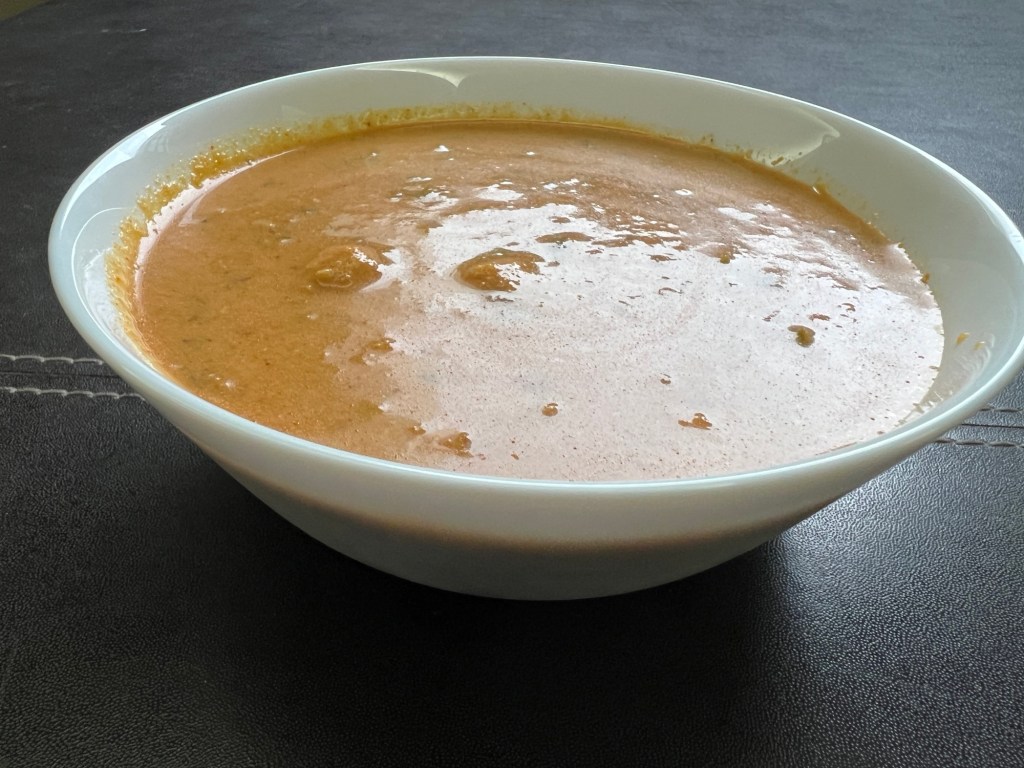
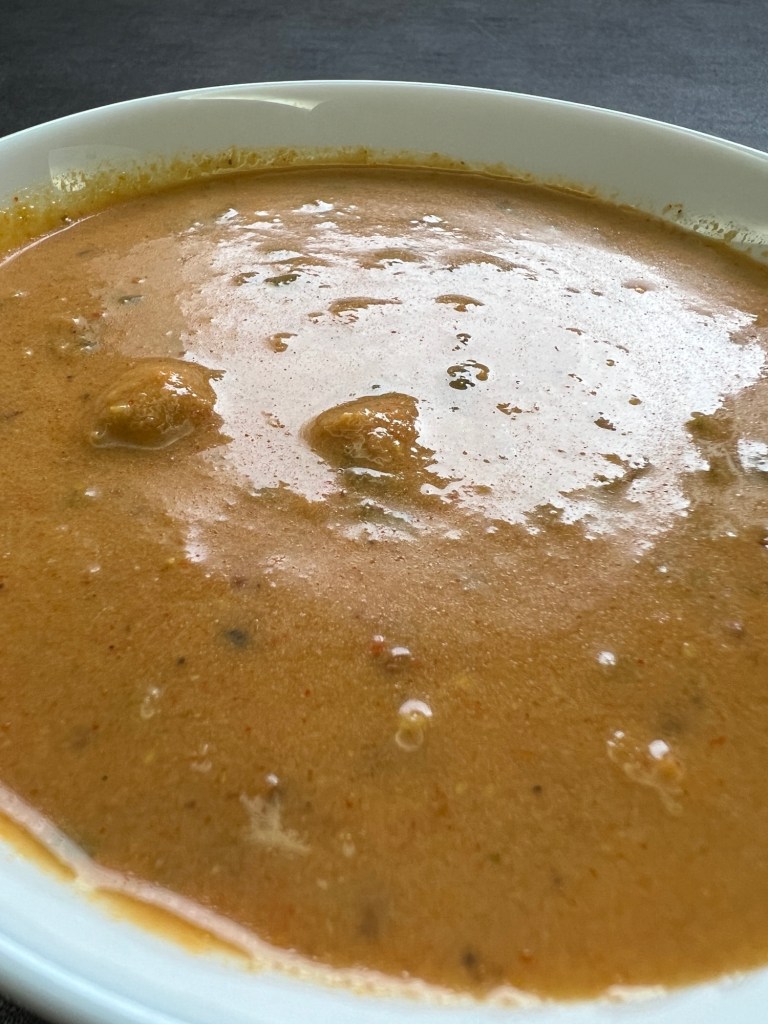
Some time back, I saw a reel about Dal Bukhara and I was intrigued by the recipe. So I made it. Dal Bukhari is a rich, creamy lentil dish that originated at the Bukhara restaurant in ITC Maurya Hotel, New Delhi. The dish was created by Chef Madan Jaiswal at the Bukhara restaurant in the 1970s. It quickly gained popularity and was associated with many accolades. Dal Bukhara is considered a more refined version of the well-known Dal Makhani.

Chef Jaiswal introduced Dal Bukhara when the Bukhara restaurant opened at the ITC Maurya Hotel in 1978. While coming up with Dal Bukhara, Chef Jaiswal focused on using only whole black gram or urad dal, without the kidney beans used in Dal Makhani. He emphasised slow-cooking the dal, sometimes overnight, to develop deep flavours, using minimal ingredients but incorporating generous amounts of butter and cream. 

Dal Bukhara

Ingredients:

  • 1.5 cups whole black gram or urad dal
  • 3 medium to large tomatoes, pureed
  • 2 tsp ginger-garlic paste
  • 1 tsp or more Kashmiri red chilli powder
  • ½ tsp garam masala
  • 6-7 tbsp butter, preferably white, but normal butter will also do
  • 7-8 tbsp light cream or 3-4 tbsp heavy whipping cream
  • Salt to taste
  • Water for cooking

Method:

  • Soak the black gram overnight.
  • Pressure cook the soaked lentils with 4.5-5 cups of water until soft.
  • Add the cooked lentils, tomato puree, ginger-garlic paste, and red chilli powder in a heavy-bottomed pan.
  • Simmer the dal on low heat for about 1-1.5 hours, stirring occasionally to prevent sticking.
  • Add butter and cream gradually during the cooking process.
  • Season with salt and garam masala towards the end of cooking.
  • The final consistency should be thick and creamy, not runny.
  • Serve hot, garnished with a dollop of cream or butter, with naan, tandoori roti, or jeera rice.

Notes:

  • As a last stage, before serving, you can also smoke the dal using the dhungar method for an authentic charcoal flavour.
  • Traditionally, Dal Bukhara is slow-cooked overnight on charcoal ovens in restaurants, which gives it its distinctive taste and texture.
  • Slow cooking and generous use of butter and cream are the key to achieving authentic flavour at home.

Recipes: Plum, Pineapple and Ginger Chutney

A few weeks back GG asked me if I wanted fruits from the supermarket. On an impulse, I asked her to buy some plums so I could make this plum chutney. On the day I was supposed to make the chutney, I realised we had some fresh pineapple at home which was quite sour and no one wanted to eat it. So I decided to incorporate the pineapples plus some ginger into the chutney and the result was this tangy and slightly sweet pineapple, plum and ginger chutney.

Plum, Pineapple and Ginger Chutney

Ingredients:

  • 8 red/purple plums
  • ½ fresh pineapple
  • 1 cup raisins or dates
  • 2 inch piece of ginger, peeled
  • Salt to taste
  • 1-2 tsp Kashmiri red chilli powder
  • 2 tsp cumin powder
  • ½ tsp fennel powder
  • Jaggery powder to taste (optional)

Method:

  • Soak the raisins or dates in hot water for 30 minutes, drain and keep aside.
  • Deseed the plums and chop them into small pieces.
  • Blend the pineapple, plums, ginger and raisins into a smooth paste.
  • Strain this paste into a large pan so there are no lumps. At this point, it will be a light pink or red mixture.
  • Heat the pan and let the mixture come to a boil. You can add a bit of water if needed.
  • Add the dry spices – salt, red chilli powder and cumin powder and let the mixture bubble and cook until it thickens.
  • If the mixture is still sour, add some brown sugar or jaggery to balance the taste. 
  • Switch off the gas and let the chutney cool. Once it cools, it becomes a gorgeous purple chutney.

This chutney can be used instead of tamarind chutney and keeps well in the fridge for a few weeks. Remember to use a dry spoon when using it, so there is no contamination.