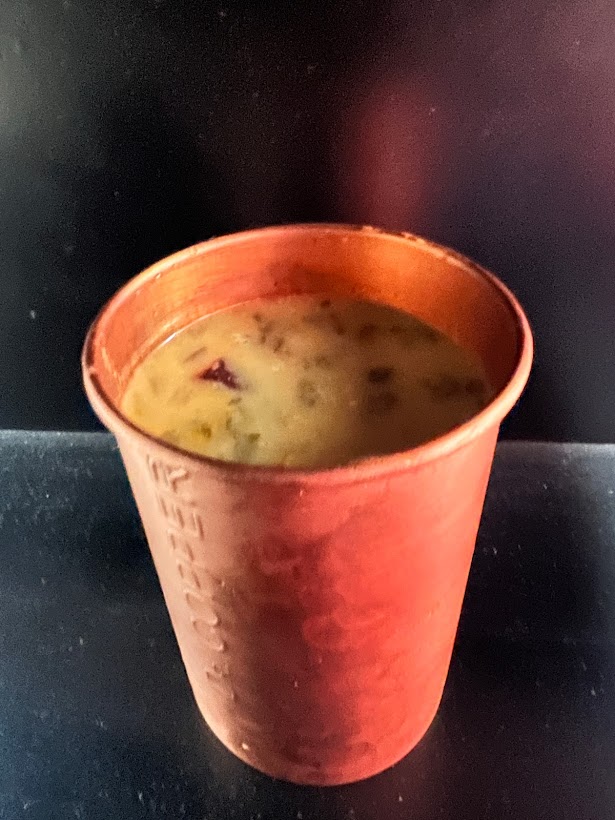
Recipes: Iru Puli Kuzambu

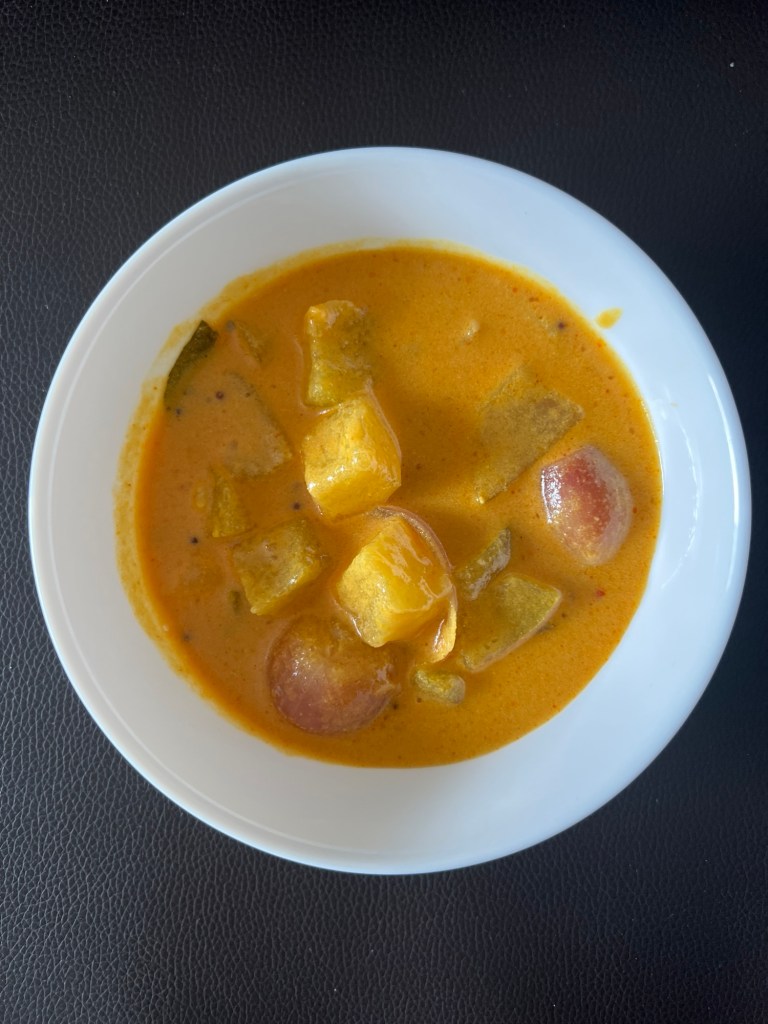
Belonging to the family of kuzambus, Iru Puli Kuzambu is what results from sambar and mor kozambu marrying and having a baby! I heard about this kozambu in the WhatsApp group of the retirement community my parents live in, and everyone was raving about this dish. I was intrigued and decided to find out more.

This is one of those deeply comforting dishes that manages to be both rustic and complex. It’s a beautiful example of heritage Tamil Brahmin cuisine, particularly from the Iyer households of the Thanjavur and Tirunelveli regions. The name “Iru Puli” literally means “two kinds of sourness,” traditionally referring to the combination of tamarind, or puli, and buttermilk, or mor, which are used in the same dish. That’s what makes it unique: it layers tanginess in a way that’s both subtle and rounded.

Iru Puli Kuzambu is considered a heritage recipe, often cooked on special occasions or when families want to use up leftover buttermilk without waste, a very Tamil way of resourcefulness. Many households in the Cauvery delta region, especially in Kumbakonam, Mayavaram, and Tirunelveli, still make this dish exactly as their grandmothers did, without onions, as part of the pathiya samayal or satvik style.

I made it slightly differently because I only had baby onions or sambar onions and white pumpkin at home. You can use any vegetable you use for a sambar, but if you want to go traditional, then don’t use onions or garlic in this recipe.
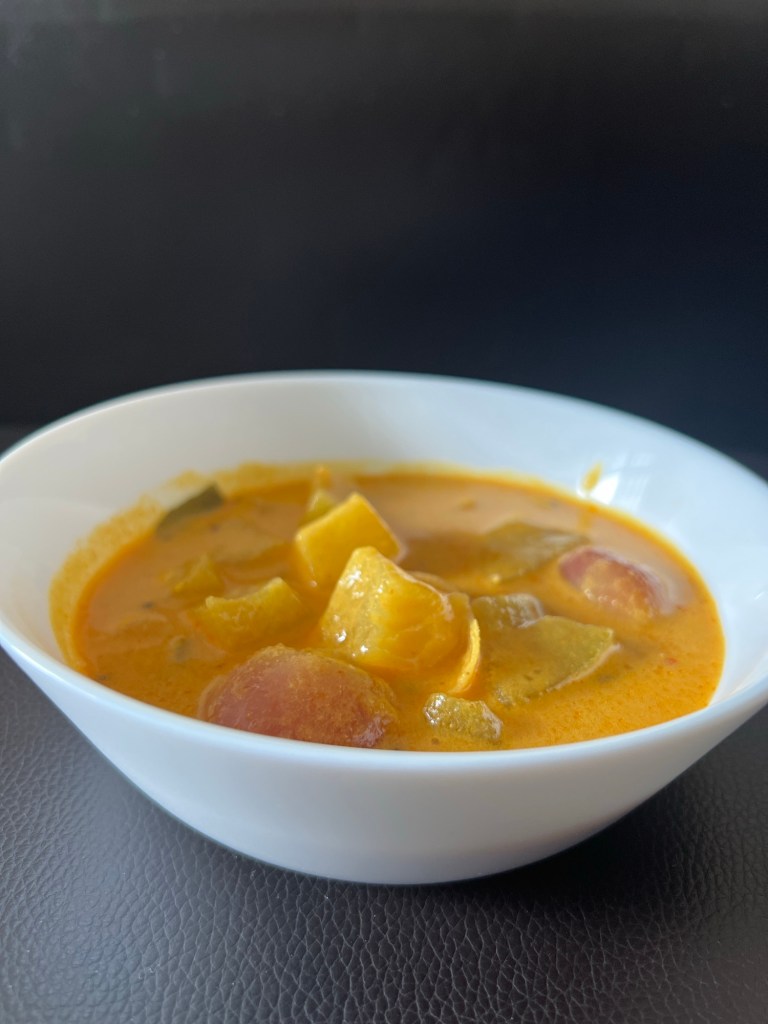
Iru Puli Kuzhambu

Ingredients:

  • 3 cups peeled and cubed vegetables
  • Lemon-sized ball of tamarind, soaked in warm water for 20-30 minutes
  • ½ cup yoghurt, beaten well
  • ½ tsp turmeric powder
  • Salt to taste
  • ¼ cup fresh grated coconut
  • 4-5 dried red chillies (adjust according to the chilli’s heat and your spice tolerance)
  • ¼ tsp fenugreek or methi seeds
  • ½ tsp raw rice, soaked in water for 20-30 minutes
  • ½ tsp mustard seeds
  • 5-6 curry leaves
  • ⅛ tsp asafoetida
  • Oil as required

Method:

  • Extract the water from the tamarind pulp and keep it aside.
  • Whisk the yoghurt and add some water to thin it, and keep it aside.
  • Drain the water from the rice and keep it aside.
  • In a small pan, add 1 tsp of oil, and once the oil warms up, add the fenugreek seeds and then the red chillies. Let them sauté for a few seconds until the fenugreek seeds turn golden brown. Keep aside.
  • Add this to a mixer along with the drained rice and coconut and grind into a fine paste. Add water as needed.
  • In the same pan, add 2 tsp oil and add the mustard seeds and let them sputter. Then add the curry leaves and let them crisp a bit.
  • Now add the vegetables you plan to use. Sauté for a few seconds, then add the turmeric powder and asafoetida, and continue to sauté.
  • Add 1 cup of water and salt, and let the vegetables cook until they are 50% done.
  • Now add the tamarind water and cook for an additional five minutes, until the raw smell of the tamarind has dissipated.
  • Now add the ground paste, mix well, and add more water if the kuzhambu is thick.
  • Let this come to a rolling boil and cook for another 3-5 minutes.
  • Lower the flame and add the whisked yoghurt. While adding in the yoghurt, make sure you are continuously stirring the kuzhambu.
  • As the kuzambu comes to a boil, let it boil for a minute and switch off the flame.
  • Serve with rice and any curry of your choice.
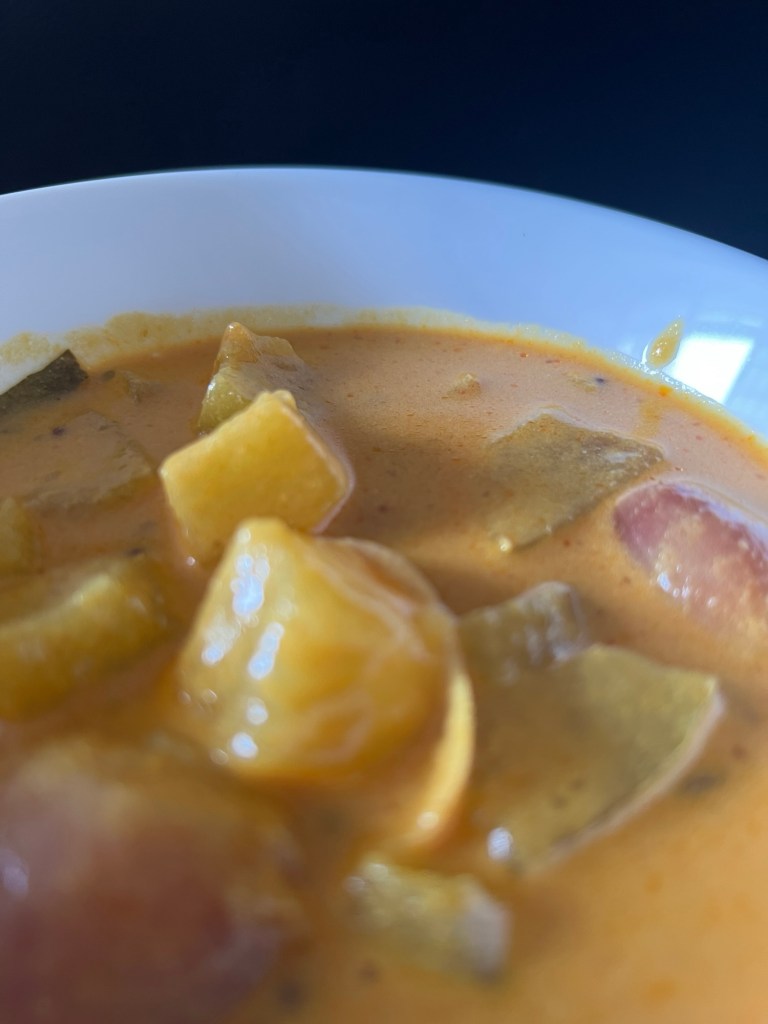
Note: The key to this dish is balance. Too much tamarind and the yoghurt flavour disappears; too much yoghurt and it becomes mor kuzhambu. The ideal ratio is about 2:1 tamarind to buttermilk.
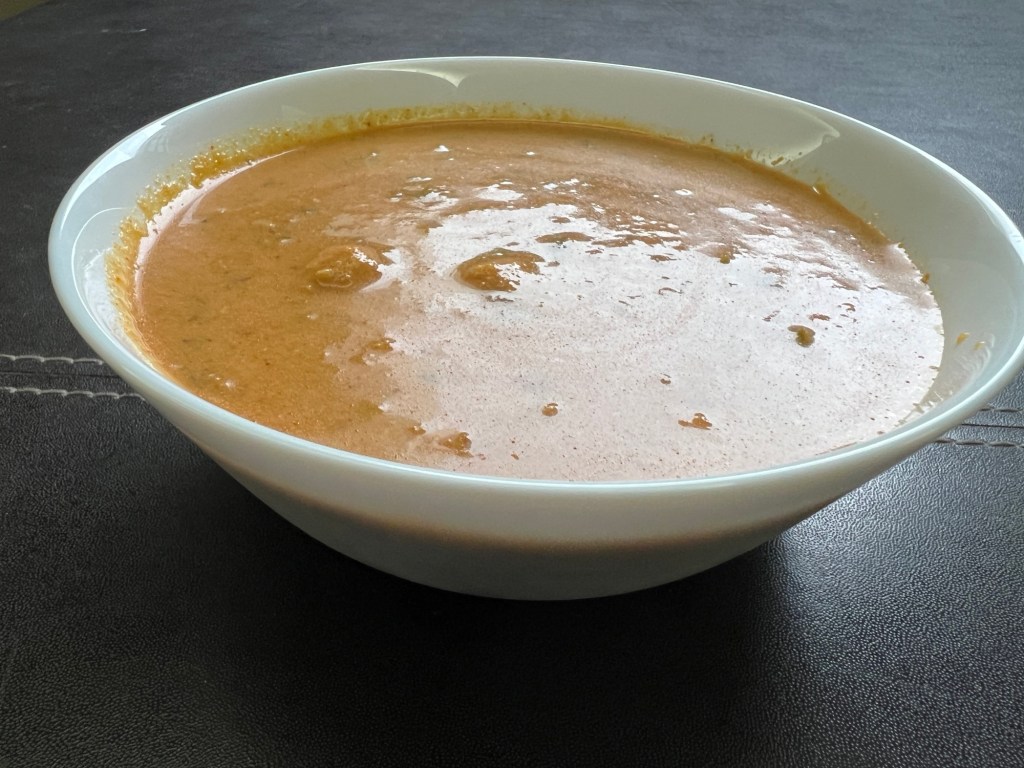
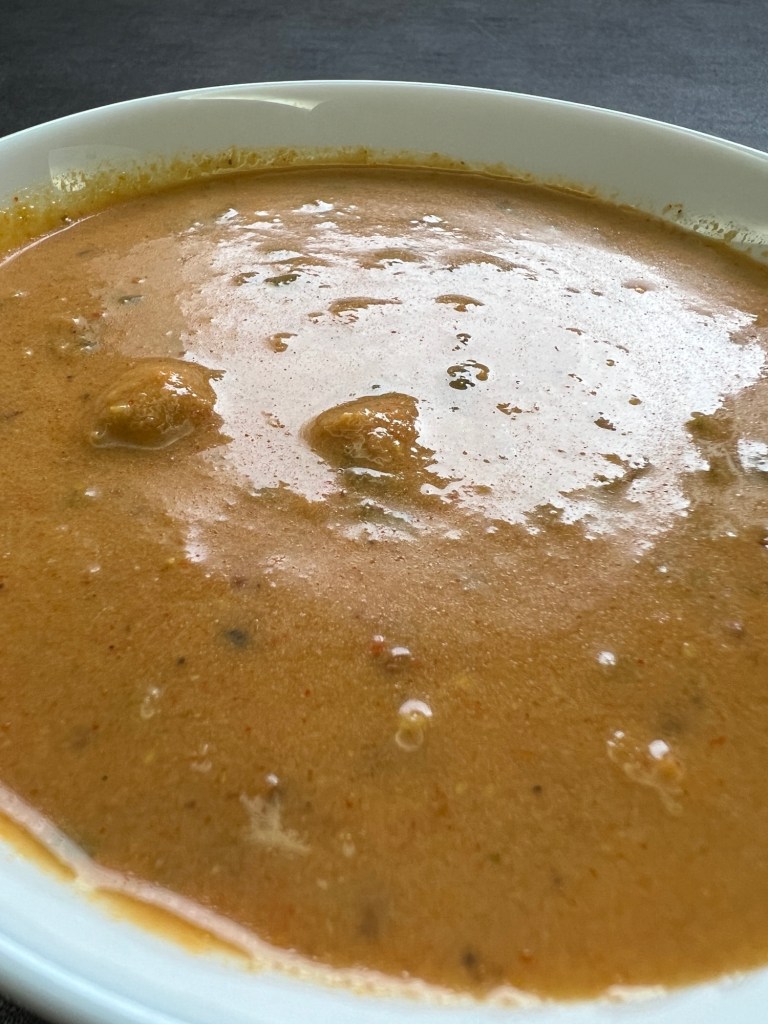
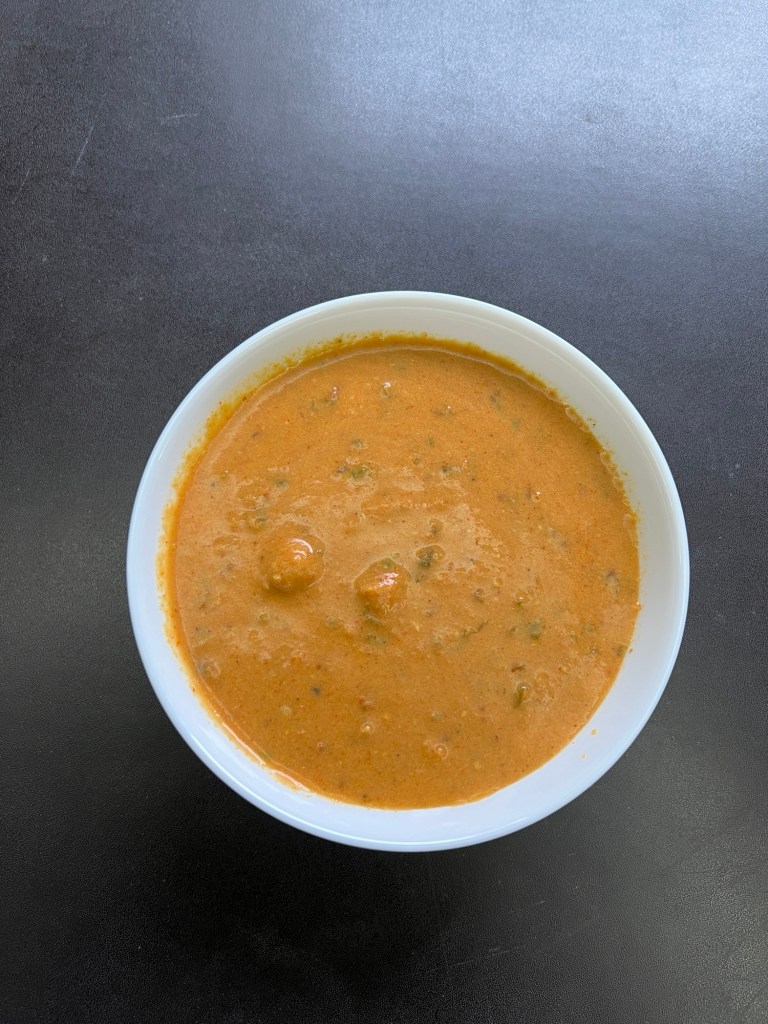
Dahiwale Chole aka Chickpeas in a Tomato Yogurt Sauce

The other day, while wondering what to cook — something that happens to all of us — I suddenly had an epiphany and thought of experimenting with some boiled chickpeas that I had at home. The result was this quick gravy that took about 15-20 minutes to put together and went beautifully with the boiled chickpeas. I will also be making this gravy again, this time trying it with different vegetables.

Dahiwale Chole aka Chickpeas in a Tomato Yogurt Sauce

Ingredients:

  • 1 cup boiled chickpeas
  • 2 medium-sized onions, roughly chopped
  • 4 medium-sized tomatoes, roughly chopped
  • 5-6 garlic cloves, peeled
  • 1-inch piece of ginger, peeled
  • 2-3 fresh red chillies, destalked
  • 1 cup yoghurt, whisked
  • 2 tbsp roasted peanut powder
  • 1 tsp cumin seeds
  • ¼ tsp turmeric powder
  • ½ tsp Kashmiri red chilli powder
  • 1 tsp cumin powder
  • 1 tsp coriander powder
  • 1 tsp jaggery powder (optional)
  • Salt to taste
  • 1 tbsp oil or ghee
  • Finely chopped coriander leaves to garnish

Method:

  • Blend together the garlic, ginger and red chillies into a smooth and keep aside.
  • Blend the onions into a fine paste and keep aside.
  • Blend the tomatoes into a fine paste and keep aside.
  • Heat the oil in a pan and when the oil heats up, add in the cumin seeds and let the seeds pop.
  • Pour in the blended garlic, ginger and chillies and stir well for a couple of minutes
  • Then add in the blended onions, sprinkle a bit of salt and cook well until the onion starts to become translucent.
  • Then add the blended tomatoes and cook covered until the oil starts to ooze out.
  • Add the dry spices – turmeric powder, red chilli powder, cumin powder, coriander powder, salt, and peanut powder. If you are adding jaggery powder or sugar, add it now.
  • Once the oil oozes out, add in the whisked yoghurt and stir continuously for a few minutes.
  • Now add the boiled chickpeas and cook covered on a medium-low flame for 5-7 minutes.
  • Check for seasoning and adjust what is needed.
  • Garnish with finely chopped coriander leaves and serve hot with rice or any Indian flatbread.

Notes:

  • I used already boiled chickpeas, but if you don’t have them handy, you can make it with canned chickpeas or soak a cup of dry chickpeas for 6–8 hours and then cook it in a pressure cooker or in a pan until they are soft.
  • To make roasted peanut powder, dry roast peanuts until the skin starts to split. Cool them completely and blend to a coarse powder.
  • You can also add powdered sesame seeds instead of peanuts or both together. To make powdered sesame seeds, dry roast white sesame seeds until they start to pop. Cool then pulse to make a fine powder.
  • If you plan to use other vegetables, lightly fry them in 1 tsp oil until they are 80% cooked. Then remove and keep aside and make the gravy as per the recipe above. Add them back into the gravy where I have indicated adding the boiled chickpeas.

Recipes: Methi Malai Mattar Paneer

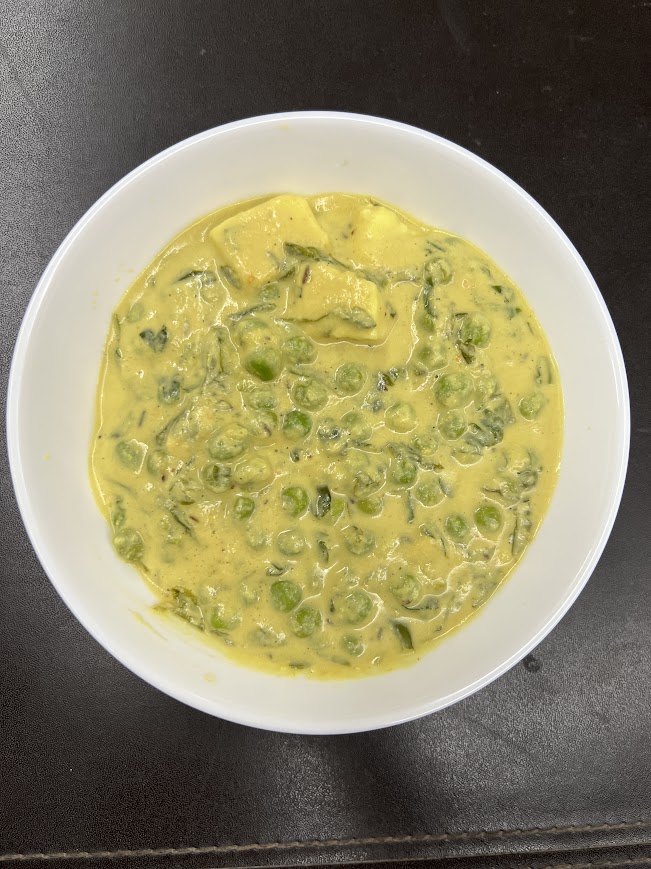
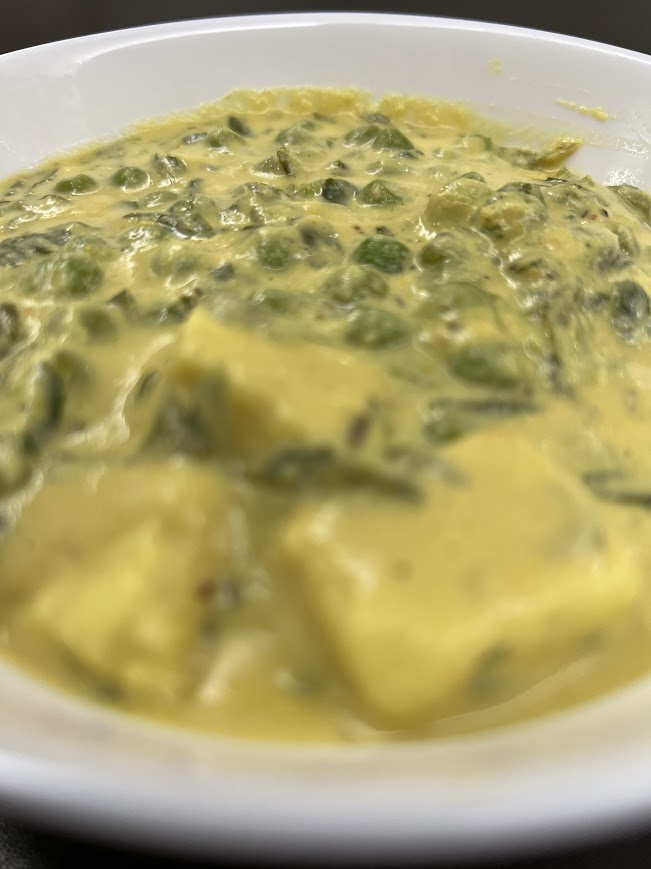
A restaurant staple, Methi Malai Matar is a popular North Indian dish known for its creamy texture and delightful combination of fenugreek leaves, or methi, green peas, or mattar, Indian cottage cheese, or paneer and a rich cream-based gravy. Its origin can be traced back to the Indian state of Punjab, where rich and indulgent dishes are prevalent due to the region’s farming and dairy culture. The dish gained popularity over time due to its exquisite flavor profile, combining the slight bitterness of methi with the sweetness of green peas and the richness of cream. I had made this sometime earlier in the year and forgot about it until I chanced upon the photo while clearing my phone’s photo gallery.

Methi Malai Mattar Paneer

Ingredients:

  • 2 cups fresh fenugreek leaves or methi, washed and finely chopped
  • 1 cup green peas, fresh or frozen
  • 200 gm paneer, cubed
  • 2 large onions, finely chopped
  • 2 tomatoes, finely chopped
  • ½ cup fresh cream or yoghurt.
  • 2 tbsp oil or ghee
  • 1 tsp cumin seeds
  • 1 tsp ginger-garlic paste
  • ½ tsp turmeric powder
  • 1 tsp red chilli powder (more or less according to your spice preference)
  • 1 tsp coriander powder
  • ½ tsp garam masala
  • 2 tbsp kasuri methi
  • Salt to taste
  • Water, as needed
  • Finely chopped fresh coriander leaves to garnish

Method:

  • Heat oil or ghee in a pan or kadai over medium heat. Add cumin seeds and let them splutter.
  • Add finely chopped onions and sauté until they turn translucent and golden brown.
  • Stir in ginger-garlic paste and sauté for a couple of minutes until the raw aroma disappears.
  • Add the finely chopped tomatoes and cook until they become soft and the oil starts to separate from the mixture.
  • Add the turmeric powder, red chilli powder, coriander powder, and salt. Mix well and cook for a few more minutes to blend the spices.
  • Add the chopped methi or fenugreek leaves to the pan and sauté for 5-7 minutes until they wilt and become tender. Stir occasionally.
  • Once the methi leaves are cooked, add green peas and paneer cubes to the mixture. Mix gently to combine the ingredients.
  • Pour in the fresh cream or yoghurt and stir well. If you prefer a creamier consistency, you can adjust the quantity of cream or yoghurt to your liking.
  • Add water as needed to achieve your desired gravy consistency. Cover the pan and let the curry simmer for 5-7 minutes to allow the flavours to meld together.
  • Sprinkle garam masala over the curry and give it a final stir.
  • Garnish with finely chopped chopped coriander leaves.

Serve hot with rice or rotis.

Note: You can use cashew paste as a dairy-free alternative and even in the recipe above to make it creamier or for a special occasion.

Recipes: Dahi Dal aka Yogurt Dal

I have been mulling about this recipe ever since I saw something like this on social media. And I recently got a chance to play around with this recipe. I had some leftover dal which was not enough to make an actual dal, I was saving it to make rasam but decided to make this instead. This is actually a very simple recipe and takes hardly any time to make, especially if like me, you already have the prepared dal.

Dahi Dal aka Yogurt Lentils

Ingredients:

  • 1 cup prepared moong or toor dal
  • 1 medium-sized onion, finely chopped
  • 1 cup beaten yoghurt
  • 2 tsp gramflour or besan
  • 1 tsp cumin seeds
  • 2 dried red chillies, broken
  • ¼ tsp turmeric powder
  • ½ tsp ginger paste
  • 1 tsp garlic paste
  • Salt to taste
  • 1 tsp sugar (optional)
  • 1 tbsp ghee or oil
  • 1 tbsp kasuri methi
  • Coriander leaves to garnish

Method:

  • Heat the ghee or oil in a pan and when it warms up, add in the cumin seeds and let the seeds splutter. Then add the dried red chillies and saute for a couple of seconds.
  • Then add in the onions and saute until the onions become translucent.
  • Now add in the ginger and garlic pastes and saute for a couple of minutes.
  • Beat the prepared dal till it is a creamy consistency and pour it in and let it come to a rolling boil.
  • In the meantime beat the yoghurt well with the gram flour so that there are no lumps.
  • When the dal is boiling, slowly add in the yoghurt and stir continuously so that the yoghurt does not start stringing.
  • Add salt and sugar to taste. Add more water to thin it as per preference.
  • Crush the kasuri methi in the palms of your hands and add it to the dal. Garnish with finely chopped coriander leaves and serve hot with rice or rotis.

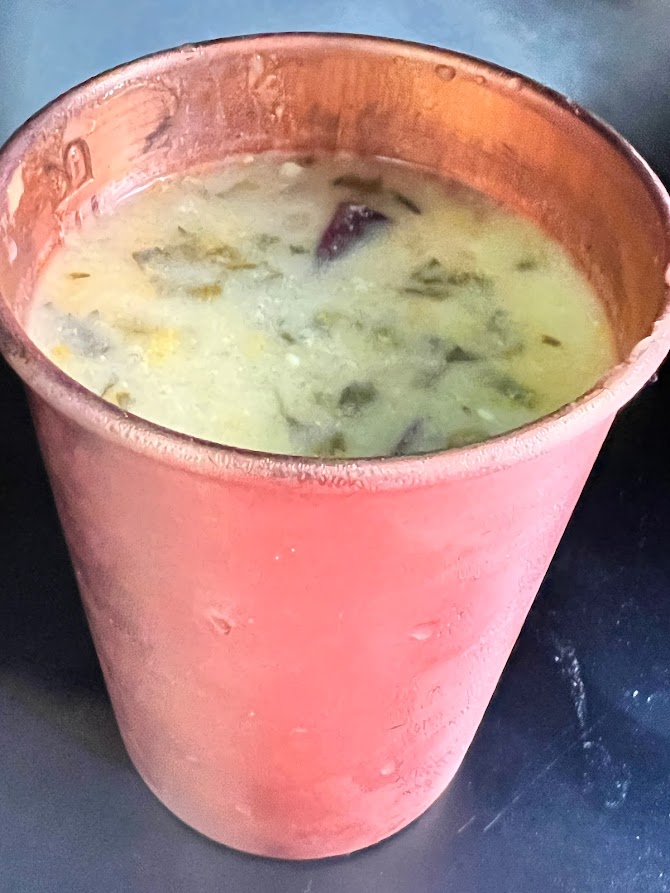
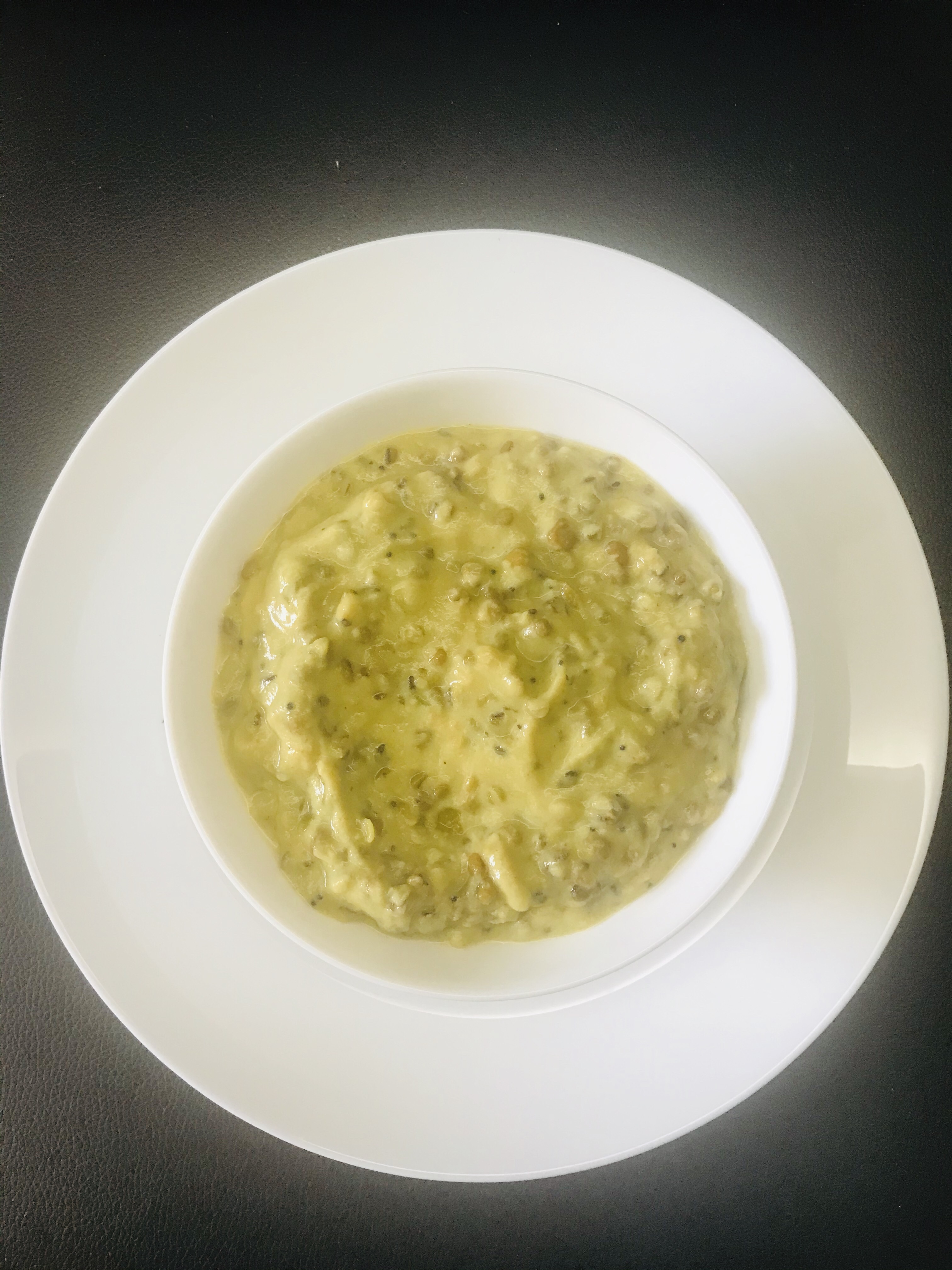
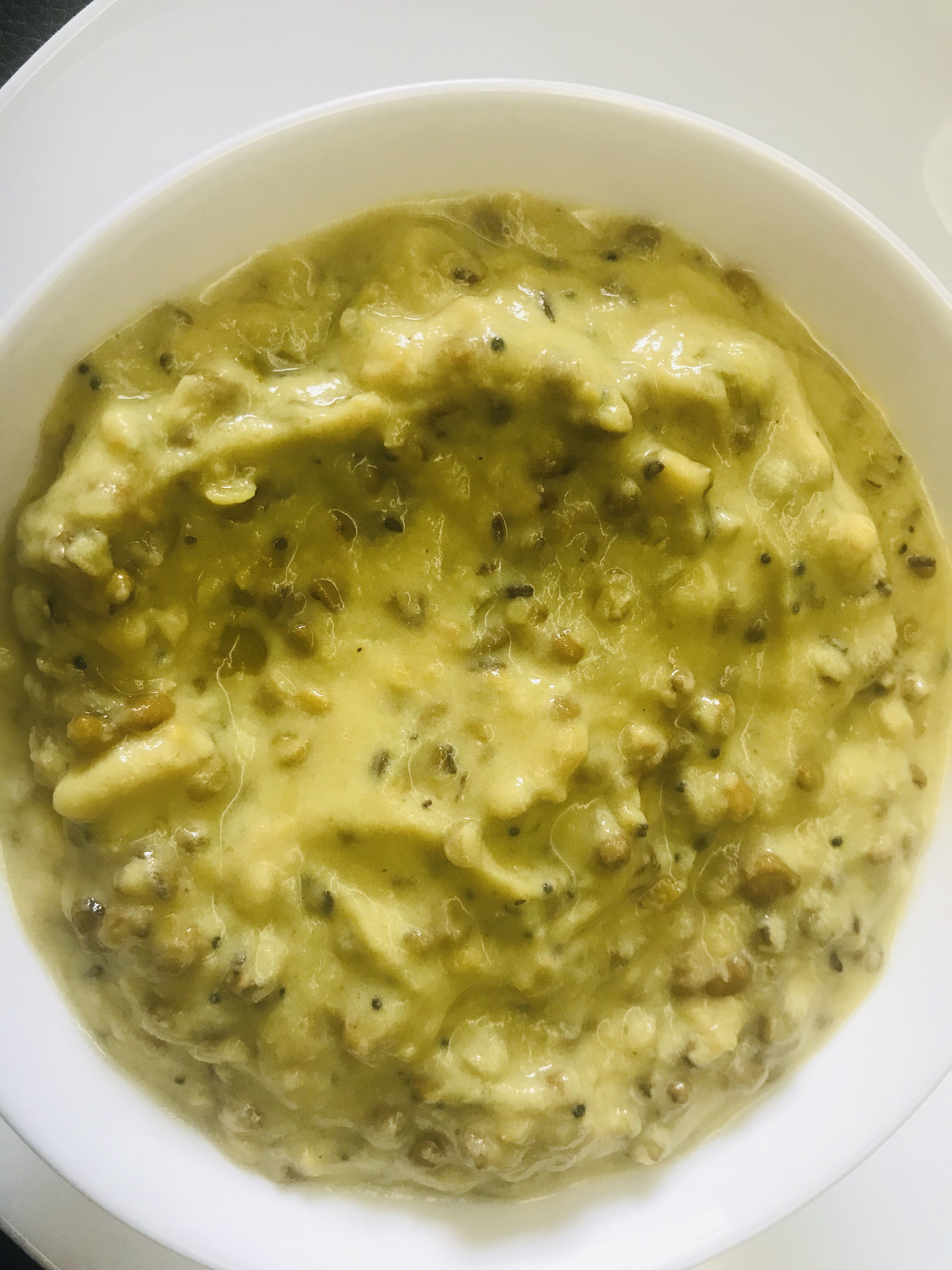
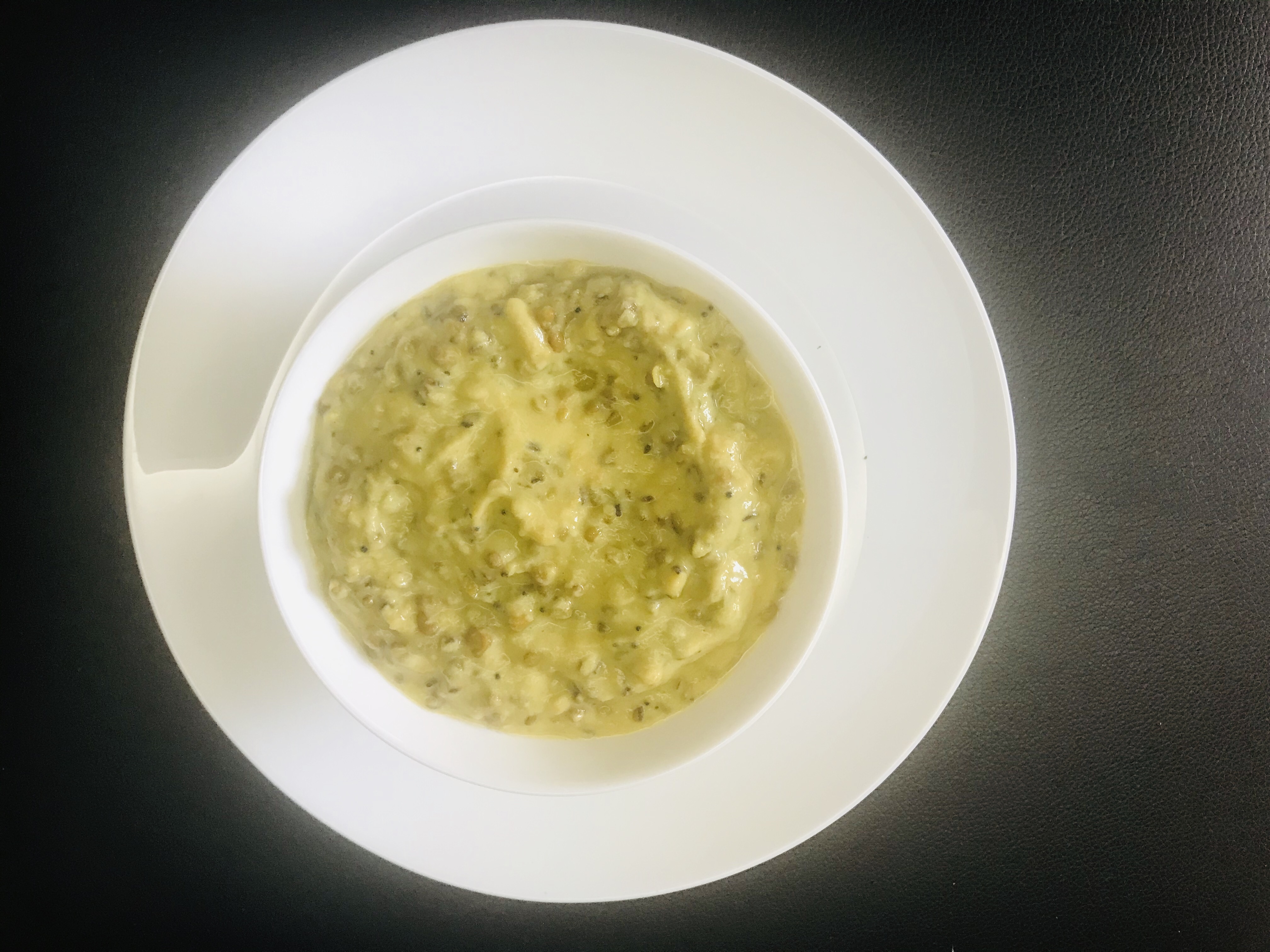
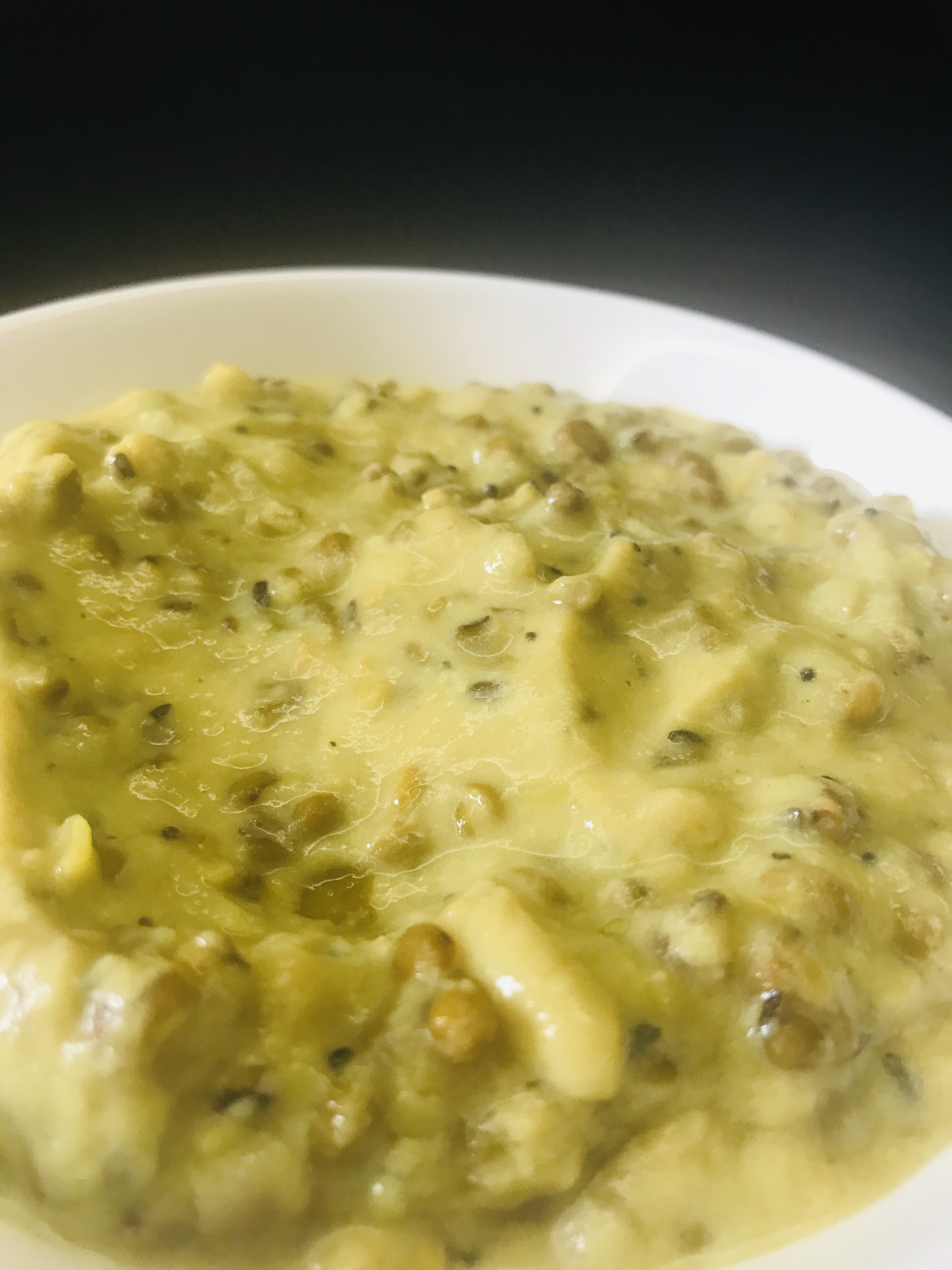
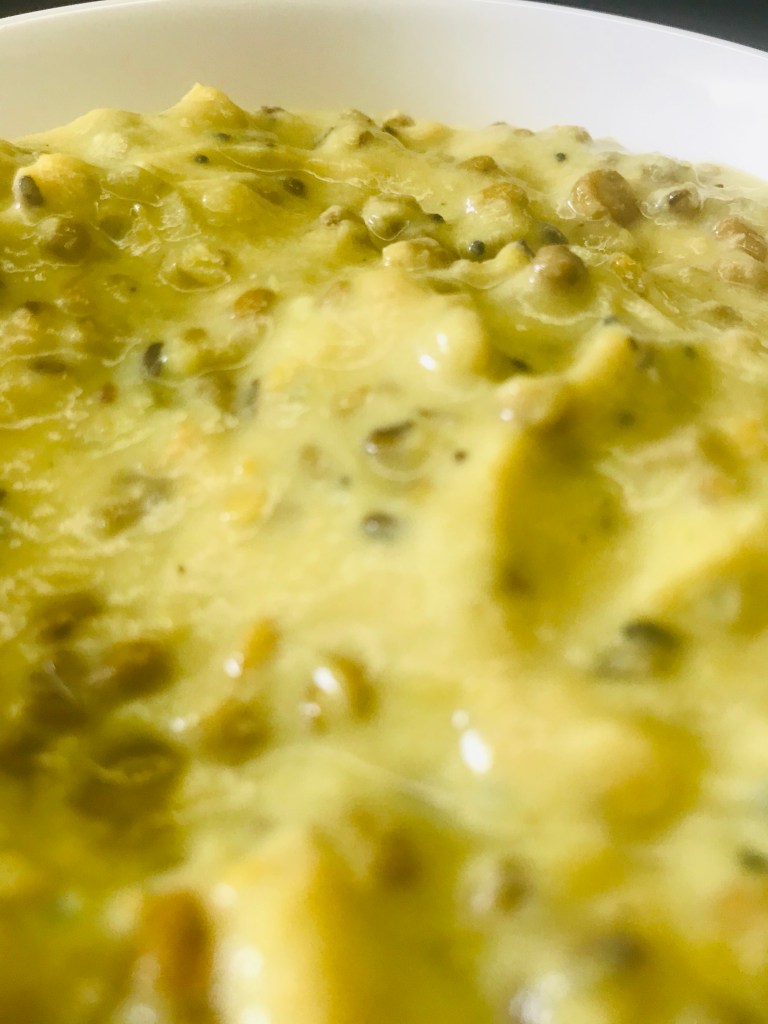
Recipes: Gujarati Khatta Mung aka Whole Green Gram Dal in a Buttermilk Gravy

Dal is a staple in most indian households with some variety of the protein packed dish made across the country. So, in order that we don’t get bored with the same kind of dal, I am always on the lookout for interesting takes and variations.

I saw this dal in one of my friend’s Facebook posts and it looked interesting enough to try it. My version may not be the most authentic one, but I enjoyed making and eating the dal. This is a staple in most Gujarati households, but you won’t find this in most restaurants. So let’s see how this is made…

Gujarati Khatta Mung aka Whole Green Gram Dal in a Buttermilk Gravy

Ingredients:

  • ½ cup whole green moong dal, soaked for 4-6 hours
  • ½ to 1 cup yoghurt
  • 2-3 tbsp gram flour or besan
  • ¼ tsp turmeric powder
  • ¼ tsp asafoetida
  • 1 tsp mustard seeds
  • 1 tsp cumin seeds
  • 5-6 curry leaves
  • 1-inch piece of minced ginger
  • 2 green chillies, slit lengthwise
  • 1 tbsp oil
  • Salt to taste
  • Coriander leaves, finely chopped to garnish

Method:

  • Drain the soaked moong dal and in a large pan, cook the soaked and drained moong dal with just enough water to cover it for about 5-7 minutes until it is just cooked and tender. Make sure it does not get mushy.
  • In a separate bowl, whisk the yoghurt well and add the gram flour, turmeric powder, asafoetida, some salt and about a cup of water and whisk till it is smooth with no lumps. Keep aside.
  • Heat oil in another pan and when the oil warms, add the mustard seeds and let the seeds crackle. Then add the cumin seeds and stir for a couple of seconds, followed by the curry leaves. Stir till the curry leaves start to become crisp. Then add the slit green chilles and the ginger and saute for about 30-40 seconds.
  • Now add the cooked moong dal into this tempering and then the yoghurt gram flour mixture and allow everything to come to a nice rolling boil. Let this simmer on a low flame for about 5 minutes.
  • Check for seasoning and add salt if needed.
  • Turn off the flame and garnish with finely chopped coriander leaves and serve hot with rice and a simple vegetable stir fry for a homely lunch.