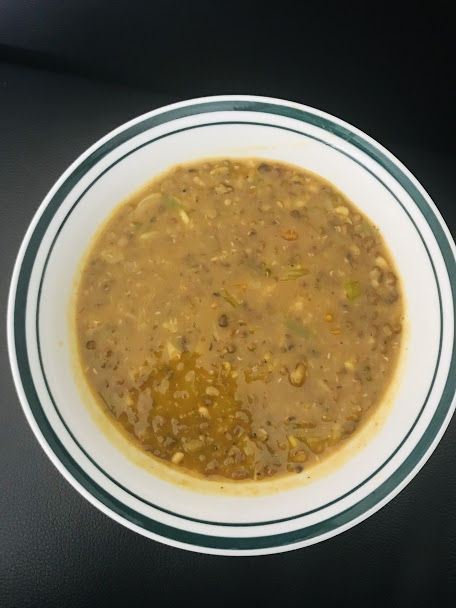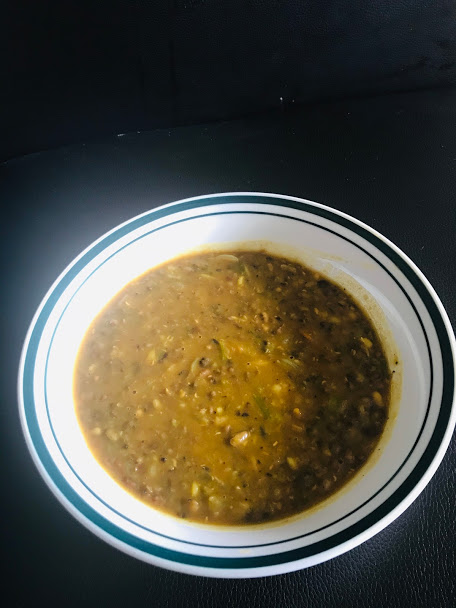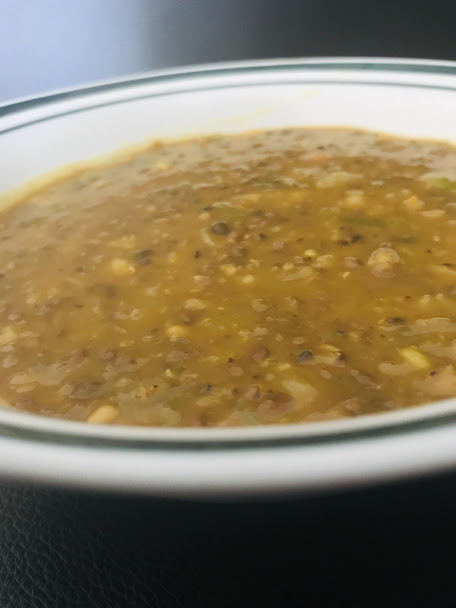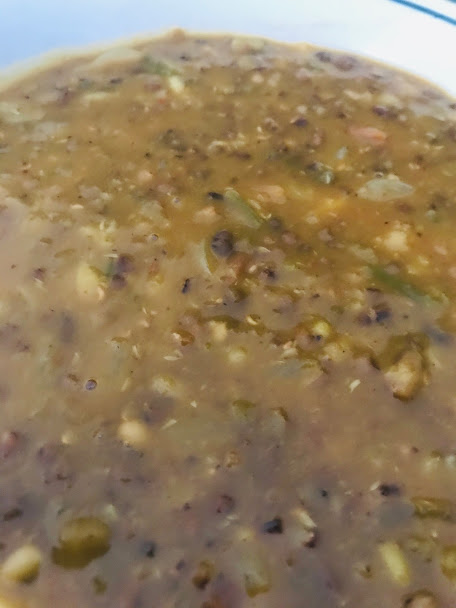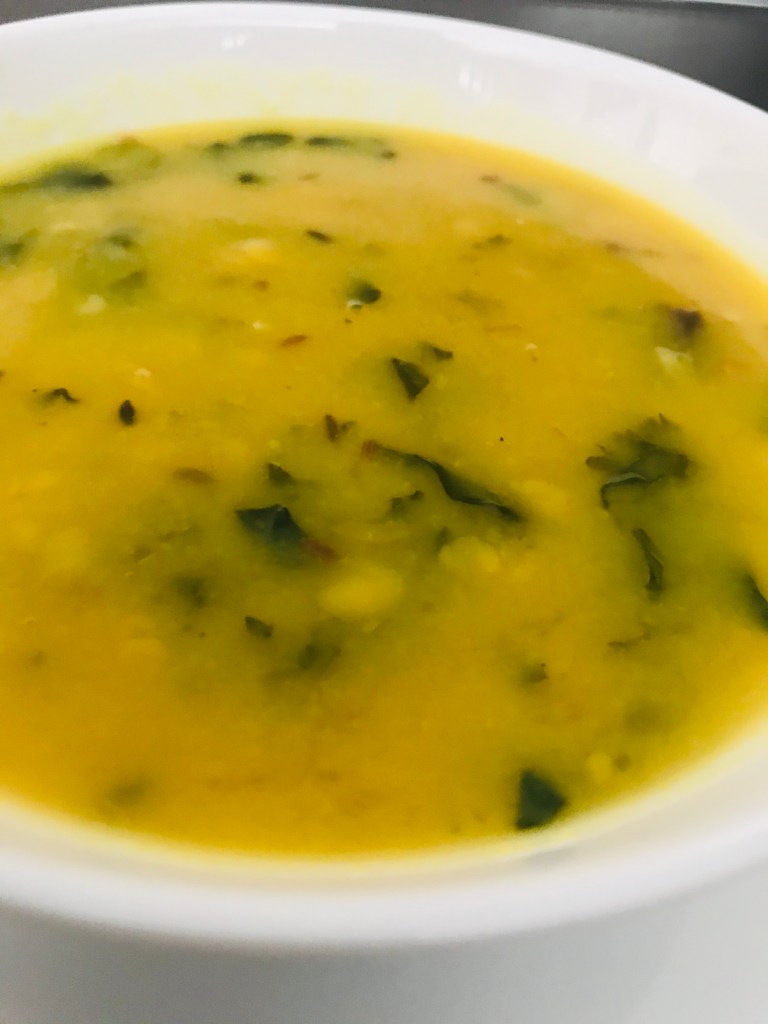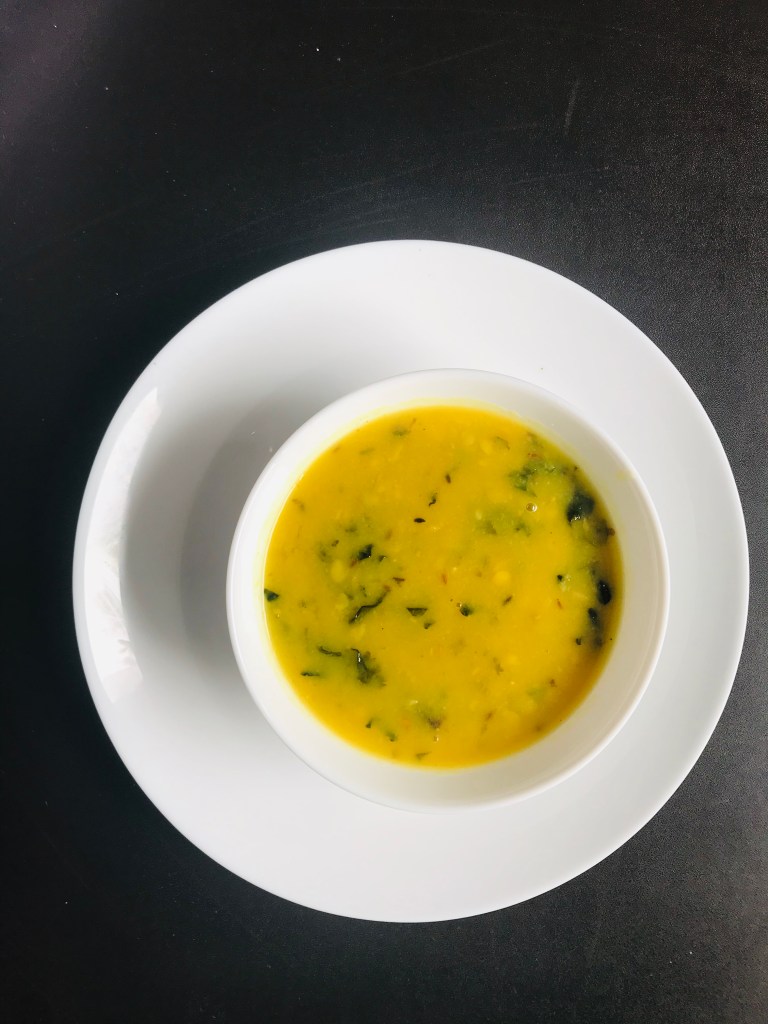
Recipes: Masoor Dal Fry

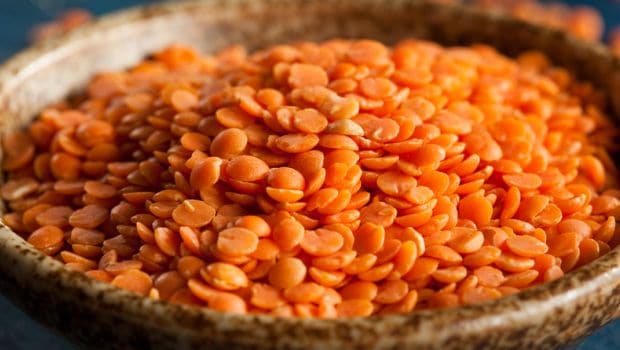
Masoor or split red lentils are a powerhouse of nutrients. A mere cup of masoor dal has 230 calories, about 15 grams of dietary fibre and about 17 grams of proteins. It also has various positive impacts on one’s health and body.

This inexpensive dal does not need much time to soak or cook as it is a soft dal and cooks quickly. When cooked, masoor dal turns a soft golden colour and has a pleasant earthy flavour. With 26 per cent protein, these lentils have the third-highest level of protein, by weight, of any plant-based food after soybeans and hemp.

These lentils help stabilise blood sugar levels as it is low in glycemic index and slows the the rate of digestion and prevents sudden or unexpected raises in the blood sugar level. It also keeps the heart healthy by lowering cholesterol levels due to the large propotion of dietary fibre and is an effective weight loss remedy because it has the perfect amount of carbs, yet is low in fat content. Because it is a powerhouse of antioxidents, it has anti-ageing properties and being a rich source of vitamins and minerals like calcium and magnesium, Masoor dal nourishes your teeth and bones. For skincare junkies, if you are looking for a healthy, spotless, glowing and raditing skin, make and apply a face mask of ground masoor dal, turmeric and rose water and apply on your skin. Wash off when the mask dries up. You can also add some milk to this mask for hydrating benefits.

Growing up, my mum never made this dal because my father used to say it was not good for us. When I researched, I found that sometimes, this dal can be adultrated by missing it with another, similar looking dal called kesari or kultha dal which can cause nervous problems and issues with your limbs, especially for pregnant women if eaten in excess. Of course eating anything excess is bad for you and excessive consumption of masoor dal may lead to adverse effects such as kidney ailments, gas from potassium toxicity and side effects of large proportions of amino acids. It may also cause an allergic reaction in some people.

This simple dal fry is very easy to prepare and start to finish, takes around 20-30 minutes (including cooking the dal in a pressure cooker) and is very tasty to have for a homely lunch with rice.

Masoor Dal Fry

Ingredients:

  • 1 cup masoor dal or split red lentils, washed and cooked with turmeric powder till it is soft and completely broken down
  • 1 medium sized onion, finely chopped
  • 1 medium sized tomato, finely chopped
  • 3-4 garlic pods, finely chopped or grated
  • 1 inch piece of ginger, finely chopped
  • 1 green chilli, slit lengthwise
  • 1 tbsp ghee or oil
  • 1 tsp cumin seeds
  • ¼ tsp turmeric powder
  • 1 tsp (more or less) red chilli powder
  • ½ tsp cumin powder
  • ½ tsp coriander powder
  • 1 tsp kasuri methi
  • 1 tbsp (or more) lemon juice
  • Salt to taste
  • Coriander leaves, finely chopped to garnish

Method:

  • Cook the masoor dal in the stove top or pressure cooker with the turmeric powder. Once the dal is cooked, whisk it with a wire whisk till smooth and keep aside.
  • In a pan, heat the ghee or oil and when it warms, add the cumin seeds and let the seeds splutter. Then add the garlic and stir for a couple of seconds. After this add the ginger and stir for a few seconds.
  • Now add the finely chopped onion and stir well and let the onions become translucent. Then add the chopped tomatoes and let the tomatoes soften and become mushy. Add a pinch of salt to help the softening process.
  • When the tomatoes are soft and mushy and oil starts to leave the sides of the pan, pour the cooked dal into this mixture. Add another cup of water and thin it to the consistency you want.
  • Let the dal boil in medium heat for about 5 minutes. Check for seasoning and then crush the kasuri methi in the palms of your hands and sprinkle it over the dal.
  • Switch off the flame and add the lemon juice as well as the finely chopped coriander leaves to garnish.
  • Serve hot with any kind of rice with a stir fried vegetable of your choice.

Recipes: Dal Amritsari or Langar Wali Dal

A few weeks back, I came across this recipe when I was looking for something to make and for some reason, this recipe stayed with me. I didn’t have one major ingredient needed, so the moment I brought the ingredient, I decided to make this dal. This dal is what is served when Punjabis have religious functions at home as well as is served in the holiest of Sikh places, the Harmandir Saheb or the Golden Temple.

This dal also tastes a bit like Makhni Dal and is even tastier the next day. Do try it and let me know what you think of it.

Dal Amritsari or Langar Wali Dal

Ingredients:

  • 1 cup whole black gram
  • ¼ cup chana dal or split Bengal gram dal
  • 4-5 cups of water to pressure cook the dals
  • 3-4 green chillies (less or more as your spice tolerance), chopped
  • 1 medium sized onion, finely chopped
  • 1 medium sized tomato, finely chopped
  • 1-2 tbsp grated or finely chopped ginger
  • 1-2 tbsp grated or finely chopped garlic
  • 2 tbsp oil
  • 1 tbsp butter
  • Salt to taste
  • Coriander and mint leaves to garnish

Method:

  • Rinse and soak the dals either together or separately in enough water overnight or at least for 5-6 hours
  • Drain the dals and cook in a pressure cooker with enough water and about 1 tbsp each of the ginger and garlic. Pressure cook for about 5-7 whistles until the dals are soft and get smashed when you press then.
  • If you are cooking on the stovetop, cook the dals on a slow fire, stirring in-between along with 1 tbsp each of ginger and garlic until the dals are soft and get smashed when you press on them.
  • For both methods, using a potato smasher, smash some of the dals until it becomes a nice homogenus paste with some whole dal.
  • Heat the oil and butter in a small pan or skillet. When the oil warms, add the balance garlic and ginger and stir for a few seconds each.
  • Then add the chilles and stir for about 10-15 seconds.
  • Now add the chopped onions and saute till the onions turn translucent.
  • Then add the chopped tomatoes and a pinch of salt and saute till the tomatoes get pulpy and oil starts to leave the sides of the pan.
  • Pour this tempering over the cooked dal and season with salt to taste.
  • Pour some hot water to thin it to the consistency you like and simmer on a low heat for another 5-7 minutes.
  • Garnish with finely chopped coriander and mint leaves and serve hot with rice or Indian flatbread.

Recipes: Rustic Moth or Matki Dal

Commonly grown in the arid and semi-arid regions of India, Vigna aconitifolia is a drought-resistant legume, commonly called mat bean, moth bean, matki, Turkish gram or dew bean. The pods, sprouts and protein-rich seeds of this crop are commonly consumed in India. Due to its drought-resistant qualities, its ability to combat soil erosion and its high protein content, moth bean has been identified as possibly a more significant food source in the future. This legume is native to the Indian subcontinent.

Moth beans contain calcium which is the mineral vital for maintaining stronger bones and prevent the risk of osteoporosis. It also contains phosphorus which helps to strengthen bones according to experts. Moth beans are loaded with remarkable nutrients. So its consumption defends the body against bacteria, fungi and viruses. The presence of zinc in Moth beans strengthens immune system which helps to prevent various sorts of health problems. Zinc acts as antioxidant which helps to control oxidative stress. It means daily intake of moth beans is effective for those people having busy lives. An intake of moth beans and other food containing zinc helps to lower the impact of stress in the body. Like other pulses, moth beans are a great source of protein which is essential to build as well as repair muscles. It is a great source of protein for vegetarians who have to obtain protein from food products. With high presence of protein, Moth beans are useful for those who are trying to lose weight. It increases muscle mass that causes burning of calories. Moth beans have vitamin B which is essential to convert food into fuel. Moth beans also have zinc which provides stress-reducing properties. As with most legumes, Moth beans prevents constipation as it contains fiber. It promotes regularity and eradicate toxins present in gut.

The recipe I am sharing today was actually made by our helper R. This is how it is made in homes in the Northern part of India. It’s a fairly simple recipe, one that is loaded with taste. It goes very well with brown or basmati rice as well as Indian flatbreads or any kind of rotis or parathas.

Rustic Moth Dal

Ingredients:

  • 1 cup moth/matki dal, washed and soaked in hot water for 20-30 minutes.
  • 2 onions, 1 finely chopped and 1 finely sliced
  • 1 tomato, finely chopped
  • 2 bulb garlic, finely chopped or ground into a paste
  • 1 inch piece of ginger, finely chopped or ground into a paste
  • 2 green chillies, chopped
  • 1 tsp cumin seeds
  • 1-2 tsp garam masala powder
  • 1/8 tsp turmeric powder
  • 1 tbsp ghee
  • Salt to taste
  • 1 tsp lemon juice (optional)
  • 1 tsp kasuri methi (optional)
  • Coriander leaves to garnish

Method:

  • Pressure cook the dal for 3-4 whistles with the turmeric powder until it is very soft. If you are cooking over the stovetop, cook with sufficient water until the dal loses its shape and becomes soft and mushy. In both cases, after the dal is cooked, whisk it well and keep aside.
  • In a pan, heat the ghee and when the ghee becomes warm, add the cumin seeds and let them splutter.
  • When the cumin seeds start to splutter, add the garlic, ginger and green chilli pieces and stir for a few minutes.
  • Now add the finely chopped onions and stir well. Let the onions become translucent.
  • Then add the finely chopped tomatoes and a pinch of salt and let the tomatoes cook till they are mushy and lose their shape.
  • Now pour in the cooked dal and continue cooking and stirring the masala into the dal till the dal starts to bubble.
  • Add the garam masala powder and season with salt. Crush the kasuri methi in the palms of your hands and sprinkle it on the dal.
  • Garnish with coriander leaves and serve hot.
  • While serving, if you want to serve it like they do in Punjabi households, then pour some dal in a cup and top it with some sliced onions, a dash of lemon juice and a bit of ghee and serve. You mix this well before eating it with rice or rotis.

Recipes: Sweet Sour Methi Dal

I had some methi or Fenugreek leaves going bad and so instead of adding them to my roti dough, I decided to make it into a dal. I was experimenting as I made the recipe, but the dal turned out amazing. This recipe is a definite keeper and takes hardly any time to make.

Sweet Sour Methi Dal

Ingredients:

  • 1 cup toovar dal (split pigeon peas)
  • 1/2 cup finely chopped fresh methi (fenugreek) leaves
  • 1/4 tsp turmeric powder
  • 1 tbsp ghee or oil
  • 1 tsp cumin seeds
  • 2-3 dried red chillies
  • 1/4 tsp asafoetida powder
  • 1 tsp jaggery (can substitute brown or white sugar for this)
  • 1-2 tbsp lemon juice
  • Salt to taste
  • Coriander leaves to garnish

Method:

  • Wash the toovar dal well and soak in hot water for 10 minutes. Then cook it in a pressure cooker till it is soft and mushy. If you don’t have a cooker, then cook it on the stovetop till you get a soft and mushy dal. Once the dal reaches that state, whisk it thoroughly and keep aside.
  • Finely chop the methi leaves and wash them and keep aside.
  • In a smaller skillet, heat the ghee and when the ghee warms, add the cumin seeds and let the seeds splutter.
  • Next break the dried red chillies and add them, stirring a couple of times. Add the asafoetida powder and then the washed methi leaves.Stir well and let the methi cook a while.
  • Add the cooked and whisked dal and stir well. Season with salt and add the jaggery or sugar and let the dal simmer for 5 minutes.
  • Switch off the flame and then stir in the lemon juice and the coriander leaves.
  • Serve hot as part of an Indian meal with rice and a stir fried vegetable.

Recipes: Kali Mirch Vegetables

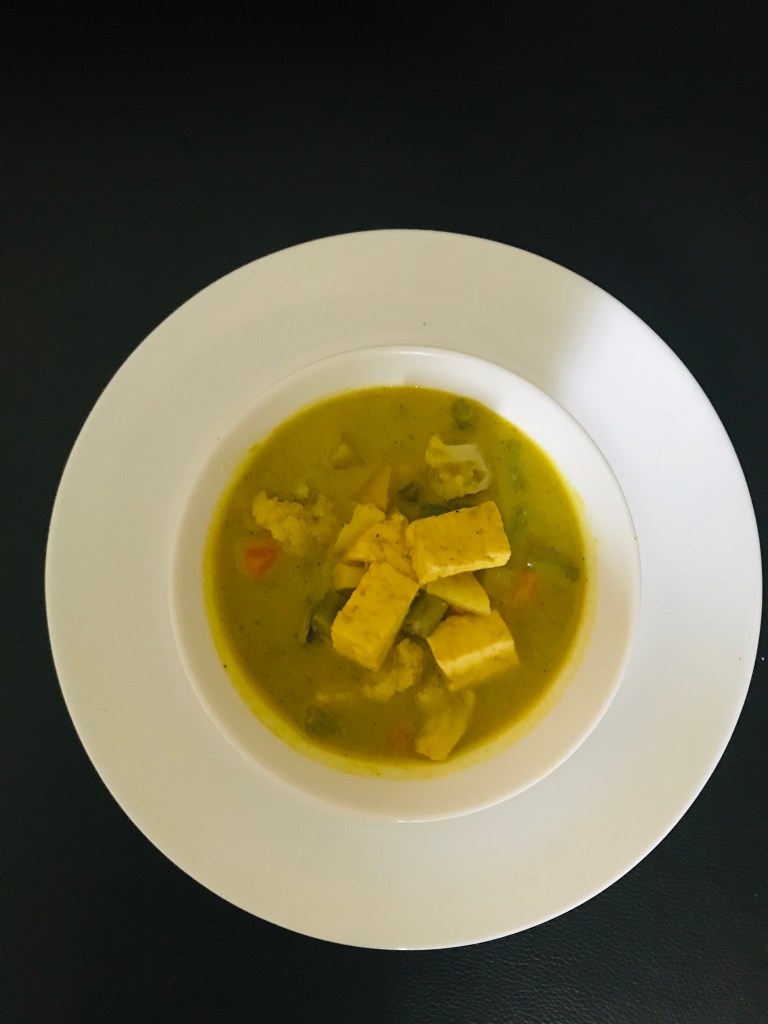
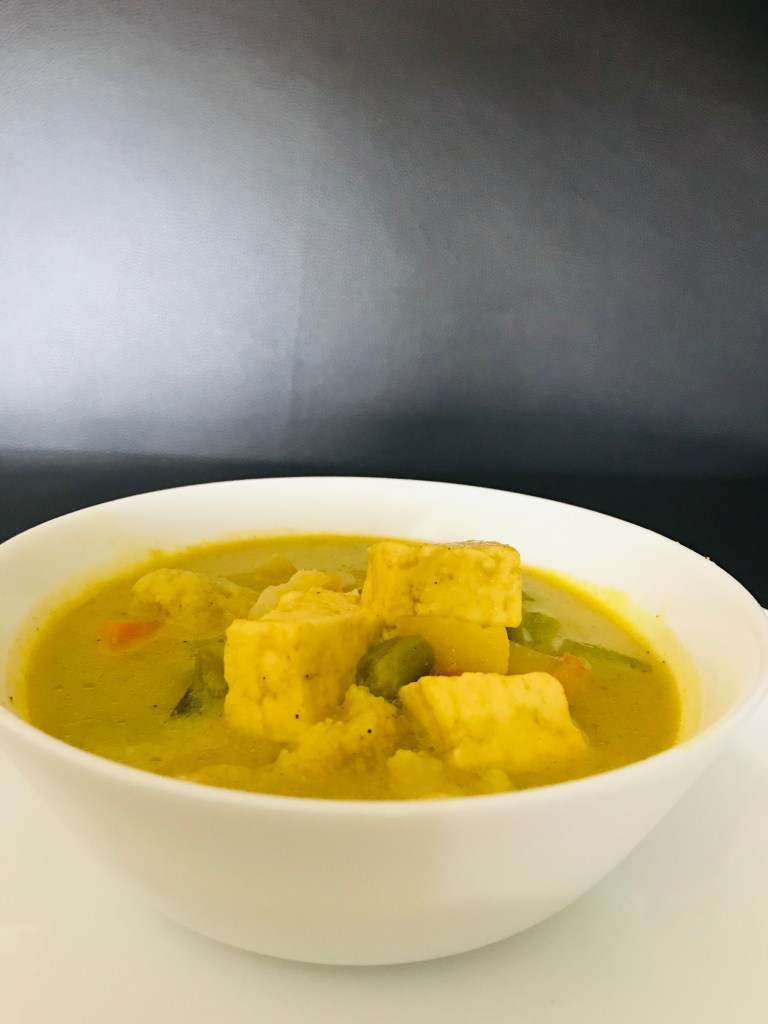
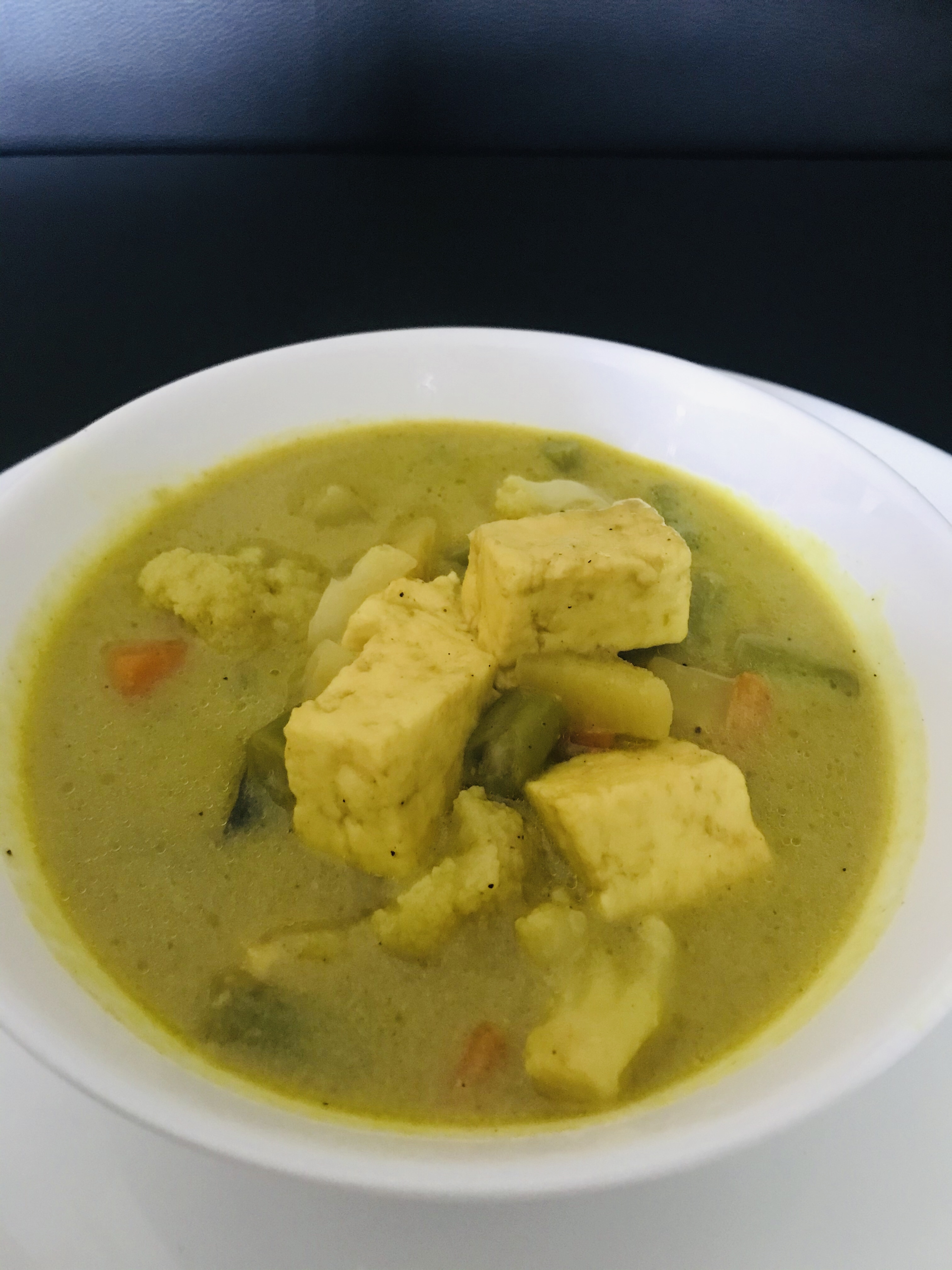
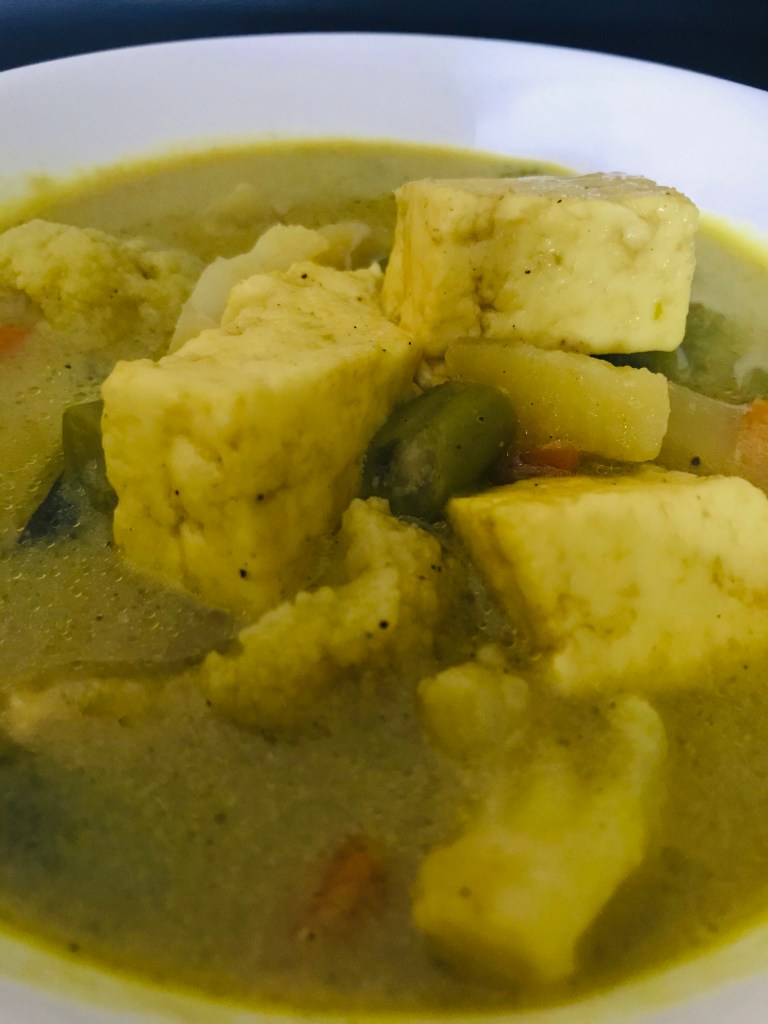
On 1st Jan, having just come back from my India holiday, I wanted to make something different for lunch. After browsing the internet, I came across a paneer kali mirch recipe which I decided to modify. Since S is not too fond of Paneer, I decided not to make it the star of the recipe, instead relegating it to a supporting role.

The kick that kali mirch or black pepper gave, added a nice punch to this recipe and the pot was wiped clean at lunch itself!

Kali Mirch Vegetables

Ingredients:

  • 1 cup mixed vegetables (I used potatoes, beans, carrots and cauliflower) chopped into large bite-sized pieces
  • 1 cup frozen paneer, soaked in hot water for 30 minutes and then drained
  • 2 onions, sliced
  • 1 bulb garlic
  • 1 inch piece ginger
  • 5-6 green chillies
  • 4 cloves
  • 4 cardamom pods
  • 1 inch piece cinammon
  • 1/2 cup whisked yoghurt
  • 1 tsp coriander powder
  • 1 tsp cumin powder
  • 1 tbsp pepper powder
  • 1/4 tsp turmeric powder
  • 1 tsp garam masala powder
  • 2 tbsp oil or ghee
  • Salt to taste
  • Coriander leaves to garnish

Method:

  • Heat 1 tbsp ghee or oil and fry the onion pieces until they turn brown, but do not let them burn. Remove from the pan using a slotted spoon and blend with a little water into a smooth paste and keep aside.
  • Make a paste of the garlic, ginger and green chillies and keep aside.
  • In the same pan, add the chopped vegetables and cook until they are around 80% cooked. Remove and keep aside.
  • Heat the balance oil or ghee and add the cloves, cardamoms and cinnamon one by one, stirring for a couple of seconds before adding the next ingredient. Stir till it’s nice and fragrant.
  • Then add onion paste and cook well. Once the onion paste starts to bubble, add the ginger-garlic-chilli paste and saute well.
  • Add the whisked yoghurt and keep stirring to ensure the yoghurt does not curdle.
  • Now add the powdered spices – coriander powder, cumin powder, turmeric powder and pepper powder. At this point, you can also add some red chilli powder if you like it spicier, but I didn’t add it to this recipe.
  • Add the cooked vegetables and salt and let the semi cooked vegetables absorb the sauce. You may also add some water or more yoghurt if the gravy seems dry at this point.
  • When the vegetables are cooked, add the paneer pieces and stir well to coat the paneer. If you are making this dish for a party, you can also add cooking cream at this point.
  • Cover and it it simmer for around 10 minutes. Add some water if the gravy starts to dry.
  • Check the seasoning and garnish with finely chopped coriander leaves.
  • Serve hot with rice or any Indian bread.