World Food Day

World Food Day is observed annually on October 16th to commemorate the founding of the Food and Agriculture Organisation (FAO) of the United Nations in 1945. This day serves as a platform to raise awareness about global hunger, food security, and the importance of sustainable agriculture. 

World Food Day was established by the FAO’s Member Countries during the Organisation’s 20th General Conference in November 1979. The Hungarian delegation, led by Dr. Pál Romány, proposed the idea of celebrating World Food Day to raise awareness about hunger and food security issues globally. The day was officially recognised and celebrated for the first time on October 16, 1981.

The establishment of World Food Day came at a time when the world was facing significant challenges related to hunger and malnutrition. The post-World War II era saw a growing recognition of the need for coordinated efforts to address food insecurity and improve agricultural practices. The FAO was created to lead these efforts, focusing on eradicating hunger and promoting sustainable agriculture.

The significance of food security is also intertwined with the Universal Declaration of Human Rights, adopted by the United Nations in 1948. Article 25 states that everyone has the right to a standard of living adequate for health and well-being, including food, clothing, housing, and medical care. This declaration underscores the importance of ensuring all individuals have access to sufficient and nutritious food.

World Food Day serves several important purposes. The day helps educate the public about the global hunger crisis and the importance of food security and highlights the challenges faced by millions of people who don’t have access to sufficient food. World Food Day encourages individuals, communities, and governments to take action to combat hunger and malnutrition. It serves as a call to mobilise resources and support initiatives at improve food security. The day recognises the progress in addressing hunger and promoting sustainable agricultural practices. It celebrates the efforts of organisations, governments, and individuals working to improve food security. World Food Day fosters collaboration among various stakeholders, including governments, NGOs, businesses, and communities, to address the complex challenges of food security. The day provides a platform for advocating for policies that support sustainable agriculture, food security, and the rights of marginalised communities.

The theme for World Food Day 2024 is “Right to foods for a better life and a better future.” The world’s farmers produce enough food to feed more than the global population yet, hunger persists. Up to 783 million people face hunger due to conflict, repeated weather shocks and economic downturns. This impacts the poor and vulnerable most severely, many of whom are agricultural households, reflecting widening inequalities across and within countries.

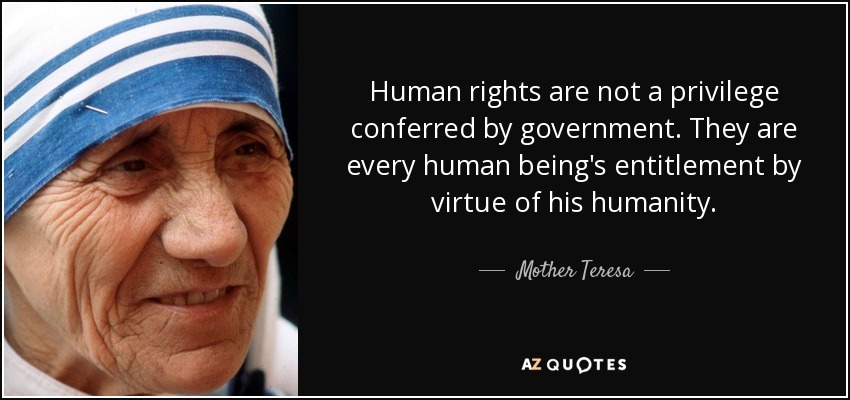
Food is the third most basic human need after air and water – everyone should have the right to adequate food. Human rights such as the right to food, life and liberty, work and education are recognised by the Universal Declaration of Human Rights and two legally binding international covenants. emphasises the critical role of agriculture and food systems in addressing global hunger and ensuring that everyone has access to sufficient and nutritious food.

‘Foods’ stands for diversity, nutrition, affordability, accessibility and safety. A greater diversity of nutritious foods should be available in our fields, fishing nets, markets, and on our tables, for the benefit of all. Over 2.8 billion people in the world are unable to afford a healthy diet. Unhealthy diets are the leading cause of all forms of malnutrition – undernutrition, micronutrient deficiencies and obesity, which now exist in most countries, cutting across socio-economic classes. Yet today, too many people suffer from hunger and are unable to afford healthy diets. More vulnerable people are often forced to rely on staple foods or less expensive foods that can be unhealthy, while others suffer from the unavailability of fresh or varied foods, lack the information they need to choose a healthy diet, or simply opt for convenience.

Hunger and malnutrition are further exacerbated by protracted or prolonged crises that are driven by a combination of conflict, extreme weather events and economic shocks. Agrifood systems, as a whole, are vulnerable to disasters and crises, particularly the impacts of climate change, but at the same time, they are generating pollution, degrading soil, water and air, contributing to greenhouse gas emissions, and causing biodiversity loss. By transforming agrifood systems, there is great potential to mitigate climate change and support peaceful, resilient and causing inclusive livelihoods for all.

Despite progress in addressing hunger, significant challenges remain. According to the FAO, nearly 690 million people were undernourished in 2020, and millions suffer from micronutrient deficiencies. The COVID-19 pandemic has exacerbated food insecurity, pushing more people into hunger. Climate change poses a significant threat to food security, impacting agricultural productivity and increasing the frequency of extreme weather events. Farmers are facing challenges such as droughts, floods, and changing growing seasons.

Armed conflicts and political instability disrupt food production and distribution, leading to increased hunger. Displaced populations often lack access to food and essential services. Economic disparities and poverty limit access to food for many individuals and families. Addressing the root causes of poverty is essential for improving food security. Approximately one-third of all food produced globally is wasted, contributing to hunger and environmental degradation. Reducing food waste is crucial for improving food security.

World Food Day is celebrated in over 150 countries, with various events and activities aimed at raising awareness and promoting action. The FAO plays a crucial role in addressing global food security challenges. Established in 1945, the organization works to eliminate hunger, improve nutrition, and promote sustainable agriculture. Launched by the UN Secretary-General, the Zero Hunger Challenge calls for a world where no one suffers from hunger. It aims to promote sustainable food systems and eliminate food waste. The Scaling Up Nutrition or SUN movement brings together governments, civil society, and the private sector to improve nutrition and address malnutrition in all its forms. The Global Agriculture and Food Security Program or GAFSP initiative provides funding to support agricultural investments in developing countries, aiming to improve food security and reduce poverty. The International Fund for Agricultural Development, IFAD focuses on rural development and poverty reduction by supporting smallholder farmers and promoting sustainable agricultural practices.

Innovations in agriculture and food systems are essential for addressing the challenges of food security. Key areas of innovation include agroecology, which promotes sustainable farming practices that enhance biodiversity, improve soil health, and increase resilience to climate change. Precision agriculture uses technology, such as drones and sensors, that allows farmers to optimise resource use, reduce waste, and improve crop yields. Vertical farming is an innovative farming method that involves growing crops in stacked layers, often in urban environments, maximising space and minimising resource use. The development of plant-based and lab-grown proteins provides sustainable alternatives to traditional livestock farming, reducing environmental impact. Innovations in food preservation, packaging, and distribution can help reduce food waste and improve food security.

Education and awareness are critical for promoting food security and sustainable agriculture. Integrating food education and nutrition programs into school curricula can help children develop healthy eating habits and understand the importance of sustainable food systems. Organising workshops and training sessions for farmers and community members can promote sustainable agricultural practices and improve food production. Launching campaigns to raise awareness about food security issues, healthy eating, and sustainable practices can engage the public and promote action. Partnering with media outlets to share stories and information about food security challenges can help raise awareness and inspire action. Involving young people in food security initiatives and encouraging their participation in advocacy efforts can help create a new generation of advocates for sustainable agriculture.

World Food Day serves as a vital reminder of the ongoing challenges related to hunger and food security. It is essential to recognise the critical role that sustainable agriculture plays in addressing these challenges. Through collective action, innovative practices, and a commitment to promoting food security for all, one can work towards a world where everyone has access to sufficient, nutritious food. World Food Day provides an opportunity for individuals, communities, and organisations to come together, raise awareness, and take meaningful action to combat hunger and promote sustainable agriculture. Food is not just a basic human right; it is also a vital component of health, well-being, and social stability. By prioritising food security and sustainable agricultural practices, a more equitable and sustainable future for all can be created.

Short Story: Virtually in Love

This story is in the form of emails exchanged by the protagonists. It’s something I have tried for the first time. Let me know how the story progressed and if this is something you enjoyed reading. So happy reading!

Subject: Hey there!

From: Rishi_Swaminathan@nda.edu.in
To: Radhika_Mehta@bits.edu.in
Date: August 15, 2016

Hey Radhika,

Happy Independence Day! I came across your profile on that student forum and couldn’t help but reach out. You seem really interesting, and I think we might have a lot in common. I’m Rishi, by the way, a first-year cadet at the National Defence Academy. It’s my first time away from home, and I’m still getting used to the whole military life thing.

How’s life at BITS Pilani treating you? I hear it’s a pretty intense place for computer engineering. I’ve always been fascinated by technology, but I’m more of a hands-on person. What made you choose that field?

Looking forward to hearing from you!

Best,
Rishi


Subject: Re: Hey there!

From: Radhika_Mehta@bits.edu.in
To: Rishi_Swaminathan@nda.edu.in
Date: August 16, 2016

Hi Rishi,

Thanks for reaching out! It’s great to hear from someone at the NDA. I can only imagine how different life must be there! BITS is definitely challenging, but I love it. I chose computer engineering because I’ve always been fascinated by how things work. Plus, I want to create software that can make a difference in people’s lives.

How are you finding the training at NDA? I’ve heard it’s quite rigorous. Do you get any free time to relax or pursue hobbies?

Can’t wait to hear more about your experiences!

Cheers,
Radhika


Subject: Life at NDA

From: Rishi_Swaminathan@nda.edu.in
To: Radhika_Mehta@bits.edu.in
Date: October 20, 2016

Hey Radhika,

Life at NDA is intense, to say the least! The training is rigorous, and we have a packed schedule. But I’ve managed to squeeze in some time for my hobbies. I love reading and playing sports, especially basketball. It’s a great way to unwind after a long day.

I also enjoy learning about strategy and leadership. It’s fascinating how much planning goes into everything, whether it’s a military operation or a group project.

What about you? What do you do to unwind after classes? Any favourite books or shows?

Looking forward to your reply!

Best,
Rishi


Subject: Re: Life at NDA

From: Radhika_Mehta@bits.edu.in
To: Rishi_Swaminathan@nda.edu.in
Date: December 22, 2016

Hi Rishi,

Sorry for the late reply. I was busy with exams and project submissions! Now I am back home, just chilling and enjoying life.

After a long day of classes, I usually dive into some coding projects or binge-watch a series. Right now, I’m hooked on “Stranger Things.” It’s such a great mix of nostalgia and suspense!

I also love reading fiction, especially sci-fi. It’s amazing how authors envision the future. Do you have any favourite books?

I think it’s cool that you’re into strategy. Have you ever thought about how those skills might apply outside the military?

Can’t wait to hear more!

Cheers,
Radhika


Subject: Books and Strategy

From:Rishi_Swaminathan@nda.edu.in
To: Radhika_Mehta@bits.edu.in
Date: March 25, 2017

Hey Radhika,

I’m just back from a camp. It was so intense. We could practically use all that we learned in school over the last six months. It was so much fun! I can’t wait to graduate and go out into my unit.

I’m a huge fan of fiction too! I recently read “The Alchemist” by Paulo Coelho, and it resonated with me. It’s all about following your dreams and listening to your heart. I think those themes are universal, whether in the military or life.

As for strategy, I believe it’s essential in any field. Whether you’re leading a team in a project or navigating personal challenges, having a plan can make all the difference. I’m sure you’ll find that in your engineering projects too!

What’s your dream job after graduation? I’m curious to know what you envision for your future.

Best,
Rishi


Subject: Future Aspirations

From: Radhika_Mehta@bits.edu.in
To: Rishi_Swaminathan@nda.edu.in
Date: August 30, 2017

Hi Rishi,

Second year is so hard! It takes everything inside of me to just keep up! How do others do it. How are you doing?

That’s a great question about my future! I’m passionate about using technology for social good. I’d love to work on projects that help improve education or healthcare in underserved communities. There’s so much potential for tech to make a difference, and I want to be part of that change.

What about you? What are your aspirations after NDA? I imagine you have some exciting plans ahead!

Looking forward to hearing from you!

Cheers,
Radhika


Subject: Aspirations and Dreams

From: Rishi_Swaminathan@nda.edu.in
To: Radhika_Mehta@bits.edu.in
Date: December 5, 2017

Hey Radhika,

I admire your passion for using technology to make a difference. It’s inspiring to see someone so dedicated to creating positive change. As for me, I’m aiming to become an officer in the Indian Armed Forces. I want to serve my country and lead a team, making strategic decisions that can impact lives.

I think we both have a desire to contribute to society in our own ways. It’s pretty cool how our paths are different, yet we share similar values.

Let’s keep this conversation going. I really enjoy our exchanges!

Best,
Rishi


Subject: Re: Aspirations and Dreams

From: Radhika_Mehta@bits.edu.in
To: Rishi_Swaminathan@nda.edu.in
Date: April 10, 2018

Hi Rishi,

I love how our conversations flow! It’s refreshing to talk to someone who understands the importance of making a difference. I’m excited to see where our paths take us.

I’m almost done with my second year at BITS and am halfway through my course. You must be almost done right?

By the way, I’ve been thinking about how we can support each other through this journey. Maybe we can share resources or tips related to our fields? I’d love to hear about your experiences at NDA and share some of my projects too.

Looking forward to your thoughts!

Cheers,
Radhika


Subject: Supporting Each Other

From: Rishi_Swaminathan@nda.edu.in
To: Radhika_Mehta@bits.edu.in
Date: July 15, 2018

Hey Radhika,

Yup! Third year just started a week back and I got back to the academy after a good trip home.
That sounds like a fantastic idea! I’d love to share insights from my training, and I’m eager to learn more about your projects at BITS. We can create a little knowledge exchange!

I think it’s great that we have this connection. It’s nice to have someone who understands the challenges we face while pursuing our dreams.

Let’s make this a regular thing! I can’t wait to hear more about your projects.

Best,
Rishi


Subject: A New Chapter

From: Radhika_Mehta@bits.edu.in
To: Rishi_Swaminathan@nda.edu.in
Date: October 1, 2018

Hi Rishi,

I’m so glad we decided to connect like this! I’ve been working on a project for my software engineering class that focuses on developing an app for mental health support. I’d love to get your feedback on it once it’s ready!

How’s everything going at NDA? Any exciting training exercises or experiences you’d like to share?

Looking forward to hearing from you!

Cheers,
Radhika


Subject: Project Update

From: Rishi_Swaminathan@nda.edu.in
To: Radhika_Mehta@bits.edu.in
Date: November 5, 2018

Hey Radhika,

Your project sounds amazing! Mental health is such an important topic, and I’m glad you’re working on something that can help people. I’d be more than happy to provide feedback once you have a prototype.

Things at NDA are going well. We recently had a field training exercise that was both challenging and rewarding. It’s incredible how teamwork plays a crucial role in everything we do. I’ll share more details in my next email.

Can’t wait to see your app!

Best,
Rishi


Subject: Growing Together

From: Radhika_Mehta@bits.edu.in
To: Rishi_Swaminathan@nda.edu.in
Date: February 15, 2019

Hi Rishi,

I appreciate your support! I’m working hard on the app and hope to have a prototype ready soon. I’ll definitely send it your way!

It’s inspiring to hear about your experiences at NDA. I can only imagine how much you’ve grown since you started. I feel the same way about my journey at BITS. Every challenge pushes me to become better.

Let’s keep pushing each other to grow!

Cheers,
Radhika


Subject: Graduation

From: Rishi_Swaminathan@nda.edu.in
To: Radhika_Mehta@bits.edu.in
Date: May 20, 2019

Hey Radhika,

I have some exciting news! I graduated from NDA last week and was commissioned as a lieutenant. It feels surreal to finally achieve this milestone after three years of hard work.

I’m getting ready for my first posting, and I can’t wait to see where this journey takes me. How’s everything going with you? Any updates from BITS?

Best,
Rishi


Subject: Re: Graduation from NDA

From: Radhika_Mehta@bits.edu.in
To: Rishi_Swaminathan@nda.edu.in
Date: August 1, 2019

Hi Rishi,

Congratulations! That’s an amazing achievement, and I’m so proud of you. It must feel incredible to be a lieutenant now.

I’m in my final year now and am super busy with final year projects and also getting my portfolio ready for campus placements. Super excited to see where I end up in.

Let’s keep supporting each other as we navigate these new chapters in our lives.

Cheers,
Radhika


Subject: First Posting

From: Rishi_Swaminathan@gmail.com
To: Radhika_Mehta@bits.edu.in
Date: April 20, 2020

Hey Radhika,

I’ve been posted to a border area, and it’s quite different from NDA. The training is even more intense, and I’m learning a lot about leadership and teamwork in real-life situations.

I miss our chats, but I’m excited about the challenges ahead. How’s school treating you? Any interesting projects? Did you manage to get a placement?

Best,
Rishi


Subject: Re: First Posting
From: Radhika_Mehta@gmail.com
To: Rishi_Swaminathan@gmail.com
Date: July 25, 2020

Hi Rishi,

It sounds like you’re doing great! I can only imagine how intense it must be at the border. I admire your dedication and commitment to serving our country.

I graduated from BITS last month and joined a tech company in Bangalore. It’s been a whirlwind of learning and adapting to the corporate world. I’m excited about the projects I’ll be working on!

Let’s keep supporting each other as we navigate these new chapters in our lives.

Cheers,
Radhika


Subject: Life Update
From: Rishi_Swaminathan@gmail.com
To: Radhika_Mehta@gmail.com
Date: October 10, 2020

Hey Radhika,

I wanted to let you know that I was involved in a skirmish last week. Thankfully, I’m okay, but I did sustain a minor injury. It’s a reminder of how unpredictable this job can be.

I’m recovering well and will be back on duty soon. Your support means a lot to me during times like these. How’s everything on your end?

Best,
Rishi


Subject: Re: Life Update
From: Radhika_Mehta@gmail.com
To: Rishi_Swaminathan@gmail.com
Date: October 20, 2020

Hi Rishi,
I’m relieved to hear you’re okay! It must have been a terrifying experience. Please take care of yourself and rest as much as you can.

Work has been busy, but I’m enjoying the challenges. I recently got a promotion, which I’m excited about. It feels good to see my hard work paying off!

I’ll give you a call soon. Let’s keep supporting each other through these ups and downs.

Cheers,
Radhika


Subject: Promotion to Major
From: Rishi_Swaminathan@gmail.com
To: Radhika_Mehta@gmail.com
Date: February 10, 2021

Hey Radhika,

I have some news! I was promoted to major after my recovery. It feels great to be recognised for my efforts, especially after everything that’s happened.

I’m now stationed in Delhi, which is a big change from the border. I’m excited about the new opportunities here. How’s everything going with you? Now that I am stationed in a non sensitive area, how about we both meet up for the first time?

Best,
Rishi

Subject: Offsite Opportunity
From: Radhika_Mehta@gmail.com
To: Rishi_Swaminathan@gmail.com
Date: May 15, 2021

Hi Rishi,

Congratulations on your promotion! That’s a huge achievement, and I’m so proud of you. I knew you could do it!

I’ve been working hard at my job, and I’m currently leading a project that focuses on developing software for educational institutions. It’s fulfilling to see our work making a difference.

I also have news for you – as part of my project, I have been deputed to our headquarters in the US for a year. So we will have to move our meeting forward, at least until I am back.

However, let’s continue our video calls, but not stop writing emails to each other. I enjoy reading your emails. Let’s keep pushing each other to grow!

Cheers,
Radhika


Subject: Re: Offsite Opportunity

From: Rishi_Swaminathan@gmail.com
To: Radhika_Mehta@gmail.com
Date: July 5, 2021

Hey Radhika,
That’s fantastic news! I’m proud of you for taking this step. I know it will be a great experience for your career.

As for me, I’m settling into my new role in Delhi. It’s busy, but I’m enjoying the challenges. Let’s make sure to keep our conversations going, no matter the distance!

Best,
Rishi


Subject: Back Home
From: Radhika_Mehta@gmail.com
To: Rishi_Swaminathan@gmail.com
Date: June 30, 2023

Hi Rishi,
My deputation is done and I will finally be back home! It would feel surreal to be home again. I can’t wait to catch up in person after all this time.

I arrive around midnight of July 15 and will be landing in Mumbai to catch up with family for a month before going back to Bangalore. Can we finally meet? I’ll call you once I am back in Indian soil and we can figure out where we can meet – either Delhi or Mumbai.

Looking forward to seeing you!

Cheers,
Radhika


Subject: The Day Has Come
From: Rishi_Swaminathan@gmail.com
To: Radhika_Mehta@gmail.com
Date: July 5, 2023

Hey Radhika,

Welcome back to the motherland! I have a surprise for you when we finally meet.

Best,
Rishi


Subject: Our First Meeting
From: Radhika_Mehta@gmail.com
To: Rishi_Swaminathan@gmail.com
Date: July 10, 2023

Hi Rishi,

I can’t believe you did what you did!

It’s taken me the last four days to process all this – the way you waited at the airport for me to come out, with that huge bouquet of my favourite flowers – red roses and white lilies. And then going down on one knee to propose to me!! That too in front of my parents, your parents and all those onlookers….

I know I don’t say this more – I love you to the moon and back and can’t wait to spend the rest of my life with you…

Love,
Radhika


Subject: A lifetime together
From: Radhika_Mehta@gmail.com
To: Rishi_Swaminathan@gmail.com
Date: December 15, 2023

Hi Rishi,

As I sit here in our hotel room in Manali on our honeymoon, I can’t help but reflect on our journey together. From the first email we exchanged to our wedding day, every moment has been filled with love and growth.

I’m so grateful for the connection we built over the years. It’s incredible to think about how two strangers became partners in life. I can’t wait to see what the future holds for us.

I am going to continue to send you emails, so I can cherish our love and look back on our life together and before we were us.

Here’s to our forever!

Love,
Radhika


Subject: Forever Together
From: Rishi_Swaminathan@gmail.com
To: Radhika_Mehta@gmail.com
Date: December 16, 2023

Radhika my love,

I’m so glad we’re on this journey together. I can’t imagine my life without you. Thank you for being my partner, my love, and my best friend.

Here’s to many more adventures together!

Love you always,
Rishi

And so, Rishi and Radhika embarked on their beautiful journey together, cherishing the love that had blossomed through words and experiences, leading them to a lifetime of happiness.

Common Everyday Superstitions

The other day, when I was getting ready for a meeting, I found myself wearing a dress in the colour green. This is my superstition: I wear something in green when I have something important to do, be it an exam, an interview or a client meeting. This is probably irrational, but something that gives me that little burst of confidence. Other superstitions we follow in my family include not going to take a bath immediately after someone leaves the house, touching a book or any paper with your hands and bringing your hands to your eyes if you accidentally touch it with your feet, and not wearing or using anything new on a Saturday.

Superstitions are an intriguing aspect of human culture, reflecting our desire to find meaning and control in an unpredictable world. They often arise from historical beliefs, cultural traditions, and psychological needs, manifesting in various forms across different societies. 

Superstitions are beliefs or practices that stem from a fear of the unknown or a desire to influence future events. They often involve rituals, charms, or specific behaviors intended to bring good luck or ward off misfortune. While some superstitions may seem irrational, they provide comfort and a sense of control in uncertain situations. 

Psychologically, superstitions can serve as coping mechanisms. During times of stress or anxiety, individuals may turn to superstitious practices to alleviate their fears. Studies have shown that engaging in superstitious behaviour can enhance performance and reduce anxiety, as belief in the efficacy of these rituals can lead to a more positive mindset.

Superstitions vary significantly from one culture to another, yet many share common themes. 

In many Western cultures, Friday the 13th is considered an unlucky day. This superstition is rooted in the belief that both Friday and the number 13 are associated with bad luck. The fear of this day is so widespread that it has its own term: “paraskevidekatriaphobia.” Breaking a mirror is believed to bring seven years of bad luck. This superstition originates from the idea that mirrors reflect not only physical appearances but also the soul. Thus, breaking a mirror is seen as damaging one’s soul. In some cultures, particularly in the United States and parts of Europe, a black cat crossing one’s path is considered a bad omen. This belief likely stems from historical associations between black cats and witchcraft. Walking under a ladder is thought to be rooted in Christian symbolism, where a ladder leaning against a wall forms a triangle, representing the Holy Trinity. Walking under it is believed to break this sacred symbol, leading to misfortune. The saying “Find a penny, pick it up, and all day long you’ll have good luck” reflects the belief that finding money, no matter how small, is a sign of good fortune.

Over in Asia, in China and Japan, sticking chopsticks upright in a bowl of rice is a taboo practice, as it resembles incense sticks used at funerals. This act is believed to invite death and is considered disrespectful. In many East Asian cultures, burning ghost money is a common practice during festivals to honour deceased ancestors. This act is believed to provide comfort and support to the spirits in the afterlife. In countries like Japan and the Philippines, whistling at night is thought to attract evil spirits. This superstition reflects a broader cultural belief in the supernatural and the need to protect oneself from malevolent forces. In Chinese culture, the number four is associated with death, as the word for “four” sounds similar to the word for “death,” or sǐ. As a result, many buildings skip the fourth floor, and people avoid using the number in various contexts. In Vietnam, it is believed that during a thunderstorm, one should hide their belly button to prevent it from being struck by lightning. This superstition showcases the unique ways cultures interpret natural phenomena.

In India, similar to beliefs in many Western cultures, a black cat crossing one’s path is considered an omen of bad luck. This superstition is linked to the association of black cats with Lord Shani, the deity representing misfortune. To counteract this bad luck, people often wait for another person to pass before continuing on their way. It is common to see a string of lemons and seven green chillies hung at the entrances of homes and businesses. This practice is believed to ward off the evil eye, specifically the goddess Alakshmi, who embodies misfortune. The sourness of the lemon and the heat of the chillies are thought to appease her, preventing her from entering the premises. Many Indians believe that sweeping the house after sunset will drive away Goddess Lakshmi, the deity of wealth and prosperity. This superstition is rooted in the idea that cleaning at night could lead to the accidental disposal of valuables, as visibility is limited. Eye twitching is interpreted differently across cultures. In India, the twitching of the right eye is often considered a good omen, while the left eye twitching is viewed as inauspicious. This belief varies by gender; for example, it is considered good luck for men but bad for women. The practice of putting a dot of kohl on a child’s forehead is common in India to protect them from the evil eye. This superstition is based on the belief that the evil eye can cause harm or misfortune, and the dot serves as a protective charm. It is customary to add one rupee to monetary gifts, especially during weddings. This practice is believed to bring good luck and symbolises that the gift will not return to the giver. The number one is considered auspicious, and making the total an odd number is thought to ensure prosperity for the recipients. Many people refrain from cutting their nails or hair on Saturdays, as it is believed to bring bad luck. This superstition may stem from cultural associations with certain days being more auspicious than others.

The concept of the evil eye is prevalent in many Middle Eastern cultures. It is believed that envy or malice from others can cause harm, and various talismans, such as the Nazar, are used to ward off this negative energy. In some cultures, spitting three times after mentioning something bad is a way to ward off misfortune. This act is believed to protect against the evil eye and negative energies. In certain Middle Eastern traditions, breaking bread with someone is seen as a sign of friendship and trust. However, if the bread falls, it is considered a bad omen, indicating that the friendship may be in jeopardy. 

While many superstitions are shared across cultures, some are unique to specific regions or communities. These unique beliefs often reflect the historical, environmental, and social contexts of the cultures they originate from. In Iceland, it is believed that knitting outside can prolong winter. This superstition highlights the connection between cultural practices and the environment, as Icelandic culture is deeply intertwined with its harsh climate. In Afghanistan, if a broom touches someone’s feet while sweeping, it is believed that one of their parents will die. This superstition underscores the cultural significance of family and the fear of losing loved ones. In Germany, toasting with water is seen as wishing death upon the people you are drinking with. This superstition reflects the cultural importance of toasting and the associated rituals of camaraderie and celebration. After attending a wake, many Filipinos make a pitstop at a restaurant or café to “shake off” bad spirits before returning home. This practice illustrates the cultural belief in the influence of spirits and the importance of rituals in daily life.

Certain superstitions have transcended geographical boundaries, becoming widely recognised across cultures. These shared beliefs often reflect universal human concerns about luck, fate, and the unknown. The use of lucky charms is a common practice worldwide. Whether it’s a rabbit’s foot in the United States, a four-leaf clover in Ireland, or a horseshoe in various cultures, these objects are believed to bring good fortune and protect against misfortune. The belief that bad luck occurs in threes is prevalent in many cultures. This superstition highlights the human tendency to seek patterns and meaning in random events. The notion of “beginner’s luck,” where novices experience unexpected success, is a common belief across cultures. This superstition reflects the psychological phenomenon of confirmation bias, where individuals remember instances that support their beliefs. The practice of knocking on wood to ward off bad luck is widespread. This superstition is thought to have originated from ancient beliefs in tree spirits, and it serves as a way to invoke protection against misfortune. 

Several studies have explored the impact of superstitions on human behaviour, revealing that certain superstitions can indeed have a positive effect on performance and mental well-being. Research published in *Psychological Science* indicates that engaging in good-luck-related superstitions can significantly improve performance across various tasks. For instance, participants who activated superstitions—through familiar sayings or actions, such as crossing fingers or using lucky charms—demonstrated better outcomes in tasks involving motor dexterity, memory, and problem-solving. This improvement is attributed to increased self-efficacy and confidence, which are essential for tackling challenging tasks.

Superstitions often serve as coping mechanisms, providing individuals with a sense of control in unpredictable situations. For example, athletes frequently rely on personal superstitions or rituals to manage anxiety and enhance focus before competitions. These rituals can help ground them in the moment and alleviate pressure, ultimately leading to improved performance. Belief in superstitions can foster a positive mental attitude. Studies have shown that individuals who hold superstitious beliefs often exhibit higher levels of optimism and motivation. This positive mindset can lead to goal-oriented behaviour and increased persistence in the face of challenges.

Some research suggests that the effects of superstitions may vary by gender. For instance, a study indicated that inducing beliefs in good luck helped improve self-efficacy among female participants, leading to better performance in cognitive tasks. However, the same induction did not yield the same benefits for male participants, suggesting that the impact of superstitions may be context-dependent. The placebo effect is another mechanism through which superstitions can yield positive outcomes. The belief that a particular charm or ritual will bring good luck can enhance an individual’s performance simply because they believe it will. This psychological boost can be powerful, reinforcing the idea that superstitions, while not scientifically grounded, can have real-world effects on behaviour and outcomes. In summary, while superstitions may seem irrational on the surface, they can have beneficial effects on performance and mental health by enhancing confidence, providing comfort, and serving as effective coping mechanisms in uncertain situations.

Despite advances in science and rational thought, superstitions continue to play a significant role in many people’s lives. They often serve as coping mechanisms, providing comfort and a sense of control in uncertain situations. In contemporary society, superstitions can be seen in various contexts, from sports rituals to personal habits. Moreover, superstitions can be found in everyday decision-making. People may avoid certain actions or make specific choices based on their superstitious beliefs, such as avoiding the number 13 in hotel rooms or refraining from making significant decisions on Friday the 13th.

Superstitions are a fascinating aspect of human culture, reflecting our desire for control and meaning in an unpredictable world. From common beliefs like avoiding black cats and walking under ladders to unique practices found in specific cultures, superstitions offer insight into the values and fears of societies worldwide.

While some may view superstitions as irrational, they serve important psychological and cultural functions, providing comfort and a sense of security in uncertain times. As we navigate the complexities of modern life, these everyday superstitions remind us of our shared humanity and the enduring power of belief. Whether consciously or unconsciously, we all engage with these rituals, illustrating the intricate tapestry of human experience that transcends geographical boundaries.

I’d love to hear from you all. Do you have any superstition you consciously or unconsciously do? Let me know in the comments below.

World Teachers Day

World Teachers’ Day, celebrated annually on October 5th, is a global observance that honours the teaching profession and recognises educator’s crucial role in shaping our world. This day serves as an opportunity to appreciate teachers’ dedication, reflect on their challenges, and advocate for their rights and working conditions. 

The roots of World Teachers’ Day can be traced back to 1966 when the United Nations Educational, Scientific and Cultural Organization (UNESCO) and the International Labour Organization (ILO) adopted the “Recommendation Concerning the Status of Teachers.” This landmark document set international standards for the teaching profession, addressing issues such as teachers’ rights, responsibilities, initial preparation, further education, recruitment, employment, and working conditions.

It wasn’t until 1994, however, World Teachers’ Day was officially established. On October 5, 1994, UNESCO proclaimed the first World Teachers’ Day to commemorate the signing of the 1966 recommendation. The date was chosen to honour this significant educational milestone and raise awareness about teachers’ contributions to society.

Since its inception, World Teachers’ Day has grown into a global celebration, observed in over 100 countries. It serves as a focal point for governments, organisations, and communities to reflect on the state of education and the teaching profession.

World Teachers’ Day holds immense significance for several reasons. The day acknowledges the pivotal role teachers play in providing quality education and shaping future generations. It provides a platform to advocate for teachers’ rights, better working conditions, and professional development opportunities. The day draws attention to the challenges faced by educators worldwide, including resource shortages, overcrowded classrooms, and inadequate support. World Teachers’ Day helps attract and retain talented individuals to the teaching profession by highlighting its importance and value. It fosters a sense of unity among educators worldwide, encouraging the sharing of best practices and experiences across borders. The day stimulates discussions among policymakers, teachers, and other stakeholders about improving education systems and supporting teachers. And lastly, it raises public awareness about the crucial role of teachers in achieving global education goals and sustainable development.

Each year, UNESCO and its partners select a theme for World Teachers’ Day that reflects current priorities and challenges in global education. These themes serve to focus discussions and actions around specific aspects of the teaching profession and education at large. The focus this year is on “Empowering Educators: Strengthening Resilience, Building Sustainability.” This theme highlights the crucial need to support and empower teachers in an ever-changing educational landscape. In these challenging times, teachers have emerged as beacons of resilience, adapting and innovating for their students.This theme recognises the challenges educators face and emphasizes the importance of building their resilience to adapt to new circumstances, technologies, and teaching methodologies. It acknowledges the need to equip educators with the tools, skills, and support necessary to navigate the complexities of modern teaching.

By focusing on strengthening resilience, the theme recognises the importance of helping teachers develop the mental, emotional, and professional fortitude to overcome challenges and adapt to change. This resilience is crucial in maintaining high-quality education in the face of global uncertainties, technological advancements, and evolving societal needs. The emphasis on building sustainability in this theme extends beyond environmental concerns to encompass the sustainability of the teaching profession itself. It calls for creating supportive environments, providing ongoing professional development, and ensuring that teaching remains an attractive and viable long-term career choice.

This theme also aligns with broader global goals, such as the UN Sustainable Development Goals, particularly SDG 4 on Quality Education. It recognises that empowered and resilient teachers are key to providing inclusive, equitable, and quality education for all. After all, sustainable development starts with quality education. 

The day is marked by a variety of activities and events around the globe, aimed at honouring teachers and promoting the teaching profession. These activities ensure that World Teachers’ Day resonates with people from all walks of life, fostering a culture of respect and appreciation for educators.

While World Teachers’ Day is a celebration, it also serves as a platform to address the challenges facing educators worldwide. Many countries face severe teacher shortages, particularly in rural and underprivileged areas. Teachers in many parts of the world are underpaid, leading to low morale and difficulty in attracting talented individuals to the profession. Increasing administrative tasks and large class sizes often lead to teacher burnout. Many teachers lack access to quality, ongoing professional development opportunities. The rapid pace of technological change requires constant upskilling, which can be challenging for many educators. In some regions, teachers face physical dangers, including violence and threats from extremist groups. Many schools, especially in developing countries, lack basic teaching materials and infrastructure. Frequent changes in educational policies can create instability and uncertainty for teachers. In some societies, teaching is not accorded the respect and status it deserves, affecting teacher morale and recruitment. The emotional demands of teaching can take a toll on educators’ mental health and well-being. Addressing these challenges is crucial for improving the quality of education globally and ensuring that teaching remains an attractive and respected profession.

The COVID-19 pandemic has had a profound impact on education systems worldwide, bringing unprecedented challenges to teachers and students alike. Teachers had to quickly adapt to remote teaching, often with limited training and resources. The pandemic highlighted and exacerbated existing inequalities in access to technology and internet connectivity. Both teachers and students faced increased stress, anxiety, and isolation during lockdowns and school closures. Many students experienced significant learning losses, particularly those from disadvantaged backgrounds. Teachers often found themselves working longer hours to adapt curricula, support students remotely, and manage new technologies. As schools reopened, teachers had to balance educational needs with health and safety protocols. The crisis spurred innovation in teaching methods and the use of educational technology. The pandemic highlighted the essential role of teachers in society and education systems. These experiences have reshaped conversations about the future of education and the support needed for teachers to effectively navigate crises and adapt to changing educational landscapes.

Several trends and innovations are shaping the future of teaching. The integration of online and in-person instruction is likely to become more prevalent, offering flexibility and personalised learning experiences. AI tools may assist teachers in tasks like grading, personalized instruction, and identifying students who need additional support. There’s a growing emphasis on hands-on, interdisciplinary projects that develop critical thinking and problem-solving skills. Increased focus on developing students’ emotional intelligence and interpersonal skills alongside academic knowledge. Technology enables teachers and students to collaborate with peers around the world, fostering global citizenship. The use of game-design elements in non-game contexts to increase student engagement and motivation. These technologies offer immersive learning experiences, particularly beneficial in subjects like science and history. Data-driven approaches allow for more tailored educational experiences based on individual student needs and progress. Short, focused courses allow teachers to continuously update their skills and knowledge in specific areas. Integrating environmental awareness and sustainable practices across all subjects and grade levels. These trends highlight the need for ongoing professional development and support for teachers as they navigate an ever-evolving educational landscape.

World Teachers’ Day serves as a reminder of the critical role teachers play in achieving global education goals, particularly the United Nations Sustainable Development Goal 4 (SDG 4), which aims to “ensure inclusive and equitable quality education and promote lifelong learning opportunities for all” by 2030. 

Teachers are at the forefront of efforts to improve access to education, especially for marginalised and vulnerable populations. They enhance the quality of education by implementing effective teaching strategies and fostering critical thinking skills. Teachers promote gender equality through gender-sensitive teaching practices and encouraging girls’ participation in all subjects. They foster global citizenship by teaching about global issues promoting intercultural understanding and supporting lifelong learning by instilling a love for learning and providing skills for continuous self-improvement. Teachers adapt education to local contexts ensuring relevance and cultural appropriateness of curricula and implement inclusive education by catering to diverse learning needs and abilities in the classroom by integrating technology and leveraging digital tools to enhance learning experiences and outcomes. World Teachers’ Day highlights the importance of supporting and empowering teachers to fulfil these crucial roles effectively.

In a world facing complex challenges – from climate change to technological disruption – the role of teachers in shaping informed, skilled, and compassionate global citizens is more critical than ever. World Teachers’ Day serves not only as a celebration of educators’ dedication and impact but also as a call to action. 

The day reminds us of the need to invest in teacher education by ensuring that teachers are well-prepared for the evolving demands of their profession; to improve working conditions by providing teachers with the resources, support, and respect they need to excel in their roles; to elevate the teaching profession by attracting and retaining talented individuals by enhancing the status and appeal of teaching careers; to foster innovation in education by encouraging new approaches to teaching and learning that prepare students for the challenges of the 21st century; to promote equity in education by addressing disparities in educational access and quality, both within and between countries; to support teacher well-being by recognising the importance of teachers’ mental and physical health in delivering quality education; and to engage in global dialogue by facilitating the exchange of ideas and best practices among educators worldwide.

In honouring teachers, we acknowledge that they are not just transmitters of knowledge, but shapers of futures, nurturers of potential, and catalysts for positive change. World Teachers’ Day reminds us all – students, parents, policymakers, and community members – of the profound impact a good teacher can have and the collective responsibility we share in supporting the teaching profession.

Que Sera, Sera: Embracing the Flow of Life

“Que sera, sera, whatever will be, will be. The future’s not ours to see.” – Ray Evans and Jay Livingston

This song was a favourite while growing up among my friends and myself and we would sing it frequently when we had time in class and when we went on picnics and camps. The phrase “Que sera, sera” (pronounced “kay sair-uh, sair-uh”) is Spanish for “Whatever will be, will be.” It gained widespread popularity in the 1950s through the song of the same name, written by the legendary songwriting duo of Jay Livingston and Ray Evans.

The song was first featured in the 1956 Alfred Hitchcock film “The Man Who Knew Too Much,” where it was sung by Doris Day. Although Day initially disliked the song and only recorded one take, it went on to become her signature song and a massive hit. The lyrics reflect the philosophy of accepting the future as it unfolds:

“When I was just a little girl, I asked my mother, ‘What will I be? Will I be pretty? Will I be rich?’ Here’s what she said to me: ‘Que sera, sera. Whatever will be, will be. The future’s not ours to see. Que sera, sera.'”

However, the phrase “Que sera, sera” actually predates the song. It was found carved in stone in the 1954 film “The Barefoot Contessa,” where it was translated by the character played by Rossano Brazzi as “What will be, will be.” Livingston and Evans recognised the potential of the phrase and crafted the now-iconic song around it.

The philosophy behind “Que sera, sera” is one of acceptance and letting go. It suggests that worrying about the future is futile, as it is not ours to control or predict. Instead, we should focus on the present moment and trust that whatever happens is meant to be.

The concept aligns closely with existentialist philosophy, which emphasises individual experience and the inherent uncertainty of life. Existentialism posits that life lacks inherent meaning, and individuals must navigate their existence amidst this ambiguity. So Que Sera, Sera reflects the acceptance of life’s unpredictability, resonating with existentialist themes of embracing uncertainty and the limits of control over one’s fate. This perspective encourages individuals to focus on the present and make choices despite the unknown future, embodying the existentialist belief in personal agency within an indifferent universe.

This concept is closely related to the Serenity Prayer, which asks for the wisdom to accept the things we cannot change, the courage to change the things we can, and the wisdom to know the difference. It is also reminiscent of the Buddhist teaching of non-attachment, which encourages letting go of desires and expectations to find peace and contentment.

In a world that often emphasises goal-setting, planning, and control, the idea of “Que sera, sera” can be a refreshing and liberating perspective. It acknowledges that life is unpredictable and that we cannot always predict or control the outcomes of our actions. By accepting this uncertainty and trusting in the flow of life, we can reduce stress, anxiety, and disappointment.

Adopting a “Que sera, sera” attitude can bring numerous benefits to our lives. When we let go of the need to control every aspect of our lives, we free ourselves from the burden of constant worry and stress. By accepting that some things are beyond our control, we can focus our energy on what we can influence and let go of the rest. By embracing the unpredictability of life, we build resilience and the ability to adapt to changing circumstances. When we face challenges or setbacks, we can approach them with a mindset of flexibility and openness rather than rigidity and resistance. By not fixating on the future, we can fully engage with and appreciate the present moment. We can savour the joys and pleasures of daily life rather than constantly looking ahead to the next goal or milestone. When we let go of expectations and attachments, we reduce the risk of disappointment. If things don’t turn out as we had hoped, we can more easily accept the situation and move forward, rather than getting stuck in regret or bitterness. Embracing “Que sera, sera” can foster a sense of trust in the larger forces at work in the universe. Whether one believes in God, fate, or simply the natural flow of life, trusting that things happen for a reason can provide a sense of comfort and security in the face of uncertainty.

Adopting a “Que sera, sera” mindset doesn’t mean abandoning all planning or goal-setting. It simply means striking a balance between taking action and letting go of the need to control the outcome. Here are some ways to incorporate this philosophy into your daily life:

  • Practice Acceptance: When faced with a situation that is out of one’s control, consciously practice acceptance. Acknowledge the reality of the situation, let go of any resistance or resentment, and focus the energy on what one can influence.
  • Cultivate Gratitude: Regularly expressing gratitude for the good things in one’s life can help shift one’s focus from what one lacks to what one already has. This practice can foster a sense of abundance and appreciation, even in the face of uncertainty.
  • Embrace Flexibility: Be willing to adapt and change course when necessary. Rigidly clinging to a specific outcome can lead to disappointment and frustration. Instead, approach life with a flexible mindset, ready to pivot and explore new possibilities as they arise.
  • Trust the Process: When working towards a goal or facing a challenge, trust that the process is unfolding as it should. Have faith that even if the outcome is not what one expected, one will learn and grow from the experience. Celebrate the small victories along the way.
  • Seek Balance: Strive for a balance between taking action and letting go. Set goals and make plans, but hold them lightly. Engage fully in the present moment while also keeping an eye on the future. By finding this balance, one can make the most of their life while still embracing the unpredictability of the journey.

The song “Que Sera, Sera” has endured for over 60 years, with covers by artists ranging from Sly and the Family Stone to The Carpenters. Its enduring appeal speaks to the timeless wisdom of its message. In a world that often feels chaotic and uncertain, the idea of accepting and embracing the flow of life can be a powerful antidote to stress and anxiety. By letting go of the need to control every aspect of one’s lives, one can find greater peace, joy, and resilience.

Of course, adopting a “Que sera, sera” mindset is not always easy. It requires practice, patience, and a willingness to step outside one’s comfort zone. But by making small steps towards acceptance and flexibility, one can gradually transform one’s relationship with uncertainty and embrace the adventure of life.

In the end, “Que sera, sera” is not just a catchy song lyric, but a profound invitation to live with greater presence, trust, and resilience. By embracing the uncertainty of the future and focusing on the beauty of the present moment, one can find a sense of freedom and joy that transcends the ups and downs of life.

So take a cue from Doris Day and her mother in the song and let go of worries about what the future may hold. Instead, trust in the flow of life, embrace the journey, and sing along with the chorus:

“Que sera, sera, whatever will be, will be. The future’s not ours to see. Que sera, sera.”