

Conflict doesn’t wait for a convenient time. It cuts across life: friendships, families, roommates, work. And there’s no magic script or one-size-fits-all solution. Most young adults spend years avoiding conflict or handling it poorly, which makes simple disagreements complicated and wounds that should’ve healed linger for years. So let’s dive deeper, strip away the myths, and get practical.
Why Conflict Feels So Personal
Most guides downplay just how exposed and uncomfortable conflict makes people feel. No one grew up learning “Here’s a safe way to disagree with your boss” or “Here’s how you defend yourself when a roommate crosses a line.” Schools often teach conflict avoidance rather than assertiveness. Families teach their own style: yelling, silence, sarcasm, guilt-tripping, that sticks into adulthood. By the time you’re living on your own or starting a job, confusion about conflict is the norm, not the exception.
The first thing to learn is that conflict, by itself, isn’t bad or dangerous. Often, it’s a sign that people care enough to try. What people fear isn’t conflict; it’s what conflict might do: wreck a relationship, get them fired, humiliate them, or put a target on their back. Recognising this helps lower the temperature in any argument. When someone reacts badly, it’s usually fear, not hate. Remember that when tension flares.

Practical Ground Rules for Starting Any Conflict Conversation
Set some basic rules for yourself: no matter where, when, or who you’re dealing with.
- Start by saying you want to resolve things, not attack anyone. People drop their guard when they hear you want to fix, not fight.
- Commit to honesty and respect: no name-calling, no shouting, never bringing up every past problem at once.
- Use “I” statements: “I felt hurt when you…” instead of “You always…” or “You never…”. It’s old advice, but it works because it shifts blame to sharing.
- Tackle one problem at a time. Stacking up old arguments only clouds the issue and makes solutions impossible.

Concrete Tips for Personal Relationship Conflicts
Conflicts in your private life aren’t just about logistics; they’re mostly about emotions. Here’s how to make arguments healthier and less draining.
Express What You Actually Feel, Fast
Don’t wait for frustration to turn into resentment before you speak. If a friend flakes on you again, don’t keep score in silence. In the moment, say, “I felt let down when you cancelled.” Be specific. “I feel ignored when my messages get no response for days.” Clarity isn’t harsh, it’s necessary.
No Blame Games
It’s tempting to use “you always” or “you never,” but that just puts the other person on the defensive. State your feelings about what happened, then describe the change you want. “Next time, can we just text if plans change?” It’s direct, not personal.
Don’t Argue by Text
Phone screens make conflict worse. You can’t see faces or hear tone. Don’t start or finish arguments through messages—it only escalates things by misunderstanding. If possible, say, “Let’s talk in person (or at least on the phone)”.
Make Space for Emotions
Sometimes the argument isn’t even about the thing being discussed. Don’t be embarrassed if you feel angry or sad. Name it. “I get mad when I feel dismissed.” When all else fails, taking a break is smart, not a sign of weakness. “I need to cool off before we finish this” helps stop explosions before they happen.
Listen, and Check
You might think you’re listening, but usually you’re preparing your comeback. Try repeating what you think the other person said. “So, you’re saying you felt shut out when I didn’t ask your opinion?” Wait for a response. This solves half the misunderstandings right away.
Accept There’s No Winning
You’re not going to “win” an argument with someone you care about. If someone has to lose, the relationship always suffers. Focus on figuring out what both of you need, not who’s right.
Roommates, Families, and Unavoidable Relationships
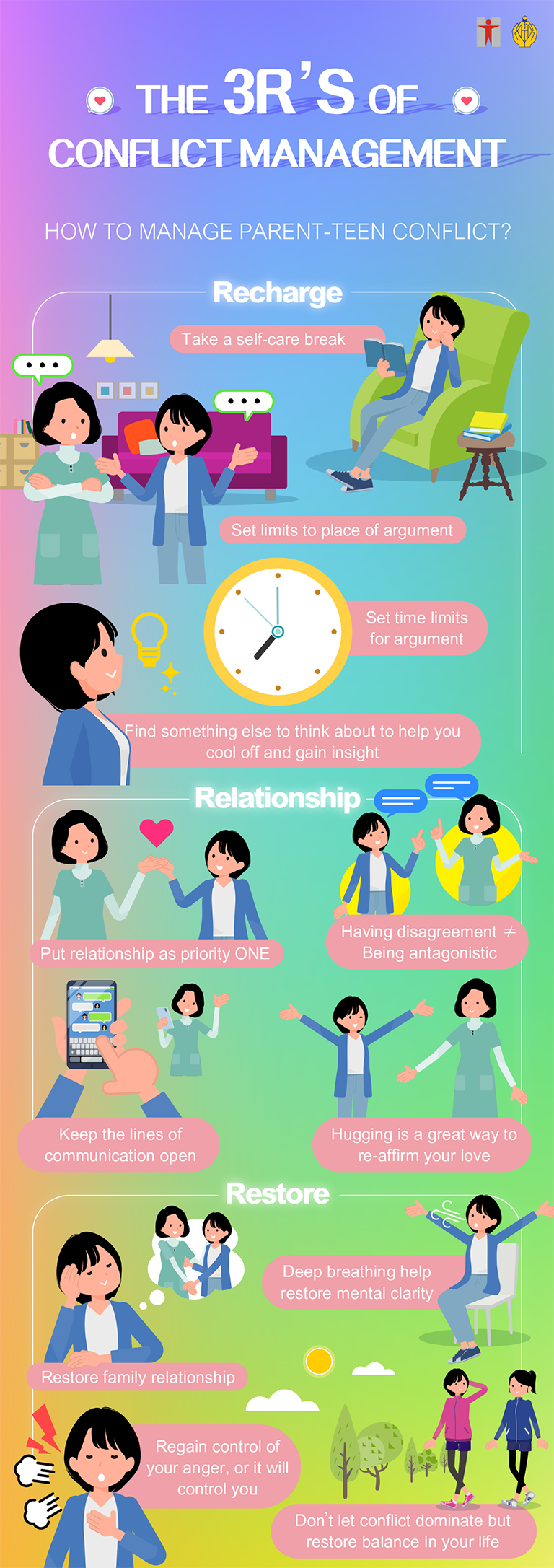
Unlike with friends or partners, you can’t always just walk away from these conflicts. Living together or being related means repeated friction. Here’s how to survive and maybe even improve things:
- Set clear house rules. If noise, cleaning, or guests are constant problems, write down what’s expected, and agree on it together. Having these in writing cuts down on future “but I thought…” arguments.
- If things break down, get help. Sometimes you need a neutral mediator—someone both sides trust or even a professional, especially if fights keep repeating.
- Don’t expect total harmony. Focus on cutting stress, not on everyone suddenly being best friends.
Handling Conflict at Work: More Strategies, More Risks
Professional conflicts come with higher stakes. Reputations can take a hit, and you might feel trapped by hierarchies or office politics. Still, ignoring problems at work only builds pressure.
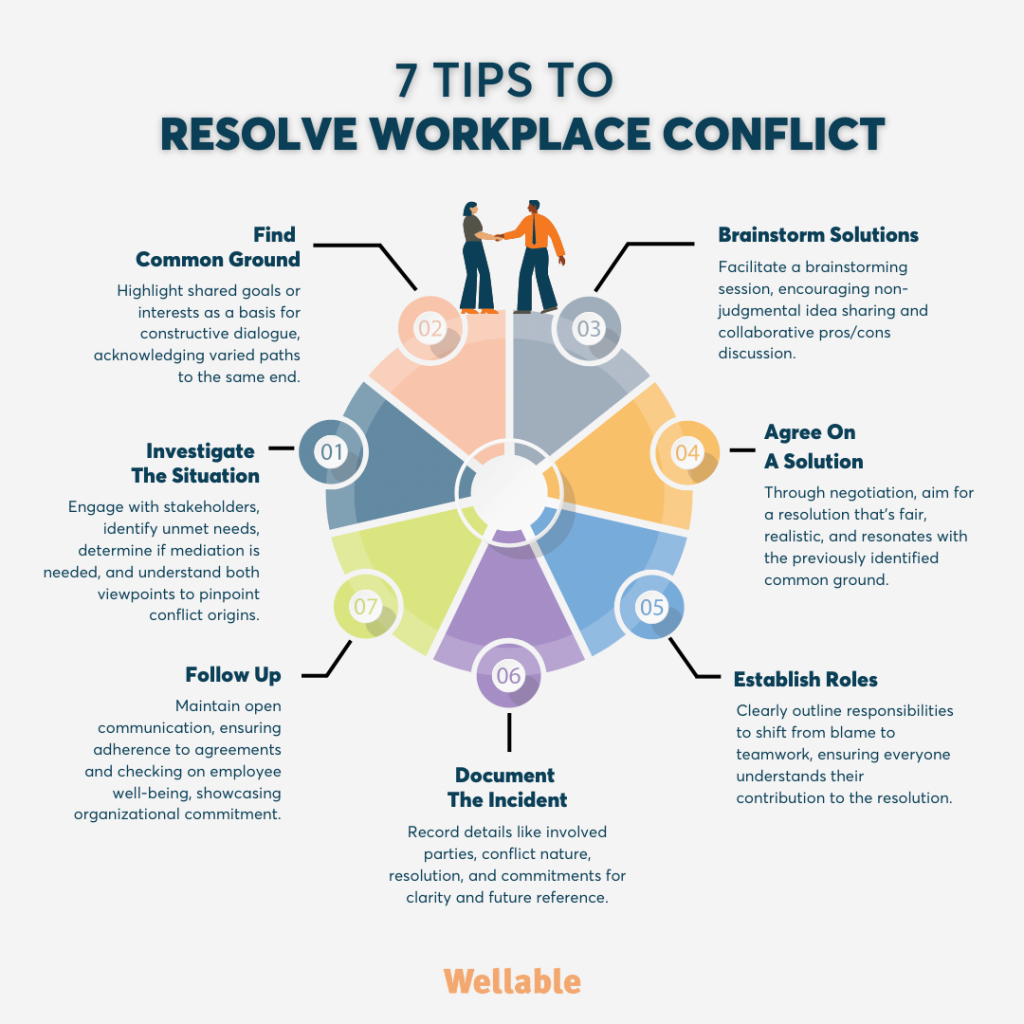
Don’t Wait; Address Issues Early
If a colleague interrupts constantly, or a boss claims your ideas, don’t let it slide too long. Say something early, calmly, and in private. “I noticed in meetings, my ideas sometimes get overlooked. I’d like to contribute more actively. How can we build space for that?” The longer problems go unmentioned, the harder they are to fix.
Separate Person from Problem
If work styles clash, one person loves planning, another thrives on last-minute energy, don’t make it personal. Discuss task approaches, not personalities. “I prefer schedules so I’m not scrambling at the deadline. How can we balance our methods for this project?” Sometimes the solution is splitting responsibilities so each works their own way.
Clarify Roles When Power Struggles Emerge
If resentment bubbles because of promotions or authority issues, ask for a clear conversation about roles and responsibilities. “Can we clarify who handles what, so we avoid stepping on each other’s toes?” This reduces rivalry and signals you want a fair system.
Use Mediation When Needed
Sometimes teams get stuck, or emotions run high after repeated clashes. Asking for a mediator, like an HR professional or senior staffer, doesn’t mean you failed. Often, it’s the only way people actually feel heard, and compromises are made.
Learn to Let Minor Stuff Go
Some differences aren’t worth a fight. If it’s just an annoying habit that doesn’t impact your work, sometimes the healthiest move is to ignore it. Don’t pick unnecessary battles; save your energy for what actually matters.
When Conflict Turns Unhealthy: Drawing the Line
Sometimes, you’re not at fault. Not all conflict should be “resolved,” especially in cases of bullying, discrimination, or abuse. Walking away, even quitting a job or ending a relationship, isn’t weak. It’s survival. If someone disrespects your boundaries repeatedly or uses power to control or harm, the right move is to protect yourself, not to negotiate.

Step-By-Step: How to Actually Navigate Conflict
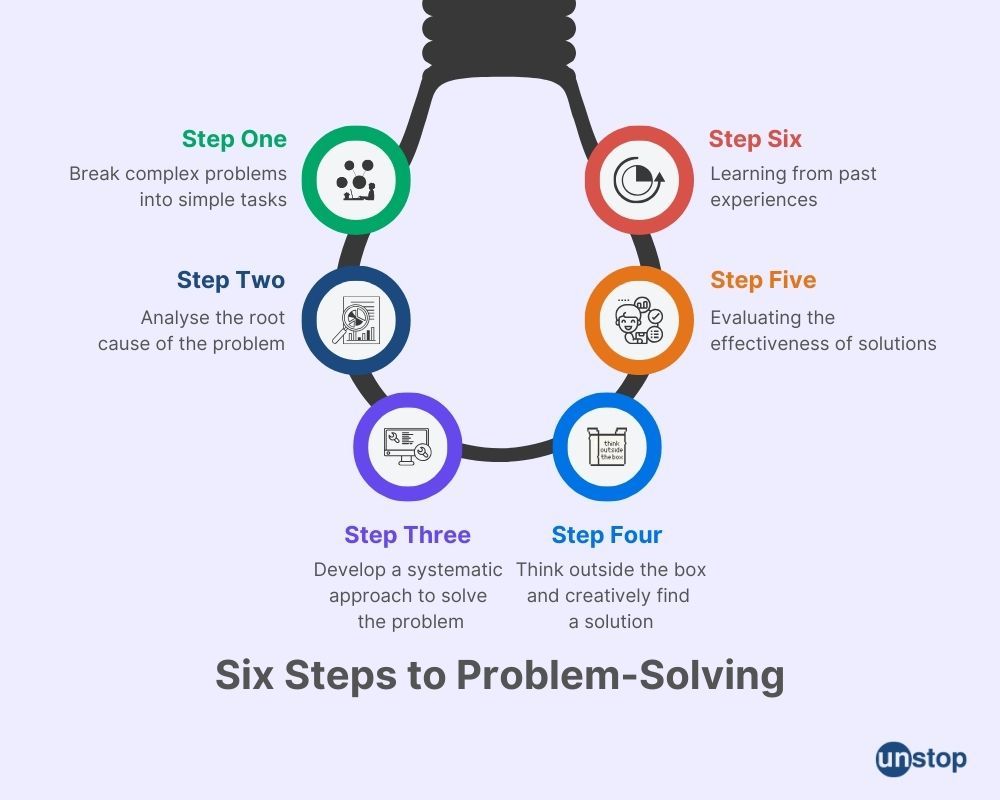
Here’s a barebones step-by-step to keep you anchored when conflict erupts:
- Pause. Don’t react immediately. Take a breath. If emotions run high, take a break.
- Set the Stage. Tell the other person you want to solve the problem, not win. If you need to, set ground rules: no yelling, no interruptions.
- Share Perspectives. Each side takes turns describing how they feel and what they want. Don’t interrupt. Listen, even if it’s hard.
- Acknowledge What You Hear. Reflect back. “So, you felt X when I did Y?”
- Identify the Real Issue. Sometimes, what people argue over isn’t the actual problem. Look for needs beneath the surface—respect, recognition, independence.
- Brainstorm Solutions Together. Focus on creating options. Be open to ideas that neither person suggested first.
- Make an Agreement. Nail down what will change, then check in later to see if it’s working.
Practical Examples in Real Life
Sometimes, tips are too vague. Here are real situations and how the steps look in daily life:
Example 1: The Flaky Friend
You’re tired of a friend cancelling plans.
You bring it up: “I noticed when we make plans, they often fall through. I feel like my time isn’t respected.”
Pause for their side. Maybe they’re overbooked or anxious.
You listen, then say: “Going forward, can we only make plans when you’re sure you can keep them?”
You agree: If cancellation is necessary, give as much notice as possible.
Example 2: Work Style Clash
You hate last-minute work. Your teammate thrives on it. The project keeps slipping deadlines.
You meet and each explains their method.
With a manager’s help, you decide: planning phases use your structure, brainstorming sessions are more open.
Regular check-ins mean there are fewer surprises.
Example 3: Roommate War Over Chores
Dishes keep piling up. Arguments get more hostile.
A calm conversation reveals you both hate cleaning, but for different reasons.
You agree: make a schedule, split the chores, check in weekly to tweak as needed.
You write it down so the system doesn’t rely on anyone’s memory or “good mood.”
Advanced Tips for Young Adults
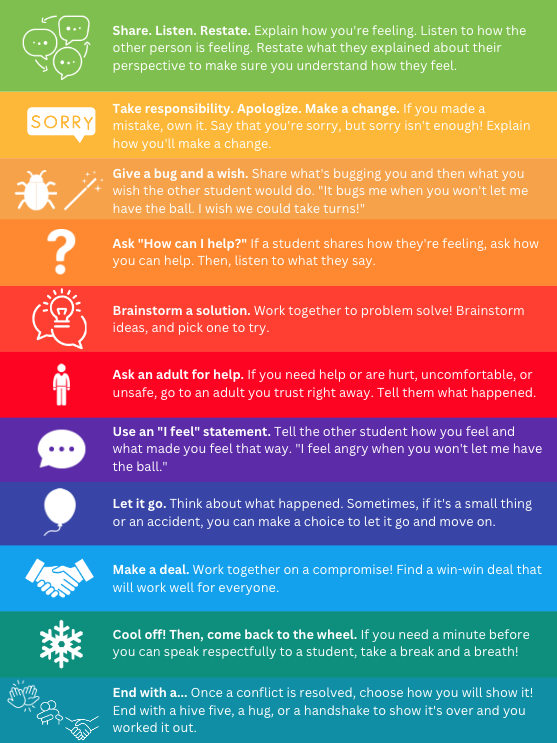
- Write it down. If you’re anxious or easily overwhelmed, jot down what you’re feeling and what you’d like before the conversation.
- Use neutral spaces. If things are tense, talk in a public place—a coffee shop or park—where both sides are less likely to raise voices.
- Practice asking questions. Instead of stating, “You never listen,” ask, “How did you see the situation?” or “What’s most important to you here?” It encourages honesty without blame.
- Notice your own patterns. Are you usually quick to defend? Do you shut down? Recognising your own habits is the only way to change them.
- Focus on respect, not agreement. You don’t have to see eye-to-eye on everything. But both sides can agree to treat each other fairly.
- Don’t forget self-care. Sometimes the fallout from conflict isn’t solved in a single chat. Cook a meal, talk to another friend, get fresh air. Processing takes time.
When to Let Go
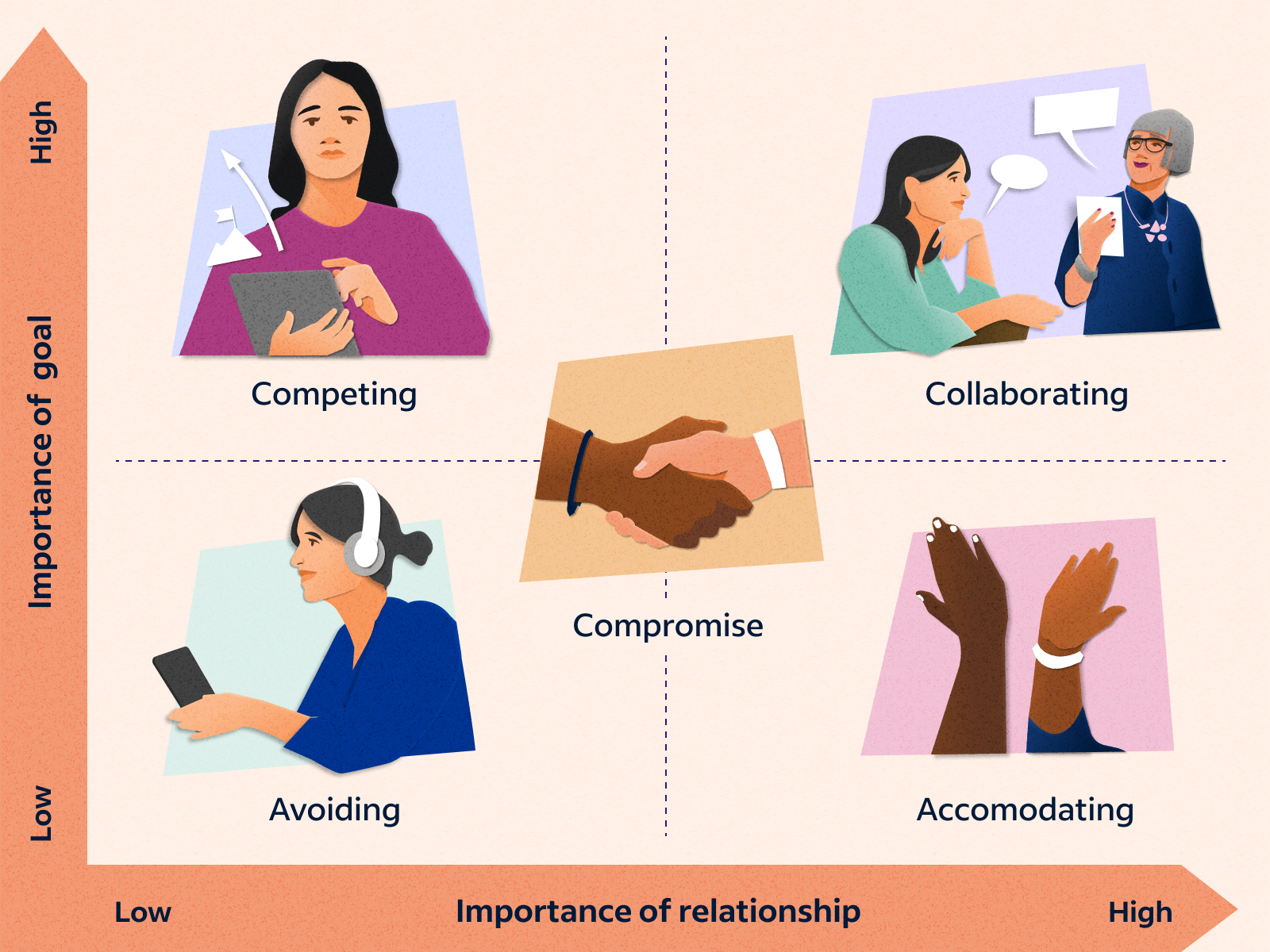
You won’t solve every conflict. Sometimes, people won’t meet you halfway. You’ll grow out of friendships, hit walls at work, or need to move out. Don’t see this as a failure. Not all relationships are meant to last. If fighting for resolution only hurts you, it’s valid to step back or let go entirely.




.jpeg)










 Memories and Such