Adulting 101: How to Become More Visible at Work

In the modern workplace, visibility is key to career advancement. Being noticed for your contributions, ideas, and efforts can open doors to new opportunities, promotions, and recognition. However, many young adults entering the workforce struggle with making themselves visible, especially in environments where competition is high or where they feel overshadowed by more experienced colleagues.

Why is workplace visibility important? Visibility ensures that your efforts are acknowledged. When you’re visible at work, managers and colleagues recognise your value to the team. This recognition can lead to rewards such as promotions, bonuses, or leadership opportunities. Being visible can fast-track your career growth. Employers are more likely to consider individuals who consistently demonstrate their skills and make an impact when assigning high-profile projects or leadership roles. Visibility fosters stronger relationships with colleagues and supervisors. When people know who you are and what you contribute, they’re more likely to collaborate with you and advocate for your success. Visibility helps establish your credibility and expertise in your field. By showcasing your knowledge and skills, you position yourself as a reliable and valuable team member. Lastly, when you’re visible at work, opportunities often come your way organically, whether it’s being invited to join important projects, representing the company at events, or taking on new responsibilities.

What challenges do young adults face on the way to becoming visible?

  • Lack of confidence: Entering the workforce can be intimidating, especially when surrounded by more experienced colleagues. Young professionals may doubt their abilities or hesitate to speak up.
  • Fear of rejection: The fear of being judged or rejected can prevent young adults from sharing ideas or seeking recognition.
  • Workplace hierarchies: In hierarchical workplaces, junior employees may feel overshadowed by senior staff or believe their contributions are less valued.
  • Introversion: Introverted individuals may find it challenging to assert themselves in group settings or actively seek visibility.
  • Unclear goals: Without clear career goals, young adults may struggle to identify how they want to be seen or recognised at work.

So how can you become more visible at work? Becoming visible at work doesn’t mean being loud or attention-seeking; it’s about demonstrating value and building meaningful connections within your organisation. Here are strategies young professionals can use:

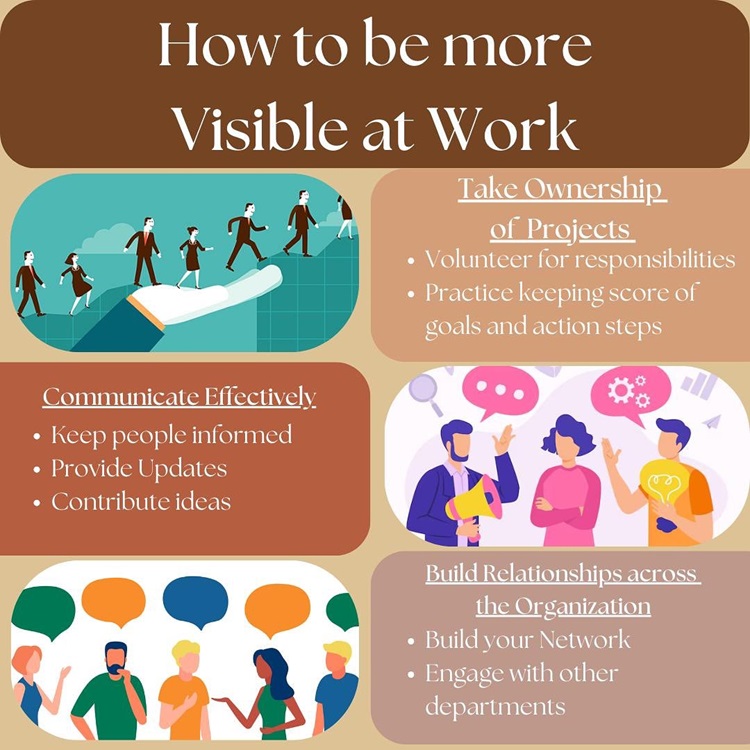
Excel in your role: The foundation of workplace visibility is performing well in your job. Consistently delivering high-quality work ensures that people notice your contributions. Meet deadlines and always complete tasks on time, and exceed expectations when possible. Take the initiative and volunteer for projects or responsibilities that align with your skills and interests. Pay attention to detail and ensure accuracy and thoroughness in everything you do, whether it’s crafting a report or organising a presentation.

Communicate effectively: Effective communication is crucial for making yourself known at work. Speak up in meetings and share ideas confidently during discussions or brainstorming sessions. Ask questions, show curiosity, and be engaged by asking thoughtful questions about projects or company goals. Provide updates and keep supervisors informed about your progress on tasks or projects without waiting for them to ask.

Build relationships: Networking within your organisation is essential for visibility. Connect with colleagues by building rapport with coworkers across departments. Engage with supervisors and schedule one-on-one meetings with your manager to discuss goals, feedback, and career development. Participate in social events by attending company gatherings or team-building activities to strengthen relationships outside work tasks.

Showcase your expertise: Demonstrating your knowledge and skills helps establish credibility. Share knowledge and offer insights during meetings or discussions based on your expertise. Volunteer for training sessions by leading workshops or training sessions on topics you’re skilled in. Contribute ideas by suggesting innovative solutions or improvements that add value to the organisation.

Take ownership: Taking ownership of tasks shows initiative and accountability. Lead projects and volunteer to take charge of small projects or assignments. Solve problems by identifying challenges within the workplace and propose actionable solutions. Follow through and ensure that any task you take is completed successfully and professionally.

Develop a personal brand: Creating a personal brand helps distinguish yourself from others in the workplace. Identify your strengths and reflect on what makes you unique, whether it’s creativity, technical skills, or problem-solving abilities. Be consistent and ensure that your actions align with the values and strengths you want to be known for. Leverage social media by using professional platforms like LinkedIn to share achievements, articles, or insights related to your field.

Seek feedback: Feedback provides valuable insights into how others perceive you and where you can improve. Ask for constructive criticism by regularly seeking feedback from supervisors about your performance. Implement suggestions and show that you value feedback by acting on recommendations for improvement. Request recognition and if appropriate, ask managers for public acknowledgment of successful projects or contributions.

Network beyond your team: Visibility isn’t limited to your immediate team; building connections across the organisation broadens your reach. Collaborate across departments and volunteer for cross-departmental projects that expose you to new teams. Attend company-wide meetings and participate actively in meetings involving multiple teams or divisions. Introduce yourself, and don’t hesitate to introduce yourself to senior leaders during events or casual interactions.

Stay positive: A positive attitude contributes significantly to workplace visibility. Be approachable and maintain an optimistic demeanor that encourages colleagues to engage with you. Support others and celebrate coworkers’ successes, and offer help when needed. Handle criticism gracefully and accept constructive criticism with humility, using it as an opportunity for growth.

Document your achievements: Keeping track of accomplishments ensures that they don’t go unnoticed during performance reviews or promotions discussions. Maintain a portfolio by creating a portfolio showcasing successful projects, reports, presentations, or other contributions. Highlight results and quantify achievements where possible (e.g., “Increased sales by 20%”). Share success stories so you can discuss accomplishments during one-on-one meetings with supervisors.

Introverted individuals often face unique challenges in becoming visible at work but can leverage their strengths effectively. Focus on one-on-one interactions and build relationships through individual conversations rather than large group settings. Prepare ahead of time and plan talking points before meetings so you feel confident sharing ideas when opportunities arise. Leverage written communication by using emails or reports as tools for showcasing ideas clearly without needing verbal presentations. Play to your strengths and highlight qualities like active listening, thoughtfulness, and analytical thinking during discussions or problem-solving sessions. Choose strategic opportunities and participate selectively in activities where visibility aligns with comfort levels such as leading small projects rather than public speaking engagements.

While striving for visibility is important, certain behaviours can undermine efforts. Don’t overpromise with delivering, and avoid taking on too many tasks if it compromises quality; focus on delivering consistent results instead of spreading yourself thin. Don’t seek attention excessively because visibility should stem from genuine contributions rather than attention-seeking behavior that detracts from professionalism. Don’t ignore feedback by dismissing constructive criticism, as your growth can be hindered; embrace feedback as an opportunity for improvement instead. Don’t neglect relationships by focusing solely on tasks while ignoring interpersonal connections limits long-term visibility potential within organisations.

Becoming more visible at work is not about shouting louder than everyone else: it’s about consistently demonstrating value while building meaningful relationships! By excelling in their roles, communicating effectively, showcasing their expertise, and developing personal brands, young adults will position themselves favorably within competitive workplaces. Remember, it’s not merely about being seen; it’s about ensuring that what others see reflects authenticity and professionalism. Embrace these strategies today and watch as new opportunities unfold tomorrow!

Adulting 101: The Importance of Mindfulness

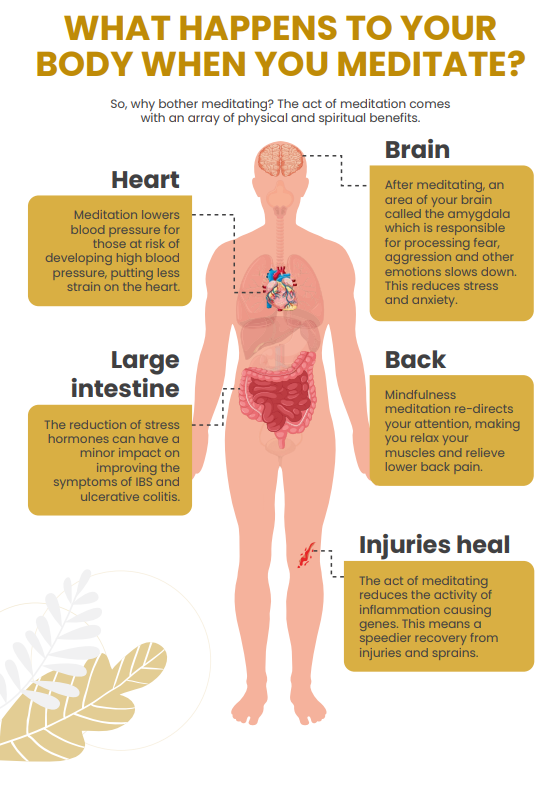
In an age characterised by constant distractions and relentless demands on our time, the practice of mindfulness has emerged as a powerful tool for enhancing mental well-being and promoting overall health. For young adults navigating the complexities of life—whether in university, starting their careers, or managing relationships—mindfulness can provide essential benefits that contribute to a more balanced and fulfilling existence.

Mindfulness is the practice of bringing one’s attention to the present moment with openness, curiosity, and acceptance. It involves paying attention to thoughts, feelings, bodily sensations, and the surrounding environment without judgment. Rather than dwelling on the past or worrying about the future, mindfulness encourages individuals to fully engage with whatever is happening in the here and now.

Mindfulness involves being aware of one’s thoughts, feelings, and sensations as they arise. This awareness allows one to observe one’s experiences without becoming overwhelmed by them. Mindfulness encourages acceptance of one’s thoughts and feelings as they are, rather than trying to change or suppress them. This non-judgmental approach fosters a sense of peace and reduces anxiety. Mindfulness emphasises living in the moment. By focusing on the present, individuals can reduce stress related to past regrets or future worries.

Research has shown that mindfulness practices can lead to significant improvements in mental health and well-being. Studies indicate that mindfulness meditation can reduce symptoms of anxiety and depression, enhance emotional regulation, and improve overall psychological resilience. Neuroscientific research has also demonstrated that mindfulness can lead to changes in brain structure, particularly in areas associated with emotional regulation and cognitive function.

Young adults often face a multitude of stressors—academic pressures, job responsibilities, social expectations, and financial concerns. Mindfulness provides effective tools for managing stress. Mindfulness practices help calm the mind by promoting relaxation and reducing rumination on stressful thoughts. By fostering awareness of stress triggers and emotional responses, mindfulness allows individuals to develop healthier coping mechanisms.

In a world filled with distractions—from smartphones to social media—maintaining focus can be challenging. Mindfulness practices train the brain to focus on one task at a time, improving overall productivity. By cultivating present-moment awareness, individuals can minimise distractions and enhance their ability to concentrate on important tasks.

For young adults navigating complex emotions during formative years, mindfulness offers valuable benefits. Mindfulness helps individuals recognise their emotions without judgment, allowing for healthier emotional processing. Practicing mindfulness can lead to improved emotional regulation, enabling individuals to respond thoughtfully rather than react impulsively.

Mindfulness fosters better interpersonal relationships by promoting empathy and effective communication. Mindful communication encourages active listening, allowing individuals to fully engage with others during conversations. By being present with others’ feelings and experiences, mindfulness cultivates empathy and understanding in relationships.

Resilience is crucial for young adults facing life’s challenges. Mindfulness contributes to building resilience. Mindful individuals are better equipped to adapt to change and navigate setbacks with a positive mindset. Regular mindfulness practice enhances resilience against stressors by promoting a sense of calm during difficult times.

Establishing a mindfulness routine may seem daunting at first; however, it can be easily integrated into daily activities through simple practices. Here are some effective strategies for young adults looking to incorporate mindfulness into their lives:

Start Small: Begin the mindfulness journey with small steps. Spend just a few minutes each day focusing on the breath. Close your eyes, take deep breaths, and observe the sensations as you inhale and exhale. Start with brief meditation sessions of between five and ten minutes using guided apps like Headspace, Insight Timer, or Calm. Gradually increase the duration as you become more comfortable.

Designate a specific area in your home for mindfulness practices. Choose a quiet space free from distractions where you can practice meditation or reflection comfortably. Add calming elements such as candles, plants, or cushions to create an inviting atmosphere conducive to relaxation.

Transform mealtime into an opportunity for mindfulness. Take time to appreciate the flavours, textures, and aromas of your food without distractions like phones or television. Chew your food thoroughly and enjoy each bite; this promotes better digestion while encouraging gratitude for nourishment.

Mindfulness doesn’t have to be limited to sitting still; movement-based practices are also effective. Engage in yoga or tai chi classes that emphasise mindful movement while connecting breath with motion. Take walks outdoors while focusing on each step you take; notice the sensations in your feet as they touch the ground.

Leverage technology to support your mindfulness practice. Utilise apps designed for mindfulness training that offer guided meditations, breathing exercises, and reminders. Explore online courses or videos focused on mindfulness techniques that fit your schedule.

Incorporate reminders throughout your day to practice mindfulness. Set alarms or reminders on your phone to take short breaks for mindful breathing or stretching during busy days. Place sticky notes in visible areas, like computer screens, with motivational quotes or prompts encouraging mindfulness.

Reflection is an essential part of developing mindfulness. Keep a journal where you can write about your thoughts and feelings after practising mindfulness; this helps track progress over time. At the end of each day, reflect on three things you are grateful for; this promotes positive thinking while enhancing self-awareness.

Connecting with others who share similar interests can enhance motivation. Look for local or online groups focused on mindfulness practices where you can share experiences and learn from others. Participate in workshops or retreats dedicated to mindfulness that provide immersive experiences.

While incorporating mindfulness into daily life offers numerous benefits, young adults may encounter challenges along the way. Busy schedules may make it difficult to find time for mindfulness practices. Instead of setting aside large blocks of time exclusively for mindfulness, integrate short practices throughout your day like doing some mindful breathing during your daily commute.

In today’s digital age filled with distractions from technology, establish boundaries around technology use before bed; this promotes better sleep quality while allowing time for reflection or meditation instead. Many individuals struggle with self-doubt when starting new practices. Be gentle with yourself; recognise that developing a new skill takes time—allow yourself room for growth without harsh judgment!

Mindfulness is an invaluable practice that offers numerous benefits specifically tailored towards young adults navigating various challenges throughout their lives! By understanding its importance while implementing effective strategies—such as starting small, creating dedicated spaces, practising mindful eating, and utilising technology wisely—you will cultivate greater awareness & presence within each moment! Embrace this journey towards enhanced mental well-being & personal growth! Remember—it’s not about perfection but rather progress! With patience & commitment, you’ll soon find yourself reaping all the rewards that come from living mindfully!

Adulting 101: Continuous Learning, the Education of Life

In a rapidly changing world, the concept of continuous learning has become more important than ever. For young adults, especially those who have recently graduated from university, there can be a misconception that formal education marks the end of their learning journey. However, embracing a mindset of lifelong learning is essential for personal and professional growth.

What is continuous learning? Continuous learning refers to the ongoing, voluntary, and self-motivated pursuit of knowledge for personal or professional development. It encompasses various forms of learning beyond formal education. These include self-directed learning by taking the initiative to learn independently through reading, online courses, or exploring new interests, professional development by engaging in training programmes, workshops, or seminars to enhance skills relevant to one’s career, informal learning where one gains knowledge through everyday experiences, conversations, and interactions with others, and peer learning where one collaborates with colleagues or peers to share knowledge and skills. Continuous learning is not confined to any specific age or stage in life; it is a lifelong process that encourages individuals to adapt to new challenges and opportunities.

Why is continuous learning important? The world is constantly evolving due to technological advancements, globalisation, and shifting job markets. Continuous learning equips young adults with the skills necessary to adapt to these changes. In many industries, skills can become outdated quickly. Engaging in continuous learning helps individuals stay current with industry trends and developments. A commitment to learning fosters a mindset that embraces innovation and change rather than fearing it.

For young adults entering the workforce, continuous learning can significantly impact career advancement. Acquiring new skills can open doors to promotions or new job opportunities. Employers often seek candidates who demonstrate a commitment to professional growth. Engaging in continuous learning often involves attending workshops or conferences where individuals can connect with industry professionals and expand their networks.

Continuous learning contributes to personal development and overall life satisfaction. Gaining new knowledge and skills enhances self-esteem and confidence in one’s abilities. A commitment to lifelong learning encourages curiosity and exploration of new interests, leading to a more fulfilling life.

Continuous learners develop critical thinking and problem-solving skills. Engaging with diverse subjects encourages analytical thinking, enabling individuals to approach challenges from multiple perspectives. Exposure to new ideas fosters creativity and innovation, allowing individuals to generate unique solutions to problems.

In an ever-changing world, resilience is crucial for overcoming challenges. Continuous learners are better equipped to navigate setbacks and adapt their strategies based on new information or circumstances. Embracing a growth mindset, one that believes that abilities can be developed through dedication, helps individuals view challenges as opportunities for growth rather than obstacles.

How can young adults become lifelong learners? Embracing continuous learning requires intentionality and commitment. Here are practical strategies for young adults looking to foster a culture of lifelong learning:

Set learning goals: Establishing clear goals helps guide your continuous learning journey. Reflect on topics or skills you are passionate about or want to explore further. Create SMART goals by using the SMART criteria. These are goals that are specific, measurable, achievable, relevant, and time-bound to set concrete learning objectives.

Explore online learning platforms: The internet offers a wealth of resources for self-directed learners. Platforms like Coursera, edX, and Udacity offer courses from top universities on various subjects, with many that are free or low-cost. Websites like LinkedIn Learning or Skillshare provide access to tutorials and courses on practical skills ranging from graphic design to coding.

Read widely: Reading is one of the most accessible forms of continuous learning. Explore books on topics that interest you or are relevant to your career. Consider both fiction and non-fiction for a well-rounded perspective. Stay updated with industry news by reading articles from reputable sources or academic journals related to your field.

Attend workshops and seminars: Participating in workshops and seminars provides opportunities for hands-on learning. Look for workshops hosted by community centres, libraries, or professional organisations in your area. Attend industry conferences where you can learn from experts while networking with peers.

Join professional associations: Becoming a member of professional associations related to your field offers numerous benefits. Many associations provide members with access to exclusive resources such as webinars, publications, and networking events. Many professional organisations offer continuing education programs that allow members to earn certifications or credits toward professional development.

Engage in peer learning: Learning from peers can enhance one’s understanding of various topics. Form study groups with classmates or colleagues where you can share knowledge and discuss concepts collaboratively. Seek out mentorship opportunities where you can learn from someone more experienced in your field while also offering support in return.

Embrace new experiences: Stepping outside your comfort zone can lead to valuable learning experiences. Travelling exposes you to different cultures and perspectives; consider taking short trips or participating in study abroad programs if possible. Engaging in volunteer activities allows you to learn new skills while contributing positively to your community.

Reflect on your learning journey: Regular reflection helps reinforce what you’ve learned. Document your experiences, insights gained from courses or readings, and areas where you’d like further growth. Periodically review your goals and assess what you’ve accomplished; adjust your plans as needed based on your reflections.

What are some tips for overcoming barriers to continuous learning? While the desire for continuous learning is essential, young adults may encounter barriers along the way. Here are some tips for overcoming common obstacles:

Time management: Finding time for continuous learning amidst busy schedules can be challenging. Treat your learning goals as important commitments; schedule dedicated time each week for focused study or skill development. Look for opportunities throughout your day, listen to educational podcasts during commutes, or watch short tutorial videos during breaks.

Motivation challenges: Staying motivated can be difficult when pursuing long-term goals. Break larger goals into smaller milestones that provide a sense of accomplishment along the way. Celebrate achievements by treating yourself when you reach specific milestones—this reinforces positive behaviour!

Fear of failure: Fear of failure can deter individuals from pursuing new challenges. Understand that failure is often part of the learning process; view setbacks as opportunities for growth rather than reasons to give up. Share your fears with friends or mentors who can offer encouragement; knowing you’re not alone helps alleviate anxiety around failure.

Continuous learning is an essential practice that empowers young adults throughout their lives! By embracing this mindset while implementing effective strategies—such as setting clear goals, exploring online resources, attending workshops, and engaging in peer collaboration—you’ll cultivate greater knowledge & skills necessary for success!

Remember—it’s never too late (or too early!) To start investing in yourself through lifelong education! Embrace curiosity & exploration as you navigate this journey towards personal & professional growth! With dedication & perseverance, you’ll find yourself thriving not only today but also well into the future!

Adulting 101: The Importance of Sleep for Young Adults

Sleep is often one of the first sacrifices young adults make in today’s fast-paced world. With busy schedules filled with classes, work, social activities, and the constant allure of technology, many find themselves prioritising everything but rest. However, understanding the importance of sleep and establishing a good sleep schedule is crucial for overall health and well-being.

Sleep is a natural state of rest characterised by altered consciousness, reduced sensory activity, inhibition of voluntary muscles, and decreased interactions with the environment. It plays a vital role in physical health, mental well-being, and cognitive function.

Sleep consists of several stages that cycle throughout the night. NREM or Non-Rapid Eye Movement Sleep consists of three stages. Stage 1 is the light sleep stage where one drifts in and out of sleep; it is easy to wake up during this stage. Stage 2 is the slightly deeper sleep; the heart rate slows down, and body temperature drops. Stage 3 is the deep sleep stage. This stage is crucial for physical recovery and growth.

The REM or Rapid Eye Movement Sleep stage occurs after about 90 minutes of sleep. During REM sleep, the brain is active, dreams occur, and the body experiences temporary paralysis to prevent acting out dreams. REM sleep is essential for memory consolidation and emotional processing.

A typical sleep cycle lasts about 90 minutes and includes both NREM and REM stages. Most adults require 7-9 hours of sleep per night to complete several cycles effectively. Understanding this cycle can help young adults appreciate the importance of uninterrupted sleep.

A good sleep schedule is very important for physical and mental health as good academic performance, social interactions, and long-term health risks.

Adequate sleep is essential for maintaining physical health. Sleep plays a critical role in immune system function. Lack of sleep can weaken the immune response, making individuals more susceptible to illness. During deep sleep, the body releases growth hormones that aid in tissue growth and muscle repair. Poor sleep can disrupt hormones that regulate appetite, leading to weight gain and obesity.

Sleep has a profound impact on mental well-being. Insufficient sleep can lead to irritability, mood swings, anxiety, and depression. Sleep is vital for cognitive processes such as attention, memory consolidation, problem-solving skills, and decision-making abilities.

For students, good sleep is directly linked to academic success. Adequate rest enhances focus and concentration in class or while studying. Sleep helps consolidate memories learned during the day, making it easier to recall information during exams.

Sleep deprivation can affect social skills. Lack of sleep can lead to increased stress levels and irritability, which may strain relationships with peers and family members. Feeling tired can reduce motivation to engage in social activities or maintain friendships.

Chronic sleep deprivation has been linked to various long-term health issues. Inadequate sleep increases the risk of heart disease and hypertension. Poor sleep patterns are associated with insulin resistance and increased risk of type 2 diabetes. Long-term lack of quality sleep can contribute to serious mental health conditions such as anxiety disorders or depression.

Many young adults believe that sacrificing sleep for productivity or social activities is a sign of strength or ambition. However, this mindset can be detrimental. Society often glorifies busyness and productivity at the expense of self-care. It’s essential to challenge this narrative by recognizing that rest is not a weakness but a necessity for optimal performance.

Understanding the science behind why we need sleep can help shift perspectives. Quality rest improves cognitive function, creativity, and problem-solving skills—key attributes for success in both academic and professional settings. Well-rested individuals are better equipped to handle stressors and challenges effectively.

Tips for Establishing a Healthy Sleep Schedule

Creating a consistent sleep schedule is crucial for reaping the benefits of restorative rest. Here are some tips for young adults looking to improve their sleeping habits:

  • Set a consistent sleep schedule: Aim to go to bed and wake up at the same time every day—even on weekends—to regulate the body’s internal clock.
  • Create a relaxing bedtime routine: Establish calming pre-sleep rituals such as reading a book, practising relaxation techniques like deep breathing or meditation, or taking a warm bath to create the best way to start a sleep schedule.
  • Limit screen time before bed: Avoid screens like phones, computers, and TVs at least an hour before bedtime, as blue light interferes with melatonin production—a hormone that regulates sleep.
  • Optimise the sleep environment: Invest in a comfortable mattress and pillows that support restful sleep. Use blackout curtains to keep the room dark; consider earplugs or white noise machines if noise disrupts your rest.
  • Be mindful of food and drink intake: Limit caffeine consumption after mid-afternoon, as it can interfere with the ability to fall asleep. If hungry before bed, opt for light snacks rather than heavy meals that may cause discomfort during the night.
  • Incorporate physical activity: Engage in physical activity during the day; however, avoid vigorous exercise close to bedtime as it may energise instead of helping to wind down.
  • Manage stress levels: Incorporate mindfulness practices like yoga or meditation into the daily routine to help manage stress effectively.
  • Seek professional help if needed: If one continues to experience difficulties with sleeping despite implementing these strategies, seek guidance from a doctor or specialist who can provide insights into potential underlying issues affecting the ability to rest well.

Understanding the importance of quality sleep is essential for young adults navigating their academic pursuits or early careers; prioritising healthy sleeping habits leads to improved physical health but also enhanced mental clarity & emotional resilience! By establishing consistent routines while creating optimal environments conducive towards restful slumber, young individuals will find themselves better equipped both personally & professionally!

Remember—it’s not merely about getting enough hours in bed; it’s about ensuring those hours are restorative! By embracing these tips & strategies, young adults who are embarking on their journey towards better sleeping patterns, their future self will thank them! Prioritise rest today so that one can thrive tomorrow!

Adulting 101: Understanding and Overcoming Imposter Syndrome

As young adults transition into the workforce or pursue higher education, many experience a psychological phenomenon known as imposter syndrome. This feeling of self-doubt and inadequacy can hinder personal and professional growth, making it essential to understand its nature and learn how to overcome it.

What is Imposter Syndrome?
Imposter syndrome, often referred to as the imposter phenomenon, is characterised by persistent feelings of self-doubt, insecurity, and a sense of being a fraud despite evident success or accomplishments. Individuals experiencing imposter syndrome often attribute their achievements to luck or external factors rather than their abilities or hard work. This phenomenon can lead to anxiety, stress, and a fear of being exposed as a fraud.

Some common characteristics characterise someone with imposter syndrome.

  • Self-doubt: Individuals frequently question their skills and qualifications, feeling unworthy of their achievements.
  • Fear of exposure: There is a constant fear that others will discover their perceived inadequacies.
  • Perfectionism: Many individuals set excessively high standards for themselves and feel disappointed when they do not meet these expectations.
  • Attributing success to external factors: People often believe that their successes are due to luck or timing rather than their efforts.
  • Overworking: To compensate for feelings of inadequacy, individuals may over-prepare or work excessively hard to prove their worth.

Imposter syndrome is surprisingly common. Research indicates that approximately 70% of people experience imposter feelings at some point in their lives. It can affect anyone, regardless of their background, education level, or professional success.

Many young adults experience imposter syndrome. Young adults often face significant transitions in their lives, such as moving from high school to university or entering the workforce for the first time. These changes can trigger feelings of uncertainty and self-doubt. Societal pressures and expectations can exacerbate feelings of inadequacy. Young adults may feel compelled to achieve success quickly or meet unrealistic standards set by themselves or others.

In the age of social media, young adults are constantly exposed to curated representations of others’ lives and achievements. This can lead to unhealthy comparisons and feelings of inferiority. Entering a new environment—whether it’s a university setting or a workplace—can amplify feelings of being an imposter. Young adults may feel they lack the experience necessary to succeed in these new roles.

The Impact of Imposter Syndrome on Young Adults
Imposter syndrome can have significant consequences for young adults, affecting various aspects of their lives. Feelings of inadequacy can lead to increased anxiety, depression, and stress levels. The constant pressure to prove oneself can take a toll on mental well-being. Imposter syndrome can hinder career growth by preventing individuals from pursuing opportunities or taking on new challenges due to fear of failure. When individuals feel like imposters in their roles, it can lead to decreased job satisfaction and motivation. They may struggle to appreciate their accomplishments or contributions. Young adults may avoid situations that could lead to exposure as an imposter, such as networking events or public speaking opportunities, limiting their professional development.

Strategies for Overcoming Imposter Syndrome
While overcoming imposter syndrome is not an overnight process, there are several strategies that young adults can employ to manage these feelings effectively:

  • Acknowledge your feelings: The first step in overcoming imposter syndrome is recognizing and acknowledging your feelings. Understand that experiencing self-doubt is normal and that many others share similar experiences. Write down your thoughts and feelings related to imposter syndrome when they arise. This practice can help you gain clarity about your emotions and identify triggers.
  • Challenge negative self-talk: Imposter syndrome often manifests through negative self-talk that reinforces feelings of inadequacy. To combat this, pay attention to your inner dialogue and identify negative thoughts that contribute to self-doubt. Reframe thoughts and replace negative thoughts with positive affirmations or balanced perspectives. For example, instead of thinking “I don’t deserve this promotion,” reframe it as “I have worked hard for this opportunity.”
  • Recognise accomplishments: Recognising your accomplishments is crucial in combating imposter syndrome. Keep a success journal and document achievements, no matter how small they may seem. Reflecting on your successes can help reinforce your capabilities. Don’t hesitate to share accomplishments with friends, family, or mentors who can celebrate with you.
  • Seek support from others: Talking about feelings with trusted friends or mentors can provide valuable perspective and support. Find a mentor as connecting with someone who has navigated similar challenges can offer guidance and reassurance. Join support groups where individuals share experiences related to imposter syndrome; this fosters a sense of community and understanding.
  • Embrace lifelong learning: Understanding that everyone has areas for growth can help alleviate pressure. Pursue professional development and engage in training sessions, workshops, or courses that enhance your skills and knowledge in your field. Accept mistakes as learning opportunities and recognise that making mistakes is part of growth; use them as opportunities for improvement rather than evidence of inadequacy.
  • Practice mindfulness: Practice mindfulness techniques that can help ground you in the present moment and reduce anxiety related to imposter feelings. Regular meditation practice can help calm the mind and promote self-awareness. Incorporate deep breathing exercises into your daily routine to manage stress levels effectively.
  • Set realistic goals: Setting achievable goals helps mitigate perfectionism associated with imposter syndrome. Divide larger goals into smaller, manageable tasks that allow you to track progress without overwhelming yourself. Shift your mindset from striving for perfection to celebrating progress along the way.
  • Limit social media exposure: Social media can exacerbate feelings of inadequacy through constant comparisons. Get rid of negative influences and curate your feed by unfollowing accounts that trigger negative thoughts about yourself. Engage with positive content and follow accounts that inspire you or provide educational content relevant to your interests.
Source

In addition to the strategies mentioned above, here are some practical tips that young adults can implement in their daily lives:

  • Develop a personal brand: Creating a personal brand involves defining who you are professionally and what you stand for in your career. Take time to reflect on your skills and strengths; knowing what you bring to the table can enhance confidence. Develop a personal narrative that highlights your journey—this helps reinforce your identity beyond just accomplishments.
  • Engage in networking: Building connections with others in your field not only opens doors but also provides reassurance through shared experiences. Participate in conferences, workshops, or networking events where you can meet others facing similar challenges. Utilise platforms like LinkedIn to connect with professionals in your industry; and engage in discussions around shared interests.
  • Practice self-compassion: Being kind to yourself during moments of doubt is crucial. Understand that everyone makes mistakes; self-compassion allows you room for growth without harsh judgment. When experiencing self-doubt, consider how you would respond if a friend expressed similar feelings—offer yourself the same kindness!
  • Focus on contribution rather than comparison: Shift focus from comparing yourself with others towards how you can contribute positively within your environment. Consider how sharing knowledge or supporting colleagues enhances collaboration rather than competition.

Imposter syndrome is a common experience among young adults navigating new environments in university and the workforce; however, it doesn’t have to define one’s journey! By understanding its nature while implementing effective strategies—such as acknowledging feelings, challenging negative self-talk, celebrating achievements, seeking support from others, and embracing lifelong learning practices—young adults can combat these feelings successfully.

Ultimately, recognising that experiencing self-doubt does not diminish one’s abilities is key; instead of allowing imposter syndrome to hold you back from seizing growth opportunities, embrace it as part of the journey! With patience combined with supportive practices, young adults will find themselves equipped not only with skills but also the confidence needed for future success! By fostering resilience against imposter syndrome while building meaningful connections along the way, young professionals are sure to not only thrive but also create fulfilling careers ahead!