

Also known as Baruthani Ekadashi, Varuthini Ekadashi is a significant festival that holds deep spiritual and cultural importance. Falling on the 11th lunar day, or Ekadashi, of the waning moon in the Hindu month of Chaitra or Vaishakha, the festival typically falls in April or May of the Gregorian calendar.
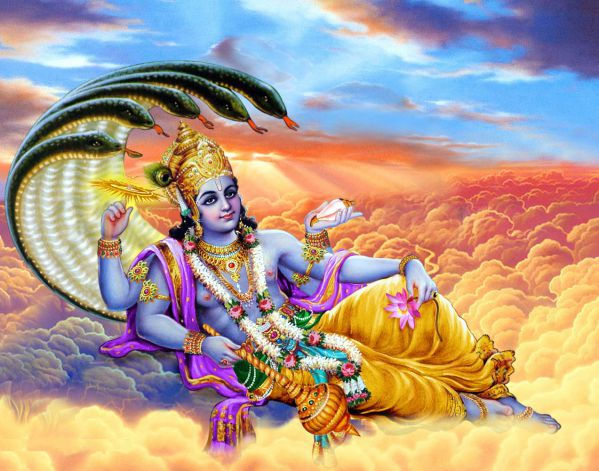
The origins of Varuthini Ekadashi are rooted in ancient Hindu scriptures and mythology. The festival’s name, Varuthini, is derived from the Sanskrit word meaning armoured or protected, signifying the spiritual protection bestowed upon devotees who observe this sacred day. The day is dedicated to Lord Vishnu, particularly his fifth avatar, Vamana, and devotees believe that observing this Ekadashi is believed to bring devotees closer to the divine and offer protection from negative energies and evil influences.
The significance of this festival is highlighted in various Hindu texts, including the Bhavishya Purana, where Lord Krishna narrates its importance to King Yudhishthira. According to these scriptures, observing Varuthini Ekadashi brings numerous benefits, including protection from evil and good fortune, prosperity in this life and the next, liberation from curses and sins, and blessings equivalent to rigorous penance.

The celebration of Varuthini Ekadashi involves a series of rituals and practices that devotees follow with great devotion. The primary observance is fasting, which is considered crucial for reaping the spiritual benefits of this day. Devotees typically observe a strict fast on Varuthini Ekadashi, abstaining from certain foods and activities. Many choose to fast completely, while others may have a single meal while grains, certain vegetables, and specific foods are avoided. The consumption of Havishyanna, or boiled food without spices, salt, and oil from the previous day, is recommended.
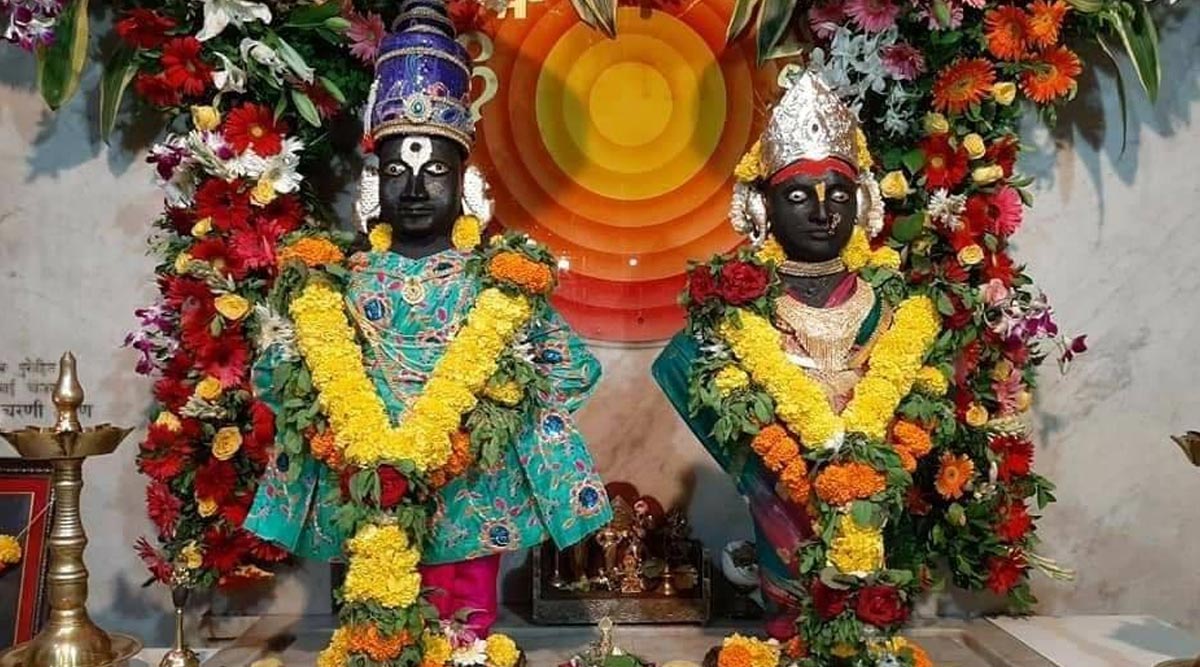
The day is marked by various religious and spiritual activities. Devotees wake up during Brahma Muhurta, the auspicious pre-dawn hours, and take a purifying bath. This is the time before dawn that is considered a sacred time for meditation and spiritual practices. It is also known as the creator’s hour. Brahma muhurta is a 48-minute period that begins 1 hour and 36 minutes before sunrise, with the exact timing depending on the location and the time of sunrise, though it usually occurs between 3:30 and 5:30 am. A wooden platform is set up with an image of Lord Vishnu, covered in red or yellow cloth, and offerings of Panchamrit, a mixture of milk, curd, ghee, honey, and Ganga water, are made to Lord Vishnu. Incense, lamps, and camphor are lit as offerings, and mantras dedicated to Lord Vishnu are chanted by devotees, and an aarti is performed. Many engage in meditation and spiritual contemplation throughout the day.
Performing acts of charity is considered highly auspicious on Varuthini Ekadashi. Devotees are encouraged to donate various items, with the belief that different donations yield varying levels of spiritual benefits. Donating knowledge is considered the highest form of charity. Other beneficial donations include cows, gold, food grains, sesame seeds, land, elephants, and horses.

Several mythological stories are associated with Varuthini Ekadashi, each highlighting its spiritual significance and transformative power. One of the most prominent legends involves Lord Shiva and Lord Brahma. In a fit of rage, Lord Shiva cut off the fifth head of Lord Brahma. As a consequence, Lord Brahma cursed Lord Shiva. Seeking a remedy, Lord Vishnu advised Lord Shiva to observe the Varuthini Ekadashi fast. By following this advice, Lord Shiva was eventually released from the curse. Another tale speaks of King Mandata, who gained enlightenment through the observance of Varuthini Ekadashi. The legend of King Dhundhumara from the Ikshvaku dynasty is also associated with Varuthini Ekadashi. According to this story, the king was freed from a curse by Lord Shiva through the observance of this sacred day.
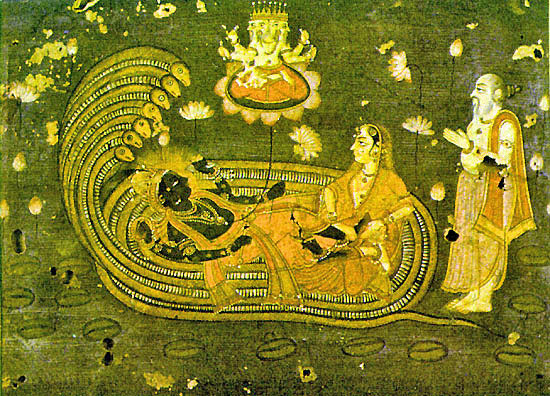
While not specific to Varuthini Ekadashi, the origin story of Ekadashi itself is worth mentioning. Lord Vishnu was in a state of deep sleep or meditation. A demon named Murdanav attempted to attack the sleeping Vishnu. A beautiful woman emerged from Vishnu’s 11th sense, the mind. Murdanav, infatuated, asked to marry her. She agreed on the condition that he defeat her in battle. During the fight, Murdanav was killed. Vishnu awoke and blessed the woman, naming her Ekadashi. He decreed that those who fast on this day would attain moksha or liberation. This legend explains the spiritual significance of all Ekadashi observances, including Varuthini Ekadashi.
Varuthini Ekadashi holds a special place among the 24 Ekadashi observances that occur in a lunar year Its importance is multifaceted, touching various aspects of Hindu spiritual and cultural life. The observance is believed to cleanse the soul and elevate spiritual consciousness. Devotees seek the grace of Lord Vishnu, believing that sincere observance brings immense spiritual benefits. It is thought to help individuals overcome the burden of past sins and negative karma. The festival is seen as a shield against evil influences and negative energies. Many believe that observing Varuthini Ekadashi can lead to the fulfilment of righteous wishes and aspirations. The festival also brings people together, strengthening social and cultural ties within the community.
In contemporary times, the observance of Varuthini Ekadashi continues to be an important part of Hindu religious practice. While the core spiritual principles remain unchanged, the way the festival is celebrated has adapted to modern lifestyles. Many temples now offer online darshan and puja services, allowing devotees to participate remotely. While traditional fasting practices are still followed by many, some adapt the fast to suit their health needs and work schedules.
Varuthini Ekadashi stands as a testament to the rich spiritual heritage of Hinduism. It embodies the principles of devotion, self-discipline, and the pursuit of spiritual growth. The festival’s enduring popularity and significance highlight its relevance in both ancient and modern contexts.
Through its rituals, myths, and spiritual practices, Varuthini Ekadashi offers devotees a path to connect with the divine, seek personal transformation, and contribute to the welfare of their community. As with many Hindu observances, it blends deep philosophical concepts with practical spiritual practices, making it accessible to devotees from all walks of life. In an increasingly fast-paced and materialistic world, festivals like Varuthini Ekadashi serve as important reminders of the eternal spiritual truths that have guided Hindu civilization for millennia. They offer a moment of pause, reflection, and renewal, allowing individuals to realign themselves with their higher purpose and spiritual goals. It is these festivals that stand as a bridge between the ancient and the contemporary, ensuring that the spiritual legacy of Hinduism remains vibrant and relevant for generations to come.


 Memories and Such