World Autism Awareness Day

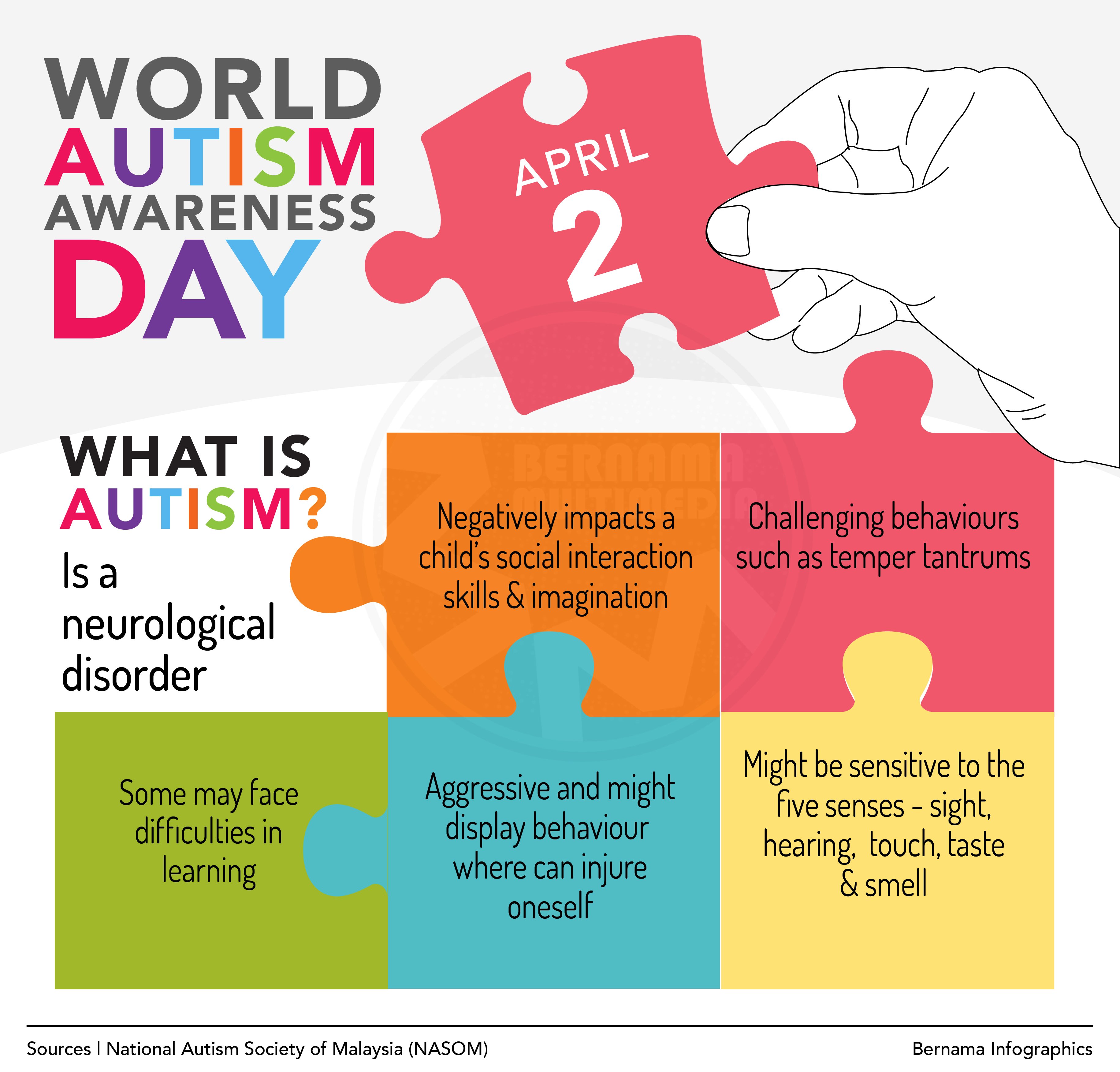
A day aimed at raising awareness about autism and promoting acceptance and inclusion for individuals on the spectrum, World Autism Awareness Day (WAAD) is celebrated annually on April 2. Established by the United Nations General Assembly in 2007, this day serves as a platform for advocating for the rights and needs of autistic individuals, emphasising the importance of understanding and support from society.

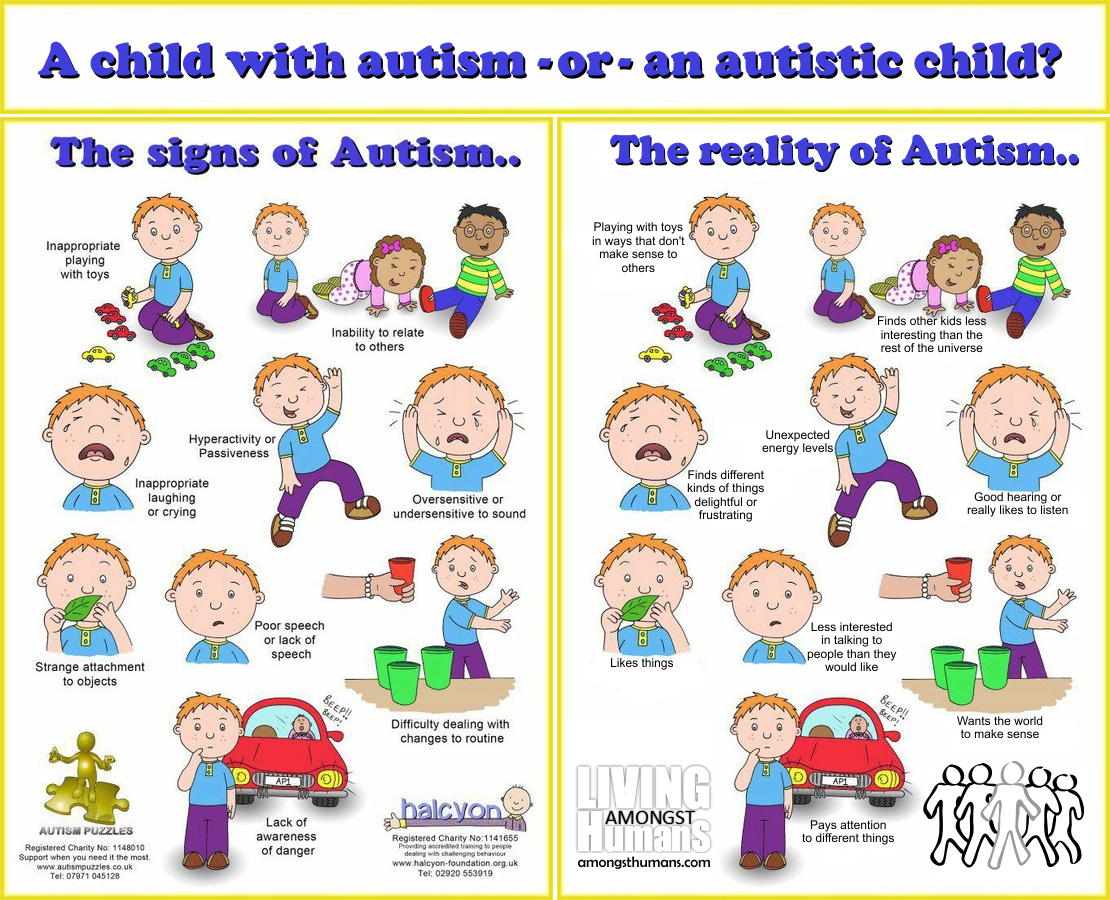
Autism Spectrum Disorder (ASD) is a developmental condition that affects communication, behaviour, and social interaction. Parents can recognise potential signs of autism in their children by observing specific behaviors and developmental milestones. Key symptoms to watch for include social interaction difficulties, communication delays, repetitive behaviours, and sensory sensitivities. Children with autism may avoid eye contact, show little interest in engaging with others, or not respond to their name being called. They might also struggle with understanding social cues and emotions. Delayed speech and language development are common. Some children may not babble by 12 months or fail to use gestures like pointing or waving. They may also have difficulty understanding simple verbal instructions. Many children with autism engage in repetitive movements like hand-flapping, and rocking or exhibit intense focus on specific interests, often to the exclusion of other activities. Autistic children may be overly sensitive to sounds, lights, textures, or tastes, leading to distress in certain environments. Recognising these symptoms early is crucial for seeking appropriate support and intervention. Parents should consult a paediatrician for further evaluation and guidance if they notice these signs. Early intervention can significantly improve outcomes for children with autism.

In 2025, WAAD will focus on the theme “Moving from Surviving to Thriving,” highlighting the need for autistic individuals to survive and thrive in their communities. The theme reflects a significant shift in how society views and supports individuals with autism. This theme emphasises empowerment, resilience, and the importance of creating environments where autistic individuals can flourish. It encourages communities to focus on empowerment by providing resources and opportunities that enable autistic individuals to lead fulfilling lives; support systems by establishing strong support networks within families, schools, and workplaces to foster growth; and celebrating strengths by recognising and valuing the unique contributions that autistic individuals bring to society. The theme aligns with broader goals of inclusivity and acceptance, urging all stakeholders — families, educators, employers, and policymakers — to work collaboratively towards creating a supportive atmosphere for those on the autism spectrum.

Since its inception in 2008, WAAD has focused on various themes that address crucial aspects of autism awareness and acceptance. Each year has brought a new focus, allowing for a diverse range of discussions around education, employment, health care, and social inclusion.

Autism Spectrum Disorder (ASD) prevalence in Asia varies significantly across different regions, reflecting a complex interplay of cultural, diagnostic, and healthcare factors. A systematic review indicated that the overall prevalence of ASD in Asia is approximately 0.36%, with notable differences among regions: 0.51% in East Asia, 0.31% in South Asia, and 0.35% in West Asia. In Southeast Asia specifically, the prevalence has been estimated at 6 cases per 1,000 individuals, which translates to about 0.6%. Notably, this prevalence is higher among males, with studies showing that males are affected at rates approximately two to three times higher than females. In Singapore, recent statistics suggest that 1 in 150 children is diagnosed with autism, surpassing the global average of 1 in 1603. This increase is attributed to heightened awareness and improved diagnostic practices rather than an actual rise in cases. Overall, while autism prevalence is increasing across Asia, it remains essential to standardise diagnostic criteria and improve awareness to ensure better identification and support for affected individuals.

Education plays a crucial role in promoting understanding about autism. Schools are encouraged to implement programs that educate students about neurodiversity, fostering an environment where differences are celebrated rather than stigmatised.

Advocacy is also essential in ensuring that policies reflect the needs of autistic individuals. Organisations worldwide are working towards legislative changes that enhance accessibility in education, healthcare, and employment for those on the spectrum.

Families are often the first line of support for autistic individuals. By fostering an environment of understanding at home, families can help their loved ones navigate challenges effectively. Engaging with local autism organisations can provide families with resources and community connections that enhance their support systems.

World Autism Awareness Day serves as a reminder of our collective responsibility to create an inclusive society where every individual has the opportunity to thrive by advocating for change, celebrating diversity, and fostering environments where all autistic individuals can flourish. Through education, community engagement, and supportive policies, we can ensure that neurodiversity is recognized as a valuable aspect of our society.

World Autism Awareness Day 2024: Advocating for Inclusion, Understanding, and Acceptance

In the mosaic of human diversity, each individual possesses a unique constellation of strengths, challenges, and perspectives that enrich the fabric of society. Yet, for individuals on the autism spectrum, navigating a world designed for neurotypical norms can pose significant barriers to acceptance, inclusion, and understanding.

World Autism Awareness Day, or WAAD, is a global observance dedicated to raising awareness about autism spectrum disorder, ASD and promoting early diagnosis, intervention, and support for individuals with autism and their families. Established by the United Nations General Assembly in 2007, WAAD is celebrated annually on April 2nd. Its mission extends beyond mere awareness—it aims to foster understanding, acceptance, and inclusion of autistic individuals worldwide.

In recent years, significant progress has been made in increasing awareness and acceptance of autism. Much credit goes to the tireless efforts of autistic advocates who have amplified the lived experiences of autistic people. Additionally, medical professionals and researchers have embraced the neurodiversity paradigm, a concept coined by sociologist Judy Singer in the late 1990s.

The neurodiversity paradigm shifts the narrative away from seeking a cure or conversion for autistic individuals. Instead, it emphasizes acceptance, support, and inclusion. Autistic people, like anyone else, deserve dignity, self-esteem, and full integration into their families and societies.

Since its inception, World Autism Awareness Day has grown into a global movement, with individuals, organizations, and governments around the world coming together to organize events, initiatives, and campaigns to promote autism awareness and acceptance.

Autistic advocates play pivotal roles in shaping policies that affect their community. Their lived experiences inform legislation, education, and healthcare. Policymakers must listen to their voices and prioritize their needs.

The theme for World Autism Awareness Day 2024, “Embracing Neurodiversity: Building Inclusive Communities,” underscores the importance of creating environments that recognise and celebrate the unique strengths, perspectives, and contributions of individuals with autism. The theme highlights the need for accessible and supportive services, resources, and opportunities that empower individuals with autism to fully participate in all aspects of society, from education and employment to social and recreational activities.

Autistic individuals enrich their families’ lives in unique ways. Their perspectives, creativity, and love contribute to the rich tapestry of family dynamics. By recognizing their value, we create a more compassionate and understanding home environment. Autistic employees bring diverse talents and perspectives to the workplace. Companies that embrace neurodiversity benefit from increased innovation, problem-solving abilities, and fresh insights. Accommodations and understanding lead to a more inclusive workforce. Artistic expression knows no bounds. Autistic artists create captivating paintings, music, poetry, and performances. Their unique viewpoints challenge conventions and inspire audiences. Let us celebrate their creativity and amplify their voices.

World Autism Awareness Day provides a platform to challenge misconceptions and stereotypes surrounding autism, fostering greater understanding, empathy, and acceptance among the general public. Through educational initiatives, workshops, and awareness campaigns, World Autism Awareness Day equips individuals, families, and communities with the knowledge and tools to support and advocate for individuals with autism.

World Autism Awareness Day highlights the importance of early intervention and access to specialized services and therapies that can help individuals with autism reach their full potential and lead fulfilling lives. The day also recognizes the critical role of families as advocates, caregivers, and allies in the journey of individuals with autism, providing them with the support, resources, and encouragement they need to thrive.

World Autism Awareness Day celebrates the diverse talents, interests, and achievements of individuals with autism, from artistic expression and academic success to technological innovation and advocacy. The day advocates for inclusive employment practices and opportunities that enable individuals with autism to contribute their unique skills and perspectives to the workforce, fostering diversity and innovation in the workplace.

World Autism Awareness Day catalyzes policy change and advocacy efforts aimed at promoting the rights, dignity, and well-being of individuals with autism at the national and international levels. By advocating for greater social justice and equity for individuals with autism, World Autism Awareness Day advances the principles of inclusion, equality, and human rights for all members of society.

As we mark World Autism Awareness Day 2024, let us reaffirm our commitment to building a world that embraces and celebrates the diversity of the human experience. Through education, advocacy, and compassionate action, let us create communities that honour the inherent worth and dignity of every individual, regardless of neurotype Together, let us strive for a future where individuals with autism are valued, respected, and empowered to live their lives to the fullest, enriching our world with their unique perspectives, talents, and gifts.

World Autism Awareness Day

Yesterday was World Autism Awareness Day, a day which tries to raise awareness about autism, its symptoms, causes, and the challenges faced by individuals with autism and their families. The day was designated by the United Nations General Assembly, passed on November 1, 2007, and adopted on December 18, 2007. World Autism Day is one of only seven official health-specific UN Days.

The terms Autism Awareness Day and Autism Awareness Month are often contested by autism rights advocates, who claim that they feed into perceived ableism against autistic people. Such groups advocate using the term Autism Acceptance Day as an alternative for both events under the belief that it promotes overcoming anti-autism prejudice rather than simply increasing awareness of autism.

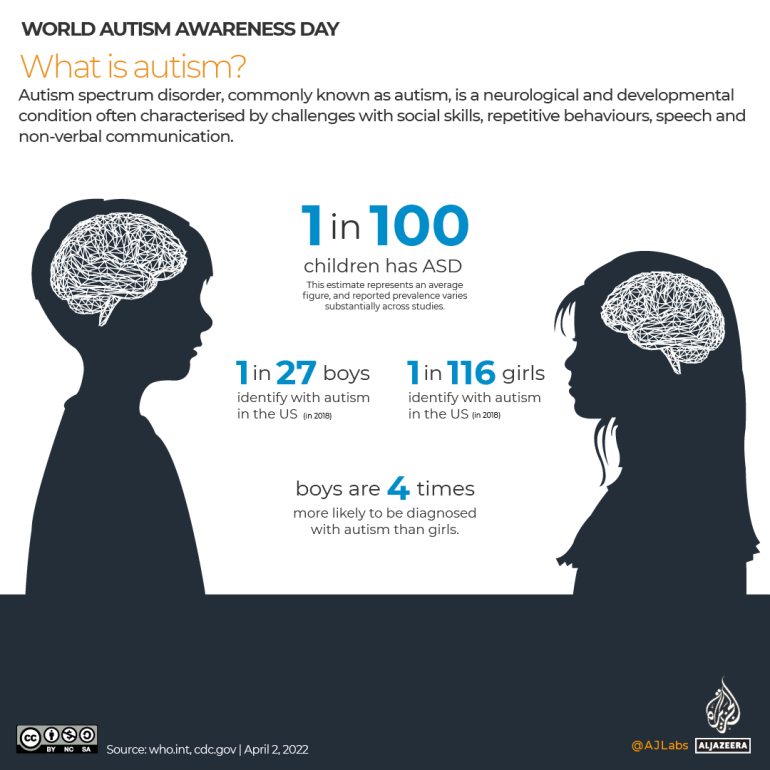
Autism Spectrum Disorder or ASD is a complex developmental condition that affects communication, social interaction, and behaviour. ASD is characterised by challenges with social skills, repetitive behaviour and speech and nonverbal communication. It is estimated that approximately 1 in 54 children are diagnosed with autism, and that number continues to grow. Although autism is a life-long condition, early diagnosis and intervention can greatly improve outcomes for individuals with autism.

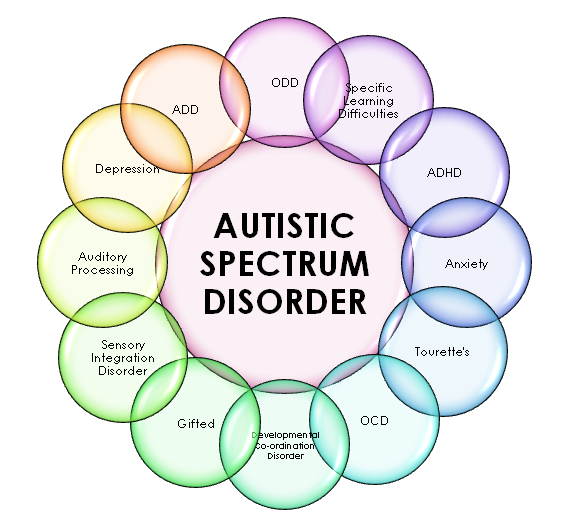
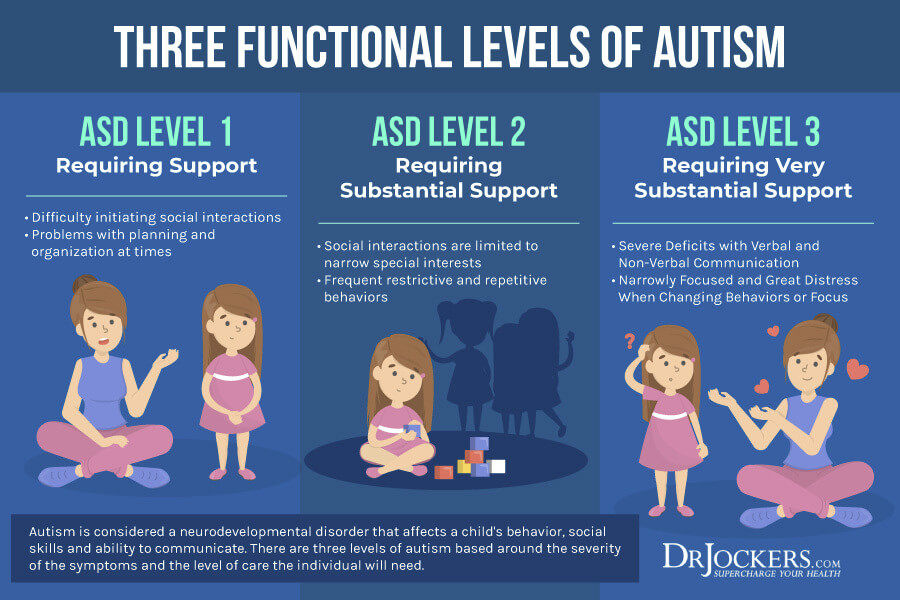
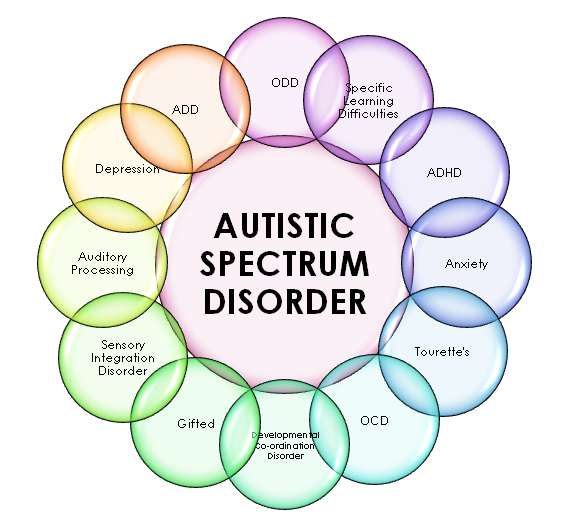
There is not one autism but many subtypes, most influenced by a combination of genetic and environmental factors. Because autism is a spectrum disorder, each person with autism has a distinct set of strengths and challenges. How people with autism learn, think and problem-solve can range from highly skilled to severely challenged. Some people with ASD may require significant support in their daily lives, while others may need less support and, in some cases, live entirely independently. Several factors may influence the development of autism, and it is often accompanied by sensory sensitivities and medical issues such as gastrointestinal or GI disorders, seizures or sleep disorders, as well as mental health challenges such as anxiety, depression and attention issues.

Autism is mainly characterised by its unique social interactions, non-standard ways of learning, keen interests in specific subjects, inclination to routines, challenges in typical communications and particular ways of processing sensory information. Autism is a lifelong neurological condition that manifests during early childhood, irrespective of gender, race or socio-economic status. Signs of autism usually appear by age 2 or 3. Some associated development delays can appear even earlier, and often, they can be diagnosed as early as 18 months. Research shows that early intervention leads to positive outcomes later in life for people with autism. The symptoms of autism can vary greatly from one individual to another and can range from mild to severe. Some common symptoms of autism include difficulty with social interaction, communication, and repetitive behaviours. Individuals with autism may also have sensory sensitivities, such as being oversensitive to sounds, light, or touch. They may also have difficulty with communication, including nonverbal communication, and may have trouble understanding the social cues and emotions of others. The exact causes of autism are not yet known, but it is believed to be a combination of genetic and environmental factors. Research has shown that there is a strong genetic component to autism and that certain genes may increase a person’s risk of developing the condition. However, the exact genes involved are still being studied. In addition to genetics, environmental factors, such as exposure to toxins during pregnancy, can also play a role in the development of autism.

The rate of autism in all regions of the world is high and the lack of understanding has a tremendous impact on individuals, their families and communities. The stigmatisation and discrimination associated with neurological differences remain substantial obstacles to diagnosis and therapies, an issue that must be addressed by both public policymakers in developing nations, as well as donor countries.

Living with autism can be a challenge for individuals with the condition, as well as their families. Individuals with autism may have trouble fitting in with their peers and may struggle with social interactions and communication. They may also have difficulty with everyday tasks, such as shopping, cooking, and personal care. Additionally, they may have trouble adapting to change, which can make life even more difficult. For families of individuals with autism, the journey can be a difficult one. They may face challenges such as finding appropriate educational and healthcare services, navigating the complex healthcare system, and providing emotional support to their loved ones with autism. They may also face stigma and discrimination from society, which can be isolating and difficult to overcome.

However, despite these challenges, there is hope. With early diagnosis and intervention, individuals with autism can lead fulfilling lives and reach their full potential. Many organisations and support groups offer resources and support to individuals with autism and their families. Additionally, many schools and workplaces are becoming more inclusive and accommodating of individuals with autism, making it easier for them to live, work, and play in their communities.

In recognition of World Autism Awareness Day, it is important to continue to raise awareness about autism and to work towards creating a more inclusive and supportive world for individuals with autism and their families. This can be done by educating others about the condition, volunteering with organizations that support individuals with autism, and advocating for better resources and support for individuals with autism and their families. World Autism Awareness Day serves as a reminder of the importance of continuing to work towards a world that is inclusive and supportive of individuals with autism and their families. Through awareness, advocacy, and support, we can help individuals with autism lead fulfilling lives and reach their full potential. So let us all do our part to spread awareness and support those with autism in our communities.

World Autism Awareness Day

Yesterday, 02 April was the World Autism Awareness Day worldwide and this day has been commemorated since 2008 to raise awareness about people with Autism Spectrum Disorder (ASD) throughout the world. This day brings individual autism organizations together all around the world to aid in things like research, diagnoses, treatment, and acceptance for those affected by this developmental disorder.

Someone in my family recently had their toddler diagnosed with ASD and so this topic is something that is quite close to my heart. When I started researching on this topic, I realised that World Autism Day was close, hence this blog post to showcase and bring more awareness to this developmental disorder.

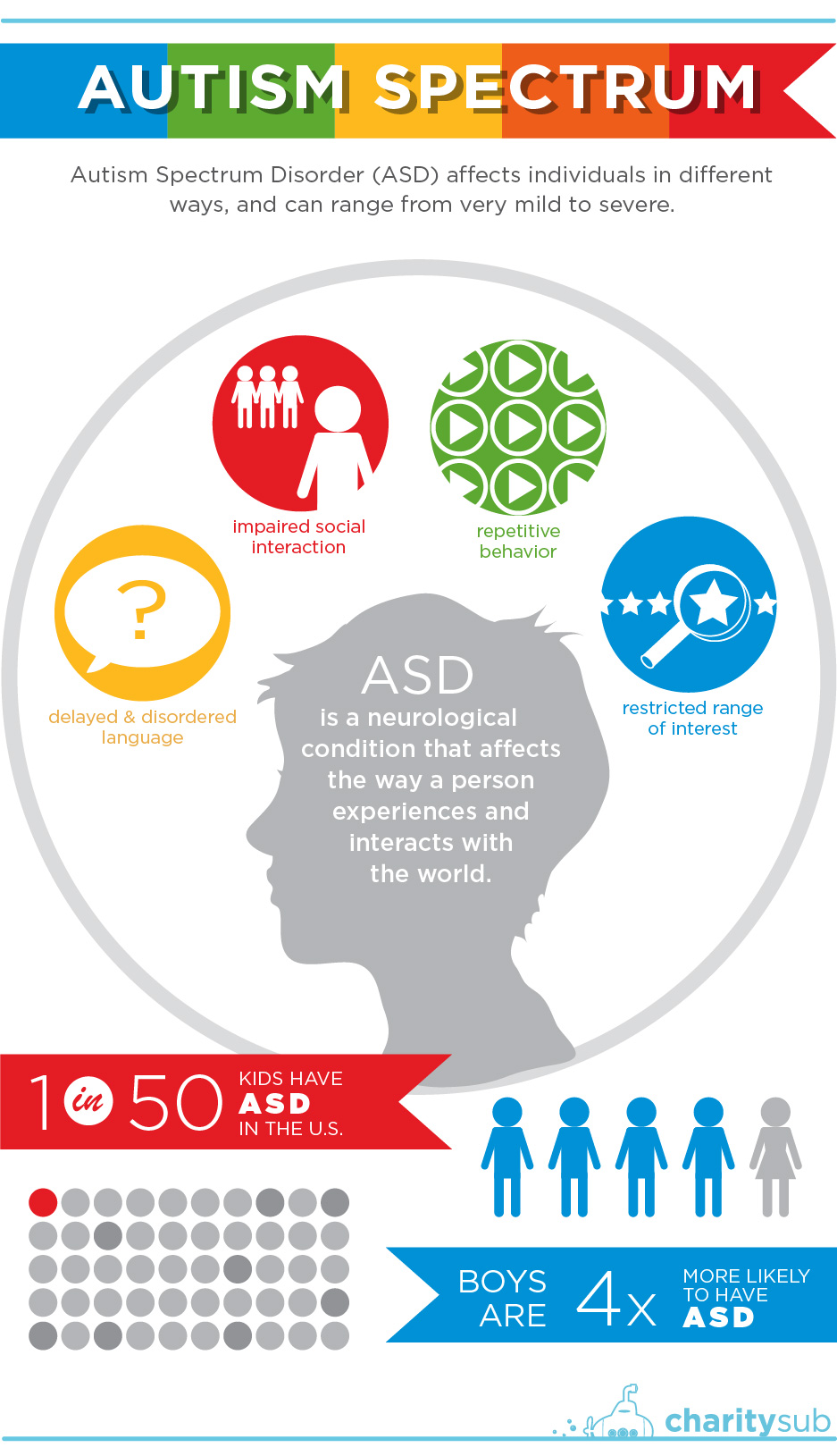
So what actually is Autism Spectrum Disorder or ASD? Autism is a lifelong, developmental disability that affects how a person perceives the world, communicates with and relates to other people, and how they experience the world around them. The spectrum refers to a range of conditions which are characterised by some degree of impaired social behaviour, communication and language and a narrow range of interests and activities that are both unique to the individual and carried our repetitively. Autistic people see, hear and feel the world differently to other people. If you are autistic, you are autistic for life; autism is not an illness or disease and cannot be ‘cured’. Often people feel being autistic is a fundamental aspect of their identity. ASDs begin in childhood and tend to persist into adolescence and adulthood. In most cases the conditions are apparent during the first 5 years of life.

Autism is a spectrum condition. All autistic people share certain difficulties, but being autistic will affect them in different ways. Some autistic people also have learning disabilities, mental health issues or other conditions, meaning people need different levels of support. All people on the autism spectrum learn and develop. With the right sort of support, all can be helped to live a more fulfilling life of their own choosing.

Individuals with ASD often present other co-occurring conditions, including epilepsy, depression, anxiety and attention deficit hyperactivity disorder (ADHD). The level of intellectual functioning in individuals with ASDs is extremely variable, extending from profound impairment to superior levels.

Autism is actually more common than we think. In 2018, the CDC determined that approximately 1 in 59 children is diagnosed with an ASD. It is estimated that worldwide one in 160 children has an ASD, though it may be reported lower in many less developed countries. Autism hits boys harder than girls with 1 in 37 boys and 1 in 151 girls diagnosed with an ASD. Boys are four times more likely to be diagnosed with autism than girls. And most children are still being diagnosed after age 4, though autism can be reliably diagnosed as early as age 2. 31% of children with ASD have an intellectual disability with an intelligence quotient or IQ of below 70, 25% are in the borderline IQ range of between 71-85 and 44% have IQ scores in the average to above average range of more than 85. Autism does not discriminate and affects all ethnic and socioeconomic groups, though minority groups tend to be diagnosed later and less often. If you suspect a child is autistic, please reach out to their healthcare provider as it has been proven that early intervention affords the best opportunity to support healthy development and deliver benefits across the lifespan. Also you can’t detect or even predict autism.

Studies over the last 50 years have shown the prevelance of ASD to be increasing globally. There are many possible explanations for this apparent increase, including improved awareness, expansion of diagnostic criteria, better diagnostic tools and improved reporting.

So what makes someone on the spectrum? Research indicates there are probably many factors which make a child likely to have an ASD including genetic and the environment. If the child is born to older parents, the child is at a higher risk to be on the autisim spectrum. Parents who have a child with ASD have a 2 to 18 percent chance of having a second child who is also affected. Studies have also shown that among identical twins, if one child has autism, the other will be affected about 36 to 95 percent of the time. In non-identical twins, if one child has autism, then the other is affected about 31 percent of the time. Researchers have done extensive research over the last two decades on the link between childhood vaccinations and autism. The results of this research are clear: Vaccines do not cause autism. So please people, if you are on the fence on this, please do your research and do vaccinate your child for the health of them and the community you live in.

Autistic people see the world differently compared to you and me. Some autistic people say the world feels overwhelming and this can cause them considerable anxiety. In particular, understanding and relating to other people, and taking part in everyday family, school, work and social life, can be harder. Other people appear to know, intuitively, how to communicate and interact with each other, yet can also struggle to build rapport with autistic people. Autistic people may wonder why they are ‘different’ and feel their social differences mean people don’t understand them. Autistic people often do not ‘look’ disabled. Some parents of autistic children say that other people simply think their child is naughty, while adults find that they are misunderstood.

The world can seem a very unpredictable and confusing place to autistic people, who often prefer to have a daily routine so that they know what is going to happen every day. They may want to always travel the same way to and from school or work, or eat exactly the same food for breakfast. The use of rules can also be important. It may be difficult for an autistic person to take a different approach to something once they have been taught the ‘right’ way to do it. People on the autism spectrum may not be comfortable with the idea of change, but may be able to cope better if they can prepare for changes in advance.

Many autistic people have intense and highly-focused interests, often from a fairly young age. These can change over time or be lifelong, and can be anything from art or music, to trains or computers. An interest may sometimes be unusual. One autistic person loved collecting rubbish, for example. With encouragement, the person developed an interest in recycling and the environment. Many channel their interest into studying, paid work, volunteering, or other meaningful occupation. Autistic people often report that the pursuit of such interests is fundamental to their wellbeing and happiness.

Autistic people may also experience over- or under-sensitivity to sounds, touch, tastes, smells, light, colours, temperatures or pain. For example, they may find certain background sounds, which other people ignore or block out, unbearably loud or distracting. This can cause anxiety or even physical pain. Or they may be fascinated by lights or spinning objects.

Early diagnosis and intervention can improve learning, communication and social skills, as well as underlying brain development. Intervention during early childhood is important to promote the optimal development and well-being of people with an ASD. Applied behavior analysis (ABA) and therapies based on its principles are the most researched and commonly used behavioral interventions for autism. Many children affected by autism also benefit from other interventions such as speech and occupational therapy. Developmental regression, or loss of skills, such as language and social interests, affects around 1 in 5 children who will go on to be diagnosed with autism and typically occurs between ages 1 and 3.

It is important that, once identified, children with an ASD and their families are offered relevant information, services, referrals, and practical support according to their individual needs. There is no known cure for ASD. Evidence-based psychosocial interventions, however, such as behavioural treatment and skills training programmes for parents and other caregivers, can reduce difficulties in communication and social behaviour, with a positive impact on the person’s well-being and quality of life.

The health-care needs of people with ASD are complex and require a range of integrated services, including health promotion, care, rehabilitation services, and collaboration with other sectors such as education, employment and social care. Interventions for people with ASD and other developmental disorders need to be accompanied by broader actions for making their physical, social, and attitudinal environments more accessible, inclusive and supportive.

Parenting an autistic child is not without challenges. An estimated one-third of people with autism are nonverbal. 31% of children with ASD have an intellectual disability with significant challenges in daily function. Nearly half of those with autism wander or bolt from safety while nearly two-thirds of children with autism between the ages of 6 and 15 have been bullied. Nearly 28 percent of 8-year-olds with ASD have self-injurious behaviors. Head banging, arm biting and skin scratching are among the most common. Drowning remains a leading cause of death for children with autism and accounts for approximately 90 percent of deaths associated with wandering or bolting by those age 14 and younger.

Parents also find that those with ASD also have other medical and mental health issues as autism
can affect the whole body. Attention Deficient Hyperactivity Disorder (ADHD) affects an estimated 30 to 61 percent of children with autism and more than half of children with autism have one or more chronic sleep problems. Anxiety disorders affect an estimated 11 to 40 percent of children and teens on the autism spectrum. Depression affects an estimated 7% of children and 26% of adults with autism while children with autism are nearly eight times more likely to suffer from one or more chronic gastrointestinal disorders than are other children. As many as one-third of people with autism have epilepsy (seizure disorder). Studies suggest that schizophrenia affects between 4 and 35 percent of adults with autism. By contrast, schizophrenia affects an estimated 1.1 percent of the general population. It’s not just in childhood, autism-associated health problems extend across the life span – from young children to senior citizens. Nearly a third (32 percent) of 2 to 5 year olds with autism are overweight and 16 percent are obese. By contrast, less than a quarter (23 percent) of 2 to 5 year olds in the general population are overweight and only 10 percent are medically obese.

ASD also has a social and economic impact. ASDs may significantly limit the capacity of an individual to conduct daily activities and participate in society. ASDs often negatively influence the person’s educational and social attainments as well as employment opportunities. While some individuals with ASD are able to live independently, others have severe disabilities and require life-long care and support. This imposes a significant emotional and economic burden on people with these disorders and their families. Caring for children with a severe form of the condition may be demanding, especially where access to services and support are inadequate. Therefore the empowerment of caregivers is increasingly being recognized as a critical component of care for children with ASD.

Other than a social and economic impact, those with an ASD and their parents and caregivers also suffer from backlash in society. They are often subject to stigma and discrimination in all areas of their lives, including sometimes an unjust deprivation of health care, education and opportunities to engage and participate in their communities. People with ASD have the same health problems that affect the general population. Furthermore, they may have specific health-care needs related to ASD or other co-occurring conditions. They may be more vulnerable to developing chronic noncommunicable conditions because of behavioural risk factors such as physical inactivity and poor dietary preferences, and are at greater risk of violence, injury and abuse. Those with ASD have higher rates of unmet health-care needs compared with the general population. They are also more vulnerable during humanitarian emergencies. A common barrier is created by health-care providers’ inadequate knowledge of ASD and misconceptions.

The theme for the day in 2020 draws attention to issues of concern related to the transition to adulthood, such as the importance of participation in youth culture and the community self-determination and decision-making, access to post-secondary education and employment, and independent living. Becoming an adult is typically equated with becoming a full and equal participant in the social, economic and political life of one’s community. However, the transition to adulthood remains a significant challenge for persons with autism because of the lack of opportunities and support devoted to this phase of their life. As a result, the completion of high school, when education and other supported services provided by some governments tend to cease, has often been likened to “falling off a cliff”.

Wear blue today to support and raise awareness for this developmental disorder. Use social media to promote awareness and talk to the people around you and let them know how they can support those who are on the spectrum within their communities. These individuals, especially the children and young adults deserve your support so they too can become contributing members of our society.