

Setting boundaries is an essential yet often overlooked aspect of adulthood. It is a skill that helps individuals protect their time, energy, and emotional well-being while fostering respect in personal and professional relationships. Boundaries are not just about saying “no” or distancing yourself; they are about creating space for mutual respect and healthy interactions.
What are boundaries? Boundaries are guidelines, rules, or limits that individuals set to define what they are comfortable with in interactions or relationships. They help clarify acceptable behaviours and ensure that your needs and values are respected.
There are several types of boundaries, each serving a unique purpose. Physical boundaries relate to personal space and physical touch, while emotional boundaries protect your emotional well-being, such as deciding what personal information to share with others. Time boundaries define how you allocate your time to avoid overcommitment or burnout, and mental boundaries protect your thoughts, opinions, and beliefs from manipulation or disrespect. Financial boundaries determine how you manage money and financial responsibilities with others, while digital boundaries define how you engage with technology or social media, such as deciding when and who can contact you.
Setting boundaries is important. Boundaries safeguard your mental health by preventing emotional exhaustion or manipulation. They allow you to focus on your priorities without feeling overwhelmed by the demands of others. Healthy boundaries strengthen personal and professional relationships. They foster mutual respect, reduce misunderstandings, and ensure that both parties feel valued. Boundaries, especially in professional settings, help prevent overwork and burnout. They allow you to manage workloads effectively and maintain a healthy work-life balance. Setting boundaries demonstrates self-respect. It shows that you value your time, energy, and feelings and expect others to do the same. Boundaries help you focus on your goals and personal development by shielding you from distractions or negative influences.
While boundaries are essential, many young adults struggle to set and enforce them due to various factors. The fear of upsetting others or being rejected can prevent individuals from asserting their boundaries. Feelings of guilt or obligation may lead people to prioritise others’ needs over their own, resulting in weak or non-existent boundaries. Some individuals may not be aware of their own boundaries or may struggle to articulate them. Cultural or societal expectations may discourage boundary-setting, particularly in hierarchical or collectivist environments. People who consistently overstep boundaries, whether consciously or unconsciously, can make it difficult to maintain them.
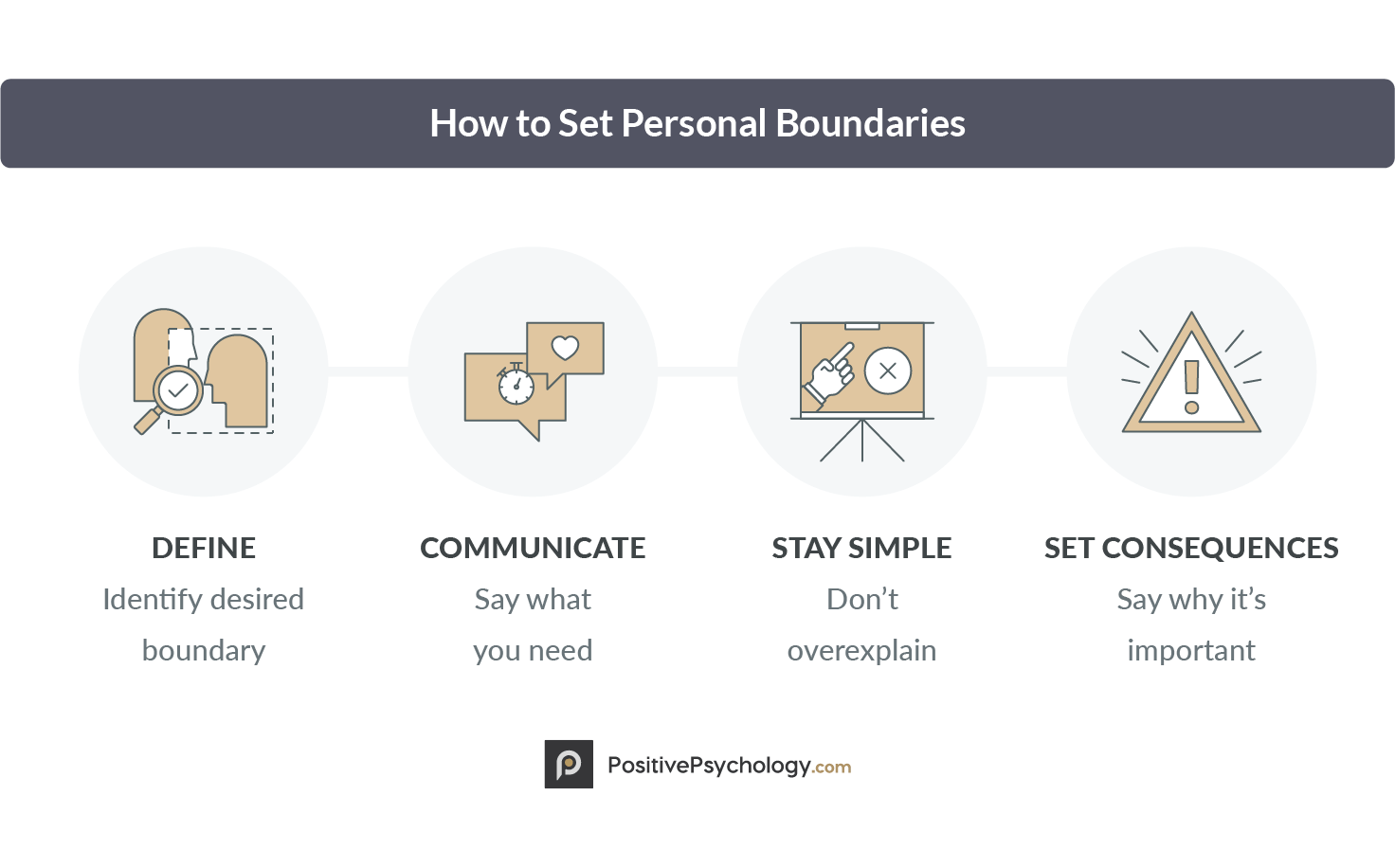
Personal boundaries are crucial for maintaining healthy relationships and fostering self-care. Here’s how young adults can set boundaries in their personal lives:
- Know your limits: The first step in setting boundaries is understanding your own needs and limits. Reflect on what makes you feel uncomfortable or stressed in personal relationships. Identify triggers and determine situations or behaviours that make you feel drained or uncomfortable. Clarify values and align your boundaries with your core values and priorities.
- Communicate clearly: Be direct and assertive when communicating your boundaries. Ambiguity can lead to misunderstandings or unintentional boundary violations. Use “I” statements and avoid apologising excessively. Remember that setting boundaries is not a selfish act; there’s no need to apologise for protecting your well-being.
- Enforce boundaries consistently: Consistency is key to maintaining boundaries. If boundaries are enforced inconsistently, others may disregard them. If someone oversteps your boundaries, address it immediately and remind them of your limits. Be firm in your approach, even if others push back.
- Manage expectations: Set realistic expectations with friends and family to avoid misunderstandings. Communicate clearly what you can and cannot commit to. It’s okay to prioritise your mental and physical health over social obligations. Learn to decline requests in a respectful but assertive manner.

Boundaries in the workplace are essential for maintaining productivity, protecting mental health, and fostering respect between colleagues. Here’s how young adults can establish professional boundaries:
- Define your work hours: Set boundaries around when you are available for work and when you are not, especially if working in flexible or remote environments. Notify colleagues and supervisors about your availability. Resist the urge to answer work emails or messages outside of designated work hours.
- Manage workload effectively: Learn to say “no” to tasks that exceed your capacity or distract from your priorities. Evaluate requests and assess whether a task aligns with your responsibilities and abilities before agreeing. If tasks can be delegated, share responsibilities with colleagues or team members.
- Protect your focus: Establish boundaries that minimise distractions and interruptions during critical work periods. Implement signals such as closing your office door or setting your status to “Busy” on communication platforms. Schedule uninterrupted periods for deep work.
- Address toxic behaviours: Resolve workplace conflicts or address negative behaviours that affect your boundaries. If someone’s behavior crosses professional boundaries, address the issue calmly and constructively. For persistent issues, consider involving your HR department for mediation or support.
- Advocate for work-life balance: Promote a healthy balance between work and personal life by setting boundaries that protect your time for hobbies, relationships, and self-care. Advocate for regular breaks to recharge during the workday. Don’t feel guilty about using vacation days or taking mental health days.

Here are some actionable tips for setting and enforcing boundaries effectively:
- Practice self-awareness: Understand your needs, values, and triggers to identify where boundaries are necessary.
- Start small: Begin with simple boundaries and gradually expand as you gain confidence.
- Use assertive communication: Express boundaries clearly and confidently while being respectful of others.
- Be consistent: Maintain boundaries consistently to ensure they are respected.
- Prepare for pushback: Expect some resistance, especially if individuals are unaccustomed to boundaries. Stay firm and confident.
- Seek support: Discuss boundary challenges with trusted friends, family members, or mentors for guidance and encouragement.
- Don’t feel guilty: Setting boundaries is an act of self-respect and self-care. Avoid guilt for prioritizing your well-being.
- Reflect and adjust: Periodically reassess your boundaries to ensure they align with your current needs and values.

While boundary-setting is beneficial, challenges may arise. Here’s how to navigate common obstacles:
- Overstepping by others: If someone repeatedly crosses your boundaries, calmly but firmly remind them of your limits. If the behavior persists, consider limiting interactions.
- Fear of conflict: Conflict can be uncomfortable, but it’s important to address boundary violations constructively to prevent resentment or burnout.
- Feelings of guilt: Remind yourself that boundaries are necessary for your mental and emotional health. Practice self-compassion to overcome guilt.
- Pressure to conform: Societal or workplace pressures may challenge your boundaries. Stay true to your values and be assertive in enforcing them.
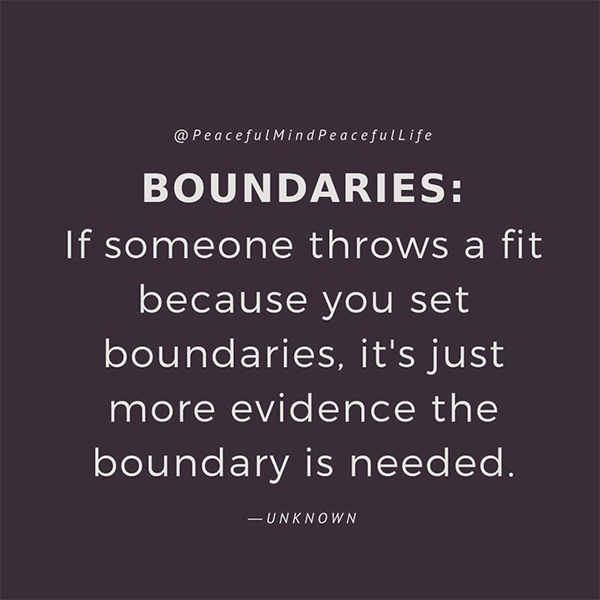
Setting boundaries is an essential skill for fostering healthy relationships in both personal and professional life. By clearly defining limits, communicating assertively, and consistently enforcing boundaries, young adults can protect their time, energy, and emotional well-being while cultivating respect and mutual understanding. Remember, boundaries are not about building walls—they’re about creating space for growth, self-care, and meaningful connections. With practice and confidence, you can master the art of boundary-setting and lead a balanced, fulfilling life.
 Memories and Such