

In a rapidly changing world, the concept of continuous learning has become more important than ever. For young adults, especially those who have recently graduated from university, there can be a misconception that formal education marks the end of their learning journey. However, embracing a mindset of lifelong learning is essential for personal and professional growth.
What is continuous learning? Continuous learning refers to the ongoing, voluntary, and self-motivated pursuit of knowledge for personal or professional development. It encompasses various forms of learning beyond formal education. These include self-directed learning by taking the initiative to learn independently through reading, online courses, or exploring new interests, professional development by engaging in training programmes, workshops, or seminars to enhance skills relevant to one’s career, informal learning where one gains knowledge through everyday experiences, conversations, and interactions with others, and peer learning where one collaborates with colleagues or peers to share knowledge and skills. Continuous learning is not confined to any specific age or stage in life; it is a lifelong process that encourages individuals to adapt to new challenges and opportunities.
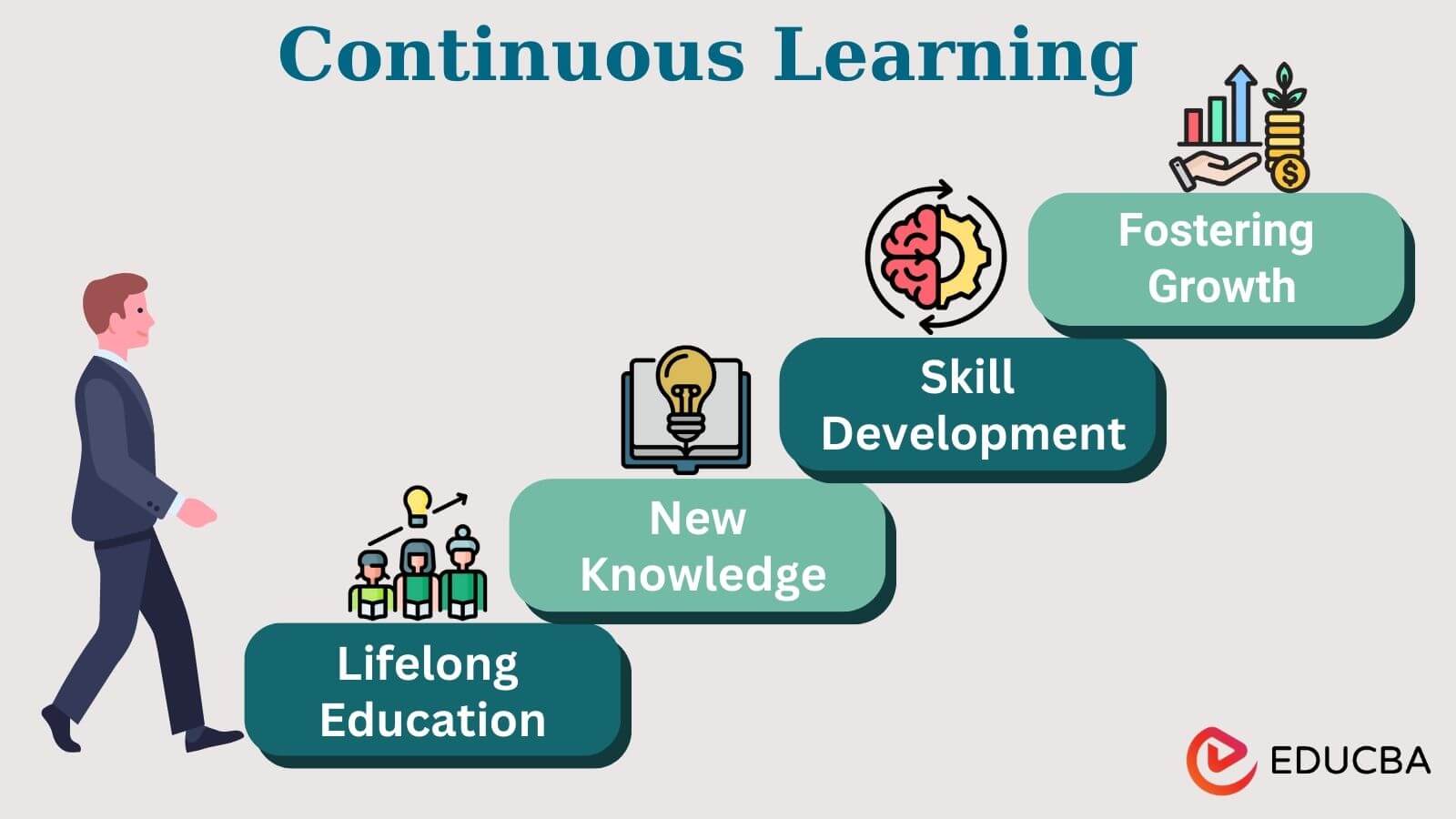
Why is continuous learning important? The world is constantly evolving due to technological advancements, globalisation, and shifting job markets. Continuous learning equips young adults with the skills necessary to adapt to these changes. In many industries, skills can become outdated quickly. Engaging in continuous learning helps individuals stay current with industry trends and developments. A commitment to learning fosters a mindset that embraces innovation and change rather than fearing it.
For young adults entering the workforce, continuous learning can significantly impact career advancement. Acquiring new skills can open doors to promotions or new job opportunities. Employers often seek candidates who demonstrate a commitment to professional growth. Engaging in continuous learning often involves attending workshops or conferences where individuals can connect with industry professionals and expand their networks.
Continuous learning contributes to personal development and overall life satisfaction. Gaining new knowledge and skills enhances self-esteem and confidence in one’s abilities. A commitment to lifelong learning encourages curiosity and exploration of new interests, leading to a more fulfilling life.
Continuous learners develop critical thinking and problem-solving skills. Engaging with diverse subjects encourages analytical thinking, enabling individuals to approach challenges from multiple perspectives. Exposure to new ideas fosters creativity and innovation, allowing individuals to generate unique solutions to problems.

In an ever-changing world, resilience is crucial for overcoming challenges. Continuous learners are better equipped to navigate setbacks and adapt their strategies based on new information or circumstances. Embracing a growth mindset, one that believes that abilities can be developed through dedication, helps individuals view challenges as opportunities for growth rather than obstacles.
How can young adults become lifelong learners? Embracing continuous learning requires intentionality and commitment. Here are practical strategies for young adults looking to foster a culture of lifelong learning:
Set learning goals: Establishing clear goals helps guide your continuous learning journey. Reflect on topics or skills you are passionate about or want to explore further. Create SMART goals by using the SMART criteria. These are goals that are specific, measurable, achievable, relevant, and time-bound to set concrete learning objectives.
Explore online learning platforms: The internet offers a wealth of resources for self-directed learners. Platforms like Coursera, edX, and Udacity offer courses from top universities on various subjects, with many that are free or low-cost. Websites like LinkedIn Learning or Skillshare provide access to tutorials and courses on practical skills ranging from graphic design to coding.
Read widely: Reading is one of the most accessible forms of continuous learning. Explore books on topics that interest you or are relevant to your career. Consider both fiction and non-fiction for a well-rounded perspective. Stay updated with industry news by reading articles from reputable sources or academic journals related to your field.

Attend workshops and seminars: Participating in workshops and seminars provides opportunities for hands-on learning. Look for workshops hosted by community centres, libraries, or professional organisations in your area. Attend industry conferences where you can learn from experts while networking with peers.
Join professional associations: Becoming a member of professional associations related to your field offers numerous benefits. Many associations provide members with access to exclusive resources such as webinars, publications, and networking events. Many professional organisations offer continuing education programs that allow members to earn certifications or credits toward professional development.
Engage in peer learning: Learning from peers can enhance one’s understanding of various topics. Form study groups with classmates or colleagues where you can share knowledge and discuss concepts collaboratively. Seek out mentorship opportunities where you can learn from someone more experienced in your field while also offering support in return.
Embrace new experiences: Stepping outside your comfort zone can lead to valuable learning experiences. Travelling exposes you to different cultures and perspectives; consider taking short trips or participating in study abroad programs if possible. Engaging in volunteer activities allows you to learn new skills while contributing positively to your community.
Reflect on your learning journey: Regular reflection helps reinforce what you’ve learned. Document your experiences, insights gained from courses or readings, and areas where you’d like further growth. Periodically review your goals and assess what you’ve accomplished; adjust your plans as needed based on your reflections.
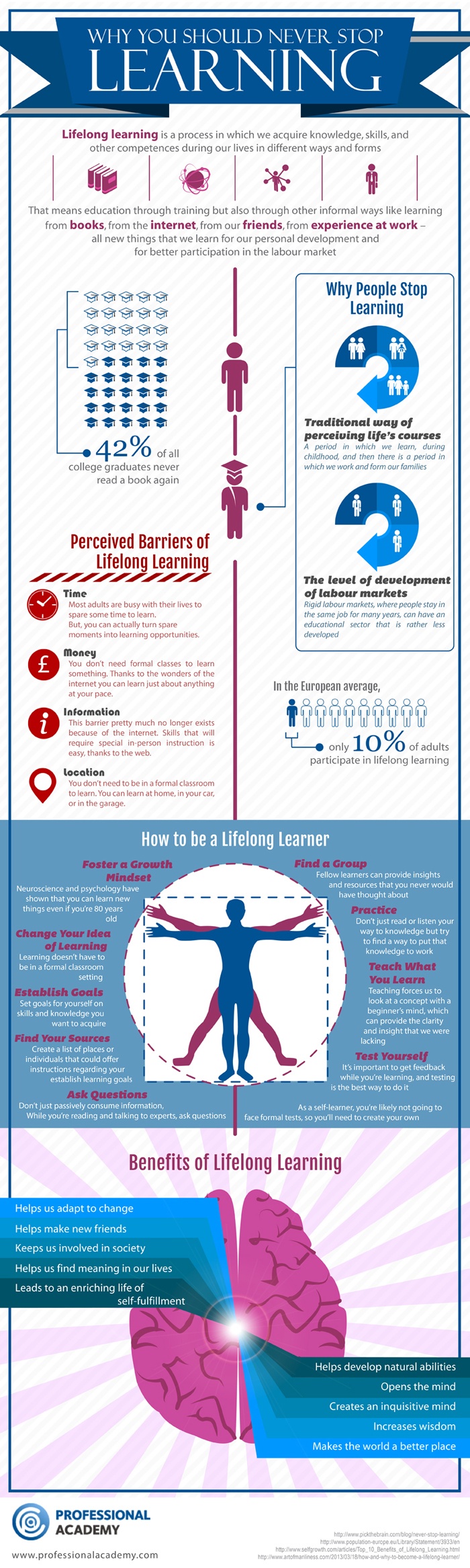
What are some tips for overcoming barriers to continuous learning? While the desire for continuous learning is essential, young adults may encounter barriers along the way. Here are some tips for overcoming common obstacles:
Time management: Finding time for continuous learning amidst busy schedules can be challenging. Treat your learning goals as important commitments; schedule dedicated time each week for focused study or skill development. Look for opportunities throughout your day, listen to educational podcasts during commutes, or watch short tutorial videos during breaks.
Motivation challenges: Staying motivated can be difficult when pursuing long-term goals. Break larger goals into smaller milestones that provide a sense of accomplishment along the way. Celebrate achievements by treating yourself when you reach specific milestones—this reinforces positive behaviour!
Fear of failure: Fear of failure can deter individuals from pursuing new challenges. Understand that failure is often part of the learning process; view setbacks as opportunities for growth rather than reasons to give up. Share your fears with friends or mentors who can offer encouragement; knowing you’re not alone helps alleviate anxiety around failure.
Continuous learning is an essential practice that empowers young adults throughout their lives! By embracing this mindset while implementing effective strategies—such as setting clear goals, exploring online resources, attending workshops, and engaging in peer collaboration—you’ll cultivate greater knowledge & skills necessary for success!
Remember—it’s never too late (or too early!) To start investing in yourself through lifelong education! Embrace curiosity & exploration as you navigate this journey towards personal & professional growth! With dedication & perseverance, you’ll find yourself thriving not only today but also well into the future!
 Memories and Such