
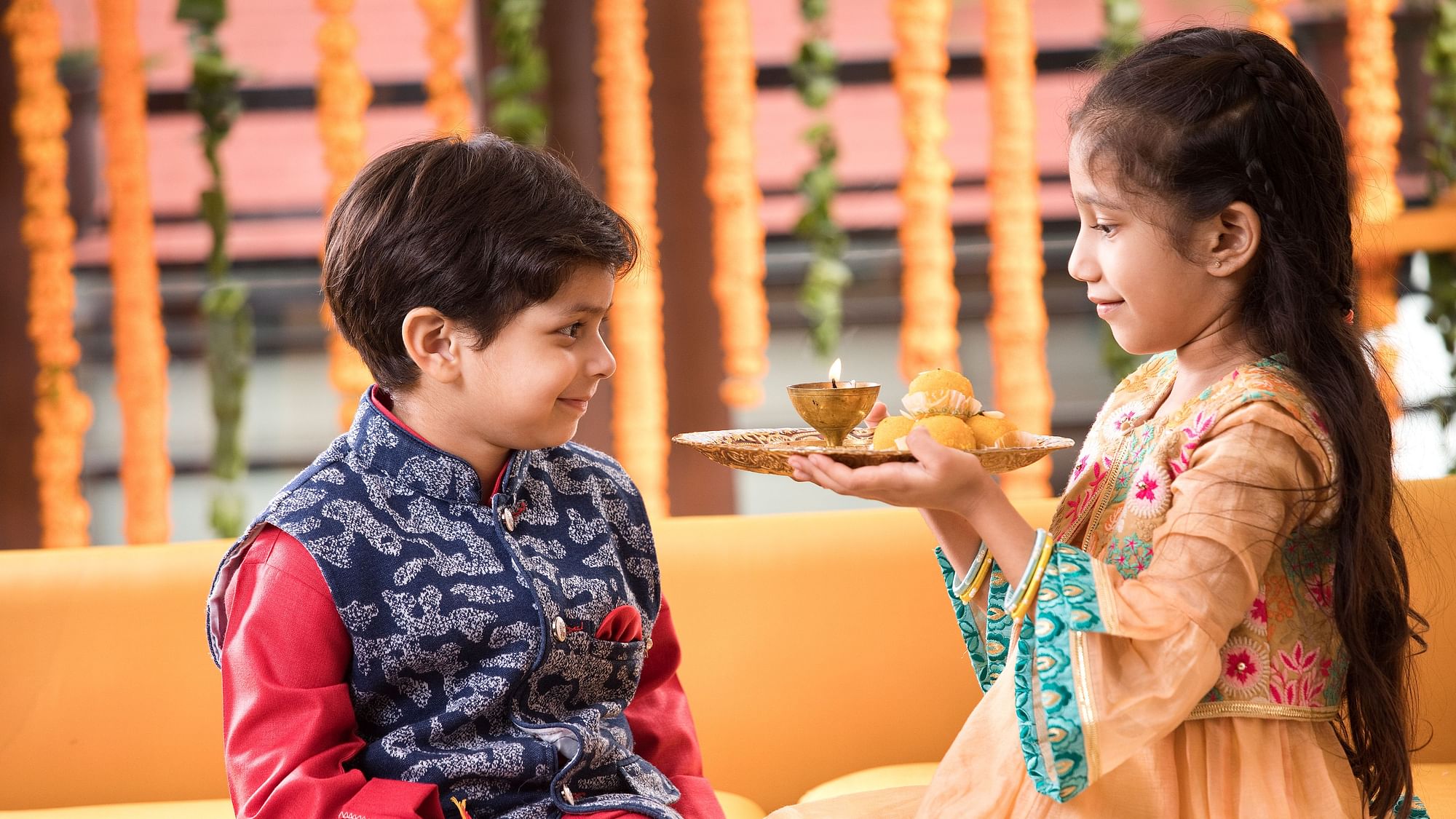
About 10 days back, on the second day after the festival of lights, Diwali, is the festival of which strengthens the bonds between a brother and sister. Also known as Bhratri Dwitiya, Bhaubeej, Bhai Tika and Bhai Phonta, Bhai Dhooj strengthens the bond of affection between brothers and sisters. There are two Bhai Dooj in Hindu calendar. The first one falls on the Dwitiya Tithi of Chaitra month and is not as popular as the second one which falls two days after Diwali or the second lunar day of Shukla Paksha or the bright fortnight in the calendar month of Kartika. The celebrations are similar to the festival of Raksha Bandhan and on this day, sisters give gifts to their brothers. In the southern part of the country, the day is celebrated as Yama Dwitiya.
The festival is known by different names in different communities. In North India, it is known as Bhai Dooj and is observed during the Diwali festivities, on the second day after Diwali. In Nepal it is known as Bhai Tika, where it is the most important festival after Dashain or Vijaya Dashmi or Dussehra. Observed on the fifth day of the Tihar festival, it is widely celebrated by the Khas people. In West Bengal, Assam, Tripura, Bangladesh, it is known as Bhai Phonta and it takes place every year on the second day after Kali Puja. In western Odisha, it is called Bhai Jiuntia while the Marathi, Gujarati and Konkani-speaking communities in the states of Maharashtra, Goa, Gujarat and Karnataka call it Bhau Beej, Bhav Bij or Bhai Beej. Other names for the festival include Bhatru Dviteeya, Bhatri Ditya or Bhaghini Hastha Bhojanamu in Andhra Pradesh and Telangana.

Another name for the day is Yamadwitheya or Yamadvitiya, after a legendary meeting between Yama the God of Death and his sister Yamuna, the river on the Dwitheya or the second day after new moon. According to a legend, Yamraj’s sister Yamuna tried to get her brother to visit her on many occasions but Yamraj was unable to do so for a long time. When he finally met her, he was greeted with a grand ceremony, offered sweets and had the ceremonial tika placed on his forehead. Being immensely pleased with the love and respect he was showered with, Yamraj gave Yamuna a boon and she in turn asked him to dedicate a day on which he would visit her house each year. Hence, the ritual of siblings visiting each other on this day began to honour the kinship between them.According to another legend, after slaying the evil demon Narakasura, Lord Krishna visited his sister Subhadra who gave him a warm welcome with sweets and flowers. She also affectionately applied tilaka on Krishna’s forehead and some believe this to be the origin of the festival.
Celebrated like the festival of Raksha Bandhan, but without the tyong of the rakhi on the brother’s wrists, on this day, sisters invite their brothers for a sumptuous meal often including their favourite dishes and sweets. The ceremony signifies the duty of a brother to protect his sister, as well as a sister’s blessings for her brother. Sisters then perform an arti for their brother and apply a red tika on the brother’s forehead. This signifies the sister’s prayers for the long and happy life of her brother and treat them with gifts. In return, elder brothers bless their sisters and treat them with gifts or cash. In Haryana and Maharashtra, women who do not have a brother worship the moon instead and apply henna or mehendi on girls as a tradition. For sisters whose brothers live far away and can’t meet her, send her prayers for the long and happy life of her brother through the Moon God and performs aarti or prayer to the moon. This is the reason why children affectionately call the moon Chandamama where Chanda means the moon and mama means a mother’s brother. In West Bengal, Bhai Phonta is marked with many rituals along with a grand feast arranged for the brothers though it is necessary that, both the brother and sister are more than 5 years of age.

In Nepal, Bhaitika or Bhaitihar is known as the tihar or festival of brothers. On this day, sisters pray to the God of death, Lord Yamra for the long life and prosperity of their brothers. The ritual involves sisters marking the forehead of their brothers with a seven coloured long tika with the rest of the rituals is similar to that performed by Hindus elsewhere.
To all sisters and brothers, hope you had a fabulous festive period!




 Today is Deepavali (as it’s called in South India) or Diwali (as it’s called in the north). Since in Mumbai, people generally refer to it as Diwali, that’s what we call it and will continue to call it irrespective of whether I am referring to it being celebrated in the north or south.
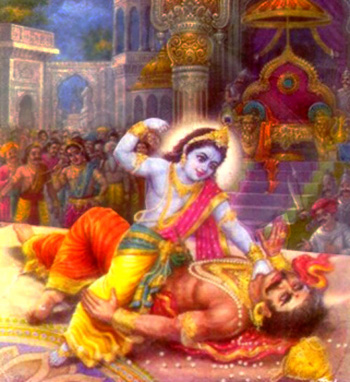 In the southern part of India, Diwali is celebrated as the day Lord Krishna killed the demon Narakasura and is called Naraka Chaturdasi. If the day falls on the new moon day or Amavasya, then you have to wake up very early and take a bath before daylight breaks. A special oil is made the previous night with herbs and spices and this is supposed to ward off the effects of winter. This oil is applied by the oldest woman in the family who is available and is done in front of the family altar. Once you bathe and get ready, you pray to the Lord and then to the elders in the family. You then eat the medicinal preparation made which prepares your stomach for the onslaught of food. Then it’s time to feast the yummy goodies you’ve slaved away at. Children and adults also light firecrackers in the early morning dawn to frighten the demons. Here in Singapore, firecrackers, especially the loud ones which make noise are banned, so we used to buy sparklers for the children when they were younger. Now that they are older, we stop at the goodie eating and visiting the temple.
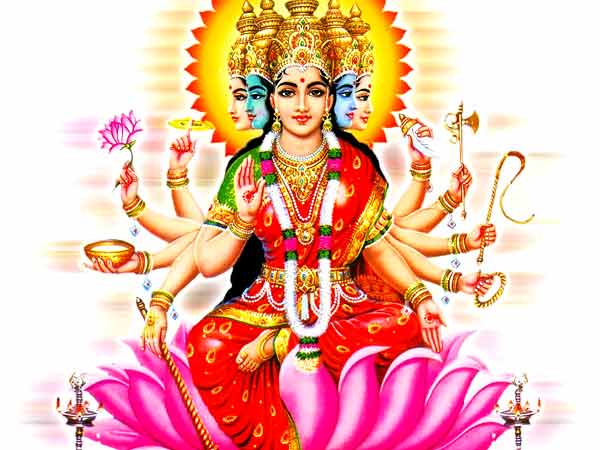
 In North India, the day after Naraka Chaturdasi is usually celebrated as Diwali and is the day when Lord Rama reached Ayodhya after fulfiling the promise he made to his stepmother Keykeyi about going on a 14-year exile and in the process, killing the demon king Ravana in what is now present-day Sri Lanka which is celebrated as the festival of Dushhera. On that day, people decorate their homes with diyas and candles just like how the kingdom of Ayodhya had been decorated to welcome their beloved Lord Rama. People perform Laxmi Puja for wealth and also worship Goddess Saraswati for wisdom. Some Indian communities also celebrate their new year during this period and so there’s an additional celebration aspect during the three-four day long festivities.
 Some of the other legends from Indian mythology which are associated with this festival include:


 Memories and Such