Sacred Stones, Spaces, and Stories: Divya Desams Part 17

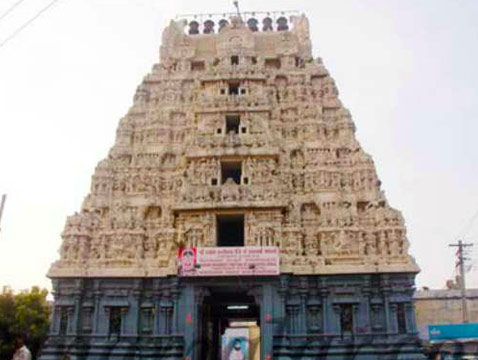
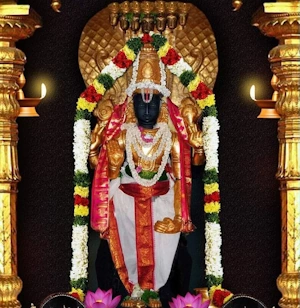
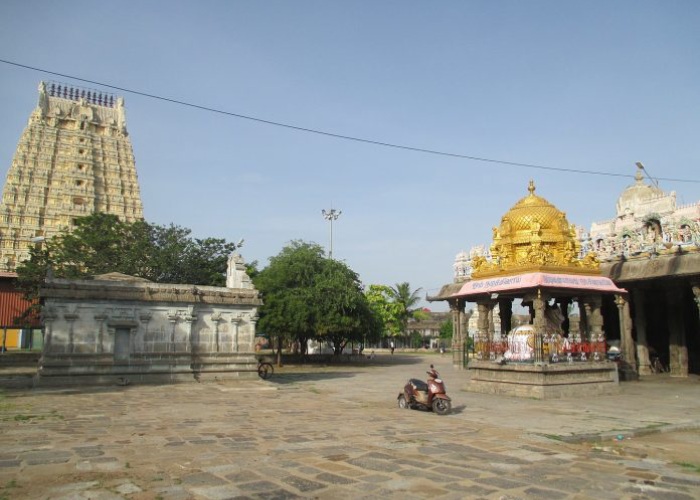
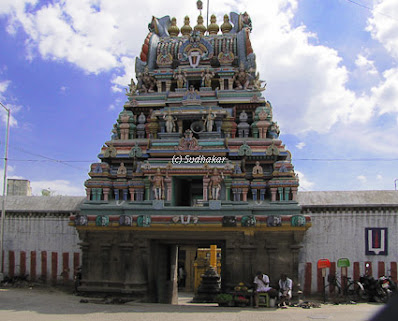
Thirunagari Temple, Thirunagari, Tamil Nadu
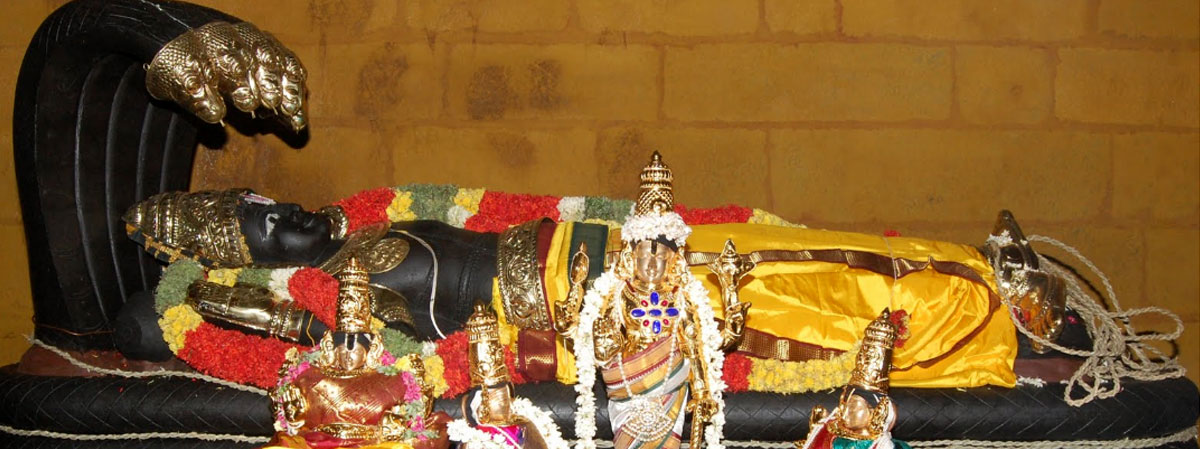
Thirunagari in Tamil Nadu is one of the most emotionally powerful Divya Desams because it represents the culmination of Thirumangai Alvar’s journey. Where Thiruvali marks the moment of awakening, Thirunagari represents fulfilment, where a devotee finally stands steady in devotion after struggle, confusion and transformation. The temple here is dedicated to Adhi Jagannatha Perumal, with Thiruvaragunamangai Thayar as the goddess. Together, they form a presence that is gentle, grounding and complete. This temple embodies the feeling of coming home after a long internal journey.

In the Vaishnavite tradition, Thirunagari cannot be separated from Thiruvali. The two temples form a pair, representing the start and end of Thirumangai Alvar’s spiritual path. Thiruvali is the moment of awakening, while Thirunagari is the moment of surrender. The mythology of Thirunagari centres around what happened after Thirumangai Alvar received the Ashtakshara Mantra from Vishnu.

After the divine whisper changed him, Thirumangai Alvar travelled to Thirunagari. Here, he began composing hymns, surrendering completely to Vishnu and taking on the role of a servant of the Lord. It is said that he wept in gratitude here, sang his deepest devotional verses here, and completed his transformation from warrior to saint here. In many ways, Thirunagari symbolises the moment the heart settles.

Adhi Jagannatha is worshipped as the ancient form of Vishnu who receives devotees without hesitation or judgment. The name Adhi Jagannatha comes from Adhi, the original, the first, and Jagannatha, the Lord of the universe. The myth conveys a simple idea: the one who created you welcomes you back, no matter the path you took.

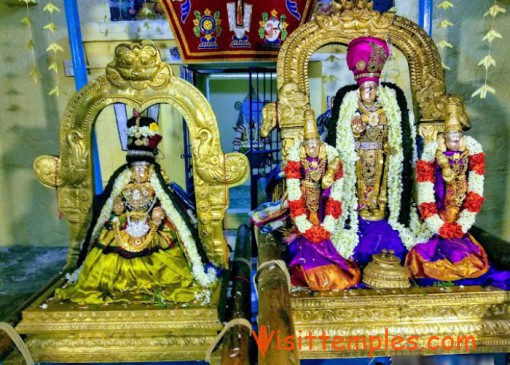
In Thirunagari, the utsavar idol of Thirumangai Alvar is significant. This is the place most connected to his emotional life, where he lived, taught, composed and finally reached complete surrender. Some traditions say his final breath was taken in this region, though accounts differ. But spiritually, this is the place where his journey found its destination.

The temple carries strong historical resonance because of its connection to the Alvar. Even if the structure is modest compared to Chola giants, its devotional weight is immense. Architectural and historical influences include early structures likely dating to the Pallava or early Chola period. The Cholas supported the temple and ensured regular worship, while the Nayaks added mandapams, pillars and protective walls. Local chieftains gave land grants for lamps, pujas and annadhanam. Inscriptions in the region speak of donations from families to keep annual festivals and daily rituals running. Thirunagari’s importance comes not from kings, but from poetry, stories and the devotion of ordinary people. It is one of the few Divya Desams whose emotional weight outweighs its physical size.

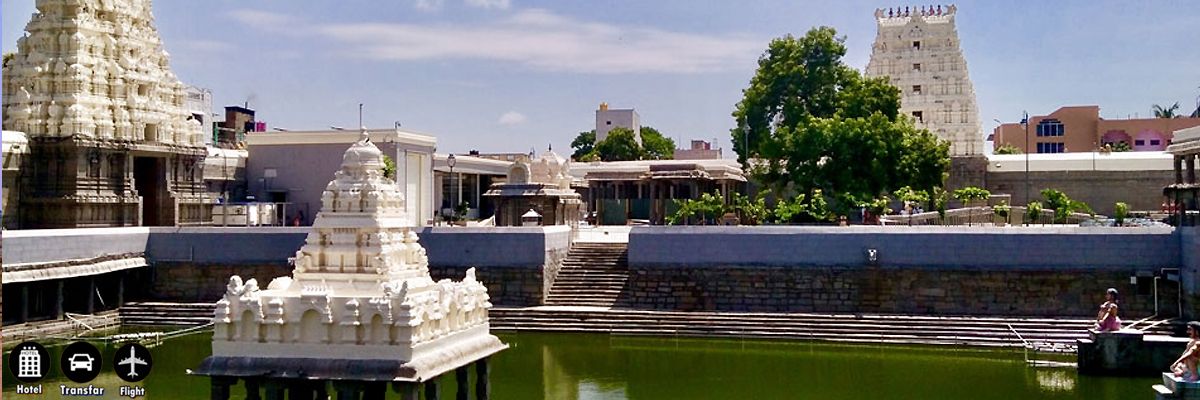
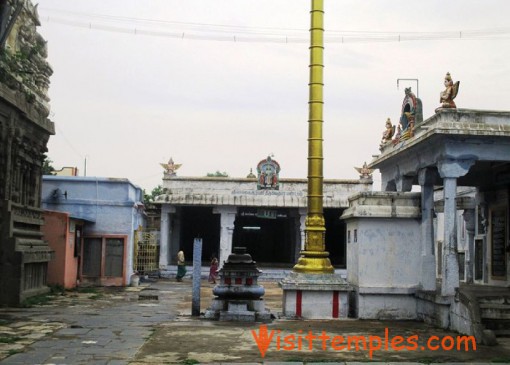
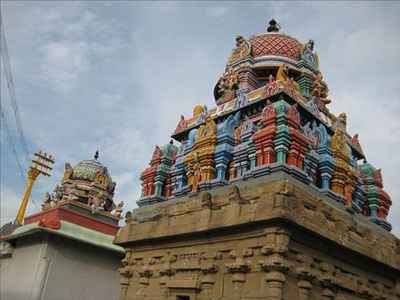
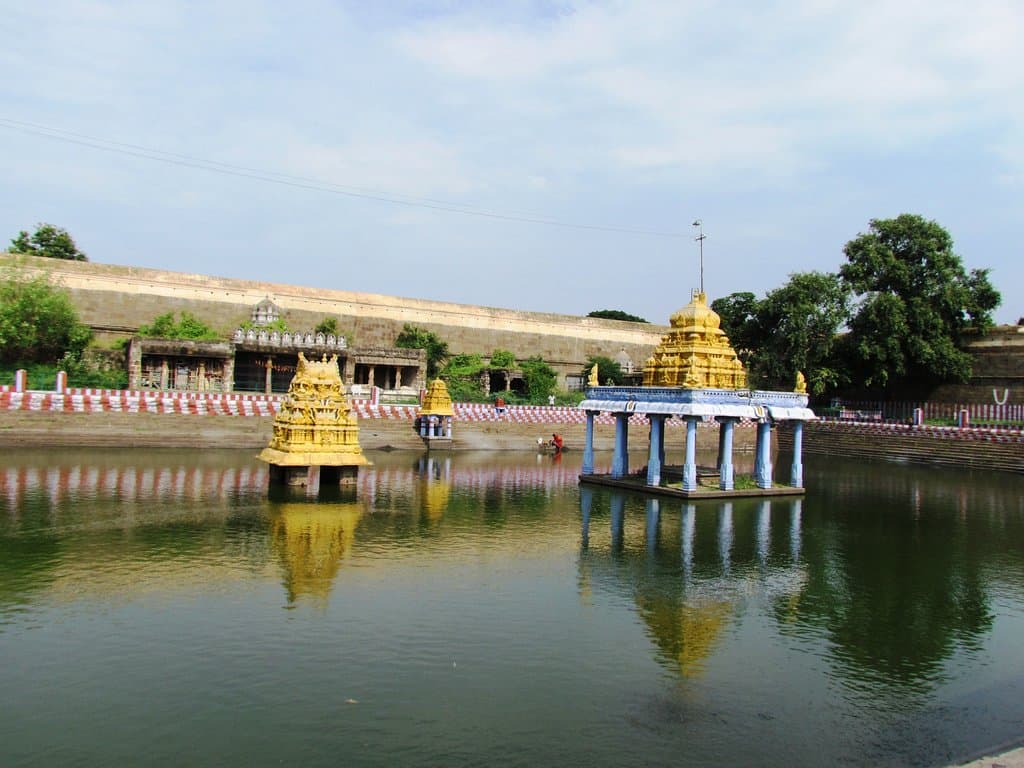
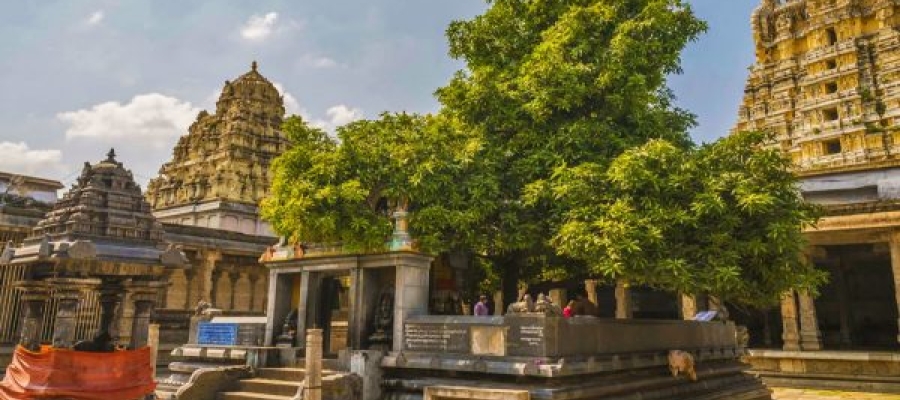
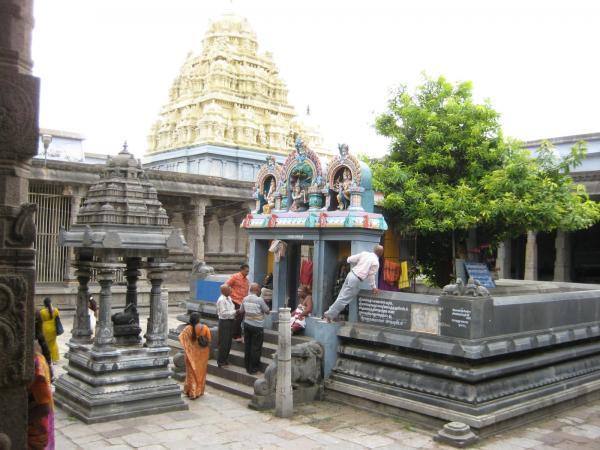
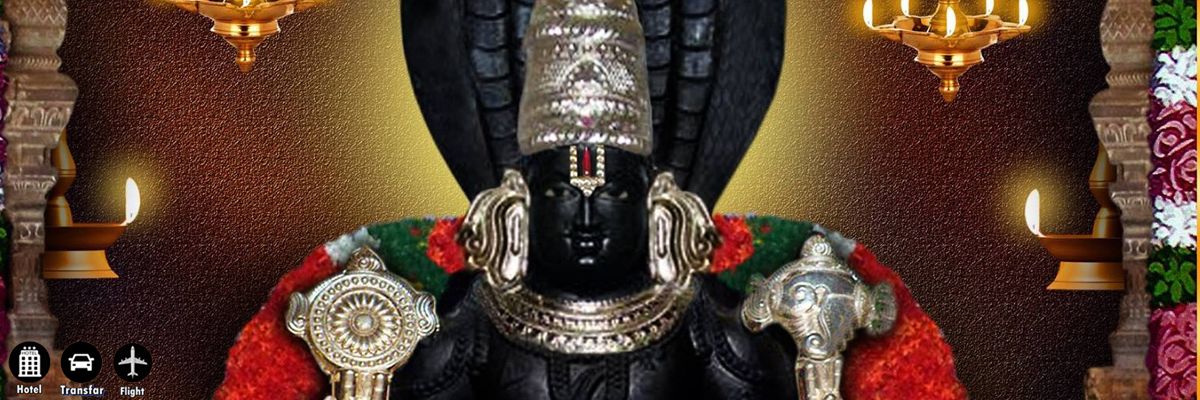
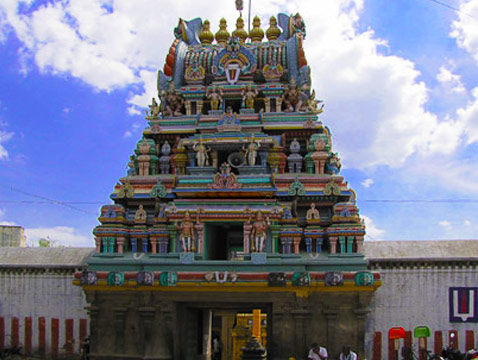
Thirunagari Temple is built in a simple, traditional Tamil style. It does not try to overwhelm with scale. Its strength lies in its quietness. Key architectural features include a small gopuram marking the entrance, a courtyard with the open sky, stone mandapams with simple carvings, a compact sanctum housing Adhi Jagannatha, a shrine for Thiruvaragunamangai Thayar, shrines for Thirumangai Alvar and other Alvars, and space for annual festival processions. Adhi Jagannatha Perumal stands facing east. The posture is calm, firm and steady. Devotees often describe the idol as “still but alive,” carrying a sense of quiet protection. Thiruvaragunamangai Thayar’s shrine softens the atmosphere. Her presence adds warmth, compassion and reassurance. The temple tank nearby is used for ritual purposes. The pradakshina path is narrow but meaningful, and the floors are cool and worn smooth by generations of footsteps. Nothing here distracts you, nothing demands attention, and everything supports reflection. This fits the emotional theme of the temple: completion without drama.

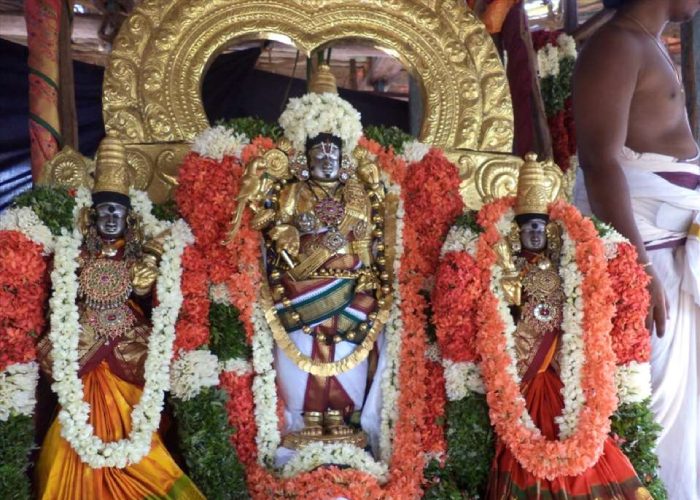
Daily worship here follows the Vaishnavite tradition of Suprabhatam, Thirumanjanam, Alankaram, Neivedyam, and evening worship. The rituals are performed gently, without hurry. This temple is not a busy hub. It is a place of inwardness. Major festivals include the temple Brahmotsavam, which is Thirumangai Alvar’s Birth Festival, Thirumangai Alvar Garuda Sevai, *Vaikunta Ekadasi, Brahmotsavam for the Perumal, and Purattasi Saturdays. The Alvar festivals dominate the temple calendar. The region comes alive during these days. Garuda Sevai is the most important festival for the Thirunangur temples. Eleven Vishnu deities are brought on Garuda vahanams. Thirunagari becomes the central gathering space. The festival re-enacts the Alvar’s connection with Vishnu. Devotees chant his verses, carry offerings, and move between Thiruvali and Thirunagari. This event keeps the temple alive in the cultural memory of Tamil Nadu.

Travelling to Thirunagari means entering a region where devotion is woven into village life. The landscape is modest: fields, trees, simple homes, quiet roads. On first impression, the temple does not impress with height or ornamentation; instead, it feels familiar, like returning to a place you’ve known before. Inside, the sanctum is close, the space is cool, the lighting is soft, the chanting echoes lightly, and the deity feels accessible. Pilgrims often sit quietly in the mandapam after darshan. There is no rush; this temple invites slow breathing. The village community supports the temple in simple ways with flower stalls, tea shops, and small offerings sold outside homes. There is no commercial pressure, and pilgrims often say this temple feels honest and approachable.

Thirunagari sits at the heart of Tamil devotional culture because of Thirumangai Alvar. This temple is where he composed his deepest hymns, surrendered fully to Vishnu, and established the spiritual identity of the Thirunangur region. The Divya Prabandham frequently references the landscape around Thiruvali and Thirunagari. Local families retell the story of the thief who became a saint. The message is simple: grace doesn’t wait for perfection. This story shapes identity, culture and the emotional tone of the entire region. People come to Thirunagari when they seek closure, completion, peace after difficulty, acceptance, and a sense of belonging. The temple represents emotional settling, the moment where struggle becomes surrender.

The temple is well-maintained through a mix of administrative oversight and local support. Daily pujas continue without interruption. Recent improvements include repainting inner walls, strengthening the mandapam, repairing stone floors, enhancing lighting around the sanctum, and maintaining the temple tank. The temple has gained more visibility through social media and Divya Desam travel blogs. Younger pilgrims, especially those tracing the Alvars’ lives, make it a priority stop. Despite this increased attention, the temple remains modest and quiet. Its emotional power lies in stillness, not in activity.

Thirunagari is one of the most meaningful Divya Desams because it represents completion: the moment a devotee finally settles into devotion after a lifetime of searching. Adhi Jagannatha Perumal stands as a calm, welcoming presence, while Thiruvaragunamangai Thayar adds softness and grace. Together, they embody acceptance. The temple’s simplicity, mythology and connection to Thirumangai Alvar make it a landmark of the heart rather than architecture. In the Divya Desam circuit, Thirunagari is understated but profound. It teaches that devotion is not about perfection. It is about turning back toward the divine, even after wandering far. Here, ends become beginnings. And the journey that started in struggle finds its resting place.

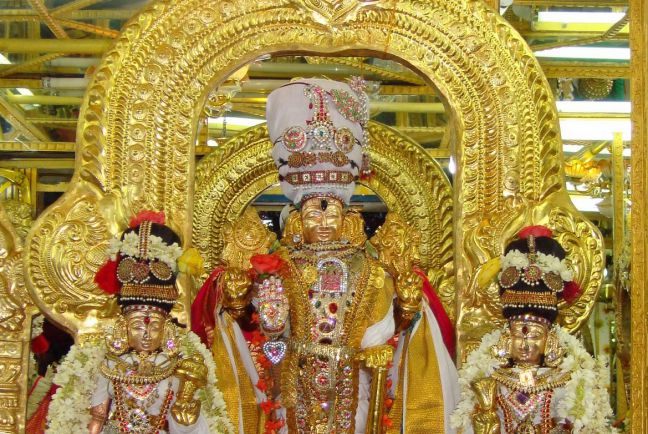
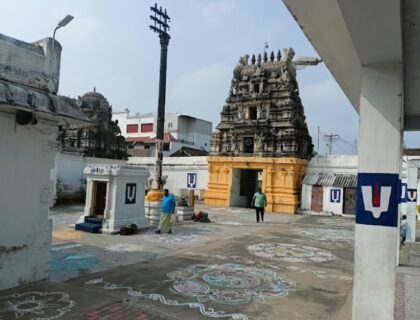
Thiruthevanarthogai Temple, Thirunangur, Tamil Nadu
Thiruthevanarthogai, located in the quiet lanes of Thirunangur near Sirkazhi in Tamil Nadu, is one of the eleven Divya Desams tied to the dramatic legend of Shiva’s grief and Vishnu’s steadying grace. The presiding deity here is Devanayaka Perumal, with Kadalmagal Nachiyar as the goddess. The name Thevanarthogai roughly means the place where the gods assemble. Local belief says that many celestial beings gathered here to seek Vishnu’s reassurance after Shiva’s fierce dance shook the universe. The temple carries that tone even today: a sense of calm after intensity, gathering after scattering, grounding after upheaval. Thiruthevanarthogai is a temple of belonging. It feels like a place where you can bring whatever you are carrying, set it down quietly and feel held.

All eleven Thirunangur Divya Desams are tied to the same legend. After the death of Sati, Shiva was devastated. His grief triggered the Rudra Tandava, a cosmic dance that created powerful tremors across the region. From each strike of his matted locks, eleven forms of Shiva emerged. To calm this overwhelming energy, Vishnu appeared in eleven forms, one for each manifestation of Shiva. Thiruthevanarthogai represents one of these balancing forms.

Local lore says that after Shiva’s dance, the gods felt deeply unsettled. Unsure of how to restore balance, they assembled at this very spot to pray to Vishnu. Vishnu took the form of Devanayaka Perumal, meaning leader of the gods. This form represents steadiness, authority without aggression, gentle leadership, and reassurance. The idea is simple: when beings of all kinds feel shaken, they gather here and stand before the one who guides without force. The goddess here, Kadalmagal Nachiyar, is associated with the ocean (Lakshmi). Her presence adds emotional depth. The ocean is calm at times, rough at others, much like life. Here, she stands as a soothing balance to Perumal’s steady posture. Thirumangai Alvar composed verses about this temple, praising Perumal as the one who stands firm when the world trembles. His hymn places this temple within the Divya Prabandham, ensuring its status as a sacred Vaishnavite shrine.

Thiruthevanarthogai is part of a close-knit group of temples in Thirunangur that date back many centuries. Though modest today, the temple likely has early Chola origins, visible in its stone base and simple structural style. Historical patterns include local chieftains and families supporting daily worship, land grants for lamps, offerings and festivals, renovations during the Nayak era, especially strengthening pillars and mandapams, and festivals shaped by community participation rather than royal patronage. Because of its connection to the eleven-temple circuit, the temple has remained active even when political attention shifted to larger towns. Thirunangur’s identity is tightly woven with the mythology of Shiva and Vishnu, and all eleven temples, including Thiruthevanarthogai, survived largely through the devotion of local people.

Thiruthevanarthogai follows the architectural tone of the Thirunangur Divya Desams, simple, small and spiritually focused. The temple’s layout is clean, without unnecessary ornamentation. Key architectural elements include a modest entrance gopuram, a small courtyard, a stone mandapam with plain granite pillars, a compact sanctum, a separate shrine for the goddess, and a pradakshina path that hugs the sanctum walls. The temple tank lies close by, used mainly during annual festivals.

Devanayaka Perumal stands facing east. His posture is upright, composed, and quietly authoritative. This is not a dramatic form of Vishnu. It is a steadying one, fitting for the temple’s theme of divine assembly and reassurance. Kadalmagal Nachiyar’s shrine has a gentle, grounding presence. Many devotees spend time here seeking emotional balance, especially during phases of uncertainty. Unlike larger Vaishnavite temples, this one carries no grand towers or heavy sculptures. It reflects the quiet rural setting with cool stone floors, soft lighting, simple flower garlands, and murmurs of daily chanting. The simplicity allows the mythology and atmosphere to lead the experience.

Daily worship follows the Vaishnavite tradition, carried out in a steady and unhurried manner. Daily pujas include the morning suprabhatam, Thirumanjanam, Alankaram, Neivedyam, and the evening lamp worship. Major festivals include the Thirunangur Garuda Sevai, the most important, Vaikunta Ekadasi, Brahmotsavam, Purattasi Saturdays, Sri Krishna Jayanthi and Rama Navami. The Garuda Sevai festival defines the cultural identity of the region. Eleven deities from the Thirunangur temples gather on Garuda vahanams. Thousands of devotees walk between temples, singing the Alvar’s hymns. Thiruthevanarthogai plays a key role because of its theme of divine assembly. During Garuda Sevai, the temple becomes a living reenactment of its own mythology. People come to this temple when they feel emotionally scattered, need grounding, seek reassurance during turbulent times, want to feel belonging again, and need calm after conflict or stress. The temple reinforces the idea that even gods once gathered here for steadiness, and that humans can too.

The journey to Thiruthevanarthogai is peaceful. Pilgrims travel through narrow village roads lined with paddy fields and coconut trees. The temple blends naturally into the landscape. Stepping inside, the tone shifts. The sanctum is close and intimate, the air smells of sandalwood and flowers. The chanting echoes softly and the lighting brings a sense of stillness. It is the kind of temple where you instinctively lower your voice. Because the mythology emphasises gathering, the atmosphere often feels communal even when the temple is quiet. Small groups sit in corners chanting, and families come for calm. Older villagers share stories about the temple’s legends. Pilgrims often visit Thiruthevanarthogai as part of the larger Thirunangur circuit. But the emotional tone here stands out; it feels like a place of coming together, internally and externally. A few small shops outside sell flowers and snacks. The temple retains its rural simplicity.

Thiruthevanarthogai holds a strong place in Tamil Vaishnavite memory. Thirumangai Alvar’s hymns give the temple cultural identity. His verses describe Perumal as the leader of the gods, steadying them during cosmic disturbance. These hymns are central during festivals and community gatherings. Because the temple symbolises the gathering of gods, it influences local customs. Families pray here before major decisions, community groups meet here for blessings, and elders encourage people to visit when life feels scattered. The temple reinforces the idea that strength lies in unity. During Garuda Sevai, villagers decorate the streets, musicians recite the Prabandham, devotees from across Tamil Nadu participate, and the eleven deities converge symbolically as they once did mythologically. This festival keeps the temple’s stories alive in the cultural fabric of the region.

The temple continues to operate with daily pujas, supported by the administration and local devotees. Renovations occur periodically, mainly to strengthen structural elements without altering the original tone. Recent updates include repainting inner walls, reinforcing stone pillars, cleaning the temple tank, and maintaining the outer prakaram. The temple has gained visibility on Divya Desam travel routes and social media, drawing younger pilgrims who want to explore lesser-known temples. Despite this increase in visitors, the temple remains quiet and uncluttered. Its primary identity, as a place of grounding and gathering, remains unchanged. The temple’s message feels especially relevant in modern times. People today often feel isolated or overwhelmed. Thiruthevanarthogai offers a space where scattered thoughts and emotions can settle.

Thiruthevanarthogai stands as one of the gentlest yet most meaningful Divya Desams in the Thirunangur region. Its mythology of divine assembly, its steady deity, and its quiet architecture all point toward the same idea: you don’t have to carry everything alone. Devanayaka Perumal embodies guidance without pressure and authority without force. Kadalmagal Nachiyar adds the emotional softness that completes the temple’s tone. As part of the eleven temples formed to calm Shiva’s grief, Thiruthevanarthogai represents coming together, both emotionally and spiritually. It reminds devotees that gathering, grounding and reassurance are forms of grace too. And that sometimes, simply standing in a quiet place with the divine is enough.

Sacred Stones, Spaces, and Stories: Divya Desams Part 16

Thiruvaikunta Vinnagaram Temple, Thirunangur, Tamil Nadu
Thirunangur in Tamil Nadu holds a rare cluster of eleven Divya Desams, each shaped by the same ancient legend and each carrying its own emotional tone. Among these small but powerful shrines stands Thiruvaikunta Vinnagaram, dedicated to Vaikunta Nathan Perumal and Vaikunta Valli Thayar. This temple takes its name from Vaikunta, the divine abode of Vishnu. The name itself suggests expansiveness, protection and a sense of being welcomed without barriers. Though the temple is small, the idea it represents is immense, the openness of divine grace. In the midst of the compact Thirunangur circuit, Thiruvaikunta Vinnagaram feels like a space that symbolises heaven in miniature form.

All the Thirunangur Divya Desams are rooted in one powerful story. After the death of Sati, Shiva’s grief and fury led him to perform the Rudra Tandava in this region. With each movement of his matted hair, eleven expansions of Shiva appeared, shaking the land. To calm this intense energy, Vishnu appeared in eleven different forms, one for each manifestation of Shiva. Thiruvaikunta Vinnagaram represents one of these eleven Vishnu forms.

Local tradition says that when Vishnu appeared at this site, he did so in a form resembling Vaikunta’s guarding lord: steady, watchful and comforting. The deity’s role here is to assure devotees that the gates of grace are never closed. Anyone who approaches sincerely finds a place. Another legend says that those who feel trapped, mentally, emotionally or spiritually, come here to experience a sense of release. The link to Vaikunta, where souls reach a state of peace, makes this temple a symbolic space for letting go. As with all eleven Thirunangur temples, Thirumangai Alvar visited this shrine and composed verses in praise of the deity. His hymn describes the Perumal here as one who opens doors rather than closing them. For devotees, the verse reinforces the feeling that the temple is a spiritual gateway. The mythology around this temple is simple, but its message is strong: when you feel blocked, this is where you come to breathe again.

Thiruvaikunta Vinnagaram shares its historical roots with the other Thirunangur temples. During the Chola period, this region thrived with devotional activity. The Cholas were known for supporting Vishnu temples alongside Saivite shrines, and the basic structural style of this temple points to early Chola influence, like a compact sanctum, thick granite base, and a simple layout. This was not a royal temple, but one supported by local communities. Inscriptions in nearby shrines speak of small land grants, donations for lamps and contributions for festival expenses. It is likely that Thiruvaikunta Vinnagaram was sustained in the same way. Later, during the Nayak era, additions were made to reinforce the mandapam and surrounding walls. These renovations were practical rather than decorative. Despite its modest size, the temple has endured because it is anchored in the Divya Desam tradition. The Alvar’s verses placed it on the sacred map, ensuring continuous pilgrimage. Today, the temple stands not as a monument of grandeur, but as a symbol of continuity, centuries of simple, sincere worship.

The architecture of Thiruvaikunta Vinnagaram is typical of the Thirunangur Divya Desams: simple, compact and intimate. Key elements include a small entrance gopuram, a short entrance hall leading into the courtyard, a modest mandapam with granite pillars, a compact sanctum where the main deity resides, a separate shrine for Thayar, and a narrow pradakshina path around the sanctum. The temple does not overwhelm visitors. Instead, it draws them in gently.

Vaikunta Nathan Perumal, the deity, stands facing east, holding the conch and discus. The idol’s expression carries a quiet authority: calm, open, reassuring. The form reflects the temple’s theme: a god who does not close his doors to anyone. Vaikunta Valli Thayar, the goddess’s shrine adds warmth to the temple’s emotional tone. Many women pray here for peace at home and stability during uncertainties. The temple’s smallness is symbolic. Devotees often say that Vaikunta, though vast, becomes accessible here in a form that humans can approach without fear or hesitation. The modest architecture keeps the experience focused on presence, not spectacle.

Daily worship here follows the Vaishnavite tradition, with rituals carried out calmly and without rush. The daily schedule includes Suprabhatam, the morning awakening, Thirumanjanam, the abhishekam, Alankaram, Neivedyam, and evening lamp worship. The chanting inside the temple creates a soft background rhythm, giving the space a meditative quality. Major festivals include Thirunangur Garuda Sevai, the most important festival, Vaikunta Ekadasi, with a symbolic “opening of the gate”, Brahmotsavam, Purattasi Saturdays, and Sri Krishna Jayanthi. During the Thirunangur Garuda Sevai festival, the eleven Vishnu deities from each Thirunangur temple come together on Garuda vahanams.
Devotees walk from temple to temple, reciting the Divya Prabandham. It is one of the most emotionally powerful Vaishnavite festivals in Tamil Nadu, and Thiruvaikunta Vinnagaram plays a central role because of its “gateway” symbolism. Devotees come here especially to pray for relief from obstacles, release from emotional heaviness, clarity when feeling stuck, courage to move forward, and a sense of spiritual belonging. People often light lamps for guidance and offer tulsi garlands as a symbol of surrender. The worship remains straightforward and sincere.

A pilgrimage to Thiruvaikunta Vinnagaram begins with travelling through the quiet village lanes around Thirunangur. Paddy fields, soft breezes and small clusters of houses set a gentle tone. The temple sits naturally within this landscape. There are no large crowds except during Garuda Sevai. Most days, the temple is peaceful. Inside, the sanctum is close to the entrance. There is no long walk or layered structure to pass through. This “directness” mirrors the deity’s nature: present, accessible, attentive. The stone floor stays cool, and the air carries the scent of lamps and fresh flowers. Visitors say the temple feels like a pause. A place where you can breathe without tension. Those following the full Thirunangur circuit often describe Thiruvaikunta Vinnagaram as emotionally grounding, a temple that reassures without effort. Outside, a few small flower stalls and tea shops serve pilgrims, but the area remains largely untouched by commercialisation.

Thiruvaikunta Vinnagaram holds cultural weight in Tamil Vaishnavite tradition because of its symbolic connection to Vaikunta, the divine abode. In his verses, Thirumangai Alvar praises the deity as one who opens paths rather than closes them. These hymns are sung during festivals, temple gatherings and community functions. Because the temple represents Vaikunta, local culture has shaped itself around the idea of openness. These small cultural beliefs show how deeply the temple has entered the emotional vocabulary of the region. Images of Vaikunta Nathan: calm, steady, holding the conch and discus—appear in traditional art, calendars and posters across the region.

Today, the temple continues to function with regular daily pujas and festival observances. The administration handles structural maintenance, while villagers contribute during festival periods. Recent improvements include repainting the mandapam, cleaning and maintaining the temple tank, strengthening the outer walls, and restoring small structural elements damaged by weather. The temple remains modest, resisting commercial expansion. Even with increased attention through Divya Desam tourism and social media, the atmosphere stays calm and devotional. The temple’s message: release, openness and direction, feels especially relevant in modern times, when people often feel blocked or overwhelmed.
Thiruvaikunta Vinnagaram offers a sense of spiritual spaciousness within a physically small temple.

Thiruvaikunta Vinnagaram stands among the Thirunangur Divya Desams as a shrine of open grace. Its mythology, architecture and rituals all point toward one idea: when life feels closed, here is a door that opens. Vaikunta Nathan Perumal represents a steady, welcoming presence—someone who does not push devotees away but instead invites them closer. The temple’s humble structure, community-driven worship and deep cultural connections make it a meaningful stop in the Divya Desam circuit. Among the eleven temples created to calm Shiva’s sorrow, Thiruvaikunta Vinnagaram represents release; the moment when heaviness lifts, and a path becomes visible again.

Thiruvali Temple, Thiruvali, Tamil Nadu
Thiruvali, paired closely with Thirunagari, holds one of the most meaningful Divya Desam stories in the Vaishnavite tradition. The temple here is dedicated to Thiruvali Narayana Perumal, with Purnavalli Thayar as the goddess. What makes Thiruvali unique is its deep link to the life of Thirumangai Alvar, whose presence and story shape the emotional identity of the region. Thiruvali is not defined by grandeur. It stands quietly among fields and village lanes. But the temple carries a strong sense of purpose. Devotees come here because the place is tied to transformation, personal, spiritual and emotional.

The central story of Thiruvali revolves around Thirumangai Alvar, one of the twelve Alvars and one of the most passionate voices of Tamil Vaishnavism. Before becoming an Alvar, Thirumangai was known as Nilan, a skilled warrior and chieftain of the region. He eventually married Kumudavalli, a devout woman who insisted that he embrace Vaishnavism before she would live with him as his wife. To meet her expectations, he began feeding poor devotees daily. Over time, the cost of this practice became so heavy that he resorted to collecting wealth by force. One night, he and his men tried to rob a couple on the road. The couple was actually Vishnu and Lakshmi in disguise. When Nilan demanded their jewels, Vishnu offered everything except his kanai, a ring containing a divine secret. No matter how he tried, Nilan could not remove the ring. Frustrated, he asked what kind of magic prevented its removal. Vishnu then leaned forward and whispered the Ashtakshara Mantra into Nilan’s ear. In that moment, something shifted. A spark of grace sank into him. The thief fell to his knees and immediately transformed into Thirumangai Alvar, one of the greatest poets of devotion. This moment of awakening is said to have happened in the land around Thiruvali and Thirunagari. Thiruvali is associated with the beginning of Thirumangai Alvar’s spiritual journey, the moment where his life turns toward devotion. Thirunagari, nearby, marks the completion of that journey. Together, the two temples embody start and fulfilment. The mythology teaches that when one is trapped in confusion, pride or emotional heaviness, grace can still reach them. Vishnu did not reject Nilan. He met him exactly where he stood: on the road, sword in hand, and transformed him with a single whisper. This story forms the emotional heart of Thiruvali.

The temple’s origins can be traced to the classical period of Tamil devotional history. Though Thiruvali lacks the architectural scale of Chola-era temples, it carries strong historical roots through its association with the Alvars. The region was once under the control of small chieftains and then later under Chola and Pandya rule. Evidence suggests early structures likely date back to the pre-Chola or early Chola period. The temple received support from local rulers, with land grants and food offerings helped sustain daily pujas. Renovations occurred during the Nayak period, strengthening walls and mandapams. Because Thirumangai Alvar’s story is central to the area, the temple remained active even during political changes. His birth, transformation and final union with Vishnu are all tied to the Thiruvali–Thirunagari region, securing the temple’s devotional status. These temples are not monumental structures. They are living memories, spaces that preserved spiritual identity through narrative rather than architecture.

Thiruvali Temple follows the modest but meaningful style common across rural Tamil Nadu. It has a small gopuram, a courtyard with open space, a simple mandapam supported by stone pillars, a compact sanctum for Perumal, a separate shrine for Thayar, and a pathway for circumambulation. The temple’s simplicity is deliberate. It keeps attention on the deity and the story rather than ornamental details. The main deity, Thiruvali Narayana Perumal, stands east-facing, calm and steady. The posture is simple but authoritative. Devotees often say the deity feels like someone who sees you clearly, your journey, your mistakes, your hopes, and still offers acceptance. Purnavalli Thayar’s shrine brings softness to the temple. Her presence is associated with completeness, living up to her name, which means “one who is full and fulfilled.” The temple sits among fields, and sunlight often falls into the courtyard at an angle that creates a quiet, reflective mood. Nothing about the structure demands attention. Instead, the space supports inner reflection, which fits the theme of transformation found in the mythology.

Thiruvali follows a calm and steady worship rhythm. Daily pujas include Suprabhatam, Thirumanjanam, Alankaram, Neivedyam, and evening lamp worship. The rituals are straightforward, without elaborate theatricality. This suits the temple’s tone: direct, sincere and rooted in personal connection. Major festivals include Thirumangai Alvar’s birth festival, Thirumangai Alvar’s Garuda Sevai, Vaikunta Ekadasi, Brahmotsavam, and Purattasi Saturdays. The Alvar celebrations are central to this temple. The Garuda Sevai, involving both Thiruvali and Thirunagari, is one of the strongest cultural and devotional events in the region. People come to Thiruvali when they seek transformation, release from old patterns, the courage to start new phases of life, grace after mistakes, and a sense of being accepted despite flaws. These themes reflect Thirumangai Alvar’s own journey.

Reaching Thiruvali means travelling through quiet roads, paddy fields and small villages. The landscape feels open and grounded. The temple itself feels deeply rooted in the earth. There is no grandeur, but the space feels lived-in and emotionally resonant. Inside, the sanctum is close to the entrance. The deity is easy to approach. The stone floors are cool. The chanting is soft. It is the kind of temple where you feel comfortable sitting for a while without needing to do anything. When pilgrims visit both Thiruvali and Thirunagari on the same day, they often say the emotional arc becomes clear: Thiruvali is the beginning of spiritual awakening while Thirunagari is the completion of that journey. At Thiruvali, you feel the moment where the past loosens its grip. There are a few small shops outside, mostly selling flowers and tea. The atmosphere stays close to its rural roots.

Thiruvali holds a special place in Tamil spiritual culture because of its deep link to Thirumangai Alvar. Every devotee in the region knows the story of the thief who became a saint. It is a story of hope, redemption and the power of a single moment of grace. Parents tell it to children as a reminder that change is always possible. The Divya Prabandham frequently references places tied to Thirumangai Alvar. His verses bring Thiruvali into the emotional vocabulary of Vaishnavite households. The annual Garuda Sevai binds the community together. Villagers gather, sing, decorate the streets and carry offerings. This festival is not merely ritualistic, it is a reenactment of a story that holds local identity. Because the temple represents awakening, locals often visit during important life decisions, marriage, career, education, reconciliation or recovery from setbacks. Thiruvali speaks to the idea that one can always begin again.

The temple continues to function smoothly with daily pujas and festival routines. Administrative bodies, along with local devotees, manage maintenance and restoration. Recent improvements include repainting walls, strengthening the mandapam pillars, cleaning the prakaram, improving lighting around the sanctum, and maintaining the temple tank. Even with increased interest from Divya Desam pilgrims and social media exposure, the temple remains low-key. It has resisted commercialisation. Younger devotees are now visiting more often, especially those interested in understanding Thirumangai Alvar’s life more closely. The temple’s message, transformation, acceptance and spiritual clarity, feels particularly relevant in a world where many people are navigating change.

Thiruvali stands in the Divya Desam tradition as a symbol of awakening. It is the place where a warrior-turned-thief encountered grace and became one of the most beloved saints of Tamil Vaishnavism. The temple’s architecture is simple, the rituals are steady, the atmosphere is calm, but the emotional weight of the stories gives the temple a depth that goes far beyond its size. In the wider Divya Desam circuit, Thiruvali represents the moment of turning, the instant where one’s life begins again. It reminds us that no matter how far we’ve drifted, a single moment of clarity can bring us back to ourselves and to the divine.

Sacred Stones, Spaces, and Stories: Divya Desams Part 15

Thirusemponsaikoil Temple, Thirunangur, Tamil Nadu
Thirunangur in Tamil Nadu is home to eleven Divya Desams, each with its own mythology and emotional texture. These temples sit close to one another, bound by the same ancient story of Shiva’s grief and Vishnu’s balancing presence. Among these shrines stands Thirusemponsai Koil, dedicated to Perarulalan Perumal and Allimalar Nachiyar. This temple is known for the idea of divine gold, not material gold, but the golden quality of kindness, purity and renewal. The name Sempon means “pure gold,” signalling a place where devotees come to regain a sense of inner brightness. The temple is small and peaceful, settled within the quiet lanes of Thirunangur. Its calm atmosphere reflects the steady softness of the deity it houses.

The core mythology of the Thirunangur temples follows the same thread. After the death of Sati, Shiva was overwhelmed with sorrow and performed the fierce Rudra Tandava in this region. Each time his locks hit the ground, eleven forms of Shiva manifested. The intensity shook the land, and to balance this divine energy, Vishnu appeared in eleven forms, each one calming and stabilising the world. Thirusemponsai Koil is one of these eleven forms of Vishnu.

Local tradition says that this temple was created from gold donated by the gods themselves. The gods approached Vishnu seeking protection from disturbances caused by negative forces. Vishnu agreed and asked them to build a temple from golden materials as a sign of unity and devotion. Because of this, the place came to be known as Semponsei or the temple made of fine gold. While the physical temple today is granite, the “gold” represents sacred value, not wealth. The mythology emphasises inner renewal. Many believe that devotees who feel dulled, tired or emotionally drained regain brightness by praying here. The idea is not dramatic; it is gentle, like the slow restoration of colour after a long period of emotional fatigue. As with all Thirunangur temples, Thirumangai Alvar composed hymns praising this shrine. In his verses, he compares the deity’s grace to gold: steadfast, pure and unchanging. This poetic imagery shaped the temple’s identity and contributed to its Divya Desam status.

Though modest in scale, Thirusemponsai Koil carries deep historical roots. The Chola kings, who ruled much of the Tamil region, are believed to have supported the construction and upkeep of the temple. The structural style reflects early Chola influence, including a compact sanctum, simple granite base, and a clear, functional layout. Unlike large temples that received continuous royal patronage, the Thirunangur shrines were maintained mostly at the community level. Local families contributed land, lamps and offerings to ensure daily worship continued. Inscriptions related to nearby Thirunangur temples show donations of rice, ghee and land for conducting regular pujas. It is likely that Thirusemponsai Koil enjoyed similar support. During the Nayak period, the mandapam and outer walls were reinforced, adding stability to the structure without altering its essential simplicity. Today, the temple stands as part of a living heritage, preserved through devotion rather than grand architecture.

The temple follows the characteristic Thirunangur style: compact, practical and inviting. The entrance has a small gopuram that leads into a simple courtyard. Key architectural features include a short mandapam supported by granite pillars, basic carvings of lotus and yali motifs, stone floors that stay cool throughout the day, a tight circumambulatory path for a quick pradakshina, a small shrine for Thayar, and space for festival processions. The main deity is Perarulalan, meaning “the generously giving one.” He stands facing east, holding the conch and discus. The idol represents steady divine presence: calm, firm and protective. The golden association is metaphorical, and the deity embodies that concept through his name and posture. The goddess’s shrine is located near the sanctum. Allimalar Nachiyar represents gentle compassion. Her presence brings emotional balance to the temple, softening the protective stance of the main deity. The temple once had golden colouring on parts of its structure, according to local accounts. While the gold has long since faded, the idea remains alive through the stories and hymns. A small temple tank nearby is used during festival rituals. The water body adds an element of calm to the surroundings. The architectural simplicity keeps the focus on the deity rather than the structure.

Worship here is direct and unhurried. The daily rituals follow standard Vaishnavite procedure. The day starts with the Suprabhatam in the early morning, followed by the Thirumanjanam or abhishekam, then Alankaram with flowers, Neivedyam and last, the evening worship with lamps. Even during festivals, the temple maintains a sense of order and calm. Major festivals include the Thirunangur Garuda Sevai, Vaikunta Ekadasi, Brahmotsavam, Purattasi Saturdays, Sri Rama Navami, and Krishna Jayanthi. The most significant festival is the Garuda Sevai, when all eleven Vishnu deities from the Thirunangur temples are brought together on Garuda vahanams. This event draws thousands of devotees. Thirusemponsai Koil’s deity participates in this iconic gathering, and the recitation of Alvar hymns creates an atmosphere that is emotionally powerful. Because the temple is tied to gold and renewal, devotees often pray here for emotional recovery, stability after setbacks, strength during tiring phases of life, and inner brightness after prolonged stress. Offerings usually include butter lamps, tulsi garlands and small bags of rice. Worship is accessible and uncomplicated.

Reaching Thirusemponsai Koil is straightforward from Sirkazhi. The entire Thirunangur region feels like a spiritual neighbourhood: quiet lanes, fields, clusters of houses and a slow-moving rhythm. The temple blends into the village landscape. Its entrance is simple, and there are no long queues except during major festivals. Inside, the atmosphere is quiet. The sanctum is close to the doorway, giving an immediate sense of presence. The stone floors are cool, the air carries the scent of sandalwood paste, and the chanting from the sanctum is soft. Pilgrims usually visit all eleven Thirunangur temples in a circuit. Thirusemponsai Koil stands out because of its golden association. Many people say the temple feels subtly uplifting, like stepping into light after a dim few days. Tea stalls and small flower vendors near the temple provide basic support. There is almost no commercial activity, which keeps the mood natural and grounded. Thirusemponsai Koil holds an important place in the cultural memory of the region. The concept of “gold” in Tamil literature often symbolises purity, clarity and strength. This temple reinforces those ideas.

Thirumangai Alvar’s verse sits at the heart of the temple’s identity. His hymns describe Perarulalan’s grace as golden: clean, unwavering and full of promise. These verses are recited during festivals, household ceremonies and temple gatherings. The temple has become part of a cultural framework around emotional renewal. Elders encourage younger people to visit this temple when exhausted or after long struggles. The message is that the temple restores the “gold” within, the steady inner light that may have dimmed. For the people of Thirunangur, this temple is not just a shrine. It is part of the village’s identity. The stories of gold and divine presence shape local customs, advice and small rituals practised at home.

The temple continues to function with daily pujas and periodic renovation efforts. Though small, it remains steady and well-maintained. Recent improvements include repainting parts of the structure, strengthening the mandapam pillars, cleaning the temple tank, and repairing the outer wall. Social media and Divya Desam travel blogs have increased awareness of the Thirunangur temples. Younger devotees now visit more often, taking the opportunity to complete all eleven temples in one trip. Despite this growing visibility, the temple has preserved its calm atmosphere. Worship remains simple, honest and accessible. Its theme of emotional brightness and renewal resonates strongly in modern life, where many people feel drained or overwhelmed. Perarulalan Perumal’s identity as the “golden one” feels especially relevant—symbolising hope that returns even after difficult phases.

Thirusemponsai Koil stands as one of the gentler Divya Desams in Thirunangur. Its mythology connects Vishnu to the idea of gold: steady, pure and uplifting. The shrine’s small size creates a feeling of closeness, and the deity’s presence feels calm and reassuring. The temple’s connection with renewal makes it emotionally significant. Devotees come here not for grandeur, but for a sense of inner brightness returning. With its simple architecture, daily worship and deeply rooted traditions, Thirusemponsai Koil offers a quiet spiritual anchor within the Divya Desam network. Among the eleven temples born from Shiva’s grief and Vishnu’s balancing presence, Thirusemponsai Koil represents gentle recovery—the return of light, clarity and strength.

Thirumanimadakoil Temple, Thirunangur, Tamil Nadu
Thirunangur in Tamil Nadu is home to eleven small but powerful Divya Desams, each tied to the same ancient story of Shiva’s grief and Vishnu’s appearance in multiple forms. These temples sit close together, forming a compact spiritual landscape. Among them stands Thirumanimadakoil, dedicated to Narayanan Perumal and Pundarikavalli Thayar. This temple’s name carries the idea of a crystal tower where mani means gem or crystal, and madam means elevated structure or tower. Symbolically, it represents clarity, stillness and the ability to see things as they are. Thirumanimadakoil is known as a place where the mind settles, and where the fog of confusion begins to lift.

The Thirunangur temples all arise from one shared origin story. After the death of Sati, Shiva’s overwhelming grief triggered the fierce Rudra Tandava. With each thundering movement, eleven expansions of Shiva** emerged across this region. The earth trembled under this energy, and the gods prayed for relief. Responding to their plea, Vishnu appeared in eleven forms, each one calming one of Shiva’s manifestations. These eleven Vishnu forms became the eleven Divya Desams of Thirunangur.

For Thirumanimadakoil specifically, the legend says that Vishnu manifested here in a radiant, crystal-like form. The idea of the crystal tower is symbolic: clarity, transparency and lightness. Local tradition holds that whoever worships here gains mental clarity and emotional steadiness. Another small myth says that long ago, a devotee struggled with indecision and turbulent thoughts. Vishnu appeared to him in this place in a form that was clear and luminous, like a shining gem. The devotee’s confusion dissolved, and he understood the path he needed to take. This simple story shapes the temple’s emotional identity: a place where cluttered thoughts settle.

Thirumangai Alvar visited the temple and composed verses describing the deity as one of gem-like brilliance. He portrayed Vishnu as a steadying force: not dramatic, not overpowering, but quietly illuminating. His hymn anchors the temple in the Divya Desam tradition. Thirumanimadakoil, like the other Thirunangur shrines, carries traces of the Chola period. The structural design: compact sanctum, simple pillars, granite base, reflects early Chola architectural patterns common in rural shrines. The temple likely received support from local chiefs and landowners rather than major kings. Inscriptions found in neighbouring temples mention land donations, oil endowments for lamps and small grants for festivals. Although fewer inscriptions survive in this temple, it is assumed to have been part of the same devotional ecosystem. During the Nayak era, small renovations were made to reinforce walls, add mandapams and support pathways. These changes prioritised functionality rather than elaborate decoration. Across generations, families in Thirunangur maintained the temple through daily worship, festival traditions and oral storytelling. The temple has endured because of continuity, not scale.

Thirumanimadakoil is simple and compact, like most Thirunangur Divya Desams. The architectural style is minimal but purposeful. Key features include a small entrance gopuram, a short mandapam supported by granite pillars, unadorned stone floors, a compact sanctum where the deity resides, a circumambulatory path, and a separate shrine for Thayar. The temple’s simplicity reflects its symbolic meaning: clarity free from unnecessary ornamentation.

The main deity, Narayanan, stands facing east. The idol is serene, with a calm expression. The posture conveys stability and assurance without heaviness. The deity’s presence reflects the temple’s crystal clarity symbolism: quiet illumination rather than force. The goddess’s shrine stands near the sanctum. Her presence adds warmth, softening the temple’s cool tone. Devotees often pray to her for emotional steadiness, especially during times of transition. Though the physical temple is granite, ancient lore says the original vision of the temple appeared to sages like a tower made of shining crystal. This imagery remains central to the temple’s identity. A small temple tank nearby plays a role during ceremonial rituals, though it is not as prominent as in other temples. The architecture keeps the focus on the experience rather than the structure.

The temple follows a standard Vaishnavite worship pattern, with rituals performed in a calm and unhurried way. Daily pujas include Suprabhatam, Thirumanjanam, Alankaram with flowers, Neivedyam, and evening lamp worship. The chanting inside the temple carries softly, giving the shrine a contemplative mood. Major festivals here are the Thirunangur Garuda Sevai, Vaikunta Ekadasi, Brahmotsavam, Purattasi Saturdays, Krishna Jayanthi, and Rama Navami. The Garuda Sevai is the central attraction. All eleven Vishnu deities from the Thirunangur region are brought together on Garuda vahanams. Devotees follow the procession from temple to temple, reciting the Divya Prabandham. Thirumanimadakoil becomes part of this living tradition, and the festival keeps the temple strongly connected to the region’s cultural identity.

Because the temple is associated with mental clarity, devotees come here when they are facing difficult decisions, recovering from emotional confusion, entering new life stages, or seeking peace after prolonged stress. Worship remains straightforward: small lamps, fresh flowers and simple prayers. There is no sense of pressure or ritual complexity.

A visit to Thirumanimadakoil usually begins with a ride through the fields and narrow lanes around Thirunangur. The atmosphere is unhurried, with quiet stretches of farmland and clusters of village homes. The temple blends seamlessly into this landscape. There are no imposing structures or heavy crowds except during festival days. Inside, the temple feels peaceful. The sanctum is close to the entrance, giving the impression of an immediate connection to the deity. Pilgrims often sit in the mandapam after darshan to reflect or simply enjoy the stillness. The cool stone floors and gentle chant sounds create a grounding experience. Pilgrims visiting all eleven Thirunangur temples often say Thirumanimadakoil feels softer and mentally refreshing. It serves as a quiet pause in the middle of the circuit. There are few shops around, mostly flower stalls and small tea stands. The experience remains close to its rural roots.

Thirumanimadakoil occupies a clear place in the cultural heart of Thirunangur and Vaishnavite tradition. Thirumangai Alvar’s hymn is central to the temple’s cultural identity. He compares the deity’s clarity to a bright gem: simple, luminous and emotionally uplifting. Families in the region tell stories of devotees who regained clarity after praying here. Parents often bring their children before exams or important decisions, reinforcing the idea that the temple sharpens focus. During the annual festival, the entire region comes alive. Traditional musicians, reciters and villagers fill the area with songs from the Divya Prabandham. This event keeps the temple culturally vibrant and ensures that the stories continue across generations. The temple has shaped local cultural values around calm thinking and measured action. The idea of the “crystal tower” has become part of the emotional vocabulary of the region.

Today, the temple functions smoothly with daily pujas, festival routines and periodic renovations. Recent improvements include repainting sections of the structure, reinforcing the mandapam pillars, repairing the wall around the prakaram, and cleaning the tank during festival season. The temple retains a strong presence on the Divya Desam pilgrimage routes. Social media and travel blogs have drawn new visitors, especially younger devotees who want to complete all 108 temples. Despite this, Thirumanimadakoil remains simple and uncommercial. Worship is still intimate, without large crowds or elaborate structures. Its symbolic message of clarity and inner brightness feels especially relevant today, when many people seek spaces that quiet the mind.

Thirumanimadakoil stands as one of the gentler Divya Desams in Thirunangur. Its mythological roots tie it to Shiva’s grief and Vishnu’s balancing presence, but its emotional meaning is unique.It invites devotees to slow down, gather themselves and rediscover a sense of clarity. Narayanan Perumal’s presence feels steady, quiet and illuminating. The temple’s simple architecture, daily worship and cultural traditions reinforce its role as a spiritual pause point within the Divya Desam network. Among the eleven Thirunangur shrines, Thirumanimadakoil represents stillness, the moment when confusion fades and understanding becomes clear again.

Sacred Stones, Spaces, and Stories: Divya Desams Part 14

Thiruarimeya Vinnagaram Temple, Thirunangur, Tamil Nadu
Thiruarimeya Vinnagaram is one of the eleven Thirunangur Divya Desams, a tight cluster of Vishnu temples near Sirkazhi in Tamil Nadu. These temples share a powerful mythic origin and hold a special place in the Vaishnavite tradition. The presiding deity here is Kudamadumkoothan Perumal, and the goddess is Amirthakavalli Thayar. This temple is linked to the image of Vishnu dancing inside a pot, an act that symbolises joy, lightness and a divine presence that meets devotees wherever they are. The name “Kudamadumkoothan” literally refers to one who performs a dance while holding a pot. The temple carries a bright, playful energy, balanced by the steady spiritual weight of the Thirunangur region.

The entire Thirunangur belt is shaped by one central myth: Shiva’s grief after Sati’s death. The story says Shiva performed the fierce Rudra Tandava here, and each time his matted hair struck the earth, eleven forms of Shiva emerged. To calm this energy and restore balance, Vishnu appeared in eleven forms, each one establishing itself as a Divya Desam in this region. Thiruarimeya Vinnagaram is one of them.

The deity here, Kudamadumkoothan, has a unique identity in Vaishnavite lore. The legend says that Vishnu once performed a dance holding a pot or kudam to bring joy to a deeply troubled devotee. This gesture showed that divine compassion takes many forms, sometimes playful, sometimes gentle, but always attentive. Another strand of the story says Vishnu danced here to lighten the sorrow caused by Shiva’s grief. While the myth is symbolic, the message is clear: joy can soften the heaviest emotional weights. This gives the temple its emotional tone. People come here when they feel burdened or when they want to reconnect with a sense of lightness and hope.

There is also a belief that the Vedas worshipped Vishnu here, recognising him as the one who protects sacred knowledge. This adds another layer of meaning: clarity, understanding and spiritual insight emerge where Vishnu is present. Thirumangai Alvar’s verse about this temple emphasises the deity’s charm and accessibility. The Alvar describes a god who delights in meeting devotees at their level, not standing distant or imposing.

Thiruarimeya Vinnagaram shares its history with the other Thirunangur temples: ancient, community-supported and shaped deeply by Chola influence. While the temple is small, the region itself used to be an important spiritual corridor. The Cholas maintained many shrines across the Kaveri delta, and this temple shows signs of that era in its stone base, compact sanctum and structural layout. Inscriptions across the Thirunangur temples mention land grants, oil donations for lamps and support for festivals. Even if Thiruarimeya Vinnagaram has fewer surviving inscriptions, scholars believe it functioned with the same pattern of community-based patronage. The Nayak period brought renovations to several of the Thirunangur shrines, including mandapam reinforcements and outer-wall repairs. The simple decorative pillars and functional spaces inside the temple reflect that era. The Divya Desam identity is entirely shaped by Thirumangai Alvar, who sang about all eleven Thirunangur temples. His verses placed them within the Divya Prabandham and turned the region into a major Vaishnavite pilgrimage centre. Though small and modest, the temple endured due to local devotion. Thirunangur villages have passed down these stories for generations, keeping the temples alive through collective memory.

Thiruarimeya Vinnagaram is a compact temple that reflects the typical Thirunangur style: simple, close and intimate. The entrance gopuram is small, and the courtyard is minimal, but the space feels alive with daily worship. The main features include a small mandapam with granite pillars, basic carvings of lotus and yali motifs, stone flooring that stays cool, and a compact prakaram around the sanctum. Inside the sanctum, Kudamadumkoothan Perumal stands facing east. The idol captures a sense of poised movement, reflecting the legend of the dancing Vishnu. His form is calm but carries a hint of playfulness, suggesting ease, grace and readiness to respond. Amirthakavalli Thayar has her own shrine. Her calm presence brings balance to the temple, grounding the joyful tone with quiet reassurance. Because the Thirunangur temples are part of a shared mythic framework, their architecture is intentionally modest. These shrines are not meant to overwhelm the visitor. They are meant to be accessible, places where divine presence feels close rather than lofty. A small temple tank lies nearby, used mainly during festival rituals. The water reflects the gopuram during early morning and evening hours, adding a gentle aesthetic touch. Overall, the temple design is grounded and sincere. Nothing distracts from the experience of the deity.

Rituals at Thiruarimeya Vinnagaram follow the standard Vaishnavite pattern. There is a steady rhythm with the early morning supprabhatam, the Thirumanjanam, alankaram with flowers, daily neivedyam, and the evening lamp worship. The worship style is unhurried and simple. Devotees often feel they can take their time. The major festivals include Thirunangur Garuda Sevai, the most important event of the year, Vaikunta Ekadasi, drawing crowds from across the region, Brahmotsavam, celebrated with street processions, Purattasi Saturdays, a traditional time for Vishnu worship, and Sri Krishna Jayanthi, celebrating Krishna’s birth. During the Garuda Sevai, all eleven deities of Thirunangur are brought out on Garuda vahanams. Kudamadumkoothan joins this gathering, and thousands of devotees walk between the temples chanting Alvar hymns. This festival is one of the most emotionally charged moments in Vaishnavism, symbolising unity, balance and divine intervention. Daily worship carries a quieter mood. Devotees come seeking relief from emotional heaviness, confusion or weariness. The temple’s joyful mythology makes it a natural place for people who want to lighten their burdens. Offerings here include butter, tulsi and small lamps. Simple gestures that carry sincere meaning.

Pilgrims usually travel to Thirunangur from Sirkazhi. The roads wind through small villages and paddy fields, and the temples appear one after another within short distances. It feels more like visiting a spiritual neighbourhood than separate shrines. Thiruarimeya Vinnagaram is easy to locate. Residents point the way without hesitation. The whole area moves at a quiet pace. Inside the temple, the atmosphere is steady. The sanctum is close to the entrance, giving an immediate sense of connection. The stone floors remain cool even on hot days. The soundscape is soft: bells, light chanting and the murmur of families offering prayers. Many pilgrims say this temple feels emotionally “lighter” than some of the others. The deity’s dancing myth creates a subtle joyfulness. It is not loud or dramatic. Just a gentle sense that things will be okay. During Garuda Sevai, however, the whole region becomes vibrant. Devotees from many towns gather, and the shared spiritual energy can be felt in the air. Even then, the temple maintains its identity, a place of divine lightness. No major commercial stalls surround the temple. Small shops sell flowers and tea. People come for worship, not spectacle.

The Thirunangur temples hold a deep place in Tamil Vaishnavite culture, and Thiruarimeya Vinnagaram is central to that collective identity. Thirumangai Alvar’s hymn about the temple is recited during festivals, family gatherings and in Vaishnavite households. His verse emphasises accessibility—Vishnu appearing in a form that ordinary people can approach without fear. The deity’s dancing posture has influenced local art and storytelling. Traditional murals, small prints and festival pamphlets show Kudamadumkoothan holding a pot, smiling or mid-dance. This image has become symbolic of divine kindness that meets people where they are. The temple’s association with bringing joy to troubled devotees has shaped local emotional culture. Elders often encourage younger people to visit this temple during stressful times, saying, “He will lighten your heart.” The temple also contributes to the collective cultural identity formed during the Thirunangur Garuda Sevai. Entire villages participate. Songs from the Divya Prabandham fill the air. Children learn stories here that carry into adulthood. Thiruarimeya Vinnagaram is not just a shrine; it is part of a living framework of shared meaning.

Today the temple continues to function smoothly. Daily pujas run uninterrupted, and the temple stays active even on weekdays. The administration manages upkeep, while villagers take responsibility during festival times. Repair work happens gradually: repainting walls, reinforcing the mandapam, and maintaining the tank. The aim is to preserve the temple’s original feel rather than modernise it heavily. The temple has gained visibility online as part of the Thirunangur trail. Many travellers share photos of the deity, the temple’s compact structure and scenes from the Garuda Sevai. This has drawn younger devotees, especially those interested in the 108 Divya Desams. Despite the new attention, the temple remains calm and uncommercial. Worship continues to be simple. The deity’s identity as a bringer of joy stays at the centre of everything. Thiruarimeya Vinnagaram continues to be a place where people come to reconnect with a sense of ease; something increasingly valuable in a fast, stressful world.

Thiruarimeya Vinnagaram offers a distinctive emotional note within the Divya Desam network. Its mythology focuses on joy, relief and divine compassion expressed through movement and play. Kudamadumkoothan Perumal stands not as a distant god but as one who meets the devotee halfway, with a pot, a dance and an open heart. The temple’s architecture, rituals and setting reinforce this softness. It remains one of the gentler shrines in the Thirunangur cluster, offering a sense of lightness in a region shaped by intense mythology. In the larger spiritual map of Tamil Nadu, this temple carries a simple but powerful message: divine presence can lift your burdens, often in ways that feel effortless.

Source

Thiruvanpurushothamam Temple, Thirunangur, Tamil Nadu
Thirunangur in Tamil Nadu is a cluster of eleven Divya Desams, each with its own emotional tone and mythology. These temples are small, close to one another, and woven together by an ancient legend that connects both Shiva and Vishnu. Among them stands Thiruvanpurushothamam, home to Purushothama Perumal and Purushothama Naachiyar. This temple carries the feeling of calm authority: Vishnu as the supreme protector who guides with clarity, not force. Thiruvanpurushothamam is one of the quieter shrines in the Thirunangur circuit. Its simplicity reflects the nature of the deity: steady, clear, reassuring and quietly present.

The mythology of the Thirunangur temples begins with Shiva’s grief after the death of Sati. As Shiva performed the fierce Rudra Tandava in anguish, eleven forms of Shiva manifested in the region. The land trembled under the weight of this emotional and spiritual intensity. To restore balance, Vishnu appeared in eleven forms, calming Shiva and stabilising the region. Each of the eleven Vishnu forms became a temple, and Thiruvanpurushothamam is one of these sacred spaces. The deity here is Purushothama Perumal, meaning “the supreme being” or “the one who stands above everything without distancing himself from anyone.” The name itself signals completeness. In Vaishnavite philosophy, Purushothaman is the form of Vishnu who guides, protects and clarifies without judgment.

One legend says that Vishnu appeared here to bless the gandharvas, celestial musicians, who prayed for peace after witnessing Shiva’s destructive dance. Vishnu’s calm presence eased their fear and returned harmony to the atmosphere. Another story relates that a devotee once lost spiritual focus and clarity due to personal struggles. Vishnu appeared as Purushothaman to restore understanding. Because of this, people pray here for guidance during confusion or transition. There is also a belief that the Vedas themselves worshipped Vishnu in this form, recognising Purushothaman as the source of all knowledge.
This gives the temple strong ties to wisdom, clarity and good judgment. Thirumangai Alvar highlights these ideas in his verses. He describes Purushothaman as a deity who lifts devotees out of uncertainty, offering stable, gentle leadership.

The temples of Thirunangur, including Thiruvanpurushothamam, carry the architectural and devotional influence of the Chola period. The region was a flourishing cultural hub, and many smaller shrines were maintained by local chiefs and communities. While the temple is compact, historical traces suggest Chola contributions to the sanctum structure and stone layout. During the Nayak period, renovations were made to the mandapam and outer walls. These additions focused on functionality, with simple pillars and clean lines rather than elaborate carvings. The temple’s identity as a Divya Desam comes from Thirumangai Alvar’s hymns. His visit to all eleven Thirunangur shrines cemented their place in the Vaishnavite map. From then on, these temples remained alive through community engagement, annual festivals and steady local worship. Thiruvanpurushothamam does not have many detailed inscriptions, unlike some larger temples. But village tradition holds that families supported the temple through donations of rice, oil and land for small rituals. This grassroots support explains how such a small temple has survived across centuries.

The architecture of Thiruvanpurushothamam mirrors its emotional tone: simple, clean and quietly confident. The temple has a modest entrance gopuram, a small courtyard, a mandapam with granite pillars, a compact sanctum with the main deity, and a separate shrine for Thayar. The temple is not grand, but the proportions feel balanced. Nothing distracts from the deity.

The main deity, Purushottam Perumal, faces east, standing in a strong, steady posture. The idol reflects calm authority: eyes open, presence firm, expression gentle. This posture suggests guidance, not dominance. Devotees often say they feel “seen” by the deity in a reassuring way. The goddess, Purushothama Naachiyar, has her own shrine. Her presence brings emotional softness to the temple. Women visit her for clarity in personal decisions or strength during family challenges. Like many Thirunangur temples, the architecture is minimal with simple lotus carvings, yali motifs, clean stone flooring, and a narrow circumambulatory path. A small temple tank is located nearby, used during festival rituals. The tank symbolises emotional clearing and the restoration of focus. The temple’s simplicity emphasises spiritual presence rather than architectural grandeur.

Daily pujas follow the Vaishnavite order of Suprabhatam, Thirumanjanam, Alankaram with flowers and sandal paste, Neivedyam, and the evening lamp worship. The rituals are not elaborate. They move at a comfortable pace, allowing devotees to spend time in quiet reflection. Major festivals include the Thirunangur Garuda Sevai, the most important festival for the temple, Vaikunta Ekadasi, the temple Brahmotsavam, Purattasi Saturdays, Sri Rama Navami, celebrating the birth of Lord Rama, and Sri Krishna Jayanthi, celebrating Lord Krishna. The Garuda Sevai is the emotional centre of this temple’s cultural identity. All eleven Vishnu deities of Thirunangur are brought together before thousands of devotees. The chanting of Alvar hymns fills the entire region. Purushothama Perumal takes part in this gathering, reaffirming the idea of unity, balance and divine intervention.

Because of the temple’s mythology, devotees come here for guidance while making difficult decisions, clarity of mind during emotional confusion, strength to navigate transitions, and relief from indecision or instability. People often light lamps here before starting new chapters in life, like education, marriage, business beginnings or healing from setbacks.

Reaching Thiruvanpurushothamam usually begins at Sirkazhi. The drive takes you through small roads lined with fields and village homes. The eleven Thirunangur temples sit close to one another, making them easy to visit in sequence. When you arrive, the temple blends into the surrounding houses. The atmosphere is quiet, with children playing nearby and villagers going about their day. The temple’s entrance is simple, but stepping inside changes the mood immediately. The air becomes still. The sanctum is close and visible from the courtyard. Devotees often spend a few moments seated in the mandapam before darshan, absorbing the quiet. Inside the sanctum, Purushothama Perumal’s presence feels steady and grounding. The cool stone floors add to the sense of calm. Pilgrims include this temple naturally as part of the Thirunangur circuit, but it also stands on its own emotionally. People who struggle with decision-making or who feel mentally scattered often say they find clarity here. The lack of commercial shops keeps the area peaceful. Tea stalls and small flower vendors offer simple services, and local residents are quick to guide visitors.

Thiruvanpurushothamam carries a strong cultural identity within the Vaishnavite tradition. Its connection to Thirumangai Alvar ensures that the temple remains part of devotional recitations, festivals and spiritual discussions. In his hymn, Thirumangai Alvar describes Vishnu here as the ultimate guide: the Purusha who stands above all illusions and doubts. These lines are sung during festivals and at family gatherings. Because the mythology centres on restoring understanding, families tell children to pray here when confused. Older generations still pass down small stories of how Purushothama Perumal helped ancestors through difficult decisions. The annual Garuda Sevai is where the temple’s cultural energy becomes most visible. Traditional musicians, reciters and villagers come together. This event binds the eleven temples into one shared story and keeps the emotional memories alive across generations. Small posters, calendars and murals depict Purushothama Perumal standing tall with a calm expression. These images appear in homes across Nagapattinam and Mayiladuthurai districts.

The temple today continues with regular worship and festival cycles. The administration maintains the structure, and local devotees contribute time and effort during busy seasons. Recent repairs include strengthening the mandapam, repainting walls, cleaning the tank, and replacing older stone slabs. These repairs maintain the temple’s old-world feel without over-modernising it. Social media and Divya Desam tourism have increased awareness of the temple. Young pilgrims are adding Thirunangur to their travel plans more frequently now. Even so, the temple retains its quietness. Visitors describe it as a space where the mind settles. The temple’s message: clarity, guidance, steady support, feels particularly relevant today, when many people live with uncertainty or emotional overload.

Thiruvanpurushothamam stands among the eleven Thirunangur Divya Desams as a shrine of clear guidance and gentle authority. Purushothama Perumal embodies calm strength, offering direction without pressure. The temple’s architecture, rituals and neighbourhood atmosphere reinforce its emotional tone: simple, sincere, steady. In the broader Divya Desam network, it adds a note of clarity and reassurance. In daily life, it acts as a quiet anchor for anyone seeking direction. Among the eleven temples linked to Shiva’s grief and Vishnu’s balancing presence, Thiruvanpurushothamam represents the moment when confusion lifts and understanding returns.

Sacred Stones, Spaces, and Stories: Divya Desams Part 13

Thirukkavalambadi Temple, Thirunangur, Tamil Nadu
Thirukkavalambadi is one of the well-known Thirunangur Divya Desams, located near Sirkazhi in Tamil Nadu. The region holds eleven Vishnu temples clustered within a few kilometres, each tied to deep mythology and to the grief of Shiva after the goddess Sati’s death. In the middle of this sacred landscape stands Thirukkavalambadi, home to Gopalakrishna Perumal and Madavaral Mangai Thayar. The temple is dedicated to Krishna in his youthful but firm form: a protector, a guide and a source of strength. It’s small, calm and tightly connected to the emotional history of the Thirunangur region.

The Thirunangur area is associated with a powerful myth. It begins with Shiva’s immense grief after Sati’s death in the Daksha Yagna. Overwhelmed by sorrow and anger, Shiva is believed to have danced the Rudra Tandava in this region. Each time his matted locks struck the earth, an expansion of his energy took form. Legend says eleven manifestations of Shiva appeared, and to balance this destructive energy, Vishnu appeared in eleven different forms, establishing the eleven Divya Desams in Thirunangur.

Thirukkavalambadi is one of these eleven Vishnu shrines. Because of this shared origin, the temple is linked to the idea of balancing powerful emotions: anger, grief, loss, with compassion and divine calm. The presiding deity here is Gopalakrishna Perumal, associated with Krishna’s protective role. The name Kavalambadi itself comes from the idea of Krishna as the one who guards and watches over the devotee. A second legend states that Krishna once came here to rescue a devotee who was trapped in fear and confusion. The devotee prayed for help, and Krishna appeared with softness but also firmness, the kind of quiet strength that doesn’t announce itself loudly. Tradition says the deity here helps dispel inner conflict and restores confidence. Some local stories also tie the temple to the cowherd years of Krishna, emphasising his role as a guide to the helpless. In these stories, Krishna appears not as a divine king but as a devoted caretaker. This adds to the temple’s emotional tone, a sense of being protected, not judged. The goddess, Madavaral Mangai, represents gentle grace. Devotees often visit her shrine seeking comfort from emotional heaviness or uncertainty.

Like most temples in the Thirunangur group, Thirukkavalambadi carries an ancient history tied to the Chola period. The region around Sirkazhi was a major spiritual corridor, and temples here flourished with both royal support and local devotion. Though the temple is small, inscriptions show that it received land grants and endowments for maintaining lamps, providing food offerings and conducting festivals. These contributions came from local chieftains and families rather than major kings, pointing to the temple’s community-driven roots. The temple’s Divya Desam identity was cemented through the hymns of Thirumangai Alvar, who visited the Thirunangur region and sang extensively about these shrines. The Alvar’s verses describe Krishna here as loving, watchful and deeply committed to his devotees.

The temple also plays an important role in the Thirunangur Garuda Sevai, one of the most significant Vaishnavite festivals in Tamil Nadu. This event, where all eleven Vishnu deities are brought together on Garuda vahanams, has kept the historical presence of these temples alive for centuries. Thirukkavalambadi has survived through time not through scale, but through emotional significance and the strength of tradition.

Thirukkavalambadi Temple has a simple, compact layout typical of the Thirunangur divya desam cluster. The entrance is modest, with a small gopuram leading into a courtyard that feels close and personal. Inside the sanctum, Gopalakrishna Perumal stands in a graceful posture. His appearance reflects youthful energy but with a grounding presence. Devotees often note the calm expression on the deity, which carries both affection and quiet authority. The goddess Madavaral Mangai has her own shrine. Her space has a softer ambience, and many devotees spend extra time here in quiet reflection.

The temple includes a small mandapam with granite pillars, simple carvings featuring lotus and animal motifs, stone floors that stay cool throughout the day, and a narrow circumambulatory path. The design is not elaborate. It reflects the region’s small-temple aesthetic: functional, devotional and humble. The temple tank, known as Thirukkannapuram Theertham, is located nearby and plays a role in ritual bathing during festivals. The physical space encourages slow movement. Nothing here is designed to intimidate or impress. Instead, it invites the visitor into a calm, steady presence, much like Krishna in this form.

The temple follows the standard Vaishnavite tradition of daily pujas. The routine includes early morning suprabhatam, thirumanjanam or abhishekam, alankaram with flowers and sandal paste, neivedyam offering, and the evening lamp rituals. The worship style is quiet, without elaborate ritual complexity. Major festivals include Thirunangur Garuda Sevai, which is the most important local event, Vaikunta Ekadasi, which draws pilgrims from surrounding towns, the temple Brahmotsavam, which is celebrated with processions, Krishna Jayanthi that marks the birth of Krishna, and Purattasi Saturdays, when many families visit Vishnu temples.

During Garuda Sevai, the deity from Thirukkavalambadi is brought out along with the deities from the other ten temples. This creates a rare and emotional gathering of all eleven forms of Vishnu. Pilgrims walk between the temples, chanting hymns from the Divya Prabandham. This festival is one of the most significant Vaishnavite gatherings in the region, and Thirukkavalambadi’s involvement and the presence of Krishna make the atmosphere joyful and energetic. Daily worship, however, remains low-key and intimate. People come here seeking Krishna’s protective presence, often offering butter, tulsi leaves or small lamps as symbolic gestures.

Reaching Thirukkavalambadi usually begins from Sirkazhi or Thiruvenkadu. The roads are narrow, lined with houses, trees and open fields. The eleven Thirunangur temples lie close to each other, and pilgrims often walk or drive between them as part of a full circuit. The village around the temple carries a quiet rhythm. Children play on the street. Farmers return from the fields. Local women sit outside their homes, stringing flowers. Directions are easy to follow,and locals immediately point you to the temple when asked. Inside, the temple feels intimate. The sanctum is close to the entrance, and the air carries the soft scent of oil lamps and incense. The stone flooring is cool, even on warm afternoons. Pilgrims often say this temple feels like meeting Krishna, not as a king or warrior, but as a friend, someone who stands with you, watches over you, and doesn’t complicate things. Many complete the eleven-temple circuit on the same day, but Thirukkavalambadi tends to stand out because of its emotional warmth. Krishna’s presence gives the temple a youthful softness, balanced by the steadying influence of the surrounding shrines. Because the temple is small, there are no big stalls or commercial spaces. People usually buy tea or snacks from local houses or small shops near the entrance.

In the cultural memory of the region, Krishna at Thirukkavalambadi is known as the protector of the vulnerable and the restless. The stories told by elders often focus on Krishna’s readiness to help, especially when devotees feel cornered or confused. Thirumangai Alvar’s hymn elevates the temple within Vaishnavism. His poetry speaks of Krishna’s black-hued beauty, karumani, the black gem, which gives the temple its identity. Because of this, Krishna here is often called Karunthadankanni Gopalan, the dark-eyed protector. The Thirunangur Garuda Sevai keeps the temple culturally alive. During this festival, musicians sing verses from the Divya Prabandham, villagers offer flowers, and devotees move between temples in a shared spiritual rhythm. This annual event ensures intergenerational continuity. Children learn the stories, elders pass on traditions, and the temples remain part of a living community identity. Local art sometimes shows Krishna standing with a gentle smile, flanked by cows or flute motifs, evoking the protective, pastoral side of the deity.

Today, the temple functions with a steady rhythm. The administration performs daily pujas while villagers help with festival preparations and maintenance. Small repairs and repainting happen regularly, though they keep the structure close to its original form. The temple has gained some visibility through photos shared online by travellers completing the Thirunangur circuit. However, it has not experienced the commercialisation seen in larger Divya Desams. The atmosphere remains sincere and simple. Younger devotees are beginning to visit the temple as part of a deeper interest in the 108 Divya Desams. This has increased footfall during weekends and festival seasons. Even with this growing attention, the temple retains its emotional core; Krishna stands as a protector, not as a deity to be feared. The rituals remain accessible, and the mood remains welcoming. Thirukkavalambadi continues to be a safe space for those seeking reassurance, connection or a moment of quiet grounding.

Thirukkavalambadi is a small but significant Divya Desam in the Thirunangur cluster. Its mythology ties it to Shiva’s grief, Vishnu’s balancing presence and Krishna’s protective role. The temple’s calm, intimate setting reinforces this feeling of safety. Gopalakrishna Perumal stands as a stable, steady figure, someone who listens and responds without judgment. The temple’s connection to the annual Garuda Sevai gives it cultural weight, while its daily worship practices keep it grounded in simplicity. Among the eleven shrines of Thirunangur, Thirukkavalambadi offers a soft, reassuring note, a reminder that strength does not need to be loud, and protection can come in silence.

Source

Thirukazhicheerama Vinnagaram Temple, Sirkazhi, Tamil Nadu
Thirukazhicheerama Vinnagaram is one of the important Divya Desams located in Sirkazhi, a temple-rich town in Tamil Nadu. The presiding deity here is Vaikunta Narayana Perumal, and the goddess is Amuruviyappan Thayar. This temple carries a strong sense of protection and presence. The mythology, atmosphere and worship practices all point to one central idea: help arrives quickly here. Devotees often describe the temple as a place where Vishnu stands ready to act for those who seek him with sincerity. Sirkazhi itself is a historic, layered town known for its Shaivite and Vaishnavite shrines. The coexistence of traditions gives the place depth and balance, and this particular temple plays a significant role in that spiritual landscape.

The core legend tied to this temple centres on Brahma, the creator. According to traditional stories, Brahma once faced interference from demons while performing a yagna. These forces tried to stop his ritual, causing fear and instability. Seeking protection, Brahma prayed to Vishnu. Responding immediately, Vishnu appeared in this very place as Vaikunta Narayana, fully armed and ready to defend him. The term Vinnagaram signifies a divine heavenly abode, and Kazhicheerama links the place closely to Brahma’s worship. This direct response: Vishnu appearing without delay, is central to the temple’s identity. It gives devotees the feeling that prayers made here reach the deity quickly and clearly.

Another legend says that the town’s old name, Kazheesiramam, comes from Kazhi” meaning Sirkazhi, a place where Brahma’s worship took root. The connection with creation, order and renewal makes the temple emotionally resonant. A second strand of mythology relates to the protection of sacred knowledge. Tradition holds that Vishnu safeguarded the Vedas from being stolen by demonic forces. In this story, Vishnu becomes the custodian of wisdom, not just the protector of people. This themes fits the mood of the temple: clarity restored, knowledge protected, order maintained. Thirumangai Alvar, who visited and sang about the temple, highlights Vishnu’s swiftness in responding to devotees, another anchor of the temple’s spiritual identity.

Sirkazhi has a long religious history, and this temple sits inside a cultural landscape shaped by both Shaivite and Vaishnavite traditions. While the famous Shiva temple dominates much of the town’s historic memory, Thirukazhicheerama Vinnagaram has existed alongside it for centuries, forming part of a sacred duality. The temple’s structure shows signs of early Chola influence, especially in the sanctum’s base and stonework. The Cholas were strong patrons of Vishnu temples across the Kaveri belt, and inscriptions across this region often mention endowments for lamps, festivals and daily worship. Similar patterns appear here as well. During the Nayak period, additional mandapams and small structural enhancements were added. These later contributions focused more on practical needs: pillars, coverings and outer walls, than on heavy ornamentation. Thirumangai Alvar’s verses fixed the temple’s place in the Divya Desam network. Once a temple is part of the Alvar’s devotional map, it enters a living tradition that continues across centuries. Unlike large temple complexes, this one survived through community engagement rather than royal grandeur. Families in Sirkazhi supported it steadily, allowing it to remain active even when political attention shifted elsewhere.

The architecture of Thirukazhicheerama Vinnagaram is simple and grounded. The entrance gopuram is modest, especially compared to the towering Sirkazhi Shiva temple nearby. But this modesty gives the temple its character, quiet, approachable and intimate. Inside, the temple follows a straightforward layout with a small courtyard, a mandapam with granite pillars, the sanctum housing Vaikunta Narayana Perumal, a separate shrine for Amuruviyappan Thayar, and small shrines for Garuda, the Alvars and local guardian deities. The main deity stands in a posture that suggests alertness. Vaikunta Narayana faces east, with the conch and discus, and a steady expression that conveys readiness to protect.
Devotees often comment on the awake quality of the idol, as if the deity is always paying attention.

The Thayar shrine softens the tone of the temple. Amuruviyappan Thayar’s presence adds warmth and grounding. Many women visit her shrine specifically for guidance during transitions or periods of uncertainty. The temple’s stone pillars carry simple lotus patterns, yali carvings and a few decorative flourishes typical of the region’s Nayak period. The flooring is worn smooth from centuries of visitors. The temple tank, Brahma Theertham, sits nearby. It plays an important role during festivals and certain rituals. The tank symbolises purity, Brahma achieving clarity again through Vishnu’s help. The aesthetics here do not overwhelm. They work gently, like the temple’s mythology. Everything is close, accessible and quiet.

Daily worship at this temple follows the traditional Vaishnavite schedule. The rhythm is slow, intentional and consistent. Morning rituals include the Suprabhatam, the Thirumanjanam or abhishekam, the Alankaram with fresh flowers, the Neivedyam, and the first darshan of the day. Evening worship creates a softer atmosphere, with lamps and low chanting filling the sanctum. Major festivals include Vaikunta Ekadasi, the most important day here, Brahmotsavam, celebrated across ten days, Purattasi Saturdays, which draw steady crowds, Thirumangai Alvar Mangalasasanam, when the Alvar’s visit is reenacted, and Sri Jayanthi, honouring Krishna’s birth. A distinctive worship focus here involves prayers for protection. People come here when they feel vulnerable, attacked, undermined or simply overwhelmed. Because Brahma found safety and clarity here, devotees feel the temple holds a similar emotional space for them. Another quiet practice is seeking blessings for the protection of knowledge, students, teachers and those facing career examinations often visit this temple for confidence and focus. The rituals are not elaborate or dramatic. They move at a gentle pace, allowing devotees to feel present rather than rushed.

Reaching the temple is simple since Sirkazhi is well connected by road and rail. Once you arrive, the town’s spiritual atmosphere becomes obvious: temple bells, chants and small shops selling flowers create a layered environment. The Divya Desam sits inside a neighbourhood rather than an isolated compound. Walking up to the entrance feels like entering a familiar local space. Houses line both sides of the street, and the temple blends naturally into the everyday life of the town. Inside, the atmosphere shifts. Everything becomes quieter. The sanctum is close to the entrance, and the deity is visible almost immediately. The stone floors stay cool, even during warm afternoons, grounding the visitor. Pilgrims often visit this temple along with the larger Bhramapureeswarar (Siva) temple in Sirkazhi. The two shrines form a spiritual pairing: Shaivite depth and Vaishnavite protection in the same town. People often say this temple feels emotionally accessible. You can sit quietly in the mandapam, listen to small chants echoing off the stone and feel a sense of safety. Most pilgrims do not rush their visit. The temple invites slow movement. Simple tea stalls outside serve as resting points. Vendors sell flowers, lamps and prasadam items, but there is no heavy commercialisation.

Thirukazhicheerama Vinnagaram plays a consistent role in the cultural identity of Sirkazhi. Its mythology of protection resonates with families across generations. Parents tell children the story of Brahma seeking refuge here, reinforcing the idea that help always exists. Thirumangai Alvar’s verses keep the temple anchored within Tamil Vaishnavite literature. His hymns describe Vishnu here as strong, alert and compassionate. During festivals, the temple becomes part of a wider community rhythm. Music, recitations and procession songs travel through the neighbourhood, creating a shared cultural experience.
These events turn the temple from a quiet daily haunt into a lively communal space. The temple also influences local art. Pictures of Vaikunta Narayana with a protective stance appear in calendars, framed prints and devotional booklets. The association with knowledge protection means many students keep small images of the deity in their homes. As part of the Divya Desam circuit, the temple also attracts pilgrims from different regions, connecting Sirkazhi to a wider spiritual network. This shared heritage strengthens regional identity and culture.

The temple functions smoothly today, with regular daily pujas, festival schedules and community involvement. The administration manages structural upkeep, while devotees help during festival seasons. Recent renovations include repainting, strengthening corridor walls and maintaining the temple tank. These efforts are modest but effective, keeping the temple’s original atmosphere intact. The temple has also gained visibility online. Photos of Vaikunta Narayana’s shrine, the gopuram and festival processions circulate on travel pages and Divya Desam guides. This has brought younger pilgrims into the fold. Even with this increased attention, the temple has not become commercialised. Worship remains simple. Crowds remain manageable. The emotional tone of the place is still calm and grounded. The temple’s core message: protection and immediate divine presence, still resonates today. At a time when many feel stretched or insecure, the idea of a deity who responds quickly feels comforting and relevant.

Thirukazhicheerama Vinnagaram stands as a Divya Desam rooted in the idea of swift protection and clarity. Brahma found safety and assistance here, and devotees still come for the same reason. The temple’s simple architecture, steady worship and quiet neighbourhood setting give it a distinctive warmth. Vaikunta Narayana Perumal feels close, attentive and present. Its place in the Divya Desam journey balances the larger shrines of Tamil Nadu with a temple that prioritises emotional accessibility and reassurance. In the spiritual map of Tamil Nadu, this temple acts as a quiet anchor—a place where help feels immediate and the divine feels near.