In My Hands Today…

The Proof is in the Plants – Simon Hill

Our health is in crisis and so is our climate.

What if there was a way of eating that may help us live healthier for longer and protect the future of our planet, too?

The good news is that evidence now shows a plant-based diet may offer us exactly that – and straight-talking nutritionist Simon Hill has done the hard work translating the science into actionable advice for everyday life.

Before transitioning to a plant-based diet Simon held many of the common misconceptions. But instead he experienced incredible improvements in his energy levels, digestion, mental clarity and post-workout recovery after making the shift. He’d finally understood the power of food and was determined to find out – and share – the agenda-free truth about the optimum diet for human health.

By undertaking a master’s degree in nutrition, poring over the latest scientific papers and books, and producing hundreds of hours of his internationally successful Plant Proof podcast, Simon has pursued the answers to all the questions he had about fuelling our bodies with more plants. Now, in his first book, he brings it all together into one inspiring and practical guide.

It covers:

– The reasons why we’re all so confused about what to eat

– The evidence showing how a plant-based diet might reduce risks of heart attacks and strokes, type 2 diabetes, cancer and dementia

– The positive impact of plant-based living for the climate and animal welfare

– Common myths about a plant-based diet – and what the real facts are

– How to build a healthy, satisfying plant-based plate, from macronutrients to micronutrients

– Practical tips for making the shift, and much more.

If you want to understand and unlock the many benefits of putting more plants on your plate, this book is for you.

In My Hands Today…

Prevent and Reverse Heart Disease: The Revolutionary, Scientifically Proven, Nutrition-Based Cure – Caldwell B. Esselstyn Jr.

Prevent and Reverse Heart Disease challenges conventional cardiology by posing a compelling, revolutionary idea-that we can, in fact, abolish the heart disease epidemic in this country by changing our diets. Drawing on the groundbreaking results of his twenty-year nutritional study, Dr. Caldwell B. Esselstyn, Jr., a former surgeon, researcher, and clinician at the Cleveland Clinic, convincingly argues that a plant-based, oil-free diet can not only prevent and stop the progression of heart disease, but also reverse its effects.

Furthermore, it can eliminate the need for expensive and invasive surgical interventions, such as bypass and stents, no matter how far the disease has progressed. Dr. Esselstyn began his research with a group of patients who joined his study after traditional medical procedures to treat their advanced heart disease had failed. Within months of following a plant-based, oil-free diet, their angina symptoms eased, their cholesterol levels dropped significantly, and they experienced a marked improvement in blood flow to the heart. Twenty years later, the majority of Dr. Esselstyn’s patients continue to follow his program and remain heart-attack proof.

Prevent and Reverse Heart Disease explains the science behind these dramatic results, and offers readers the same simple, nutrition-based plan that has changed the lives of his patients forever. In addition, Dr. Esselstyn provides more than 150 delicious recipes that he and his wife, Ann Crile Esselstyn, have enjoyed for years and used with their patients. Clearly written and backed by irrefutable scientific evidence, startling photos of angiograms, and inspiring personal stories, Prevent and Reverse Heart Disease will empower readers to take charge of their heart health. It is a powerful call for a paradigm shift in heart-disease therapy.

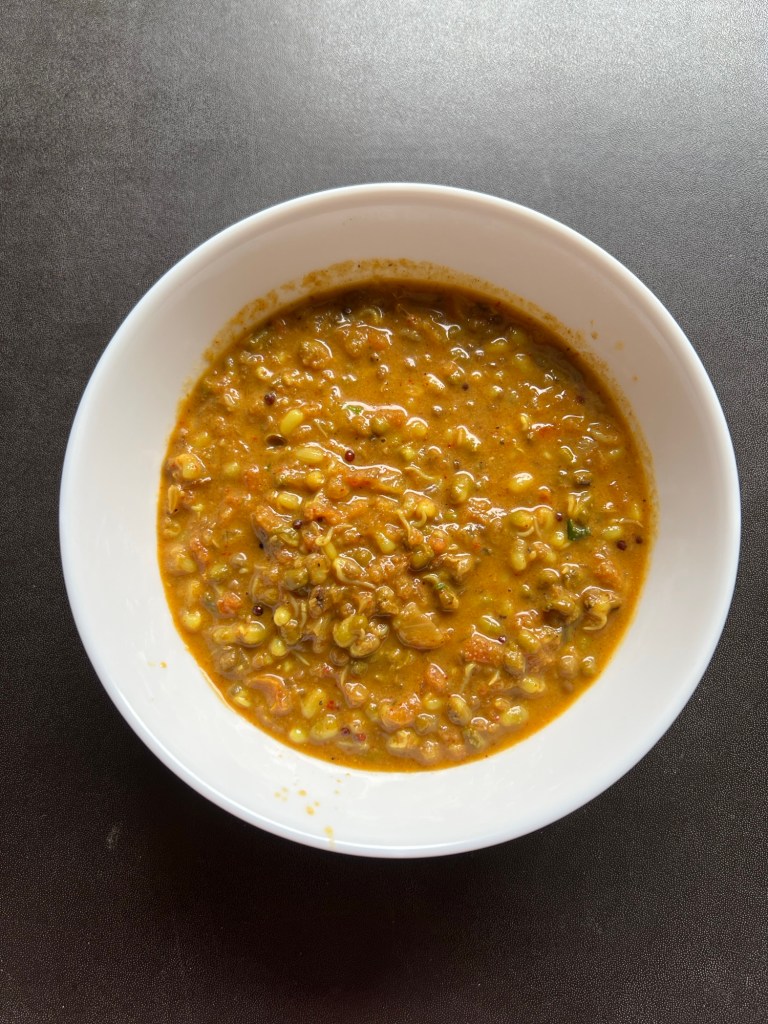
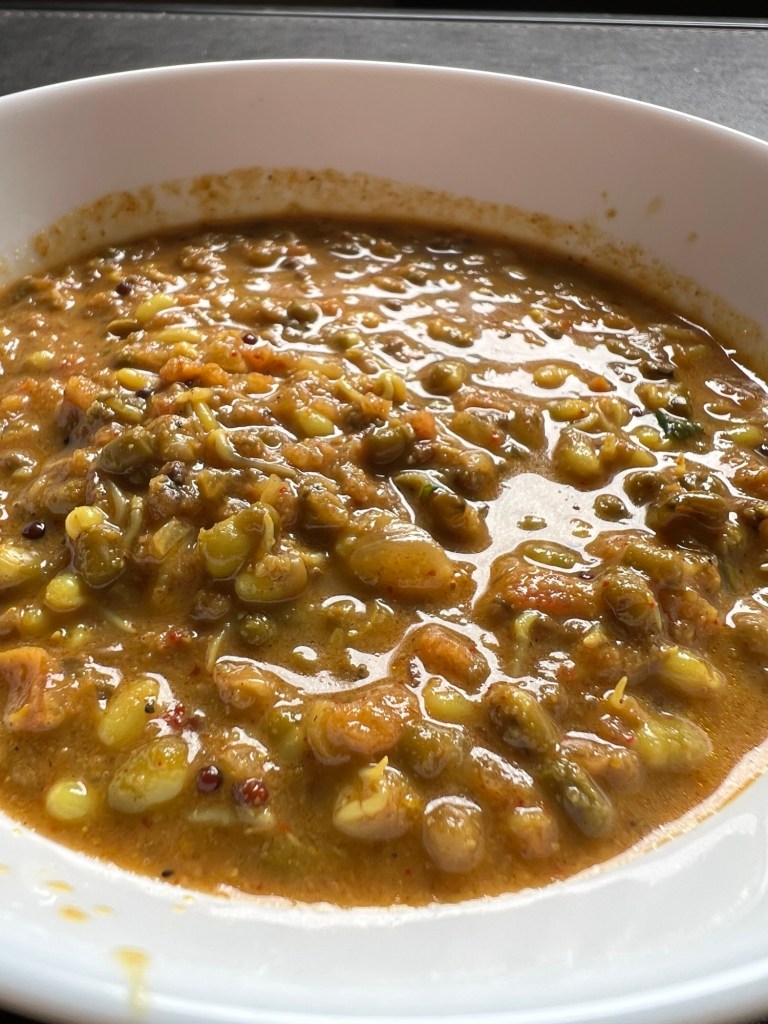
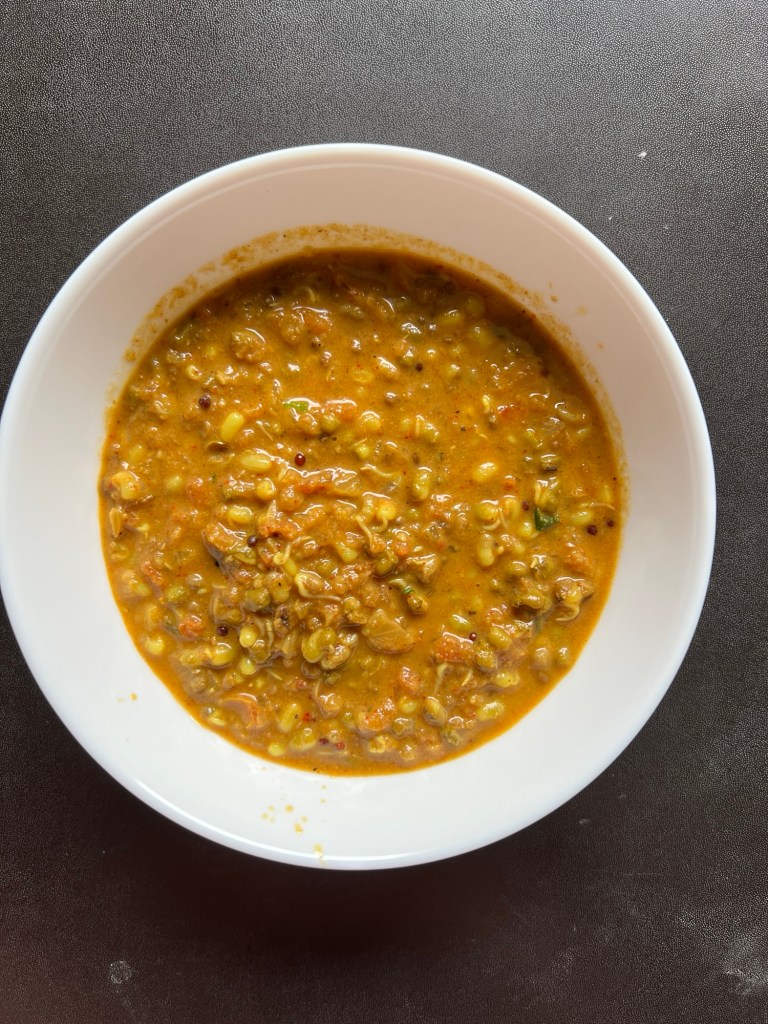
Recipes: Moth ani Mugachi Usal aka Sprouted Moong & Moth Curry

A powerhouse of nutrition, offering protein, fibre, and essential vitamins, this recipe is perfect for a balanced and wholesome meal. Served in all Maharashtrian homes, this usal is both spicy and healthy and even those who do not like sprouts will enjoy this dish. 

Sprouts are high in digestive enzymes that aid gut health, rich in *vitamins A, C, and K, boosting immunity, low in calories but high in protein and fibre, making them weight-loss-friendly, improve heart health by lowering cholesterol and blood pressure, and are great for blood sugar control due to their low glycemic index.

Moong sprouts made with whole green gram are high in protein, good for muscle repair and growth, and rich in folate, making them beneficial for pregnant women, easy to digest, suitable for all age groups, and help detoxify and promote glowing skin. Moth or Matki sprouts are packed with iron and folate, helping to prevent anaemia, are excellent for gut health, promote better digestion, are a good source of complex carbs, provide sustained energy, and are rich in antioxidants, supporting cell repair and reducing inflammation.  

Moth ani Mugachi Usal 

Ingredients:  

  • 1 cup sprouted moong or green gram  
  • 1 cup sprouted moth beans or matki  
  • 2 tbsp oil or ghee  
  • 1 tsp mustard seeds  
  • ½ tsp cumin seeds  
  • ¼ tsp asafoetida 
  • 1 sprig of curry leaves  
  • 2 green chillies, chopped  
  • 2 medium-sized onions, 1 finely chopped and 1 sliced
  • 1 medium-sized tomato, finely chopped 
  • 3-4 cloves of garlic
  • 1 inch piece of ginger
  • 2 tbsp coconut (either dry or fresh) 
  • ½ tsp turmeric powder  
  • 1 tsp red chilli powder  
  • 1 tsp goda masala 
  • 1 tsp coriander powder  
  • ½ tsp jaggery 
  • Salt to taste  
  • Water as needed
  • 2 tbsp grated coconut 
  • 2 tbsp fresh coriander leaves, chopped  

Method:

  • Wash and soak moong and moth beans overnight with enough water to cover the beans. In the morning, drain the beans and put them in a colander and keep covered for another 10-12 hours. Depending on the climate you are in, this make take less than 8 hours or upto 2 days to sprout. 
  • Heat 2 tbsp oil and in a pan and once the oil is hot, add the sliced onions, garlic and ginger and saute on medium flame until it changes colour slightly.
  • Then add the coconut and saute until it turns golden brown and the coconut is completely devoid of water. This is important because if the coconut is still fresh and wet, the curry may spoil if kept outside. You could also use dry coconut and if using dry coconut, just saute till it turns brown.
  • Cool completely and blend to a smooth paste adding enough water. Keep aside.
  • Heat oil in a pan. Add mustard seeds and let them splutter.  
  • Add cumin seeds, asafoetida, curry leaves, and chopped green chillies. Sauté for a few seconds.  
  • Add chopped onions and sauté until golden brown.  
  • Add tomatoes and cook until soft.  
  • Add turmeric, red chilli powder, coriander powder, and goda masala. Stir well.  
  • Add the sprouted moong and moth beans. Stir to coat them with spices.  
  • Add salt, jaggery (if using), and about ½ to 1 cup of water.  
  • Cover and cook for 10-15 minutes on low-medium heat until the sprouts soften but remain slightly crunchy.  
  • Garnish with finely chopped coriander leaves and serve hot with rice or rotis.
  • You can also squeeze a lemon wedge before eating for extra flavour. 

In My Hands Today…

Gene Eating: The Science of Obesity and the Truth About Diets – Giles Yeo

In an age of misinformation and pseudo-science, the world is getting fatter and the diet makers are getting richer. So how do we break this cycle that’s killing us all?

Drawing on the very latest science and his own genetic research at Cambridge University, Dr Giles Yeo has written the seminal ‘anti-diet’ diet book. Exploring the history of our food, debunking marketing nonsense and toxic diet advice, and confronting the advocates of ‘clean eating’, Dr Giles translates his pioneering
research into an engaging, must-read study of the human appetite.

Inspiring and revelatory, Gene Eating is an urgent and essential book that will empower us all with the facts we need to establish healthy relationships with food – and change the way we eat.

Recipes: Qubani ka Meetha

A traditional dessert from Hyderabad, Qubani ka Meetha is made from dried apricots and is often served during special occasions and festivals. Dried apricots are high in essential vitamins and minerals, particularly vitamin A, vitamin C, potassium, and iron and also contain antioxidants such as beta-carotene and polyphenols that help combat oxidative stress in the body, reducing the risk of chronic diseases.

Qubani Ka Meetha has a rich cultural heritage, particularly in Hyderabad, where it is often served at weddings, festivals, and special occasions like Eid. The dessert reflects the culinary traditions of the Mughal era, showcasing how dried fruits were used to create luxurious sweets that were both flavorful and visually appealing. I made this for the first time last year during Navaratri, and it was such a hit with GG & BB that they have made me make it a few more times since then.

Qubani ka Meetha

Ingredients:

  • 250 gms dried apricots
  • 2 cups (or more) water for soaking
  • ⅔ cup sugar (adjust to taste)
  • 1 tbsp lemon juice
  • Chopped almonds and pistachios for garnish (optional)

Method:

  • Rinse the dried apricots under running water to remove any impurities. Soak them in enough water to cover them overnight until they become soft and plump.
  • Drain the soaked apricots and reserve the soaking water. 
  • Either finely chop the apricots or run them through a chopper to chop them finely. Make sure you do not make it into a puree. 
  • In a saucepan, combine the soaked apricots with the reserved water. Add more water if needed. Cook on medium heat until the apricots are tender and can be easily mashe. This should take about 10 to 15 minutes.
  • Add sugar to the cooked apricots and mix well. Cook for another 5 to 10 minutes until the sugar dissolves completely and the mixture thickens slightly.
  • Stir in the lemon juice and mix well. 
  • Transfer the Qubani Ka Meetha to a serving dish. You can garnish with chopped nuts such as almonds and pistachios.
  • Serve warm or at room temperature, optionally with a dollop of fresh cream or a scoop of vanilla ice cream.