
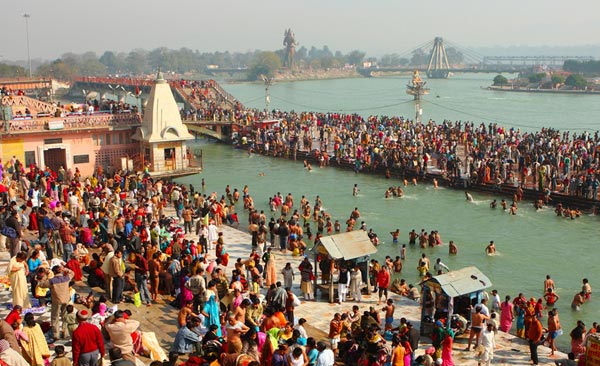
The Ganga Sagar Mela is one of India’s grandest and most spiritually charged festivals, taking place at the holy confluence of the Ganges River and the Bay of Bengal on Sagar Island, West Bengal. The festival attracts millions of devotees, saints, and tourists who gather to seek purification, find salvation, and celebrate.
The Ganga Sagar Mela is deeply rooted in Hindu mythology and legendary stories that have been passed down over millennia. The saga begins with King Sagar, whose 60,000 sons were cursed and reduced to ashes by Sage Kapil after mistaking him for a thief during their quest for a sacrificial horse. The souls of these princes could not attain moksha or liberation, leading their descendant King Bhagirath to undertake intense penance to bring the river Ganga from the heavens to earth. However, Ganga’s descent was so powerful that it threatened to destroy the earth. Lord Shiva agreed to absorb her mighty force in his matted locks or jata, allowing her to flow gently onto the world. Ganga finally touched earth at Gangotri, but it was at Sagar Island, where her waters merge with the Bay of Bengal, that Bhagirath was able to perform the necessary rites and liberate the souls of his ancestors. This epic tale is the heart of Ganga Sagar’s spiritual significance, and the location itself derives its name from King Sagar. The Ganges River is also called Bhagirathi in honour of King Bhagirath’s perseverance and devotion.
Various stories and beliefs enhance the festival’s allure. Local myth holds that a bath in the Ganga Sagar during Makar Sankranti washes away one’s sins and bestows salvation. It is believed that the Kapil Muni temple marks the exact spot where Sage Kapil meditated and the fateful incident with King Sagar’s sons occurred. The Mahabharata also references the importance of bathing at Ganga Sagar for spiritual merit, further entrenching its sacred reputation.
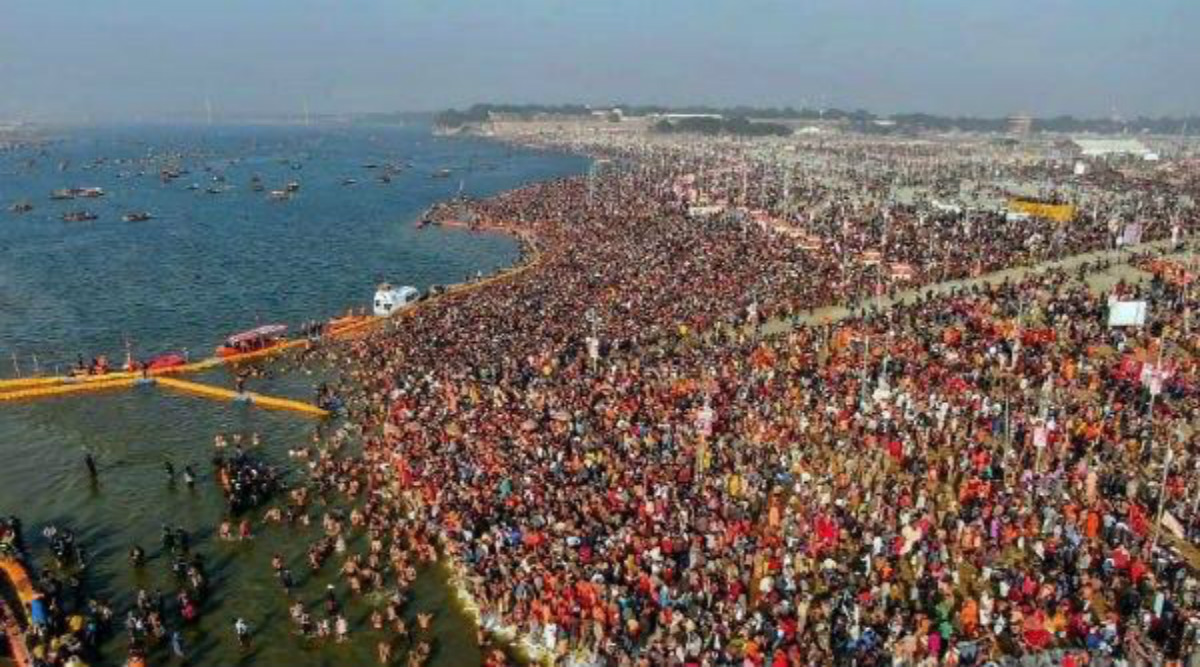
The Mela is celebrated with vital Hindu rituals, vibrant displays of spirituality, and a remarkable atmosphere of devotion. The central ritual is the holy dip, the Ganga Snan, in the river at sunrise on Makar Sankranti, which usually falls on 14 or 15 January each year. Pilgrims believe that submerging themselves in the sacred waters cleanses their souls and removes accumulated karma, paving the way for moksha. The dip is followed by prayers and offerings to Lord Surya, the Sun God and to the river goddess herself. After the bath, devotees visit the Kapil Muni Temple to offer prayers and seek blessings. Special pujas and arati ceremonies are conducted in the temple, commemorating Sage Kapil’s role in the legend. Other notable rituals include the lighting of diyas or oil lamps and the chanting of Sanskrit hymns at the riverbanks.
The festival attracts an immense number of ascetics, sadhus, and yogis, who set up camps and perform devotional chants, bhajans, and spiritual discourses. The presence of Naga sadhus, ascetic warriors, often draws attention due to their austere practices and distinctive appearance. Ganga Sagar Mela is not just a religious gathering; it’s a vibrant cultural fair with stalls selling offerings, handicrafts, spiritual artefacts, and local cuisine. The fairgrounds are abuzz with devotional songs, dance, and performances, showcasing the cultural heritage of Bengal. Charity and almsgiving, or daan, is considered highly auspicious, and devotees distribute food, clothing, and basic commodities to the needy. The observance of Shraddhas, which are the rituals for ancestors, by priests and devotees are an echo of Bhagirath’s original rites.
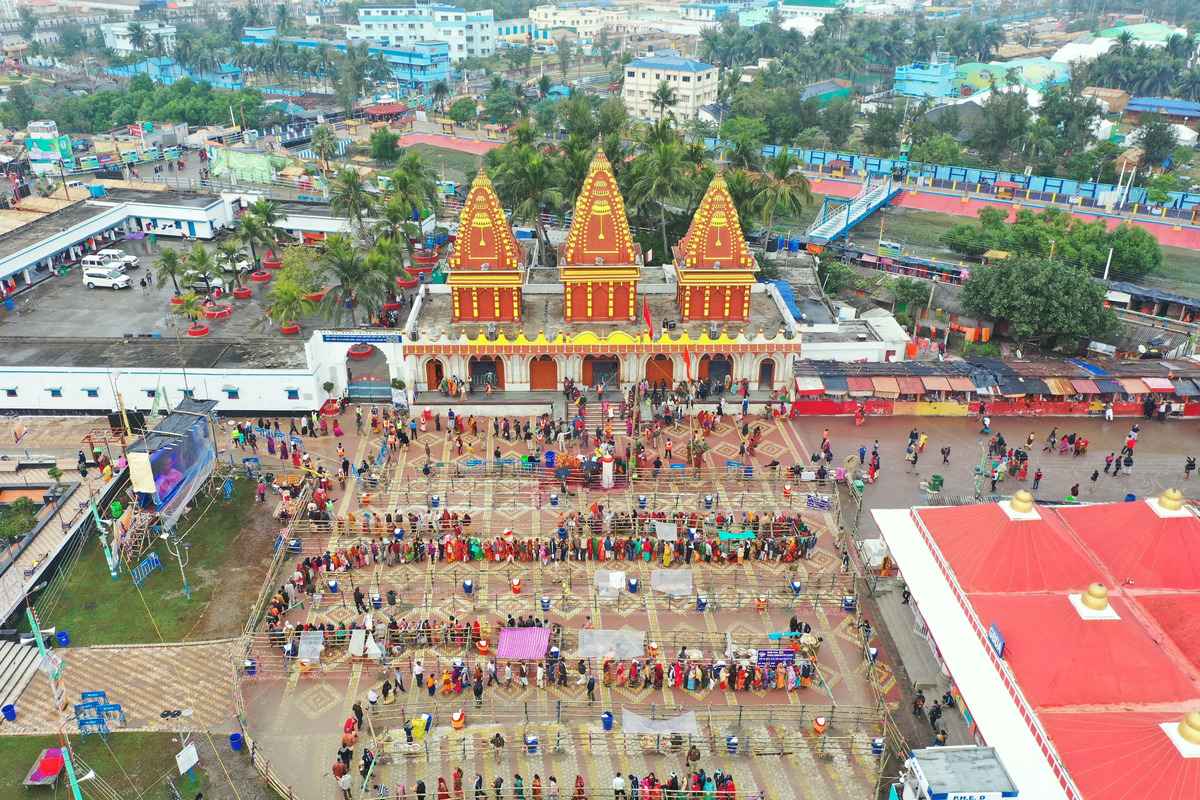
In recent years, Ganga Sagar Mela has grown exponentially, now welcoming millions, making it the second-largest Hindu festival after the Kumbh Mela. Local government and organisations facilitate safe logistics, tent accommodation, security, and healthcare for the multitude of pilgrims. Special transport arrangements, temporary shelters, and emergency medical services ensure smoother experiences amid the surge of crowds.
The festival is a magnificent tapestry of faith, unity, and tradition, representing the enduring power of mythology in the modern age. The Ganga Sagar Mela celebrates liberation from the cycle of reincarnation, a fundamental concept in Hindu philosophy. It demonstrates the profound relationship between the spiritual and the physical in Hindu belief: “the act of pilgrimage, communal worship, and the connection to ancient legends come alive every year”. The gathering is also an expression of cultural diversity, as devotees of every background, nationality, and sect converge at Sagar Island.
While the Ganga Sagar Mela itself is the centrepiece, the surrounding area offers further sites of interest. The Kapil Muni Temple is where pilgrims pay homage to the ancient sage, and many meditate there, seeking spiritual tranquillity. Sagar Lighthouse and Port is a scenic landmark providing views of the confluence and the crowds. The Ramakrishna Mission Ashram is a centre for spiritual study and service while the island’s serene beaches are a haven for reflection and relaxation amid the spiritual fervour.
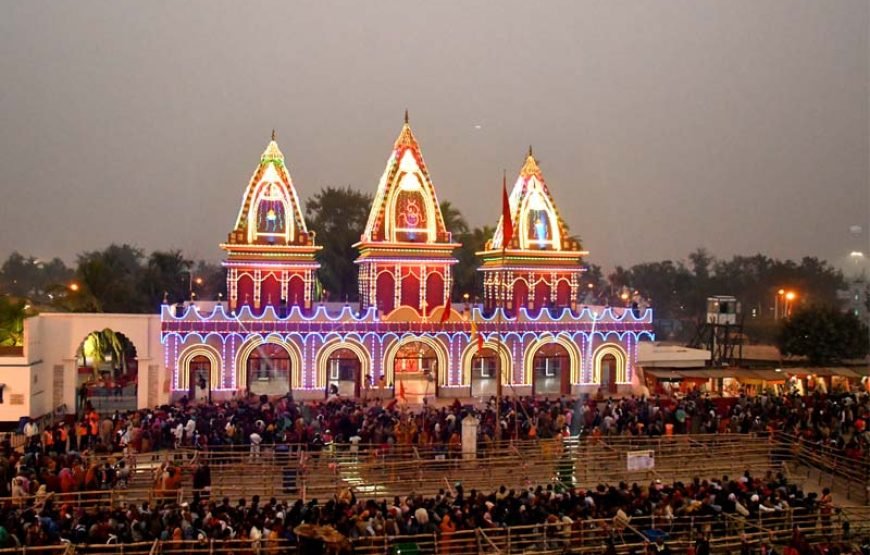
The Ganga Sagar Mela continues to cement its role as a cornerstone of spiritual unity and celebration in India. The myths and legends surrounding the event infuse the gathering with sacred meaning, while its rituals offer avenues for purification, devotion, and the hope of eternal liberation. Each year, as millions gather at Sagar Island, ancient stories are relived, traditions are renewed, and faith is reaffirmed—making the Ganga Sagar Mela an unforgettable tapestry of myth, ritual, and communal spirit.
 Memories and Such