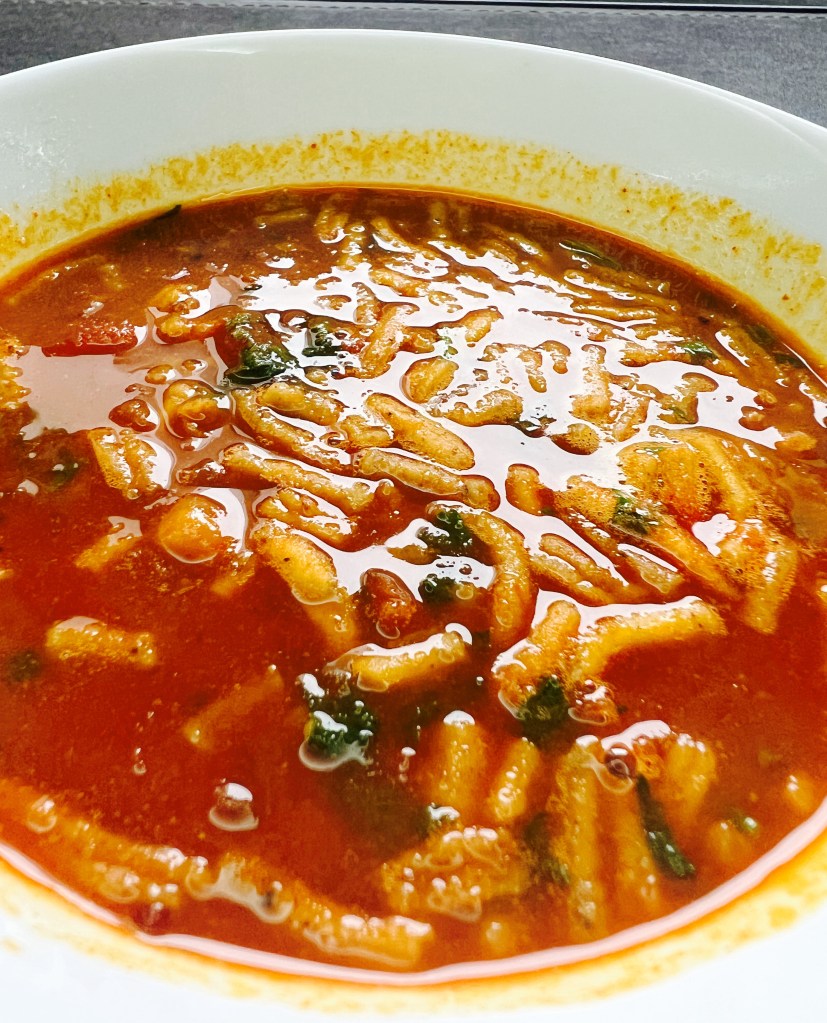
Recipes: Sev Tamatar ki Sabzi or Sev Tameta nu Shaak

For viewers of Tarak Mehta ka Ulta Chashmah, this recipe will be a familiar one. I ate this a long time ago when I was in school and then used to hear about it in shows and online. I was chatting with a friend the other day and she mentioned she had recently made the dish and I had cravings to make it. This is a fairly easy dish to make and from start to end, will not take more than 20-30 minutes, depending on the quantity you are making.

From the heartlands of Gujarat, this sabzi blends the sweetness and tartness of tomatoes with the crunch of savoury sev. Legend has it that the recipe originated in the kitchen of a Gujarati household, where the homemaker sought to create a delightful dish using the bounty of tomatoes from her garden. Faced with an abundant harvest, she combined tomatoes, spices, and a handful of sev to fashion a dish that was an instant hit with her family and the recipe soon spread like wildfire across the state. Today, this dish is a staple in Gujarati households, for its taste and ease of making from ingredients commonly found in an Indian kitchen. And because this does not use onions or garlic, this can be made even on festive days when you won’t use these ingredients. So let’s start making this yummy dish.

Sev Tameta nu Shaak or Sev Tamatar ki Sabzi

Ingredients:

  • 3 large ripe tomatoes, finely chopped
  • 1 cup sev or fried gram flour vermicelli
  • 2 tbsp oil
  • 1 tsp mustard seeds
  • 1 tsp cumin seeds
  • ¼ tsp asafoetida
  • 1 tbsp ginger and green chilli paste
  • ½ tsp turmeric powder
  • 1 tsp red chilli powder (adjust to taste)
  • 1 tsp coriander powder
  • 1 tsp cumin powder
  • Salt to taste
  • 2 tbsp jaggery or sugar
  • 1 cup water
  • Fresh coriander leaves to garnish

Method:

  • Heat oil in a pan over medium heat. Add mustard seeds, cumin seeds and asafoetida, letting them sizzle for a few seconds.
  • Then add the ginger and chilli paste and let it cook for a few seconds.
  • Add the finely chopped tomatoes to the pan and cook until they turn soft and mushy, stirring occasionally.
  • Reduce the heat to low and add turmeric powder, red chilli powder, coriander powder, cumin powder, and salt. Mix well and cook for 2-3 minutes.
  • Pour in the water and add jaggery or sugar. Stir until the jaggery dissolves completely.
  • Allow the curry to simmer on low heat for 5-7 minutes, allowing the flavours to meld together.
  • Add half the sev to the tomatoes and gently mix to coat the sev with the sauce.
  • Turn off the heat and garnish with fresh coriander leaves.
  • Just before serving, add the balance sev, so that there is still a crunch to the dish and serve hot with roti.

Notes: Don’t use the nylon sev used for bhelpuri and other chaat, instead use the thicker ones. This will mean that the sev does not dissolve in the sabzi and there is a bite. I also like to keep some sev separate so that as you dish it up, you add it as a garnish.
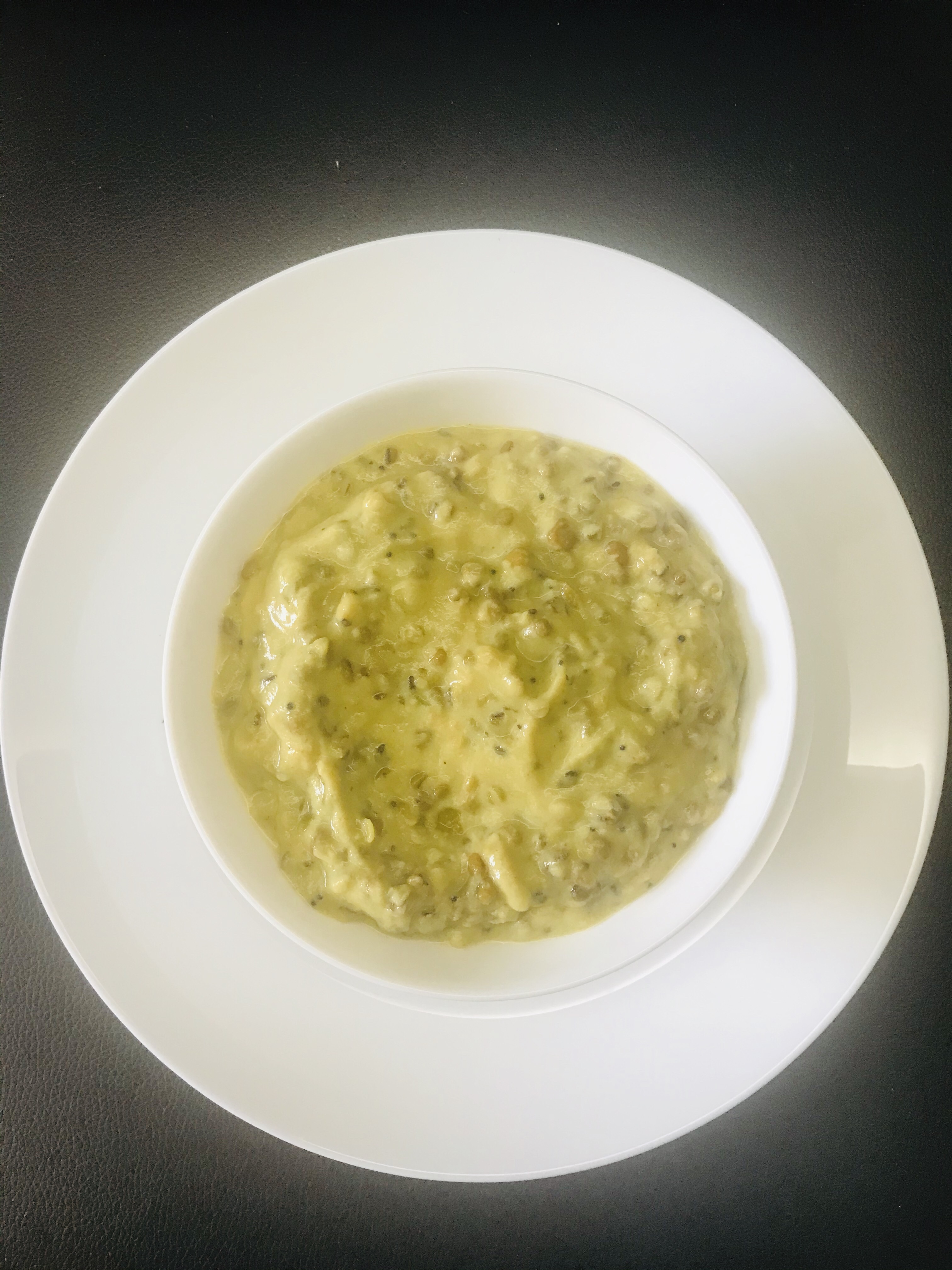
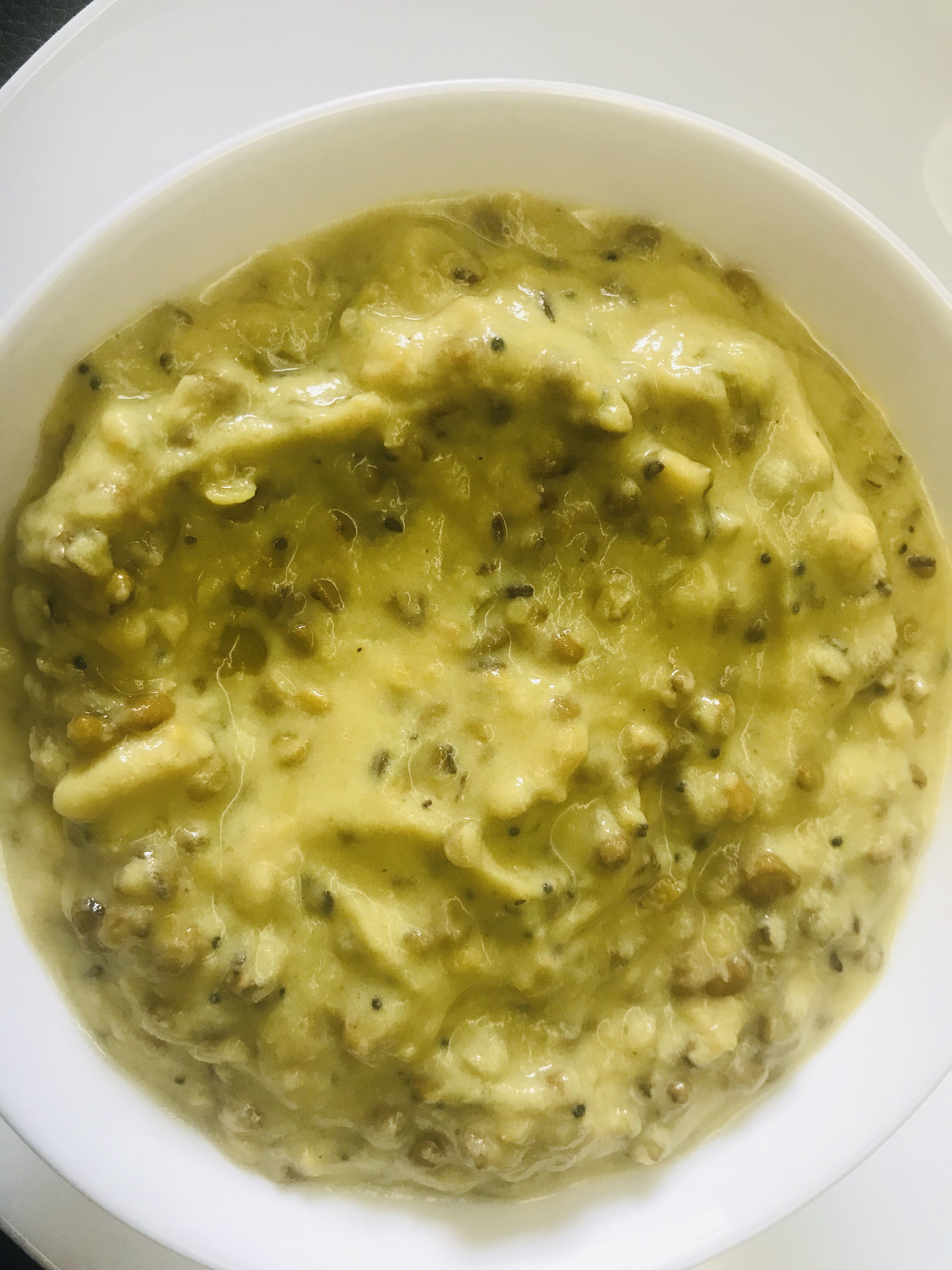
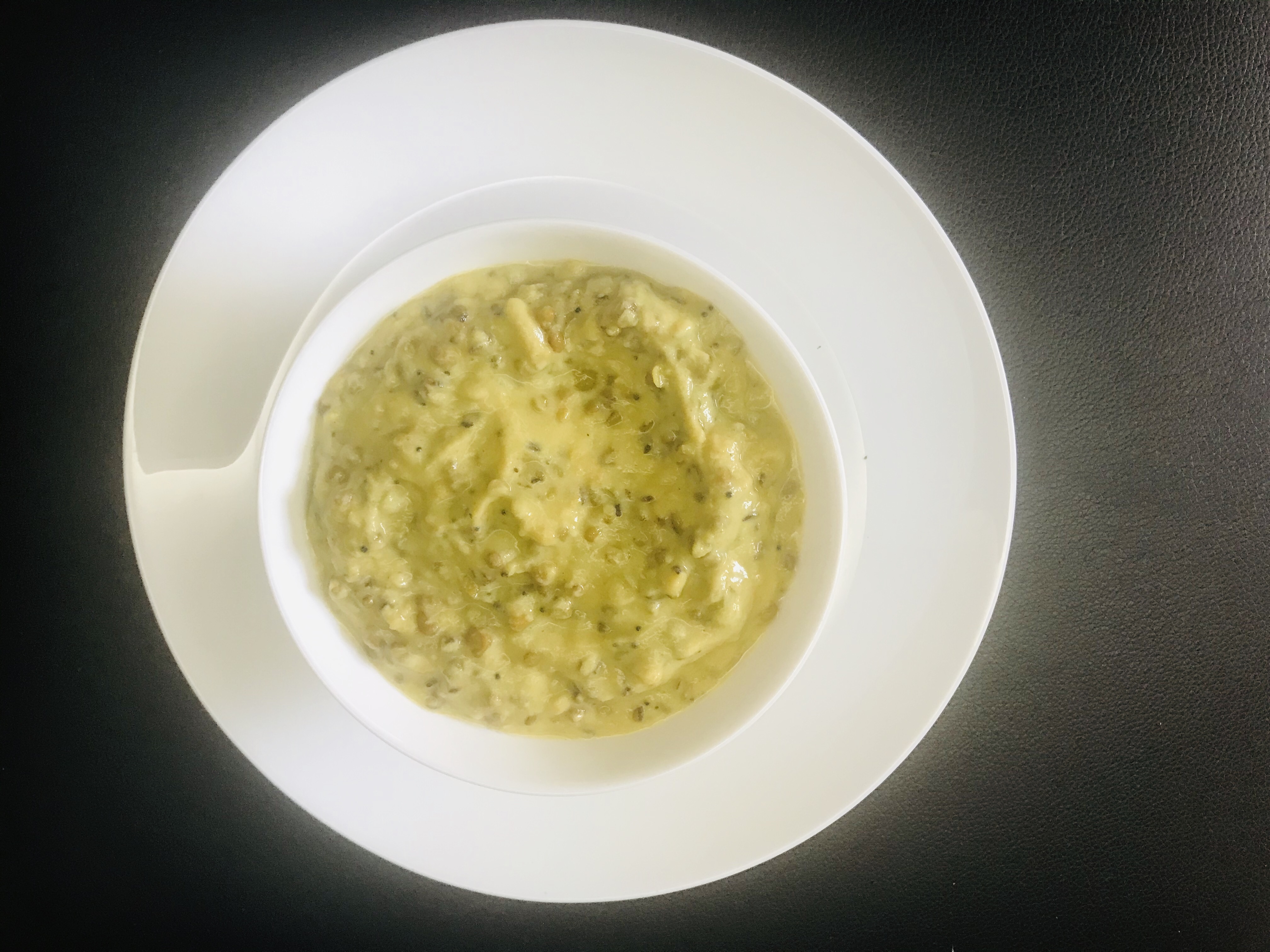
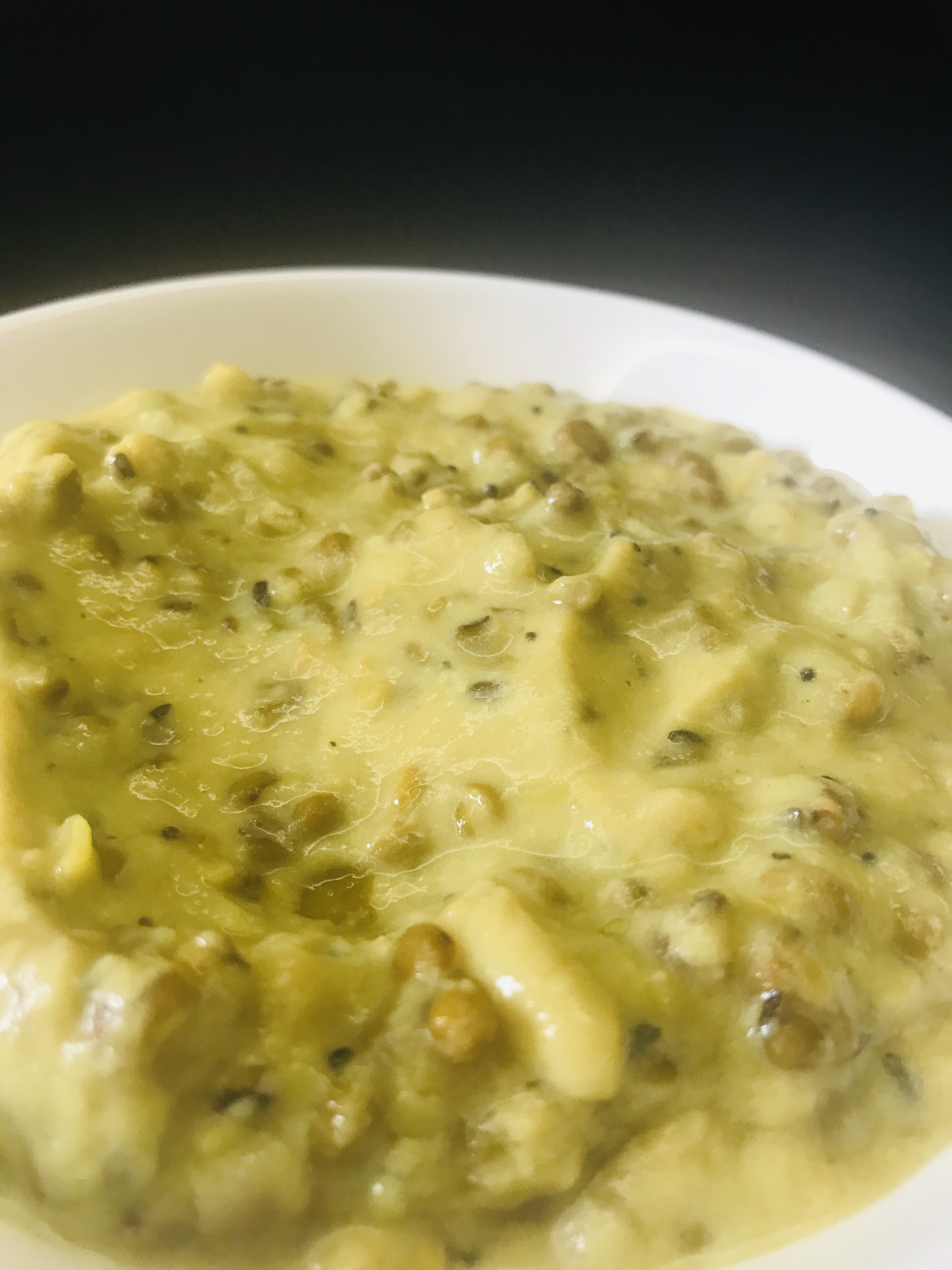
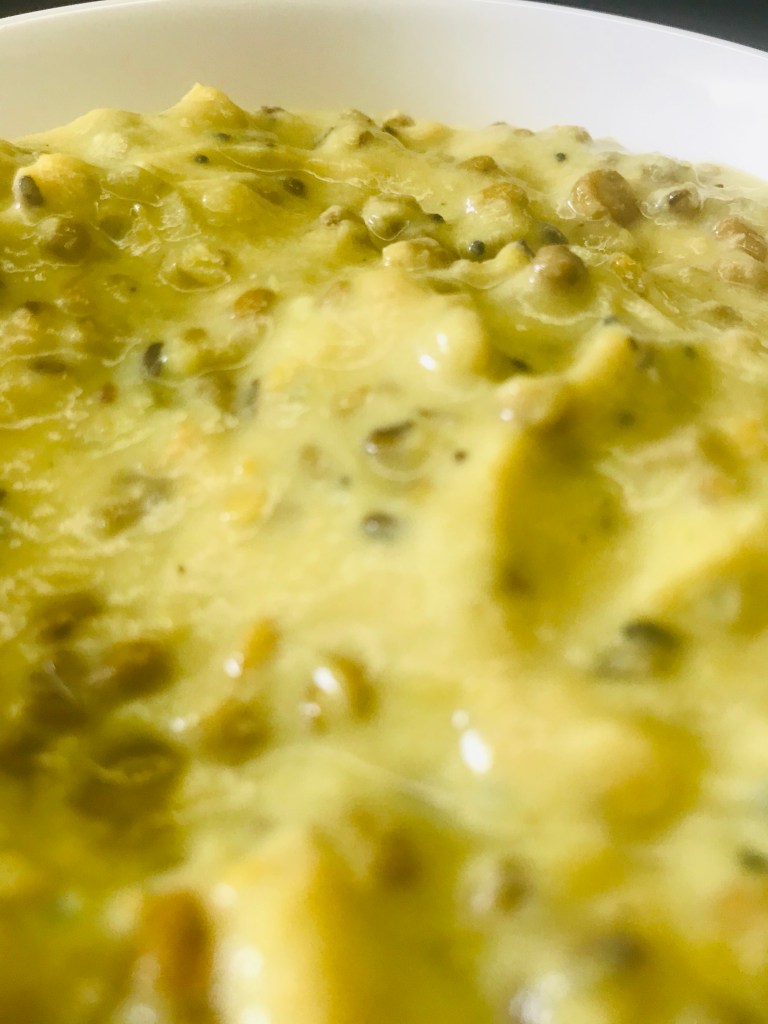
Recipes: Gujarati Khatta Mung aka Whole Green Gram Dal in a Buttermilk Gravy

Dal is a staple in most indian households with some variety of the protein packed dish made across the country. So, in order that we don’t get bored with the same kind of dal, I am always on the lookout for interesting takes and variations.

I saw this dal in one of my friend’s Facebook posts and it looked interesting enough to try it. My version may not be the most authentic one, but I enjoyed making and eating the dal. This is a staple in most Gujarati households, but you won’t find this in most restaurants. So let’s see how this is made…

Gujarati Khatta Mung aka Whole Green Gram Dal in a Buttermilk Gravy

Ingredients:

  • ½ cup whole green moong dal, soaked for 4-6 hours
  • ½ to 1 cup yoghurt
  • 2-3 tbsp gram flour or besan
  • ¼ tsp turmeric powder
  • ¼ tsp asafoetida
  • 1 tsp mustard seeds
  • 1 tsp cumin seeds
  • 5-6 curry leaves
  • 1-inch piece of minced ginger
  • 2 green chillies, slit lengthwise
  • 1 tbsp oil
  • Salt to taste
  • Coriander leaves, finely chopped to garnish

Method:

  • Drain the soaked moong dal and in a large pan, cook the soaked and drained moong dal with just enough water to cover it for about 5-7 minutes until it is just cooked and tender. Make sure it does not get mushy.
  • In a separate bowl, whisk the yoghurt well and add the gram flour, turmeric powder, asafoetida, some salt and about a cup of water and whisk till it is smooth with no lumps. Keep aside.
  • Heat oil in another pan and when the oil warms, add the mustard seeds and let the seeds crackle. Then add the cumin seeds and stir for a couple of seconds, followed by the curry leaves. Stir till the curry leaves start to become crisp. Then add the slit green chilles and the ginger and saute for about 30-40 seconds.
  • Now add the cooked moong dal into this tempering and then the yoghurt gram flour mixture and allow everything to come to a nice rolling boil. Let this simmer on a low flame for about 5 minutes.
  • Check for seasoning and add salt if needed.
  • Turn off the flame and garnish with finely chopped coriander leaves and serve hot with rice and a simple vegetable stir fry for a homely lunch.

Recipes: Dal Dhokli

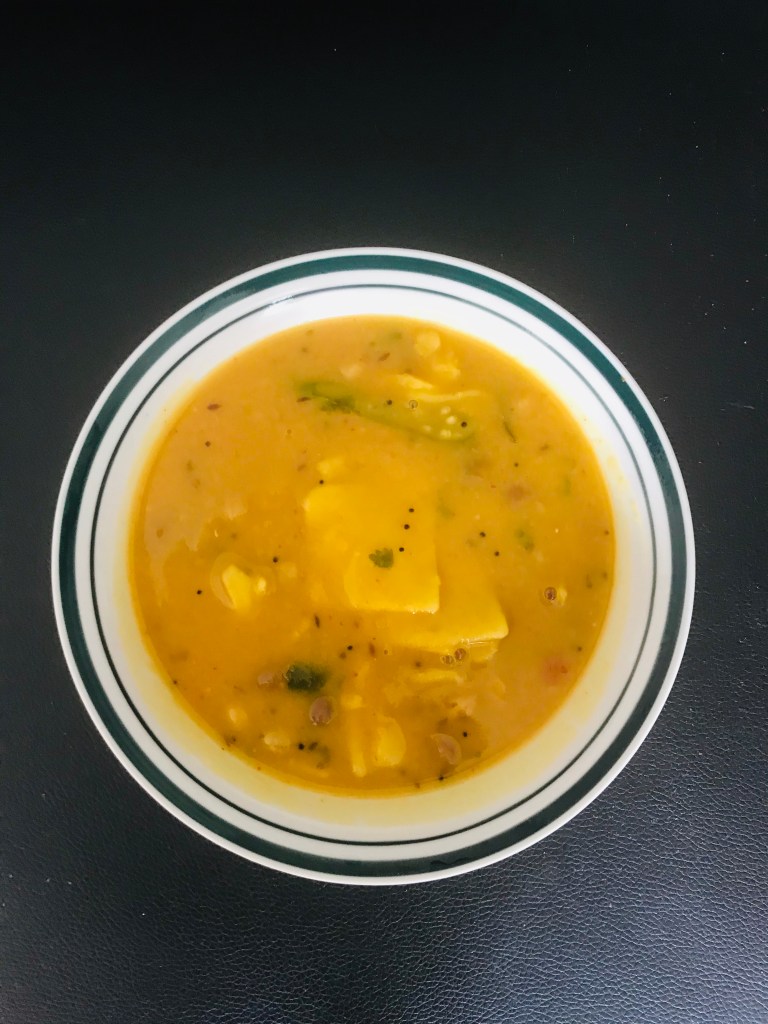
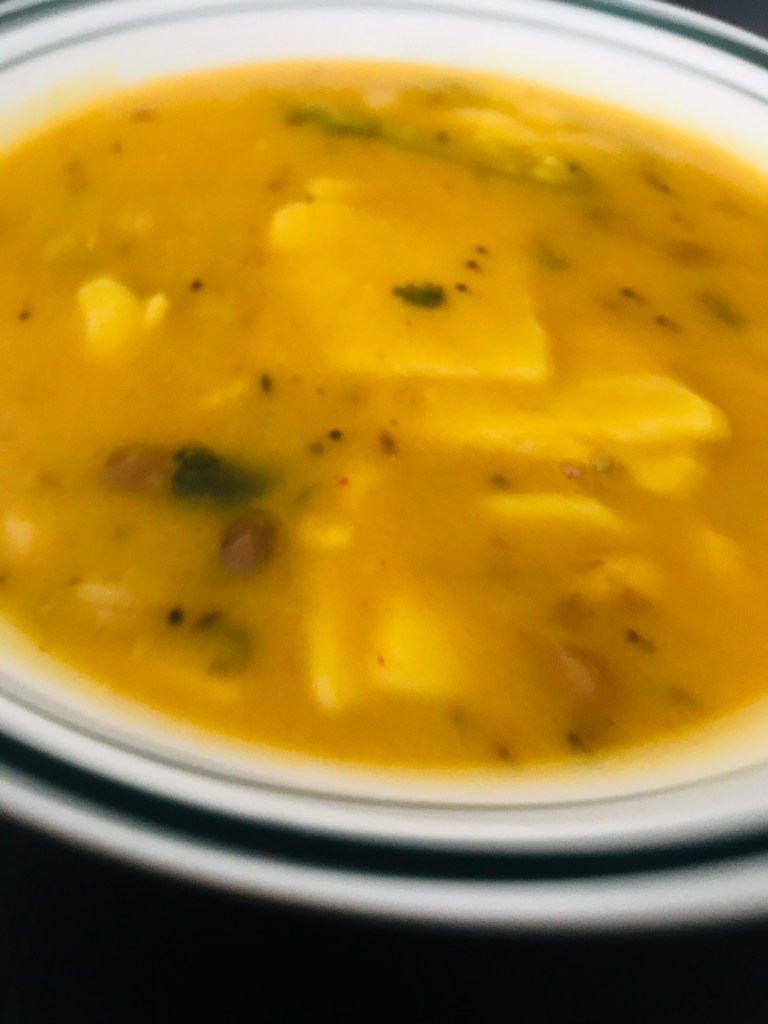
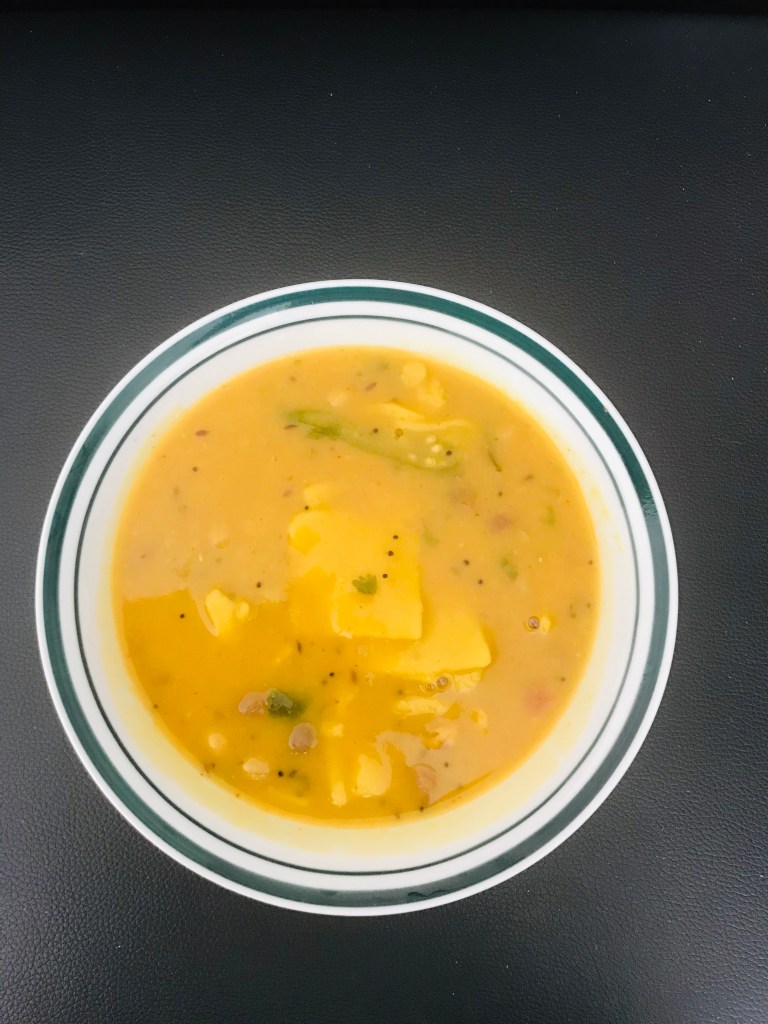
Dal Dhokli is a warm and comforting food from Gujarat. One day, during Singapore’s Circuit Breaker, I woke up with a craving for a dish I had never made. So I decided to make it and this dish pleasantly surprised me. It was warm and comforting and a wonderful addition to my repertoire. You can have this as a hearty soup like we did or over rice as some people do.

Dal Dhokli

Ingredients:

1 cup Toovar Dal, washed
½ tsp turmeric powder
1 tsp red chilli powder
1 tomato
4-5 cups water plus more, as needed
1 tsp jaggery
2-3 tbsp lemon juice
4 tbsp raw peanuts
1 cup whole wheat flour or atta
2 tbsp chickpea flour or besan
1 tsp caraway seeds or ajwain
2 tbsp ghee
1 tbsp oil
2 green chillies, slit lengthwise
1 tsp mustard seeds
¼ tsp asafoetida powder
1 sprig curry leaves
Salt to taste
Finely chopped coriander leaves to garnish

Method:

Soak about 2 tbsp of the raw peanuts in hot water for 15 minutes, drain and keep aside.
Wash the dal thoroughly and cook it in the pressure cooker along with ¼ tsp turmeric powder, 1 tsp red chilli powder, 2 tbsp peanuts, the tomato which has a cross made on the stem and about 3-4 cups of water.
Pressure cook it for some 4-5 whistles until the dal is completely mushed. If using the stove top, cook until the dal has broken down completely.
Let the pressure be released and then once the cooker can be opened, carefully remove the tomato, peel the skin which should have started to come out and then put the tomato back into the dal.
Whisk the dal until the dal, tomatoes and the peanuts are completely mixed into a mixture. Keep aside.
Kneed the atta, besan, ajwain, ¼ tsp turmeric powder, oil and salt into a soft dough. Keep aside.
Add the jaggery and another cup or two of water and mix well. Put this back into the flame and cook the dal on a slow simmer.
Make small balls from the dough and roll it into a thin circle or chapati.
Cut the chapatti into largish pieces or even strips.
Add these pieces into the simmering dal and add more water if needed.
Let the pieces cook for another 10 mins on a low flame on simmer.
In a small pan heat the ghee and once the ghee is warm, add the mustard seeds and let it crackle. Then add the asafoetida and then the balance peanuts, the curry leaves and the green chilli let the leaves crackle and the chilli start to brown.
When the peanuts become crisp, pour this tempering over the Dal Dhokli and switch off the gas. Add the lemon juice and garnish with coriander leaves.
Serve hot.

Notes: This dish does not keep well as the dough pieces tend to stick together after a while. If you plan on serving this later, then make the dal and about 10 minutes before serving, add the dough pieces and simmer before serving. Add more water if needed as the dough pieces will soak up the water in the dish.