
In the Bollywood film “Jab We Met,” the female lead, Geet, delivers a line that resonates deeply with many, including yours truly! After I saw this movie, this line became my statement. What was the line? The line was, “I am my own best friend.” This simple yet profound statement encapsulates the essence of self-love and the importance of finding contentment within oneself. For introverts, who often find solace in solitude and introspection, this line serves as a powerful reminder of the value of self-companionship.
Being your own best friend means developing a deep and nurturing relationship with yourself. It involves recognising your worth, embracing your strengths and weaknesses, and treating yourself with the same kindness and compassion that you would offer to a close friend. This concept is particularly relevant for introverts, who often thrive in environments that allow introspection and self-reflection.

When you become your own best friend, you build a strong foundation of emotional resilience. You learn to rely on yourself for comfort and support, which can be especially valuable during challenging times. Embracing self-companionship fosters self-acceptance. You learn to appreciate your unique qualities and quirks, and you become more forgiving of your imperfections. Being your own best friend cultivates a sense of independence. You become less reliant on external validation and more confident in your ability to navigate life’s ups and downs on your terms. Developing a positive relationship with yourself leads to inner peace. You create a safe and nurturing space within your mind, where you can retreat and recharge.
Introverts often find themselves energised by solitude and introspection. They derive strength from within and are more attuned to their inner world. For introverts, being their own best friend is not just a choice but a necessity. It allows them to thrive in a world that often values extroverted qualities.
Introverts recharge their energy through solitude. Being their own best friend means they can fully embrace and enjoy their alone time without feeling lonely or isolated. Solitude provides introverts with the opportunity for self-discovery. They can explore their thoughts, feelings, and passions without external distractions. Many introverts find that their creativity flourishes in solitude. Being their own best friend allows them to tap into their creative potential and express themselves authentically. Introverts are naturally inclined towards mindfulness and introspection. Developing a positive relationship with themselves enhances their ability to stay present and mindful.

Cultivating self-companionship is a journey that requires intentional effort and practice. Self-care is the foundation of self-companionship. It involves taking deliberate actions to nurture your physical, emotional, and mental well-being.
Physical self-care or a regular physical activity that you enjoy, whether it’s yoga, walking, dancing, or any other form of exercise, boosts your mood and energy levels. Nourish your body with healthy and balanced meals. Pay attention to how different foods make you feel and choose those that energize and sustain you. Prioritise rest and sleep. Create a bedtime routine that promotes relaxation and ensures you get enough restorative sleep.
Emotional self-care includes journaling, where you can keep a journal to express your thoughts and emotions. Writing can be a therapeutic way to process your feelings and gain clarity. Practice mindfulness techniques such as meditation, deep breathing, or guided imagery. These practices help you stay present and reduce stress. Set healthy boundaries in your relationships and activities. Learn to say no when necessary and protect your emotional well-being.
To care for yourself mentally, engage in reading books that inspire and uplift you. Reading can be a great way to expand your knowledge and stimulate your mind. Pursue hobbies and activities that bring you joy and fulfilment. Whether it’s painting, gardening, or playing a musical instrument, make time for activities that nourish your soul. Continuously seek opportunities for learning and personal growth. Take up new courses, attend workshops, or explore new interests.
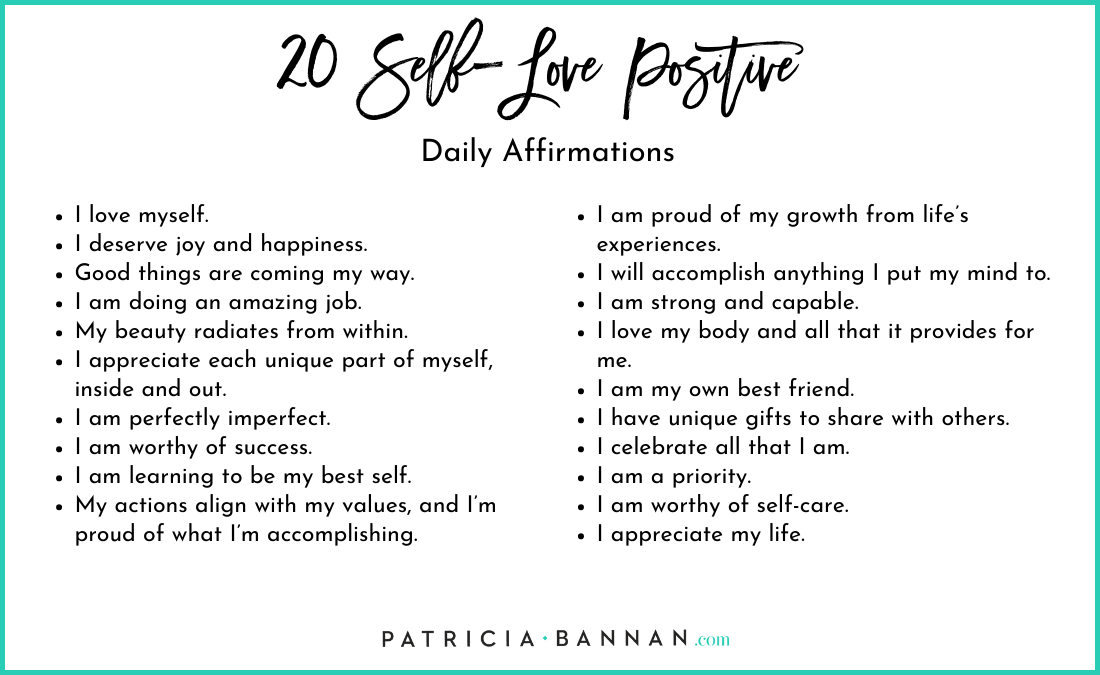
The way you talk to yourself has a profound impact on your self-esteem and overall well-being. Cultivate positive self-talk by being mindful of your inner dialogue and replacing negative thoughts with affirming ones.
Start your day with positive affirmations. Repeat statements that reinforce your self-worth and capabilities, such as “I am enough,” “I am capable,” and “I am deserving of love and happiness.” Practice gratitude by acknowledging the things you appreciate about yourself and your life. Keep a gratitude journal and write down three things you’re grateful for each day.
Treat yourself with the same kindness and compassion that you would offer to a friend. When you make a mistake, remind yourself that it’s okay to be imperfect. Forgive yourself for past mistakes and shortcomings. Let go of self-criticism and embrace self-acceptance.
The Danish concept of hygge, pronounced “hoo-gah” is all about creating a cosy and inviting atmosphere that promotes well-being and contentment. Incorporating hygge into your daily life can enhance your sense of self-companionship.
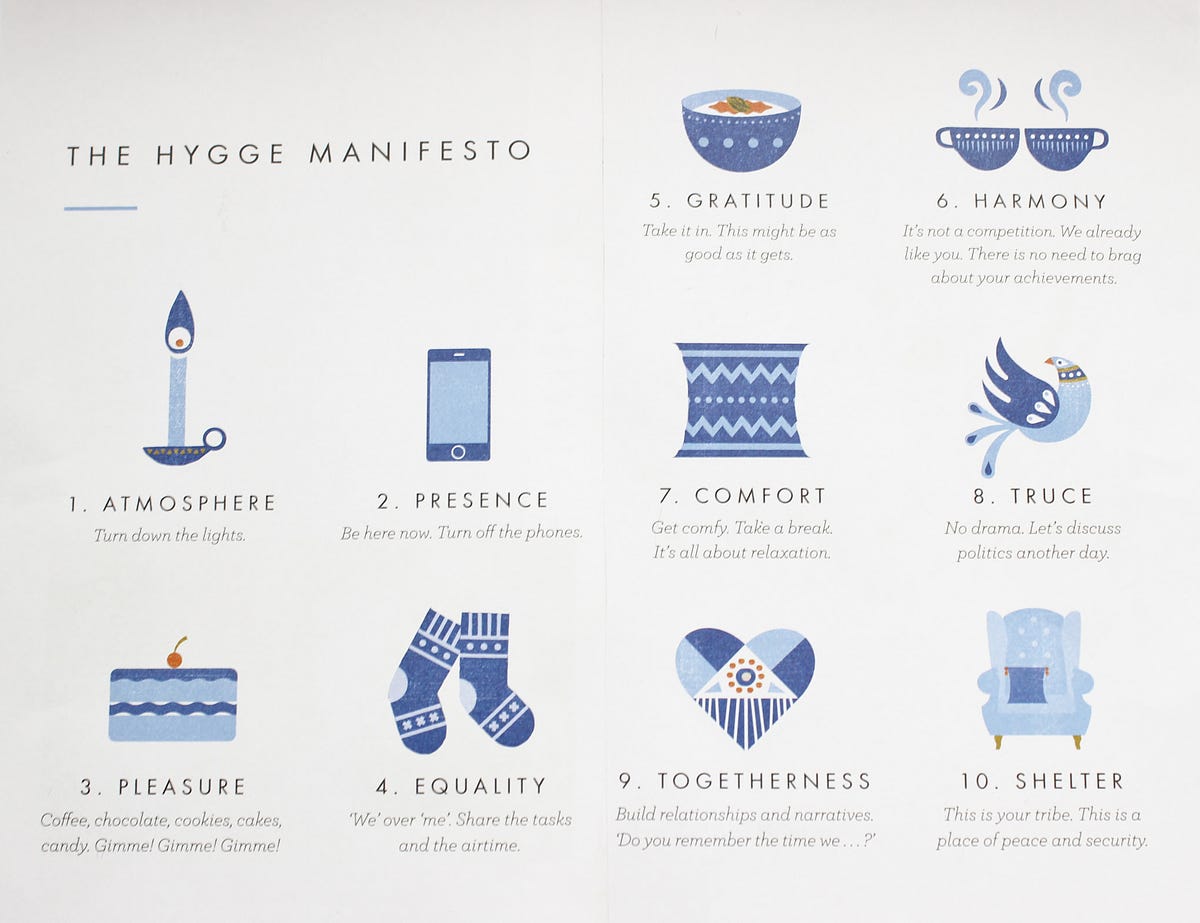
Use soft, warm lighting such as candles, string lights, or lamps with dimmers to create a cosy ambience. Add plush blankets, pillows, and rugs to your living space. These elements create a sense of warmth and comfort. Incorporate natural elements like plants, flowers, and wooden decor to bring a touch of nature indoors.
Indulge in comforting food and drink, such as a cup of hot cocoa, a bowl of soup, or freshly baked bread. Savour these simple pleasures mindfully. Take time to enjoy the present moment. Whether it’s sipping your morning coffee, reading a book, or taking a walk in nature, be fully present and appreciate the experience.
Creative activities provide a therapeutic outlet for self-expression and can be a wonderful way to connect with yourself. Explore painting, drawing, or other forms of visual art. Allow yourself to create without judgment or expectations. Write stories, poems, or personal reflections. Writing can be a powerful way to process your thoughts and emotions. Engage in knitting, crocheting, or other crafting activities. These hobbies can be relaxing and satisfying. Take on DIY projects that interest you, such as home decor, gardening, or upcycling old items.

Mindfulness and meditation are powerful practices that can help you stay grounded and connected to yourself. Set aside time each day for meditation. Focus on your breath, observe your thoughts without judgment, and cultivate a sense of inner peace. Practice deep breathing exercises to calm your mind and body. Inhale deeply through your nose, hold for a few seconds, and exhale slowly through your mouth. Perform a body scan meditation to bring awareness to different parts of your body. This practice can help you release tension and promote relaxation.
While being your own best friend is important, fostering meaningful connections with others can also enhance your sense of well-being. Spend quality time with family and friends engaging in activities you enjoy together, such as cooking, hiking, or playing games. Have meaningful conversations with loved ones. Share your thoughts, feelings, and experiences, and listen actively to theirs. Surround yourself with supportive and positive people who uplift and encourage you. Get involved in your community by joining clubs, groups, or organizations that align with your interests and values.
Embracing solitude and reflection allows you to connect with your inner self and gain clarity. Keep a journal to reflect on your thoughts, experiences, and goals. Journaling can provide insights and help you process your emotions. Take solitary walks in nature to clear your mind and connect with the natural world. Use this time for introspection and self-discovery.
Dedicate time each day to unplug from digital devices and social media. Use this time for self-reflection, relaxation, and meaningful activities. Be mindful of the content you consume online. Choose content that inspires, educates, and uplifts you.

Being your own best friend is a journey of self-discovery, self-acceptance, and self-love. For introverts, this journey is especially meaningful, as it aligns with their natural inclination towards introspection and solitude. By practising self-care, cultivating positive self-talk, creating a hygge-inspired environment, engaging in creative pursuits, prioritizing mindfulness, fostering meaningful connections, and embracing solitude, you can develop a deep and nurturing relationship with yourself.
Remember, the journey to self-companionship is unique for each individual. Embrace the process with patience and compassion, and celebrate the small victories along the way. As you become your own best friend, you’ll find that you are better equipped to navigate life’s challenges, cultivate inner peace, and create a fulfilling and joyful life.




 Memories and Such