Sacred Stones, Spaces and Stories: Shakthipeeta Part 3

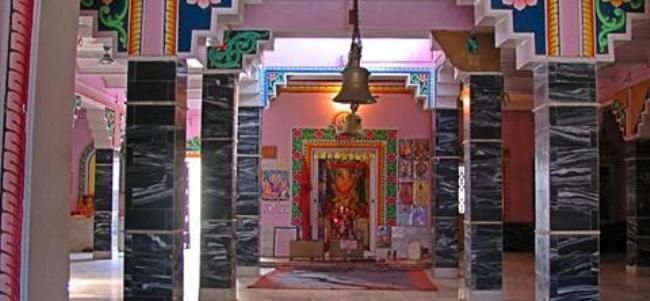
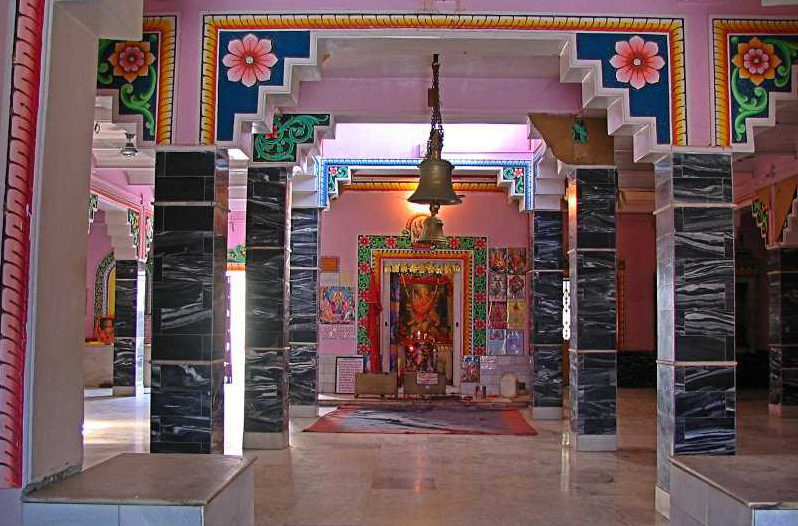
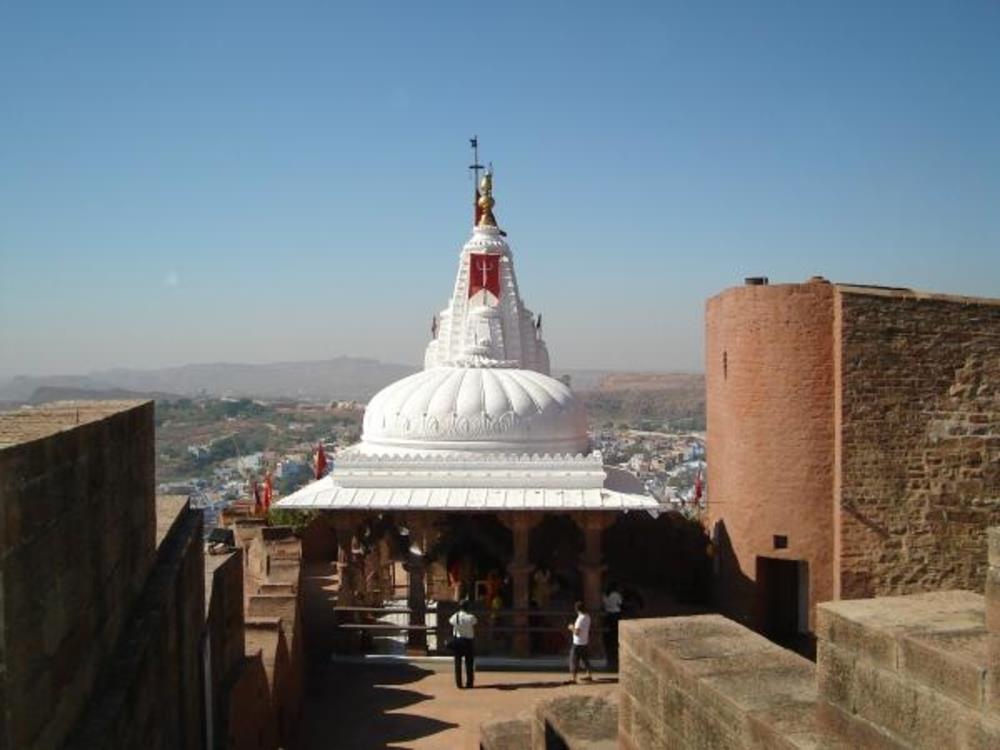
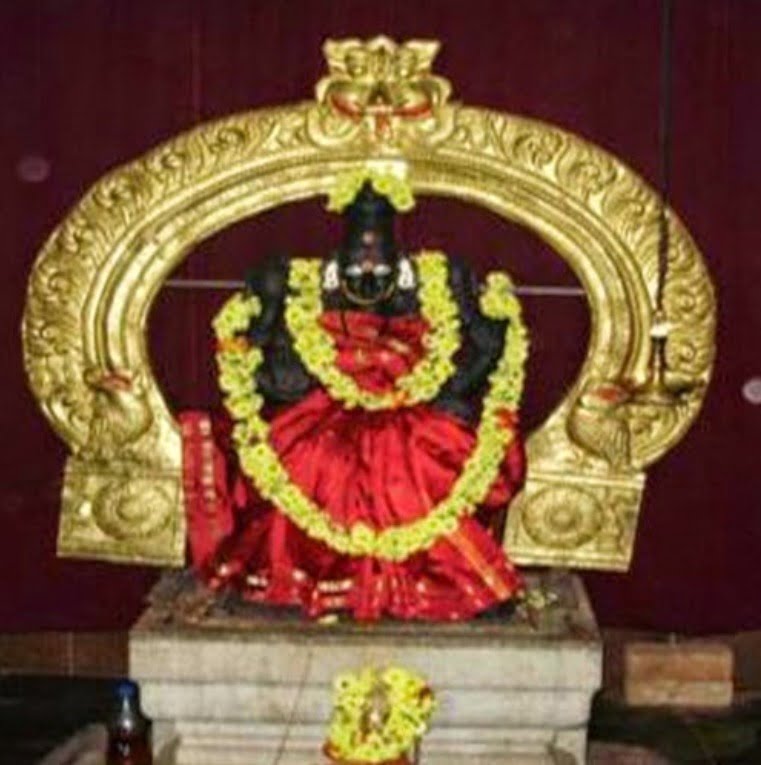
Vimala Temple, Puri, Odisha
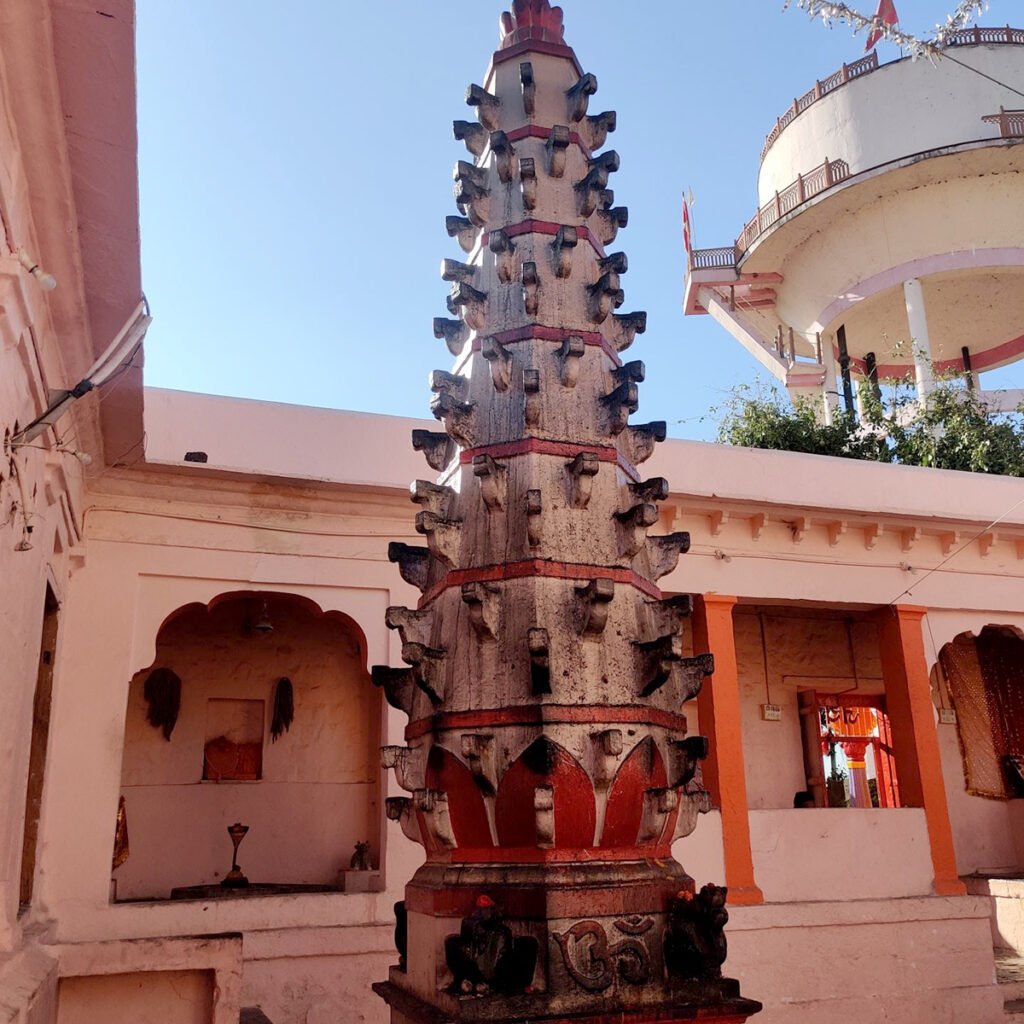
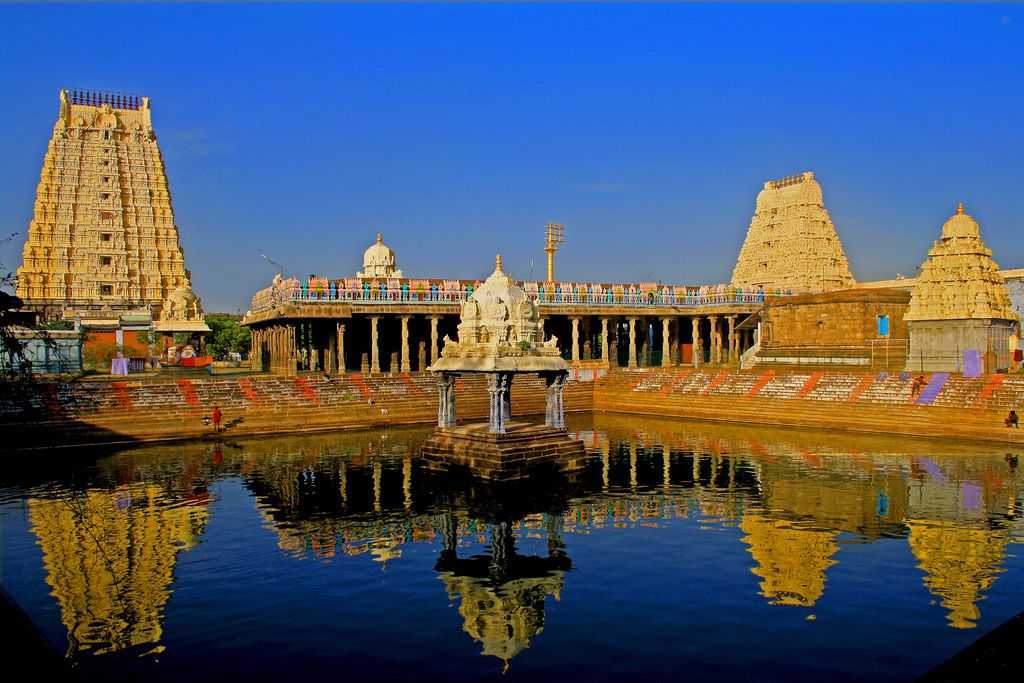
Nestled within the renowned Jagannath Temple complex in Puri, the Vimala Temple is an ancient shrine, dedicated to Goddess Vimala, also known as Bimala. The Vimala Temple’s origins stretch back centuries, with the central icon of the goddess dating to the 6th century. However, the current structure, based on its architectural style, is believed to have been constructed in the 9th century during the reign of the Eastern Ganga dynasty. This temple was likely built upon the ruins of an earlier shrine, showcasing the site’s long-standing spiritual significance.

According to the Madala Panji, a chronicle of the Jagannath Temple, the temple was constructed by Yayati Keshari, a ruler of the Somavashi Dynasty of South Kosala. This could refer to either King Yayati I (c. 922–955) or Yayati II (c. 1025–1040), known as Yayati Keshari. Interestingly, some scholars believe that the Vimala Temple may predate even the central Jagannath shrine, highlighting its paramount importance in the religious landscape of Puri.

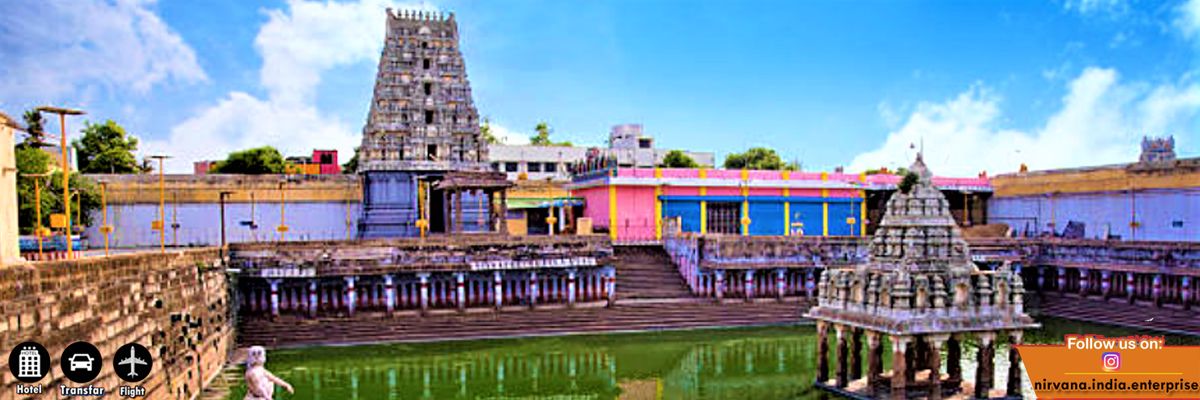
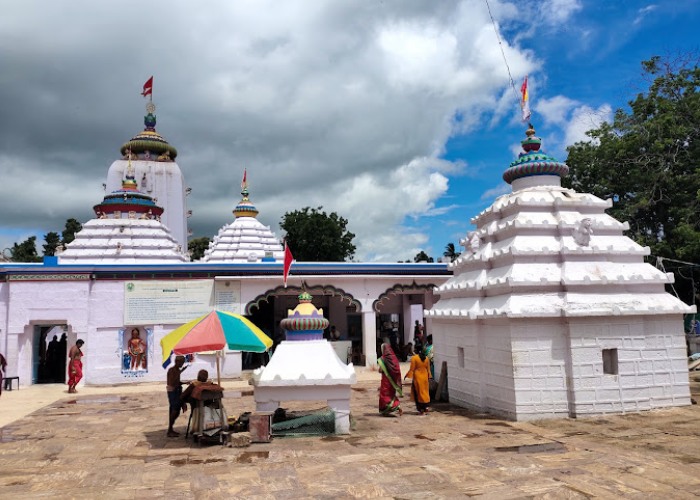
The Vimala Temple is a masterpiece of Odishan temple architecture, built in the distinctive Deula style. The temple complex consists of four main components. The Vimana is the structure containing the sanctum sanctorum while the Jagamohana is the assembly hall. The Nata-mandapa is the festival hall and the Bhoga-mandapa is the hall of offerings. Constructed primarily of sandstone and laterite, the temple faces east and is situated in the south-west corner of the inner enclosure of the Jagannath temple complex, next to the sacred Rohini Kunda pond.

The temple’s architecture bears similarities to the 9th-century shrine of Narasimha near the Mukti-mandapa in the Jagannath temple complex, further supporting its dating. The intricate carvings on the temple walls and the unique architecture offer visitors a glimpse into the rich artistic traditions of ancient Odisha. In 2005, the temple underwent significant renovations to preserve its original grandeur while enhancing visitor accessibility. Today, it is maintained by the Archaeological Survey of India, Bhubaneswar Circle, ensuring its continued preservation for future generations.

The Vimala Temple holds a special place among Hindu shrines as one of the four Adi Shaktipeethas, considered the oldest and most significant among all Shakti Peethas. According to tradition, this site is where Sati’s navel fell after her body was dismembered. However, another popular belief claims it was Sati’s left foot that fell at this location.

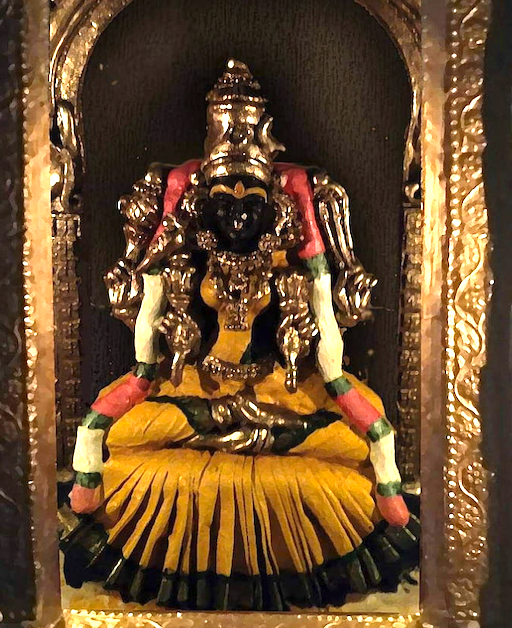
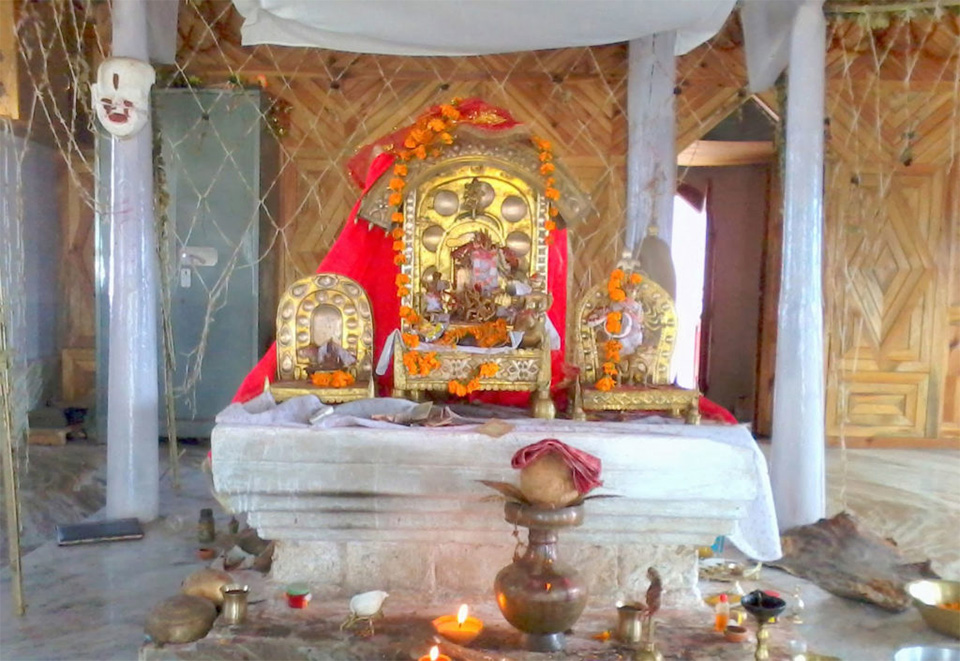
Several features set the Vimala Temple apart from other shrines. The temple holds particular importance for followers of Tantric traditions and Shakta worshippers, who revere it even more than the main Jagannath shrine. Goddess Vimala is considered the tantric consort of Lord Jagannath and is believed to be the guardian of the entire temple complex. Devotees traditionally pay respect to Goddess Vimala before worshipping Lord Jagannath in the main temple. The food offered to Lord Jagannath is not considered Mahaprasad until it has been offered to Goddess Vimala. The four-armed statue of Goddess Vimala holds a rosary, an akshyamala, a pitcher of amrita or Amritakalasa, and an object interpreted by some as a nagini or a Nagaphasa. The fourth arm displays the mudra of blessing. Uniquely, at this Shakti Peetha, Lord Vishnu, in the form of Jagannath, is considered the Bhairava, symbolising the oneness of divine energies.

The Vimala Temple is a hub of vibrant rituals and festivals throughout the year. The temple follows a strict schedule of daily worship rituals performed by specially trained priests. Unlike in other parts of India, Durga Puja at the Vimala Temple is a 16-day celebration culminating in Vijayadashami. During this festival, the Gajapati King of Puri worships the Goddess on the final day. A unique ritual involves offering the food prepared for Lord Jagannath to Goddess Vimala before it is considered Mahaprasad. During Durga Puja, separate non-vegetarian food is cooked and offered to the goddess, a departure from the usual vegetarian offerings in the Jagannath Temple. During the famous Ratha Yatra festival, the deities of Jagannath Temple are offered food only after Goddess Vimala is served, underscoring her significance.

The rituals at the Vimala Temple have evolved over time, reflecting changing social and religious norms. Historically, the temple was known for Tantric practices, including the Panchamakara ritual, which involved fish, meat, liquor, parched grain, and ritual intercourse. However, these practices have been modified over the centuries. King Narasimhadeva, who ruled between 1623 and 1647, ended the meat and fish offerings to the goddess. Today, while vegetarian offerings are the norm, the goddess is still offered meat and fish on special occasions, maintaining a link to the temple’s Tantric past.

The Vimala Temple has had a profound impact on the cultural and spiritual landscape of Puri and beyond. As part of the larger Jagannath Temple complex, it attracts millions of devotees annually, contributing significantly to the local economy and tourism. The temple plays a crucial role in preserving ancient Tantric and Shakta traditions, even as Vaishnavism has become the dominant tradition in the Jagannath Temple complex. The temple exemplifies the syncretic nature of Hinduism, where Vaishnava and Shakta traditions coexist harmoniously. Devotees of Vishnu consider Vimala as a form of Lakshmi, while Shaivites view her as a form of Parvati. The temple serves as a venue for traditional Indian classical music and dance performances, particularly during festivals, contributing to the preservation and promotion of these art forms.

In our modern world, where the interplay of various religious traditions is often a source of tension, the Vimala Temple offers a model of harmonious coexistence. Here, Vaishnava and Shakta traditions blend seamlessly, reminding us of the underlying unity of diverse spiritual paths.

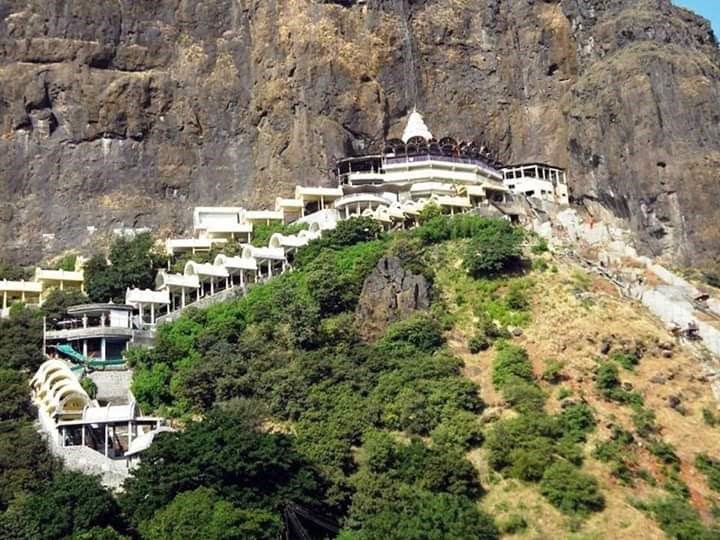
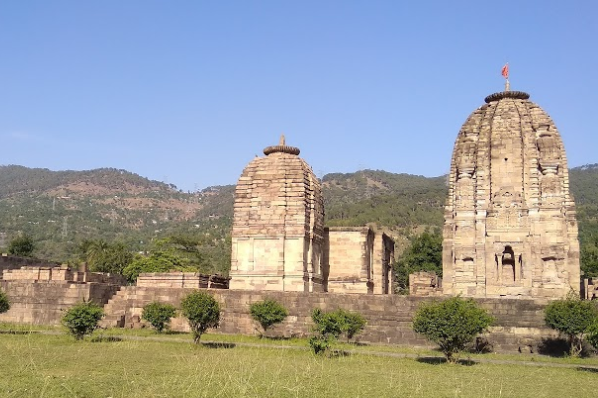
Tara Tarini Temple, Ganjam, Odisha
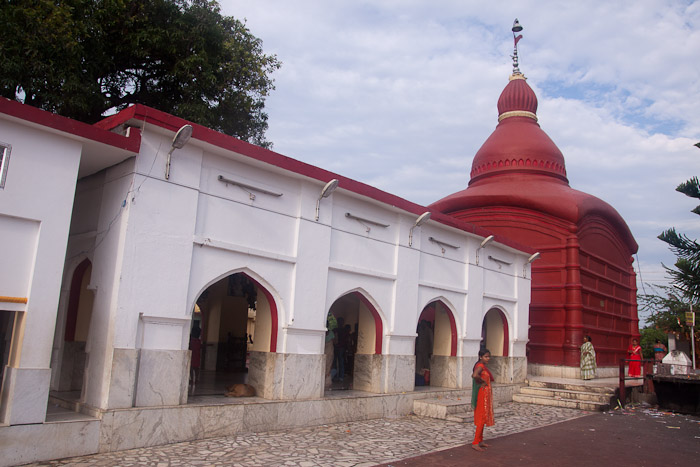
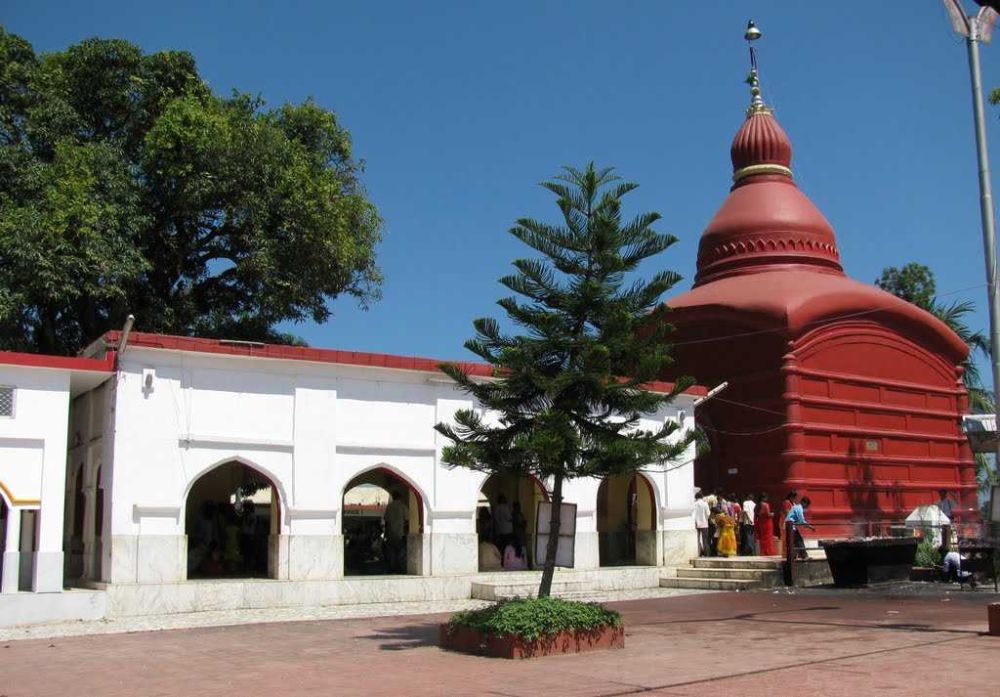
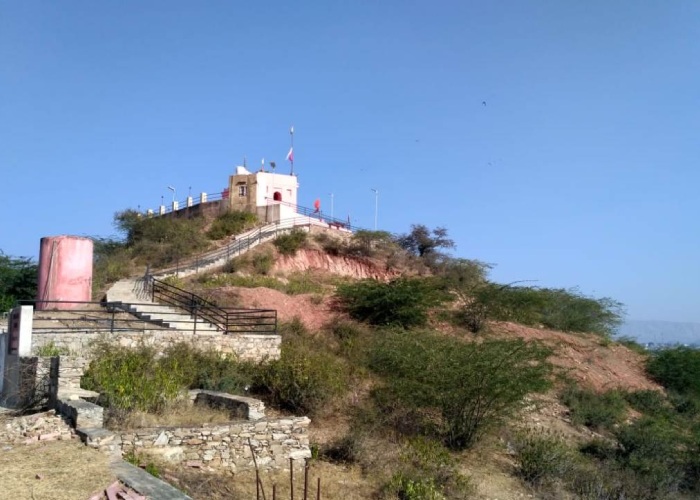
Nestled atop the verdant Kumari hills in Ganjam district of Odisha, overlooking the serene Rushikulya river, the Tara Tarini Temple is dedicated to the twin goddesses Tara and Tarini. As one of the four Adi Shakti Peethas, it is considered among the oldest and most significant centres of divine feminine power in Hinduism.

The roots of the Tara Tarini Temple stretch deep into antiquity, with its spiritual significance predating its current structure. The present temple, built in the 17th century, stands as a testament to centuries of devotion and reverence. However, the site’s sacred status extends far beyond the current edifice. Archaeological evidence and ancient texts suggest that this location has been a place of worship for over two millennia. The nearby Jaugada Rock Edict, an important monument built by Emperor Ashoka over 2000 years ago, hints at the area’s historical and spiritual importance. Some scholars believe that in ancient times, this place was a sacred Buddhist site, highlighting the syncretic nature of Indian spirituality.

The Kalika Purana, an ancient Hindu text written approximately a thousand years ago, describes the location of the Tara Tarini Shaktipeeth, further cementing its longstanding significance in Hindu cosmology. Through the ages, the Tara Tarini temple has continued to be an important place of worship for both Buddhist and Hindu tantra practitioners, showcasing the fluid and inclusive nature of Indian spiritual traditions.

The Tara Tarini Temple’s status as a Shakti Peetha imbues it with profound spiritual significance. It is believed to be the Stana Peetha or breast shrine of Adi Shakti, the supreme mother goddess. This association with the divine feminine principle makes it a potent source of spiritual energy for devotees. What sets Tara Tarini apart is its unique representation of the divine feminine as twin goddesses. Tara and Tarini are considered manifestations of Adi Shakti, embodying various aspects of the supreme goddess known by names such as Mahakali, Mahalakshmi, Mahasaraswati, Durga, and Parvati.

The Bhairavs associated with this Shakti Peetha are Someshwar or Tumkeswar, the bhairav of the elder sister Devi Tara, and Udayeshwar or Utkeswar, the bhairav of the younger sister Devi Tarini. Their temples are located on the path leading to the main Shakti temple, creating a holistic spiritual landscape.

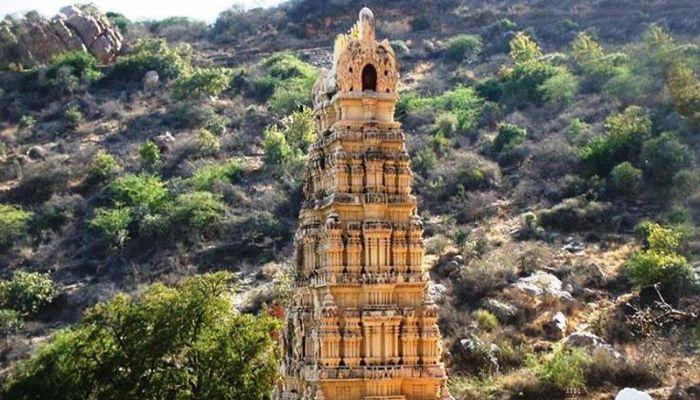
Several features distinguish the Tara Tarini Temple from other shrines. The temple is unique in its worship of twin goddesses, Tara and Tarini, each with distinct iconography and attributes. The main temple houses Swayambhu statues of the goddesses Tara and Tarini, believed to have appeared by divine will rather than human craftsmanship. The temple architecture showcases a beautiful fusion of Kalinga and Dravidian styles, featuring a conical spire and intricate carvings. Situated at an elevation of 708 feet, the temple offers panoramic views of the surrounding landscape. A flight of 999 steps leads from the foot of the hill to the temple, adding to its mystique and the devotees’ sense of pilgrimage. The site’s history as a place of worship spans over two millennia, with evidence of both Buddhist and Hindu influences. Maa Tara is depicted with four arms holding various symbolic items, while Maa Tarini is shown with two arms holding a sword and a lotus, symbolising their roles as protectors and providers.

The Tara Tarini Temple is a masterpiece of Odishan temple architecture, built in the distinctive Kalinga style. The temple complex consists of several key components. The central temple houses the Swayambhu statues of Tara and Tarini, made of stone and adorned with gold and silver. A towering archway decorated with intricate carvings marks the main entrance, while the inner sanctum features colorful murals depicting the divine stories of the goddesses. A large courtyard surrounds the main shrine, accommodating devotees during festivals and rituals. Smaller temples dedicated to other deities dot the complex, and the temple houses several deities known as utsav murtis, used in processions during festivals like the Rath Yatra. The use of sandstone and laterite in the temple’s construction not only adds to its aesthetic appeal but also reflects the region’s geological heritage. The intricate carvings on the temple walls showcase the exceptional skill of ancient Odishan artisans and serve as a visual narrative of Hindu mythology and local legends.

The Tara Tarini Temple is a hub of vibrant rituals and devotional practices throughout the year. The temple follows a strict schedule of daily worship rituals performed by specially trained priests. Food offerings to the goddesses play a crucial role in the temple’s rituals, with the prasad being highly revered by devotees. Many devotees bring their children to the temple for the mundan, or the first haircut ritual as an offering to the goddesses for their protection. Given its historical association with Tantric traditions, the temple continues to be an important centre for certain Tantric rituals, though many have been modified over time to align with contemporary practices. During the famous chariot festival, the utsav murtis of the goddesses are taken out in a grand procession, allowing devotees who cannot climb the hill to receive their blessings.

The Tara Tarini Temple comes alive with numerous festivals throughout the year, attracting thousands of devotees from across India and beyond. Chaitra Parba or the Tara Tarini Mela is the most important festival held at the temple, occurring annually during March and April. The festival spans the entire month of Chaitra, with each Tuesday being particularly auspicious. The third Tuesday witnesses the grandest celebrations, drawing over 50,000 devotees. During the nine-day Navaratri festival, the temple sees a surge of pilgrims coming to worship the goddesses as manifestations of Goddess Durga. The temple is elaborately decorated, and special pujas are conducted. Held in January, the Sankranti Mela festival marks the sun’s transit into Capricorn and is celebrated with great fervour at the temple. Coinciding with Holi, Dol Purnima is a spring festival that sees joyous celebrations while Saradiya Parba is an autumn festival, coinciding with Durga Puja, that is another important event in the temple’s calendar. Celebrated during Diwali, Shyamakali Parba adds to the temple’s yearly cycle of celebrations.

The Tara Tarini Temple holds immense cultural significance in the region, influencing local traditions, art, and folklore. Goddesses Tara and Tarini are regarded as the presiding deities or the Ista Devi in most households in Southern Odisha. According to one local legend, Tara and Tarini were beautiful sisters from Padmapur village known for their generosity. Their kindness led Goddess Tara to make them divine, ensuring they would be worshipped forever. The site where the temple stands is believed to be the battleground where the goddesses defeated the demons Sumbha and Nisumbha, making it a symbol of divine victory and protection. The temple’s architecture, iconography, and associated legends have inspired various forms of local art, including paintings, sculptures, and performing arts. The temple has fostered a strong tradition of pilgrimage in the region, with devotees undertaking arduous journeys to seek the blessings of the goddesses.

The temple’s unique representation of twin goddesses, its ancient history, and its vibrant traditions make it a crucial piece in understanding the spiritual landscape of Odisha and India as a whole. The story of the Tara Tarini Temple is ultimately a story of continuity and change – of ancient traditions persisting through centuries of social and religious evolution.

Sacred Stones, Spaces and Stories: Shakthi Peetas Part 2

The first Shaktipeeta temples we will first learn about are the four Adi Shakta Peethas which are sites where most of the energy is. These include the Kamakhya Temple in Assam where the genitals fell, the Dakshina Kalika or Kalighat Temple in West Bengal, where the toes of the right foot fell, the Vimala Temple in Odisha where the feet fell, and the Tara Tarini Temple, also in Odisha housing the breasts.

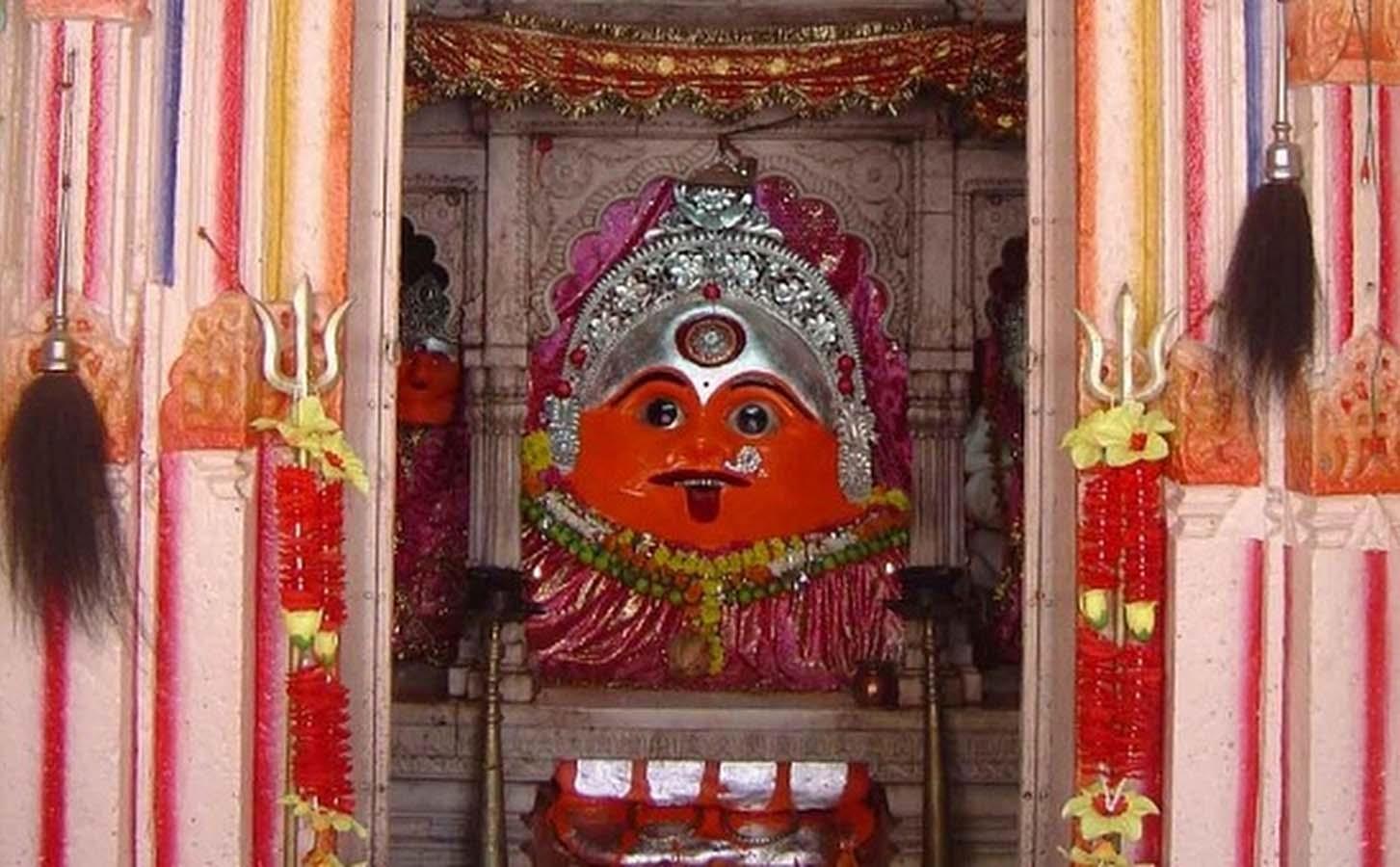
Kamakhya Devi Temple, Guwahati, Assam
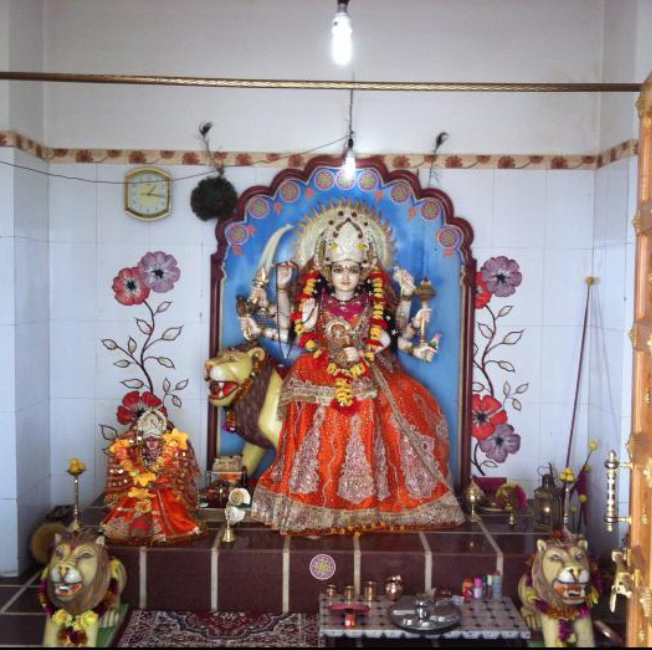
Perched atop the Nilachal Hills in Guwahati, the Kamakhya Devi Temple stands as one of the most revered and enigmatic spiritual sites in India. This ancient temple, dedicated to the Goddess Kamakhya, is not just a place of worship but a powerful symbol of feminine energy, fertility, and creation. As one of the 51 Shakti Peethas, it holds a special place in Hindu mythology and Tantric traditions. It is believed that Sati’s yoni or female reproductive organ fell at the site where the Kamakhya Temple now stands. This event gave the location its sacred status as a Shakti Peetha, symbolising fertility and the power of creation.

The Kamakhya Temple is considered one of the most important among the 51 Shakti Peethas. Ancient Hindu texts such as the Kalika Purana and Devi Purana regard Kamakhya as the supreme Shakti Peetha of all the 51 sites. The Shakti here is known as Maa Kamakhya, and the associated Bhairava, a form of Lord Shiva, is called Umananda or Umanath. What sets Kamakhya apart from other Shakti Peethas is its unique representation of the divine feminine. Unlike most Hindu temples that house idols of deities, the Kamakhya Temple does not contain an anthropomorphic image of the goddess. Instead, the primary object of worship is a yoni-shaped stone over which a natural spring flows. This distinctive feature emphasises the temple’s focus on the primal aspect of feminine energy and fertility.

The Kamakhya Temple complex is a marvel of architecture and spiritual significance. It showcases a blend of styles, with elements of Nilachal and Ahom architecture. The temple features seven oval spires, each capped with three golden pitchers. The intricate carvings and patterns adorning the walls and ceilings reflect Assam’s rich cultural heritage.

The sanctum sanctorum, or the garbhagriha, is located in a cave-like structure below ground level. This is where the yoni-shaped stone, the primary object of worship, is located. The temple complex houses several other shrines dedicated to various forms of the goddess and other deities. A natural spring flows over the yoni-shaped stone in the garbhagriha, which is believed to turn red during the goddess’s menstrual cycle. Kamakhya Temple is renowned as a major centre for Tantric practices and rituals.

The Kamakhya Temple is known for its unique rituals and festivals, the most famous being the Ambubachi Mela. This annual festival, held in June, celebrates the menstruation cycle of Goddess Kamakhy. During this time, the temple remains closed for three days, symbolising the goddess’s menstrual period. The event attracts thousands of devotees and tantra practitioners from across India and abroad. The temple follows a strict schedule of daily pujas and rituals, performed by specially trained priests. As a hub of Tantric practices, the temple is known for its esoteric rituals involving mantras, yantras, and complex ceremonies. Historically, the temple was known for animal sacrifices, though these are now mostly symbolic. Many couples visit the temple seeking blessings for conception and childbirth.

The Kamakhya Temple has a rich history dating back several centuries. Archaeological evidence suggests that the site may have been a centre for Tantric practices as early as the 5th century. Over time, it has been patronised by various dynasties and rulers. The Mleccha dynasty of Kamarupa was among the first to patronise the temple and the Pala dynasty continued the patronage. King Nara Narayana of Cooch Behar rebuilt the temple in the 16th century after it was destroyed while the Koch dynasty made significant contributions to the temple’s development. The temple’s prominence grew significantly during the colonial era, particularly in the 19th century, when it became an important pilgrimage destination for devotees from Bengal.

The Kamakhya Temple has had a profound impact on the cultural and spiritual landscape of Assam and beyond. It attracts millions of devotees annually, contributing significantly to the local economy and tourism. The temple has played a crucial role in preserving and propagating Tantric traditions and practices. By celebrating menstruation as a sacred process, the temple challenges taboos and promotes a positive view of women’s biological processes. The temple’s unique architecture and legends have inspired numerous works of art, literature, and music. Despite its Hindu origins, the temple attracts devotees from various faiths, fostering interfaith understanding and respect.

Like many ancient structures, the Kamakhya Temple faces several challenges. Maintaining the ancient structure while accommodating increasing numbers of pilgrims is an ongoing challenge. The temple’s location on a hill poses challenges related to erosion and environmental preservation. Balancing the need for modern amenities with the preservation of traditional practices and architecture is a delicate task. Many of the temple’s ancient practices and histories are oral traditions, and efforts are being made to document these for future generations.

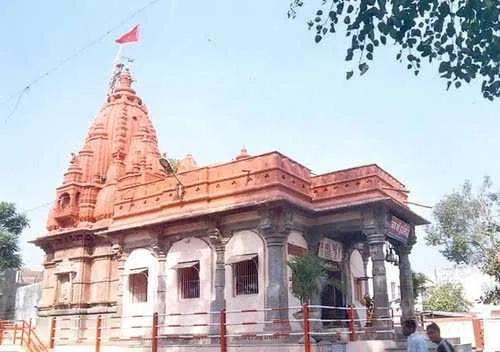
Kalighat Kali Temple, Kolkata, West Bengal
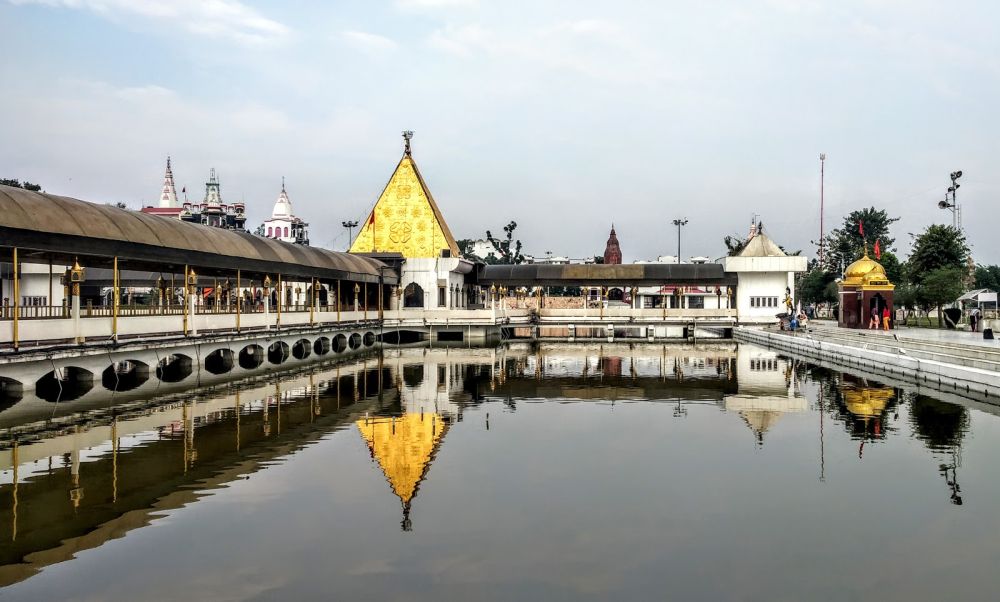
The Kalighat Kali Temple is one of the most revered Shakti Peethas in the bustling city of Kolkata. Dedicated to the fierce goddess Kali, the temple is believed to be where Sati’s right toe fell. At Kalighat, Shakti is known as Dakshina Kali, or the benevolent mother, and the associated Bhairava is called Nakuleshwar Mahadev. What sets Kalighat apart is its status as one of the four Adi Shaktipeethas, considered the oldest and most significant Shaktipeethas. The name of the city of Kolkata is believed to originate from Kalikshetra, meaning the place of Goddess Kali.

The history of the Kalighat Temple stretches back several centuries, with references dating to the 15th century. The original temple is believed to have been established by a devotee named Kalapahad. However, the current structure is not that old. The temple underwent significant reconstruction in the 19th century. Raja Basanta Roy, the King of Jessore, is credited with building the original temple. Around 1570, Padmabati Devi, the mother of Laksmikanta Roy Choudhury of the Sabarna Roy Choudhury family, claimed to have a divine vision and discovered Sati’s right toe in a lake called Kalikunda in Kalighat. During the British colonial period, the area around Kalighat was part of the Dihi Panchannagram, which the East India Company purchased from Mir Jafar in 1758 after the Battle of Plassey. As Calcutta, now Kolkata, grew, the forested suburbs around Kalighat were gradually cleared and assimilated into the expanding city.
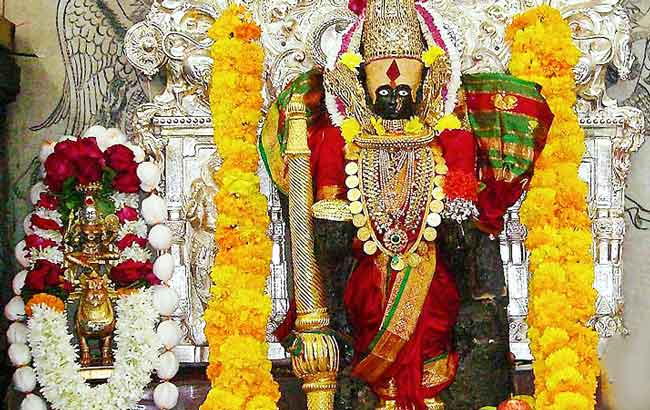
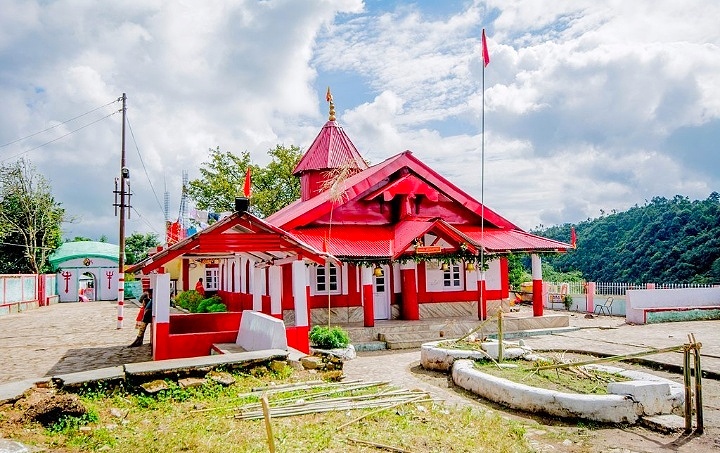
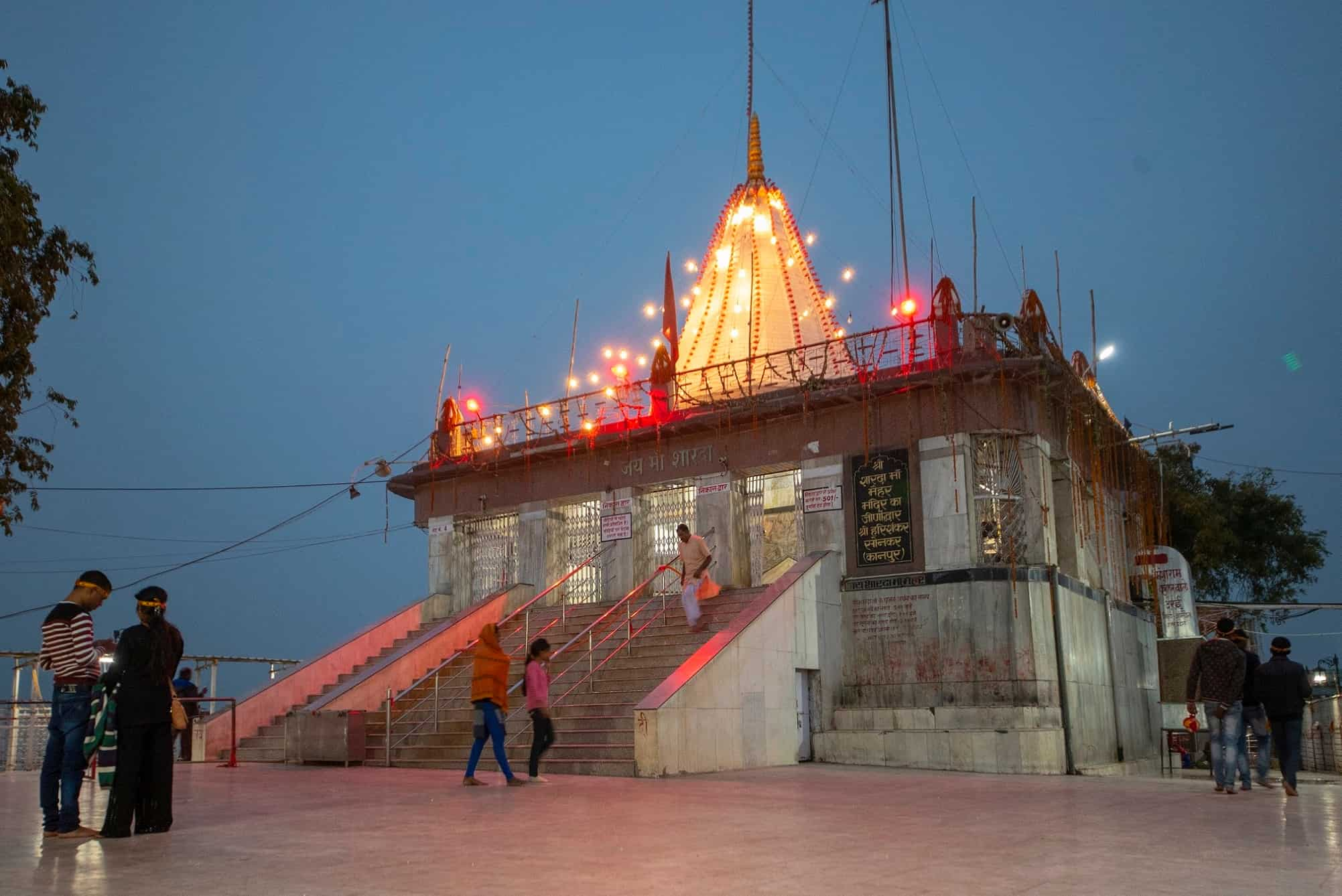
The Kalighat Kali Temple is a classic example of Bengal architecture, which emulates the mud and thatch-roofed huts of rural Bengal. The main temple is a four-sided building with a truncated dome, topped by a smaller identically-shaped projection. Key architectural features include a Chala Temple design with each sloping side of the roof called a Chala, giving the temple its designation as a Chala temple. The two roofs bear a total of eight separate faces, creating a distinctive stacked, hut-like appearance common in Bengali temples. Both roofs are painted with shiny, metallic silver and adorned with bright bands of red, yellow, green, and blue where they join the building at the cornice. The uppermost roof is topped by three spires, with the tallest central spire bearing a triangular pennant flag. The outer walls are decorated with a diamond chessboard pattern of alternating green and white tiles. A recent addition to the temple complex is an elaborate lighting system that creates a novel atmosphere, causing the temple to glow with vibrant colours throughout the night.
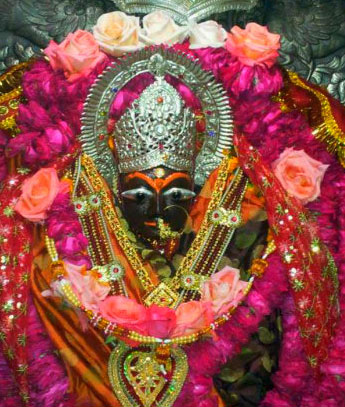
The idol of Goddess Kali at Kalighat is distinct from other Kali images in Bengal. Created by two saints, Brahmananda Giri and Atmaram Giri, the idol is made of black touchstone and has several unique features. The idol has three enormous eyes symbolising omniscience, a long, protruding tongue made of gold, representing the goddess’s fierce aspect, and four arms, with two hands holding a scimitar and a severed head of the asura king Shumbha, while the other two are in the abhaya and varada mudras or gestures of protection and blessings. The scimitar symbolises divine knowledge, while the severed head represents the human ego. The blessing gestures indicate that devotees worshipping with a true heart will receive the goddess’s guidance and protection. Interestingly, the Kali idol originally only had a face. The tongue and hands made of gold and silver were added later.

A fascinating aspect of the Kalighat Temple is the presence of another image of Goddess Kali that is never displayed to the public or seen by priests. This hidden image is believed to be svayambhu or self-manifested and extremely powerful. Identified as Sati’s toe, this adirup or original form is concealed within the pedestal upon which the visible Kali idol stands. Adjacent to the temple lies a sacred tank called Kundupukar. The water in this pond is considered as holy as the river Ganga and is believed to have the power to bestow the boon of a child.

The Kalighat Temple is known for its unique rituals and festivals. The temple follows a strict schedule of daily worship rituals performed by specially trained priests. The Snan Yatra is an annual ritual that involves a ceremonial bath of the goddess. Interestingly, the priests perform this ritual with their eyes covered with cloth. Kali Puja is celebrated in October or November, coinciding with Diwali and is one of the most important events at the temple. The temple is beautifully decorated, and thousands of devotees gather to offer prayers and participate in the festivities. Historically, the temple was known for animal sacrifices, though these are now mostly symbolic. Many couples visit the temple seeking blessings for conception and childbirth. The sacred tank, Kundupukar, is believed to have special powers in this regard.

The Kalighat Temple has had a profound impact on the cultural and spiritual landscape of Kolkata and beyond. It attracts millions of devotees annually, contributing significantly to the local economy and tourism. The temple’s unique architecture and legends have inspired art, literature, and music. The Kalighat painting style, characterised by bold lines and vibrant colours, originated in the vicinity of this temple.

In our modern world, where gender dynamics and women’s empowerment are at the forefront of social discourse, the Kalighat Temple’s celebration of feminine power takes on new significance. It reminds us of the timeless wisdom embedded in Hindu traditions and invites us to reflect on the balance of energies in the universe and within ourselves.

Festivals of India: Varuthini Ekadasi

Also known as Baruthani Ekadashi, Varuthini Ekadashi is a significant festival that holds deep spiritual and cultural importance. Falling on the 11th lunar day, or Ekadashi, of the waning moon in the Hindu month of Chaitra or Vaishakha, the festival typically falls in April or May of the Gregorian calendar.

The origins of Varuthini Ekadashi are rooted in ancient Hindu scriptures and mythology. The festival’s name, Varuthini, is derived from the Sanskrit word meaning armoured or protected, signifying the spiritual protection bestowed upon devotees who observe this sacred day. The day is dedicated to Lord Vishnu, particularly his fifth avatar, Vamana, and devotees believe that observing this Ekadashi is believed to bring devotees closer to the divine and offer protection from negative energies and evil influences.

The significance of this festival is highlighted in various Hindu texts, including the Bhavishya Purana, where Lord Krishna narrates its importance to King Yudhishthira. According to these scriptures, observing Varuthini Ekadashi brings numerous benefits, including protection from evil and good fortune, prosperity in this life and the next, liberation from curses and sins, and blessings equivalent to rigorous penance.

The celebration of Varuthini Ekadashi involves a series of rituals and practices that devotees follow with great devotion. The primary observance is fasting, which is considered crucial for reaping the spiritual benefits of this day. Devotees typically observe a strict fast on Varuthini Ekadashi, abstaining from certain foods and activities. Many choose to fast completely, while others may have a single meal while grains, certain vegetables, and specific foods are avoided. The consumption of Havishyanna, or boiled food without spices, salt, and oil from the previous day, is recommended.

The day is marked by various religious and spiritual activities. Devotees wake up during Brahma Muhurta, the auspicious pre-dawn hours, and take a purifying bath. This is the time before dawn that is considered a sacred time for meditation and spiritual practices. It is also known as the creator’s hour. Brahma muhurta is a 48-minute period that begins 1 hour and 36 minutes before sunrise, with the exact timing depending on the location and the time of sunrise, though it usually occurs between 3:30 and 5:30 am. A wooden platform is set up with an image of Lord Vishnu, covered in red or yellow cloth, and offerings of Panchamrit, a mixture of milk, curd, ghee, honey, and Ganga water, are made to Lord Vishnu. Incense, lamps, and camphor are lit as offerings, and mantras dedicated to Lord Vishnu are chanted by devotees, and an aarti is performed. Many engage in meditation and spiritual contemplation throughout the day.

Performing acts of charity is considered highly auspicious on Varuthini Ekadashi. Devotees are encouraged to donate various items, with the belief that different donations yield varying levels of spiritual benefits. Donating knowledge is considered the highest form of charity. Other beneficial donations include cows, gold, food grains, sesame seeds, land, elephants, and horses.

Several mythological stories are associated with Varuthini Ekadashi, each highlighting its spiritual significance and transformative power. One of the most prominent legends involves Lord Shiva and Lord Brahma. In a fit of rage, Lord Shiva cut off the fifth head of Lord Brahma. As a consequence, Lord Brahma cursed Lord Shiva. Seeking a remedy, Lord Vishnu advised Lord Shiva to observe the Varuthini Ekadashi fast. By following this advice, Lord Shiva was eventually released from the curse. Another tale speaks of King Mandata, who gained enlightenment through the observance of Varuthini Ekadashi. The legend of King Dhundhumara from the Ikshvaku dynasty is also associated with Varuthini Ekadashi. According to this story, the king was freed from a curse by Lord Shiva through the observance of this sacred day.

While not specific to Varuthini Ekadashi, the origin story of Ekadashi itself is worth mentioning. Lord Vishnu was in a state of deep sleep or meditation. A demon named Murdanav attempted to attack the sleeping Vishnu. A beautiful woman emerged from Vishnu’s 11th sense, the mind. Murdanav, infatuated, asked to marry her. She agreed on the condition that he defeat her in battle. During the fight, Murdanav was killed. Vishnu awoke and blessed the woman, naming her Ekadashi. He decreed that those who fast on this day would attain moksha or liberation. This legend explains the spiritual significance of all Ekadashi observances, including Varuthini Ekadashi.

Varuthini Ekadashi holds a special place among the 24 Ekadashi observances that occur in a lunar year Its importance is multifaceted, touching various aspects of Hindu spiritual and cultural life. The observance is believed to cleanse the soul and elevate spiritual consciousness. Devotees seek the grace of Lord Vishnu, believing that sincere observance brings immense spiritual benefits. It is thought to help individuals overcome the burden of past sins and negative karma. The festival is seen as a shield against evil influences and negative energies. Many believe that observing Varuthini Ekadashi can lead to the fulfilment of righteous wishes and aspirations. The festival also brings people together, strengthening social and cultural ties within the community.

In contemporary times, the observance of Varuthini Ekadashi continues to be an important part of Hindu religious practice. While the core spiritual principles remain unchanged, the way the festival is celebrated has adapted to modern lifestyles. Many temples now offer online darshan and puja services, allowing devotees to participate remotely. While traditional fasting practices are still followed by many, some adapt the fast to suit their health needs and work schedules.

Varuthini Ekadashi stands as a testament to the rich spiritual heritage of Hinduism. It embodies the principles of devotion, self-discipline, and the pursuit of spiritual growth. The festival’s enduring popularity and significance highlight its relevance in both ancient and modern contexts.

Through its rituals, myths, and spiritual practices, Varuthini Ekadashi offers devotees a path to connect with the divine, seek personal transformation, and contribute to the welfare of their community. As with many Hindu observances, it blends deep philosophical concepts with practical spiritual practices, making it accessible to devotees from all walks of life. In an increasingly fast-paced and materialistic world, festivals like Varuthini Ekadashi serve as important reminders of the eternal spiritual truths that have guided Hindu civilization for millennia. They offer a moment of pause, reflection, and renewal, allowing individuals to realign themselves with their higher purpose and spiritual goals. It is these festivals that stand as a bridge between the ancient and the contemporary, ensuring that the spiritual legacy of Hinduism remains vibrant and relevant for generations to come.

Sacred Stones, Spaces and Stories: Shakti Peethas Part 1

For the past few months, I have been increasingly interested in Hinduism. I’ve been praying more and learning more about my culture, and so a natural offshoot of this was becoming more interested in the different temples and their stories. As I started learning more, I thought I should share it with everyone, hence this new series. This series, which I will call Sacred Stones, Spaces, and Stories, will dive deeper into the various temples across the subcontinent. I will start with the Shaktipeeths dedicated to the Mother Goddess. We can learn more about the Divya Desams, Vaishnava temples of great significance, the Jyotirlingas, dedicated to Lord Shiva, as well as the Ashtavinayaks, temples for Lord Ganesha. Follow me on this journey as we learn more about the incredible temples and the stories behind them. I will upload a new post every Friday starting next week about one or more temples. Today, let’s learn more about Shaktipeeths.

Shakti Peethas are sacred sites in Hinduism dedicated to the worship of Goddess Shakti, the divine feminine power. These temples hold immense spiritual significance and are scattered across the Indian subcontinent, including parts of Bangladesh, Nepal, and Pakistan. The origin of these temples is deeply rooted in Hindu mythology, particularly in the tragic tale of Goddess Sati and Lord Shiva.

The story behind the creation of Shakti Peethas is one of the most poignant and significant in Hindu mythology. It revolves around Goddess Sati, the first consort of Lord Shiva, and her father, King Daksha. Sati, daughter of King Daksha, was married to Lord Shiva against her father’s wishes. Daksha, disapproving of this union, organised a grand yajna or sacrificial ritual but deliberately excluded Sati and Shiva from the invitation. Despite Shiva’s advice, Sati decided to attend the yajna, determined to uphold her husband’s honour.

At the yajna, Daksha publicly insulted Lord Shiva, which Sati could not bear. In a supreme act of devotion and protest, Sati invoked her yogic powers and immolated herself in the sacrificial fire. This act of self-sacrifice had profound cosmic repercussions and forms the crux of the Shaktipeetha origin story.

Upon learning of Sati’s death, Lord Shiva was overcome with grief and rage. He created two fearsome deities, Virabhadra and Bhadrakali, who wreaked havoc at Daksha’s yajna. Shiva then took up Sati’s charred body and began to perform the Tandava, the cosmic dance of destruction, across the universe. As Shiva’s dance threatened to unravel the cosmic order, the other gods appealed to Lord Vishnu to intervene. Using his divine discus, the Sudarshana Chakra, Vishnu dismembered Sati’s body into multiple pieces. These pieces fell to earth at various locations, each becoming a sacred Shakti Peetha.

Each Shakti Peetha is believed to embody a particular form of the Goddess Shakti, representing different aspects of her divine power. These sites are not just temples but are considered to be living manifestations of the Goddess herself. The exact number of Shakti Peethas is a matter of debate among different Hindu texts. Various Puranas mention 51, 52, 64, or even 108 Shakti Peethas. However, 51 is the most commonly accepted number. These sacred sites are spread across the Indian subcontinent, with some located in present-day Bangladesh, Nepal, and Pakistan.

Among the Shakti Peethas, four are considered to be of paramount importance and are known as the Adi Shakti Peethas. These are the Kamakhya Temple in Assam, associated with Sati’s yoni or vagina; the Kalighat Temple in Kolkata, associated with Sati’s face; the Tara Tarini Temple in Behrampur, Odisha, associated with Sati’s chest; and the Bimala Temple in Puri, associated with Sati’s feet. These four sites are believed to be the most potent in terms of spiritual energy and are highly revered by devotees.

Shakti Peethas are not merely places of worship; they represent the fundamental concept of Shakti or divine feminine energy in Hinduism. They are considered sources of immense spiritual power and are believed to fulfil the desires of devotees who visit them with true devotion.

At each Shakti Peetha, the Goddess is worshipped in a specific form, often accompanied by a form of Bhairava, a manifestation of Lord Shiva. The worship practices can vary from one Peetha to another, but they generally involve offerings, prayers, and sometimes elaborate rituals.

Visiting the Shakti Peethas is considered a significant pilgrimage in Hinduism. Many devotees undertake arduous journeys to visit these sites, believing that such pilgrimages can lead to spiritual enlightenment, fulfilment of wishes, and liberation from the cycle of birth and death.

Many Shakti Peethas have faced challenges over the centuries, including invasions, natural disasters, and the ravages of time. Some, like those in Bangladesh, have witnessed heroic efforts by devotees to protect and preserve them. Efforts are ongoing to restore and maintain these ancient temples. Many have undergone renovations to preserve their architectural beauty while maintaining their spiritual essence. However, the challenge lies in balancing modernisation with the preservation of the temples’ historical and spiritual integrity.

Shakti Peethas are not just religious sites but also repositories of art, architecture, and cultural heritage. They often feature intricate carvings, sculptures, and architectural styles that reflect the artistic traditions of their respective regions. In the contemporary era, Shakti Peethas continue to be centres of faith and pilgrimage. They attract millions of devotees annually and play a significant role in the spiritual and cultural life of Hindus. Many Shakti Peethas have become important tourist destinations, contributing to the local economy. This has led to the development of infrastructure around these sites, making them more accessible to pilgrims and tourists alike. Some Shakti Peethas have evolved into spiritual retreats and yoga centres, offering programmes that blend traditional practices with modern wellness approaches. This evolution reflects the adaptability of these ancient sites to contemporary spiritual needs.

As we explore these Shakti Peethas, we delve into a world where myth and reality intertwine, where ancient stories come alive through stone and ritual, and where the divine feminine is celebrated in all her power and glory. These temples serve as bridges between the earthly and the divine, offering seekers a chance to connect with the primordial energy of creation. As we continue this series on Hindu temples, the Shakti Peethas serve as a profound starting point, setting the stage for an exploration of the rich and diverse world of Hindu sacred architecture and spirituality. These temples, with their deep-rooted legends and living traditions, offer a window into the heart of Hindu philosophy and practice, inviting us to discover the divine in the world around us and within ourselves. So let’s start on our journey of exploration.

Festivals of India: Pana Sankranti

Also known as Maha Vishuba Sankranti, Pana Sankranti is a vibrant and culturally significant festival celebrated in Odisha. This auspicious occasion marks the traditional Odia New Year and heralds the arrival of spring, serving as a time for renewal, spiritual reflection, and communal joy. Falling on the first day of the Odia calendar month of Baisakha, typically around mid-April, Pana Sankranti coincides with the solar transit into the Mesha (Aries) Rashi, lending it cultural and astrological importance.

The roots of Pana Sankranti can be traced back to ancient times, with references found in various scriptures and texts. The festival’s origins are deeply intertwined with the agrarian culture of the region. Marking the beginning of the new agricultural year, the festival highlights its importance in the traditional Odia way of life.

One of the most significant aspects of Pana Sankranti is its association with Lord Jagannath, the presiding deity of the Puri Jagannath Temple. According to legend, Lord Jagannath created the Pana drink to remedy the scorching summer heat. Another mythological tale associated with Pana Sankranti involves Lord Vishnu’s incarnation as Varaha (the boar). It is believed that on this day, Lord Vishnu rescued the Earth from the demon Hiranyaksha, an act of divine intervention that is commemorated through various rituals and prayers during the festival.

Pana Sankranti is celebrated with great enthusiasm and fervour across Odisha, with each region adding its unique cultural flavour to the festivities. At the festival’s heart is the preparation and sharing of Pana, a special drink that gives the festival its name. This refreshing concoction is made from many ingredients, including water, jaggery, fruits, and sometimes milk or yoghurt. The Pana is not only a delicious treat but also serves a symbolic purpose, representing the essence of life and the spirit of sharing. It is offered to deities and distributed among family members, friends, and neighbours, fostering a sense of community and togetherness.

Devotees mark Pana Sankranti by visiting temples dedicated to various deities, with special emphasis on Lord Jagannath, Lord Shiva, and Goddess Tarini. The Tarini Temple near Brahmapur and the Cuttack Chandi are particularly popular pilgrimage sites during this time. One of the most spectacular rituals associated with Pana Sankranti is the Jhaamu Yatra at Sarala Temple, where priests walk across hot coals, demonstrating their devotion and faith. This awe-inspiring display draws many spectators and adds to the festival’s mystical atmosphere.

Pana Sankranti is also a time for vibrant cultural expression. One of the most notable traditions is the Danda Nacha, or Danda Jatra, an ancient dance form dedicated to Goddess Kali. Performed by a group of men known as Danduas, this dance is a testament to physical endurance and spiritual devotion, often involving acrobatic feats and rhythmic movements. In different parts of Odisha, various cultural events mark the occasion. For instance, in Chhatrapada, Bhadrak, the Patua Yatra festival spans from April 14th to April 21st, bringing communities together. Northern Odisha resonates with the festivities of Chadak Parva, while in the south, the Meru Yatra festival marks the culmination of the month-long Danda Nata dance festival.

The festival is a time for strengthening social bonds. In urban areas, Odia families often gather in community halls to celebrate together, while in rural settings, the festival takes on a more traditional flavour with community-wide celebrations. These gatherings often feature feasts where traditional delicacies are shared, further reinforcing the sense of community and shared cultural heritage.

Pana Sankranti holds deep significance in Odia culture, embodying various symbolic meanings and cultural values. As the traditional New Year, Pana Sankranti symbolises new beginnings and fresh starts. It’s a time for people to clean their homes, wear new clothes, and set positive intentions for the year ahead. This reflects the universal desire for renewal and the opportunity to begin anew. Pana Sankranti marks the beginning of the new agricultural year. This connection to the land reminds people of the importance of agriculture in their lives and the need to maintain harmony with nature. The festival provides an opportunity for spiritual reflection and devotion. The various rituals, temple visits, and prayers associated with Pana Sankranti allow people to connect with their spiritual beliefs and seek divine blessings for the coming year.

Several myths and legends are associated with Pana Sankranti, adding depth and richness to the festival’s cultural significance. According to one legend, Pana Sankranti is linked to the story of Lord Vishnu’s incarnation as Lord Jagannath. It is believed that on this day, Lord Jagannath, with his siblings Lord Balabhadra and Devi Subhadra, embarked on their annual journey to the Gundicha Temple in Puri, known as the Ratha Yatra. The legend of Lord Jagannath creating the Pana drink as a remedy for the summer heat explains the origin of this central element of the festival and emphasises the belief in divine intervention in everyday life. The myth of Lord Vishnu, in his Varaha avatar, rescuing the Earth from the demon Hiranyaksha on this day adds a cosmic dimension to the festival. This story symbolises the triumph of good over evil and the restoration of cosmic order, themes that resonate with the idea of new beginnings associated with the New Year.

While Pana Sankranti is primarily celebrated in Odisha, similar festivals marking the solar New Year are observed across South and Southeast Asia. These include Vaisakhi in North and Central India and Nepal, Bohag Bihu in Assam, Pohela Boishakh in Bengal, and Puthandu in Tamil Nadu. Each of these festivals shares common themes of renewal and celebration while incorporating unique regional traditions and customs.

In Odisha, the celebration of Pana Sankranti can vary from region to region, with each area adding its local flavour to the festivities. In the Taratarini Temple area, the festival coincides with the Chaitra Yatra, drawing large crowds of devotees. In Northern Odisha, the Chadak Parva is a significant part of the Pana Sankranti celebrations. The Meru Yatra festival in Southern Odisha marks the end of the month-long Danda Nata dance festival, coinciding with Pana Sankranti. These regional variations highlight the diversity within Odisha’s cultural landscape and demonstrate how a single festival can take on different forms while maintaining its core significance.

As with many traditional festivals, the celebration of Pana Sankranti has evolved, adapting to changing social structures and urban lifestyles. In cities, community halls often become the focal point of celebrations, where Odia families gather to observe the festival. This adaptation allows urban dwellers to maintain cultural connections even in modern settings. The preparation and sharing of Pana remain central to the festival, but the recipe might vary from household to household, with some incorporating modern ingredients or adapting the drink to suit contemporary tastes. However, the spirit of sharing and community bonding remains intact.

Pana Sankranti plays a significant role in preserving and promoting Odia culture. The festival serves as a platform for showcasing traditional art forms, music, and dance, helping to pass these cultural treasures on to younger generations. The Danda Nacha, for instance, not only entertains but also educates people about ancient rituals and beliefs. Economically, the festival boosts local businesses. The demand for traditional foods, new clothes, and items used in rituals increased during this time, benefiting local traders and artisans. Additionally, the influx of visitors to temples and pilgrimage sites during Pana Sankranti contributes to the local tourism industry.

In recent years, there has been a growing awareness of the environmental impact of festivals. While Pana Sankranti is generally an eco-friendly celebration, with its focus on natural ingredients and traditional practices, efforts are being made to make it even more sustainable. For instance, some communities are promoting the use of biodegradable materials for decorations and encouraging the responsible disposal of waste generated during the festivities. The tradition of offering water to the Tulsi plant and the symbolic representation of rain through the Pana-filled earthen pot also serve as reminders of the importance of water conservation, especially relevant as the festival marks the beginning of summer.

Pana Sankranti stands as a testament to the rich cultural heritage of Odisha, blending spiritual devotion, communal harmony, and joyous celebration. This festival, with its deep-rooted traditions and evolving practices, continues to play a vital role in the cultural and social fabric of Odia society. As a celebration of new beginnings, Pana Sankranti offers a moment for reflection, renewal, and community bonding. It serves as a bridge between the past and the present, allowing people to honour their traditions while adapting to the changing world around them.

In an increasingly globalised world, festivals like Pana Sankranti play a crucial role in maintaining cultural distinctiveness while fostering a sense of unity and shared heritage. The enduring popularity and significance of Pana Sankranti demonstrate the power of cultural traditions to adapt and thrive, even in the face of rapid social change. As long as people continue to find meaning and joy in coming together to celebrate new beginnings, share in age-old customs, and reaffirm their cultural identity, Pana Sankranti will continue to be a vibrant and integral part of Odia life for generations to come.