
International Day of Persons with Disabilities is a globally recognized observance dedicated to promoting the rights and well-being of persons with disabilities. The day was established by the United Nations General Assembly in 1992 to promote understanding of disability issues and mobilise support for the dignity, rights, and well-being of persons with disabilities. It also aims to increase awareness of the benefits of integrating persons with disabilities in every aspect of political, social, economic, and cultural life. The date chosen for this observance, December 3rd, holds no specific historical significance.
The establishment of IDPD in 1992 came at a time when disability rights were gaining increased attention on the global stage. This period saw a shift in how disability was perceived, moving from a medical model that focused on individual impairments to a social model that emphasised societal barriers and discrimination.
The International Day of Persons with Disabilities serves several important purposes. The day helps educate the public about disability issues, challenges stereotypes and promoting understanding. It provides a platform for disability rights advocates to push for policy changes and improved accessibility. IDPD celebrates the achievements and contributions of persons with disabilities to society and emphasises the importance of creating an inclusive society where persons with disabilities can participate fully and unites governments, organisations, and individuals worldwide in promoting disability rights.

The theme for International Day of Persons with Disabilities 2024 is “Transformative Solutions for Inclusive Development: The Role of Innovation in Fuelling an Accessible and Equitable World”. This theme emphasises the importance of innovation in creating a more inclusive and equitable world for people with disabilities. It focuses on several key areas, including technological innovation, which explores how new technologies can improve accessibility and independence for persons with disabilities, social innovation, which includes developing new approaches to social inclusion and community participation, policy innovation, which encourages innovative policies and legislation that promote disability rights and inclusion, and economic innovation, which creates new opportunities for economic empowerment and employment for persons with disabilities.
The theme aligns with the broader goals of the United Nations’ 2030 Agenda for Sustainable Development, which pledges to “leave no one behind.” It emphasises that innovation is crucial for achieving the Sustainable Development Goals (SDGs) in a way that is inclusive of people with disabilities.
To fully appreciate the importance of IDPD, it’s crucial to understand what disability means and the various types of disabilities that exist. The World Health Organisation or WHO, defines disability as an umbrella term, covering impairments, activity limitations, and participation restrictions. An impairment is a problem in body function or structure; an activity limitation is a difficulty encountered by an individual in executing a task or action; and a participation restriction is a problem experienced by an individual in involvement in life situations.
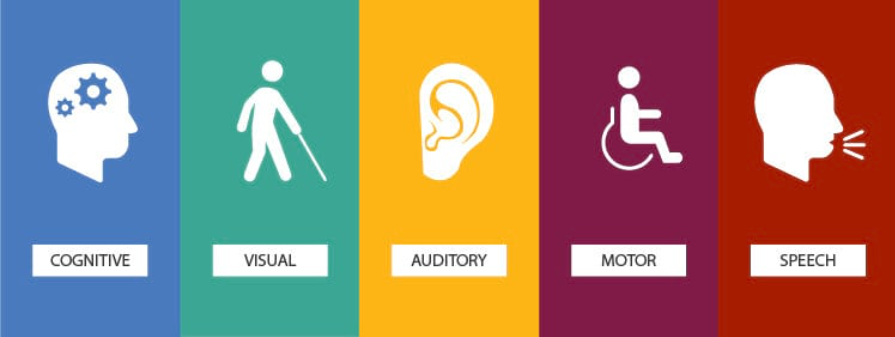
Disabilities can be broadly categorised into several types. Physical disabilities affect a person’s mobility or dexterity. Examples include spinal cord injuries, muscular dystrophy, and amputations. Sensory disabilities affect one or more senses. They include visual impairments, hearing impairments, and sensory processing disorders. Intellectual disabilities affect a person’s ability to learn at an expected level and function in daily life. Down syndrome is an example. Psychiatric disabilities include mental health conditions such as depression, anxiety disorders, and schizophrenia. Neurological disabilities affect the nervous system. Examples include epilepsy, multiple sclerosis, and Parkinson’s disease. Learning disabilities are those that affect a person’s ability to interpret what they see and hear or to link information from different parts of the brain. Dyslexia is an example. Lastly, invisible disabilities are not immediately apparent but can significantly impact a person’s life. They include chronic pain conditions and some mental health disorders. It’s important to note that many people may experience multiple disabilities, and the impact of a disability can vary greatly from person to person.
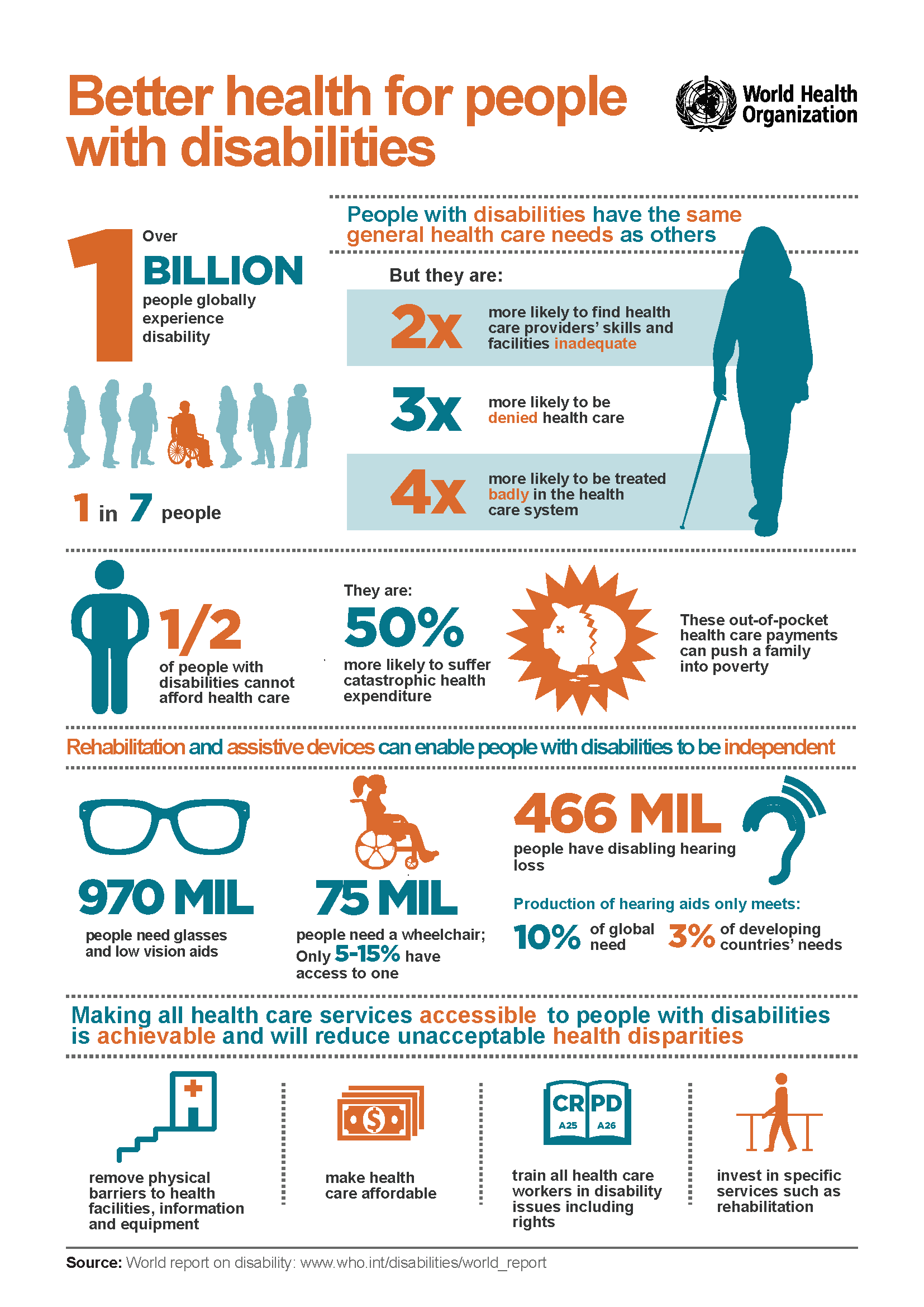
Understanding the scale of disability worldwide helps to contextualise the importance of IDPD. According to the World Health Organization, over 1 billion people, or about 15% of the world’s population, live with some form of disability, between 110-190 million adults have significant difficulties in functioning and the rates of disability are increasing due to an ageing population and increases in chronic health conditions. Persons with disabilities are more likely to experience adverse socioeconomic outcomes such as less education, poorer health outcomes, lower levels of employment, and higher poverty rates. These statistics underscore the need for continued efforts to promote disability rights and inclusion, which IDPD helps to spotlight.
The United Nations has played a crucial role in advancing disability rights globally. Key UN initiatives include the Convention on the Rights of Persons with Disabilities (CRPD), adopted in 2006. The CRPD is an international human rights treaty intended to protect the rights and dignity of persons with disabilities. It promotes, protects, and ensures the full enjoyment of human rights by persons with disabilities and ensures that they enjoy full equality under the law.
The United Nations Disability Inclusion Strategy was launched in June 2019 and provides the foundation for sustainable and transformative progress on disability inclusion through all pillars of the work of the United Nations. It seeks to raise the UN’s standards and performance on disability inclusion across its programs and operations.
The 2030 Agenda for Sustainable Development pledges to “leave no one behind,” including people with disabilities. Several SDGs explicitly reference disability, including those related to education, employment, inequality reduction, and sustainable cities].
Despite progress in disability rights, people with disabilities continue to face numerous challenges. Negative attitudes and misconceptions about disability persist in many societies. Inaccessible buildings, transportation, and public spaces limit participation and independence. Lack of accessible information and communication technologies can exclude persons with disabilities from various aspects of life. Many children with disabilities do not have access to inclusive education. Persons with disabilities often face higher unemployment rates and lower wages. Persons with disabilities may face barriers in accessing quality healthcare. There’s a strong link between disability and poverty, with each potentially leading to or exacerbating the other. Persons with disabilities may face barriers to voting or running for office. IDPD helps to highlight these challenges and promote solutions.
Some innovative approaches to disability inclusion may include advanced prosthetics, screen readers, speech recognition software, and other technologies enhancing independence and accessibility. A universal design approach to create products, environments, and systems that are usable by all people to the greatest extent possible without adaptation. Inclusive Education Technologies including digital learning platforms with built-in accessibility features making education more inclusive. Smart Cities with urban planning that incorporates accessibility from the ground up, including smart traffic systems and accessible public transportation. AI is used to develop more sophisticated assistive devices and to improve accessibility in digital spaces with these technologies used for rehabilitation, skills training, and to create more inclusive experiences. Innovative approaches to flexible working, job carving, and supported employment are opening up new opportunities and disability-led innovation where persons with disabilities lead innovation efforts, ensuring solutions meet real needs.

Governments play a crucial role in promoting disability rights and inclusion. Key areas of focus include enacting and enforcing laws that protect the rights of persons with disabilities, such as anti-discrimination legislation; developing and implementing standards for physical and digital accessibility; promoting inclusive education systems that accommodate students with diverse needs; implementing policies to increase employment opportunities for persons with disabilities, such as quota systems or tax incentives for employers; ensuring healthcare systems are accessible and meet the specific needs of persons with disabilities; providing adequate social protection measures for persons with disabilities; improving disability data collection to inform policy-making; and popularising government-led campaigns to raise public awareness about disability issues.
The International Day of Persons with Disabilities serves as a powerful reminder of the ongoing need to promote the rights and well-being of persons with disabilities. Today it’s clear that innovation will play a crucial role in creating a more accessible and equitable world. However, technology alone is not enough. True inclusion requires a shift in societal attitudes, robust policy frameworks, and the active participation of persons with disabilities in all aspects of life. IDPD provides an annual opportunity to reflect on progress made, challenges remaining, and to renew our commitment to building a world that values and includes all its diverse members.
It’s crucial to remember that disability rights are human rights. By working together, governments, civil society, the private sector, and individuals can create a world where all people, regardless of ability, can fully participate and contribute to society. This is not just beneficial for people with disabilities but for society as a whole.
 Memories and Such