
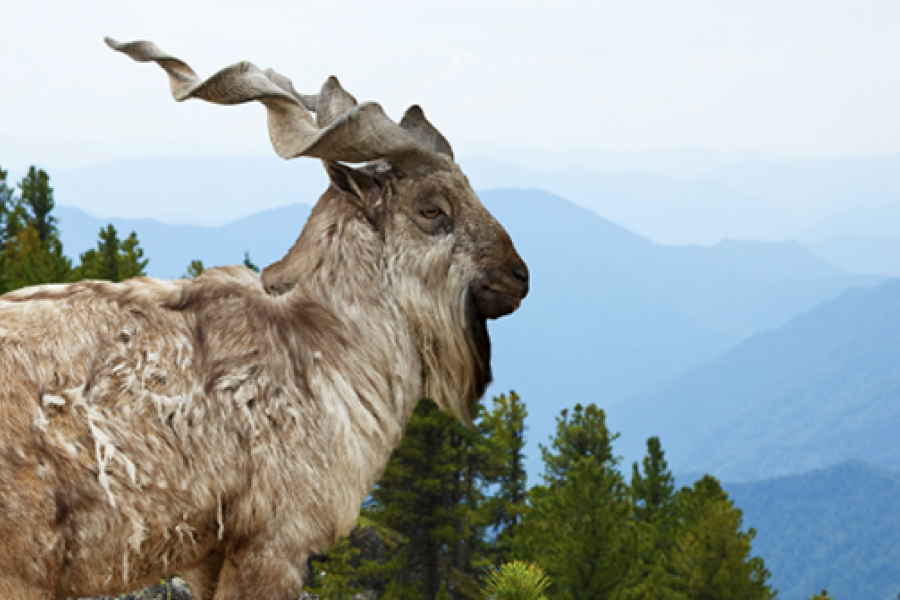
The national animal of Pakistan, the markhor (scientific name: Capra falconeri) is a large wild Capra (goat) species native to South Asia and Central Asia, mainly within Pakistan, the Karakoram range, parts of Afghanistan, and the Himalayas. It is listed on the IUCN Red List as Near Threatened since 2015. It is also known as the screw-horn or screw-horned goat. The word mārkhor, meaning “snake-eater,” comes from both Pashto and classical Persian languages, referencing the ancient belief that the markhor would actively kill and consume snakes. This regional myth is believed to stem from the “snake-like” form of the male markhor’s horns, twisting and curling like a snake, possibly leading ancient peoples to associate them with snakes.
Physical characteristics of markhors include growing to between 2 to 4 feet at the shoulder in height, with a length of 4.5 to 6.2 feet and weighing between 75 to 110 kg for males and between 30 to 40 kg for females. Males have long spiral horns, while females have shorter ones, and the markhor has a reddish-grey coat with a dark stripe along their back, with males having thicker fur during winters. The flare-horned markhor occurs in Afghanistan, Pakistan, and India; the straight-horned markhor lives in Afghanistan and Pakistan; and the Bukharan markhor is present in Afghanistan, Tajikistan, Uzbekistan, and Turkmenistan. All subspecies are considered endangered to critically endangered.
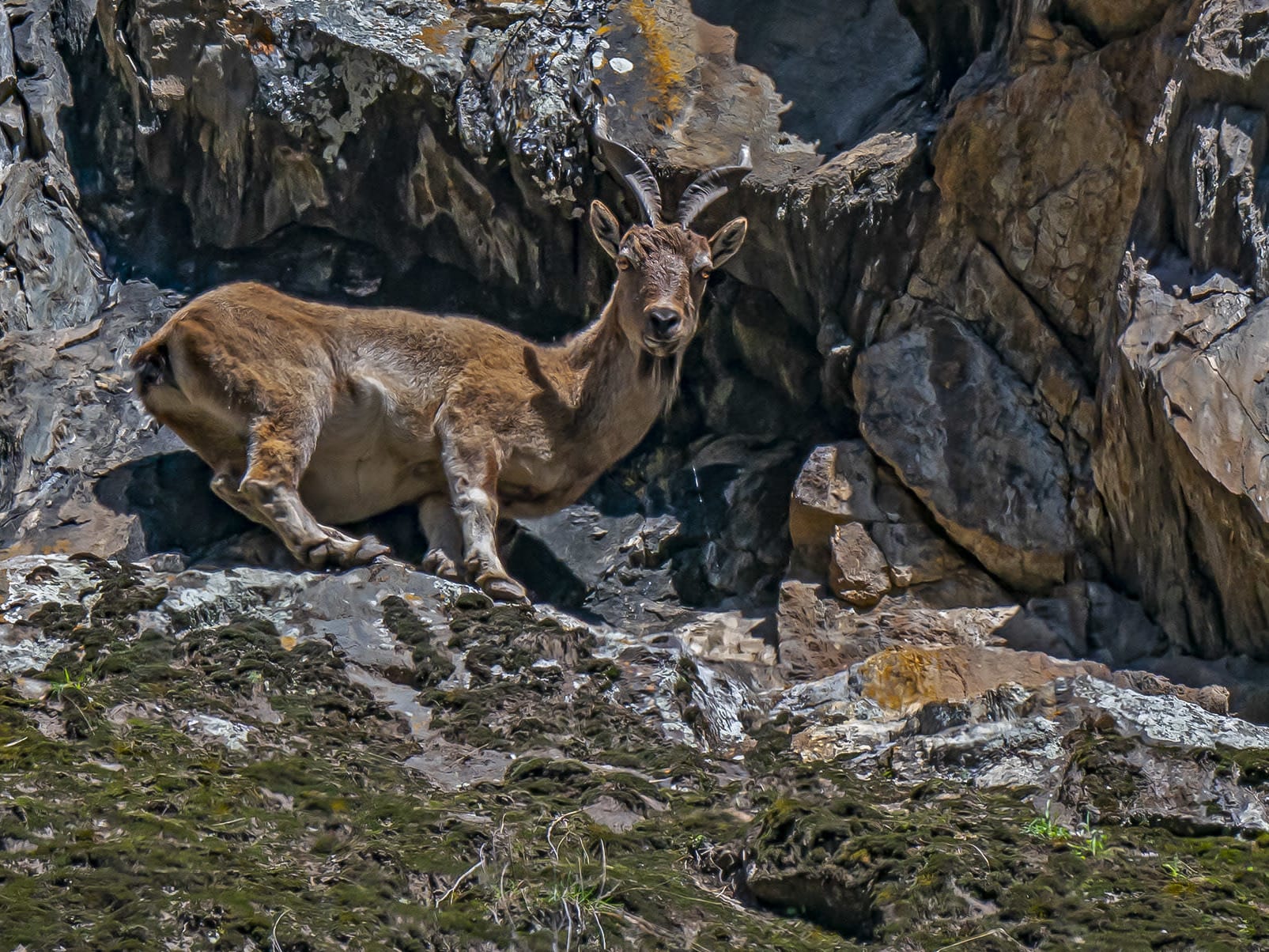
Markhors are primarily herbivorous, feeding on grasses, leaves, and shrubs. They exhibit seasonal dietary changes based on their habitat’s vegetation availability. During spring and summer, they graze at lower altitudes but migrate to higher elevations in search of food during winter. Socially, female markhors live in herds consisting mainly of mothers and their young, while adult males tend to be solitary except during mating seasons. Their mating rituals involve physical displays where males compete for females through horn-locking battles.
The markhor is currently classified as ‘Near Threatened’ by the IUCN Red List due to declining populations caused by poaching for meat and trophies, habitat loss from human encroachment, and competition with domestic livestock for grazing land. Conservation efforts have been initiated in Pakistan and other range countries to stabilise and increase their populations through community-led programs that integrate wildlife conservation with local economic benefits.

The International Day of the Markhor, celebrated on May 24, is a significant occasion dedicated to raising awareness about the conservation of the species. This day not only highlights the ecological importance of the markhor but also emphasises the need for sustainable practices that protect its habitat and promote biodiversity.
The establishment of the International Day of the Markhor stems from a resolution passed by the United Nations General Assembly on May 2, 2024. This resolution, sponsored by Pakistan along with eight other countries, aims to recognise the markhor’s role in maintaining ecological balance and its significance to local economies through sustainable tourism and conservation initiatives.
The International Day of the Markhor serves several critical purposes. It educates people about the ecological significance of markhors and their role in maintaining biodiversity. The day promotes discussions on effective conservation strategies that can be implemented globally. It encourages local communities to participate in conservation efforts that can lead to sustainable tourism opportunities. And the observance aids in influencing policies related to wildlife protection at national and international levels. This day is vital for galvanising support for not just markhors but also broader wildlife conservation initiatives that ensure ecological balance and sustainability.
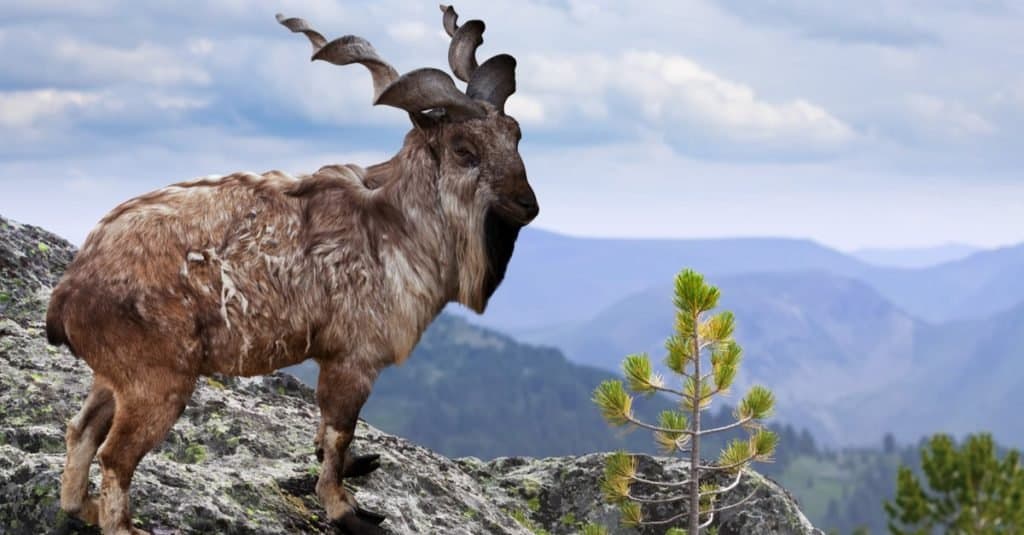
The International Day of the Markhor is an essential observance that underscores the urgent need for wildlife conservation efforts globally. By recognising this day, we acknowledge not only the unique characteristics of the markhor but also our collective responsibility towards preserving biodiversity for future generations.
 Memories and Such