
Celebrated annually on February 11, the International Day of Women and Girls in Science serves as a crucial reminder of the importance of ensuring equal access and participation of women and girls in the fields of science, technology, engineering, and mathematics (STEM). The day not only acknowledges the significant achievements of women in these fields but also aims to inspire future generations to pursue careers in science, contributing to a more inclusive and equitable world.
The International Day of Women and Girls in Science was established by the United Nations General Assembly in December 2015. The resolution aimed to achieve full and equal access to and participation in science for women and girls and to further achieve gender equality and the empowerment of women and girls. The decision to dedicate a day to celebrate women and girls in science stemmed from a recognition of the persistent gender gap in scientific fields and the need to address the barriers that hinder women’s participation.
Despite women making up nearly half of the global population, their representation in science and technology remains disproportionately low. According to UNESCO, women constitute only 30% of the world’s researchers, and this number decreases when it comes to leadership positions in scientific research and academia. The International Day of Women and Girls in Science seeks to raise awareness about these disparities and promote policies that encourage the participation of women and girls in STEM.
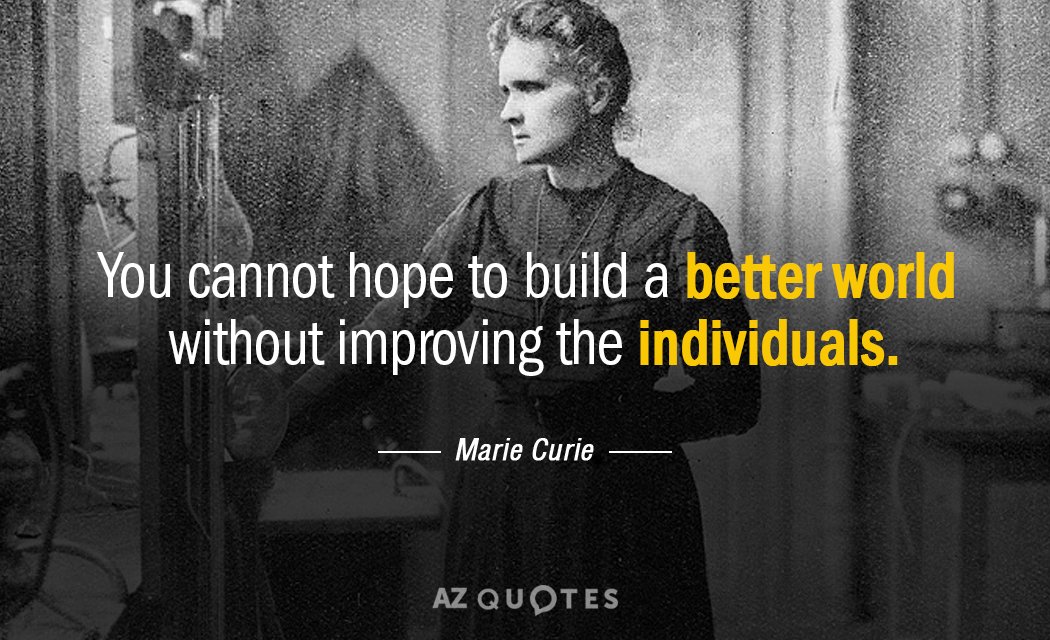
The roots of the movement for women in science can be traced back to the late 19th and early 20th centuries, when pioneers like Marie Curie and Ada Lovelace made significant contributions to their respective fields. However, it was not until the late 20th century that women’s achievements in science started to gain broader recognition. The establishment of the International Day of Women and Girls in Science marks a pivotal moment in acknowledging and celebrating these contributions while advocating for continued progress.
The International Day of Women and Girls in Science serves several critical purposes. One of the primary goals of the day is to raise awareness about the challenges that women and girls face in pursuing careers in STEM. This includes societal stereotypes, a lack of role models, and insufficient support systems. By highlighting these issues, the day encourages dialogue and action to address them. The day provides an opportunity to celebrate the accomplishments of women and girls in science. From groundbreaking research to innovative technologies, women have made significant contributions across various scientific disciplines. The International Day of Women and Girls in Science aligns with the broader goals of gender equality and women’s empowerment. By advocating for equal opportunities in scientific fields, the day contributes to the fight against gender discrimination and promotes a more equitable society. Highlighting role models and success stories can inspire young girls to pursue careers in science. The day serves as a platform to showcase diverse women in science, thereby encouraging girls to envision themselves in these roles and understand that they, too, can make significant contributions to the field.
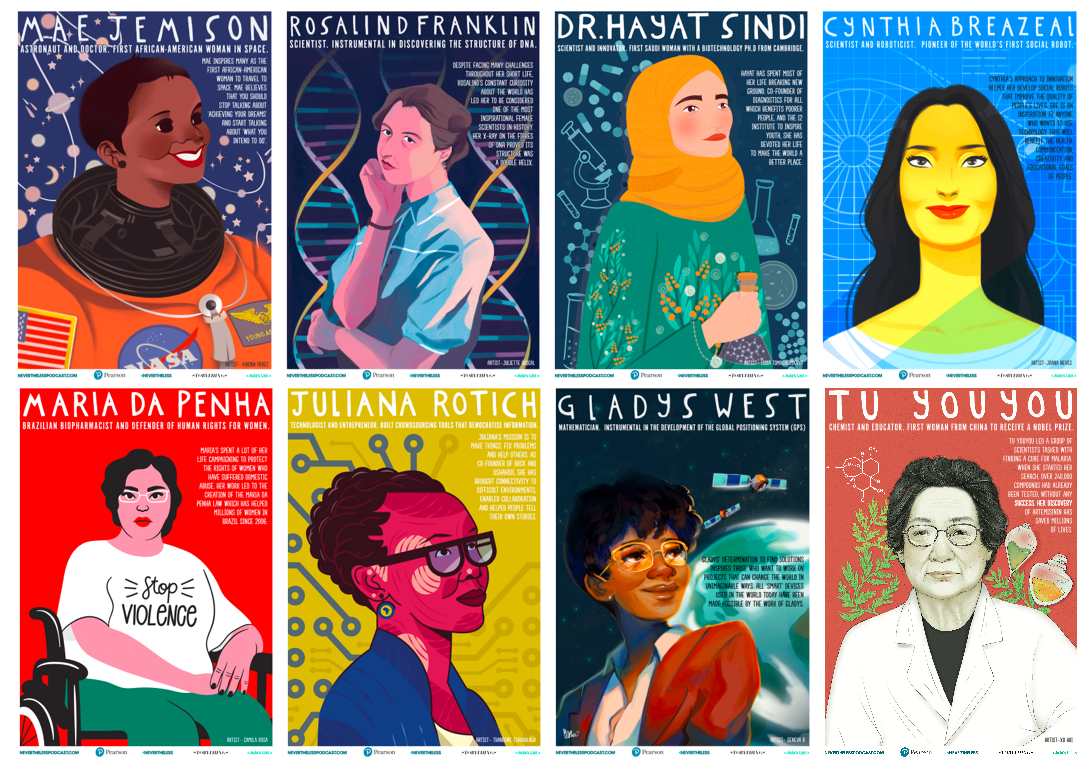
Women have played a pivotal role in advancing scientific knowledge and innovation throughout history. Their contributions span a wide range of fields, including medicine, engineering, physics, environmental science, and mathematics. The first woman to win a Nobel Prize, Marie Curie’s groundbreaking research on radioactivity paved the way for advances in both science and medicine. Her legacy continues to inspire countless scientists today. While her contributions to the discovery of the DNA double helix were not fully recognized during her lifetime, Rosalind Franklin’s work was crucial in understanding the molecular structure of DNA, ultimately influencing genetics and biotechnology. As the first African American woman in space, Mae Jemison not only broke barriers in her field but also became a role model for aspiring scientists and engineers, particularly young girls of color. Diversity in science is essential for fostering innovation and creativity. Different perspectives can lead to new ideas and approaches to problem-solving. Women and girls bring unique experiences and viewpoints that can enrich scientific inquiry and lead to breakthroughs in research and technology.

Despite the undeniable contributions of women and girls in science, various barriers continue to persist. Societal stereotypes about gender roles can discourage girls from pursuing STEM careers. Combating these biases requires comprehensive educational initiatives and community support. The underrepresentation of women in leadership roles within scientific institutions can perpetuate a cycle where young girls lack role models to look up to. Increasing the visibility of women in leadership positions is critical. The challenge of balancing family responsibilities with professional aspirations can disproportionately affect women in science. Organisations need to implement policies that support work-life balance, such as flexible working hours and parental leave.
Each year, the International Day of Women and Girls in Science adopts a specific theme that reflects current issues and aspirations related to gender equality in STEM. These themes guide the activities and discussions surrounding the day, providing focus and direction for advocacy efforts. The 2025 theme is “Unpacking STEM Careers: Her Voice in Science.” The theme will explore the critical role of women in scientific innovation and discuss the need for inclusive media representation to challenge gender stereotypes in Science, Technology, Engineering, and Mathematics (STEM) careers.

To foster a greater interest in STEM among girls, educational institutions and organizations must implement targeted initiatives. Workshops, camps, and mentorship programmes specifically aimed at girls can help build confidence and interest in science from a young age. Connecting young girls with female scientists and engineers can provide inspiration and practical guidance as they navigate their educational journeys. Schools should ensure that their curricula highlight the contributions of women in science, providing students with diverse perspectives and role models.
Communities and workplaces play a vital role in supporting women and girls in science. Strategies include creating platforms for women in science to connect, share experiences, and support each other, which can foster a sense of community and encourage collaboration; advocating for policies that promote gender equality within scientific institutions can lead to lasting change. This includes policies on hiring practices, parental leave, and workplace culture. Engaging in campaigns that highlight the importance of diversity and inclusion in STEM can shift societal perceptions and encourage greater support for women in science.
The International Day of Women and Girls in Science serves as a powerful reminder of the significance of gender equality in scientific fields. By celebrating the achievements of women and girls in science, raising awareness of the challenges they face, and promoting initiatives that encourage their participation, we can work towards a future where everyone has equal opportunities to contribute to scientific advancement.
As we look ahead to future celebrations of this important day, let us commit to fostering an environment that empowers women and girls to pursue their passions in science, technology, engineering, and mathematics. By doing so, we not only honour the contributions of those who came before us but also pave the way for the next generation of innovators and leaders in science. Together, we can build a more inclusive and equitable scientific community that benefits all of humanity.
 Memories and Such