
Celebrated annually on 08 September, International Literacy Day serves as a powerful reminder of the transformative power of literacy in shaping individuals, families, and societies. The roots of the day can be traced back to 1965 when the World Conference of Ministers of Education on the Eradication of Illiteracy convened in Tehran, Iran. This gathering sparked a global conversation about the critical need to promote literacy worldwide. In response to this growing awareness, UNESCO officially declared September 8th as International Literacy Day during its 14th General Conference in 1966.
The inaugural celebration of International Literacy Day took place on September 8, 1967, marking the beginning of a concerted global effort to combat illiteracy and promote education. Since then, this day has been observed annually, serving as a platform to highlight the importance of literacy as a fundamental human right and a catalyst for personal and societal development.
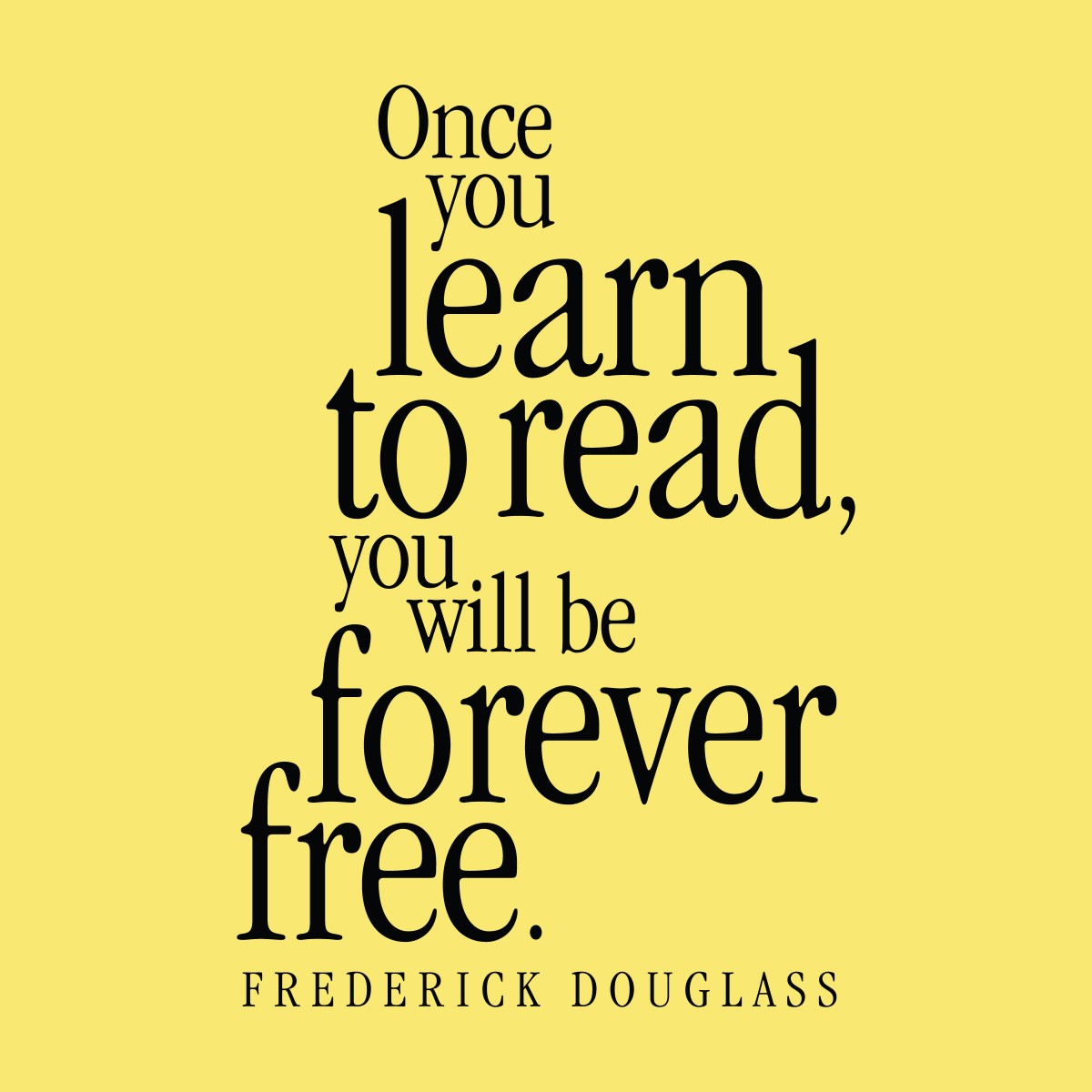
Literacy is far more than the ability to read and write; it is a cornerstone of human dignity and a gateway to lifelong learning and personal growth. The significance of literacy extends across various aspects of life:
- Personal Empowerment: Literacy equips individuals with the tools to access information, understand their rights, and make informed decisions. It fosters critical thinking, enhances problem-solving skills, and boosts self-confidence. For many, literacy is the key that unlocks doors to better employment opportunities, improved health outcomes, and greater social mobility.
- Social Integration: In an increasingly interconnected world, literacy facilitates effective communication and promotes mutual understanding among diverse communities. It enables individuals to participate actively in civic life, contribute to democratic processes, and engage meaningfully with their communities.
- Economic Development: Literacy is intrinsically linked to economic progress, both at individual and societal levels. A literate workforce is more productive, adaptable, and innovative, driving economic growth and reducing poverty. For individuals, literacy often translates to better job prospects and increased earning potential.
- Health and Well-being: Health literacy, a crucial component of overall literacy, empowers individuals to make informed decisions about their health and well-being. It enables people to understand medical information, follow treatment plans, and adopt healthier lifestyles.
- Cultural Preservation and Exchange: Literacy plays a vital role in preserving cultural heritage and facilitating cross-cultural exchange. It allows for the documentation and transmission of traditional knowledge, stories, and customs across generations and borders.

The effects of literacy ripple through generations, with particularly profound implications for children and their families:
- Early Childhood Development: Literacy begins long before a child enters formal schooling. Early exposure to books, storytelling, and language-rich environments lays the foundation for future learning and cognitive development. Children raised in literate households often have larger vocabularies, stronger language skills, and better school readiness.
- Academic Success: Literacy is the bedrock of academic achievement across all subjects. Children who develop strong literacy skills early on are more likely to excel in school, have higher graduation rates, and pursue higher education. This academic success often translates to better career prospects and economic stability in adulthood.
- Family Dynamics: When parents are literate, they are better equipped to support their children’s education, help with homework, and engage in meaningful discussions about school and learning. This parental involvement creates a positive feedback loop, reinforcing the value of education within the family unit.
- Breaking the Cycle of Poverty: Literacy can be a powerful tool in breaking intergenerational cycles of poverty. Educated parents are more likely to prioritise their children’s education, leading to improved life outcomes for subsequent generations.
- Health and Nutrition: Literate parents are better able to understand and implement health and nutrition guidelines, resulting in improved family health outcomes. They can read medication instructions, understand nutritional information, and make informed healthcare decisions.
- Social and Emotional Development: Literacy fosters emotional intelligence and social skills. Through reading, children are exposed to diverse perspectives, develop empathy, and learn to navigate complex social situations.
- Digital Literacy: In today’s digital age, literacy extends beyond traditional reading and writing to include digital competencies. Digitally literate children are better prepared to navigate the online world safely and leverage technology for learning and future career opportunities.
The theme for International Literacy Day 2025 is “Promoting literacy for a world in transition: Building the foundation for sustainable and peaceful societies.”. This theme emphasises the importance of literacy in navigating a changing world, and highlights how literacy can contribute to building peaceful and sustainable societies. It is also seen as a foundation for development with literacy seen as a crucial building block for progress.

Despite significant progress in recent decades, literacy remains a pressing global challenge. According to UNESCO, as of 2020, at least 773 million young people and adults worldwide lacked basic literacy skills. This staggering figure underscores the urgent need for continued efforts to promote literacy and education globally. Some key statistics and trends include:
- Gender Gap: Two-thirds of the world’s illiterate adults are women, highlighting the persistent gender disparities in education.
- Youth Literacy: While youth literacy rates have improved significantly, millions of young people still lack basic reading and writing skills.
- Regional Disparities: Literacy rates vary widely across regions, with Sub-Saharan Africa and South Asia facing the greatest challenges.
- Impact of COVID-19: The global pandemic has exacerbated educational inequalities, with an estimated 24 million learners at risk of never returning to formal education.
- Digital Divide: As education increasingly relies on technology, the digital divide threatens to widen literacy gaps between those with and without access to digital resources.
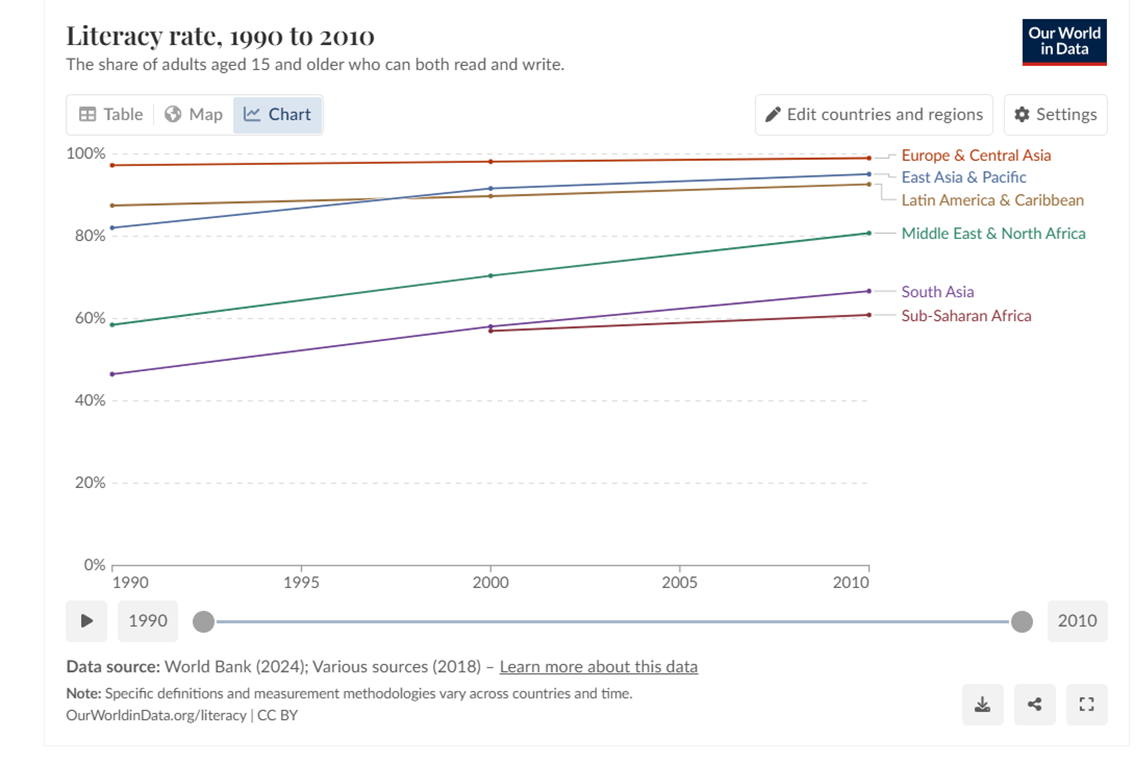
Despite these challenges, there have been notable successes in the global literacy movement:
- Rising Global Literacy: The global literacy rate has increased dramatically over the past two centuries, from less than 15% in 1820 to over 85% today.
- Innovative Programmes: Numerous literacy programs worldwide are making significant impacts, leveraging technology, community engagement, and culturally sensitive approaches to reach underserved populations.
- Increased Awareness: International Literacy Day has played a crucial role in raising global awareness about the importance of literacy, spurring action from governments, NGOs, and individuals.
- Policy Prioritisation: Many countries have prioritized literacy in their national education policies, allocating resources and implementing targeted interventions to improve literacy rates.
International Literacy Day is marked by a wide range of events and initiatives worldwide, aimed at promoting literacy and highlighting its importance. In the digital age, technology plays an increasingly important role in literacy education. E-learning platforms and online learning tools and apps provide accessible, interactive ways to develop reading and writing skills. E-books and online libraries make literature more accessible to those in remote or underserved areas. Assistive technologies and text-to-speech and speech-to-text tools help individuals with learning disabilities or visual impairments access written content. Educational games and apps make learning to read and write more engaging and interactive for children. Smartphones and tablets enable literacy learning on-the-go, reaching populations that may not have access to traditional educational resources.
As we celebrate the progress made in global literacy, it’s crucial to acknowledge the challenges that remain and look towards future directions. Efforts must focus on the most marginalised populations, including those in conflict zones, remote areas, and extreme poverty. While much attention is given to child literacy, adult literacy programs remain crucial for breaking cycles of illiteracy. Beyond basic reading and writing, there’s a growing need to promote functional literacy skills relevant to modern life and work. As technology becomes increasingly integral to daily life, digital literacy skills are becoming as essential as traditional literacy. Recognising and valuing linguistic diversity in literacy education is crucial for inclusive and effective learning. Ensuring consistent and adequate funding for literacy programs remains a challenge, particularly in developing countries. Improving the quality and quantity of trained literacy educators is essential for sustainable progress.
International Literacy Day serves as both a celebration of progress and a call to action. It reminds us that literacy is not just a fundamental human right but a powerful tool for personal empowerment, social cohesion, and global development. As we look towards the future, it’s clear that the journey towards universal literacy is far from over. It requires the concerted efforts of governments, educators, communities, and individuals worldwide. By investing in literacy, we invest in human potential, paving the way for a more equitable, peaceful, and prosperous world.
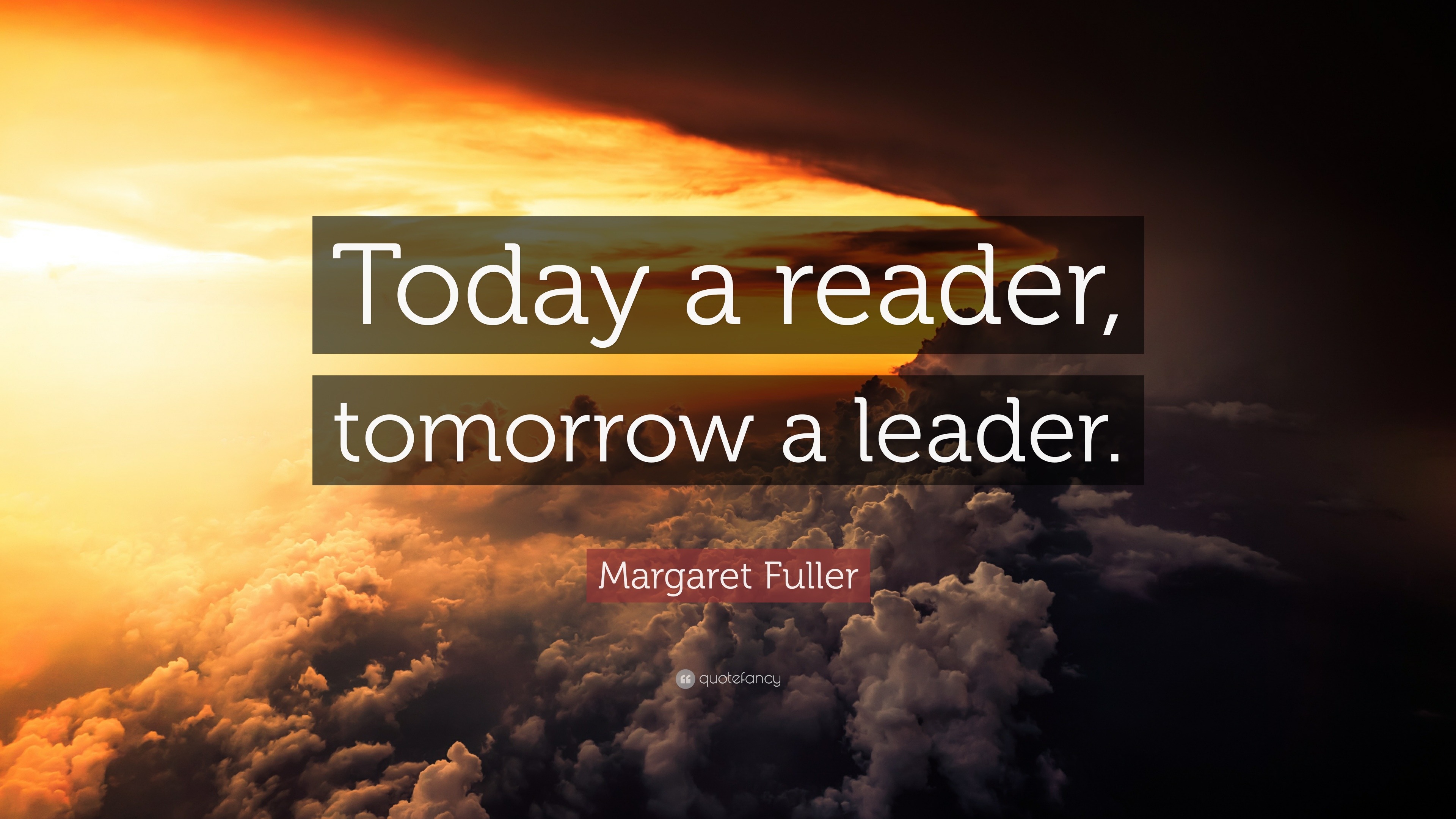
In the words often attributed to Margaret Fuller, “Today a reader, tomorrow a leader.” By empowering individuals with the gift of literacy, we are nurturing the leaders, innovators, and change-makers of tomorrow. Let us embrace this mission with renewed vigor and dedication, for in doing so, we are shaping a brighter future for generations to come.
 Memories and Such
