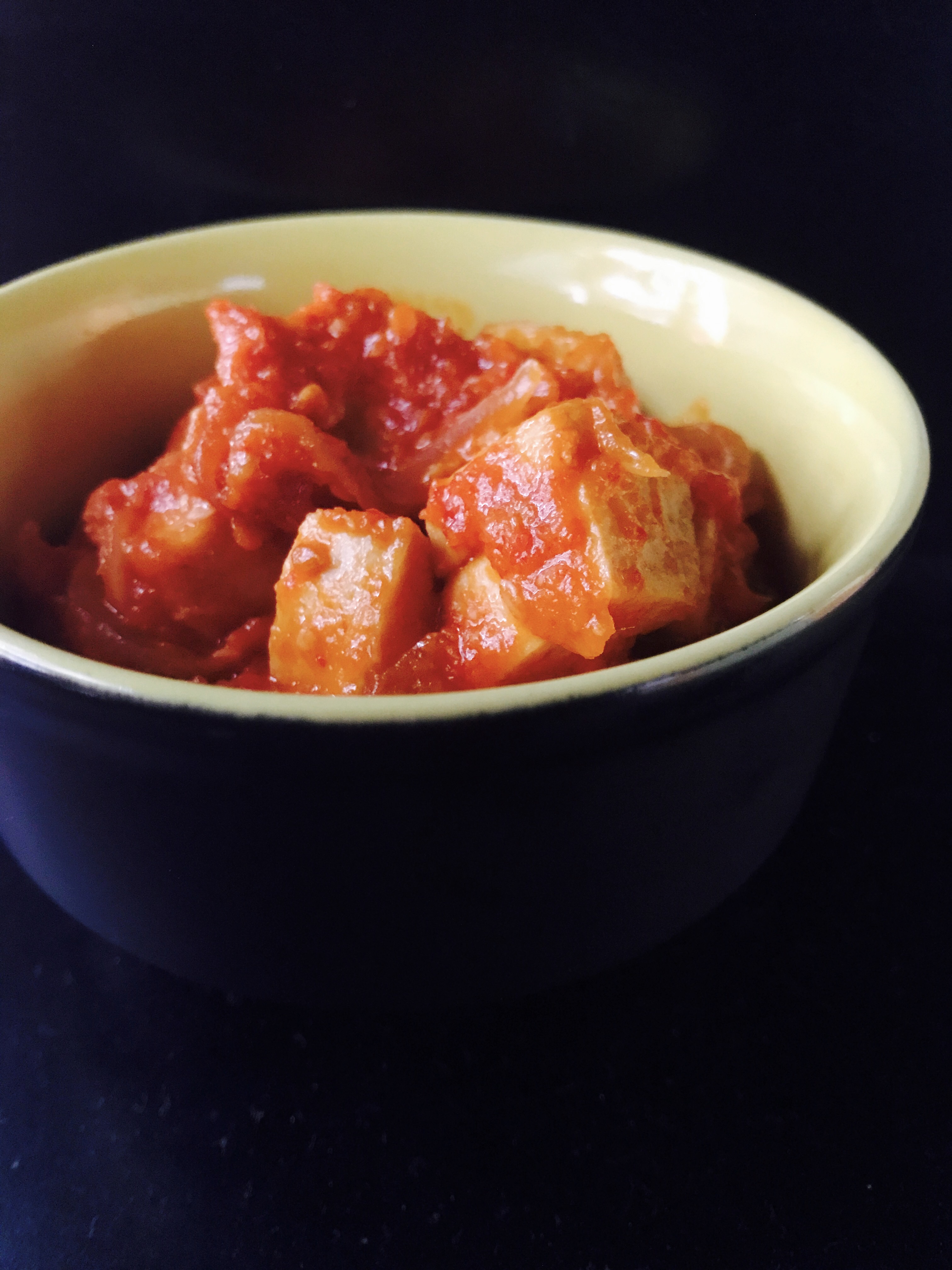
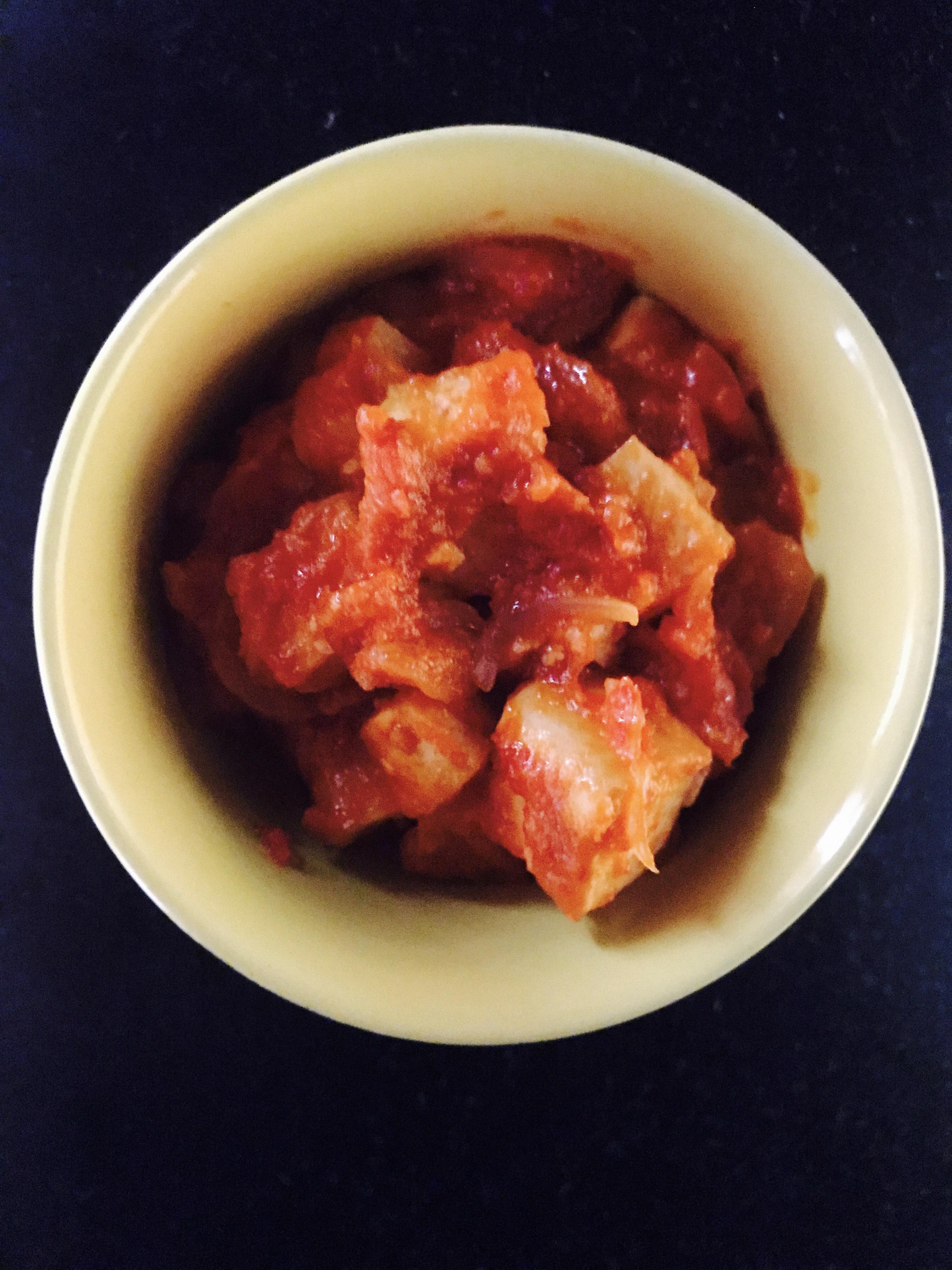
Recipe: Milagu Kozambu

This is another typical tambram recipe which is probably made in every tambram household at some point or the other. I love this recipe and always used to ask my mum to make it. It is said this is good when you have an upset stomach, as this recipe will clear your stomach.

Both BB & GG also love this recipe and it is usually made plain with no vegetables and is really useful when there’s nothing to cook at home. This time around, I added some vegetables and it was super delicious!

Milagu Kozambu

Ingredients:

  • 2 onions, chopped into big pieces
  • 10 ladies fingers, cut into 2 inch pieces
  • 4-5 pieces of drumstick, cut into 2 inch pieces
  • 1 tsp Peppercorns
  • 5 Red Chillies
  • 1 tsp Urad Dal
  • 2 tsps Chana Dal
  • ½ tsp Cumin Seeds
  • 2 tsps Coriander Seeds
  • 1 tsp Mustard Seeds
  • Tamarind piece as big as a piece of lime (make sure you remove all fibre from the tamarind as well as any seeds which may be there)
  • Salt to taste
  • A handful of curry leaves
  • 1/8 tsp of Asafoetida
  • 2 tsps Oil

Method:

  • In a bowl, put the tamarind and pour boiling water over it to release the water and flavour and keep aside for 30 minutes. When cool, mash it well to remove the juice and keep aside. There’s no need to remove the flesh for this recipe.
  • Heat oil in a kadhai and when warm, fry the peppercorns, red chillies, urad dal, chana dal, cumin seeds and coriander seeds.
  • When the dals turn red, add the curry leaves and fry till the curry leaves are crisp.
  • At this point, add the asafoetida and let it cool down.
  • When cool, grind to a smooth paste with the tamarind and a little water into a smooth paste.
  • Heat oil and fry the mustard seeds. Now add the onions and fry them so it starts becoming translucent. Then add the drumstick and ladies finger and let them fry for a  couple of minutes.
  • Mix the blended paste with enough water to make 1.5 cups of the paste and add this to the vegetables cooking and let it cook.
  • Add salt to taste as well as some jaggery if you find it spicy and let it cook till the vegetables are fully cooked and the mixture becomes thick and reduces.
  • Check for seasoning and switch off the gas.

This kozambu will keep for about 2 days outside and about a week in the fridge. Eat with hot rice and some papad. So soul satisfying on a cold or rainy day!

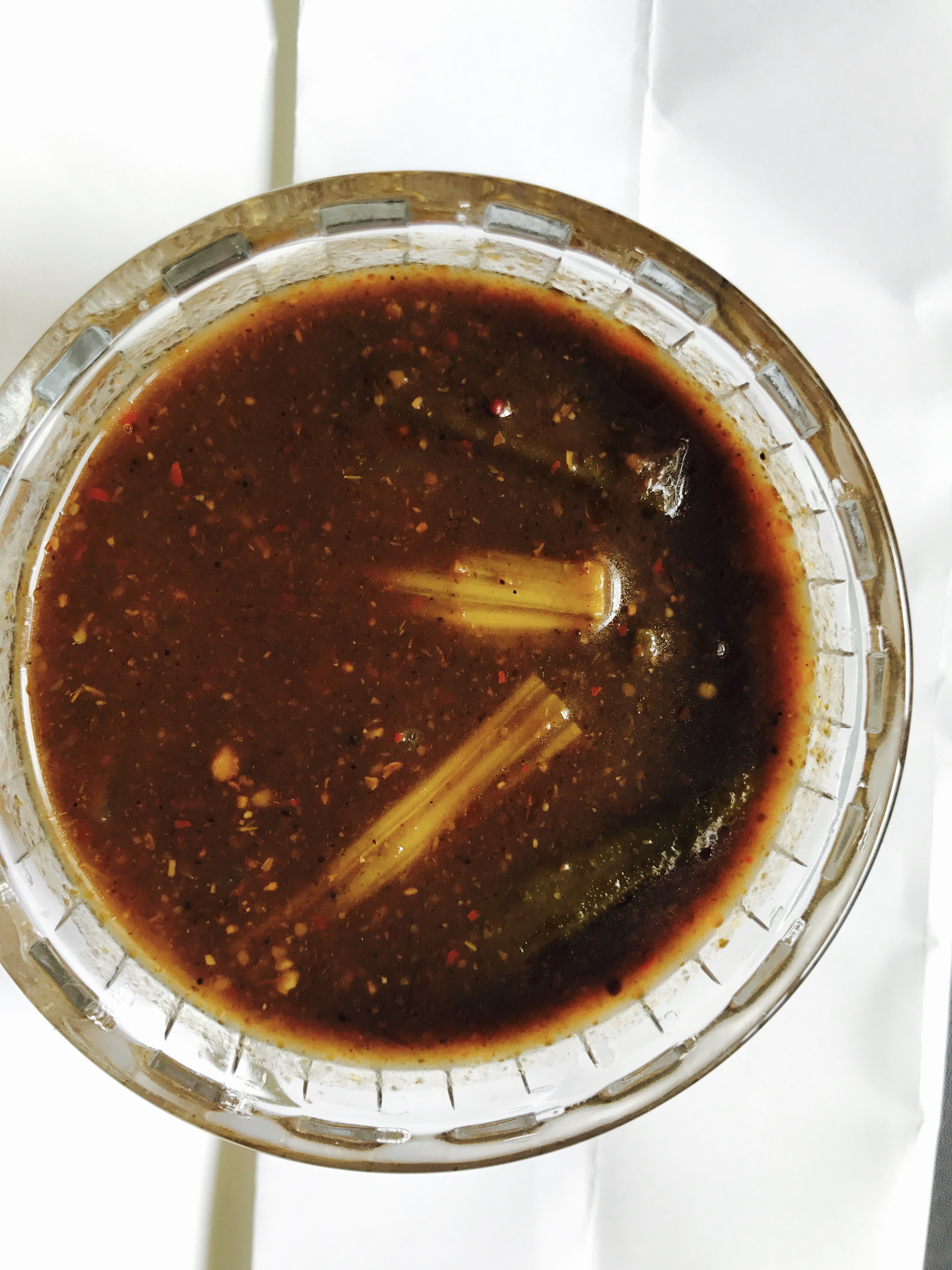
Recipe: Tofu Sambal

Tofu is something that everyone in my house, with the exception of me, love. In fact, even my helper who is from India loves tofu. I  am the odd one out, so this recipe is actually an anomaly. It was actually made my by my helper, but I am putting it down here, in case I need to make it when she is no longer with us.

This recipe is a local one, which has been adapted from Chinese cooking, but Indianised to suit an Indian palate.

Tofu Sambal

Ingredients:

  • 2 packs of hard tofu, cut into 1-inch cubes
  • 2 tomatoes, chopped
  • 2 red onions, chopped roughly
  • 1 onion, chopped finely lengthwise
  • 4-5 fresh red chillies (use more if you want it spicier)
  • 5 cloves of garlic
  • 1-inch piece of ginger
  • 2 tbsps oil
  • Salt to taste
  • Coriander leaves to garnish

Method:

  • Dry the tofu lightly and bake in an oven at 200 degrees Celsius for 20 minutes. Keep aside.
  • In a blender, blend together the onions, garlic, ginger and red chillies into a fine paste and keep aside.
  • Heat oil in a pan and when warm, add the onions chopped lengthwise and let it become translucent.
  • Pour the blended chilli mixture and stir until the mixture becomes thick and the oil starts oozing out.
  • In the same blender, blend the tomatoes until it becomes a fine paste. You can also use tomato puree here instead. Add the tomato paste to the pan and let it cook well.
  • Now add the baked tofu into the pan and season to taste.
  • Let it all come to a nice rolling boil and switch off the flame.
  • Garnish with coriander leaves and serve hot with plain rice.

Recipe: Dal Fry

Dal Fry is such a ubiquitous dish that it finds a place in almost every menu that offers Indian food. However, and when I think back, it is quite strange that I’ve not made this dish ever for the children and S, considering it used to be a staple in my repertoire pre-marriage! So anyway, while planning on my menu last week, I decided to make this at last and it was very well liked by everyone at home. 

This is a fairly easy dish to make and makes the dal thick, unlike traditional dals. So when you cook the dal, make sure you do not add too much water while cooking, so it retains its thickness.

Dal Fry

Ingredients:

  • 2 cups toor dal, washed and soaked in warm water with a pinch of turmric powder for 30 minutes
  • 1 large onion, finely chopped
  • 1 large red tomato, finely chopped
  • 4-5 pods of garlic, grated or made into a paste
  • 1 inch piece of ginger, grated or made into a paste
  • 1 tbsp ghee or oil
  • 1 tsp cumin seeds
  • 1 tsp carom seeds (optional)
  • 1/4 tsp turmeric powder
  • 1 tsp red chilli powder 
  • 1 tsp cumin powder
  • 1 tsp coriander powder
  • 1 tsp garam masala powder
  • 3-4 dried red chillies
  • Salt to taste
  • 1 tsp lemon juice
  • Coriander leaves to garnish

Method:

  • In a pressure cooker, cook the dal for 5-6 whistles. If using the stovetop to cook the dal, cook till it is very mushy and becomes whole and smooth with a paste-like consistency. Keep aside.
  • In another pan, heat the ghee and when it warms, add the cumin seeds and carom seeds one after the other, with a few seconds of stirring in between.
  • Now add the dried red chillies and stir for a few seconds. Next add the chopped onions and stir well, letting the onions become translucent.
  • When the onions become translucent, add the garlic and ginger and let them cook for a while.
  • Now add the dry ingredients – salt, red chilli powder, turmeric powder, cumin powder and coriander powder and stir for around 1 minute.
  • Add the tomatoes and cook until the mixture becomes mushy and the tomatoes lose their shape and become soft.
  • Now add the cooked dal and stir well. Check for seasoning and add what is missing. Add the garam masala and let it cook for around 5-10 minutes. You can add water to make it the consistency you like.
  • Switch off the gas and add the lemon juice and garnish with coriander leaves. 

Serve hot with plain or jeera rice and a vegetable of your choice.

Recipes: Carrot Rice

When you are tired of making the same old food every day and you wish to try something new, this recipe is something you can make. This is exactly what happened the day I made Carrot Rice. We were bored of the same food day in and day out and so I decided to make this dish my mum used to make when we were in school.

This is a very easy dish to make and makes a great addition to your lunchbox or even to your little one’s school lunchbox. It’s very easy to make and hardly takes anytime in the morning when you are rushing to get everyone out of the house on time!

Carrot Rice

Ingredients:

  • 2 carrots, grated
  • 1 cup rice, cooked and cooled completely
  • 1 green chilli, chopped
  • 1 tsp mustard seeds
  • 1/4 tsp asafoetida
  • a handful of chopped cashew nuts
  • a handful of raisins
  •  1-2 tsp lemon juice
  • Salt to taste
  • coriander leaves to garnish
  • 1 tbsp Ghee or oil

Method:

  • When the rice is cooked, fluff it a bit and then let it cool completely.
  • In a pan, heat the ghee or oil and add the mustard seeds.
  • When the seeds pop, add the asafoetida and the chopped chillies and let them cook for a while till the chilli becomes crisp.
  • Add the chopped cashew nuts and let them brown.
  • Next, add the raisins and let them plump out.
  • Now add the carrots and salt and cook for a couple of minutes. You don’t want the carrot to cook too much, but retain some crispness.
  • Switch off the gas and add the lemon juice according to taste.
  • Stir well and then add the rice and mix well so that the carrots are completely mixed into the rice.
  • Check for seasoning and then garnish with coriander leaves and serve with a raita, yoghurt or even some chips or crisps.

Recipes: Ginger Pepper Rasam

GG had been on this Hallyu craze recently and wanted to eat Bingsu at a newly opened shop at the food court near our home. I accompanied her and BB. All I did was take a few bites from them but came down with a sore throat almost immediately! My solution was to make a traditional pepper rasam to which I added some ginger, both which are good for throats. You can also have this as a soothing soup when you are sick or when it is cold and rainy outside.

Ginger Pepper Rasam

Ingredients:

  • 1 cup Toor dal, washed and cooked till it is soft and mushy
  • 1 small lime sized tamarind, soaked in hot water for 20-30 minutes and then the juice extracted
  • 2 tomatoes
  • 1 tsp black peppercorns
  • 2 tsp cumin seeds
  • 1 tsp mustard seeds
  • 2-3 dried red chillies
  • 1-inch piece of ginger
  • 1 tbsp ghee
  • 4-5 curry leaves
  • 1/4 tsp asafoetida
  • 1/4 tsp jaggery (optional)
  • Salt to taste
  • Coriander leaves to garnish

Method:

  • Blend together the peppercorns, dried red chillies, ginger and 1 tsp cumin seeds with 1 tomato into a smooth paste and keep aside.
  • Smoosh the tamarind and drain the water into a pot along with the cooked dal.
  • Chop the other tomato into quarters or eights and drop it into the pan.
  • Boil for a while till the raw smell of the tamarind goes away, around 5-7 minutes.
  • Now add the blended paste along with salt and jaggery and let it boil till the tomatoes are completely cooked. Switch off the gas and start the tempering.
  • In a smaller pan, heat the ghee and when hot, add the mustard and balance cumin seeds. When they pop, add the curry leaves and asafoetida and stir before pouring it into the rasam.
  • Garnish with chopped coriander leaves and serve hot as an accompaniment to rice or as a soup

Notes:

  1. If you don’t have jaggery, you can use sugar instead or even omit it completely.
  2. If you don’t have tamarind, you can either use 1 tbsp tamarind paste (which you can get at any Indian store) or use lemon juice. If using lemon juice, add it according to taste at the very end, just before serving.
  3. If you are planning to have this as a soup, omit the dal and follow the rest of the recipe.