Recipe: Mixed Vegetable Koftas in Red Gravy

IMG_5286

Last week S asked for some koftas for lunch. You could call Koftas a kind of Indian meatballs which are made with both meat as well as vegetables mixed with spices. Normally when asked for these labour intensive dishes, my usual answer is a no, but I decided to make them this time. I usually prepare these with potatoes, but for some reason didn’t want to that day. I decided to experiment and that experiment was a huge success, hence this blog post. These koftas, though labour and time intensive are extremely versatile and you could have them as part of your main course, as a snack or even made into veggie burgers! You’ll be glad you tried them….

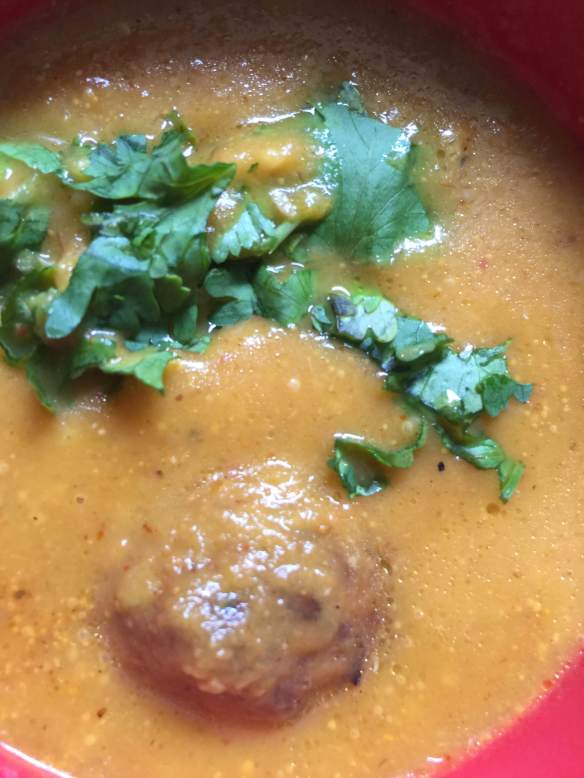
Mixed Vegetable Koftas in Red Gravy
IMG_5285

Ingredients:

For the Koftas:

  • 2 cups chopped mixed vegetables (I used potatoes, sweet potatoes, cauliflowers, French beans, carrots, peas, corn and cabbage. You could use some of these, all or even experiment with your own version)
  • 1 cup frozen paneer
  • 2 cups Breadcrumbs (may need slightly more or less, depending on the wetness of the paste)
  • 1 tsp turmeric
  • 1 – 2 tsps red chilli powder (add more or less depending on the intensity of the chilli and your tolerance level)
  • 2 tsps Amchur powder (dry mango powder, can omit if not available, though it gives a nice tanginess to the kofta)
  • Salt to taste
  • Oil for deep frying

For the Red Gravy

  • 2 tbps oil
  • 2 large onions, chopped roughly
  • 3 medium tomatoes, chopped roughly
  • 1 medium carrot, chopped
  • 1/3 of orange pumpkin, peeled and chopped
  • 1 cup skimmed milk
  • 1 inch piece of ginger
  • 4-5 garlic pods
  • 1 tsp coriander seeds
  • 1 tsp cumin seeds
  • 1 tsp fennel seeds
  • 1 tsp carom seeds
  • 1 tsp garam masala
  • Fresh coriander leaves to garnish

Method:

For the koftas

  • In a large pressure cooker, cook the chopped vegetables with minimum water for about 4 whistles. Let the pressure reduce completely, remove from the cooker and drain all the water completely.
  • In a largish dish put the frozen paneer and cover with hot water. This will soften the paneer and when soft enough to press with your fingers, drain the water completely. Keep the water to use for the gravy.
  • Once the vegetables are cool enough to touch and the water has drained away, using your hands or a potato masher, mash up the vegetables so that it resembles a dough. At the point, squeeze out the water from the paneer and crumble it, adding it to the paste.
  • Add salt to taste, red chilli powder, turmeric powder, amchur powder and mix well. Add the breadcrumbs a cup at a time and try to make balls. If the mixture is able to retain the shape of the ball without crumbling or sticking to your hand, the koftas are ready to be fried. Keep this aside while you start on the gravy.
  • Make the required number of koftas and fry on a medium flame till the outside is nice, crisp and brown. Drain on kitchen paper. You need not cook the inside too much as it is already cooked. Keep it aside till it is time to serve.

For the Gravy

  • In a pan, heat 1 tsp oil and fry the following, stirring for a couple of seconds each before you add the next ingredient – cumin seeds, coriander seeds, fennel seeds, carom seeds, chillies, ginger and finally the garlic.
  • Next add the chopped onions, fry for a few minutes, then put in the carrots and pumpkin, frying each for a couple of minutes before adding the next one.
    When the vegetables start softening, add the tomatoes and add a tsp of salt to allow the vegetable to sweat and cook. When the tomatoes are cooked and the vegetables soft, remove from the fire.
  • Let it cool and then zap it in a blender. You can use the paneer water here as it has all the goodness of paneer.
  • Once cool, in a clean pan, heat the balance 1 tsp oil, and when warm, pour the blended mixture and let it boil. If the mixture if thick, add some milk or cream (if you want to make it rich) to thin it.
  • When it starts boiling, check for salt and add the garam masala. Give it a quick boil and switch off the gas.

Assembling the dish

  • When it’s time to serve, heat the gravy and add the koftas to the gravy, garnish with coriander leaves and serve immediately.

Tips and Notes:

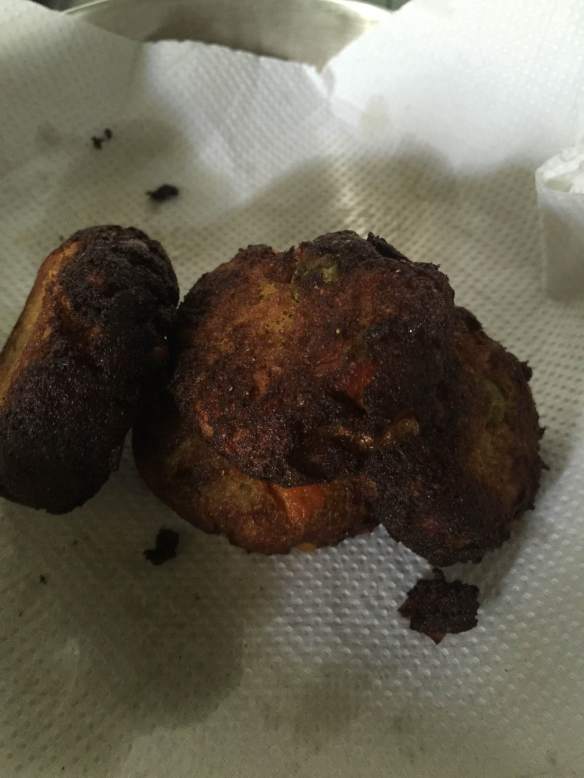
  • You can make the koftas as a teatime snack. I even made these into patties and served as veggie burgers. They were delicious!
  • Do not assemble the dish in advance as the koftas tend to absorb the gravy, so make them separately and assemble when it’s time to serve.
  • Instead of milk, you could do a combination of milk and cream in the gravy to make it richer. At the stage of frying the onions and spices, a handful of cashewnuts could also be added to increase the richness of the gravy.
  • I also felt that if the gravy was thinned with milk, you could also drink it as a soup. Just increase the amount of carrots and pumpkin and it’s quite similar to my Coriander Carrot Pumpkin Soup.
IMG_5307

The Koftas made as patty for a delicious Veggie Burger!

IMG_5308

Recipes: Broccoli in Red Gravy

IMG_5182

Broccoli is not a vegetable that you will see in Indian dishes. The first time I tasted this vegetable was when I moved to Singapore. Though these days, you find it in markets in most Indian metros.

Both my children love broccoli as a vegetable, but unfortunately when my helper cooks using this vegetable, she loves to cook it to death. That totally spoils the vegetable for all of this. So this weekend, when I cooked for us, I decided to make an Indian sabzi which would go well with both rotis and rice.

IMG_5184

Ingredients:
3 heads of broccoli, cut into florets
2 onions, chopped roughly
2 tomatoes, roughly chopped
5-6 garlic cloves,
1 inch piece of ginger
1.5 tsps Cumin seeds
1 tsp fennel seeds
½ tsp carom seeds (can omit if not available)
2 tsps coriander seeds
¼ tsp turmeric seeds
1-2 tsps chilli powder
1 -2 tsps Garam Masala Powder
3 tbsps Oil
Salt to taste

Method:
In a pan, warm 2 tbsps oil and then temper with cumin seeds, carom seeds and fennel seeds.
Next add the garlic and ginger and saute them for a few seconds.
Now add the onions and saute till they turn translucent. At this point add the tomatoes and a pinch of salt to help breakdown the water in the tomato and let it cook well.
Once the tomatoes are well cooked, switch off the gas and blend into a smooth paste.
In another pan, heat 1 tbsp oil and when warm add half tsp of cumin seeds and wait for them to pop. When they pop, add the turmeric powder and stir once.
Next add in the washed broccoli and stir for a couple of seconds. Add some salt and cook on a slightly higher heat than normal so that broccoli cooks, but retains it’s crispness.
When the broccoli is almost fully cooked, add in the blended gravy, chilli powder, garam masala powder and adjust for salt.
Let this come to a rolling boil and finish off this dish with some coriander/cilantro garnish.

IMG_5185

Recipe: Raw Banana Stew aka Vazhakkai Kootu

IMG_5061

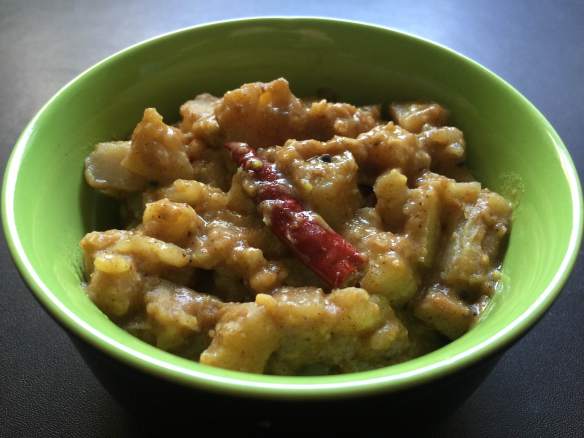
This is one of my favourite kootus, the tanginess combined with the slight sweetness that jaggery imparts along with the crispy coconut flavouring is just yum! I love to eat it as it is, no rice or anything else needed to dress it up for me!

It’s quite versatile also, if you make it a bit runny (like a sambar), it can be eaten with rice. Add some papads or chips to go with it and becomes a delicious meal. When made thicker, it becomes the perfect addition to your meal. Eat with with a rasam or a mor kozambu and lick your fingers!

Vazhakkai Kootu

IMG_5064

Ingredients:
3-4 raw bananas (vazhakai)
3-4 tbsp Toor Dal
1 small lime sized tamarind
2-3 tsps Sambar powder
1.5 tsps oil
1 tsp mustard seeds
1 tsp chana dal
1 tsp broken urad dal
2-3 tbsps coconut
3-4 dried red chillies
1 pinch asafoetida
2 tsps jaggery
Salt to taste

Method:

  • Wash the toor dal and soak it in a some hot water for 10-15 mins. After that pressure cook it and keep aside. Once you can open the cooker, mash the dal well so that it is even.
  • Soak the tamarind in hot to warm water for a while (depending on the size, it should take 20-30 mins). Once it’s soft and cool, mash it with your fingers and extract the juice. You can run it through a seive to make sure you don’t have any fruit in the juice extracted. Alternatively, just buy tamarind paste which is easily available in most Indian stores.
  • In a pan, add the oil and once it is hot, add the mustard seeds. When the seeds begin to crackle, add the chana dal and fry till it starts to change colour. Do not let it get black, as it will then become bitter. Then add the dried red chillies and a pinch of asafoetida and lastly the grated coconut. Keep frying the cocounut until it starts to lose moisture and becomes brown. When the coconut is brown and crisp, remove from the flame and keep aside. We will use this in the end.
  • Peel and chop the raw bananas into small pieces. The pieces should be slightly larger than bite-size. Peel and chop one by one as otherwise the bananas will blacken. While peeling, you can keep a container with water next to you and drop the bananas into it while cutting the next one. This slows the blackening process.
  • When you have chopped all the bananas, cook them in a pan with just enough water to cover them. When the bananas are half cooked, add the tamarind juice to the pan along with sambar powder and salt to taste.
  • Let the tamarind water in the pan come to a rolling boil and let it boil for 5-10 minutes untill the banana is fully cooked. Bananas usually cook very fast so make sure you do not over cook them.
  • Once the bananas are cooked, add in the mashed dal and check for salt. If you want, you can also add the jaggery at the point.
  • When the dal has mixed well with the mixture add the coconut, give it a good stir and switch off the flame.
  • Garnish with a bit of coriander leaves and your delicious vazakkai kootu aka raw banana stew is ready!
  • Serve with rice or rotis for a delicious meal…

Recipes: Mor Keerai aka Greens in Youghurt

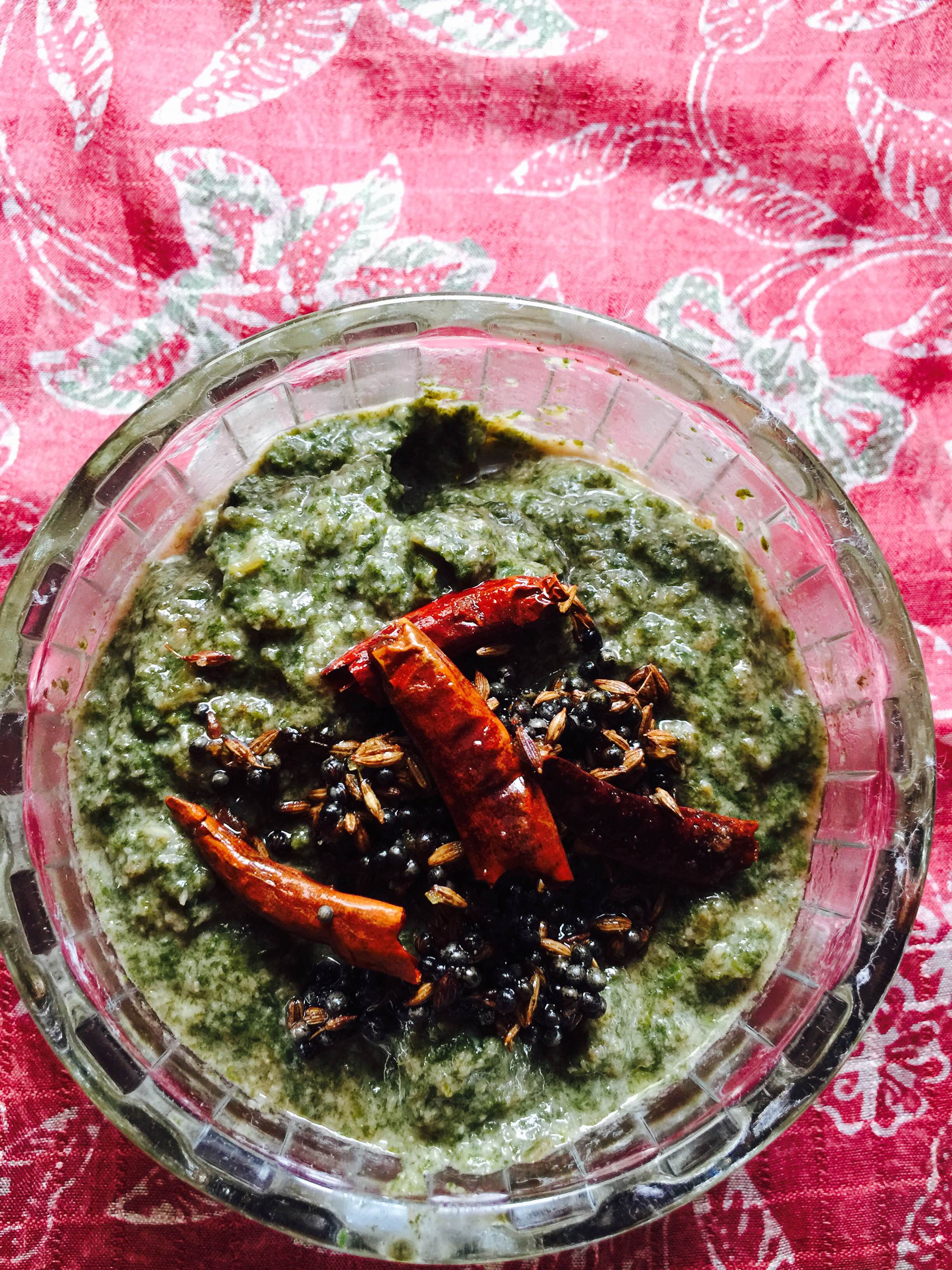
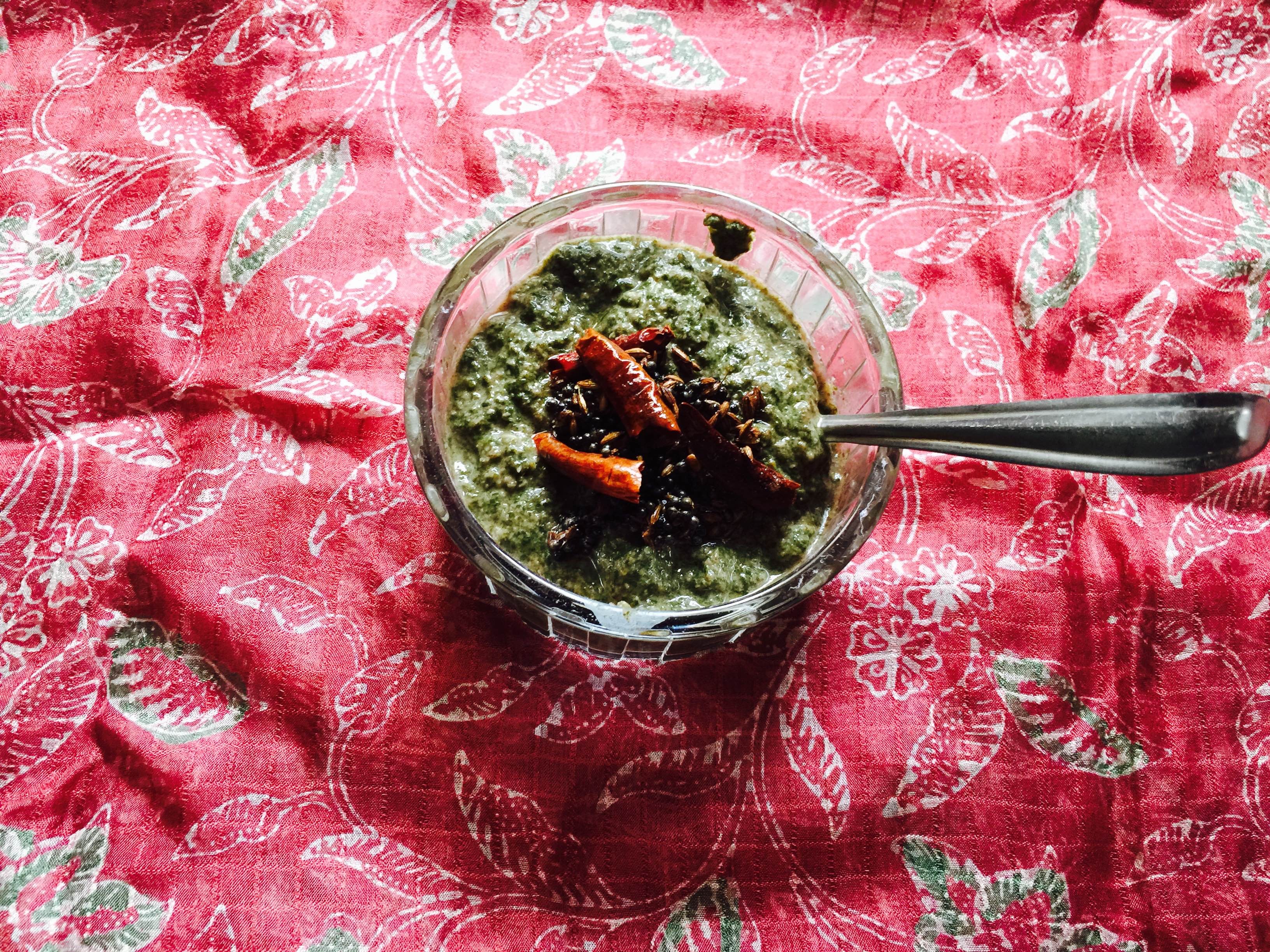
Another very typical tambram recipe is this spinach recipe. You can make this using any greens, and though the look of the dish is not that special (at least mine didn’t look very photogenic), the end result is a very tasty dish, which goes equally well with rice or with any Indian bread.

Mor Keerai

IMG_4683Ingredients:

  • 3-4 heaped cups of chopped and washed greens
  • 1 cup yoghurt which is whisked and smooth
  • 1/3 to ½ cup grated coconut
  • 3-4 red chillies
  • 1-2 tsps cumin seeds
  • 1 tbsp Oil or ghee for seasoning
  • 1 tsp Mustard seeds
  • 3-4 red chillies
  • 1 tsp urad dal
  • A pinch of asafetida

Method:

  • Wash the greens well, making sure that all dirt is washed away.
  • In a pan, put the washed greens with a little water and let it cook.
  • In the meantime, using a bit of the yoghurt, grind the coconut, cumin seeds, green chillies into a smooth paste.
  • Once the greens have cooked, using a potato smasher or stick blender, mash it or blend it coarsely. Then add the coconut paste, yoghurt and salt to taste.
    Let it boil for 5-10 mins and switch off the gas
  • In a smaller pan, heat the ghee or oil and when warm, put the mustard seeds. When the splutter, add the urad dal, red chillies and asafetida powder. Once the urad dal starts to brown, remove from the gas and pour over the cooked spinach.

IMG_4680Delicious Mor Keerai is ready to eat. Serve with rice and rasam as a kootu (make it thicker then) or over rice (make it thinner)

Recipes: Thippili Rasam

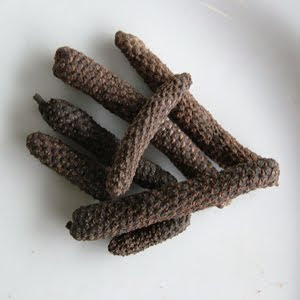
One of the forgotten spices in India, Thippili or Long pepper is no longer used in Indian cooking. This amazing ayurvedic medicinal plant or spice has so many benefits that once I started using it, I actually wondered why people were not incorporating it into their cooking.

According to Wikipedia, this spice has been referred to in ancient texts of Ayurveda. It reached Greece in the sixth or fifth century BCE, though Hippocrates discussed it as a medicament rather than a spice. As peppers are wont to be, these are very useful in curing or suppressing coughs and colds.

My kids call this rasam as “Medicine Rasam” and love it when they are sick. You can also drink it as a soup when you don’t really feel like eating and having this on a rainy day is bliss!

It’s not a very difficult recipe, with the biggest challenge being to get the Thippili. You should be able to get it in any Indian stores. There are different versions of the rasam and here’s how I make it…

Thippili Rasam

IMG_4685

Ingredients:

  • 1 small lemon sized ball of tamarind, soaked in warm water
  • 6-8 sticks of Thippili
  • 1/2 tsp whole black pepper
  • 1 cup Toor dal, cooked till it is mushy
  • 2 tbsps Coriander seeds
  • 2 tsps Cumin seeds
  • 4-6 dried Red Chillies (this depends on the spice intensity of the chillies plus your spice tolerance)
  • a pinch of Asafoetida
  • 1-2 tsps jaggery (you can omit this or use brown or white sugar as a substitute)
  • 1 tsp mustard seeds
  • 8 – 10 curry leaves
  • 1 tbsp ghee
  • 1-2 tomatoes

Method:

  • Soak the tamarind in warm water, then squeeze it out and run the water through a seive to get tamarind water. Discard the paste which is left behind.
  • In a pan, heat 1 tsp of ghee and lightly fry the thippili, coriander seeds, 1 tsp cumin seeds and red chillies. Once cool, blend it into a smooth paste along with the tomatoes.
  • Next mix together the tamarind water, asafoetida, salt and jaggery and start boiling it. Once the raw smell of the tamarind goes away, add the ground paste and continue boiling. After 10 mins, add in the cooked Toor dal and continue to boil for another 10 mins.
  • In a seperate, smaller pan, put the remaining ghee and heat it. Then add the mustard and balance cumin seeds. When the seeds pop, add the curry leaves and a pinch of asafoetida. Stir for a couple of seconds, switch off the gas and pour this seasoning over the rasam.

IMG_4686

Delicious Thippili Rasam is ready. Eat with rice or by itself as a soup!