Adulting 101: The Importance of Mindfulness

In an age characterised by constant distractions and relentless demands on our time, the practice of mindfulness has emerged as a powerful tool for enhancing mental well-being and promoting overall health. For young adults navigating the complexities of life—whether in university, starting their careers, or managing relationships—mindfulness can provide essential benefits that contribute to a more balanced and fulfilling existence.

Mindfulness is the practice of bringing one’s attention to the present moment with openness, curiosity, and acceptance. It involves paying attention to thoughts, feelings, bodily sensations, and the surrounding environment without judgment. Rather than dwelling on the past or worrying about the future, mindfulness encourages individuals to fully engage with whatever is happening in the here and now.

Mindfulness involves being aware of one’s thoughts, feelings, and sensations as they arise. This awareness allows one to observe one’s experiences without becoming overwhelmed by them. Mindfulness encourages acceptance of one’s thoughts and feelings as they are, rather than trying to change or suppress them. This non-judgmental approach fosters a sense of peace and reduces anxiety. Mindfulness emphasises living in the moment. By focusing on the present, individuals can reduce stress related to past regrets or future worries.

Research has shown that mindfulness practices can lead to significant improvements in mental health and well-being. Studies indicate that mindfulness meditation can reduce symptoms of anxiety and depression, enhance emotional regulation, and improve overall psychological resilience. Neuroscientific research has also demonstrated that mindfulness can lead to changes in brain structure, particularly in areas associated with emotional regulation and cognitive function.

Young adults often face a multitude of stressors—academic pressures, job responsibilities, social expectations, and financial concerns. Mindfulness provides effective tools for managing stress. Mindfulness practices help calm the mind by promoting relaxation and reducing rumination on stressful thoughts. By fostering awareness of stress triggers and emotional responses, mindfulness allows individuals to develop healthier coping mechanisms.

In a world filled with distractions—from smartphones to social media—maintaining focus can be challenging. Mindfulness practices train the brain to focus on one task at a time, improving overall productivity. By cultivating present-moment awareness, individuals can minimise distractions and enhance their ability to concentrate on important tasks.

For young adults navigating complex emotions during formative years, mindfulness offers valuable benefits. Mindfulness helps individuals recognise their emotions without judgment, allowing for healthier emotional processing. Practicing mindfulness can lead to improved emotional regulation, enabling individuals to respond thoughtfully rather than react impulsively.

Mindfulness fosters better interpersonal relationships by promoting empathy and effective communication. Mindful communication encourages active listening, allowing individuals to fully engage with others during conversations. By being present with others’ feelings and experiences, mindfulness cultivates empathy and understanding in relationships.

Resilience is crucial for young adults facing life’s challenges. Mindfulness contributes to building resilience. Mindful individuals are better equipped to adapt to change and navigate setbacks with a positive mindset. Regular mindfulness practice enhances resilience against stressors by promoting a sense of calm during difficult times.

Establishing a mindfulness routine may seem daunting at first; however, it can be easily integrated into daily activities through simple practices. Here are some effective strategies for young adults looking to incorporate mindfulness into their lives:

Start Small: Begin the mindfulness journey with small steps. Spend just a few minutes each day focusing on the breath. Close your eyes, take deep breaths, and observe the sensations as you inhale and exhale. Start with brief meditation sessions of between five and ten minutes using guided apps like Headspace, Insight Timer, or Calm. Gradually increase the duration as you become more comfortable.

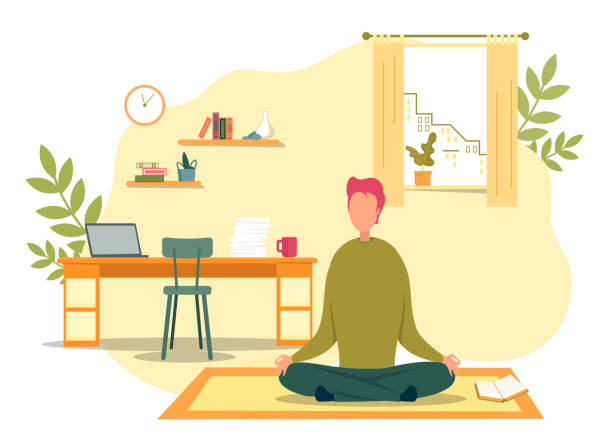
Designate a specific area in your home for mindfulness practices. Choose a quiet space free from distractions where you can practice meditation or reflection comfortably. Add calming elements such as candles, plants, or cushions to create an inviting atmosphere conducive to relaxation.

Transform mealtime into an opportunity for mindfulness. Take time to appreciate the flavours, textures, and aromas of your food without distractions like phones or television. Chew your food thoroughly and enjoy each bite; this promotes better digestion while encouraging gratitude for nourishment.

Mindfulness doesn’t have to be limited to sitting still; movement-based practices are also effective. Engage in yoga or tai chi classes that emphasise mindful movement while connecting breath with motion. Take walks outdoors while focusing on each step you take; notice the sensations in your feet as they touch the ground.

Leverage technology to support your mindfulness practice. Utilise apps designed for mindfulness training that offer guided meditations, breathing exercises, and reminders. Explore online courses or videos focused on mindfulness techniques that fit your schedule.

Incorporate reminders throughout your day to practice mindfulness. Set alarms or reminders on your phone to take short breaks for mindful breathing or stretching during busy days. Place sticky notes in visible areas, like computer screens, with motivational quotes or prompts encouraging mindfulness.

Reflection is an essential part of developing mindfulness. Keep a journal where you can write about your thoughts and feelings after practising mindfulness; this helps track progress over time. At the end of each day, reflect on three things you are grateful for; this promotes positive thinking while enhancing self-awareness.

Connecting with others who share similar interests can enhance motivation. Look for local or online groups focused on mindfulness practices where you can share experiences and learn from others. Participate in workshops or retreats dedicated to mindfulness that provide immersive experiences.

While incorporating mindfulness into daily life offers numerous benefits, young adults may encounter challenges along the way. Busy schedules may make it difficult to find time for mindfulness practices. Instead of setting aside large blocks of time exclusively for mindfulness, integrate short practices throughout your day like doing some mindful breathing during your daily commute.

In today’s digital age filled with distractions from technology, establish boundaries around technology use before bed; this promotes better sleep quality while allowing time for reflection or meditation instead. Many individuals struggle with self-doubt when starting new practices. Be gentle with yourself; recognise that developing a new skill takes time—allow yourself room for growth without harsh judgment!

Mindfulness is an invaluable practice that offers numerous benefits specifically tailored towards young adults navigating various challenges throughout their lives! By understanding its importance while implementing effective strategies—such as starting small, creating dedicated spaces, practising mindful eating, and utilising technology wisely—you will cultivate greater awareness & presence within each moment! Embrace this journey towards enhanced mental well-being & personal growth! Remember—it’s not about perfection but rather progress! With patience & commitment, you’ll soon find yourself reaping all the rewards that come from living mindfully!
Mindful Eating: Nourishing the Body and Mind

In a world increasingly dominated by fast-paced lifestyles and processed foods, mindful eating has emerged as a powerful antidote. This practice encourages individuals to cultivate awareness around their food choices, fostering a deeper connection between the mind and body.

What is mindful eating?
Mindful eating is the practice of being fully present and aware during the eating process. It involves paying attention to the sensory experience of eating, including the taste, texture, aroma, and appearance of food. This approach encourages individuals to slow down, savour each bite, and listen to their body’s hunger and satiety cues.

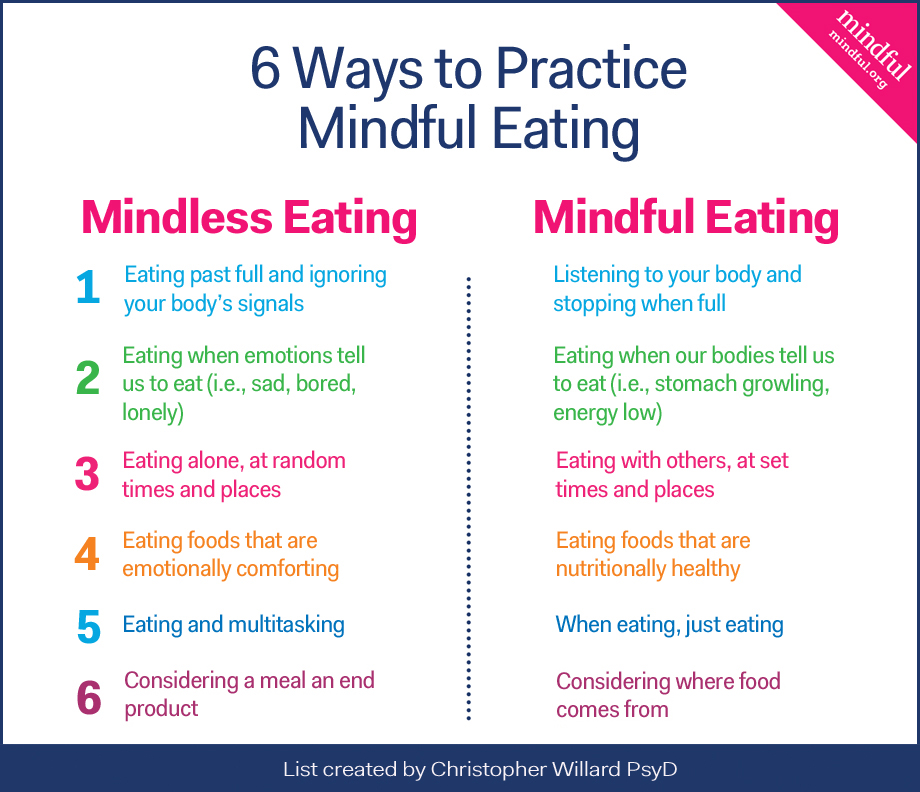
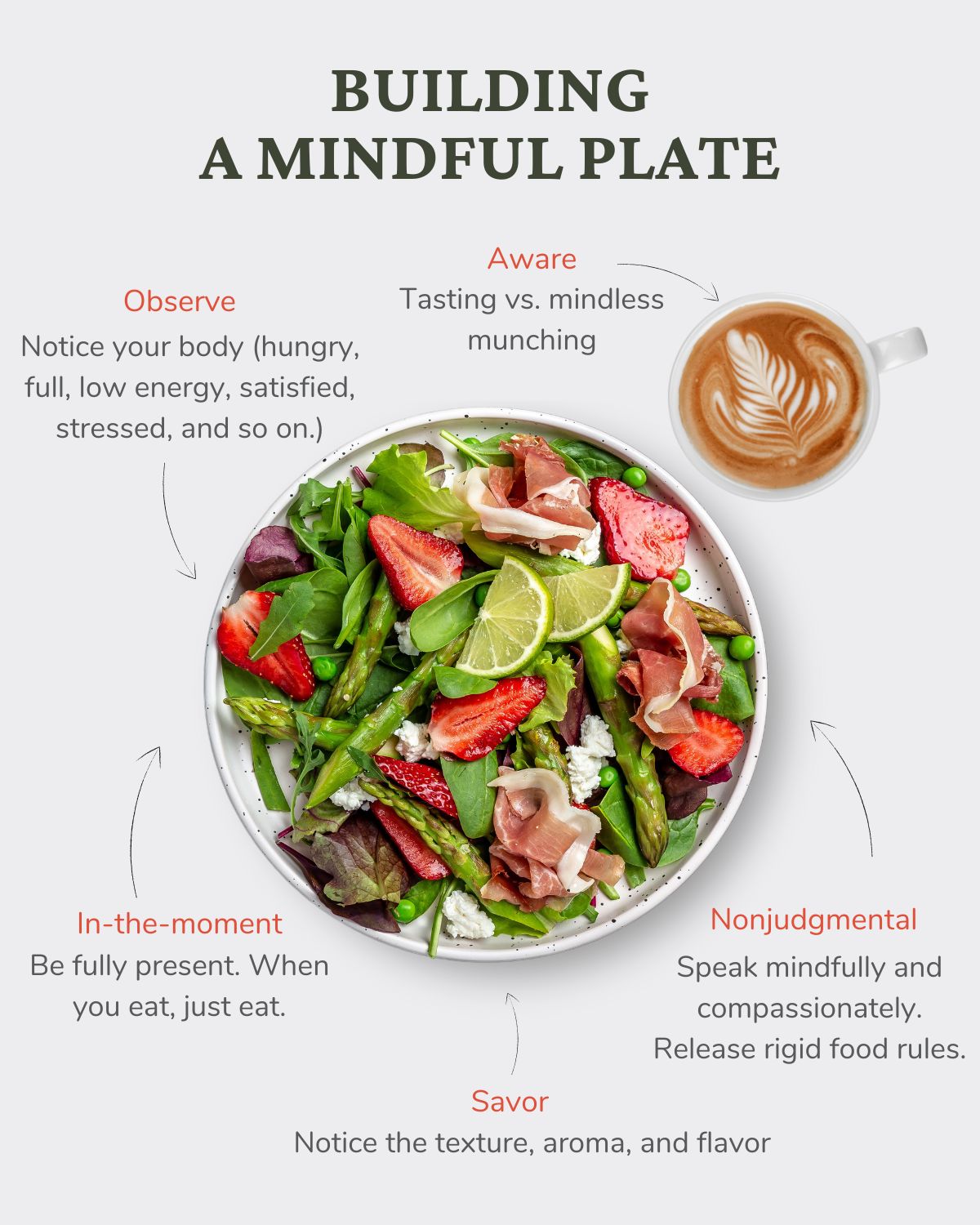
The core principles of mindful eating include being aware and conscious of the food one eats and the sensations associated with it; being non-judgmental and accepting one’s eating experiences without criticism or guilt; savouring and taking the time to enjoy one’s food, enhancing the pleasure of eating; and listening to the body and recognising and responding to hunger and fullness signals.

Origin of Mindful Eating
The term “mindful eating” is rooted in the broader concept of mindfulness, which has its origins in Buddhist meditation practices. Mindfulness emphasises living in the present moment and being aware of one’s thoughts, feelings, and surroundings. In the late 20th century, the application of mindfulness to eating began to gain traction, particularly through the work of researchers and dietitians.

A pioneer in the field of mindfulness, Jon Kabat-Zinn developed the Mindfulness-Based Stress Reduction (MBSR) program in the late 1970s, which helped popularise mindfulness in the West. In her book, “Mindful Eating,” Dr. Jan Chozen Bays outlines practical strategies for incorporating mindfulness into eating habits, emphasising awareness and compassion.

Benefits of Mindful Eating
Mindful eating offers a wide range of benefits for both physical and mental health. Here are some key advantages:

  • Improved Digestion: Eating slowly and mindfully allows one’s body to properly digest food. When one eats quickly, they may swallow air and have difficulty recognising when they’re full, leading to overeating. Mindful eating encourages thorough chewing and salivation, aiding digestion.
  • Enhanced Relationship with Food: Mindful eating fosters a positive relationship with food. By eliminating guilt and judgment, individuals can enjoy their meals without anxiety. This can lead to a more balanced and healthy attitude toward food choices.
  • Weight Management: Research indicates that mindful eating can contribute to weight loss and management. By being aware of portion sizes and listening to hunger cues, individuals are less likely to overeat and more likely to make healthier food choices.
  • Reduced Emotional Eating: Mindful eating helps individuals recognise emotional triggers that lead to overeating. By developing awareness around these feelings, people can address emotions in healthier ways rather than turning to food for comfort.
  • Increased Satisfaction: Taking the time to savour food can lead to greater satisfaction with smaller portions. When one truly enjoys their food, they may find that one needs less to feel full and satisfied.

How to Practice Mindful Eating?
Incorporating mindful eating into one’s daily routine doesn’t have to be daunting. Here are some practical steps to get started:

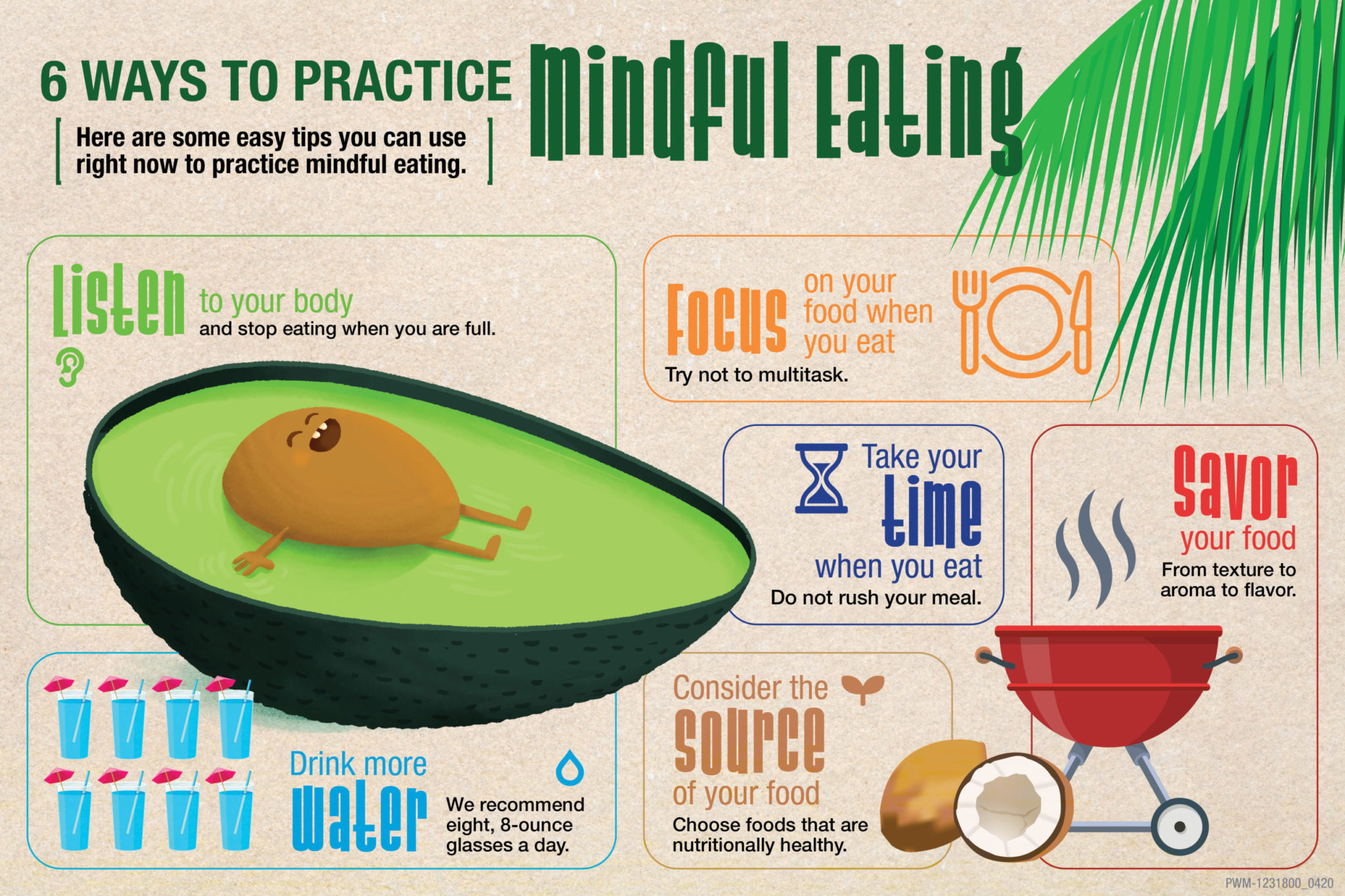
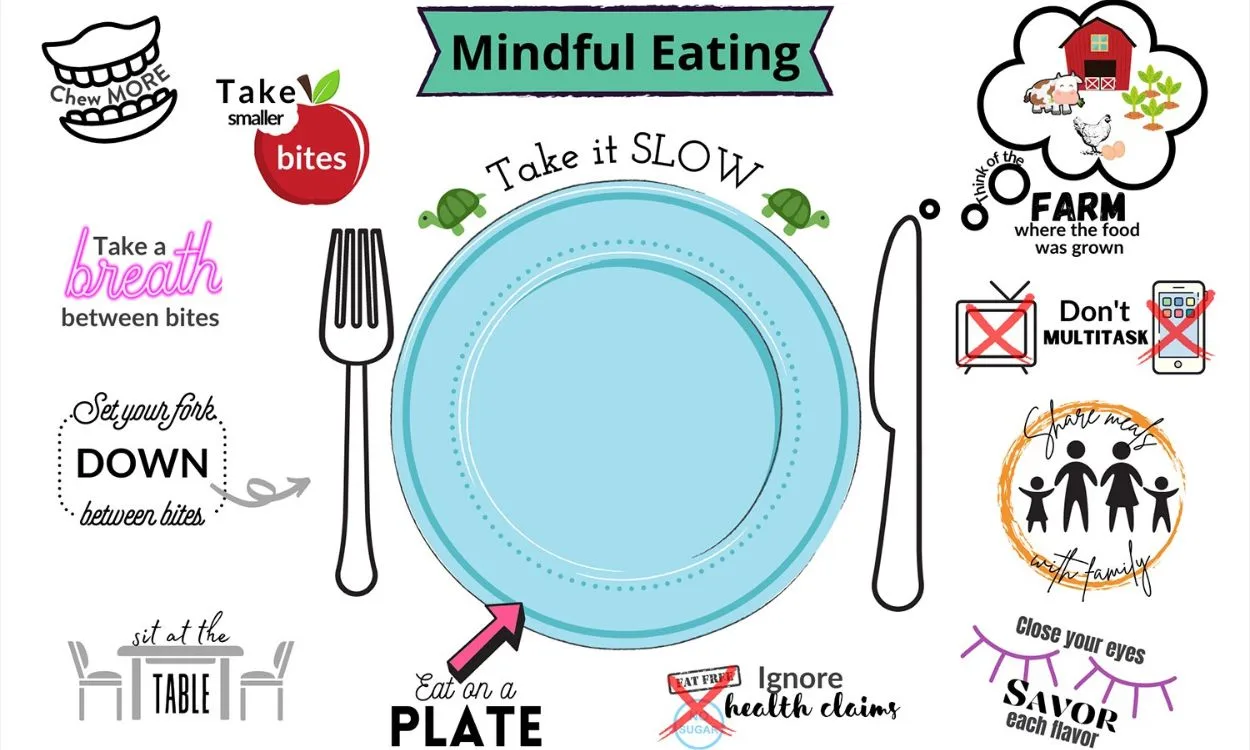
  • Create a Mindful Eating Environment: Set the stage for mindful eating by minimising distractions. Turn off electronic devices, find a quiet space, and focus solely on the meal.
  • Engage the Senses: Before one eats, take a moment to observe one’s food. Notice its colours, textures, and aromas. As one eats, one should pay attention to the sensations of taste and the feeling of each bite in one’s mouth.
  • Slow Down: Take time while eating. Chew each bite thoroughly and place the utensils down between bites. This not only enhances the eating experience but also gives the brain time to register fullness.
  • Listen to the Body: Tune in to the body’s signals. Ask oneself if one is truly hungry before reaching for food. During the meal, check in with one’s hunger and fullness levels, and stop eating when one feels satisfied.
  • Practice Gratitude: Before meals, take a moment to express gratitude for the food. Acknowledging the effort that went into preparing the meal can enhance the enjoyment and appreciation of it.
  • Keep a Mindful Eating Journal: Consider keeping a journal where one can reflect on one’s eating experiences. Note how certain foods make one feel, any emotional triggers one notices, and one’s hunger levels throughout the day.

Mindful Eating and Weight Loss
For those looking to lose weight, mindful eating can be an effective strategy. Here’s how it can help:

  • Awareness of Portions: Mindful eating encourages portion control. By paying attention to how much one eats and recognising when one is full, one can avoid overeating, which is often a major barrier to weight loss.
  • Better Food Choices: When one practices mindful eating, one is more likely to choose foods that nourish one’s body. One may find oneself gravitating toward whole, unprocessed foods that provide better nutrition compared to processed options.
  • Reduced Cravings: By understanding one’s body’s hunger signals, one can better distinguish between physical hunger and emotional cravings. This awareness can help reduce mindless snacking and emotional eating.
  • Sustainable Habits: Mindful eating fosters a long-term, sustainable approach to health and weight management. It promotes a balanced relationship with food rather than a cycle of restrictive dieting and bingeing.

Mindful eating is more than just a method for losing weight; it is a holistic approach to nourishing the body and mind. By fostering awareness, reducing emotional eating, and cultivating a positive relationship with food, individuals can experience profound benefits that extend beyond the dining table. As one embarks on their journey toward mindful eating, remember that it is a practice—one that requires patience and self-compassion. By taking small steps to incorporate mindfulness into one’s meals, one can transform their eating habits and, ultimately, their relationship with food. Whether one aims to lose weight, improve one’s digestion, or simply savour the joy of eating, mindful eating can help achieve their health goals while enhancing their overall well-being. Embrace the journey, and enjoy each bite!

“I Am My Own Best Friend” – Embracing Self Love

In the Bollywood film “Jab We Met,” the female lead, Geet, delivers a line that resonates deeply with many, including yours truly! After I saw this movie, this line became my statement. What was the line? The line was, “I am my own best friend.” This simple yet profound statement encapsulates the essence of self-love and the importance of finding contentment within oneself. For introverts, who often find solace in solitude and introspection, this line serves as a powerful reminder of the value of self-companionship.

Being your own best friend means developing a deep and nurturing relationship with yourself. It involves recognising your worth, embracing your strengths and weaknesses, and treating yourself with the same kindness and compassion that you would offer to a close friend. This concept is particularly relevant for introverts, who often thrive in environments that allow introspection and self-reflection.

When you become your own best friend, you build a strong foundation of emotional resilience. You learn to rely on yourself for comfort and support, which can be especially valuable during challenging times. Embracing self-companionship fosters self-acceptance. You learn to appreciate your unique qualities and quirks, and you become more forgiving of your imperfections. Being your own best friend cultivates a sense of independence. You become less reliant on external validation and more confident in your ability to navigate life’s ups and downs on your terms. Developing a positive relationship with yourself leads to inner peace. You create a safe and nurturing space within your mind, where you can retreat and recharge.

Introverts often find themselves energised by solitude and introspection. They derive strength from within and are more attuned to their inner world. For introverts, being their own best friend is not just a choice but a necessity. It allows them to thrive in a world that often values extroverted qualities.

Introverts recharge their energy through solitude. Being their own best friend means they can fully embrace and enjoy their alone time without feeling lonely or isolated. Solitude provides introverts with the opportunity for self-discovery. They can explore their thoughts, feelings, and passions without external distractions. Many introverts find that their creativity flourishes in solitude. Being their own best friend allows them to tap into their creative potential and express themselves authentically. Introverts are naturally inclined towards mindfulness and introspection. Developing a positive relationship with themselves enhances their ability to stay present and mindful.

Cultivating self-companionship is a journey that requires intentional effort and practice. Self-care is the foundation of self-companionship. It involves taking deliberate actions to nurture your physical, emotional, and mental well-being.

Physical self-care or a regular physical activity that you enjoy, whether it’s yoga, walking, dancing, or any other form of exercise, boosts your mood and energy levels. Nourish your body with healthy and balanced meals. Pay attention to how different foods make you feel and choose those that energize and sustain you. Prioritise rest and sleep. Create a bedtime routine that promotes relaxation and ensures you get enough restorative sleep.

Emotional self-care includes journaling, where you can keep a journal to express your thoughts and emotions. Writing can be a therapeutic way to process your feelings and gain clarity. Practice mindfulness techniques such as meditation, deep breathing, or guided imagery. These practices help you stay present and reduce stress. Set healthy boundaries in your relationships and activities. Learn to say no when necessary and protect your emotional well-being.

To care for yourself mentally, engage in reading books that inspire and uplift you. Reading can be a great way to expand your knowledge and stimulate your mind. Pursue hobbies and activities that bring you joy and fulfilment. Whether it’s painting, gardening, or playing a musical instrument, make time for activities that nourish your soul. Continuously seek opportunities for learning and personal growth. Take up new courses, attend workshops, or explore new interests.

The way you talk to yourself has a profound impact on your self-esteem and overall well-being. Cultivate positive self-talk by being mindful of your inner dialogue and replacing negative thoughts with affirming ones.

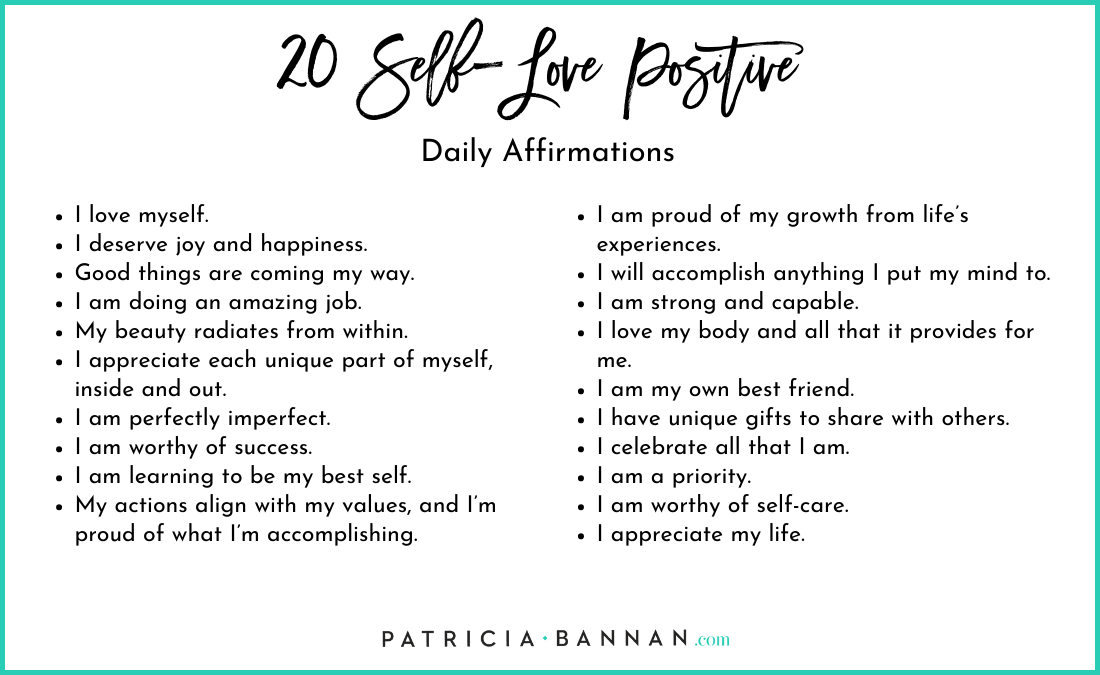
Start your day with positive affirmations. Repeat statements that reinforce your self-worth and capabilities, such as “I am enough,” “I am capable,” and “I am deserving of love and happiness.” Practice gratitude by acknowledging the things you appreciate about yourself and your life. Keep a gratitude journal and write down three things you’re grateful for each day.

Treat yourself with the same kindness and compassion that you would offer to a friend. When you make a mistake, remind yourself that it’s okay to be imperfect. Forgive yourself for past mistakes and shortcomings. Let go of self-criticism and embrace self-acceptance.

The Danish concept of hygge, pronounced “hoo-gah” is all about creating a cosy and inviting atmosphere that promotes well-being and contentment. Incorporating hygge into your daily life can enhance your sense of self-companionship.

Use soft, warm lighting such as candles, string lights, or lamps with dimmers to create a cosy ambience. Add plush blankets, pillows, and rugs to your living space. These elements create a sense of warmth and comfort. Incorporate natural elements like plants, flowers, and wooden decor to bring a touch of nature indoors.

Indulge in comforting food and drink, such as a cup of hot cocoa, a bowl of soup, or freshly baked bread. Savour these simple pleasures mindfully. Take time to enjoy the present moment. Whether it’s sipping your morning coffee, reading a book, or taking a walk in nature, be fully present and appreciate the experience.

Creative activities provide a therapeutic outlet for self-expression and can be a wonderful way to connect with yourself. Explore painting, drawing, or other forms of visual art. Allow yourself to create without judgment or expectations. Write stories, poems, or personal reflections. Writing can be a powerful way to process your thoughts and emotions. Engage in knitting, crocheting, or other crafting activities. These hobbies can be relaxing and satisfying. Take on DIY projects that interest you, such as home decor, gardening, or upcycling old items.

Mindfulness and meditation are powerful practices that can help you stay grounded and connected to yourself. Set aside time each day for meditation. Focus on your breath, observe your thoughts without judgment, and cultivate a sense of inner peace. Practice deep breathing exercises to calm your mind and body. Inhale deeply through your nose, hold for a few seconds, and exhale slowly through your mouth. Perform a body scan meditation to bring awareness to different parts of your body. This practice can help you release tension and promote relaxation.

While being your own best friend is important, fostering meaningful connections with others can also enhance your sense of well-being. Spend quality time with family and friends engaging in activities you enjoy together, such as cooking, hiking, or playing games. Have meaningful conversations with loved ones. Share your thoughts, feelings, and experiences, and listen actively to theirs. Surround yourself with supportive and positive people who uplift and encourage you. Get involved in your community by joining clubs, groups, or organizations that align with your interests and values.

Embracing solitude and reflection allows you to connect with your inner self and gain clarity. Keep a journal to reflect on your thoughts, experiences, and goals. Journaling can provide insights and help you process your emotions. Take solitary walks in nature to clear your mind and connect with the natural world. Use this time for introspection and self-discovery.

Dedicate time each day to unplug from digital devices and social media. Use this time for self-reflection, relaxation, and meaningful activities. Be mindful of the content you consume online. Choose content that inspires, educates, and uplifts you.

Being your own best friend is a journey of self-discovery, self-acceptance, and self-love. For introverts, this journey is especially meaningful, as it aligns with their natural inclination towards introspection and solitude. By practising self-care, cultivating positive self-talk, creating a hygge-inspired environment, engaging in creative pursuits, prioritizing mindfulness, fostering meaningful connections, and embracing solitude, you can develop a deep and nurturing relationship with yourself.

Remember, the journey to self-companionship is unique for each individual. Embrace the process with patience and compassion, and celebrate the small victories along the way. As you become your own best friend, you’ll find that you are better equipped to navigate life’s challenges, cultivate inner peace, and create a fulfilling and joyful life.

The Magic of Morning Routines: Starting The Day with Purpose and Positivity

The way we start our mornings can have a profound impact on our overall well-being and productivity throughout the day. A mindful morning routine sets the tone for a positive and fulfilling day, allowing us to cultivate a sense of purpose, focus, and inner peace. Having a morning routine is essential to a successful life with scientists and CEOs extolling the benefits of establishing an early morning ritual for decades. Past research has shown that a consistent morning routine can reduce stress, boost your energy levels and improve your productivity at work.

Our mornings can often feel rushed, chaotic, and stressful, as we juggle multiple responsibilities and obligations. However, by taking the time to establish a mindful morning routine, we can create a peaceful and energising start to our day. How we begin our day sets the tone for the rest of it. By dedicating time to a morning routine, we can set a positive and productive tone that carries through the day. A morning routine allows us to start the day with a clear and focused mind. It allows us to engage in activities that promote mindfulness, self-reflection, and gratitude. By organising our mornings with intention, we can increase our overall productivity because a well-structured morning routine helps us prioritise tasks, set goals, and create a sense of accomplishment. A mindful morning routine provides a buffer against stress. By engaging in activities that promote relaxation and self-care, we can reduce anxiety and set a positive mindset for the day. A morning routine also provides
structure to our day by giving us the power to take control of our schedule and promoting better time management.

Countless morning rituals can help us start our day with purpose and positivity. While each person’s routine may vary, the key is to choose activities that resonate with you and contribute to your well-being. Here are a few rituals to consider:

Meditation: One of the most powerful rituals for a mindful morning routine is meditation. Sitting in silence and observing the breath or engaging in guided meditations can help calm the mind, reduce stress, and enhance focus. Even a few minutes of meditation can make a significant difference.

Gratitude Journaling: Practicing gratitude can shift the perspective and create a positive mindset. Consider keeping a gratitude journal, where one should write down three things they’re grateful for each morning. This simple practice cultivates a sense of appreciation and can lead to greater happiness throughout the day.

Exercise or Movement: Engaging in physical activity in the morning can boost energy levels and improve overall well-being. Whether it’s a yoga session, a brisk walk, or a workout routine, moving your body in the morning helps release endorphins and sets a positive tone for the day.

Mindful Breakfast: Instead of rushing through breakfast, take the time to savour the meal mindfully. Pay attention to the flavours, textures, and nourishment it provides. This practice helps cultivate a sense of presence and gratitude for the food we consume.

Affirmations and Visualisation: Start the day by affirming positive statements and visualising daily, monthly or even annual goals. Repeat affirmations that resonate, such as “I am capable of achieving my goals” or “I radiate positivity and abundance.” Visualize accomplishing the tasks for the day, creating a positive mindset and boosting self-confidence.

Reading or Learning: Dedicate some time in the morning to reading or learning something new. Engaging with inspiring books, articles, or educational materials can expand knowledge, stimulate creativity, and provide motivation for the day ahead.

Digital Detox: Instead of immediately reaching for the phone or computer, consider incorporating a digital detox into the morning routine, giving at least 30 minutes of technology-free time to engage in activities that promote mindfulness and self-care.

Personal Reflection: Take a few moments each morning to reflect on goals, priorities, and values. Ask yourself what you want to achieve for the day and how you can align your actions with your long-term vision. This reflection helps you stay focused and grounded throughout the day.

Creating a morning routine that works is a personal process. It’s important to experiment and find rituals that resonate with your lifestyle and goals.

Start Small: Begin by incorporating one or two rituals into your morning routine and gradually add more over time. Starting small allows you to establish sustainable habits without overwhelming yourself.

Time Management: Assess how much time you can realistically dedicate to your morning routine. Consider waking up a bit earlier to create a buffer for your rituals. Remember, it’s about quality, not quantity. Even a short routine can be impactful.

Flexibility: Be flexible and adapt your routine as needed. Life can be unpredictable, and there may be days when you have limited time or unexpected responsibilities. Allow yourself to modify your routine without feeling guilty or discouraged.

Consistency: Consistency is key when establishing a morning routine. Try to stick to your routine as much as possible, even on weekends or during vacations. Consistency helps solidify habits and ensures you reap the long-term benefits.

Starting your day with purpose and positivity through a mindful morning routine can have a transformative effect on overall well-being. By prioritising rituals like meditation, journaling, exercise, and gratitude, one can set a positive tone for the day and enhance productivity. Everyone’s routine will be unique, so experiment, be flexible, and find what works best. Embrace the magic of morning routines and watch as they positively impact your life.

Self-Love: You alone are Enough

Source

There is a line in the 2007 Bollywood movie, “Jab We Met” where the female lead, Geet, played by Kareena Kapoor, tells the male lead, Aditya, played by Shahid Kapoor, that “Main to apni favourite hoon”, translated to “I am my favourite”. This iconic line is, to me, the essence of what self-love is.

In the hustle and bustle of our daily lives, it’s all too easy to lose sight of the most important relationship we’ll ever have — the one with ourselves. Self-love, a concept often misunderstood or overlooked, holds the key to personal growth, resilience, and a life of fulfilment.

Self-love, defined as the love of self or regard for one’s happiness or advantage, has been conceptualised both as a basic human necessity and as a moral flaw akin to vanity and selfishness,  synonymous with amour-propre, conceitedness, egotism, narcissism, etc. However, today, self-love has adopted a more positive connotation as well through the increase in mental health awareness that promotes self-love as intrinsic to self-help.

Self-love is a state of appreciation for oneself that grows from actions that support our physical, psychological and spiritual growth. Self-love means having a high regard for your well-being and happiness. It means taking care of your own needs and not sacrificing your well-being to please others, and it means not settling for less than you deserve.

Self-love is not narcissism, arrogance, or self-indulgence. Rather, it is the deep appreciation, acceptance, and compassion we nurture towards ourselves. It’s about recognising our worth, valuing our unique qualities, and embracing our imperfections as part of our journey of growth. Self-love is the foundation upon which we build a life that aligns with our values, passions, and aspirations.

Self-love is important to every one of us. When we cultivate self-love, we develop a strong sense of self-acceptance. This allows us to be authentic, honour our true selves, and live in alignment with our core values. Through this process, we discover inner peace as we release the need for external validation and embrace our innate worthiness. Self-love creates a nurturing environment for mental and emotional well-being. By practising self-compassion, we develop resilience in the face of challenges and setbacks. We learn to manage stress, anxiety, and self-doubt with kindness, empowering ourselves to bounce back stronger and cultivate a positive mindset. The foundation of any healthy relationship begins with self-love. When we love and respect ourselves, we set healthy boundaries, communicate effectively, and attract relationships that uplift and support us. By valuing our own needs and desires, we create space for deeper connections built on mutual respect and understanding.

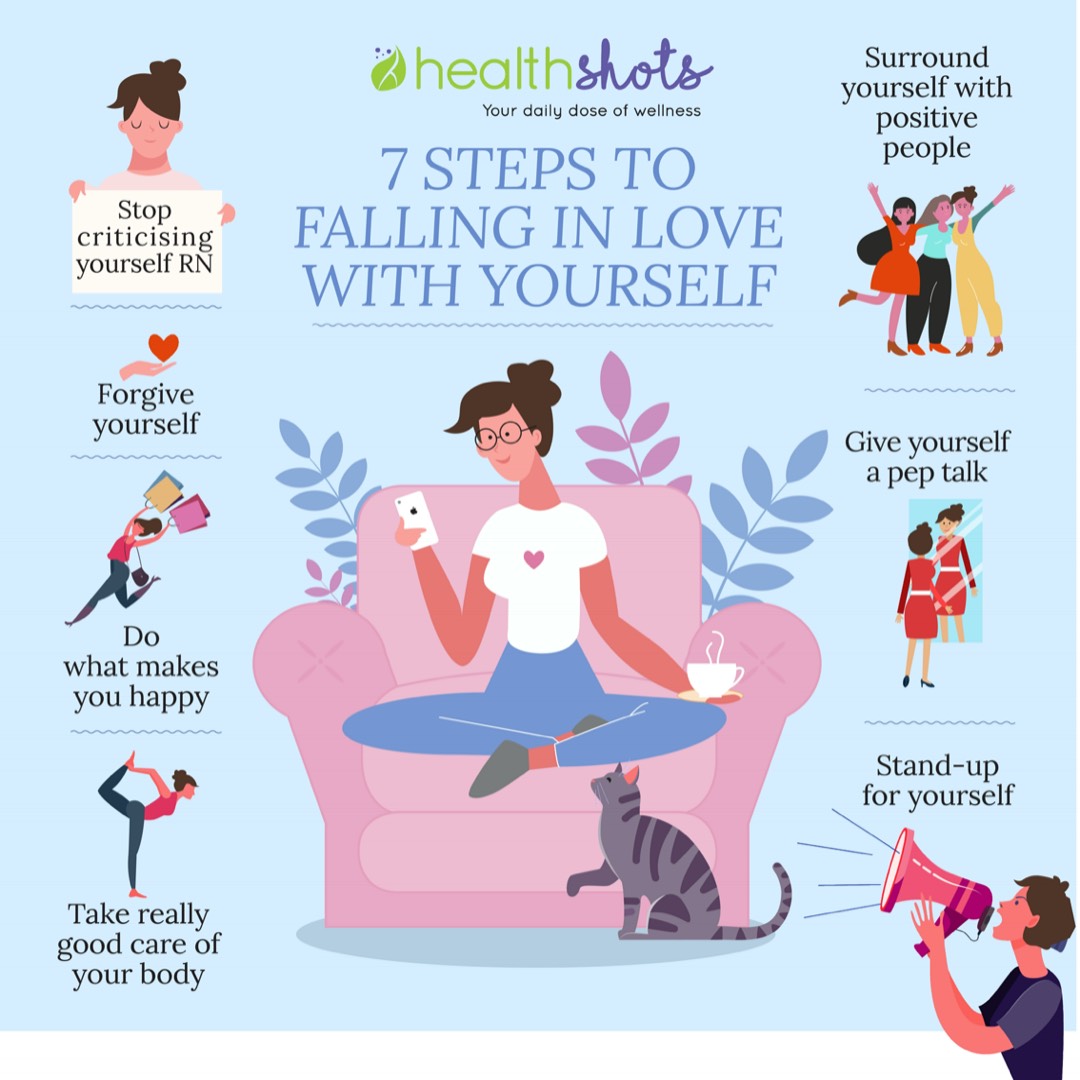
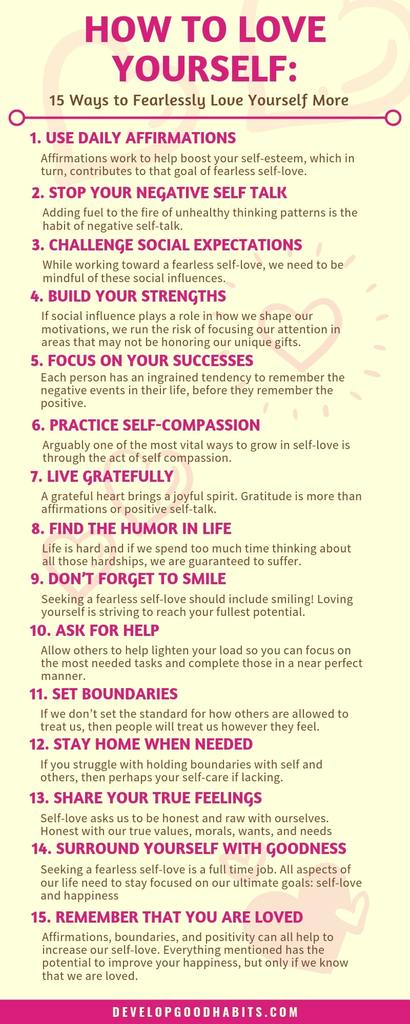
So how do we develop, cultivate and nurture self-love? There are various ways one can become more in love with ourselves. Developing self-love begins with self-awareness. Take time to reflect on your thoughts, emotions, and patterns of behaviour. Notice your inner dialogue and challenge self-critical thoughts. Journaling, meditation, and therapy can be powerful tools for self-discovery and nurturing self-awareness. People who have more self-love tend to know what they think, feel, and want. They take actions based on need rather than want, and by staying focused on what they need, they turn away from automatic behaviour patterns that get them into trouble, keep them stuck in the past, and lessen self-love.

One also needs to practice self-compassion and treat oneself with the same kindness and compassion they would extend to a dear friend. Embrace your flaws, celebrate your successes, and acknowledge your efforts. Embracing self-compassion helps us break free from the grip of perfectionism and fosters a nurturing environment for personal growth.

Self-love requires actively prioritising self-care. You should engage in activities that bring joy, recharge energy, and support your overall well-being. People high in self-love nourish themselves daily through healthy activities, like sound nutrition, exercise, proper sleep, intimacy and healthy social interactions. Start truly caring for yourself by mirroring that in what you eat, how you exercise, and what you spend time doing. Do stuff, not to get it done or because you have to, but because you care about yourself.

Boundaries are essential for self-love. Learn to say no when your well-being is at stake, and establish limits that honour your time, energy, and emotional capacity. Setting boundaries allows you to create space for self-care, pursue your passions, and protect your mental and emotional health. Surrounding yourself with positive influences—whether it be supportive friends, inspiring mentors, or uplifting content—can reinforce self-love. Choose relationships and environments that foster growth, encouragement, and acceptance.

Lastly, to practice self-love, start by being kind, patient, gentle and compassionate to yourself, the way you would with someone else that you care about.

Self-love can mean something different for each person because we all have many different ways to take care of ourselves. Figuring out what self-love looks like for you as an individual is an important part of your mental health. Self-love is a lifelong journey that requires conscious effort, patience, and compassion. By embracing our worth, nurturing self-acceptance, and prioritising self-love, we can unlock our true potential and create a life of authenticity, inner peace, and fulfilment.