

Music is an integral part of human culture, transcending boundaries and connecting people across different backgrounds and experiences. Its influence is profound, shaping our emotions, enhancing our cognitive abilities, and even promoting healing.
Music uniquely evokes emotions and memories, often transporting us back to specific moments in our lives. This emotional connection is one of the most powerful aspects of music, allowing us to experience joy, sadness, nostalgia, and even catharsis.
Research has shown that music can significantly influence our mood. Listening to uplifting songs can trigger the release of dopamine, a neurotransmitter associated with pleasure and reward. This biochemical response can help alleviate feelings of sadness or anxiety, making music an effective tool for mood regulation. Creating playlists of favourite songs or upbeat tracks can serve as a quick remedy for low spirits.

Music has been found to enhance memory recall, particularly in individuals with cognitive impairments such as dementia and Alzheimer’s disease. Familiar songs can evoke vivid memories and emotions, allowing individuals to reconnect with their past. Programs like “Music & Memory” utilise personalised playlists to stimulate memories and promote engagement among those with cognitive challenges, demonstrating the profound impact of music on memory and identity.
For many, music serves as a means of emotional expression. Composing, performing, or even listening to music can provide an outlet for feelings that may be difficult to articulate. This form of self-expression can be particularly beneficial for adolescents and young adults navigating the complexities of identity and emotional development. Music allows individuals to explore their emotions and communicate their experiences in a way that words alone may not capture.
Beyond its emotional impact, music also offers numerous cognitive benefits that can enhance learning, creativity, and productivity. Listening to music while working or studying can improve focus and concentration. Studies have shown that certain types of music, particularly classical or instrumental genres, can create an optimal environment for cognitive tasks. The “Mozart Effect,” a term coined from research suggesting that listening to Mozart can enhance spatial-temporal reasoning, highlights the potential of music to boost cognitive performance.
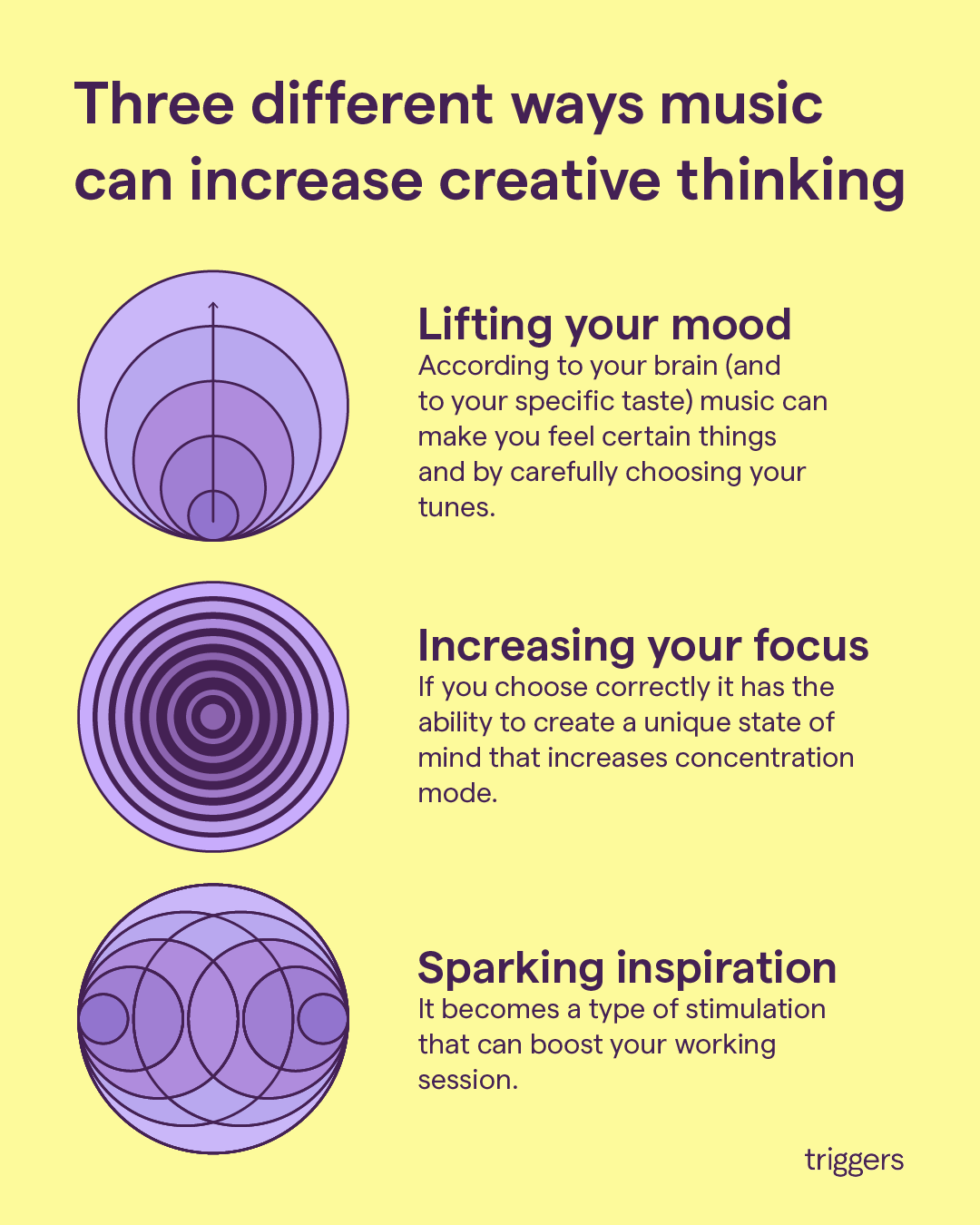
Music can stimulate creativity by encouraging divergent thinking and inspiring new ideas. Many artists, writers, and innovators use music as a backdrop while working, finding that it helps them tap into their creative flow. Creating a personalised playlist that resonates with your creative process can enhance inspiration and facilitate the generation of new ideas.
Music has been shown to support language development in children. Songs and rhymes can enhance vocabulary, phonemic awareness, and overall language skills. Educational programs often incorporate music to engage young learners, making the acquisition of language more enjoyable and effective.
Music therapy has emerged as a recognised therapeutic approach, harnessing the power of music to promote healing and well-being. This field utilises music interventions to address physical, emotional, cognitive, and social needs. Listening to calming music can significantly reduce stress levels. Research indicates that music can lower cortisol levels, the hormone associated with stress, leading to a more relaxed state. Incorporating soothing music into daily routines, such as during meditation or yoga, can enhance relaxation and promote a sense of calm.
Music has been found to be effective in pain management, particularly in clinical settings. Studies suggest that listening to music can reduce the perception of pain and discomfort, making it a valuable adjunct to traditional pain relief methods. Hospitals often use music therapy to help patients cope with pain during recovery.
Music therapy provides a safe space for individuals to explore and process their emotions. It can be particularly beneficial for those dealing with trauma, grief, or mental health challenges. Through songwriting, improvisation, and active listening, individuals can express their feelings and work towards emotional healing.
Music serves as a powerful tool for social connection and cultural expression. It brings people together, fosters community, and provides a sense of belonging. Music unites individuals from diverse backgrounds. Concerts, festivals, and communal music-making events create opportunities for social interaction and connection. Shared musical experiences can foster a sense of belonging and community, bridging gaps between people and cultures. Music plays a vital role in cultural identity and expression. Different genres and styles reflect the values, traditions, and histories of various communities. Whether through folk songs, hip-hop, or classical compositions, music serves as a medium for cultural storytelling and preservation. Throughout history, music has been a catalyst for social change. Protest songs and anthems have inspired movements, giving voice to marginalized communities and advocating for justice. Music has the power to raise awareness, mobilise action, and create solidarity among individuals fighting for a common cause.
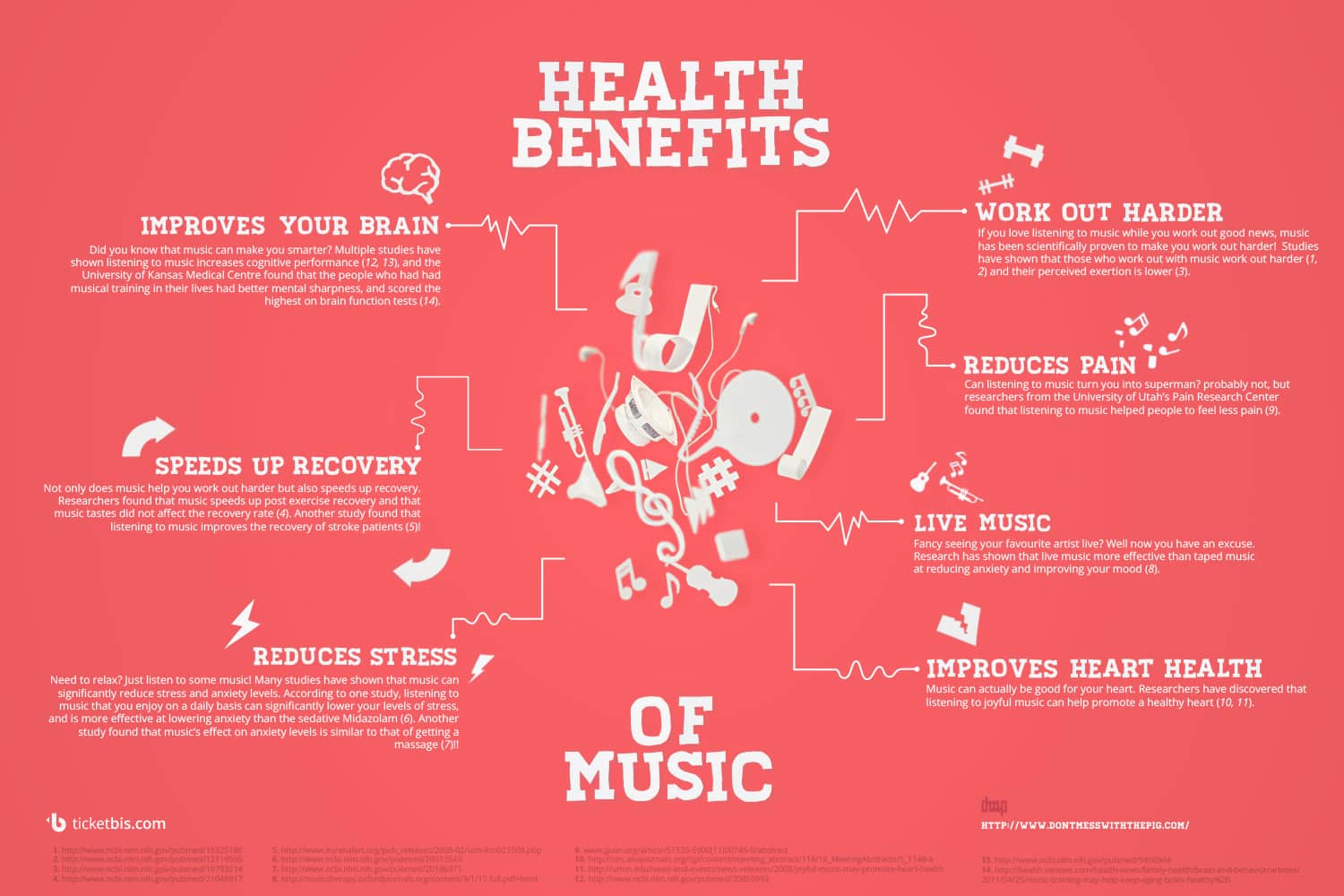
To harness the power of music in your daily life, consider the following practical tips:
- Create Playlists for Different Moods: Curate playlists that align with your emotional states. Have uplifting playlists for when you need motivation, calming playlists for relaxation, and nostalgic playlists for moments of reflection.
- Engage in Music-Making: Whether through singing, playing an instrument, or composing, engaging in music-making can enhance your emotional well-being and foster creativity. Consider joining a local choir, taking music lessons, or simply jamming with friends.
- Attend Live Music Events: Experiencing live music can be incredibly uplifting. Attend concerts, festivals, or local performances to immerse yourself in the communal energy of music.
- Use Music for Relaxation: Incorporate calming music into your daily routine, especially during moments of stress. Create a relaxing environment by playing soothing music while meditating, practising yoga, or unwinding after a long day.
- Explore New Genres: Broaden your musical horizons by exploring different genres and cultures. Discovering new music can introduce you to fresh perspectives and inspire creativity.
- Incorporate Music into Family Activities: Make music a part of family bonding time. Sing together, play instruments, or have dance parties to create joyful memories and strengthen connections.
- Utilise Music for Focus: Experiment with background music while working or studying. Find instrumental tracks that enhance your concentration and productivity.
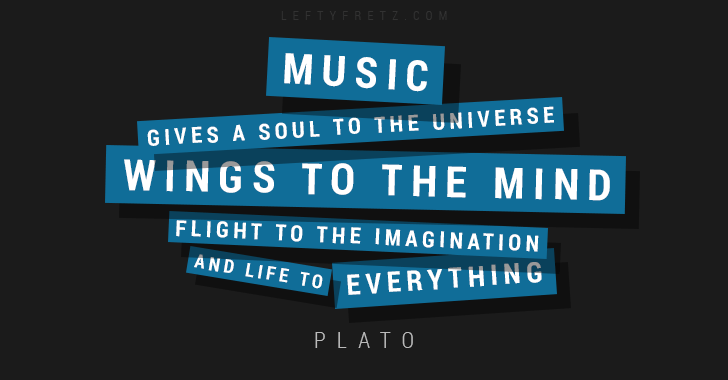
The power of music is undeniable, influencing our emotions, enhancing cognitive abilities, and fostering connections with others. As we navigate the complexities of life, music serves as a source of comfort, inspiration, and healing. By incorporating music into our daily routines, we can harness its transformative potential to enrich our lives and promote well-being. Whether through listening, creating, or sharing music, we can cultivate a deeper appreciation for this universal language that unites us all. Embrace the power of music and let it be a guiding force in your journey toward a more fulfilling and connected life.
 Memories and Such