Recipes: Raw Mango Thokku

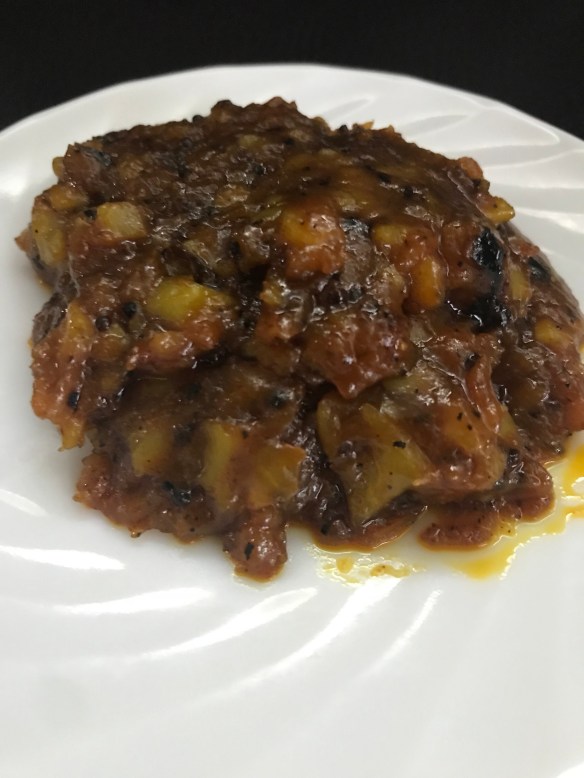
A thokku is a pickle which is cooked down to a paste. In normal pickles, you don’t cook them (or barely cook them) allowing the vegetables (or fruits) to absorb the spices from the spice paste that coats them. In a thokku, you cook it down until there is no moisture left in the vegetable (or fruit) and this can also be made with herbs like coriander (or cilantro as it is called in North America) or curry leaves.

A thokku can be eaten not only with rice or flatbreads, but you can eat it as a stuffing in a sandwich. The raw mango thokku is an all-time favourite pickle and I have been known for eating it as it is, that’s how much I love it!

Last year in December, when my mum was with me, one day when I was wondering if I should make my instant mango pickle with the raw mangoes that S brought home, she asked me if I wanted to make this raw mango thokku. Me being me, I instantly said yes and learnt it from her. Since then I’ve made it at least once a month, fine-tuning my recipe. I am now confident of this recipe enough to share with everyone.

This is an easy recipe, just a little tedious. For around 4 largish mangoes, it usually takes me an hour from start to finish. If you are making more, perhaps for the whole year, then yes it can even take the whole day!
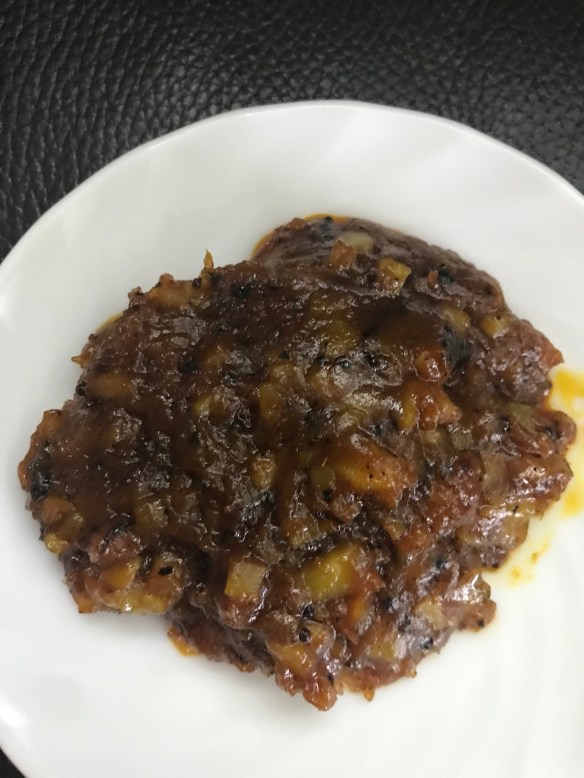
Raw Mango Thokku

Ingredients:

  • 4 large raw mangoes
  • 4-6 tbsps gingelly oil
  • 1 tbsp mustard seeds
  • 1 tsp turmeric powder
  • 4 tbsp red chilli powder (approximately)
  • ½ cup jaggery
  • ½ tsp fenugreek seed powder
  • Salt to taste

Method:

  • Wash and dry the mangoes thoroughly.
  • Peel the skin and chop the flesh into small pieces, the smaller the better. Discard the seed.
  • In a large pan, heat the gingelly oil and when it starts smoking, add in the mustard seeds. When the seeds pop, pour in the chopped mangoes and stir well to cover all the pieces with the oil.
  • Stir well and cover and let it cook for a couple of minutes. Then add turmeric powder and salt and stir well and cook for 2 minutes.
  • Now add the chilli powder and continue to cook. You can do a taste test at this point to check for seasoning and the level of chillies in the thokku. When you feel it is slightly spicier than you can handle, that’s what you are looking for.
  • Add the jaggery (optional, you can omit this completely or even add some brown sugar) and let it cook till the oil starts leaving the sides of the pan. Add more oil if your thokku starts to stick to the bottom of the pan.
  • Just when it is ready, add the fenugreek powder and remove from the gas.
  • When the thokku is cool, remove it to a jar and enjoy!

Notes:

  • I have found that the best way to cut the mangoes is to peel them with the peeler (after you have removed the skin).
  • Peel the flesh until you come to the seed, and then chop the remaining flesh finely. This way, the flesh breaks down fast and you get a smooth paste like thokku.
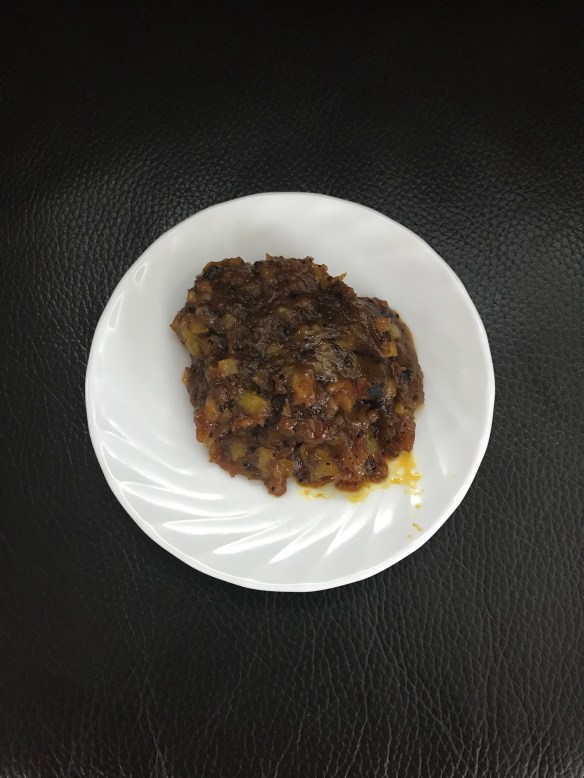
  • In the photo below, (I made this version about a month back), I have chopped the flesh and you can still see the slightly grainy cubes which have not melted into a paste.
  • You can also grate the mango flesh.

Recipes: Vegetable Upma

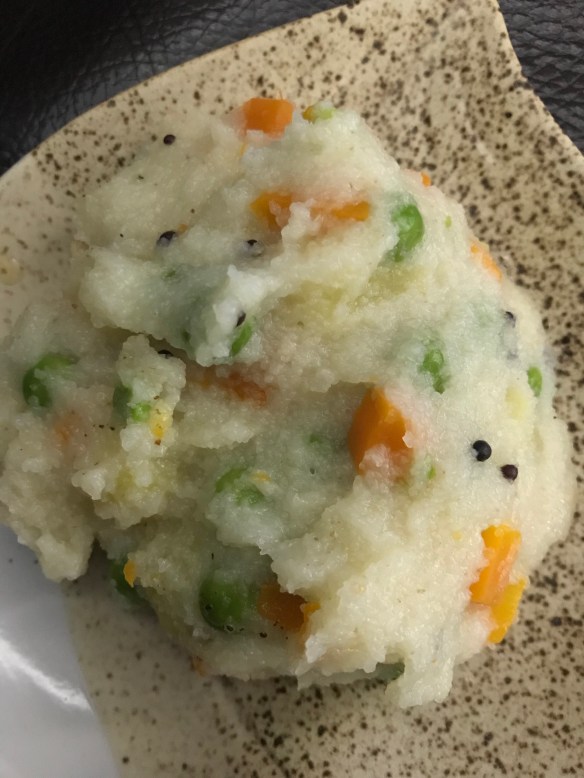
This is another typical South Indian recipe which is made across the four southern states. Different families use slightly different ingredients to make it theirs and you can too play around with the basic recipe.

Since S’ uncle’s death ceremony rituals are not yet done, we, because we belong to the same family/clan, are also bound by the rules that govern his own family. This includes eating ‘Satvik‘ food which means that we don’t add onions or garlic to our meals till everything is done. So I made this Upma a Jain version without adding any onions or garlic. I’ve put notes after the recipe should you wish to add them when you make this dish.

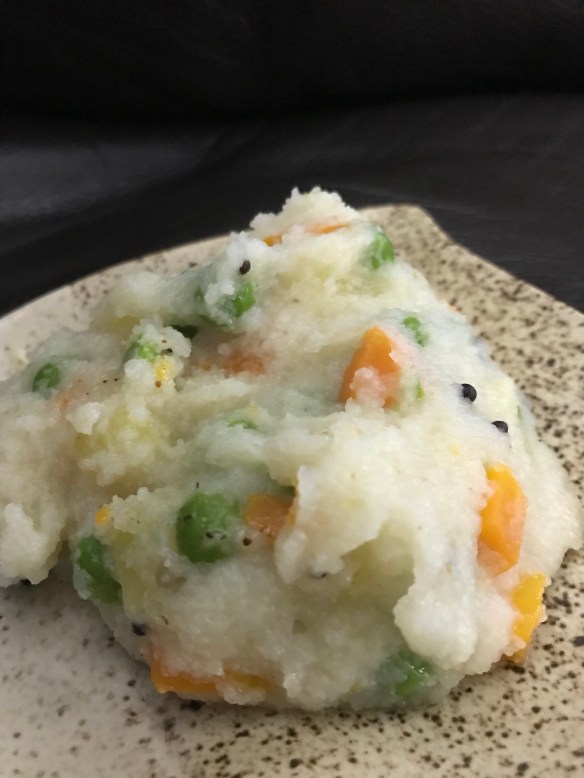
Mixed Vegetable Upma

Ingredients:

  • 1 cup semolina
  • 1 cup mixed vegetables (I used french beans, carrots, frozen green peas and frozen corn), chopped into small pieces
  • 2 green chillies, chopped
  • 1-inch piece of ginger, chopped
  • 1 tsp mustard seeds
  • 1 tsp split urad dal
  • 4-5 curry leaves
  • Salt to taste
  • 2 tsp oil
  • 1 tbsp ghee (optional)
  • 1-litre water

Method:

  • In a deepish pan, dry roast the semolina till it starts to emit an aroma. Make sure you stir constantly so it does not brown. Remove into a plate and keep aside.
  • Boil around a litre of water and keep it hot.
  • In the same pan, heat the oil and when it warms, add in the mustard seeds. When the mustard seeds pop, add the urad dal and let it brown. Then add the green chillies and ginger and stir for a couple of seconds.
  • Now add the mixed vegetables and season with salt accordingly and let the vegetables cook.
  • When the vegetables are 80% cooked, add the roasted semolina and stir well to mix. Now add the hot water, a little at a time let the semolina cook well.
  • When the semolina and vegetables are completely cooked, add a little bit more water and check for seasoning. Add a dollop of ghee (if using) and remove from the fire.
  • Serve hot with any chutney of your choice.

Notes:

  • As I  mentioned earlier, this was made without any onions, so if you want to add onions to your recipe, add finely chopped onions after you add the mustard seeds, urad dal, green chillies and ginger and let it become translucent.
  • In addition to the vegetables I have used, you can also use potatoes, cauliflower, broccoli etc.

Recipe: Dum Paneer Kali Mirch

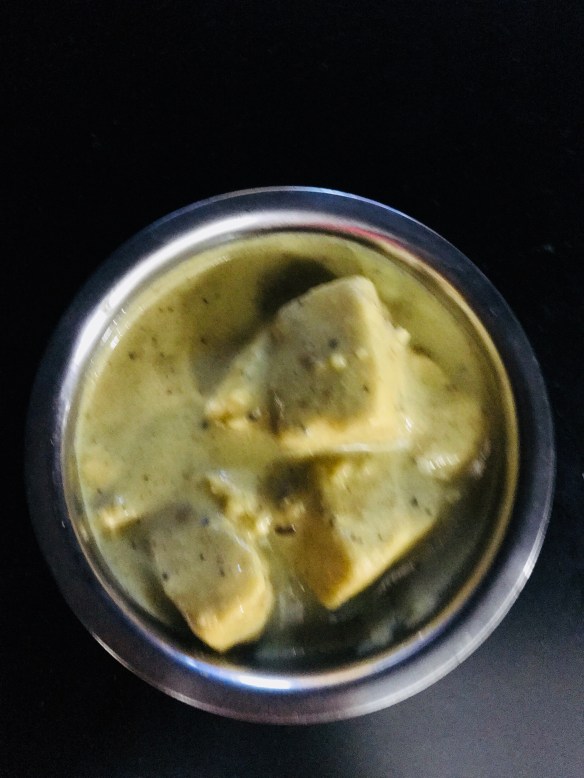
A couple of weeks back, I was searching for recipes to make when I chanced upon this recipe in NDTV food which was a pure paneer recipe. It intrigued me enough that I decided to make it, after making some changes to it based on what I had at home. It was super delicious and it’s a definite keeper at home.

This recipe cooks on dum in the last stage which essentially means cooking it in its own steam and not let the steam escape. I have cooked something on dum on a stovetop for the first time and it was achievement unlocked for me with this recipe!

Dum Paneer Kali Mirch

Ingredients:

  • 2 cups paneer, chopped into biggish chunks
  • 2-3 pieces of clove
  • 2-3 pieces of cardamom pods
  • 1 inch piece of cinnamon
  • 2 medium-sized onions, finely chopped
  • 3-4 garlic pods
  • 1 inch piece of ginger
  • 4 green chillies (use a lesser number if you are using the smaller green chillies as they tend to be spicier)
  • 10 pieces of cashew nuts soaked in warm milk for 20 mins and then blended to a smooth paste
  • 1 small cup of beaten yoghurt
  • 1 tsp coriander powder
  • 1 tsp pepper powder
  • 1/2 tsp turmeric powder
  • 1/2 tsp red chilli powder
  • 1 tsp garam masala powder
  • 2 tbsp oil
  • Salt to taste
  • 1 tsp freshly cracked pepper (to garnish)
  • Coriander leaves to garnish

Method:

  • Heat 1 tbsp oil in a pan and add the onions and on fry them on a medium to low flame. We need to brown the onions, but not burn it, so you need to keep stirring. When nice and brown, cool it, blend into a fine paste and keep aside.
  • Grind the ginger, garlic and green chillies to a fine paste and keep aside.
  • In the same pan, add the remaining oil and fry the dry whole spices – cloves, cinnamon and cardamom and let them fry till the oil becomes fragrant.
  • Now add the browned onion paste and let it fry for around 5 minutes till the oil starts leaving the sides of the pan.
  • At this point, add the ginger-garlic-chilli paste and saute for a few minutes.
  • After this, add the cashew paste and let it cook for a few minutes.
  • Next, add the beaten yoghurt and the dry spices – turmeric powder, chilli powder, pepper powder and garam masala and let it cook.
  • Add some water to bring it to the consistency you want and let it come to a rolling boil.
  • Add the paneer/cottage cheese and salt and any extra water should you need.
  • Now you need to cook it in dum. What it means is that you cook it in its own juice with no steam being able to escape. You seal the pan with aluminium foil and then cover it with the lid of the pan and let it cook on a low flame for 5-10 minutes.
  • Remove the foil, garnish with coriander seeds and cracked pepper and serve hot with any rice dish or even Indian flatbreads. I served this with a simple pulao.

Simply delicious!!

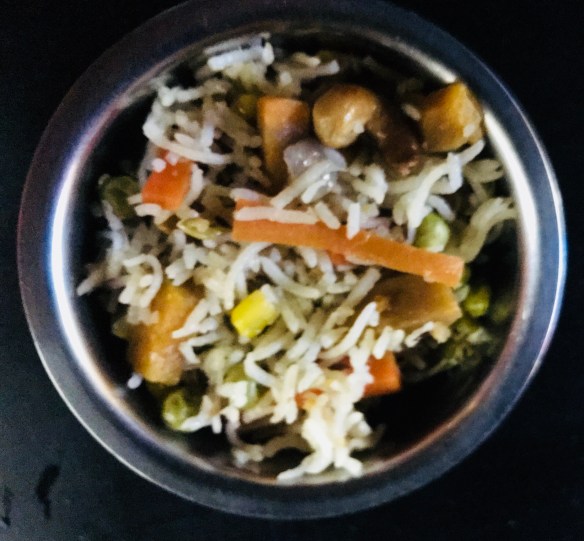
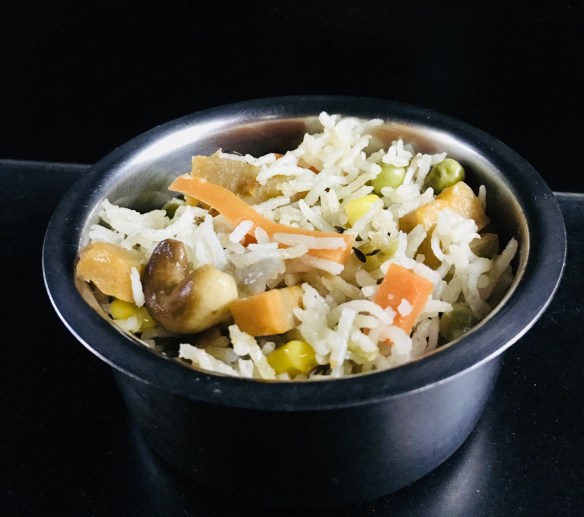
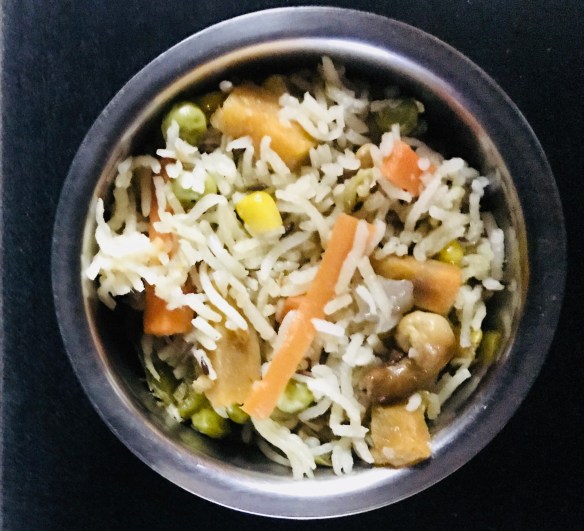
Recipe: Navratan Pulao

A couple of weeks back, this recipe popped up in my Facebook feed. It is a recipe from the Sanjeev Kapoor’s WonderChef brand. I only had one view and when I was wondering what to cook this weekend, I decided to make this and used what I thought was the recipe.

Navratan traditionally means nine gems and so I decided to make this with nine ingredients, including dry fruits and excluding rice and spices.

Navratan Pulao

Ingredients:

  • 2 cups basmati rice, washed and soaked for 30 minutes
  • 1 large onion, sliced finely
  • 1 carrot, julienned into slightly thick strips
  • 1 sweet potato, julienned into the same size and shape as the carrot
  • 1/2 cup green peas
  • 1/2 cup frozen corn
  • 10-12 cashew nuts
  • 10-12 almonds
  • 1 handful raisins
  • 2 green chillies, chopped into large pieces
  • 1 tsp finely chopped ginger
  • 2 tbsp ghee
  • 1 tsp cumin seeds
  • 4-5 cloves
  • 1 large bay leaf
  • 4-5 green cardamom pods
  • 2-inch cinnamon
  • Salt to taste

Method:

  • Drain the rice and keep aside
  • In a pan, heat the ghee and when warm, fry the cashew nuts, almonds and raisins, one by one, remove, drain and keep aside.
  • In the same pan, with the remaining ghee, add the cumin seeds, cloves, cinnamon, bay leaf and cardamom and stir for a couple of seconds.
  • Now add the chopped chillies and ginger and give it a stir.
  • Add the vegetables and stir well.
  • Now add the washed rice, the fried dry fruits and salt and stir well.
  • If you are cooking this in a rice cooker, pour the rice into the rice cooker, add 3.5 cups of water and check for salt and let it cook.
  • If you are cooking on the stove top, add 2 cups of water and let it cook. Check occasionally and add more water if needed.
  • You can serve this with any gravy based vegetable or even just with a salad and a raita.

Recipes: Peanut Tomato Chutney

I am a huge fan of chutneys, believing that these really add something to your meal. I also believe that chutneys are very versatile, going well with full Indian meals as an accompaniment and you can also slather them on a slice of bread for a quick snack or even use them for lunch box ideas for your children or even yourself!
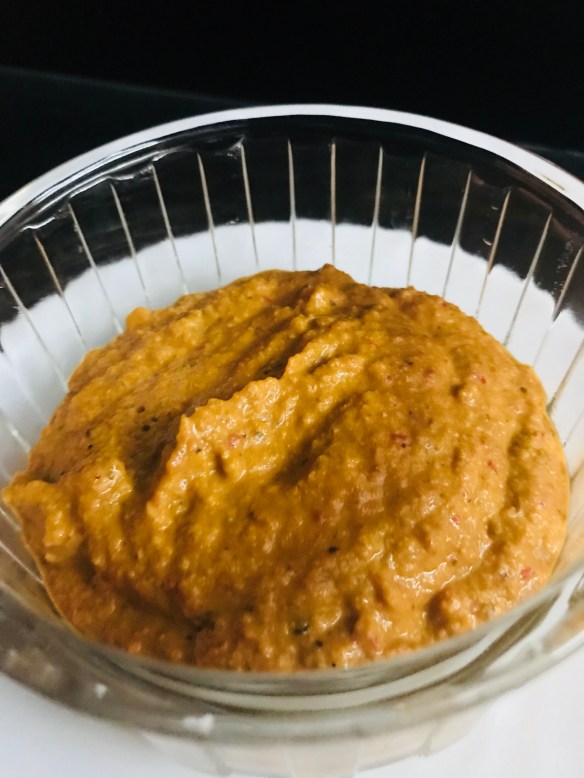
I usually have some chutney or the other in the fridge and I was looking for ideas to extend my chutney repertoire when I chanced upon the Andhra style Peanut and Tomato chutney. The recipe intrigued me and so I decided to tweak it a bit to make it my own (as I am usually wont to do). It was a surprise hit and a definite keeper. I made it slightly spicier than usual, so do keep that in mind when you make it yourself.

This is also a no-onion, no-garlic recipe, so it’s good for days when you don’t add these ingredients to your food!

Tomato Peanut Chutney

Ingredients:

  • 6-7 medium-sized tomatoes, chopped
  • 1/4 cup raw peanuts
  • 7-8 fresh red chillies (can substitute with dried red chillies also)
  • 1-inch piece of ginger
  • 1 tsp mustard seeds
  • 1/4 tsp fenugreek seeds
  • 2 tsp white sesame seeds
  • 2 tbsp gingelly oil
  • 1/2 tsp asafoetida powder
  • Salt to taste

Method:

  • Chop the tomatoes, ginger and red chillies and keep aside
  • If using dried chillies, soak them in warm water for 10 minutes, drain and keep aside.
  • Heat gingelly oil in a pan and when warm, add the mustard seeds
  • When the seeds pop, add the fenugreek seeds and the sesame seeds and let them pop.
  • When the seeds pop, add the peanuts and stir till the peanuts start popping and the skin starts to split.
  • Then add the chopped tomatoes, chillies and ginger and season with salt and asafoetida and let them cook until the tomatoes become mushy.
  • Switch off the gas and let it cool completely.
  • Blend into a smooth chutney using as little water as possible.
  • This goes very well with idlis, dosa, adai, rotis and even bread.