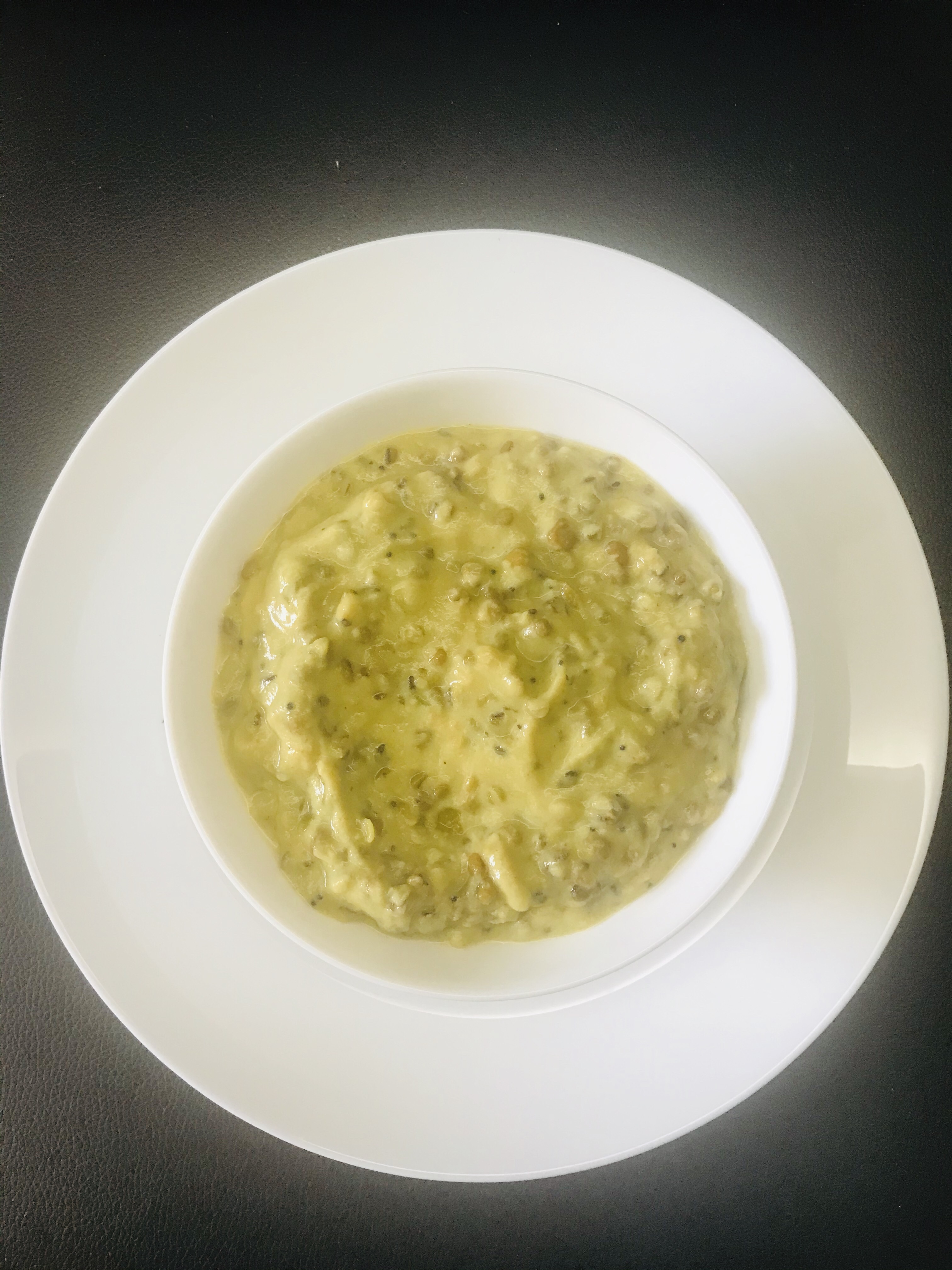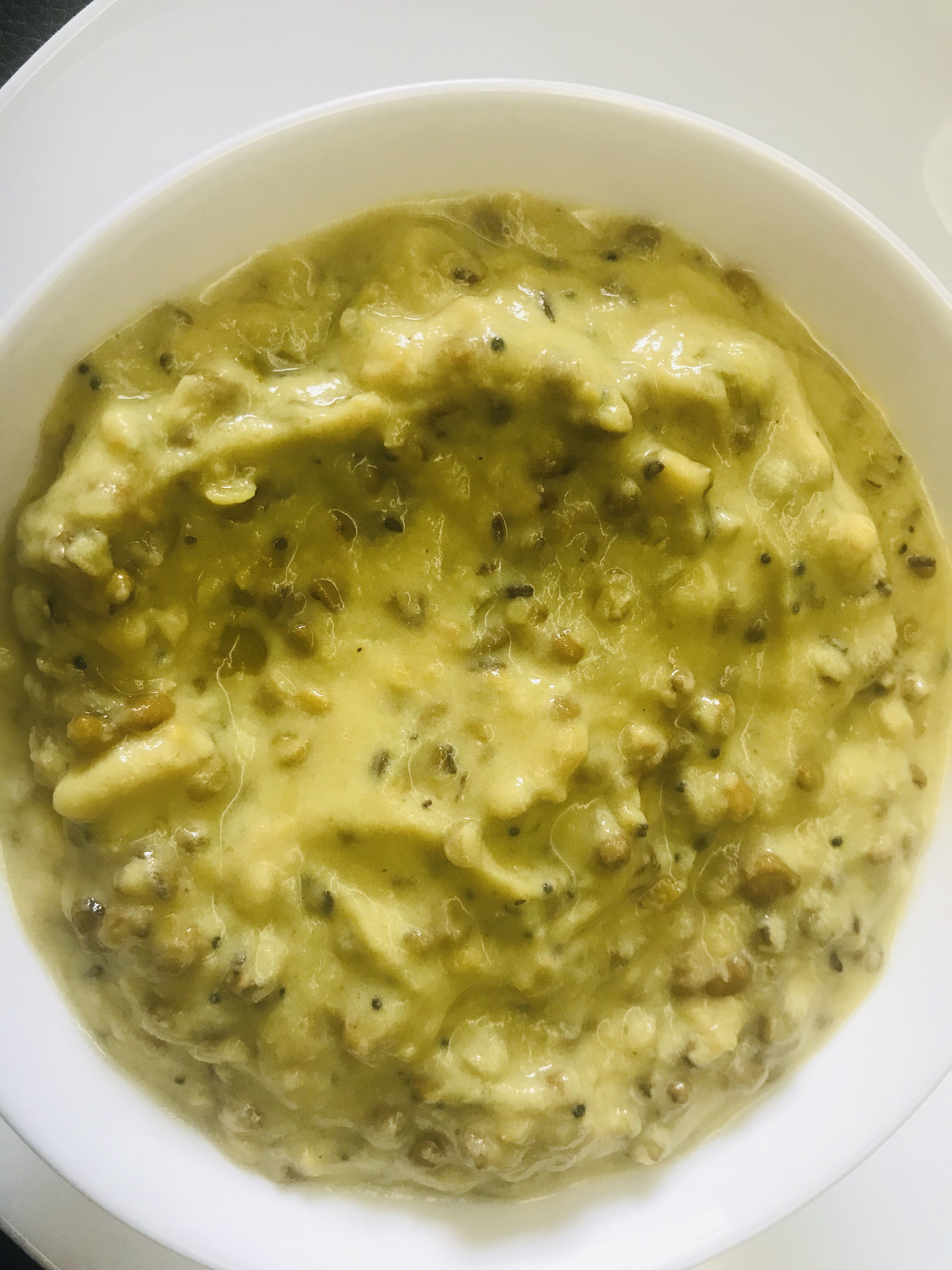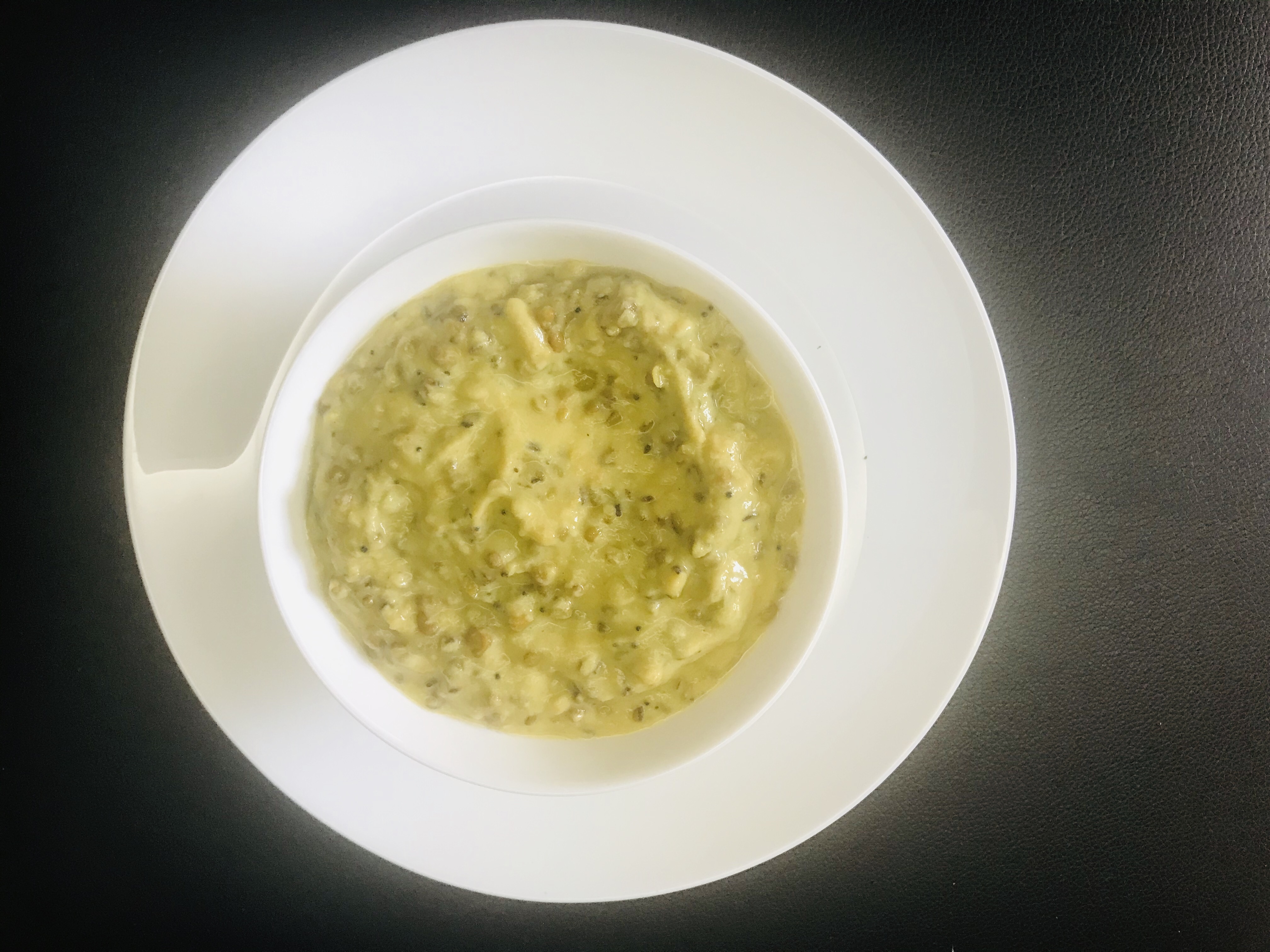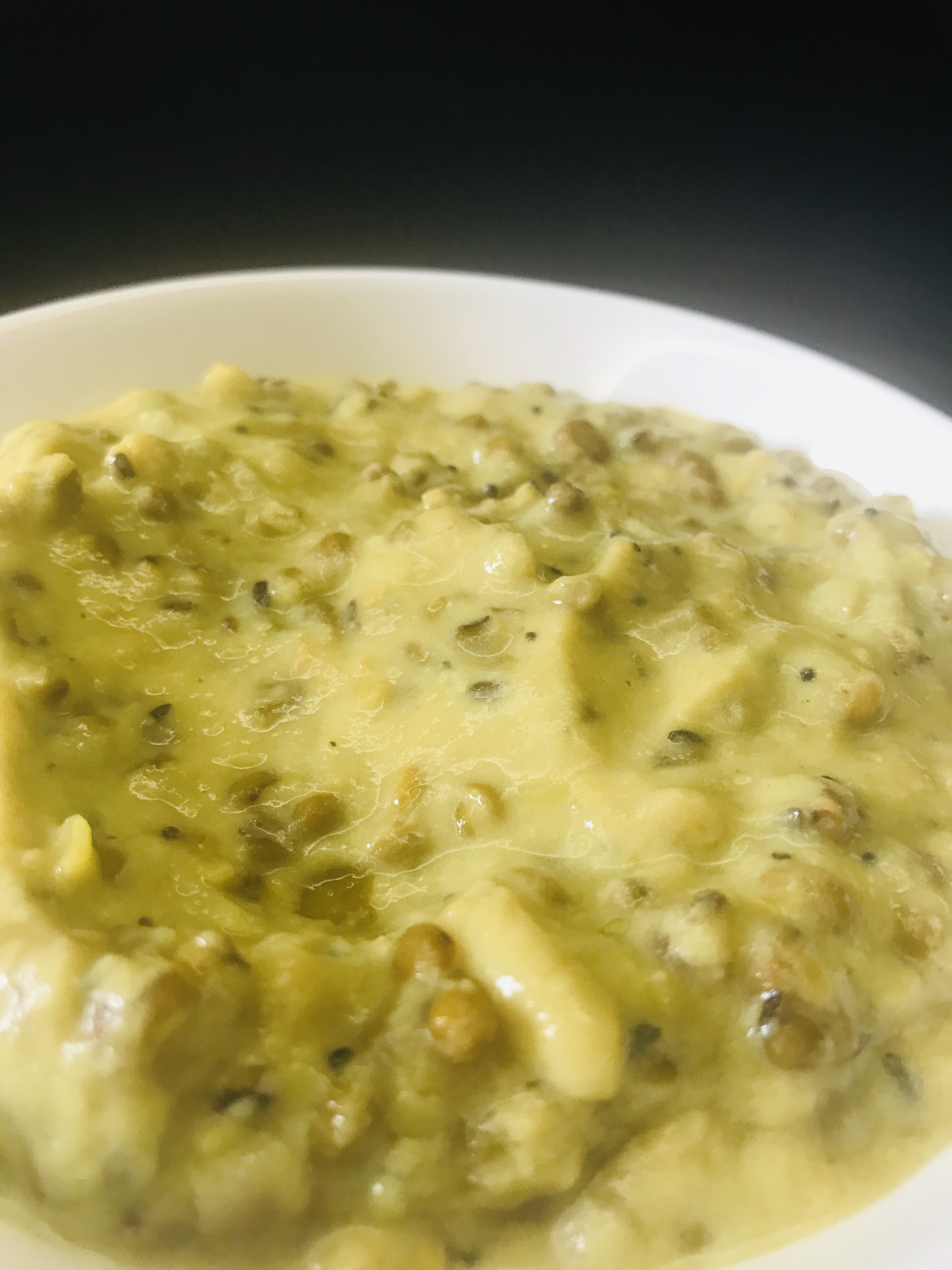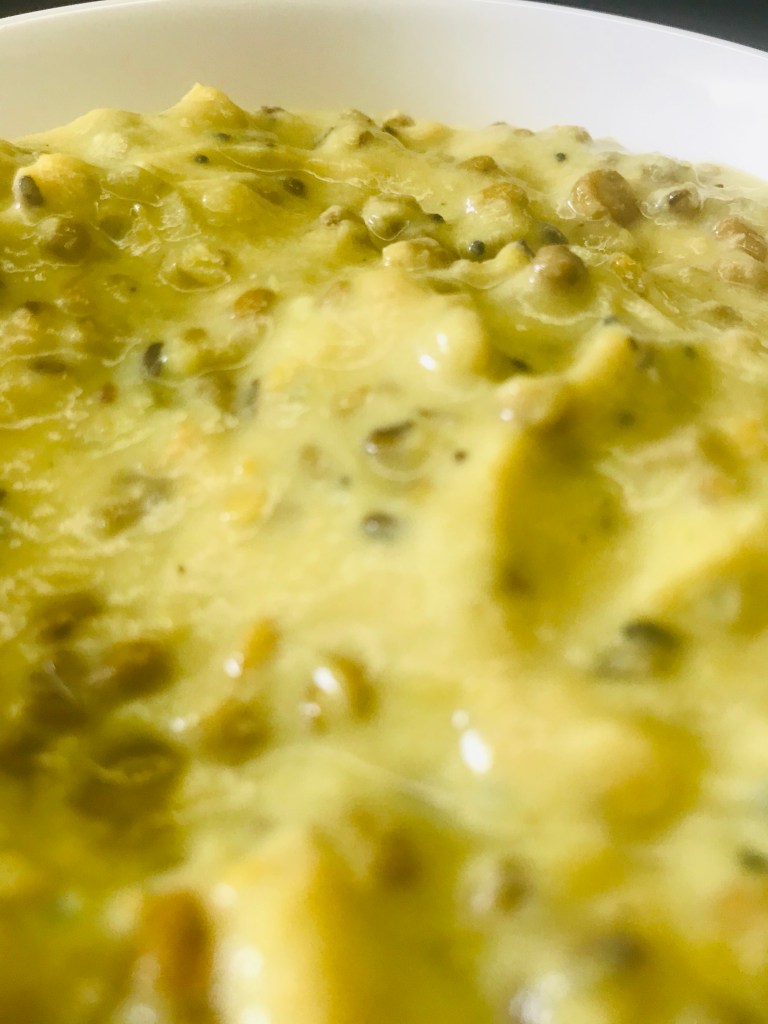
Recipes: Gujarati Khatta Mung aka Whole Green Gram Dal in a Buttermilk Gravy

Dal is a staple in most indian households with some variety of the protein packed dish made across the country. So, in order that we don’t get bored with the same kind of dal, I am always on the lookout for interesting takes and variations.

I saw this dal in one of my friend’s Facebook posts and it looked interesting enough to try it. My version may not be the most authentic one, but I enjoyed making and eating the dal. This is a staple in most Gujarati households, but you won’t find this in most restaurants. So let’s see how this is made…

Gujarati Khatta Mung aka Whole Green Gram Dal in a Buttermilk Gravy

Ingredients:

  • ½ cup whole green moong dal, soaked for 4-6 hours
  • ½ to 1 cup yoghurt
  • 2-3 tbsp gram flour or besan
  • ¼ tsp turmeric powder
  • ¼ tsp asafoetida
  • 1 tsp mustard seeds
  • 1 tsp cumin seeds
  • 5-6 curry leaves
  • 1-inch piece of minced ginger
  • 2 green chillies, slit lengthwise
  • 1 tbsp oil
  • Salt to taste
  • Coriander leaves, finely chopped to garnish

Method:

  • Drain the soaked moong dal and in a large pan, cook the soaked and drained moong dal with just enough water to cover it for about 5-7 minutes until it is just cooked and tender. Make sure it does not get mushy.
  • In a separate bowl, whisk the yoghurt well and add the gram flour, turmeric powder, asafoetida, some salt and about a cup of water and whisk till it is smooth with no lumps. Keep aside.
  • Heat oil in another pan and when the oil warms, add the mustard seeds and let the seeds crackle. Then add the cumin seeds and stir for a couple of seconds, followed by the curry leaves. Stir till the curry leaves start to become crisp. Then add the slit green chilles and the ginger and saute for about 30-40 seconds.
  • Now add the cooked moong dal into this tempering and then the yoghurt gram flour mixture and allow everything to come to a nice rolling boil. Let this simmer on a low flame for about 5 minutes.
  • Check for seasoning and add salt if needed.
  • Turn off the flame and garnish with finely chopped coriander leaves and serve hot with rice and a simple vegetable stir fry for a homely lunch.

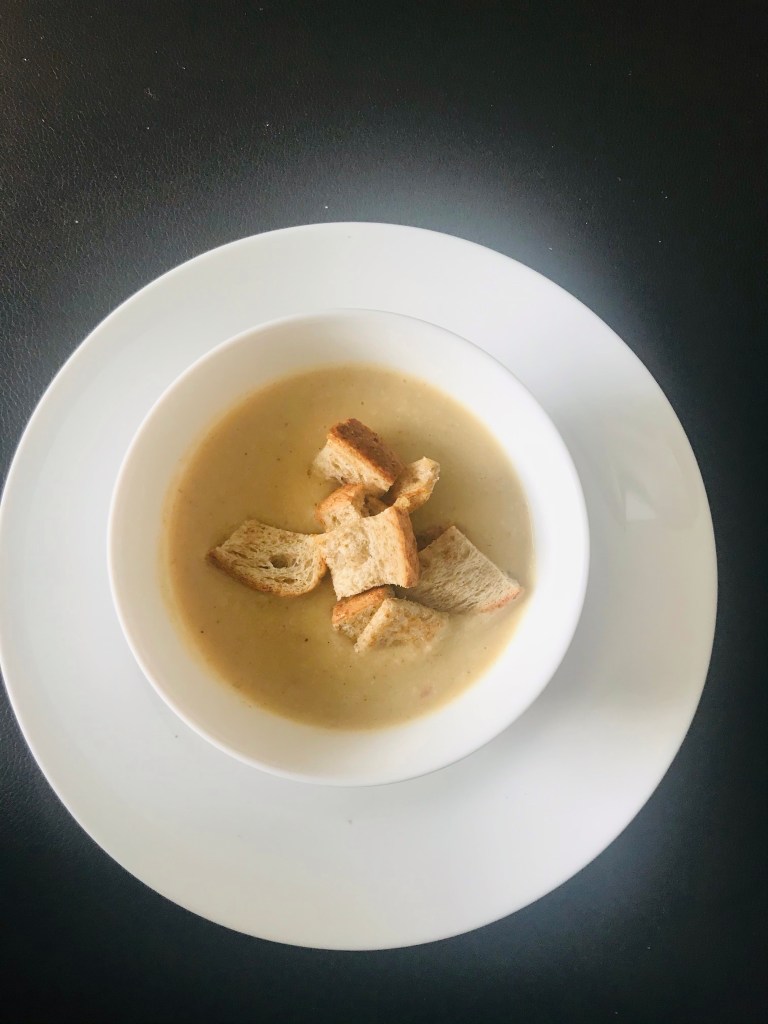
Recipes: Roasted Cauliflower and Potato Soup

These days we don’t eat rice on Sundays and so I am constantly on the look-out for recipes which we eat, mostly western dishes. One weekend, with an almost bare fridge, I decided to make a cauliflower and potato soup and decided to kick it up a notch by roasting the cauliflower first.

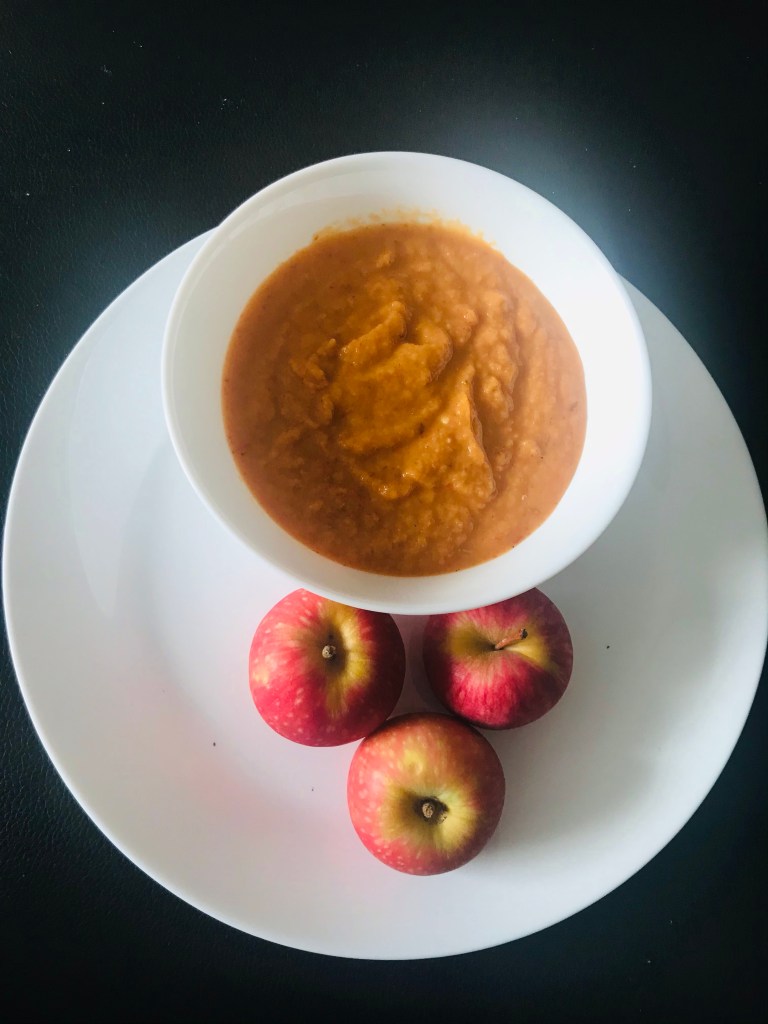
The soup was incredibly creamy and so filling. It also seemed to me to have a slight taste of mushroom soup and this was corroborated by BB & GG who loved it! I will be making this again and this will be added to my repertoire.

Roasted Cauliflower and Potato Soup

Ingredients:

  • 1 head cauliflower, cut into florets and kept aside
  • 1 large potato, peeled and chopped
  • 1 large sweet potato, peeled and chopped
  • 1 medium sized onion, chopped
  • 5-6 garlic cloves
  • 10-12 cashew nuts
  • Salt and Pepper to taste
  • 1 tbsp butter
  • 2-3 tbsps Olive oil

Method:

  • Preheat your oven to 200 degrees celcius.
  • Line a large tray with either baking paper or aluminium foil and spread the chopped cauliflower in it. Drizzle about a tbsp of olive oil and then some salt and pepper and mix well. Pop it into the oven to roast for about 20-25 minutes or until the cauliflowers start to brown. Remove and keep aside.
  • Heat the balance oil and butter in a large saucepan and when warm, add the galic cloves. When the garlic starts to brown, add the cashew nuts and stir for a few minutes.
  • Then add the chopped onions and stir until the onions are translucent.
  • At that point, add the chopped potatoes, some salt and cook covered until the potatoes are done, stirring every few minutes.
  • Let everything cool down and then blend it to a smooth paste in a blender. This works best with a proper blender and an immersion blender may not make it as creamy as we want it to be.
  • Once it is smooth and creamy, bring this back to the saucepan and bring to a boil. Season as needed with salt and pepper and serve hot with bread croutons.

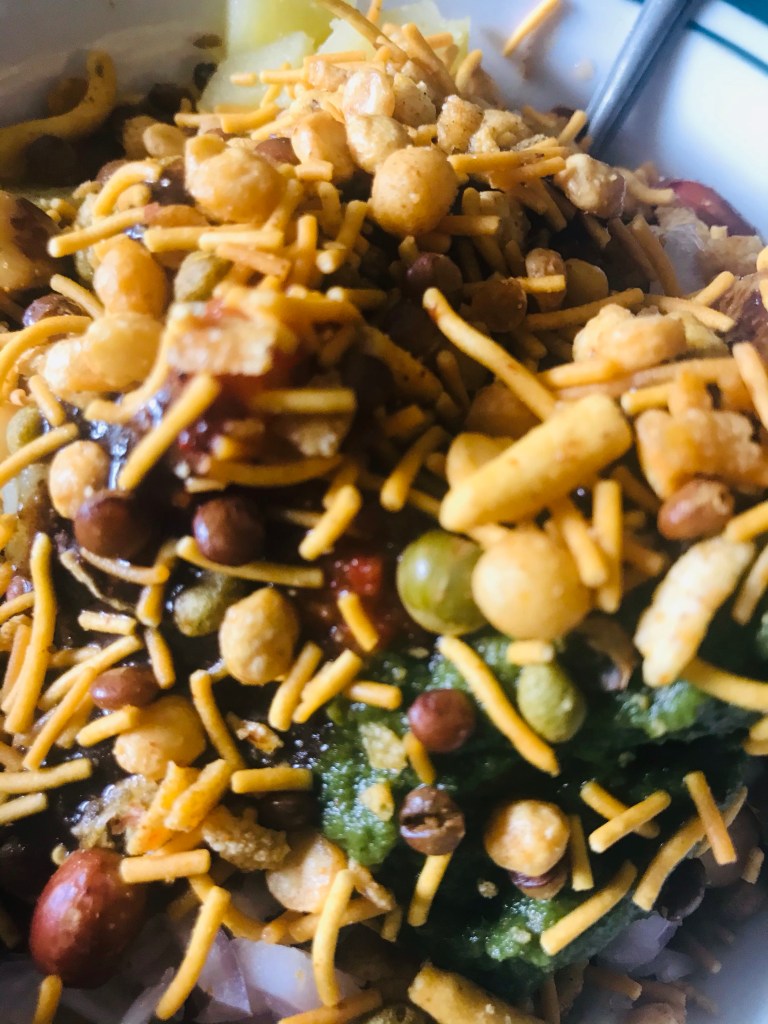
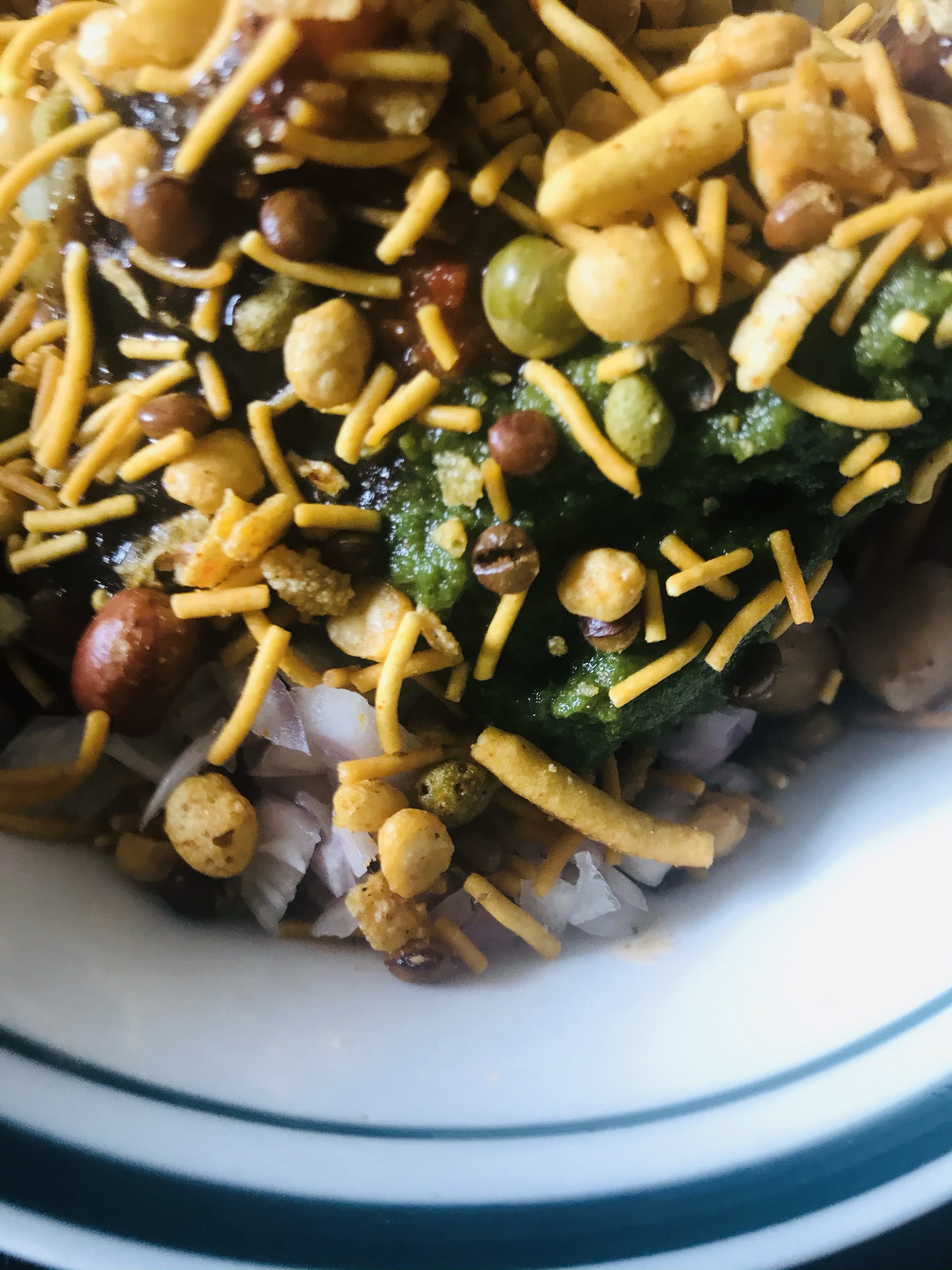
Recipes: Pune Style Maharashtrian Misal

Misal is probably a quessiantial Maharashtrian dish, you will find it in every corner of the state and each city, town or district has their own variation of this dish. Misal pav consists of usal which is a spicy curry usually made from moth beans, which I think is called haricot beans and pavwhich is a type of an Indian bread roll. The final dish is topped with farsan which are dry snacks or sev, onions, lemon and coriander. It is served as a breakfast dish, as a snack and also as a full meal.

I have been wanting to try and make this for the longest time, but somehow the fact that this is quite a lengthy recipe to make always put me off. Then one Sunday, I finally decided to make it. I read up a few recipes and then did it my own way. Traditionally Misal is made with sprouted green gram or sprouted brown gram, but I decided to make this more healthy by incorporating many dried beans and also since this was a fairly last minute decision, I did not sprout the beans and just soaked them in water. The version I have made is in the Pune style which incorporates poha or flattened rice flakes, while the Nashik version is usually spicy and served with pav, curd, chopped coriander and onion.

Pune Style Maharashtrian Misal

Ingredients:

For the Usal

  • 1.5 – 2 cups mixed dried beans soaked in water overnight (I used a mixture of dried chickpeas, dried black-eyed peas, dried green peas, dried black beans and black chickpeas, but you can use what you have in the kitchen)
  • 1 tbsp oil
  • 1 tsp mustard seeds
  • 5-8 curry leaves
  • 2 medium sized onions, chopped finely
  • 3-4 medium sized tomatoes, chopped finely
  • 1 tbsp tamarind pulp
  • Kashmiri red chilli powder to taste
  • 1 tsp coriander powder
  • 1 tsp cumin powder
  • ¼ tsp turmeric powder
  • ¼ tsp asafoetida powder

For the dry masala paste

  • 1 tbsp cumin seeds
  • 1 tbsp coriander seeds
  • 1 tbsp sesame seeds
  • 7-8 pepper corns
  • 5-6 dried red chillies
  • 1 inch piece of cinammom
  • 4-5 cloves
  • ¼ cup dessicated coconut

For the wet masala paste

  • 1 medium sized onion
  • 1 bulb garlic, peeled
  • 1 inch piece ginger

For the poha

  • 1 cup poha or flattened rice flakes
  • ¼ tsp plus a pinch turmeric powder
  • 1 tsp sugar
  • ¼ tsp asafoetida powder
  • 1 small onion, finely chopped
  • Salt to taste
  • 1 tsp oil

To serve

  • 2-3 onions, finely chopped
  • 2 medium sized potatoes, boiled, peeled and chopped into small pieces
  • 1 cup mixed farsan
  • Date Tamarind chutney (optional)
  • Green Coriander chutney (optional)
  • 1 cup beaten yoghurt mixed with rock salt

Method:

  • Cook the soaked dals in a pressure cooker with a bit of salt and cook till the beans are soft, but not overcooked. Let it cool and keep aside. Don’t drain the water it has been cooked in.

For the dry masala

  • In a dry pan, heat the masala ingredients except the coconut and let them brown.
  • When the dry spices become brown and start to emit an aroma, add the desiccated coconut and continue stirring until the coconut becomes crisp and brown and loses its moisture.
  • Remove from the flame and keep aside till it becomes cool.
  • Then grind it to a fine powder and keep aside. If there is any left over after using it for the usal, you can use it to spice other stir fries.

For the wet masala

  • Grind together the ginger, garlic and onion to a smooth paste and keep aside.

For the Poha

  • Wash the poha in running water till it softens and then let the water drain.
  • Add some salt and the sugar plus a pinch of turmeric powder and mix well. Keep aside.
  • Heat 1 tsp oil in a pan and when the oil heats up, add 1 tsp mustard seeds and let the mustard crackle. Next add the curry leaves and let the leaves become crisp.
  • Then add ¼ tsp turmeric powder and ¼ tsp asafoetida powder and stir for a few seconds.
  • Then add the finely chopped onions and a pinch of salt and let the onions soften.
  • When the onions soften and become translucent, add the soaked poha and mix well.
  • Cover and cook for 3-4 minutes. Remove into a serving dish and keep aside.

For the Usal

  • Heat oil in a large pan and when the oil heats up, add the mustard seeds and let it crackle.
  • When the mustard seeds crackle, add the curry leaves, turmeric powder and asafoetida and let the curry leaves crisp up.
  • Then add the finely chopped onions and let it cook for a while.
  • When the onions are translucent, add the wet masala paste and let it cook for a while.
  • Add the finely chopped tomatoes and cover and cook till the tomatoes become mushy and disintegrate.
  • Now add about 3-4 tbsps of the dry masala (or as much as you want) and then add the cooked beans along with the water it was cooked in.
  • Add in the dry spice powders – cumin powder, coriander powder as well as salt and cook covered for about five minutes.
  • Add in the tamarind paste and about 1 to 2 cups of water (you can make this as thick or thin as you like it) and continue cooking covered for about 10 minutes more.
  • Cover and keep aside till it’s time to assemble it.

To assemble the Misal Pav and Dahi Misal

  • In a bowl, layer some poha and pour in some usal above the poha.
  • Top with some of the onions and potatoes and finally add some farsan on top of it.
  • Add some of the green and tamarind chutney if you want and also a squeeze of lime.
  • You can eat it as it is or with some pav or bread.
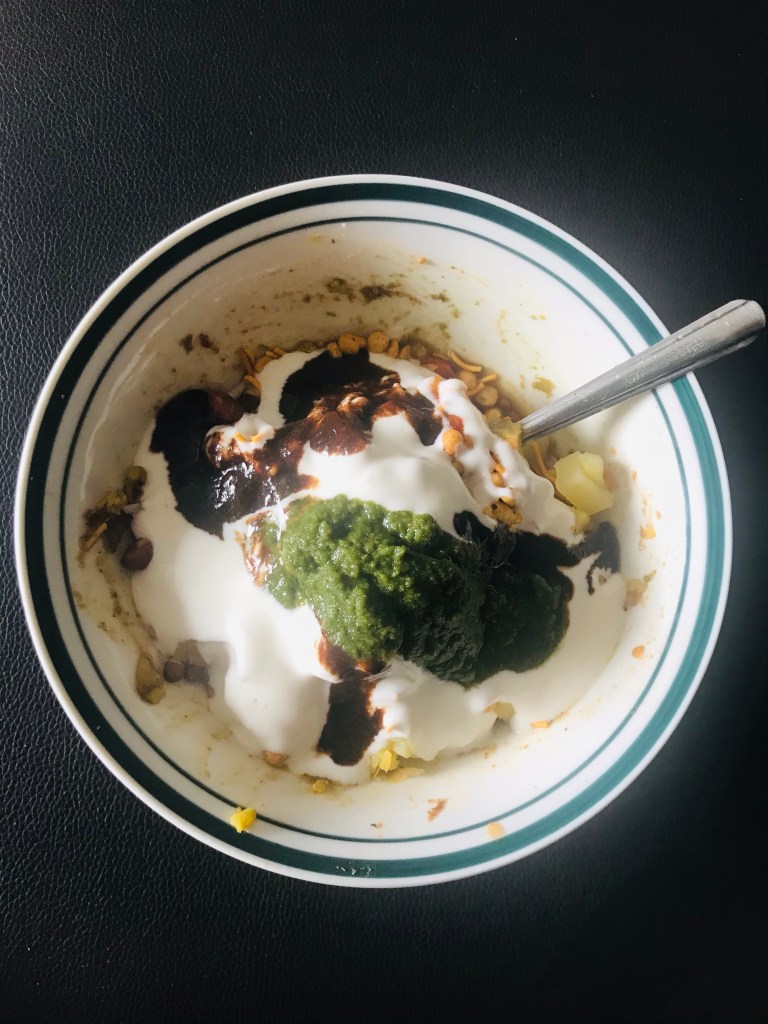
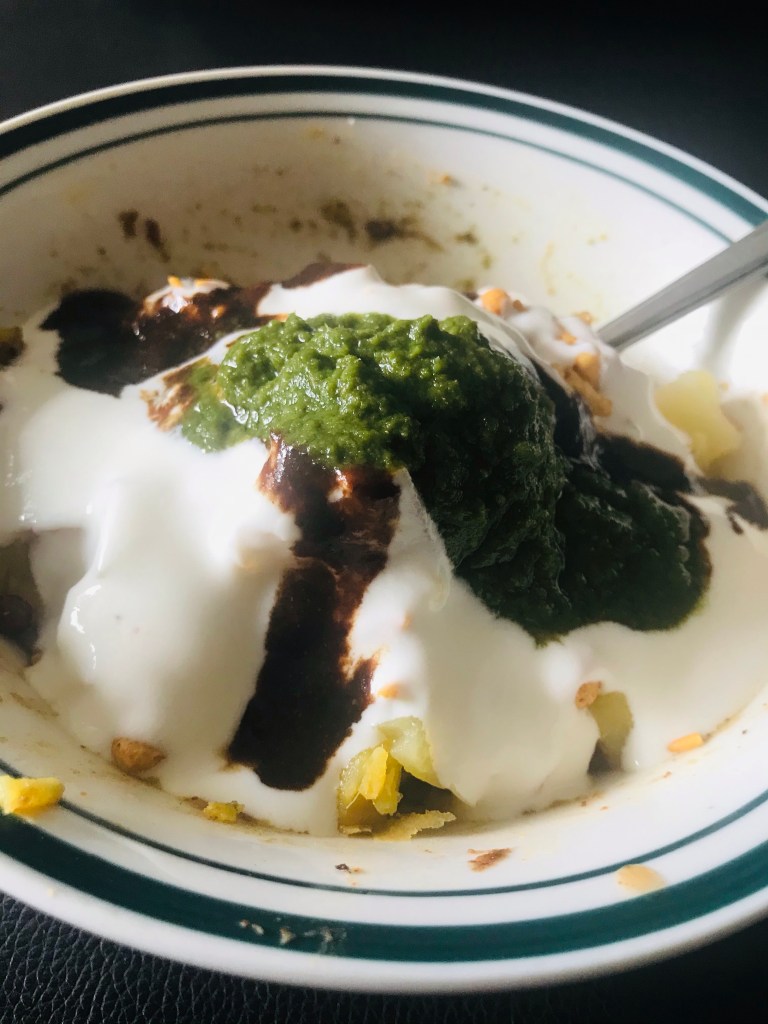
  • To make dahi missal after you top the farsan, add some of the prepared yoghurt and tp with the chutneys and then eat as it is.

It’s a tad long to make and takes time, but the taste is totally worth it!

Recipes: Roasted Root Vegetables and Couscous Salad with Feta Cheese

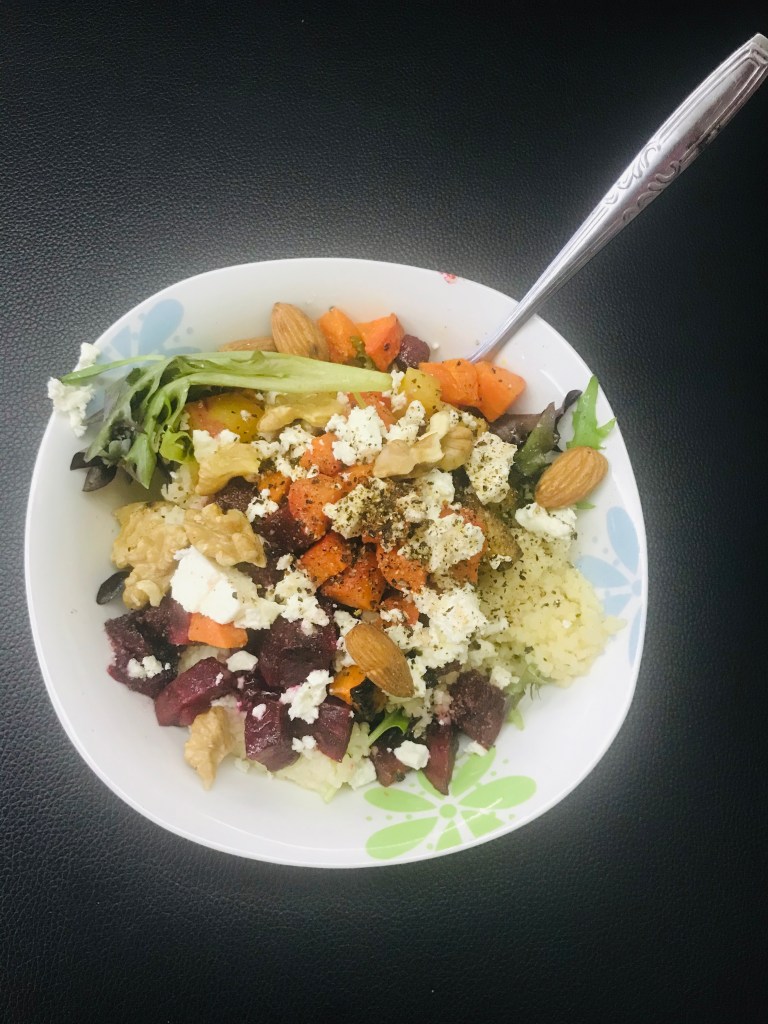
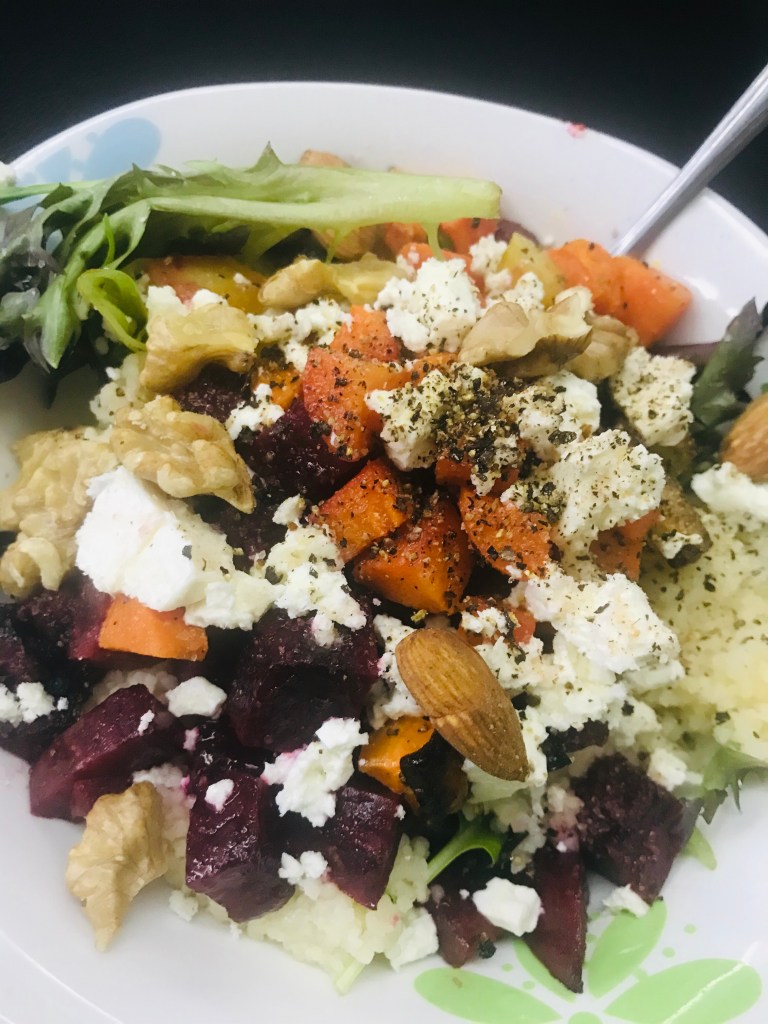
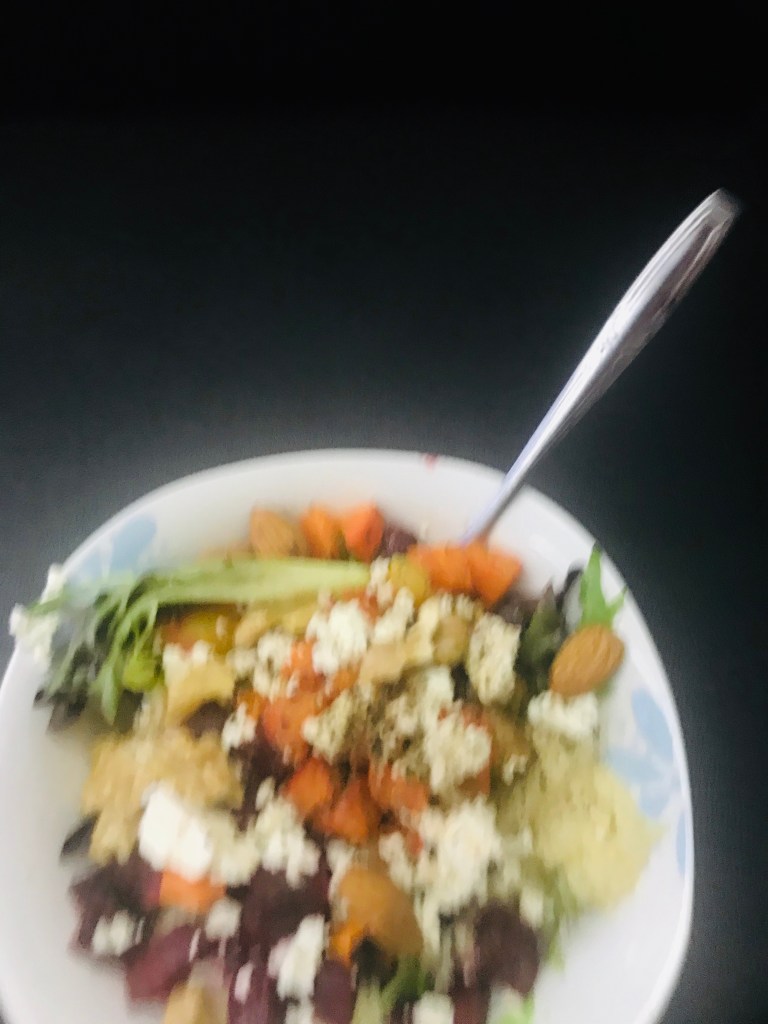
A few weeks back, fed up with making the same type of food all the time, I decided to look around to see if there was something I could make. Even if S and the children didn’t mind eating the same kind of food, I was not interested in making the food! I had some beetroots in my fridge plus some couscous and thought of roasting them and combining them together. I looked around and found this recipe by Blondelish which I liked and so decided to adapt. I decided to use more than beets and make this into a root vegetable salad. It was super yummy and exceeded my expectations and this is something I will definitely make it again. The addition of the feta cheese elevated the salad and was quite filling because of the couscous.

Roasted Root Vegetables and Couscous Salad with Feta Cheese

Ingredients:
½ cup couscous
2 medium sized beetroots, peeled and chopped into bite-sized pieces
2 medium sized carrots, peeled and chopped into bite-sized pieces
3 medium sized potatoes, peeled and chopped into bite-sized pieces
1 small bag of baby greens
1 small feta cheese package
Salt to taste
Pepper to taste
3-4 tbsp lemon juice
2-3 tbsp honey
2-3 tbsp extra virgin olive oil
10-12 raw almonds
10-12 raw walnuts

Method:
Pour the couscous in a large pot and heat water in a kettle and when the water is boiling, cover the couscous with the boiling water, cover and keep for about 20-30 minutes. After the couscous has absorbed all the water, fluff it with a fork and lightly salt and pepper to it. I would also recommend pouring water which has salt already added to it so the couscous gets lightly salted.
In an oven-safe tray, make sections with aluminium foil, so that the beetroot does not stain the other vegetables.
In a small bowl, combine the salt, pepper, honey, olive oil and lemon juice and whisk until smooth to make the dressing. Pour the dressing over the vegetables individually and spread them evenly in the tray.
Roast the vegetables for about 30 minutes at 220 degrees celcius, stirring inbetween to make sure the vegetables are evenly cooked.
Wash and dry the salad greens and keep aside. Chop the feta cheese Into small pieces or crumble them in a plate and keep aside.
In a small dry pan, dry roast some walnuts and almonds and keep aside.
In a large serving bowl, layer the salad greens as the bottommost layer. On top of this, layer the couscous and then the roasted vegetables.
Pour any leftover dressing on top of this and check for seasoning.
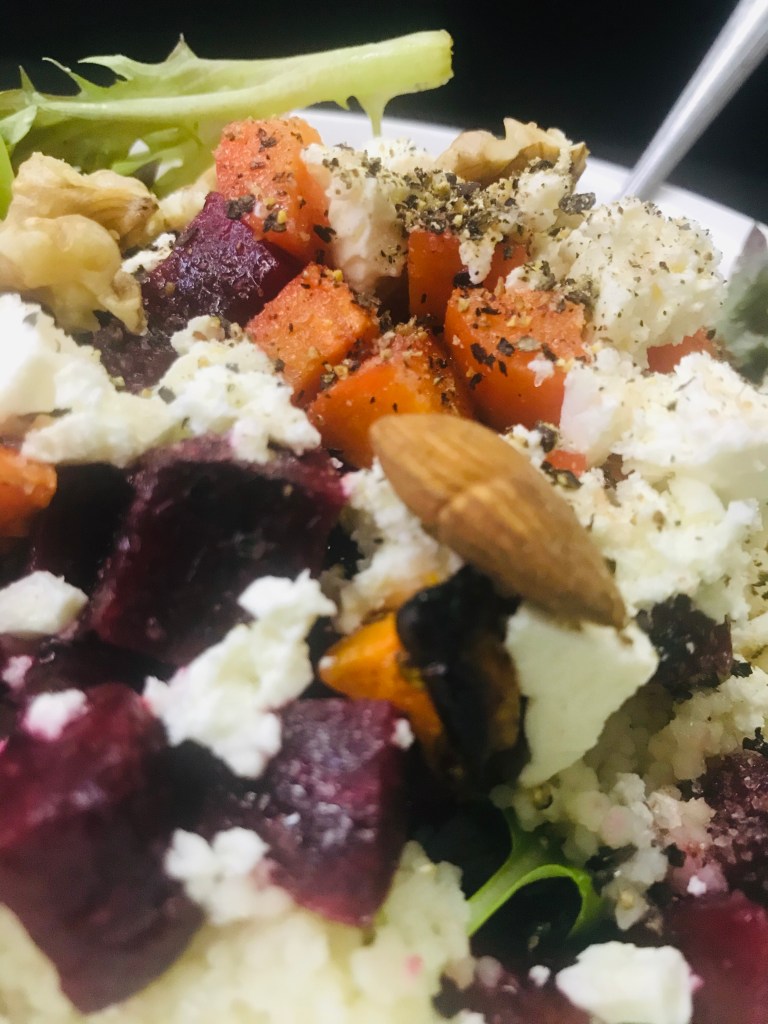
Either crumble the feta cheese over the vegetables or cut the cheese into tiny pieces and sprinkle over the salad. Add the almonds and walnuts and serve.

This was seriously yummy and the children also loved it. I have already started getting requests to make this again.

Recipes: Matar Paneer

A dish you find in pretty much every Indian restaurant, Matar Paneer, which means Peas and Paneer, is a yummy dish from the state of Punjab which has fresh or frozen green peas and cottage cheese or Paneer in a smooth onion tomato gravy, spiced with garam masala. Usually served with Indian flatbreads like rotis, you can also have it with steamed rice.

One Sunday, bored of making the same old dishes, I decided to make a super easy mater paneer. This version, which may not be the most authentic version, is very easy and doesn’t take much time to make. I used frozen peas, but if you have fresh peas, the dish will be even better.

Matar Paneer

Ingredients:
– 2 cups frozen peas, thawed
– 1 cup frozen paneer, soaked in hot water for 20-30 minutes and then drained
– 2 medium sized onions, chopped roughly
– 4 medium sized tomatoes, chopped roughly
– 1 bulb garlic, peeled
– 1 inch piece of ginger, peeled and chopped
– 10-12 almonds
– 2 tsp cumin seeds
– 1 tsp ajwain or caraway seeds
– 1 tbsp coriander seeds
– 2 cloves
– 2 cardamom pods
– ¼ tsp turmeric powder
– 1 tsp red chilli powder
– 1 tsp cumin powder
– 1 tsp coriander powder
– 1 tsp garam masala powder
– 1 tbsp kasuri methi
– Salt to taste
– 2 tbsp ghee or oil
– Chopped coriander leaves to garnish

Method:
– Heat 1 tbsp ghee or oil in a pan and when it is warm, add 1 tsp cumin seeds and let them pop.
– Then add the ajwain seeds, coriander seeds, cloves and cardamom pods and stir for a couple of seconds.
– Now add the almonds and stir for a minute or two. Then add the garlic and ginger one by one and stir between adding the next ingredient.
– When everything is stirred well, add the onions and stir until the onions are translucent.
– Then add the tomatoes and a pinch of salt and stir until the tomatoes are completely cooked and mushy. Switch off the flame and let this cool.
– When completely cool, blend together into a smooth paste.
– In a separate pan, heat the balance ghee or oil and the balance cumin seeds and let the seeds pop
– Then add the frozen peas and the turmeric powder and some salt and cover and cook on a low to medium flame until the peas are around 80% cooked.
– Add in the blended masala paste and then the powder masalas – red chilli powder, coriander powder and cumin powder and let it come to a rolling boil.
– At this point, add in the soaked and drained paneer and salt to taste. Add the garam masala powder and crush the kasuri methi in the palms of your hands and sprinkle it over the gravy.
– Let everything come to a nice boil and put the flame on a simmer and cook for 10 minutes more. Thin it if needed at this point.
– Garnish with coriander leaves and serve hot with any rotis or rice. I served it with a simple jeera rice made with basmati rice.