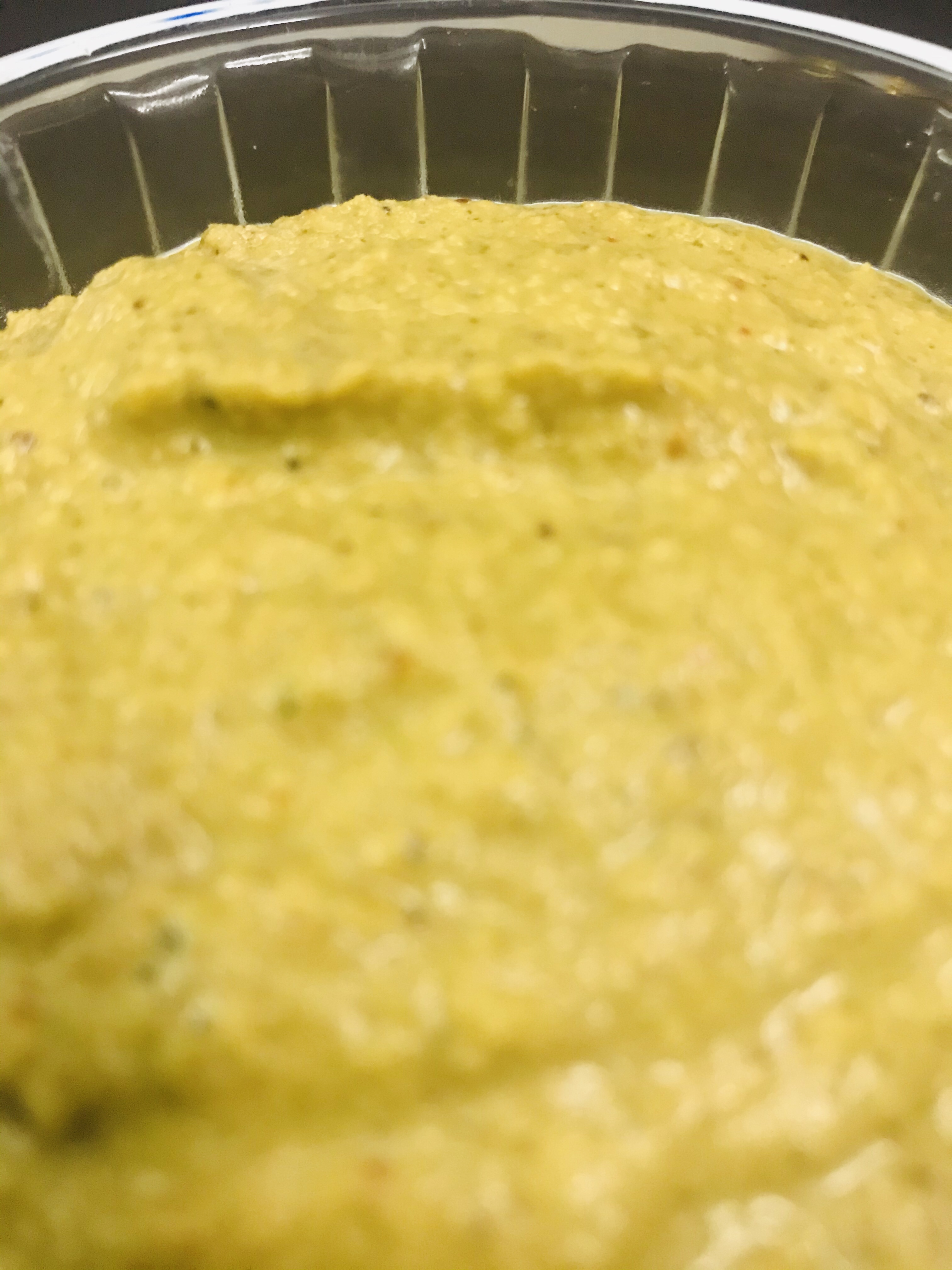
Recipes: Almond Cashew Pudding or Badam Kaju Kheer

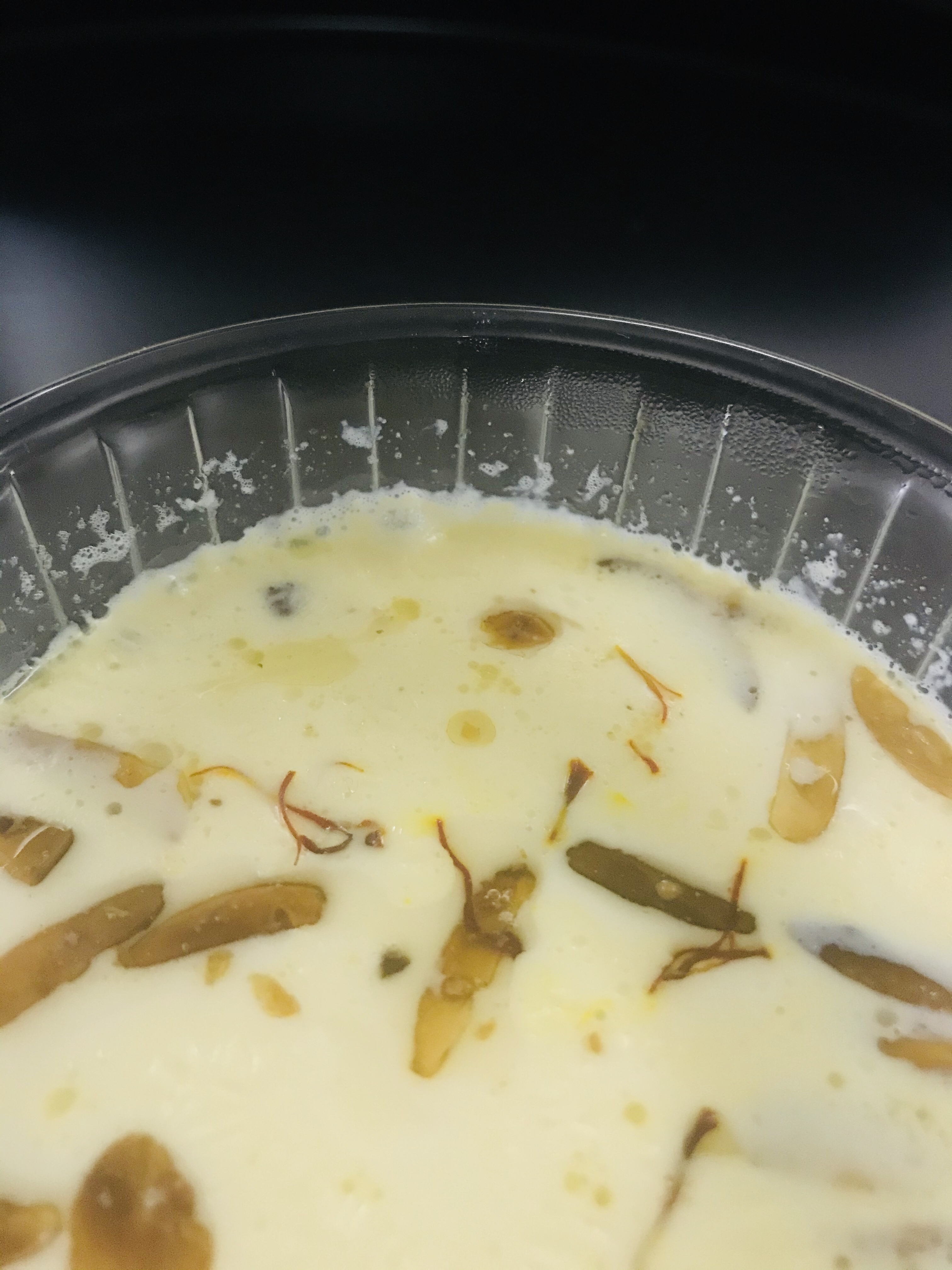
The day S was supposed to fly off for his Sabarimala pilgrimage, I wanted to send him off with something sweet. Since he was flying in the morning, I also wanted to make something quick. This Badam Kaju Kheer is that perfect recipe.

Badam Kaju Kheer or Almond Cashew Pudding

Ingredients:

  • 1 litre full cream milk
  • 20 almonds
  • 20 cashewnuts
  • 5-6 tbsp sugar
  • 1/4 tsp cardamom powder
  • 2 pinches saffron strands
  • 1 tbsp ghee

Method:

  • Soak the almonds and cashew nuts in hot water for 15-20 minutes. When they cool, peel the nuts and keep aside.
  • Chop around 5 each of almonds and cashew into slivers and keep aside.
  • Blend the balance nuts together with some milk to a smooth paste. Keep aside.
  • Boil the milk in a pan and when it comes to a rolling boil, lower the heat and stir for around 10 minutes to thicken the milk.
  • Add the sugar and the almond cashew paste and stir well. Let it come to a rolling boil.
  • Now add the saffron strands and cardamom powder and stir well. Remove from the fire and keep aside.
  • In a small skillet, add the ghee and the slivered nuts and stir until the nuts are brown. When the nuts turn brown, drain from the ghee and garnish the pudding with the nuts and some strands of saffron.
  • Have this hot or cold, but I feel cold is better as it tends to thicken some more. If you find the pudding too thick for your taste, dilute it with some milk.

Recipes: Radish Chutney

The other day I wanted to make some coconut chutney to go with our dinner of dosai, but realised at the last minute that I didn’t have enough coconut to make the chutney. I dug through my fridge and saw a couple of radishes which I used to make this yummy chutney. When the children ate the chutney, they could not believe that it had radishes in it. This is a very simple recipe which hardly takes 10 minutes to make from start to end.

Radish Chutney

Ingredients:

  • 2 medium sized radishes, peeled and chopped into bite sized pieces
  • 2 tbsp grated coconut
  • 1 tsp mustard seeds
  • 1 tsp broken urad dal
  • 2-3 dried red chillies
  • 1 tbsp white sesame seeds
  • 1 small lime sized piece of tamarind
  • 2 tsp chopped coriander
  • Salt to taste
  • 1 tsp oil

Method:

  • Heat the oil in a pan and when warm, add the mustard seeds. When the seeds pop, add the urad dal, red chillies and sesame seeds.
  • Once the urad dal becomes slightly brown and the red chillies start to darken, add the chopped radish, tamarind and some salt and cook until the radishes are cooked and slightly opaque.
  • Take off from the fire and cool completely.
  • In a mixer, blend together the fried ingredients, coconut and coriander leaves to a smooth paste. Add salt to taste and serve with idlis, dosai or even chapati. This goes very well as a spread for bread too.

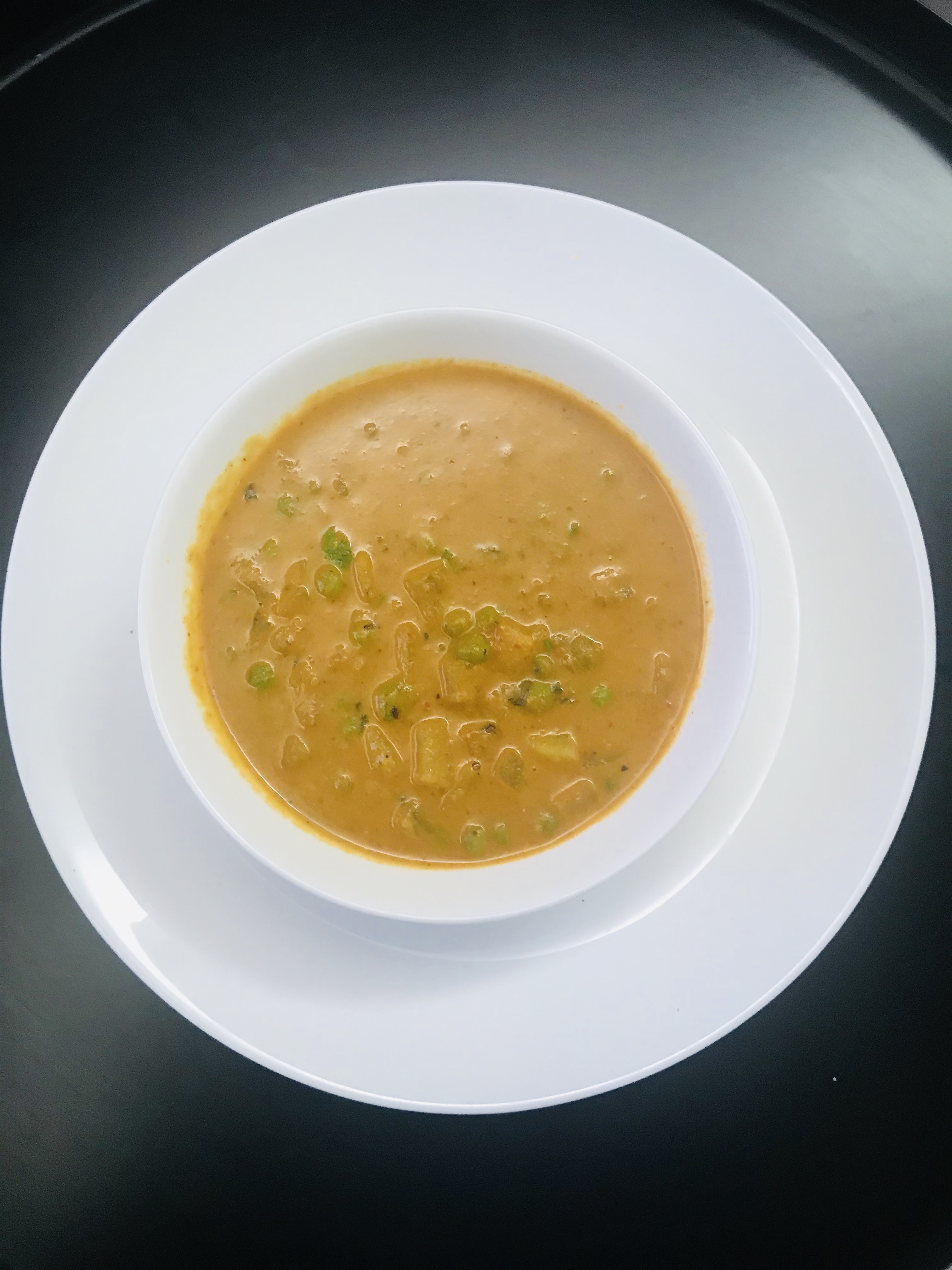
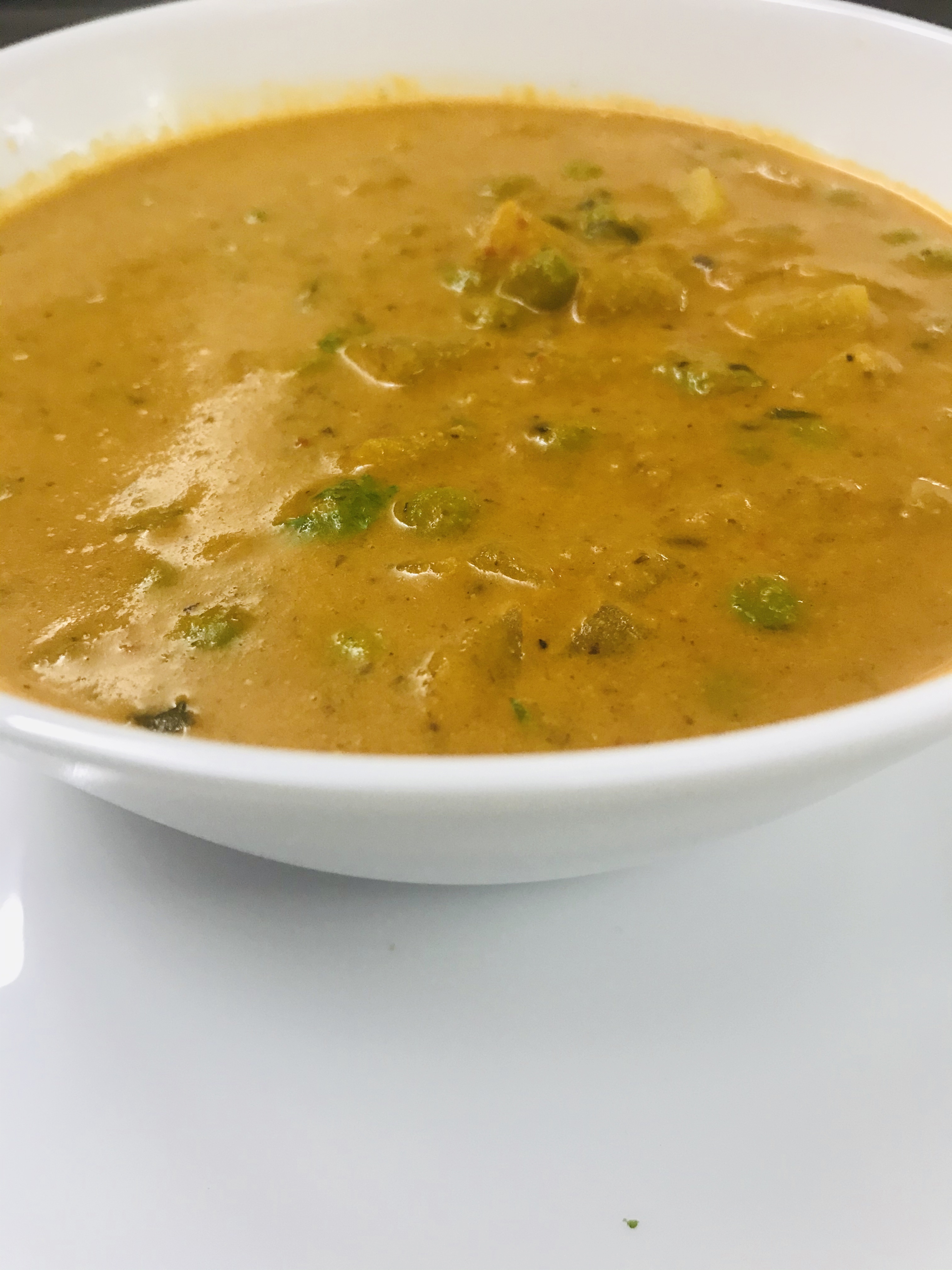
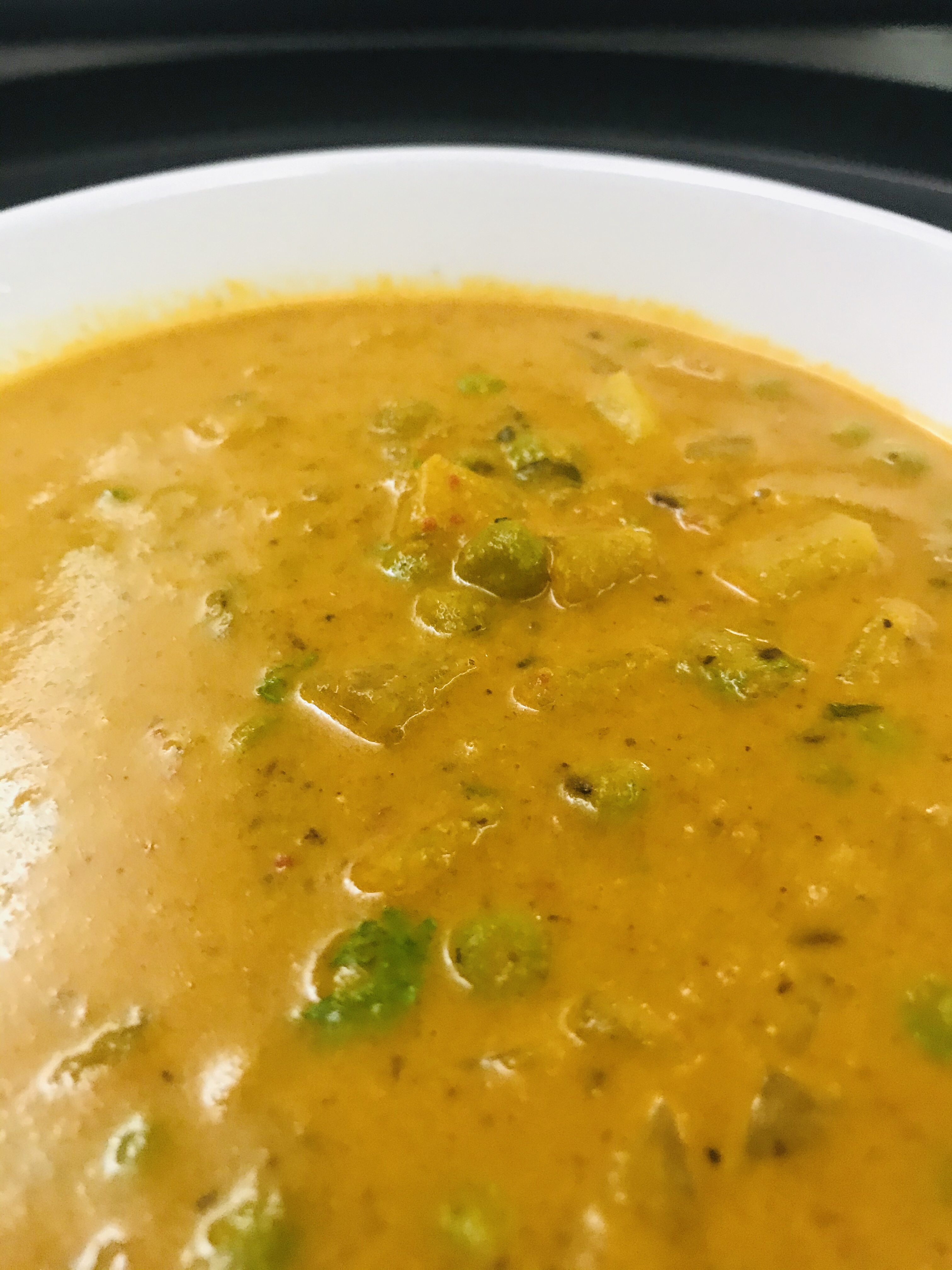
Recipes: Shahi Aloo Matar

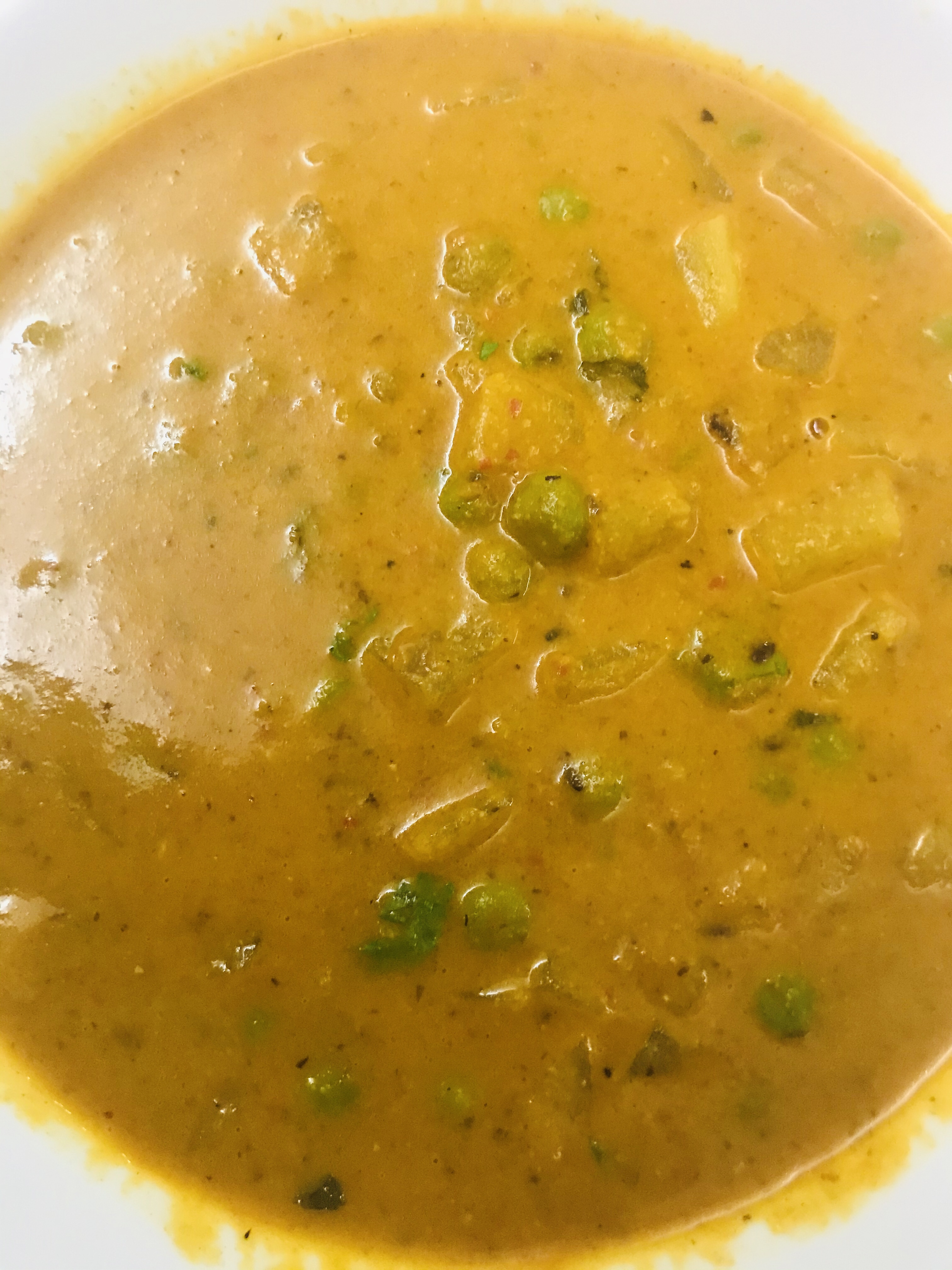
Another no onion, no garlic recipe, this time the classic aloo matar (potato and peas) curry reimagined without onions or garlic and made royal with the addition of some dry fruits and sesame seeds. It was super yummy and the addition of milk and yoghurt balanced the tartness of the tomatoes and also gives a slight sweetness to the recipe.

Shahi Aloo Matar

Ingredients:

  • 3 large potatoes, peeled and chopped into bite sized pieces
  • 1 cup frozen or fresh green peas
  • 3 large tomatoes, chopped roughly
  • 1/2 cup skimmed milk
  • 1/2 cup plain yoghurt
  • 6 cashew nuts
  • 6 almonds
  • 1 inch piece of cinnamon
  • 3-4 cardamom pods
  • 3-4 cloves
  • 1 inch piece of ginger, peeled
  • 1 tsp white sesame seeds
  • 1 tsp chilli powder
  • 1 tsp cumin powder
  • 1 tsp coriander powder
  • 1/8 tsp asafoetida powder
  • 1 tsp garam masala powder
  • 2 tsp cumin seeds
  • 1 tsp fennel seeds
  • 1 bay leaf
  • 2 tbsp oil
  • Salt to taste
  • Coriander leaves to garnish

Method:

  • Peel and chop the potatoes into bite-sized pieces and keep aside.
  • Heat 1 tbsp oil in a pan and add 1 tsp cumin seeds and let them pop. Then add the fennel seeds. Next add the sesame seeds, cloves, cardamon, bay leaf and cinamon one at a time and stir for a few seconds before adding the next ingredient.
  • Next add the cashewnuts and almonds and stir till the nuts are slightly brown. Now add the chopped tomatoes and a pinch of salt and let the tomatoes cook and become mushy. Remove, let it cool completely and grind it to a smooth paste with the yoghurt.
  • Heat the balance oil and add the balance cumin seeds. When the seeds splutter, add the asafoetida and turmeric powder and stir for 2 seconds.
  • Then add the chopped potatoes and let them cook for about 5 mins, or until they are half cooked.
  • At this point, add the frozen peas and salt and let the potatoes and peas cook till they are around 75-80% cooked. Remove from the flame and keep aside.
  • In a new pan, add the ground paste and stir well. Add the dry spice powders – chilli powder, cumin powder, coriander powder and garam masala powder and cook covered till the oil leaves the sides of the pan and the raw smell disappears. This should take around 7-10 minutes.
  • Now add the cooked potaotes and peas to this paste and stir well. Add the milk and let it come to the consistency you need. You can also add some water or more milk if it is still thick. Simmer for about 10 minutes to allow the flavours to mix together. Check for seasoning and garnish with coriander leaves and serve hot.
  • This goes very well with any Indian flatbread or even a jeera rice or pulao.

Recipes: No Onion, No Garlic Vegetable Makhani

On the day that Navratri ended, S started his 41 day vow in preparation to his trip to the Sabarimalai temple in Kerala.This meant a continuation of the no onion, no garlic routine we had while Navratri was going on. Although it was not mandatory for us to do the same food regime, I didn’t want to make multiple dishes for the same meal, hence we also ate the same food as S. I adapted this recipe from a Paneer Makhni recipe from My Food Lab on Facebook.

No Onion, No Garlic Vegetable Makhani

Ingredients:

  • 2 cups chopped mixed vegetables (I used a combination of carrots, cauliflower, potatoes and green peas)
  • 1 cup frozen paneer, soaked in hot water for 30 minutes, drained and kept aside. Keep the water you soaked the paneer in
  • 7-8 tomatoes, chopped
  • 1 bay leaf
  • 3-4 green cardamoms
  • 1 tsp cumin seeds
  • 4-6 kashmiri red chillies (if you don’t have Kashmiri red chillies, just use ordinary dried red chillies)
  • 10-15 cashewnuts
  • 2 tbsp raisins
  • 1/4 tsp turmeric powder
  • 1/4 tsp asafoetida powder
  • 1 tbsp red chilli powder
  • 1 tbsp coriander powder
  • 1 tbsp garam masala powder
  • 1 tsp kasuri methi
  • 1/4 to 1/2 cup skimmed milk
  • 3 tbsp oil
  • 2 tbsp butter
  • Salt to taste
  • Coriander leaves to garnish

Method:

  • Heat 1 tbsp oil in a pan and when the oil warms up, add the cumin seeds, green cardamom, bay leaf and kashmiri red chillies, stirring for a couple of seconds between each ingredient.
  • Then add the cashew nuts and raisins and stir for a couple of seconds.
  • Next add the chopped tomatoes and stir well. Add some salt and water to cover the tomatoes and cook covered till the tomatoes are completely cooked and mushy.
  • Remove from the flame and cool down completely. Once cool, grind it into a very fine paste with the skimmed milk and the water from soaking the paneer. Then strain the paste into another container so it is lump-free. You may need to do the grind and strain a couple of times. Use the milk and water as required to grind the whole tomato mixture into as fine paste as possible and keep aside.
  • In a seperate pan, heat 1 tbsp oil and when the oil heats up, add 1 tbsp butter. Then add the turmeric powder and 1/8 tsp asafoetida. Then add the vegetables plus some salt and cook covered till the vegetables are about 80% cooked. Remove from the flame and keep aside.
  • In the same pan as you cooked the tomato paste, heat the pan and add the balance oil. Add the balance butter when the oil starts to heat up. Then add the remaining asafoetida powder and stir for a couple of seconds. Then add in the strained tomato gravy and let it come to a rolling boil. Now add the red chilli powder and coriander powder and stir.
  • Then add in the half cooked vegetables and let it boil in the gravy for 5 minutes. Next add the drained paneer and stir well.
  • Add the garam masala powder, kasuri methi and let it boil. Check for seasoning and add what is missing.
  • Garnish with coriander leaves and serve hot with any Indian flatbread or rice.

Note: You can also add fresh cream if you are planning on making this for a party or dinner. If adding fresh cream, then add it after adding the vegetables and paneer, but before the garam masala and kasuri methi. You can add about 1/2 cup of cream to the recipe.

Recipes: Cauliflower and Broccoli Kadhi

Since we could not use onions and garlic in our cooking post Navratri, I had to come up with new recipes so that we eat a variety of foods and at the same time, eat a Jain diet.

While browsing for new recipes, I came across the Jaisalmeri Chana Kadhi recipe which intrigued me. Instead of using black Chana or Chole, I used a combination of Cauliflower, Broccoli and Frozen Green Peas. BB & GG love this combination as a stir fry and this recipe in a chickpea flour and yoghurt gravy was a hit at home and we finished the whole pan that day!

Cauliflower and Broccoli Kadhi

Ingredients:

  • 1 head cauliflower, chopped into bite-sized pieces
  • 1 head broccoli, chopped into bite-sized pieces
  • 1 cup frozen green peas
  • 1.5 cups plain yoghurt, beaten well
  • 3 tbsp besan or chickpea flour
  • 2 tsp ginger and green chilli paste
  • 2 tsp red chilli powder
  • 1/2 tsp turmeric powder
  • 1 tsp coriander powder
  • 1 tsp cumin powder
  • 1/4 tsp asafoetida powder
  • 1 tsp cumin seeds
  • 1/2 tsp garam masala powder
  • 1 tbsp oil
  • 1 tbsp ghee
  • 1 tbsp kasuri methi
  • Salt to taste
  • Coriander leaves to garnish

Method:

  • Wash the vegetables and keep aside.
  • Heat the oil in a pan and when the oil warms up, add half the cumin seeds and let them splutter.
  • Next add 1/8 tsp asafoetida and 1/4 tsp turmeric powder and stir for a couple of seconds.
  • Add the vegetables and stir well. Add 1 tsp each red chilli powder, cumin powder and coriander powder and stir well.
  • Cover and cook till the vegetables are about 75% cooked. Season with salt and remove from the fire.
  • Whisk together the chickpea flour or besan and yoghurt to get a smooth paste. Add the chilli-ginger paste, 1/4 tsp turmeric powder, 1 tsp chilli powder and some salt and whisk together. Make sure there are no lumps from the besan and it is completely smooth. You can also add water as needed to get a pouring consistency batter.
  • In another pan, heat the ghee and add the balance cumin seeds when the ghee warms up. When the cumin seeds crackle, add the balance asafoetida powder and stir.
  • Pour in the chickpea flour yoghurt batter and let it come to a nice rolling boil. Keep stirring and Ensure that the yoghurt does not curdle.
  • Add the cooked vegetables and continue boiling. Check for seasoning add if something does not seem right. Add the garam masala and crush the kasuri methi in your palms and add it to the gravy. Let the gravy thicken slightly and then switch off the flame. Garnish with coriander leaves and serve with rice or any Indian flatbread.

Notes:

  • If you don’t have the chilli ginger paste, you can also use finely chopped ginger and chillies instead
  • You can also use onions in this recipe. Just add it when you heat the ghee and add the cumin seeds and asafoetida and before adding the chickpea yoghurt paste.
  • Instead of these vegetables, you can substitute it with other vegetables or even use black Chana or Kabuli chana.