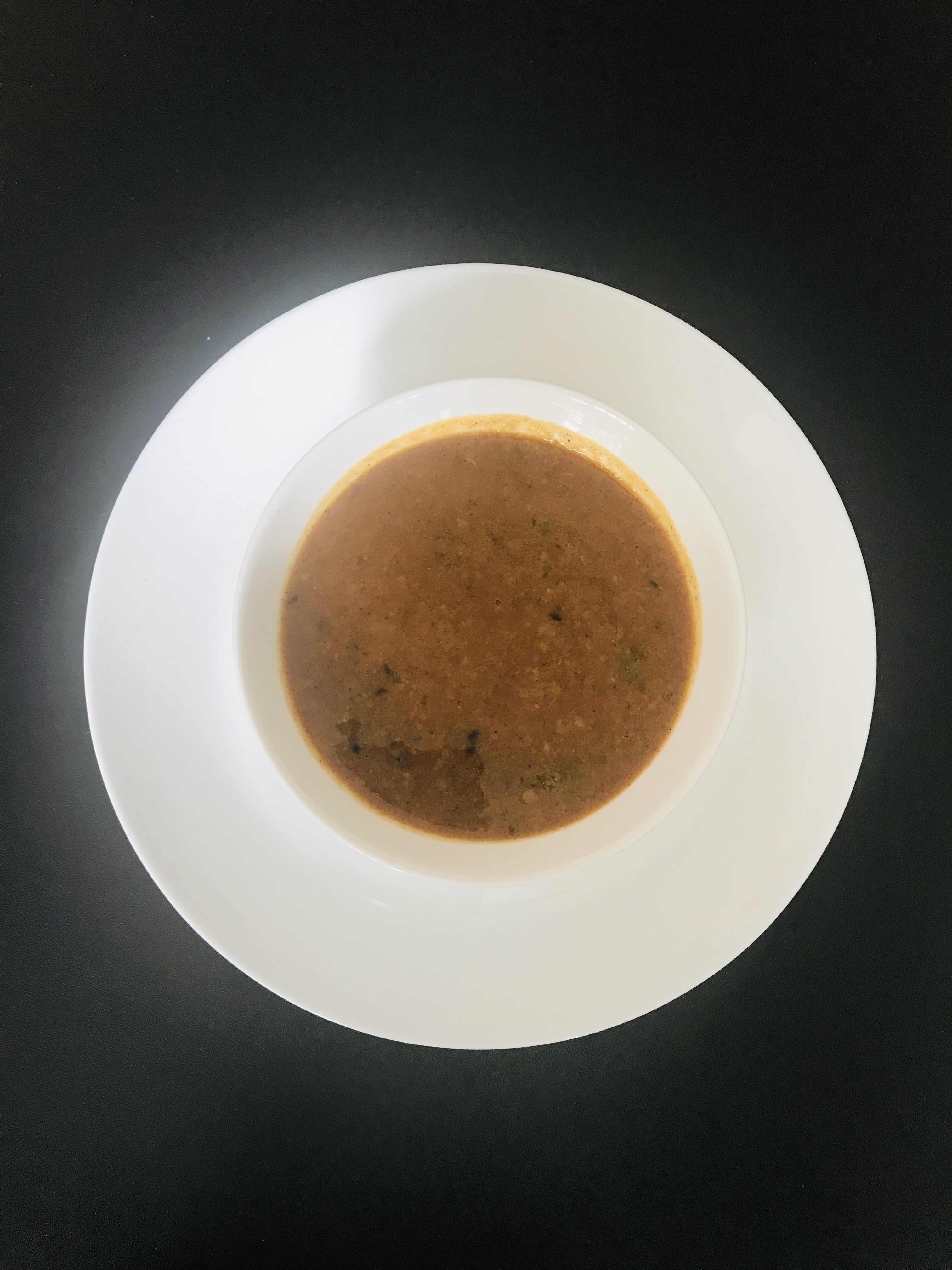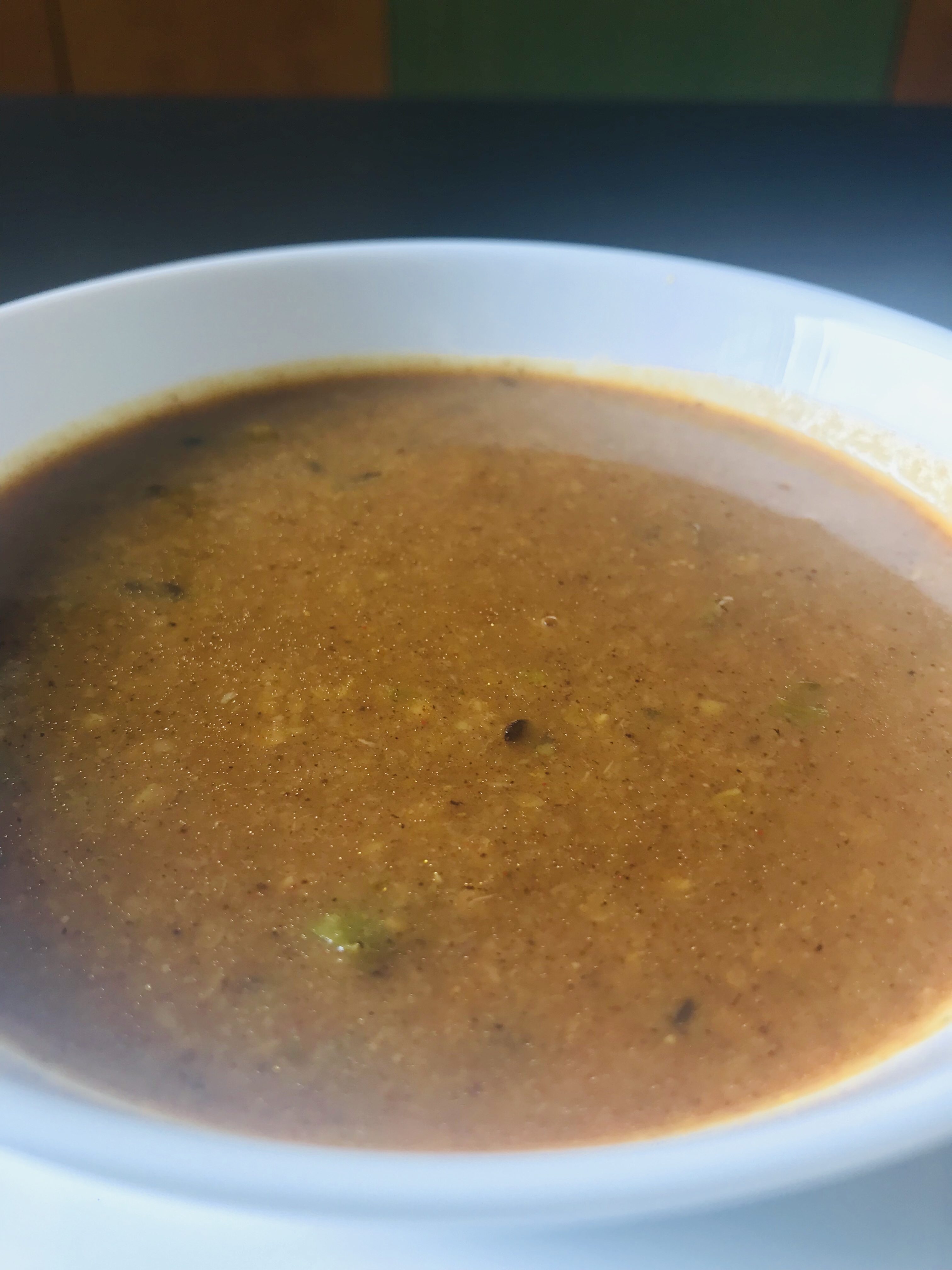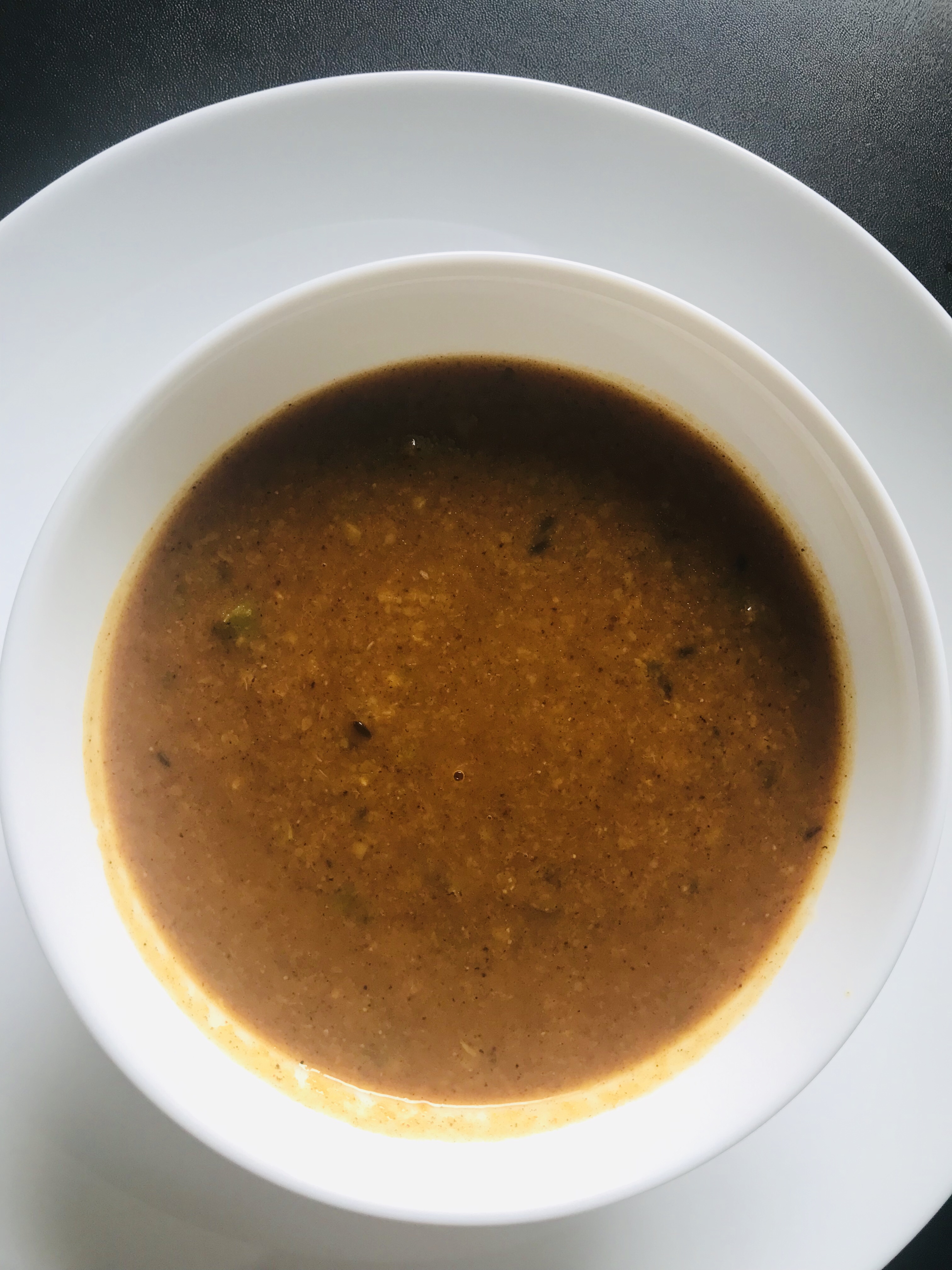
Recipes: Tangy and Sweet Chana Dal

Monday was Ganesh Chaturthi and as usual I made traditional modak or the sweet dumplings filled with coconut and jaggery as an offering or neividhyam to the Lord. I had about 2 tbsp of the filling left over and was wondering what I should do with it when I thought of incorporating it into a dal. I know Maharastrians do something similar with the filling of puran poli, so I took a leaf out of their book.

Fret not if you haven’t made modak the day you want to make this dal, all you need to do is just add coconut and jaggery to the dal and you get a lipsmacking tangy, yet sweet dal to eat with your rice and rotis.

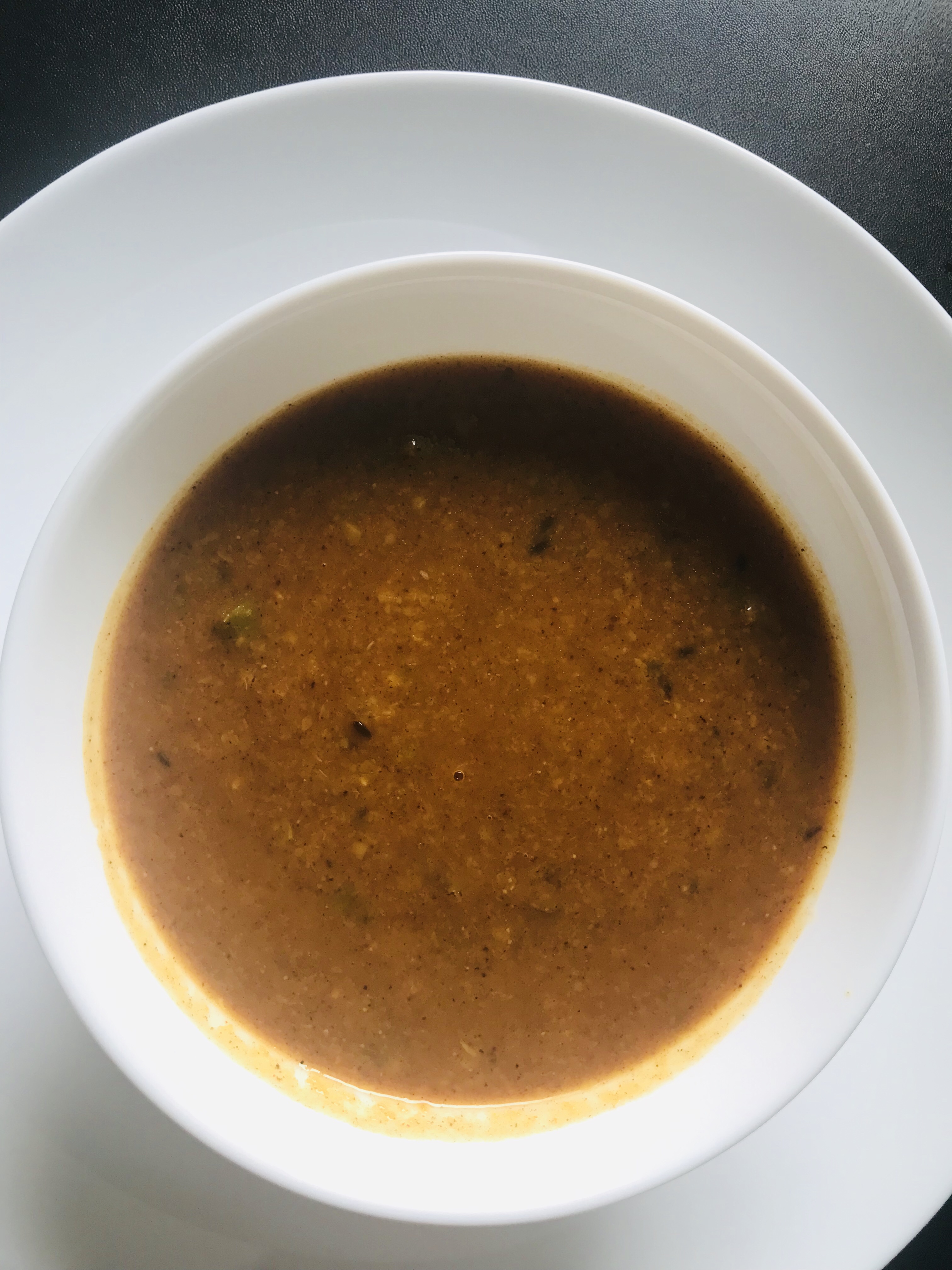
Tangy and Sweet Chana Dal

Ingredients:

  • 1 cup chana dal
  • 1 small piece of tamarind, soaked in hot water for 20-30 minutes
  • 1 tbsp oil
  • 1 tsp mustard seeds
  • 1 tsp cumin seeds
  • 1/8 tsp asafoetida
  • 4-5 curry leaves
  • 1 tsp crushed green chillies or geeen chilli paste
  • 1-2 tbsp modak filling
  • I tbsp grated coconut, roasted (if not using the stuffing)
  • 1 tbsp grated jaggery (if not using the stuffing)
  • Salt to taste
  • Coriander leaves to garnish

Method:

  • Wash the chana dal and cook it either in the pressure cooker or on the stovetop till it is completely cooked and starts to lose its shape. Remove when cool and whisk it to a fine paste. Keep aside.
  • Mix and strain the tamarind pulp and get the juice. Keep aside.
  • Heat oil in a largish pan and when it starts to warm up, add the mustard seeds and let them pop. Then add the cumin seeds, curry leaves and asafoetida and stir for a couple of seconds.
  • Then add the green chilli paste and stir for a few seconds. Now add the whisked chana dal and stir well. Add the tamarind juice slowly and taste test for the level of sourness you want. Season with salt.
  • Thin the dal with water to your preference and let it come to a boil. When the dal comes to a rolling boil, add the modak filling and stir well.
  • If you don’t have the modak filling, just add 2 tbsp roasted coconut plus the jaggery and continue boiling the dal.
  • Finely chop the coriander leaves and garnish the dal. Serve hot with any Indian bread or rice.

Recipes: Ginger, Lemon & Honey Drink

Over the weekend, both GG and I came down with rather bad colds. I was really suffering and the hacking cough made it really difficult to sleep.

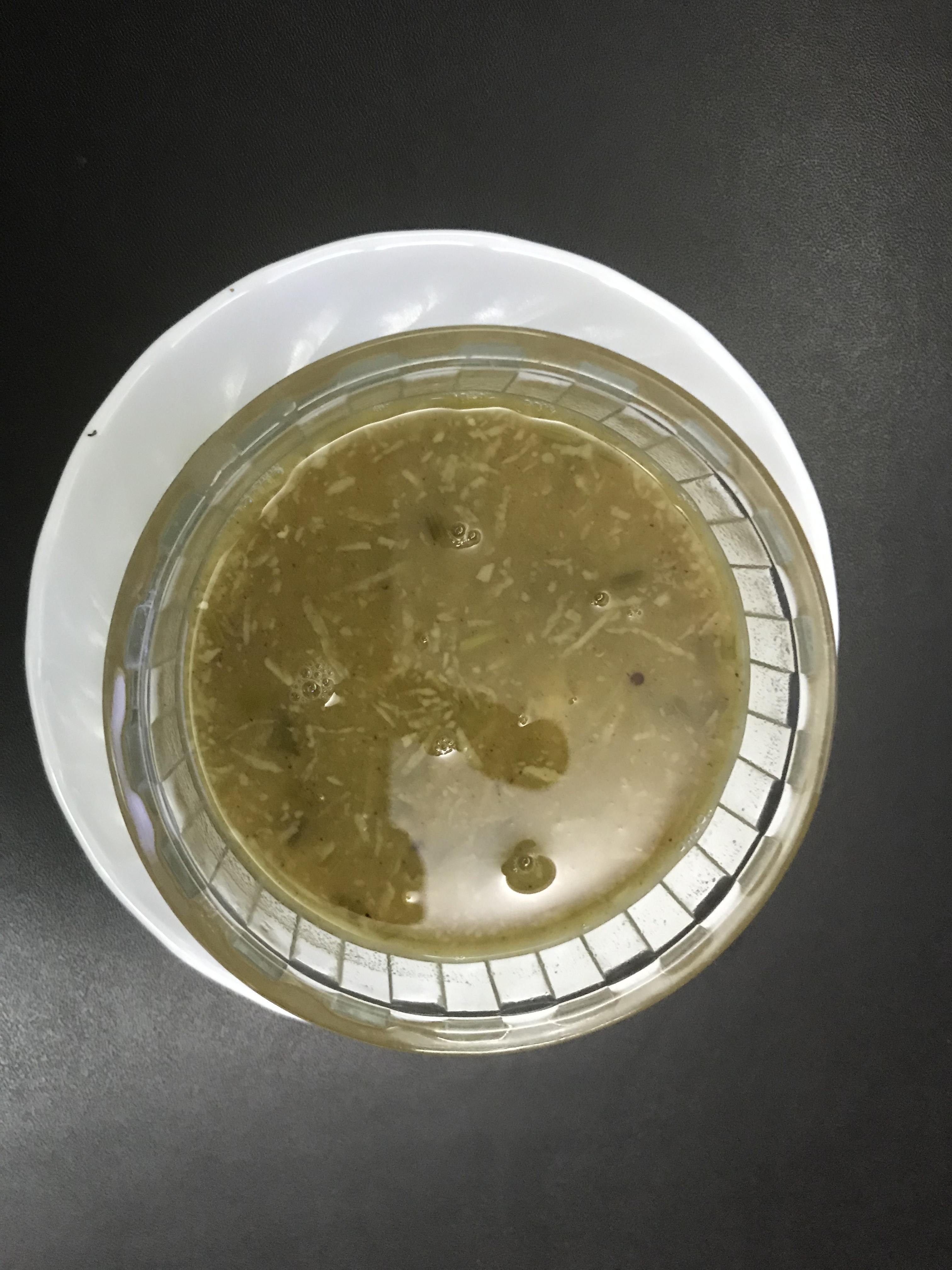
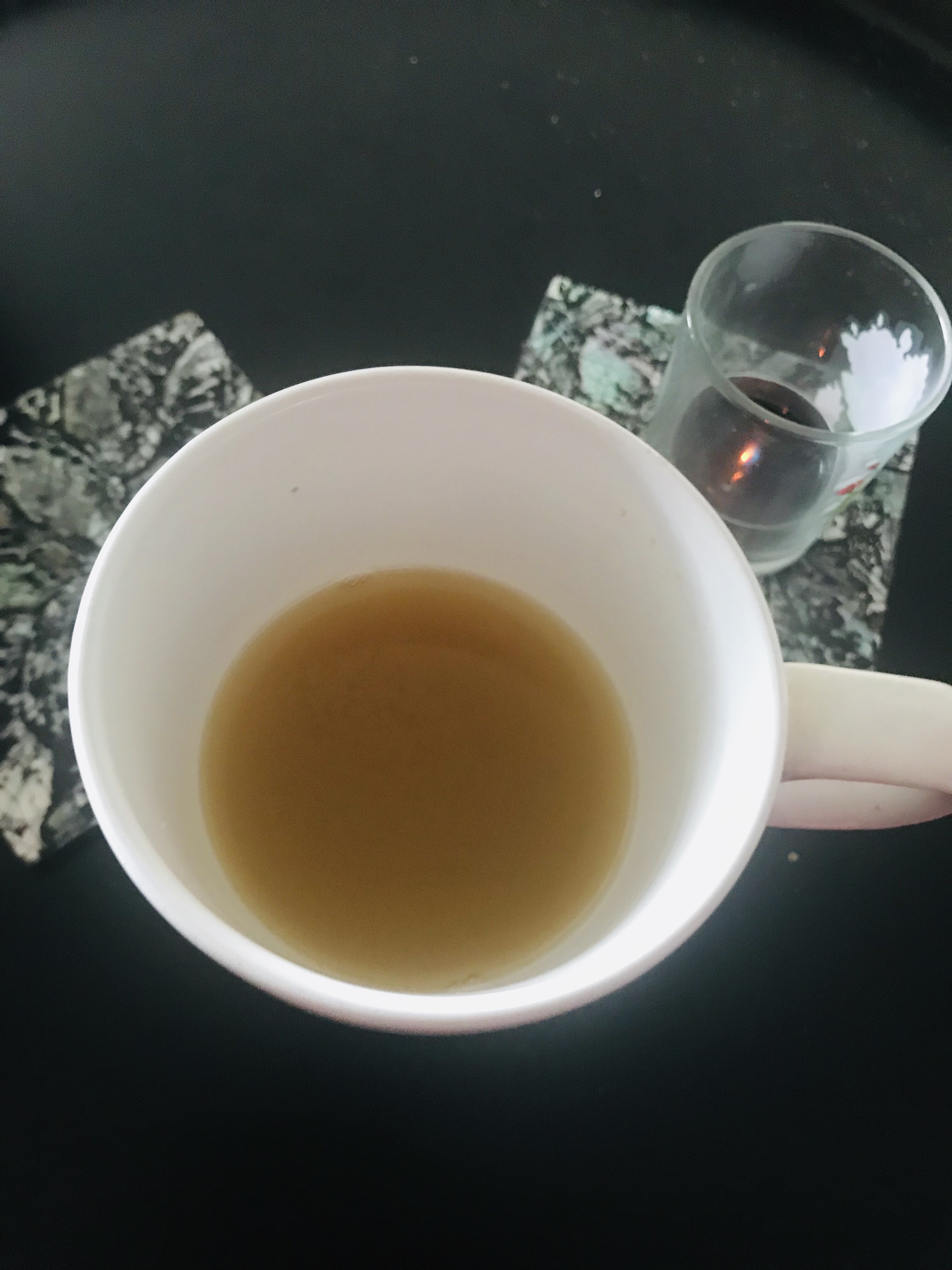
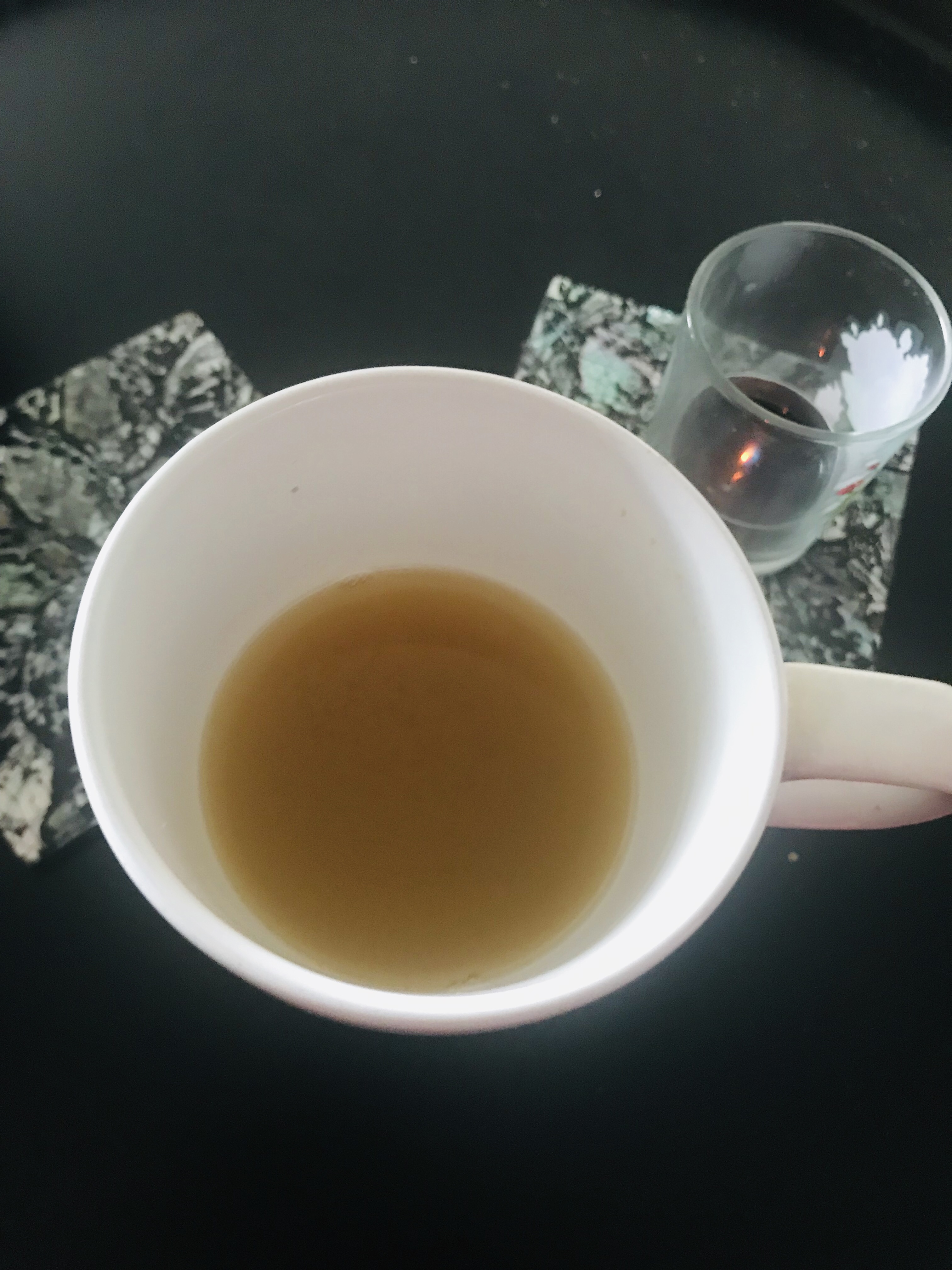
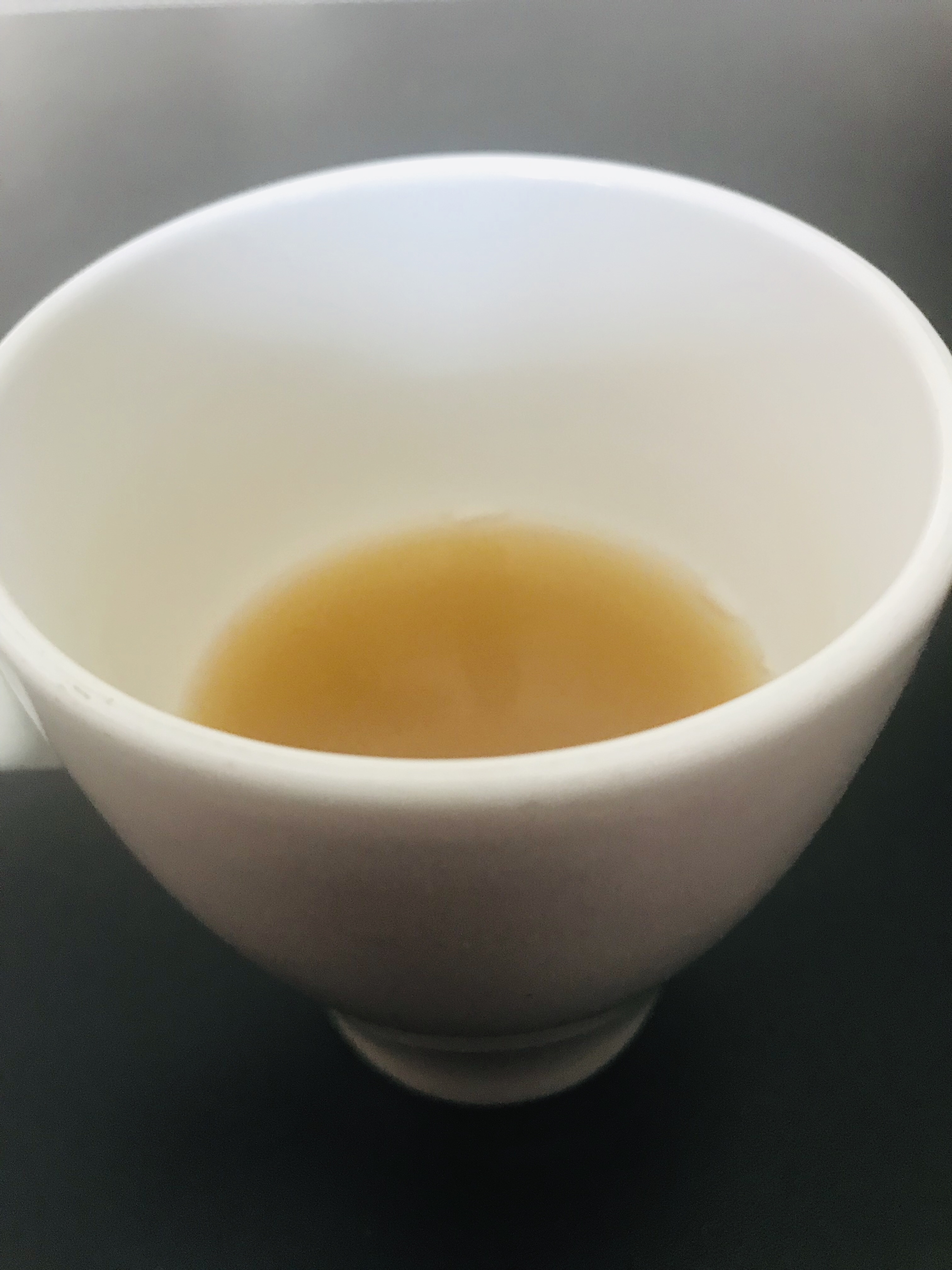
Then I remembered a drink I used to make many years back and decided to try to replicate it. It turned out to be this nice soothing gingery and lemony drink which I have been spamming over the past few days. I also make some and give it to GG in a small thermos to take to school. It has really given me a lot of relief and really soothed my throat which was raw from all that coughing.

Ginger, Lemon & Honey Drink

Ingredients:

  • 1-2 inch piece of ginger
  • 2 tbsp fresh lemon juice
  • 2 tbsp honey
  • 2 glasses water

Method:

  • Grate the ginger and add it to the water in a largish utensil. Heat the water.
  • Let the grated ginger and water come to a boil and once it reaches the boiling stage, lower the heat to a medium and simmer for 10 minutes.
  • Remove from the flame and strain into another large bowl.
  • In this bowl, add the lemon juice and honey and stir well.
  • Adjust the honey and lemon juice according to your taste.
  • Store this drink in a thermos and sip throughout the day.

If you find it too strong for your taste, then dilute it with some warm water and drink.

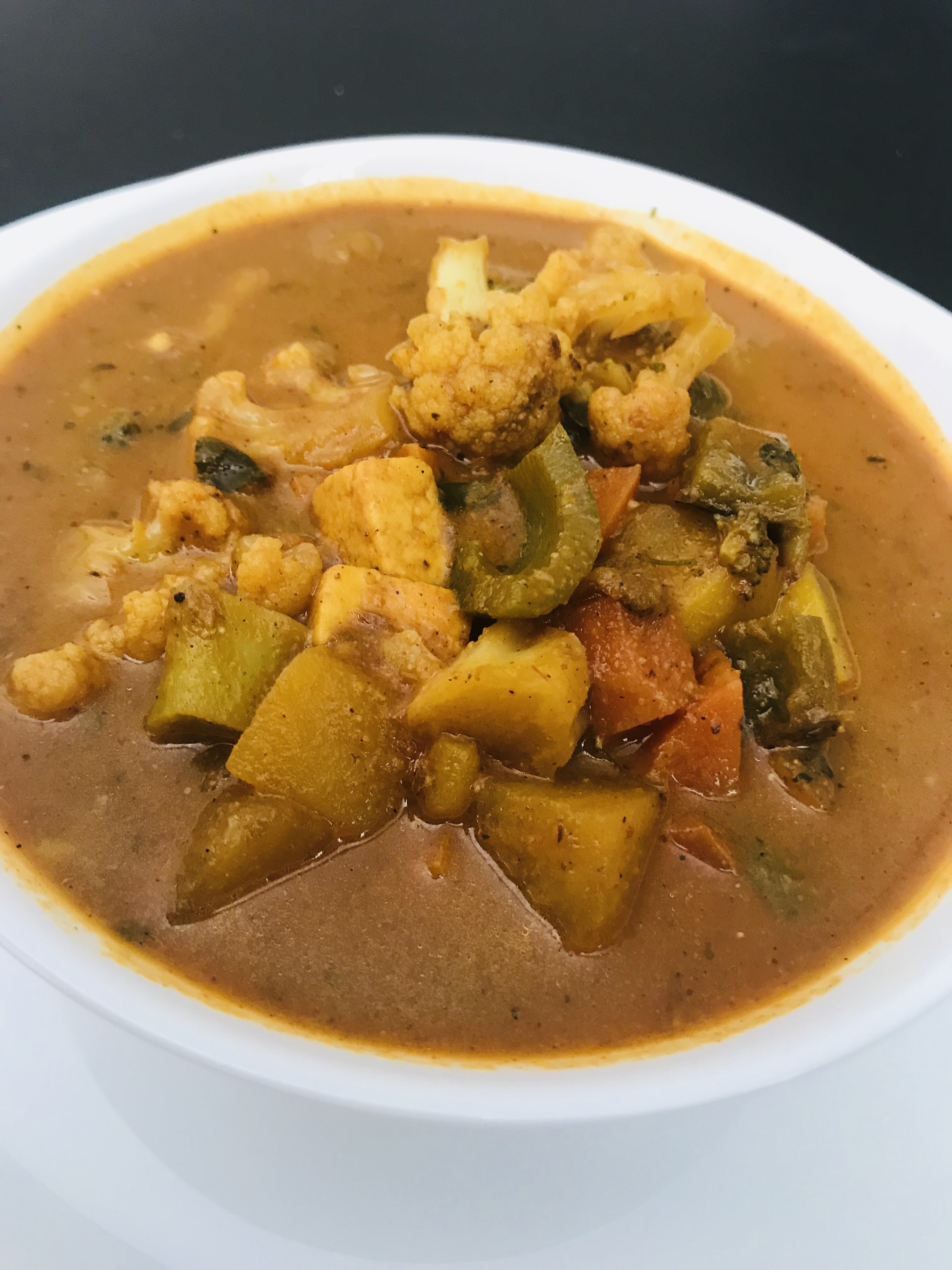
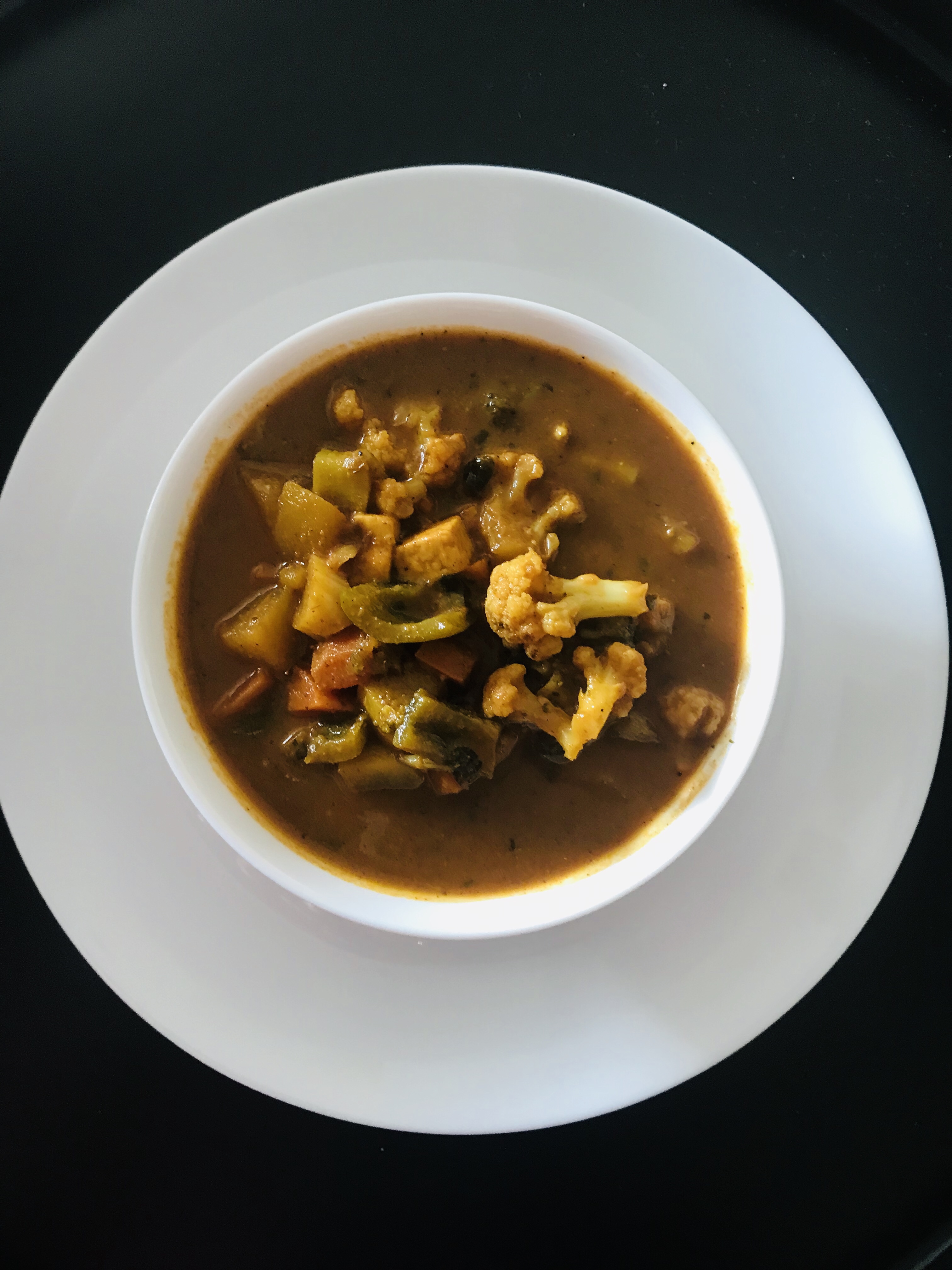
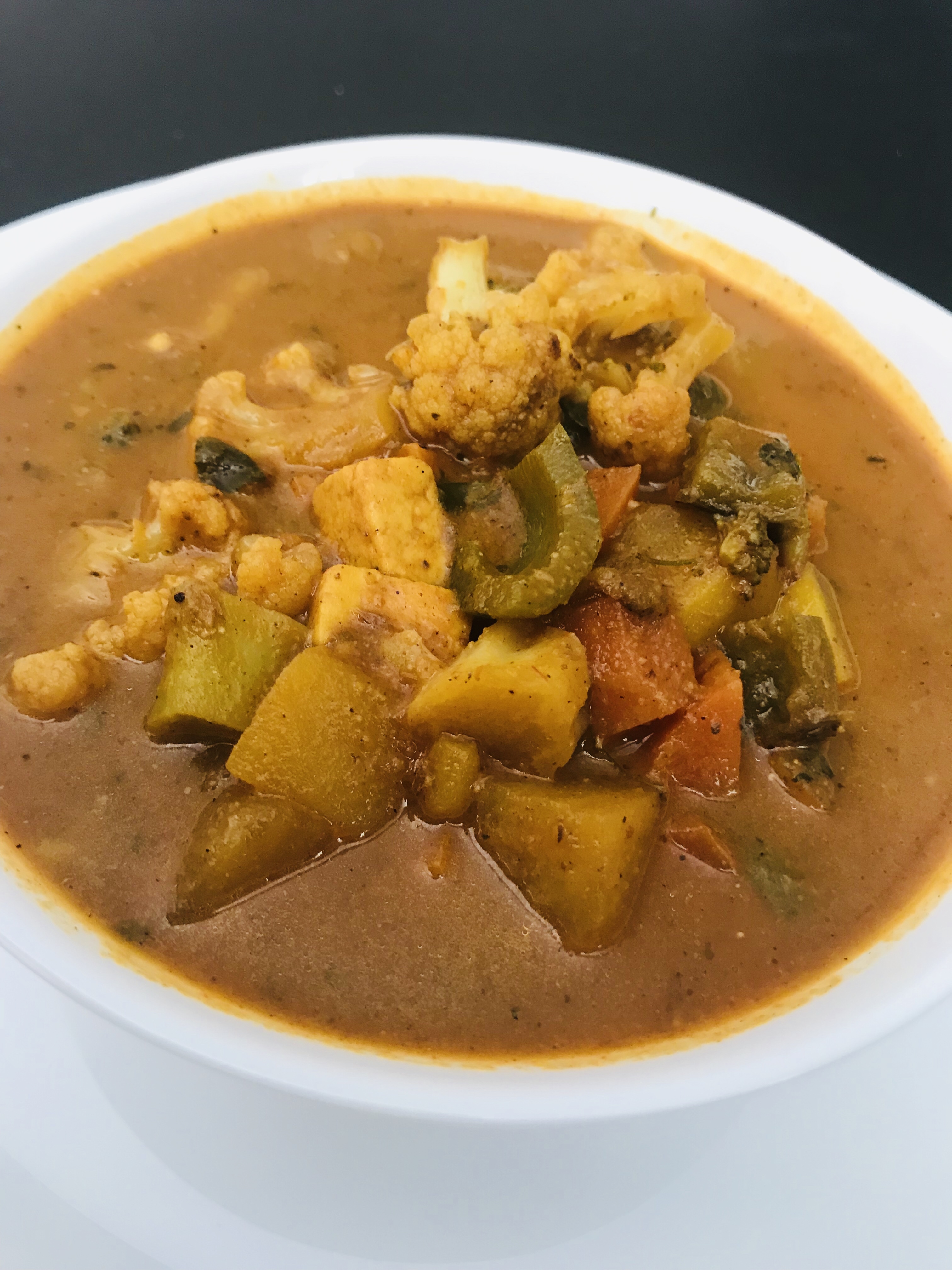
Vegetables in a Caramelised Onion and Saffron Gravy

While thinking of lunch options over the weekend, I thought of a gravy made of caramelised onions and saffron. I googled to see if there was any recipe online with this gravy and realised that there were middle eastern recipes which had something similar. I saw a Moroccon recipe for Onion Mezgueldi as well as Tfaya, which used caramelised onions as a base.

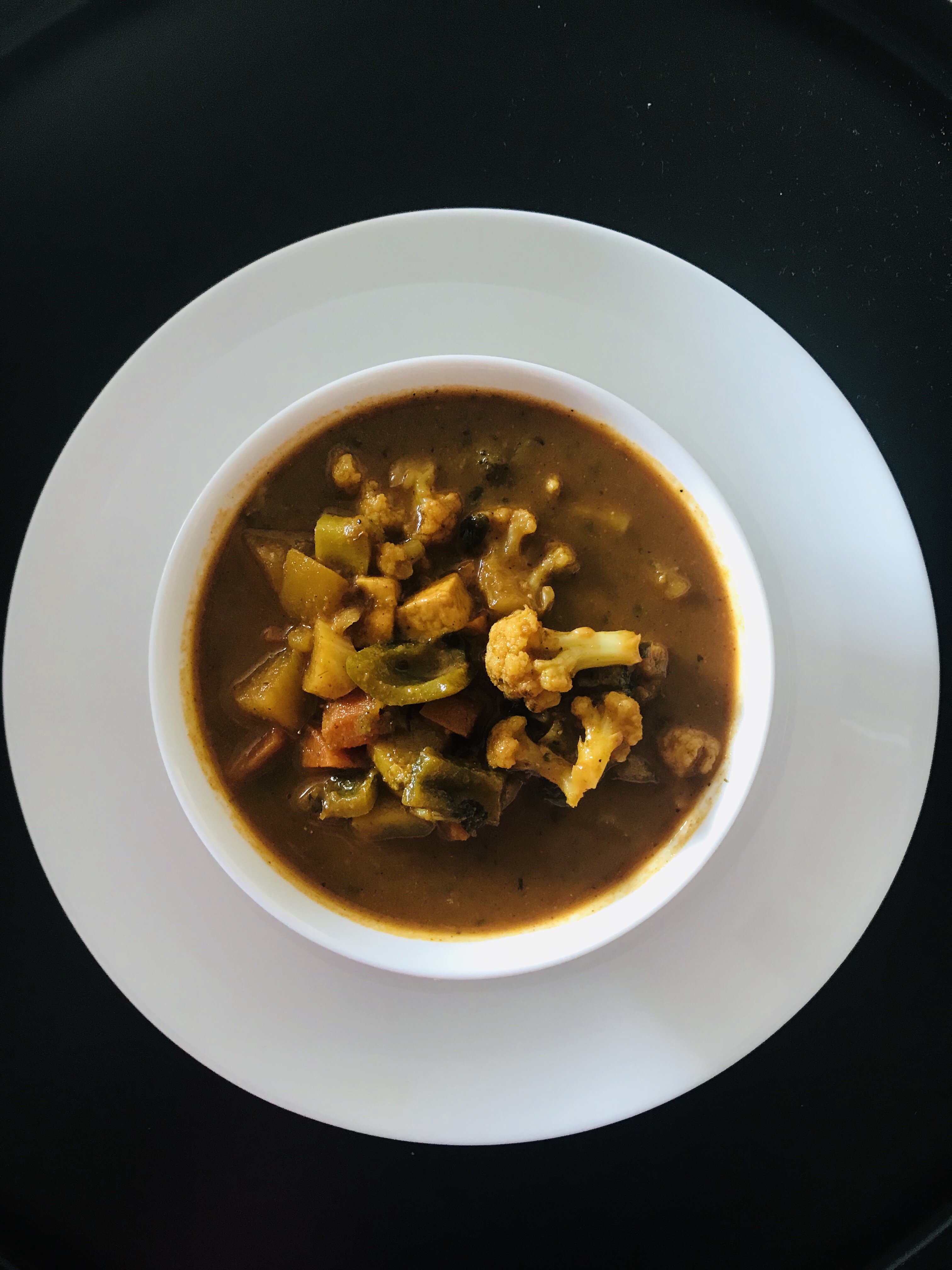
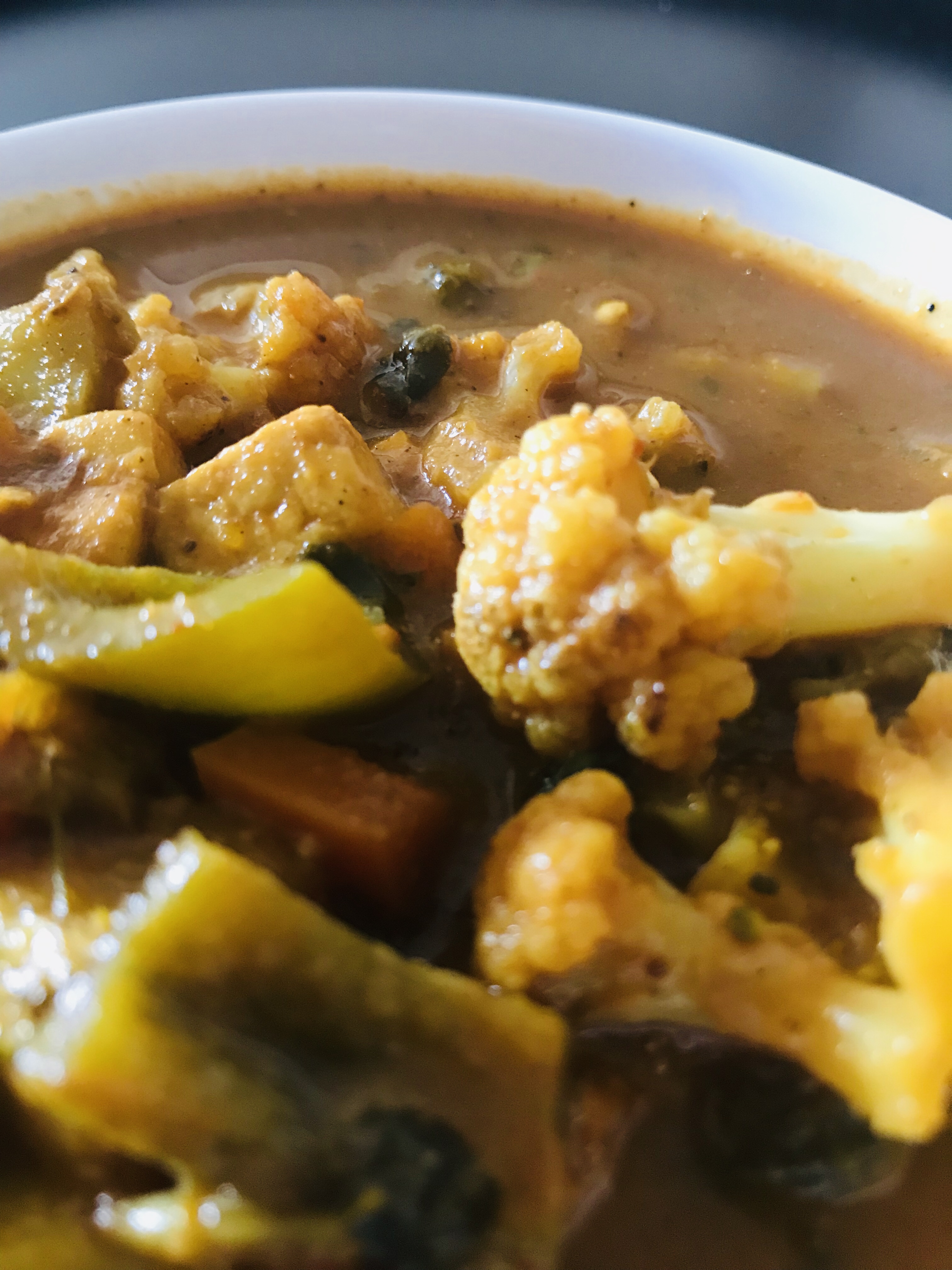
While the middle eastern recipes were not what I was looking for, I experiemented in my kitchen and the result was this slightly creamy with hints of sweetness from the caramelised onions and raisins and an undertone of the saffron. It was a huge it at home and a definite keeper. But note this recipe uses more than the usual amout of oil and butter and takes longer than usual to make.

I used a mixture of carrots, cauliflower, brocolli, potatoes, green bell peppers and paneer to make the recipe, but you can play around with vegetables of your choice. The recipe is also not very thick, so you could possibly add some thickening agent if you want it thicker.

Vegetables in a Caramelised Onion and Saffron Gravy

Ingredients:

  • 2 cups mixed vegetables chopped into bite sized pieces (I used carrots, cauliflower, brocolli, potatoes and green bell peppers)
  • 1 cup paneer, soaked in hot water for 30 minutes
  • 2 tsp raisins, soaked in hot water for 15-20 minutes
  • 3 large onions, sliced
  • 1 bulb garlic, peeled
  • 1 inch piece of ginger, peeled
  • 2 tsp white sesame seeds
  • 1 tsp red chilli powder
  • 1/4 tsp turmeric powder
  • 1 tsp coriander powder
  • 1 tsp cumin powder
  • 1 tsp garam masala powder
  • 1 tbsp kasuri methi
  • 2 generous pinches of saffron
  • Salt to taste
  • 3 – 5 tbsp oil
  • 1 tbsp butter

Method:

  • Slice the onions and keep aside.
  • Chop the vegetables into bite sized pieces and keep aside
  • Heat 2 tbsp oil and the butter in a large pan and when the oil heats up, fry the onions in batches until it is crispy and caramelised. Add more oil if needed. Remove, drain and keep aside.
  • In the same oil (adding slightly more if needed), fry the garlic and ginger until golden. Drain and keep aside.
  • Drain the raisins and in a blender, blend together the crispy onions and the raisins with some water to a smooth paste. Remove into a container and keep aside.
  • In the same blender, blend the fried ginger, garlic and sesame seeds into a fine and smooth paste. Keep aside.
  • Heat another tbsp oil in a pan and when it warms up, add in the chopped vegetables and cook until the vegetables are about 70% cooked. Remove and keep aside.
  • In the same pan, heat 1 tsp oil and when the oil warms up, add in the ginger, garlic and sesame seed paste. Let the paste come to a boil and then add the caramelised onion paste.
  • When the pastes start bubbling, add the dry spices – turmeric powder, chilli powder, cumin powder, coriander powder and garam masala and stir well. Crush the saffron strands in your palms and add it to the gravy.
  • Add water to thin the gravy to suit your taste and when the gravy has simmered for around 10 minutes, add in the half cooked vegetables.
  • Chop the paneer into bite sized pieced and add it to the gravy.
  • Stir well and then crush the kasuri methi in your palms and add to the gravy. Let it simmer for another 5 minutes, then garnish with coriander leaves and serve hot with any Indian bread or rice.

I served this with a peas pulao

Recipes: Kadhai Vegetable

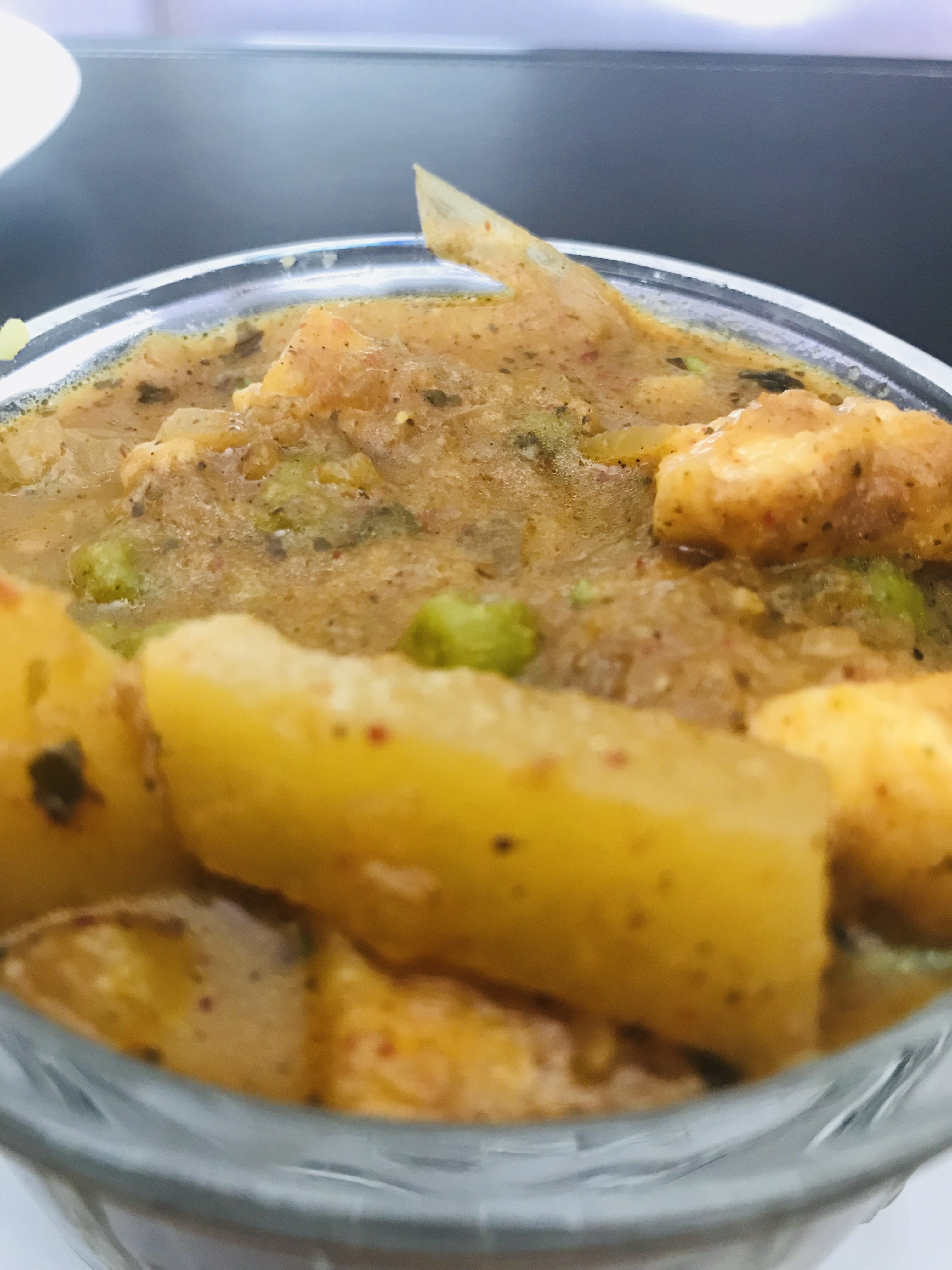
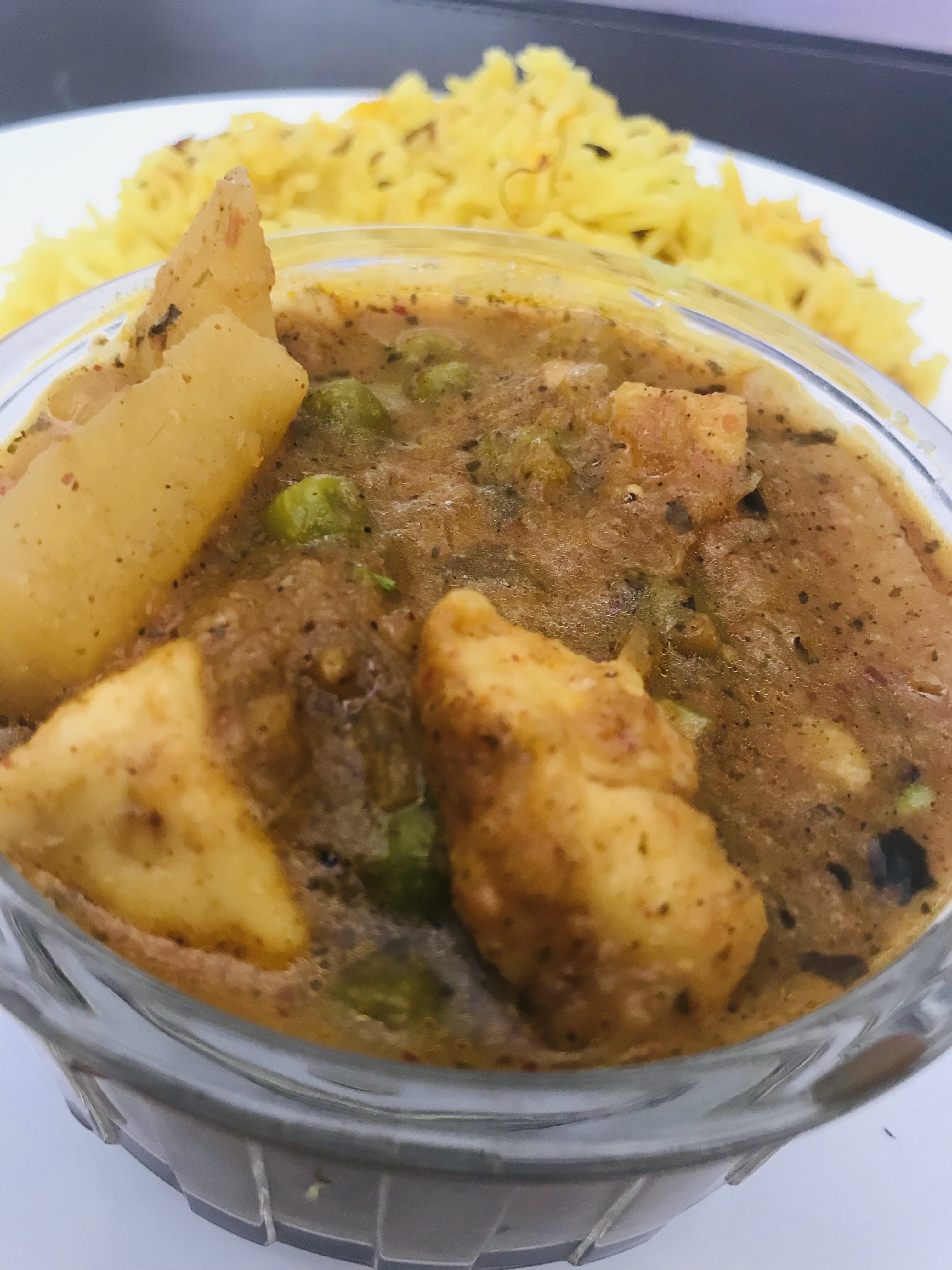
Another Sunday and another recipe. While browsing online for something to pair with my Saffron Cumin Rice, I found a few kadhai vegetable recipes which I modified to make this delicious recipe for our Sunday lunch. It was super yummy and a definite keeper.

Kadhai Vegetables

Ingredients:

For the masala powder:

  • 1 tbsp coriander seeds
  • 1 tsp cumin seeds
  • 2-3 cloves
  • 2-3 green cardamom
  • 1/2 inch piece of cinammon
  • 4-5 dried red chillies
  • 5-7 black peppercorns
  • 8-10 raw cashewnuts
  • 1 tbsp kasuri methi

For the vegetables:

  • 1 carrot
  • 1 medium-sized potato
  • 1/2 cup frozen green peas
  • 1 large sized green bell pepper
  • 2 medium sized onions
  • 1 cup frozen paneer
  • 2-3 tbsp oil

For the Gravy:

  • 1 tbsp oil
  • 1 medium-sized onion
  • 1 inch ginger
  • 4-5 garlic cloves
  • 3 tomatoes
  • 1/4 tsp turmeric powder
  • 1 tsp red chilli powder (or to taste)
  • Salt to taste
  • Coriander leaves to garnish

Method:

  • In a dry pan, dry roast the ingredients for the masala – coriander seeds, cumin seeds, cloves, green cardamom, cinammon, dried red chillies, peppercorns, cashewnuts and kasuri methi – until it becomes fragrant and starts to brown.
  • Remove and keep aside until it is cooled. Then blend using a spice grinder into a fine and smooth powder. Keep aside.
  • In a blender, blend the ginger and garlic and make into a fine paste and keep aside.
  • Soak the frozen paneer in hot water for 20-30 minutes, then drain and keep aside.
  • Chop the carrot, potato and green bell pepper into 1 inch sticks and keep aside.
  • Slice 2 onions and keep aside.
  • In the same pan, heat 2 tbsp oil and one by one, fry the carrot, potato and peas until they are half cooked and start to slightly char. Remove and keep aside.
  • In the same pan, add another tbsp oil and fry the sliced onions until they start caramelising and keep aside. Fry the bell pepper until it is half cooked (it shuld have a bit of crunch in it) and keep aside.
  • Chop the remaining onion finely and keep aside.
  • In thr same blender, blend the tomatoes into a fine puree and keep aside.
  • Heat the balance oil in the pan and when the oil warms up, put in the ginger-garlic paste and saute the paste till the raw smell goes away.
  • Then add the finely chopped onions and saute till it turns translucent.
  • At this point, add the pureed tomatoes and stir well.
  • Add the dried spices (turmeric and red chilli powders) and stir well. Keep stirring occassionally until the gravy starts to thicken and you can see the oil leaving the sides of the pan.
  • Add in the fried carrot, potato and peas and let the vegetables finish cooking completely.
  • Then add the ground masala powder, salt, and about one cup of water and let the gravy simmer on a low to medium heat, covered, for about 5-6 minutes.
  • Then add the paneer, fried onions and capsicum and contine simmering for another 5 minutes. Add more water if needed.
  • Check for seasoning and garnish with coriander leaves and serve hot with rice or rotis.

Recipe: Saffron Cumin Rice

I saw a reference to Saffron Rice in some recipes I was browsing while thinking about what to cook last Sunday. The name intrigued me and I got thinking about how this recipe would look and taste. So I tried making my version and the result was a delicious, fragrant but simple dish which I put together in less than 15 minutes of prep time plus cooking time.

Saffron is a very exotic and expensive spice. It is derived from the flower of Crocus sativus, commonly known as the “saffron crocus”. The vivid crimson stigmata and styles, called threads, are collected and dried to be used mainly as a seasoning and colouring agent in food. Although some doubts remain on its origin, it is believed that saffron originated in Iran, but Greece and Mesopotamia have also been suggested as the possible region of origin of this plant.

Saffron is a powerful antioxidant and is said to have cancer fighting properties. It is also said to reduce heart disease risk factors, lower blood sugar levels and improve eyesight in adults with age-related macular degeneration. It may improve memory in adults with Alzheimer’s disease

Saffron and Cumin Rice

Ingredients:

  • 1 cup basmati rice, soaked in water for 20 minutes
  • 2 pinches saffron
  • 2 tsp cumin seeds
  • ¼ tsp turmeric powder
  • 1 tbsp milk
  • 1 tbsp ghee
  • 1 cup water
  • Salt to taste

Method:

  • Soak the basmati rice for 20-30 minutes and drain and keep aside.
  • Warm the milk in a small container and then put one pinch of the saffron and let the saffron dissolve in the milk.
  • Heat the ghee in a pan and when warm, add the cumin seeds. Let the cumin seeds splutter and then crush the remaining saffron with your fingertips and add to the ghee.
  • Add the turmeric powder and stir for a couple of seconds. The turmeric is added to enhance the colour of the rice plus for its antiseptic properties. So you can omit it if you want.
  • Next add the soaked rice and stir for a few minutes. Stir the dissolved saffron and milk and add this to the rice. Mix well.
  • Add the salt (approximately 1 tsp per cup of rice) and stir well.
  • Transfer to a rice cooker, add the water and cook until it is done. Let it sit in the rice cooker for 10 minutes and then fluff the rice. Serve hot with any gravy vegetable.
  • If you are cooking using the stove top, add the water to the rice while using the pan to fry the rice, then cook it until it is al-dente. Keep an eye on the rice and add more water if needed.

I served this rice with a yummy kadhai vegetable, the recipe which I will share very soon