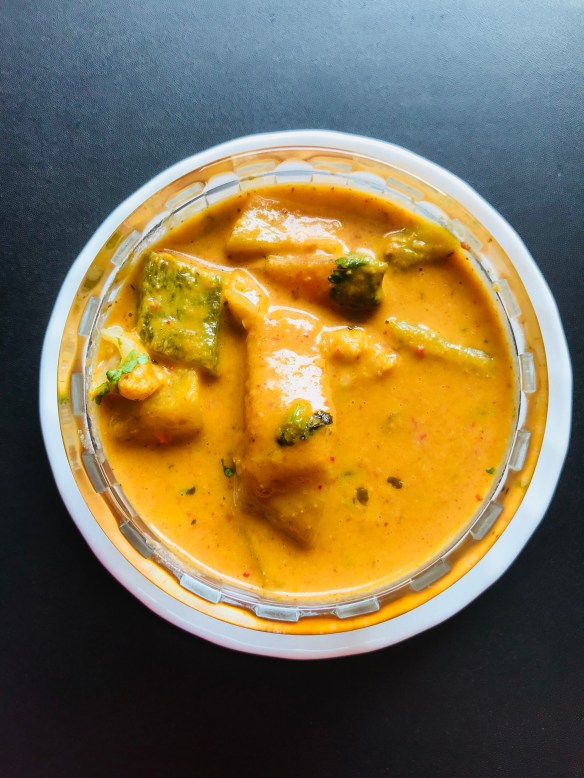
 One weekend, I was wondering what to cook and neither S nor the children were being helpful. When asked what do you want to eat, they’d say “Anything”. So when I searched online, I found a couple of recipes for Butten chicken and also for Paneer Makhanwala. So I decided to play around with these recipes and came up with this Vegetable Makhanwala recipe.
Makhanwala means with butter and true to its name, this recipe is not for the faint of heart, it needs loads of butter, ghee and oil, not to mention cholesterol inducing items like cream and dry fruits like almonds and cashew nuts. If you are making this for a special occasion, please go full steam ahead and don’t hold back.
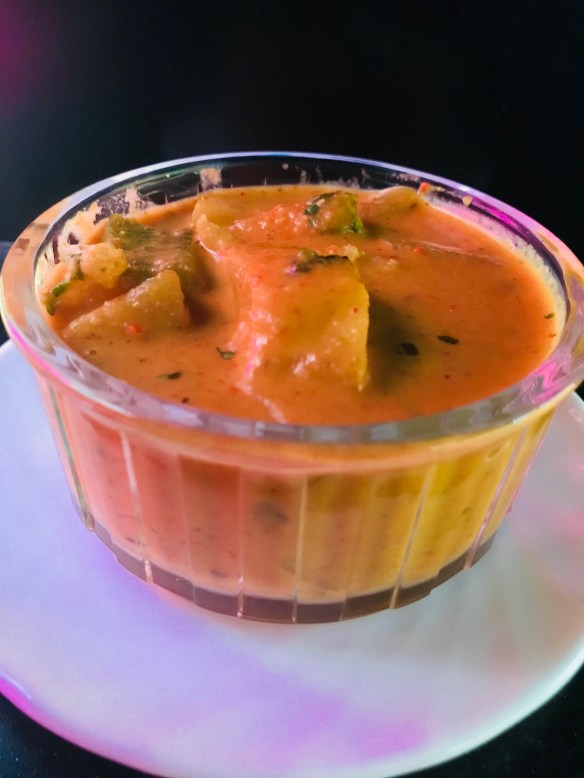 Vegetable Makhanwala
Ingredients:
- 2 cups mixed vegetables, chopped into slightly larger than bite-sized pieces (I used cauliflower, green capsicum, potatoes, sweet potatoes, carrots, french beans and frozen corn. You can also add peas and broccoli to this mix)
- 1cup frozen paneer, refreshed in hot water for 20 minutes to soften it
- 2 medium-sized onions, chopped
- 4 medium-sized tomatoes, chopped
- 1-inch piece of ginger
- 6-7 cloves of garlic
- 4-5 dried red chillies
- 4 fresh red chillies
- 7-8 cashew nuts
- 7-8 almonds
- 3-4 cardamom pods
- 3-4 cloves
- 1 tsp cumin seeds
- 1 tsp fennel seeds
- 4 tbsp butter
- 2 tbsp ghee
- 2 tbsp oil
- 2 tsp Kashmiri red chilli powder
- 1 tsp cumin powder
- 1 tsp coriander powder
- 1/4 tsp turmeric powder
- 1-2 tsp garam masala powder
- 2 tsp kasuri methi
- 200 ml cup cooking cream
- Salt to taste
- Coriander
Method:
- In a pan, heat 2 tbsp butter, 1 tsp oil and 1 tsp ghee and when the ghee and butter melts, add the cumin seeds and fennel seeds.
- When the seeds splutter, add the garlic and let it stir for a few seconds. Then add in the ginger, fresh and dried chillies and stir for a few seconds. Next, add the onions and let it stir until it becomes translucent. Then add the almonds and cashew nuts and give it a good stir. Lastly, add the tomatoes and a tsp of salt to allow the tomatoes to start disintegrating.
- When the tomatoes and mushy and cooked, remove from the flame, cool down and blend to a very fine paste.
- In the same pan, heat up the remaining ghee, oil and butter and add the chopped vegetables in it. Add the dry spices – turmeric powder, chilli powder, cumin powder, coriander powder and some salt and cover and cook till the vegetables are three quarters done.
- When the vegetables are almost done, pour in the blended paste and add water if needed to make the gravy to the consistency you require. Check for salt and add if needed. Also, add in the paneer, kasuri methi and garam masala and let it come to a rolling boil.
- After about 5-7 minutes at a rolling boil, reduce the flame and add in the cooking cream. Let it come to a gentle boil and switch off the fire, garnish with coriander leaves and serve hot with any rice or Indian flatbread.
Notes:
- Kasuri Methi is dried fenugreek leaves which can be omitted if you don’t have them.
- If you don’t have access to either fresh or dried red chillies, just substitute one for the other. Kashmiri red chillies give you the best colour without the spice factor.
- If you are not eating immediately after cooking, omit the last step until you are ready to serve the dish. This is because cooking cream may curdle when you heat it time and again. When you are ready to serve, heat it in a pan and when it comes to a gentle roll, lower the flame and add the cream and finally the coriander. You can omit the cream totally if you want, it tastes very good even without it.
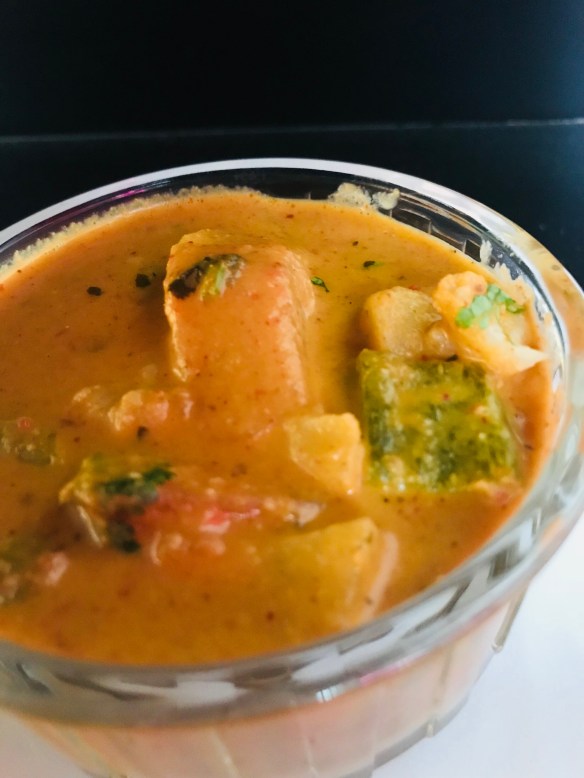
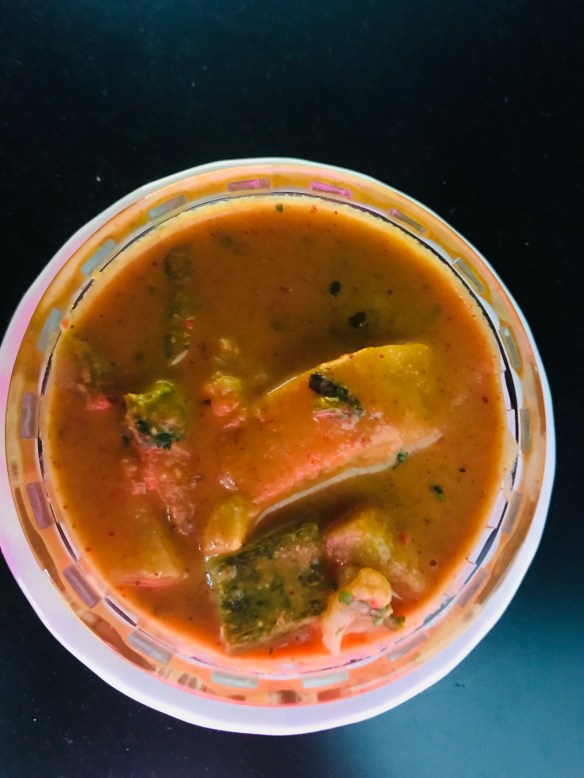

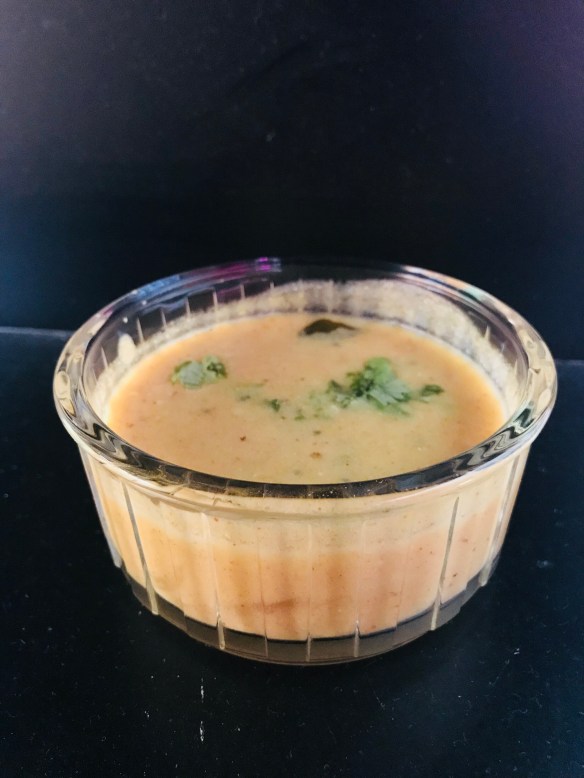
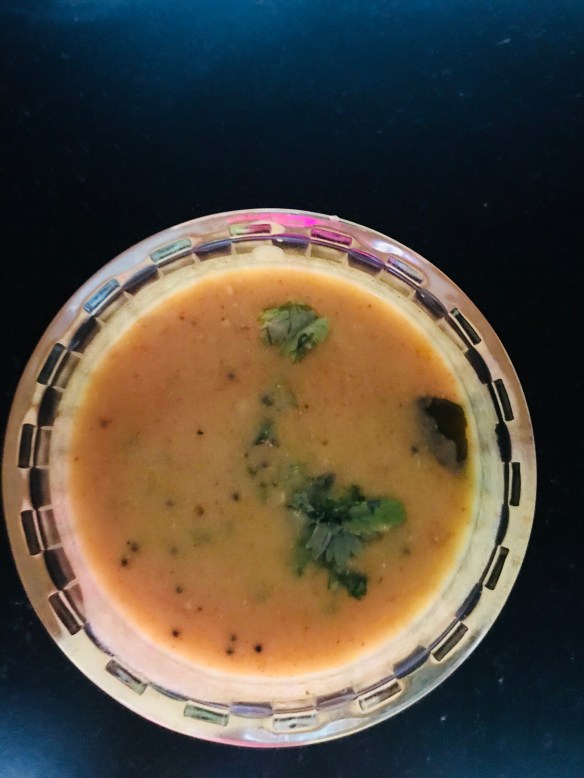
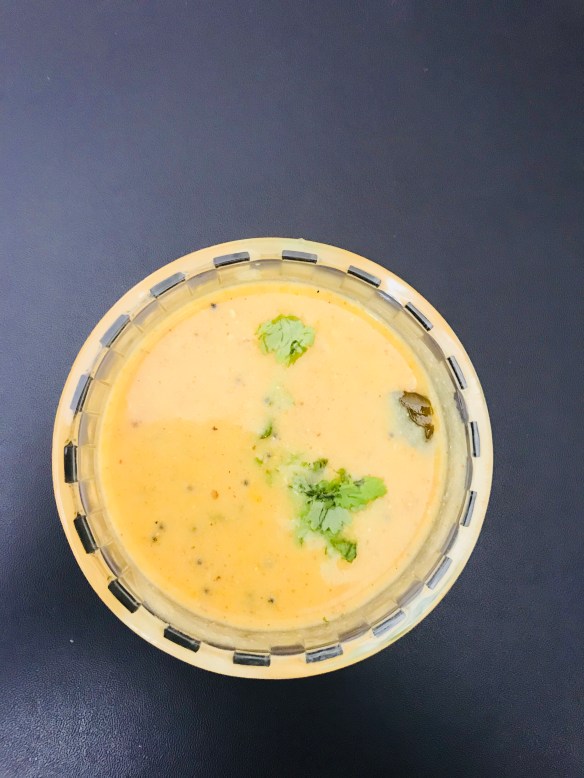 Here’s another recipe from the heartlands of my home state of Maharashtra. This recipe is from the kitchens of the rustic, rural householder and is a staple of practically every Marathi household. I got this recipe from a book I have had for almost twenty years now, called Maharashtrian Cooking authored by Kumud Marathe.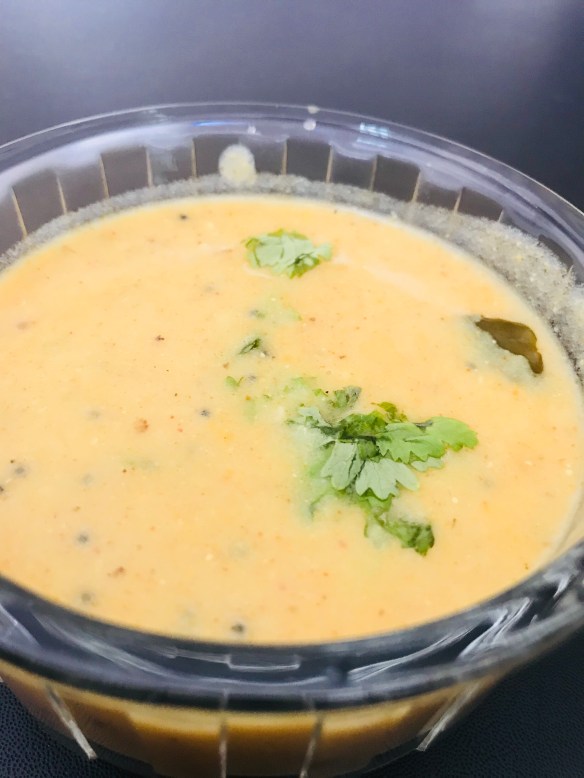


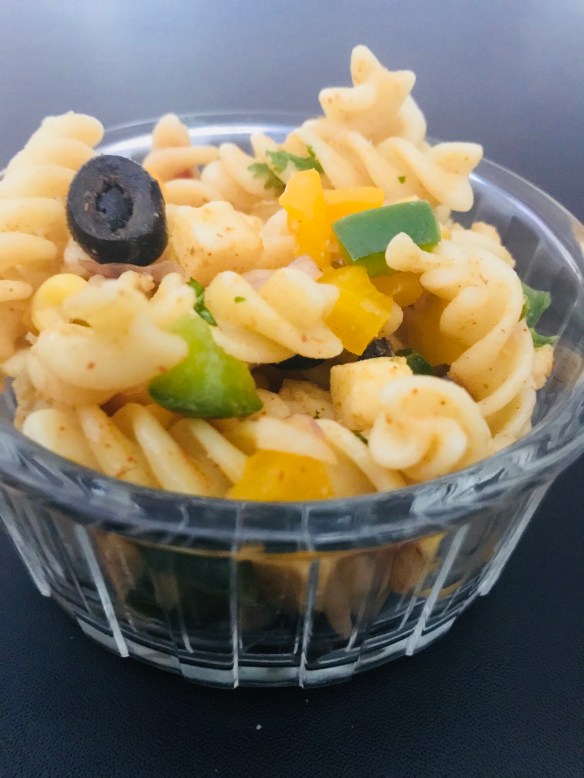 Pasta Salad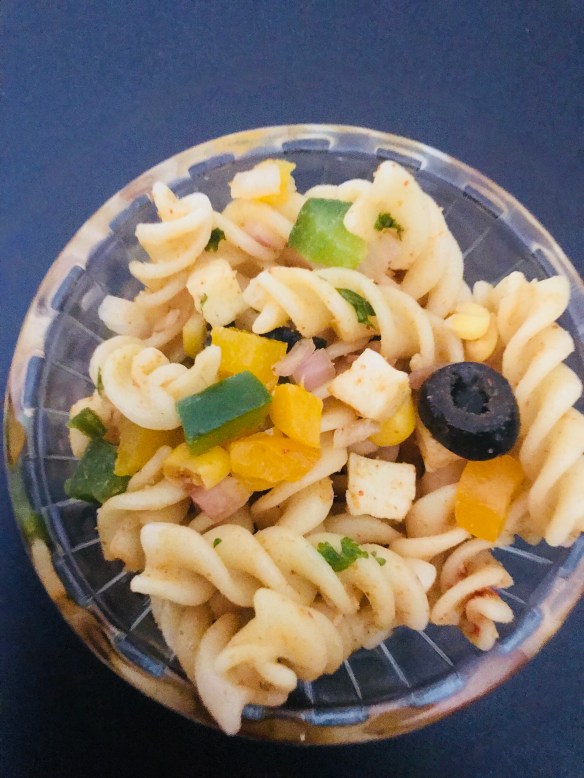


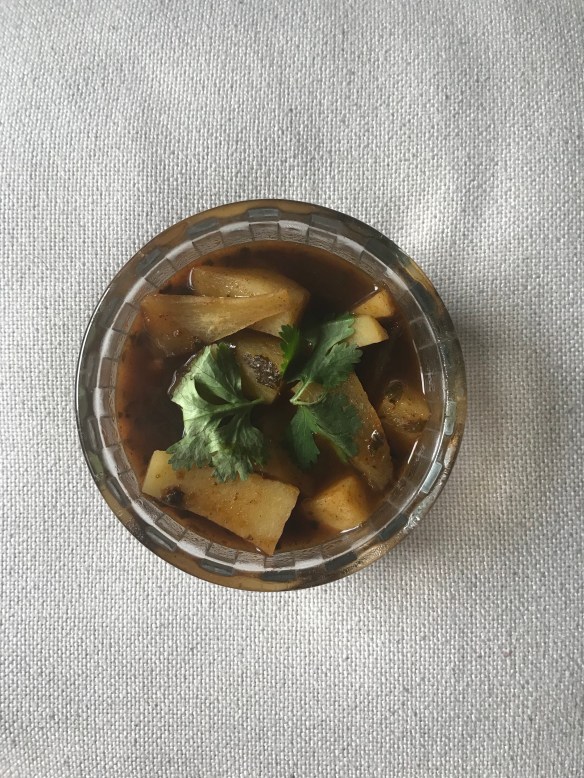
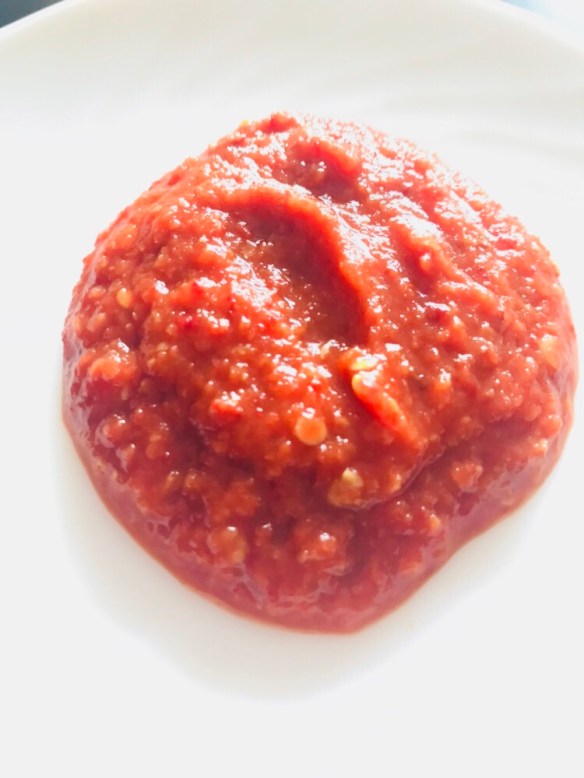
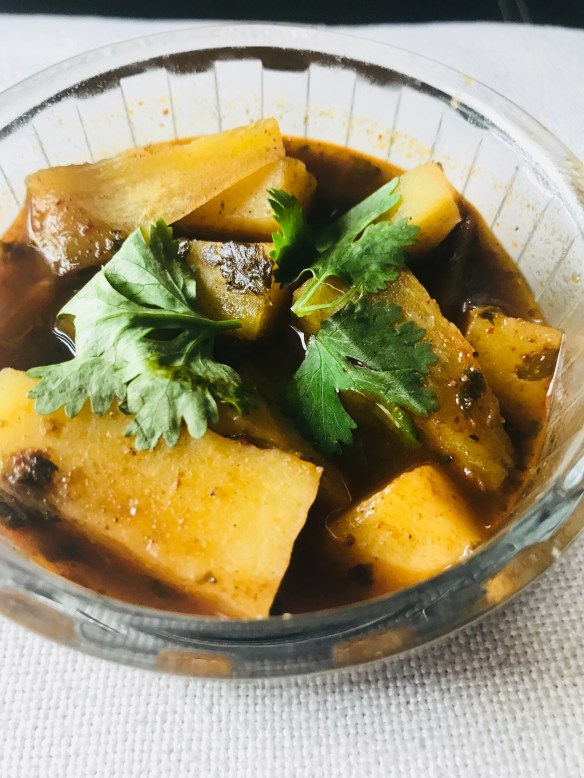 When I was in college, I used to make a potato recipe in a tamarind sauce a lot. That was a signature dish I had discovered in a magazine, most likely Women’s Era and had written it down. I did not bring that notebook with me when I moved to Singapore and now that recipe is lost.
 Sweet Sour Potatoes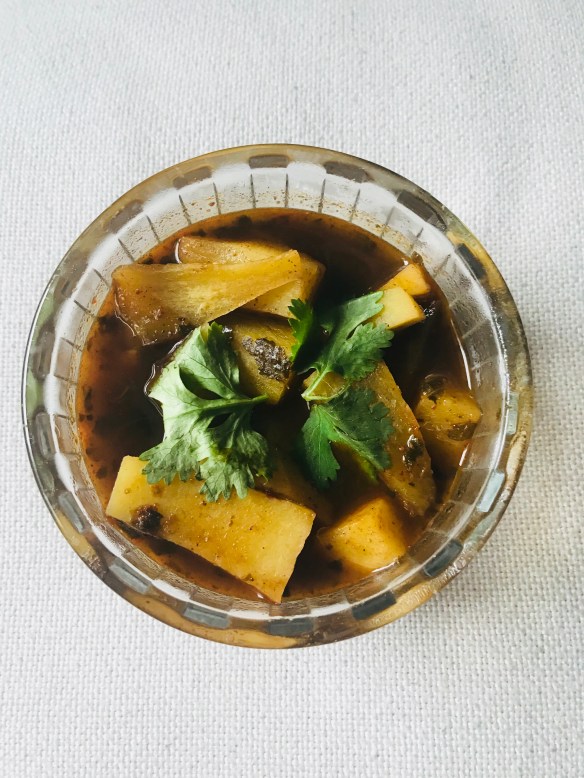


 Memories and Such