Vegetable Korma without Coconut

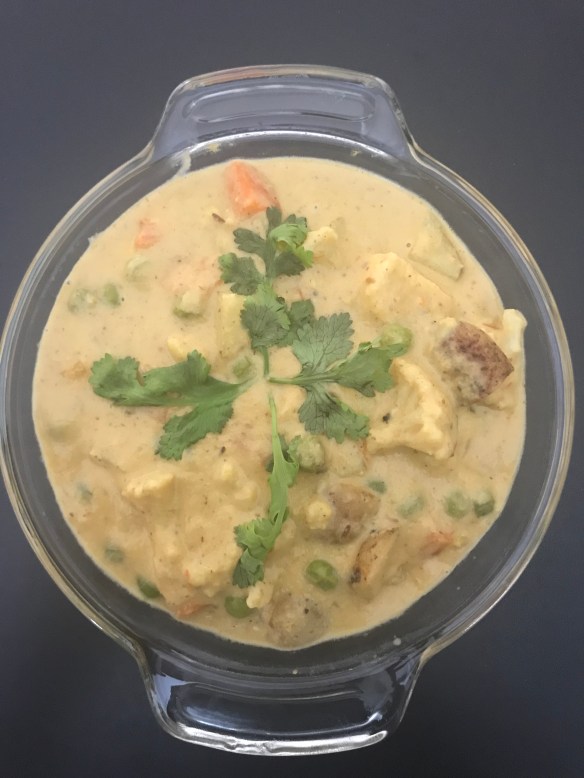
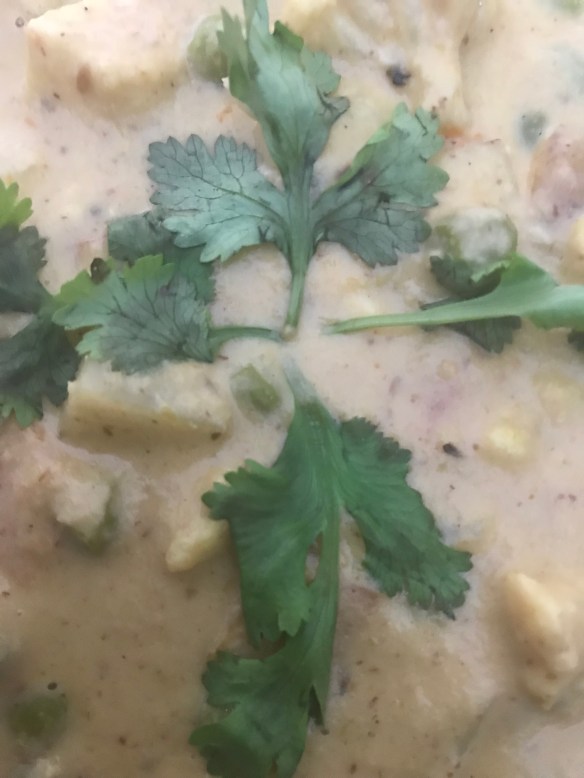
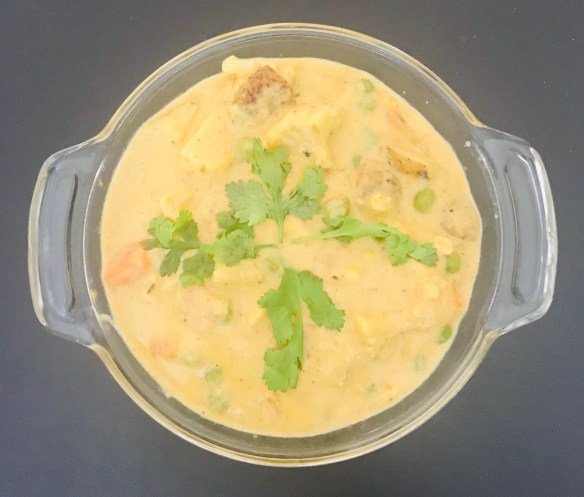
S has been asking me to make the south Indian version of Vegetable Korma for a few months now. But because of the loads of coconut which the recipe traditionally requires, I was very hesitant. I made this over the weekend with a slightly modified recipe which does not use coconut but instead relies on nuts to give it the creaminess and nuttiness which this recipe is known for.
img_2113.jpg

Vegetable Korma

Ingredients:

  • 2 cups chopped mixed vegetables (I used cauliflower, carrots, potatoes and peas)
  • 1/2 cup frozen paneer, refreshed in hot water for 20-30 minutes to soften it
  • 2 tbsp ghee or oil
  • 2 large onions, chopped
  • 2 medium-sized tomatoes, chopped
  • 1 tsp cumin seeds
  • 1 tsp fennel seeds
  • 1/2 cup cashew nuts
  • 2 tbsp white sesame seeds
  • 1 bulb garlic, chopped
  • 1.5 inches ginger, chopped
  • 5-6 green chillies, chopped
  • 1 cup yoghurt
  • Salt to taste
  • 1 tsp garam masala powder
  • 1/4 tsp turmeric powder

Method:

  • Take 2 tsp of ghee in a large bottomed pan and when it warms, add the cumin seeds and then the fennel seeds, stirring for a couple of seconds before adding the other spice.
  • Then add the garlic, ginger and stir for a few seconds each before adding in the cashew nuts and sesame seeds. Saute them for a while and then add the green chillies and let the chillies slightly char.
  • Now add the onions and let the onions become translucent. Then add the tomatoes and a tsp of salt and let the tomatoes cook and then become mushy.
  • Switch off the gas and let it cool.
  •  When cool, blend to a smooth and creamy paste using a combination of water and yoghurt. You can also use the water in which the paneer had been soaked to add to the taste.
  • In the same pan, add the remaining ghee and fry the chopped vegetables and let them cook for a while. Add a bit of salt and some turmeric powder and cover and cook on a low to medium heat until it’s about three quarters cooked.
  • When the vegetables are done (they should be cooked, but still have a bite), add the blended paste and thin it if it’s too thick with some water, yoghurt or a combination of both until it comes to the consistency you need. Check for seasoning at this point and add more salt if needed.
  • Now add the garam masala and let it simmer for a while before garnishing with coriander leaves and serve hot with any Indian flatbread or rice.

Note: This dish is very rich and creamy, so do make it when you want to impress someone special. It also thickens up when cool, so if you plan to make it in advance, thin it when you heat it up before serving.

Pal Payasam

Since yesterday was Diwali, here’s a sweet recipe to sweeten your lives. Happy Diwali folks!

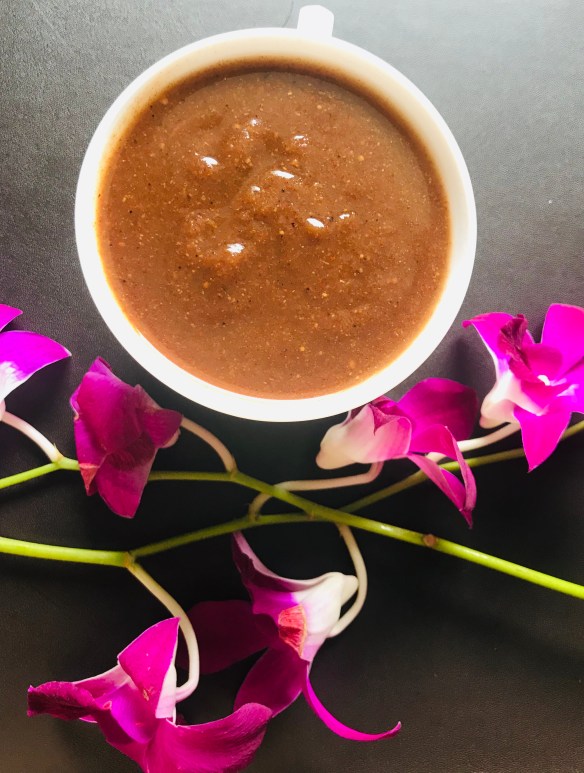
As the name suggests, it is a milk kheer or milk sweet. In its very basic form, this is the simplest of the south Indian sweets and hardly needs 3-4 ingredients to make. It’s fairly easy to make with the only effort being in reducing the milk.

Pal Payasam

Ingredients:

  • 1-litre milk
  • 1 tbsp basmati rice (or any long grained rice)
  • 4-6 tbsp sugar
  • 1 tsp ghee
  • A pinch of cardamom powder (optional)

Method:

  • In a large pan, boil the milk and when the milk starts to boil over and bubble, reduce the heat and continue to boil the milk.
  • In a smaller pan, heat the ghee and fry the rice for around 30 seconds.
  • Pour the rice into the boiling milk and keep stirring till it reduces to half the original quantity.
  • When the rice has completely cooked, add the sugar and the cardamom powder (if you are using it).
  • At this point, you can also use a few strands of saffron as well as some fried cashew nuts and raisins.
  • Continue boiling until the sugar gets absorbed into the milk.
  • Switch off the flame and serve hot or cold.

Navratri Recipes: Sweet Corn Sundal

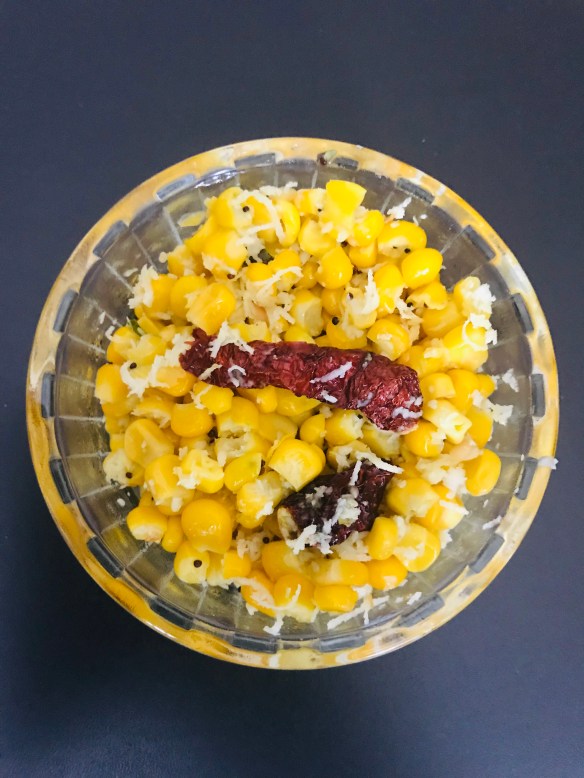
Another Navratri sundal recipe. This one came about serendipitously. I actually wanted to make something sweet that day but became late to make the offering so thought of making something with sweet corn. I made it like any sundal, but changed it up a bit. It also makes a very healthy salad or as a side for your main meal. S loved it so much that he made me make it again the next day.

Sweet Corn Sundal

Ingredients:

  • 2 cups frozen sweet corn
  • 1 tsp mustard seeds
  • 1/2 tsp broken urad dal
  • 1/2 tsp white sesame seeds
  • 1/4 cup grated coconut
  • 1/8 tsp asafoetida powder
  • 3-4 curry leaves
  • 1 tsp green chilli paste
  • 1 tsp lemon juice
  • 1 tbsp oil
  • Salt to taste

Method:

  • Boil the sweet corn in a microwave for 5-10 minutes seasoned with some salt until the corn is soft and cooked.
  • Heat the oil in a pan and when it warms up, add the mustard seeds and let it crackle. Then add the urad dal and sesame seeds and stir for a while till the urad dal turns a golden brown colour and the sesame seeds start to pop. Don’t let them turn black.
  • Add the asafoetida and curry leaves and let the curry leaves become crisp.
  • Now add the green chilli paste and stir for a few minutes. Then pour in the cooked corn and let it stir for 2-3 minutes.
  • Check for seasoning at this point. If you are making this as an offering, then no tasting, please.
  • Drizzle the lemon juice and the grated coconut and switch off the flame.
  • Serve hot as a side dish or cold as a salad.

Navratri Recipes: Peanut Sundal

This year, on a whim, I have decided to make an offering or neividhyam to the Goddess on all days of the Navratri festival. One of the offerings I made was this peanut sundal. This is a very quick recipe and takes just a few minutes to temper and finish.

Peanut Sundal

Ingredients:

  • 2 cups raw peanuts
  • 1 tsp mustard seeds
  • 1 tsp broken urad dal
  • 1/4 tsp asafoetida
  • 3-4 curry leaves, torn
  • 1-2 green chillies, chopped
  • 2 tbsps grated coconut
  • 1 tbsp oil
  • Salt to taste

Method:

  • Soak the raw peanuts either overnight in normal water or for 2-3 hours in hot water. Drain and pressure cook for 2-3 whistles with some salt or until the peanuts are tender.
  • Heat the oil in a pan and when the oil warms, add in the mustard seeds and let the seeds pop. Then add the urad dal and let it start to turn golden. Then add the asafoetida, curry leaves and green chillies and stir for a couple of seconds.
  • Now add the cooked peanuts and stir well for a while. Season it with salt if not enough. When the peanuts have absorbed all the spices, sprinkle the grated coconut, stir well and switch off the flame.
  • Serve hot. You can also sprinkle a few drops of lemon juice if you need it to be slightly tangy.

This is an alternative to a healthy protein-filled snack, especially when you have school children coming home hungry!

Recipes: Sweet Corn and Capsicum Curry

Over the weekend, I brought some frozen sweet corn without realising that I already had some at home. So earlier this week, I decided to try a dry sweet corn curry. This was really simple and took me less than 15 minutes to make, start to finish.

Sweet Corn and Capsicum Curry

Ingredients:

  • 1 cup frozen sweet corn
  • 1 large green capsicum
  • 1 tsp cumin seeds
  • 1/2 tsp fennel seeds
  • 1 tsp red chilli powder
  • 1 tsp cumin powder
  • 1/4 tsp garam masala powder
  • 1 tsp lemon juice
  • 1 tsp dried fenugreek powder (optional)
  • 1 tbsp oil
  • Salt to taste
  • Chopped coriander leaves to garnish

Method:

  • Cook the sweet corn in the microwave until it becomes soft. Then drain the water and keep aside.
  • Chop the capsicum into small pieces and keep aside.
  • Heat oil and when it warms up, add the cumin and fennel seeds one at a time and give it a good stir.
  • Then add the chopped capsicum and stir for a few minutes till it starts to soften.
  • Then add the defrosted corn and stir for a while. Add in the spices – salt, red chilli powder and cumin powder and let the capsicum and corn, cook. When it is almost cooked, add in 1/4 tsp garam masala and let the spices mix well.
  • Crush the fenugreek leaves in the palm of your hand and sprinkle it over the corn and capsicum. Switch off the gas, add a dash of lemon juice and some coriander leaves and serve hot with rice or a flatbread.

Notes:

  • I made this version a no onion, no garlic one since Navratri is almost here.
  • You can make this with onions and ginger and garlic by adding grated or minced ginger and garlic in the initial stage when you add the cumin seeds and onions after that but before the capsicum.
  • You can also use dried mango powder or amchoor powder instead of lemon juice. If using amchoor powder, add it when you add the spices. You can also use a combination of both, but adjust depending on how sour you need the dish to be.