

Relationships are an integral part of human life. Whether they are friendships, romantic partnerships, family bonds, or professional connections, relationships significantly impact our happiness, mental health, and overall well-being. However, building and maintaining healthy relationships requires effort, understanding, and a commitment to mutual respect.
What is a healthy relationship? A healthy relationship fosters mutual respect, trust, communication, and support between individuals. It is characterised by a sense of balance where both parties feel valued and heard. Healthy relationships are not free from conflict but rather manage disagreements constructively without resorting to manipulation or control.

Key characteristics of healthy relationships include the following:
- Trust: Trust forms the foundation of any strong relationship. It involves being honest with each other and having confidence in one another’s intentions.
- Respect: Respect means valuing each other’s opinions, boundaries, and individuality.
- Open communication: Healthy relationships thrive on honest and transparent communication. Both parties should feel comfortable expressing their thoughts and feelings without fear of judgment.
- Support: A healthy relationship provides emotional support during both good times and bad.
- Boundaries: Establishing and respecting boundaries ensures that both individuals feel safe and comfortable.
- Equality: Power dynamics should be balanced in a healthy relationship; decisions should be made collaboratively rather than unilaterally.
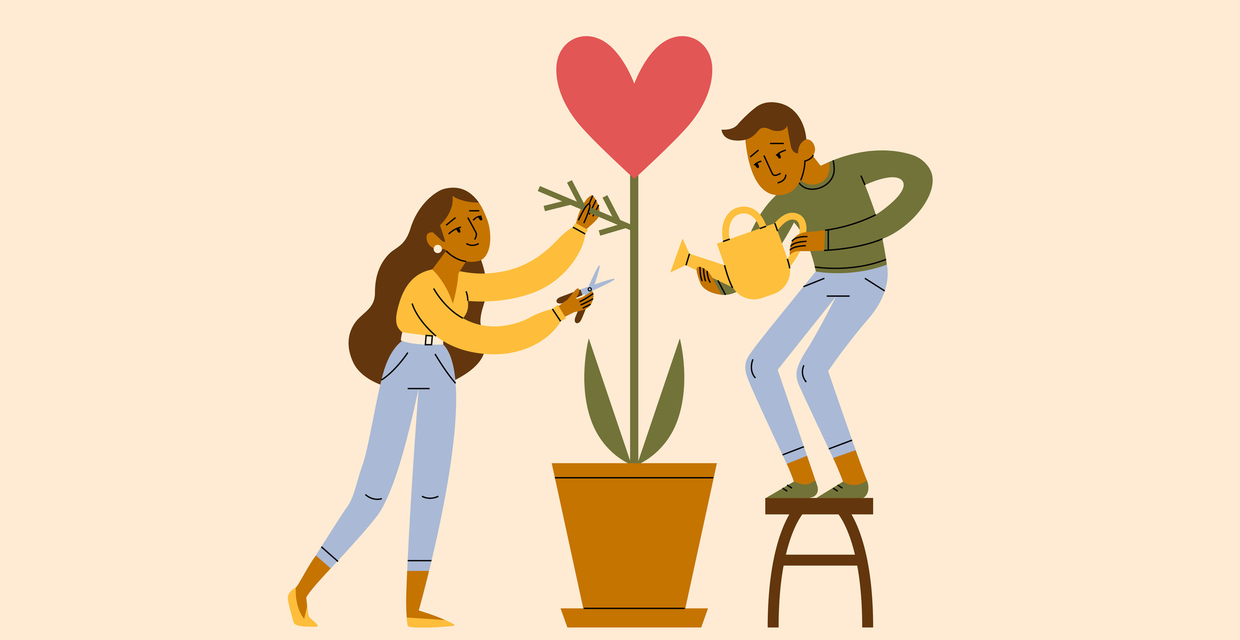
Why are healthy relationships important?
- Mental health benefits: Healthy relationships contribute to better mental health by reducing stress, anxiety, and feelings of loneliness. Being surrounded by supportive people can increase self-esteem and provide a sense of belonging.
- Physical health benefits: Research has shown that strong social connections can lead to improved physical health outcomes, such as lower blood pressure, reduced risk of heart disease, and stronger immune function.
- Personal growth: Healthy relationships encourage personal growth by providing constructive feedback and opportunities for self-improvement.
- Enhanced communication skills: Engaging in healthy relationships helps individuals develop better communication skills that can be applied in various aspects of life.
- Conflict resolution skills: Navigating challenges in healthy relationships teaches valuable conflict resolution skills that are essential for personal and professional success.
How can someone build healthy relationships? Building healthy relationships requires intentional effort and a willingness to invest time and energy into meaningful connections.
Develop self-awareness: Understanding yourself is the first step in building healthy relationships. Identify your needs and reflect on what you value in a relationship and what you need from others to feel supported. Recognise your strengths and acknowledge your strengths as well as areas where you can improve as a friend or partner. Set personal boundaries and define your limits regarding what behaviours you find acceptable or unacceptable.
Practice active listening: Active listening involves fully focusing on the speaker without interrupting or judging. Show empathy and try to understand the other person’s perspective by putting yourself in their shoes. Ask questions and clarify points if needed to ensure you understand what the other person is saying. Avoid distractions and give the speaker your undivided attention by putting away phones or other distractions.
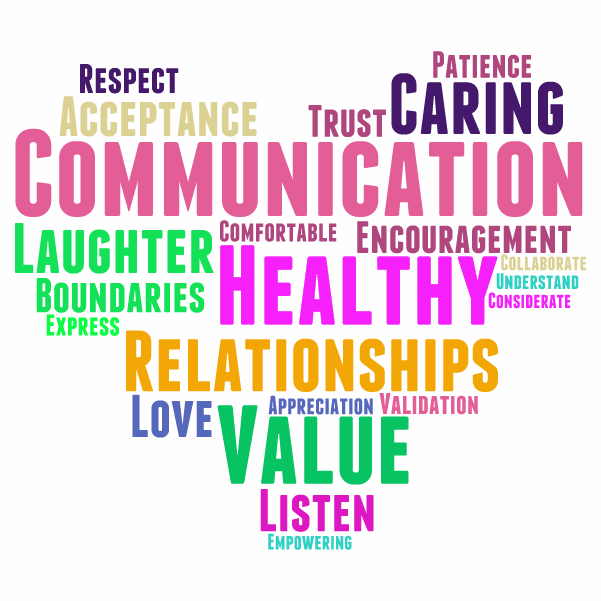
Communicate openly: Clear communication is essential for building trust. Be honest and share your thoughts and feelings honestly while being mindful of how you express them. Use “I” statements by framing your concerns using “I” statements (e.g., “I feel upset when…”) rather than blaming the other person. Practice assertiveness and express your needs confidently without being aggressive or passive.
Show appreciation: Expressing gratitude strengthens relationships. Acknowledge efforts and let others know you appreciate their actions or support. Celebrate milestones by recognising important events or achievements in each other’s lives.
Build trust gradually: Trust takes time to develop but can be nurtured through consistent actions. Keep promises and follow through on commitments to demonstrate reliability. Be transparent and share information openly to build confidence in your intentions.

So how to maintain healthy relationships? Once established, maintaining healthy relationships requires ongoing effort. Prioritise quality time by spending quality time together, as it strengthens bonds. Schedule regular check-ins and make time for meaningful conversations about each other’s lives. Engage in shared activities and participate in activities you both enjoy to create positive memories. Respect boundaries, as respecting boundaries ensures that both individuals feel comfortable. Ask for consent and always seek permission before crossing personal boundaries. Avoid overstepping limits and be mindful not to push someone into situations they’re uncomfortable with.
Manage conflict constructively because disagreements are inevitable but can be resolved healthily. Stay calm and approach conflicts with a calm demeanor rather than reacting emotionally. Focus on solutions and work together to find solutions rather than dwelling on problems. Apologise when necessary and take responsibility for mistakes sincerely without making excuses. Support each other’s growth to encourage personal development within the relationship. Celebrate achievements and recognise accomplishments and milestones together. Provide constructive feedback and offer feedback that helps the other person grow without being overly critical. Adapt to change because relationships evolve; adapting ensures they remain strong. Be flexible and embrace changes in circumstances or dynamics within the relationship. Reassess goals together and periodically discuss shared goals or expectations as they evolve.

Tips for Building and Maintaining Healthy Relationships
Here are some additional tips for fostering strong connections:
- Practice forgiveness and let go of grudges or resentment; forgiveness fosters healing within relationships.
- Be present and focus on being fully present during interactions rather than multitasking or thinking ahead.
- Celebrate differences and embrace diversity within relationships by appreciating differing viewpoints or experiences.
- Seek help when needed. If challenges arise that seem insurmountable alone, consider seeking guidance from counselors or therapists specialising in relationship issues!
- Practice self-care because taking care of yourself physically & emotionally ensures you bring your best self into every interaction.
Building & maintaining healthy relationships is an essential aspect of leading fulfilling lives. By fostering trust, practicing open communication, and respecting boundaries, young adults can cultivate meaningful connections that enrich their lives personally & professionally. Remember, it’s not about perfection but rather progress. With patience & dedication, you’ll find yourself surrounded by supportive individuals who uplift & inspire you every step along life’s journey!
 Memories and Such