Sacred Stones, Spaces and Stories: Shakthi Peetas Part 2

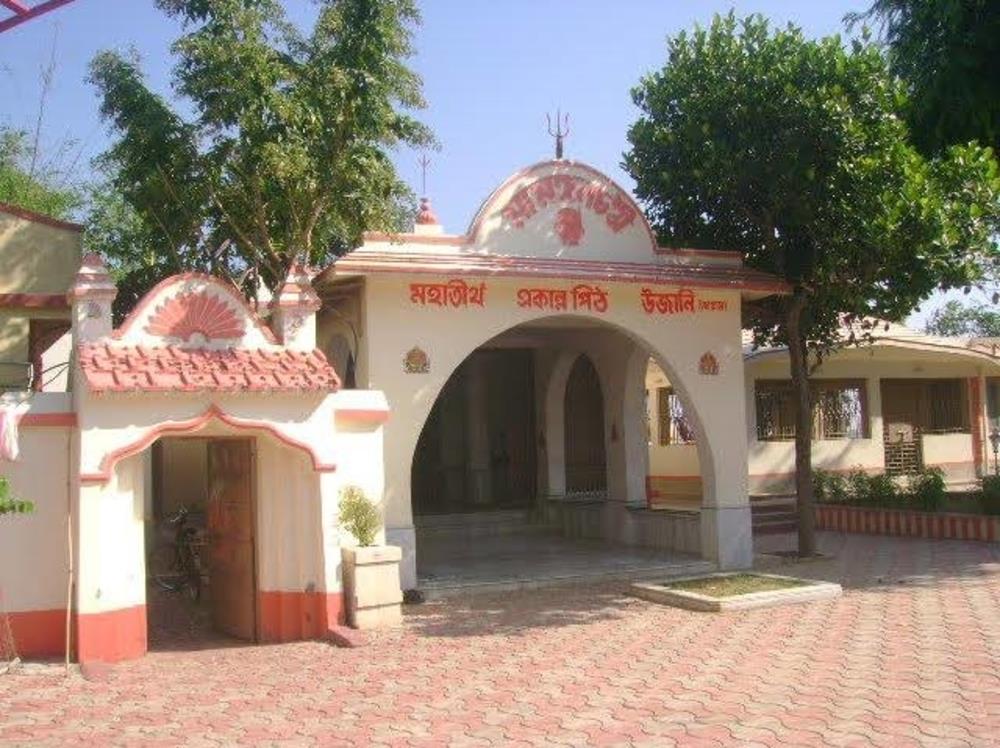
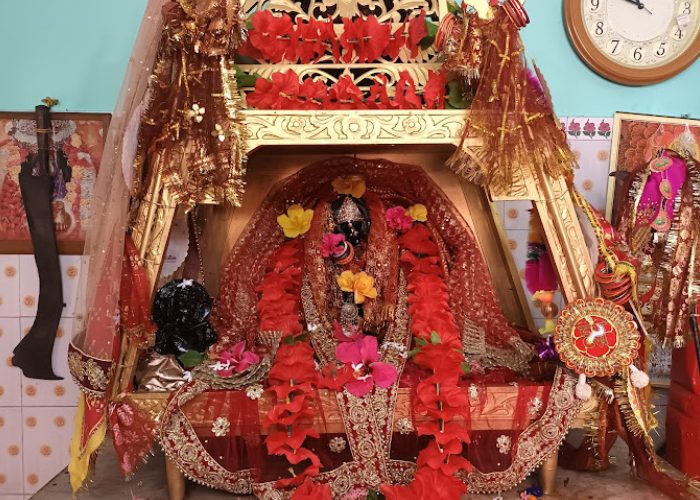
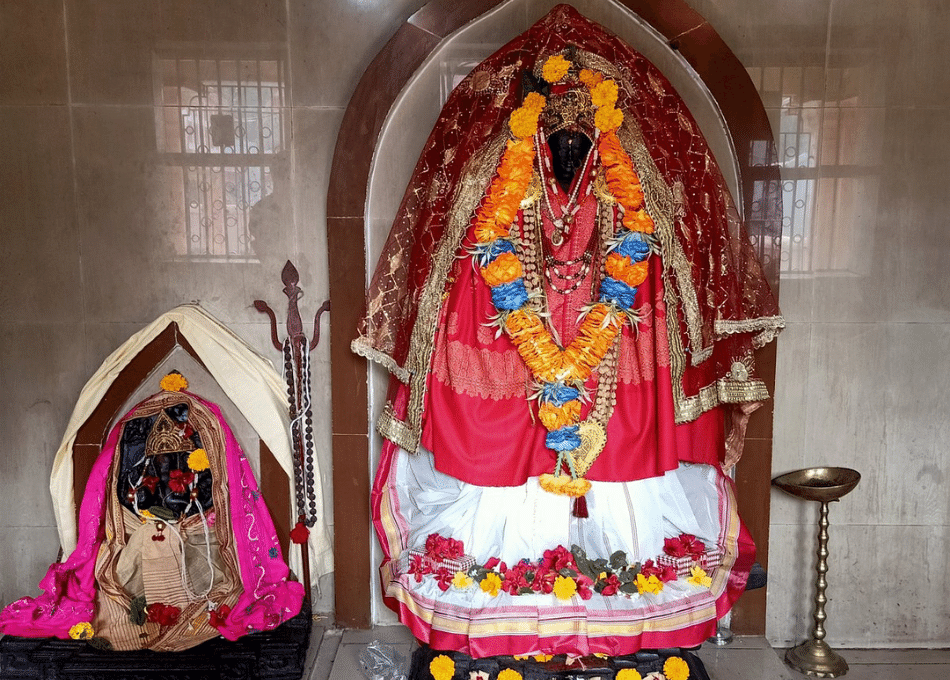
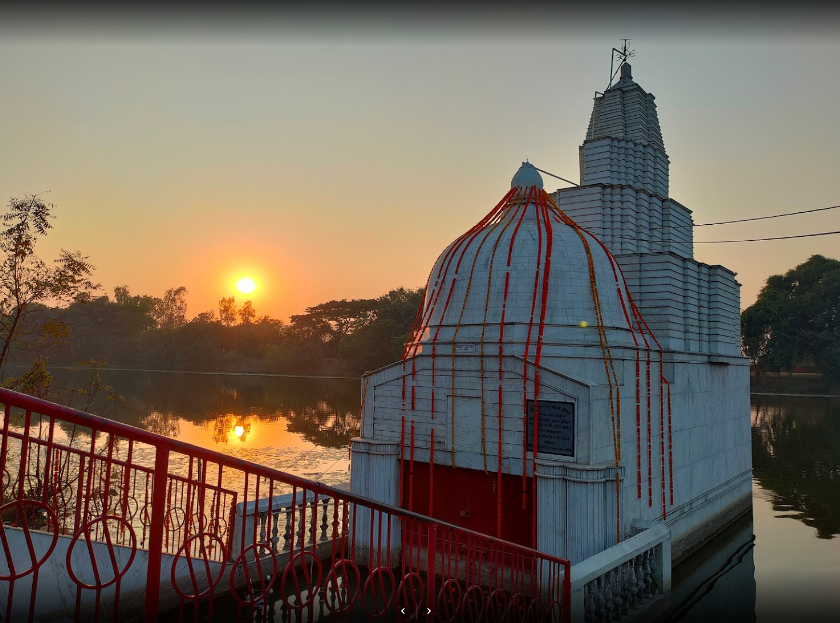
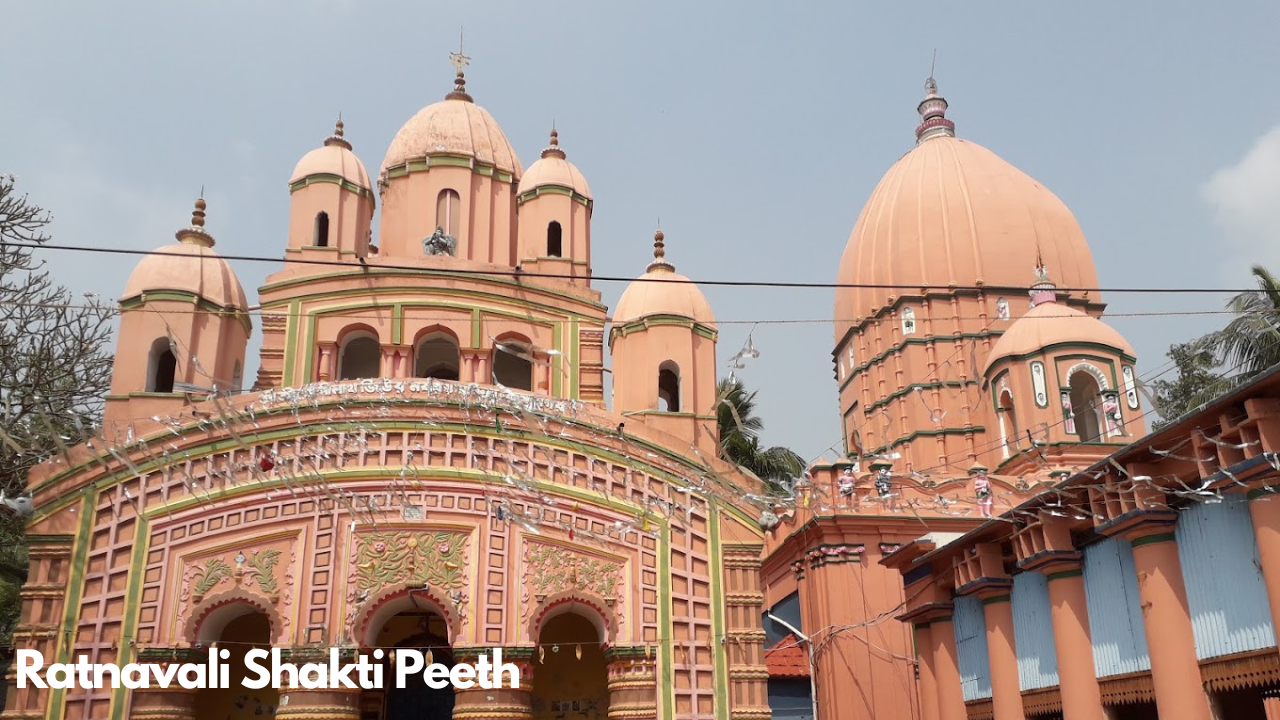
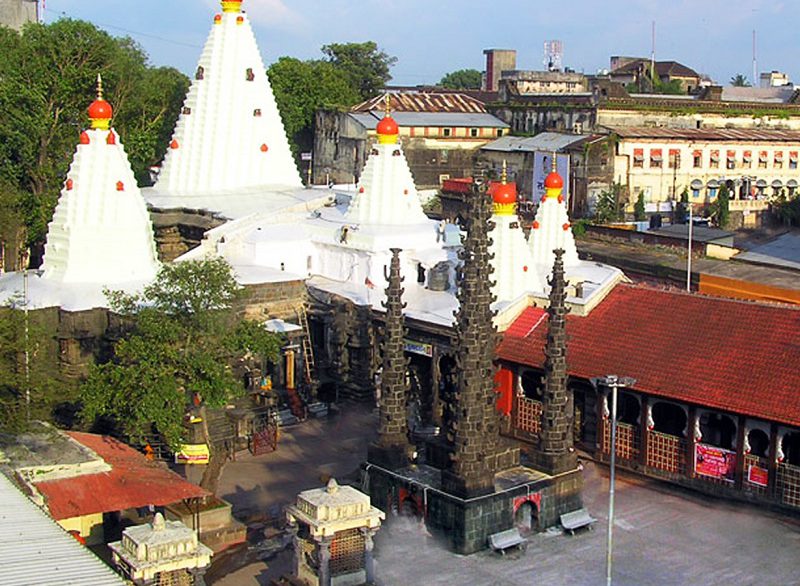
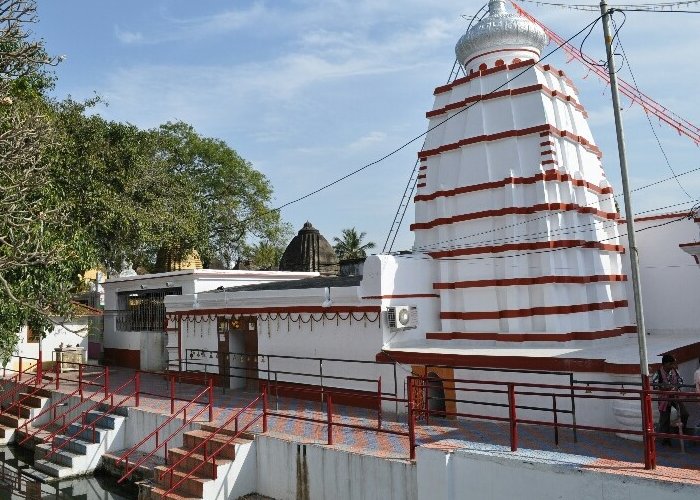
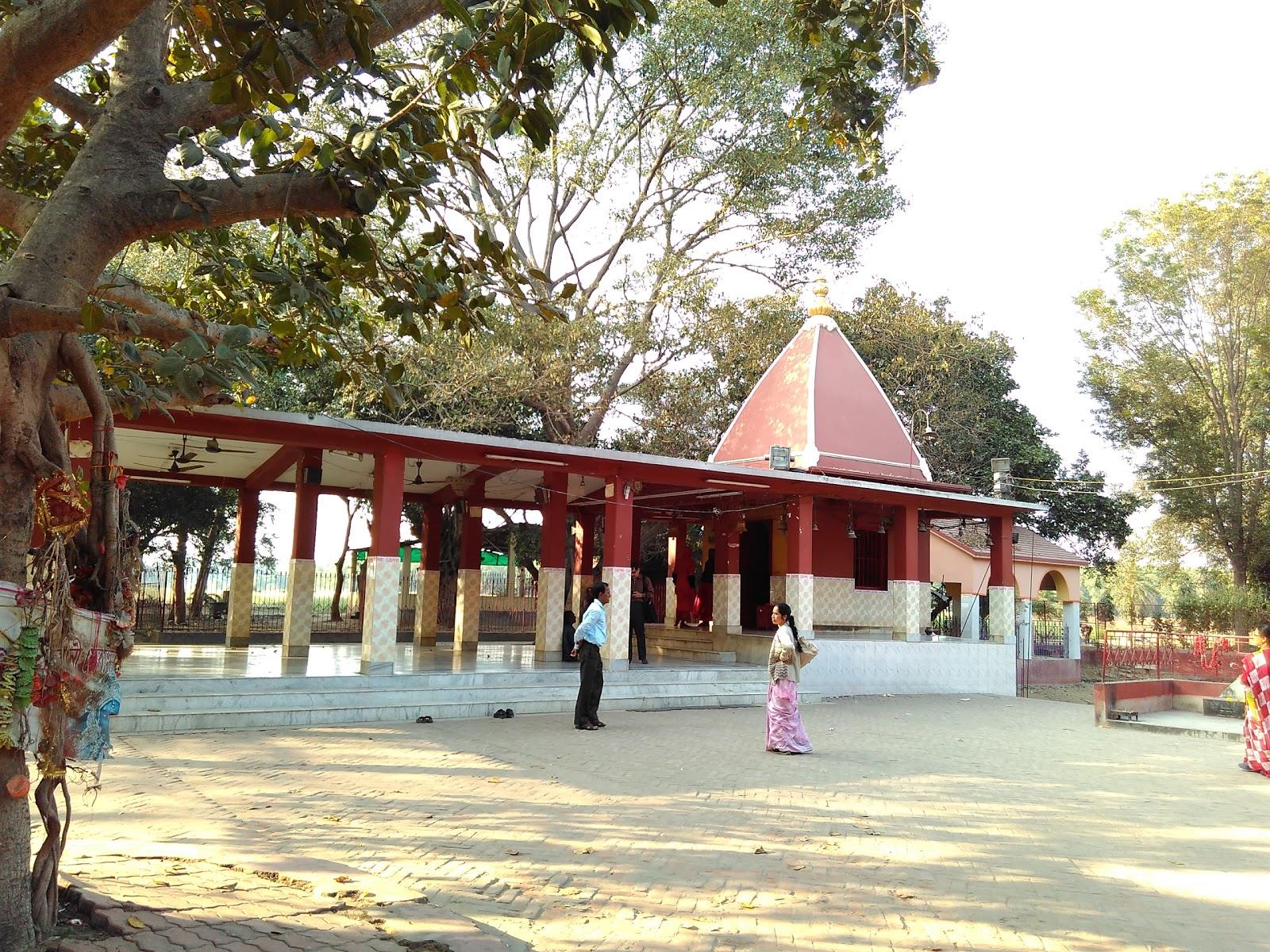
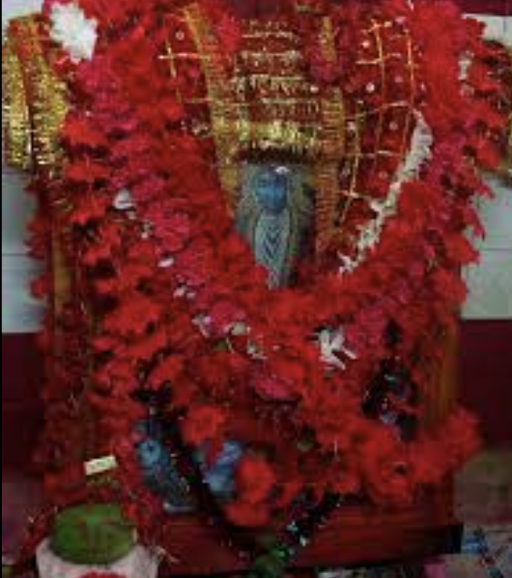
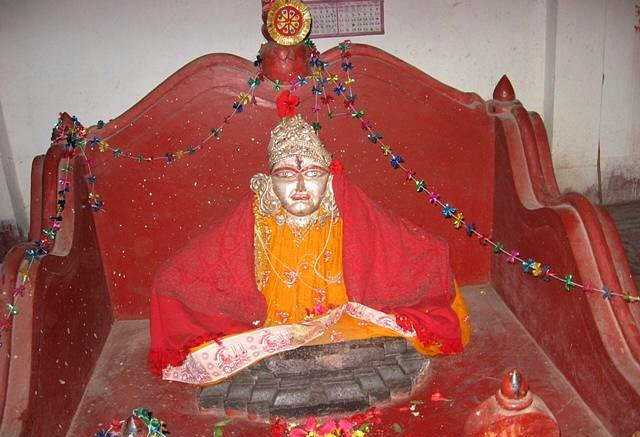
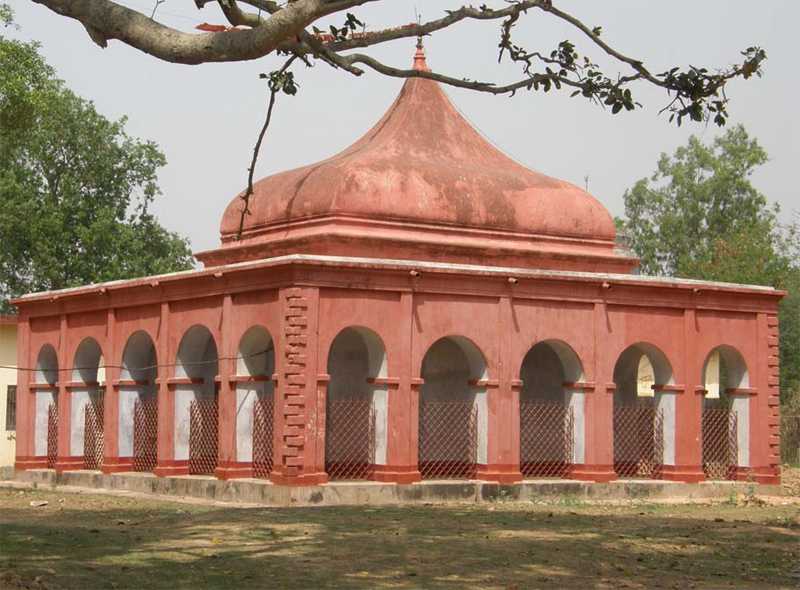
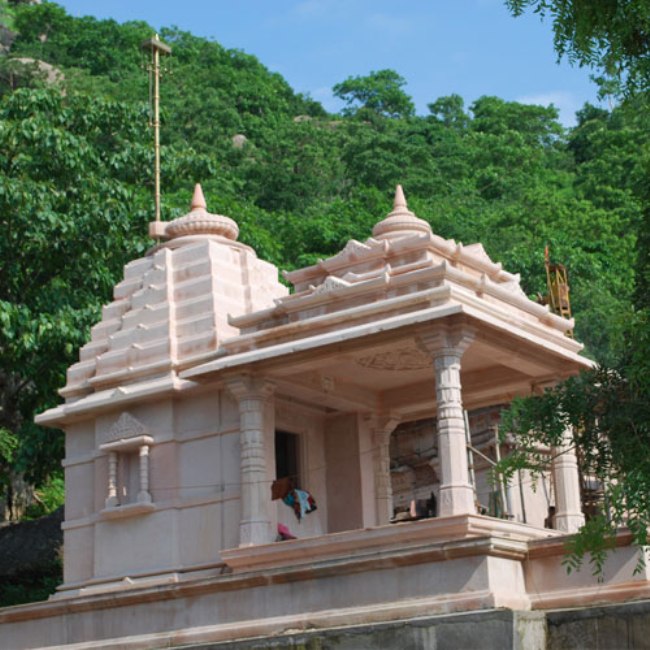
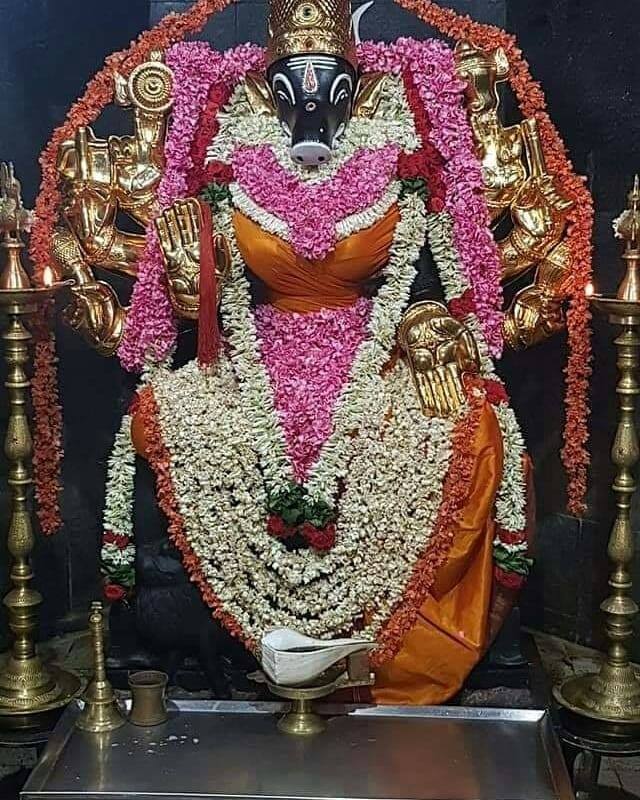
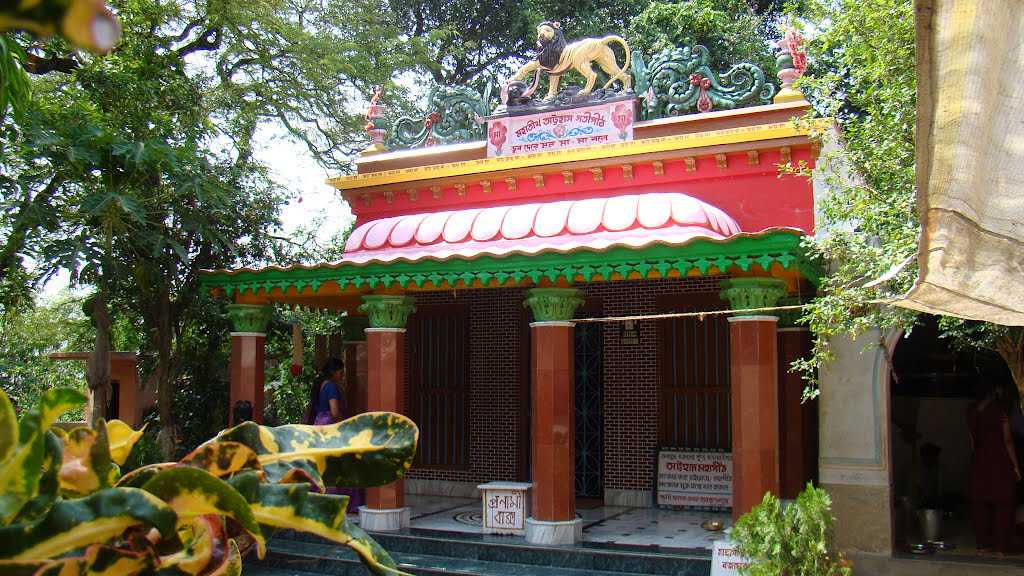
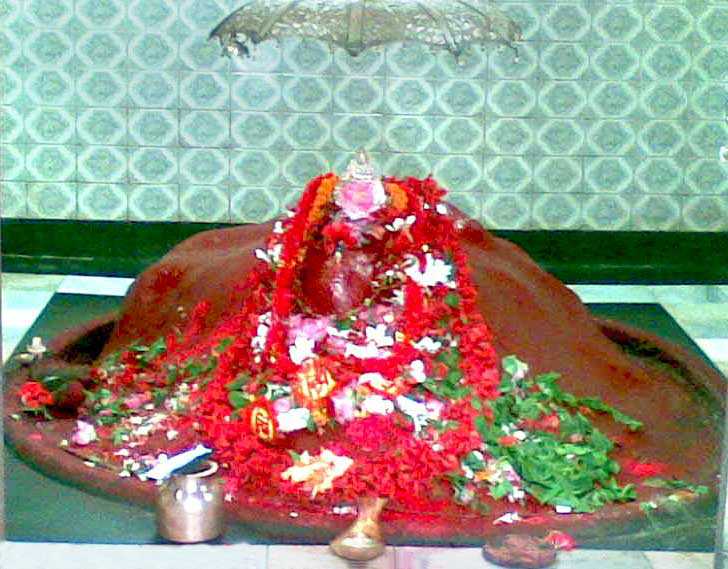
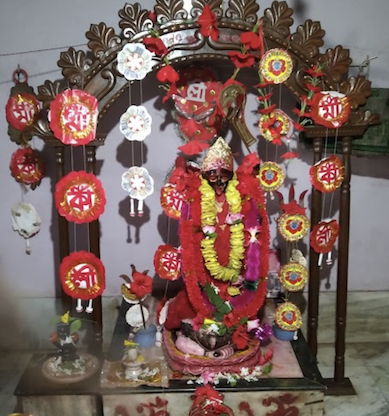
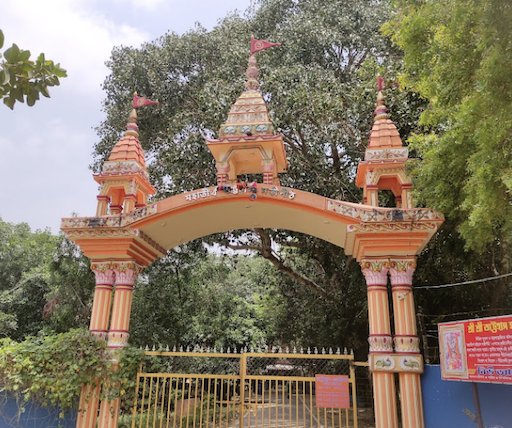
The first Shaktipeeta temples we will first learn about are the four Adi Shakta Peethas which are sites where most of the energy is. These include the Kamakhya Temple in Assam where the genitals fell, the Dakshina Kalika or Kalighat Temple in West Bengal, where the toes of the right foot fell, the Vimala Temple in Odisha where the feet fell, and the Tara Tarini Temple, also in Odisha housing the breasts.

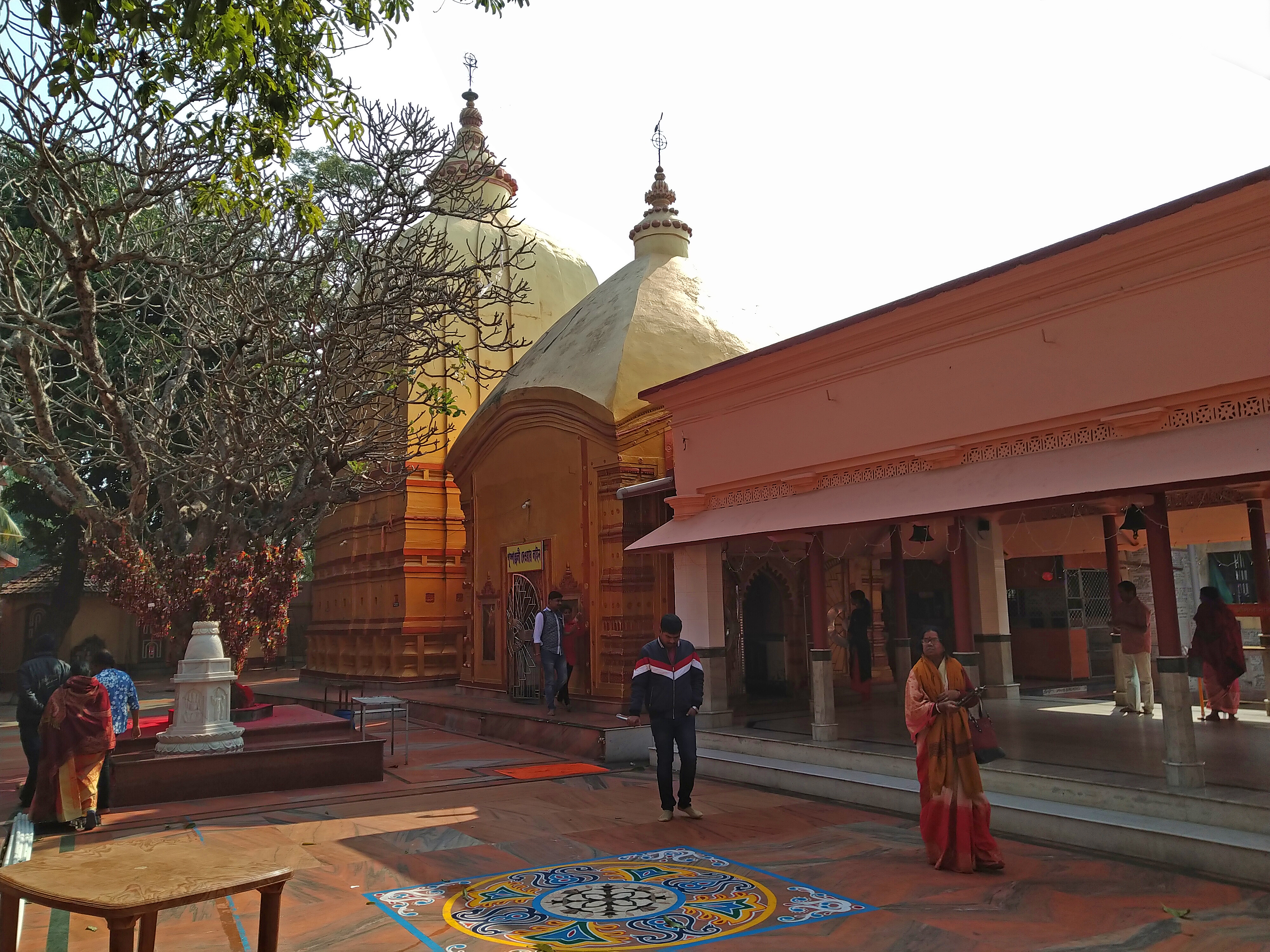
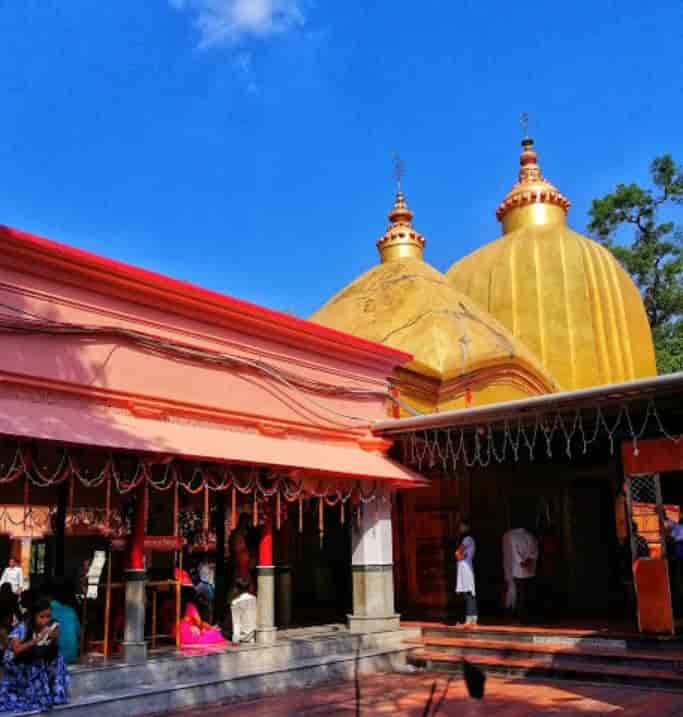
Kamakhya Devi Temple, Guwahati, Assam
Perched atop the Nilachal Hills in Guwahati, the Kamakhya Devi Temple stands as one of the most revered and enigmatic spiritual sites in India. This ancient temple, dedicated to the Goddess Kamakhya, is not just a place of worship but a powerful symbol of feminine energy, fertility, and creation. As one of the 51 Shakti Peethas, it holds a special place in Hindu mythology and Tantric traditions. It is believed that Sati’s yoni or female reproductive organ fell at the site where the Kamakhya Temple now stands. This event gave the location its sacred status as a Shakti Peetha, symbolising fertility and the power of creation.

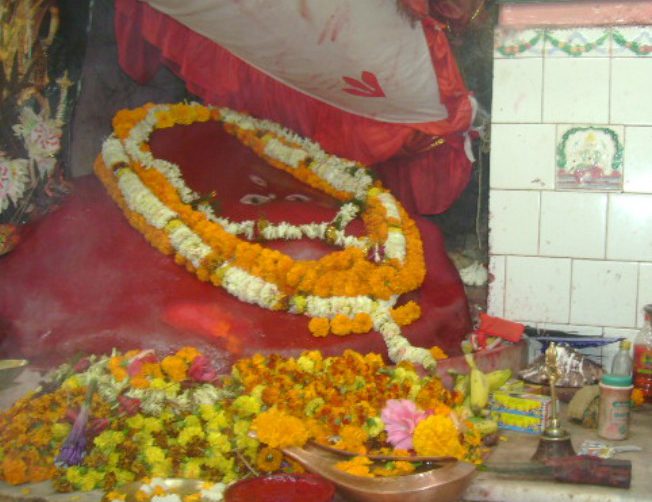
The Kamakhya Temple is considered one of the most important among the 51 Shakti Peethas. Ancient Hindu texts such as the Kalika Purana and Devi Purana regard Kamakhya as the supreme Shakti Peetha of all the 51 sites. The Shakti here is known as Maa Kamakhya, and the associated Bhairava, a form of Lord Shiva, is called Umananda or Umanath. What sets Kamakhya apart from other Shakti Peethas is its unique representation of the divine feminine. Unlike most Hindu temples that house idols of deities, the Kamakhya Temple does not contain an anthropomorphic image of the goddess. Instead, the primary object of worship is a yoni-shaped stone over which a natural spring flows. This distinctive feature emphasises the temple’s focus on the primal aspect of feminine energy and fertility.

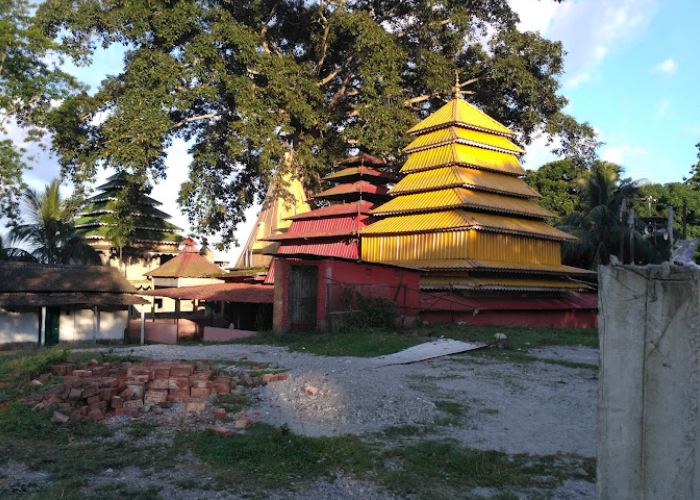
The Kamakhya Temple complex is a marvel of architecture and spiritual significance. It showcases a blend of styles, with elements of Nilachal and Ahom architecture. The temple features seven oval spires, each capped with three golden pitchers. The intricate carvings and patterns adorning the walls and ceilings reflect Assam’s rich cultural heritage.

The sanctum sanctorum, or the garbhagriha, is located in a cave-like structure below ground level. This is where the yoni-shaped stone, the primary object of worship, is located. The temple complex houses several other shrines dedicated to various forms of the goddess and other deities. A natural spring flows over the yoni-shaped stone in the garbhagriha, which is believed to turn red during the goddess’s menstrual cycle. Kamakhya Temple is renowned as a major centre for Tantric practices and rituals.

The Kamakhya Temple is known for its unique rituals and festivals, the most famous being the Ambubachi Mela. This annual festival, held in June, celebrates the menstruation cycle of Goddess Kamakhy. During this time, the temple remains closed for three days, symbolising the goddess’s menstrual period. The event attracts thousands of devotees and tantra practitioners from across India and abroad. The temple follows a strict schedule of daily pujas and rituals, performed by specially trained priests. As a hub of Tantric practices, the temple is known for its esoteric rituals involving mantras, yantras, and complex ceremonies. Historically, the temple was known for animal sacrifices, though these are now mostly symbolic. Many couples visit the temple seeking blessings for conception and childbirth.

The Kamakhya Temple has a rich history dating back several centuries. Archaeological evidence suggests that the site may have been a centre for Tantric practices as early as the 5th century. Over time, it has been patronised by various dynasties and rulers. The Mleccha dynasty of Kamarupa was among the first to patronise the temple and the Pala dynasty continued the patronage. King Nara Narayana of Cooch Behar rebuilt the temple in the 16th century after it was destroyed while the Koch dynasty made significant contributions to the temple’s development. The temple’s prominence grew significantly during the colonial era, particularly in the 19th century, when it became an important pilgrimage destination for devotees from Bengal.

The Kamakhya Temple has had a profound impact on the cultural and spiritual landscape of Assam and beyond. It attracts millions of devotees annually, contributing significantly to the local economy and tourism. The temple has played a crucial role in preserving and propagating Tantric traditions and practices. By celebrating menstruation as a sacred process, the temple challenges taboos and promotes a positive view of women’s biological processes. The temple’s unique architecture and legends have inspired numerous works of art, literature, and music. Despite its Hindu origins, the temple attracts devotees from various faiths, fostering interfaith understanding and respect.

Like many ancient structures, the Kamakhya Temple faces several challenges. Maintaining the ancient structure while accommodating increasing numbers of pilgrims is an ongoing challenge. The temple’s location on a hill poses challenges related to erosion and environmental preservation. Balancing the need for modern amenities with the preservation of traditional practices and architecture is a delicate task. Many of the temple’s ancient practices and histories are oral traditions, and efforts are being made to document these for future generations.

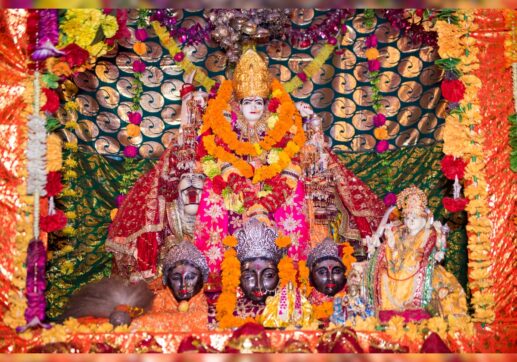
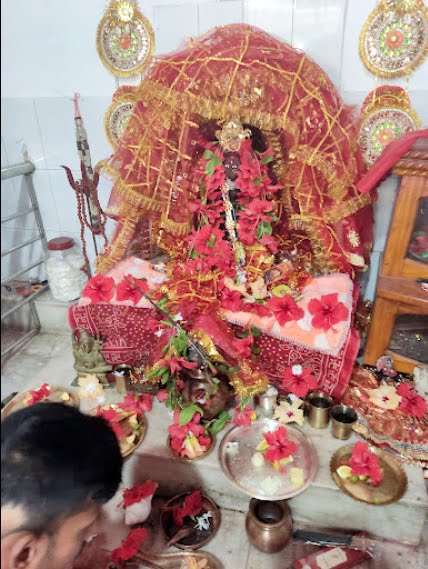
Kalighat Kali Temple, Kolkata, West Bengal
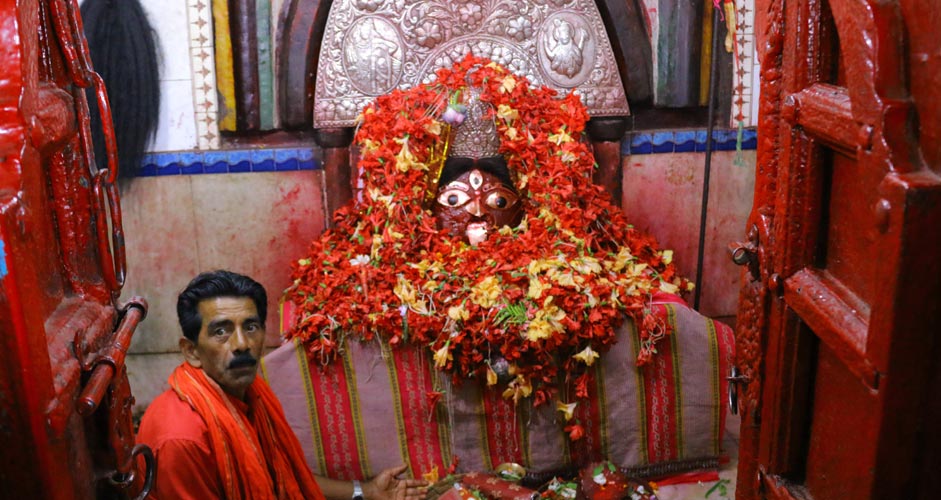
The Kalighat Kali Temple is one of the most revered Shakti Peethas in the bustling city of Kolkata. Dedicated to the fierce goddess Kali, the temple is believed to be where Sati’s right toe fell. At Kalighat, Shakti is known as Dakshina Kali, or the benevolent mother, and the associated Bhairava is called Nakuleshwar Mahadev. What sets Kalighat apart is its status as one of the four Adi Shaktipeethas, considered the oldest and most significant Shaktipeethas. The name of the city of Kolkata is believed to originate from Kalikshetra, meaning the place of Goddess Kali.

The history of the Kalighat Temple stretches back several centuries, with references dating to the 15th century. The original temple is believed to have been established by a devotee named Kalapahad. However, the current structure is not that old. The temple underwent significant reconstruction in the 19th century. Raja Basanta Roy, the King of Jessore, is credited with building the original temple. Around 1570, Padmabati Devi, the mother of Laksmikanta Roy Choudhury of the Sabarna Roy Choudhury family, claimed to have a divine vision and discovered Sati’s right toe in a lake called Kalikunda in Kalighat. During the British colonial period, the area around Kalighat was part of the Dihi Panchannagram, which the East India Company purchased from Mir Jafar in 1758 after the Battle of Plassey. As Calcutta, now Kolkata, grew, the forested suburbs around Kalighat were gradually cleared and assimilated into the expanding city.

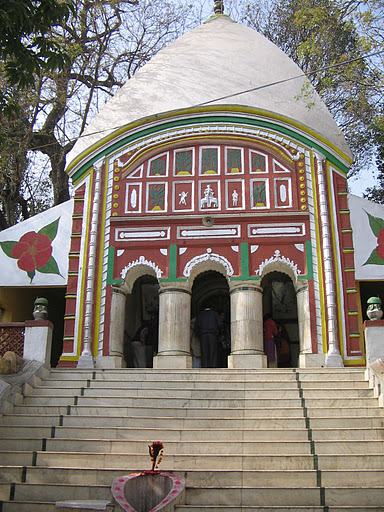
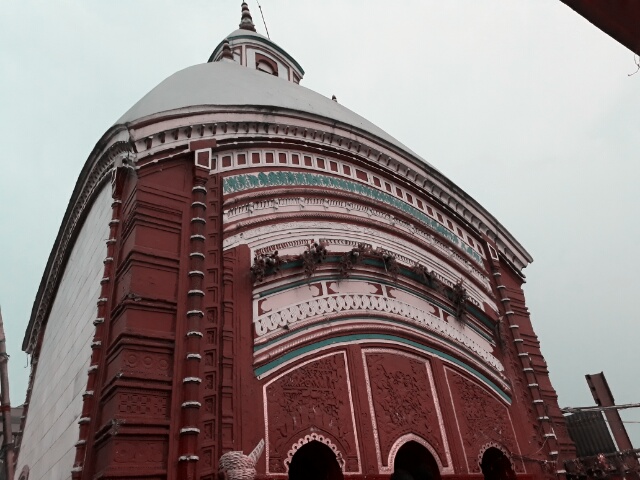
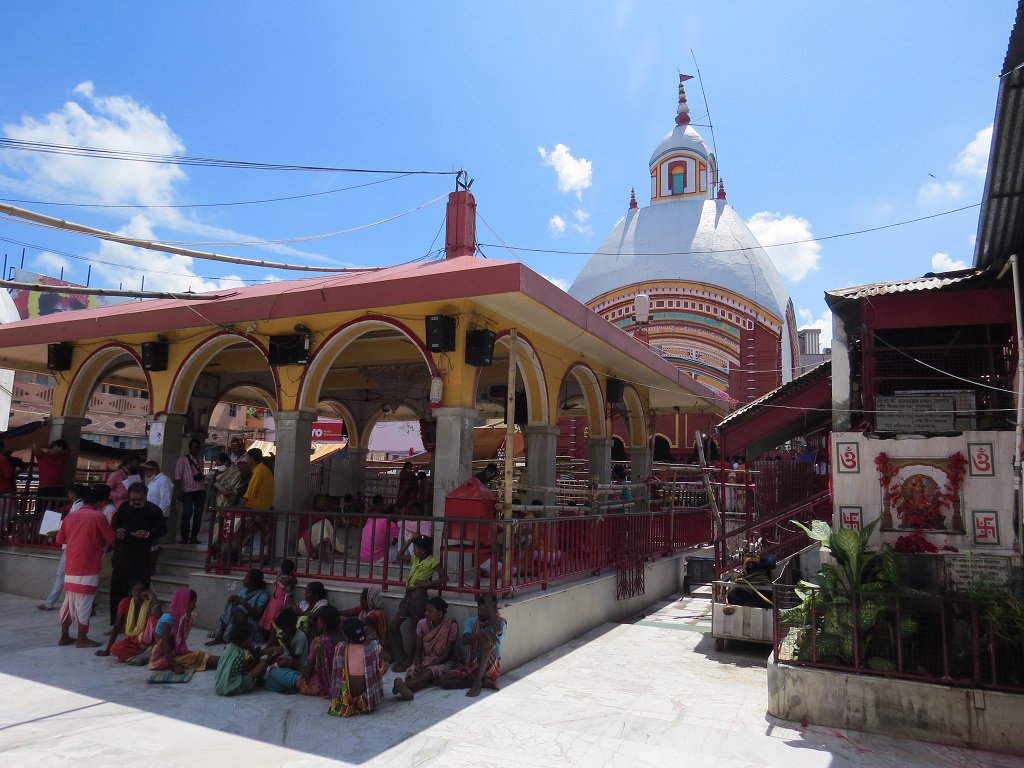
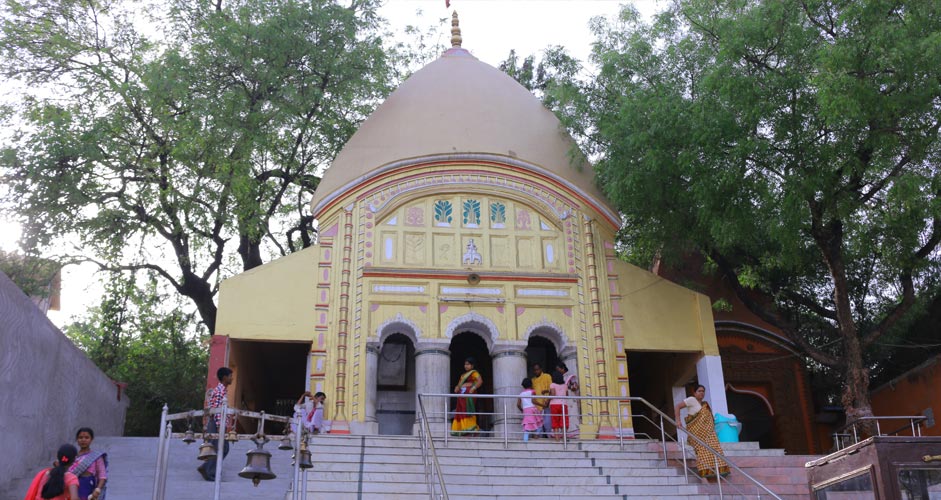
The Kalighat Kali Temple is a classic example of Bengal architecture, which emulates the mud and thatch-roofed huts of rural Bengal. The main temple is a four-sided building with a truncated dome, topped by a smaller identically-shaped projection. Key architectural features include a Chala Temple design with each sloping side of the roof called a Chala, giving the temple its designation as a Chala temple. The two roofs bear a total of eight separate faces, creating a distinctive stacked, hut-like appearance common in Bengali temples. Both roofs are painted with shiny, metallic silver and adorned with bright bands of red, yellow, green, and blue where they join the building at the cornice. The uppermost roof is topped by three spires, with the tallest central spire bearing a triangular pennant flag. The outer walls are decorated with a diamond chessboard pattern of alternating green and white tiles. A recent addition to the temple complex is an elaborate lighting system that creates a novel atmosphere, causing the temple to glow with vibrant colours throughout the night.

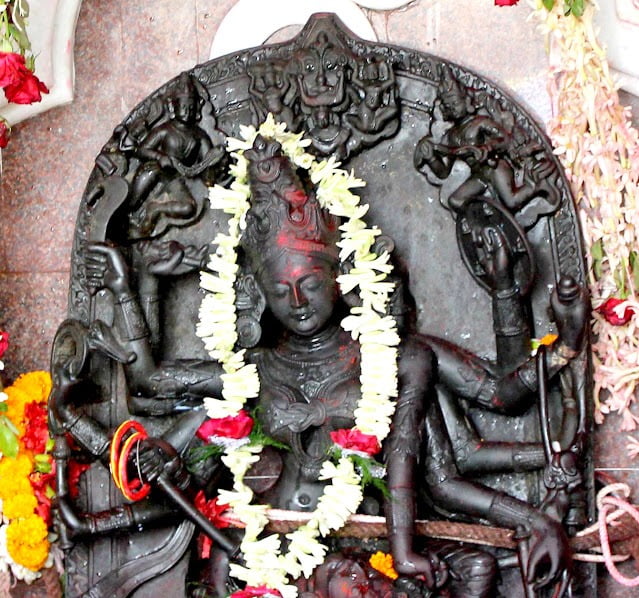
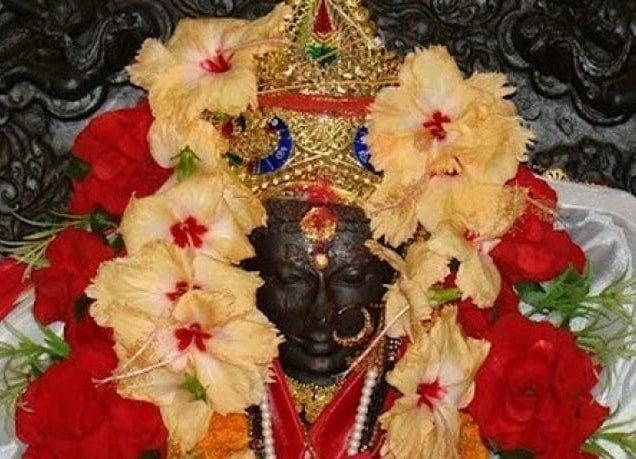
The idol of Goddess Kali at Kalighat is distinct from other Kali images in Bengal. Created by two saints, Brahmananda Giri and Atmaram Giri, the idol is made of black touchstone and has several unique features. The idol has three enormous eyes symbolising omniscience, a long, protruding tongue made of gold, representing the goddess’s fierce aspect, and four arms, with two hands holding a scimitar and a severed head of the asura king Shumbha, while the other two are in the abhaya and varada mudras or gestures of protection and blessings. The scimitar symbolises divine knowledge, while the severed head represents the human ego. The blessing gestures indicate that devotees worshipping with a true heart will receive the goddess’s guidance and protection. Interestingly, the Kali idol originally only had a face. The tongue and hands made of gold and silver were added later.

A fascinating aspect of the Kalighat Temple is the presence of another image of Goddess Kali that is never displayed to the public or seen by priests. This hidden image is believed to be svayambhu or self-manifested and extremely powerful. Identified as Sati’s toe, this adirup or original form is concealed within the pedestal upon which the visible Kali idol stands. Adjacent to the temple lies a sacred tank called Kundupukar. The water in this pond is considered as holy as the river Ganga and is believed to have the power to bestow the boon of a child.

The Kalighat Temple is known for its unique rituals and festivals. The temple follows a strict schedule of daily worship rituals performed by specially trained priests. The Snan Yatra is an annual ritual that involves a ceremonial bath of the goddess. Interestingly, the priests perform this ritual with their eyes covered with cloth. Kali Puja is celebrated in October or November, coinciding with Diwali and is one of the most important events at the temple. The temple is beautifully decorated, and thousands of devotees gather to offer prayers and participate in the festivities. Historically, the temple was known for animal sacrifices, though these are now mostly symbolic. Many couples visit the temple seeking blessings for conception and childbirth. The sacred tank, Kundupukar, is believed to have special powers in this regard.

The Kalighat Temple has had a profound impact on the cultural and spiritual landscape of Kolkata and beyond. It attracts millions of devotees annually, contributing significantly to the local economy and tourism. The temple’s unique architecture and legends have inspired art, literature, and music. The Kalighat painting style, characterised by bold lines and vibrant colours, originated in the vicinity of this temple.

In our modern world, where gender dynamics and women’s empowerment are at the forefront of social discourse, the Kalighat Temple’s celebration of feminine power takes on new significance. It reminds us of the timeless wisdom embedded in Hindu traditions and invites us to reflect on the balance of energies in the universe and within ourselves.

Sacred Stones, Spaces and Stories: Shakti Peethas Part 1

For the past few months, I have been increasingly interested in Hinduism. I’ve been praying more and learning more about my culture, and so a natural offshoot of this was becoming more interested in the different temples and their stories. As I started learning more, I thought I should share it with everyone, hence this new series. This series, which I will call Sacred Stones, Spaces, and Stories, will dive deeper into the various temples across the subcontinent. I will start with the Shaktipeeths dedicated to the Mother Goddess. We can learn more about the Divya Desams, Vaishnava temples of great significance, the Jyotirlingas, dedicated to Lord Shiva, as well as the Ashtavinayaks, temples for Lord Ganesha. Follow me on this journey as we learn more about the incredible temples and the stories behind them. I will upload a new post every Friday starting next week about one or more temples. Today, let’s learn more about Shaktipeeths.

Shakti Peethas are sacred sites in Hinduism dedicated to the worship of Goddess Shakti, the divine feminine power. These temples hold immense spiritual significance and are scattered across the Indian subcontinent, including parts of Bangladesh, Nepal, and Pakistan. The origin of these temples is deeply rooted in Hindu mythology, particularly in the tragic tale of Goddess Sati and Lord Shiva.

The story behind the creation of Shakti Peethas is one of the most poignant and significant in Hindu mythology. It revolves around Goddess Sati, the first consort of Lord Shiva, and her father, King Daksha. Sati, daughter of King Daksha, was married to Lord Shiva against her father’s wishes. Daksha, disapproving of this union, organised a grand yajna or sacrificial ritual but deliberately excluded Sati and Shiva from the invitation. Despite Shiva’s advice, Sati decided to attend the yajna, determined to uphold her husband’s honour.

At the yajna, Daksha publicly insulted Lord Shiva, which Sati could not bear. In a supreme act of devotion and protest, Sati invoked her yogic powers and immolated herself in the sacrificial fire. This act of self-sacrifice had profound cosmic repercussions and forms the crux of the Shaktipeetha origin story.

Upon learning of Sati’s death, Lord Shiva was overcome with grief and rage. He created two fearsome deities, Virabhadra and Bhadrakali, who wreaked havoc at Daksha’s yajna. Shiva then took up Sati’s charred body and began to perform the Tandava, the cosmic dance of destruction, across the universe. As Shiva’s dance threatened to unravel the cosmic order, the other gods appealed to Lord Vishnu to intervene. Using his divine discus, the Sudarshana Chakra, Vishnu dismembered Sati’s body into multiple pieces. These pieces fell to earth at various locations, each becoming a sacred Shakti Peetha.
Each Shakti Peetha is believed to embody a particular form of the Goddess Shakti, representing different aspects of her divine power. These sites are not just temples but are considered to be living manifestations of the Goddess herself. The exact number of Shakti Peethas is a matter of debate among different Hindu texts. Various Puranas mention 51, 52, 64, or even 108 Shakti Peethas. However, 51 is the most commonly accepted number. These sacred sites are spread across the Indian subcontinent, with some located in present-day Bangladesh, Nepal, and Pakistan.

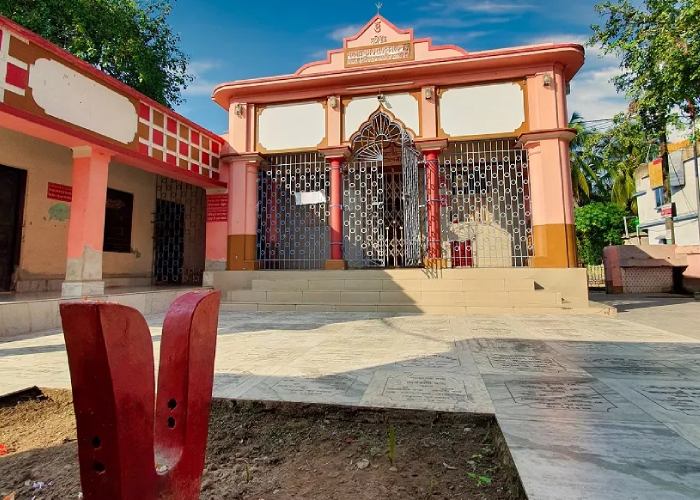
Among the Shakti Peethas, four are considered to be of paramount importance and are known as the Adi Shakti Peethas. These are the Kamakhya Temple in Assam, associated with Sati’s yoni or vagina; the Kalighat Temple in Kolkata, associated with Sati’s face; the Tara Tarini Temple in Behrampur, Odisha, associated with Sati’s chest; and the Bimala Temple in Puri, associated with Sati’s feet. These four sites are believed to be the most potent in terms of spiritual energy and are highly revered by devotees.

Shakti Peethas are not merely places of worship; they represent the fundamental concept of Shakti or divine feminine energy in Hinduism. They are considered sources of immense spiritual power and are believed to fulfil the desires of devotees who visit them with true devotion.

At each Shakti Peetha, the Goddess is worshipped in a specific form, often accompanied by a form of Bhairava, a manifestation of Lord Shiva. The worship practices can vary from one Peetha to another, but they generally involve offerings, prayers, and sometimes elaborate rituals.

Visiting the Shakti Peethas is considered a significant pilgrimage in Hinduism. Many devotees undertake arduous journeys to visit these sites, believing that such pilgrimages can lead to spiritual enlightenment, fulfilment of wishes, and liberation from the cycle of birth and death.

Many Shakti Peethas have faced challenges over the centuries, including invasions, natural disasters, and the ravages of time. Some, like those in Bangladesh, have witnessed heroic efforts by devotees to protect and preserve them. Efforts are ongoing to restore and maintain these ancient temples. Many have undergone renovations to preserve their architectural beauty while maintaining their spiritual essence. However, the challenge lies in balancing modernisation with the preservation of the temples’ historical and spiritual integrity.

Shakti Peethas are not just religious sites but also repositories of art, architecture, and cultural heritage. They often feature intricate carvings, sculptures, and architectural styles that reflect the artistic traditions of their respective regions. In the contemporary era, Shakti Peethas continue to be centres of faith and pilgrimage. They attract millions of devotees annually and play a significant role in the spiritual and cultural life of Hindus. Many Shakti Peethas have become important tourist destinations, contributing to the local economy. This has led to the development of infrastructure around these sites, making them more accessible to pilgrims and tourists alike. Some Shakti Peethas have evolved into spiritual retreats and yoga centres, offering programmes that blend traditional practices with modern wellness approaches. This evolution reflects the adaptability of these ancient sites to contemporary spiritual needs.

As we explore these Shakti Peethas, we delve into a world where myth and reality intertwine, where ancient stories come alive through stone and ritual, and where the divine feminine is celebrated in all her power and glory. These temples serve as bridges between the earthly and the divine, offering seekers a chance to connect with the primordial energy of creation. As we continue this series on Hindu temples, the Shakti Peethas serve as a profound starting point, setting the stage for an exploration of the rich and diverse world of Hindu sacred architecture and spirituality. These temples, with their deep-rooted legends and living traditions, offer a window into the heart of Hindu philosophy and practice, inviting us to discover the divine in the world around us and within ourselves. So let’s start on our journey of exploration.

In My Hands Today…

A Well-Trained Wife: My Escape from Christian Patriarchy – Tia Levings

“Today it hit me when he hit me, blood shaking in my brain. Maybe there wasn’t a savior coming. Maybe it was up to me to save me.”

Recruited into the fundamentalist Quiverfull movement as a young wife, Tia Levings learned that being a good Christian meant following a list of additional life principles—a series of secret, special rules to obey. Being a godly and submissive wife in Christian Patriarchy included strict discipline, isolation, and an alternative lifestyle that appeared wholesome to outsiders. Women were to be silent, “keepers of the home.”

Tia knew that to their neighbors her family was strange, but she also couldn’t risk exposing their secret lifestyle to police, doctors, teachers, or anyone outside of their church. Christians were called in scripture to be “in the world, not of it.” So, she hid in plain sight as years of abuse and pain followed. When Tia realized she was the only one who could protect her children from becoming the next generation of patriarchal men and submissive women, she began to resist and question how they lived. But in the patriarchy, a woman with opinions is in danger, and eventually, Tia faced an urgent and extreme stay and face dire consequences, or flee with her children.

Told in a beautiful, honest, and sometimes harrowing voice, A Well-Trained Wife is an unforgettable and timely memoir about a woman’s race to save herself and her family and details the ways that extreme views can manifest in a marriage.

In My Hands Today…

The Land of Hope and Fear: Israel’s Battle for Its Inner Soul – Isabel Kershner

Despite Israel’s determined staying power in a hostile environment, its military might, and the innovation it fosters in businesses globally, the country is more divided than ever. The old guard—socialist secular elites and idealists—are a dying breed, and the state’s democratic foundations are being challenged. A dynamic and exuberant country of nine million, Israel is now largely comprised of native-born Hebrew speakers, and yet any permanent sense of security and normalcy is elusive.

In The Land of Hope and Fear , we meet Jews and Arabs, religious and secular, Eastern and Western, liberals and zealots—plagued by perennial conflict and existential threats, citizens who remain deeply polarized politically, socially, and ideologically, even as they undergo generational change and redefine what it is to be an Israeli. Who are these people and to what do they aspire?

In moving narratives and with on-the-ground reporting, Isabel Kershner reveals the core of what holds Israel together and the forces that threaten its future through the lens of real a son of Zionist pioneers, cynical about what is to come and his people’s status in it; a woman in her nineties whose life in a kibbutz has disintegrated; a brilliant poet caught up in the political maelstrom; an Arab gallery owner archiving a lost Palestinian landscape; and a descendant of the Russian aliyah; representing millions of culturally and religiously different Jews, laying bare the question Who is an Israeli? The Land of Hope and Fear decodes Israel today at its seventy-fifth anniversary, examining the ways in which the country has both exceeded and failed the ideals and expectations of its founders.

In My Hands Today…

How to Say Babylon – Safiya Sinclair

Throughout her childhood, Safiya Sinclair’s father, a volatile reggae musician and militant adherent to a strict sect of Rastafari, became obsessed with her purity, in particular, with the threat of what Rastas call Babylon, the immoral and corrupting influences of the Western world outside their home. He worried that womanhood would make Safiya and her sisters morally weak and impure, and believed a woman’s highest virtue was her obedience.

In an effort to keep Babylon outside the gate, he forbade almost everything. In place of pants, the women in her family were made to wear long skirts and dresses to cover their arms and legs, head wraps to cover their hair, no make-up, no jewelry, no opinions, no friends. Safiya’s mother, while loyal to her father, nonetheless gave Safiya and her siblings the gift of books, including poetry, to which Safiya latched on for dear life. And as Safiya watched her mother struggle voicelessly for years under housework and the rigidity of her father’s beliefs, she increasingly used her education as a sharp tool with which to find her voice and break free. Inevitably, with her rebellion come clashes with her father, whose rage and paranoia explodes in increasing violence. As Safiya’s voice grows, lyrically and poetically, a collision course is set between them.