

Today, it is impossible to think of a life without the internet. Tomorrow is Safer Internet Day and this day is more than important in fostering a secure online environment. This day, observed annually on the second Tuesday of February, serves as a global call to action, urging individuals, organisations, and governments to reflect on the evolving challenges of digital safety and work collaboratively towards a safer cyberspace.
Since its inception in 2004, Safer Internet Day has evolved into a cornerstone event, transcending geographical boundaries to address the multifaceted aspects of online safety. Facilitated by the joint efforts of governments, NGOs, industry leaders, and individuals, the day seeks to raise awareness, promote responsible digital behaviour, and ignite conversations around the ever-expanding frontier of the internet.
The theme for Safer Internet Day 2024, Empowering Digital Wellness, reflects a nuanced understanding of the Internet’s role in our lives. It goes beyond traditional notions of safety, encompassing a holistic approach that considers not only the avoidance of harm but also the cultivation of positive, healthy online experiences.

Cyber threats today are becoming more of a norm than they were previously. From sophisticated phishing attacks to ransomware campaigns targeting critical infrastructure, the arsenal of cyber threats continues to expand. Safer Internet Day serves as a rallying point to fortify our virtual defences and elevate cybersecurity awareness. The accumulation of personal data by tech giants and the subsequent concerns over data privacy have become central issues in the digital discourse. As individuals navigate the online landscape, safeguarding privacy is paramount, and Safer Internet Day prompts us to scrutinize the implications of our digital footprints.
The propagation of misinformation and the manipulation of online narratives pose significant threats to the integrity of digital spaces. Safer Internet Day underscores the importance of media literacy and critical thinking as bulwarks against the tide of disinformation. The younger generation, digital natives in their own right, face unique challenges in the online sphere. Safer Internet Day directs attention towards fostering a digital environment where young minds can explore, learn, and socialize without succumbing to the perils of cyberbullying, predatory behaviour, or exposure to inappropriate content.
So what is digital wellness?
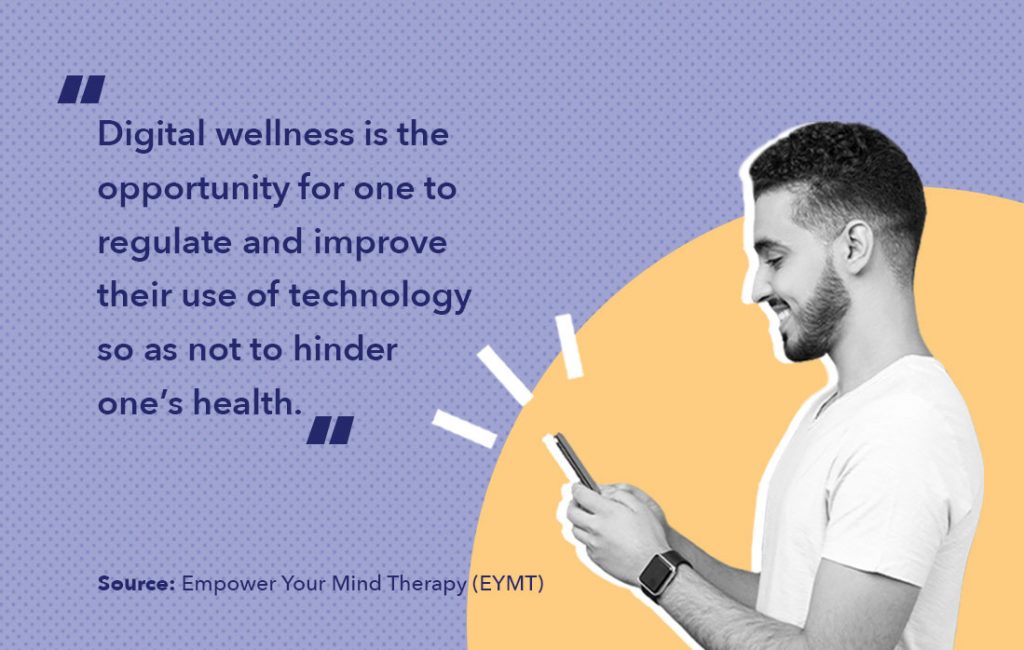
Digital wellness transcends the binary perspective of safety versus danger. It delves into the qualitative aspects of our online experiences, urging us to strike a balance between connectivity and mental well-being. On Safer Internet Day, we are prompted to reflect on the impact of our digital habits on overall health. A key tenet of digital wellness is the cultivation of positive interactions. This day encourages individuals to contribute to a culture of respect, empathy, and constructive dialogue online. From social media etiquette to responsible commenting, the goal is to create a virtual space that mirrors the values of the physical world. An empowered user is a resilient user. Safer Internet Day emphasises the need for robust digital literacy initiatives that equip individuals with the skills to navigate the internet safely, discern reliable information from misinformation, and fortify themselves against cyber threats. Beyond individual efforts, the responsibility also lies with the tech industry to design platforms and services that prioritise user safety and well-being. Safer Internet Day calls for ethical considerations in the development and deployment of digital technologies.
Governments around the world use Safer Internet Day as an opportunity to announce new policies, launch initiatives, and engage in collaborative efforts to enhance online safety. The day acts as a catalyst for cross-border cooperation in addressing global digital challenges. Tech giants and corporations leverage Safer Internet Day to showcase their commitment to user safety. From releasing transparency reports to implementing enhanced security features, these initiatives contribute to a safer online ecosystem. You can also find non-governmental agencies that advocate for digital rights and online safety, amplifying their voices on this day. Safer Internet Day provides a platform for awareness campaigns, educational programs, and policy advocacy.
Educational institutions worldwide leverage Safer Internet Day to integrate digital safety into their curricula. From primary schools to universities, students are educated on topics such as online ethics, privacy protection, and cybersecurity. Workshops, seminars, and awareness programs are conducted to engage students, parents, and educators in discussions about responsible digital behaviour. The goal is to create a shared understanding of the challenges and opportunities presented by the digital landscape.

As we navigate the complex and ever-evolving digital terrain, Safer Internet Day serves as a call to action—a collective summons to become guardians of the virtual realm. It prompts us to scrutinise our digital habits, advocate for digital wellness, and actively contribute to the creation of a safer, more resilient internet. As individuals, we are also encouraged to reflect on our digital behaviours, assess our online footprint, and consider the impact of our actions on the broader online community. A conscious and informed user is the first line of defence in the digital realm.
Safer Internet Day is not merely a commemoration but a call to arms—an acknowledgement of the collective responsibility we bear in safeguarding the virtual commons. It challenges us to transcend the dichotomy of utopia and dystopia, recognizing that the internet, like any realm of human interaction, reflects our collective values, aspirations, and shortcomings.
In the quest for a safer internet, the journey begins with individual choices, extends through community engagement, and converges in the halls of policy and technology design. As we traverse the intricate web of the digital realm, let us be the architects of a virtual space that mirrors the principles of justice, equity, and shared humanity. In the hands of the global community, the internet can become a beacon of enlightenment, collaboration, and progress—a testament to the triumph of the human spirit in the face of the unprecedented challenges of our digital age.
 Memories and Such