Recipes: Hyderabadi Khatti Dal

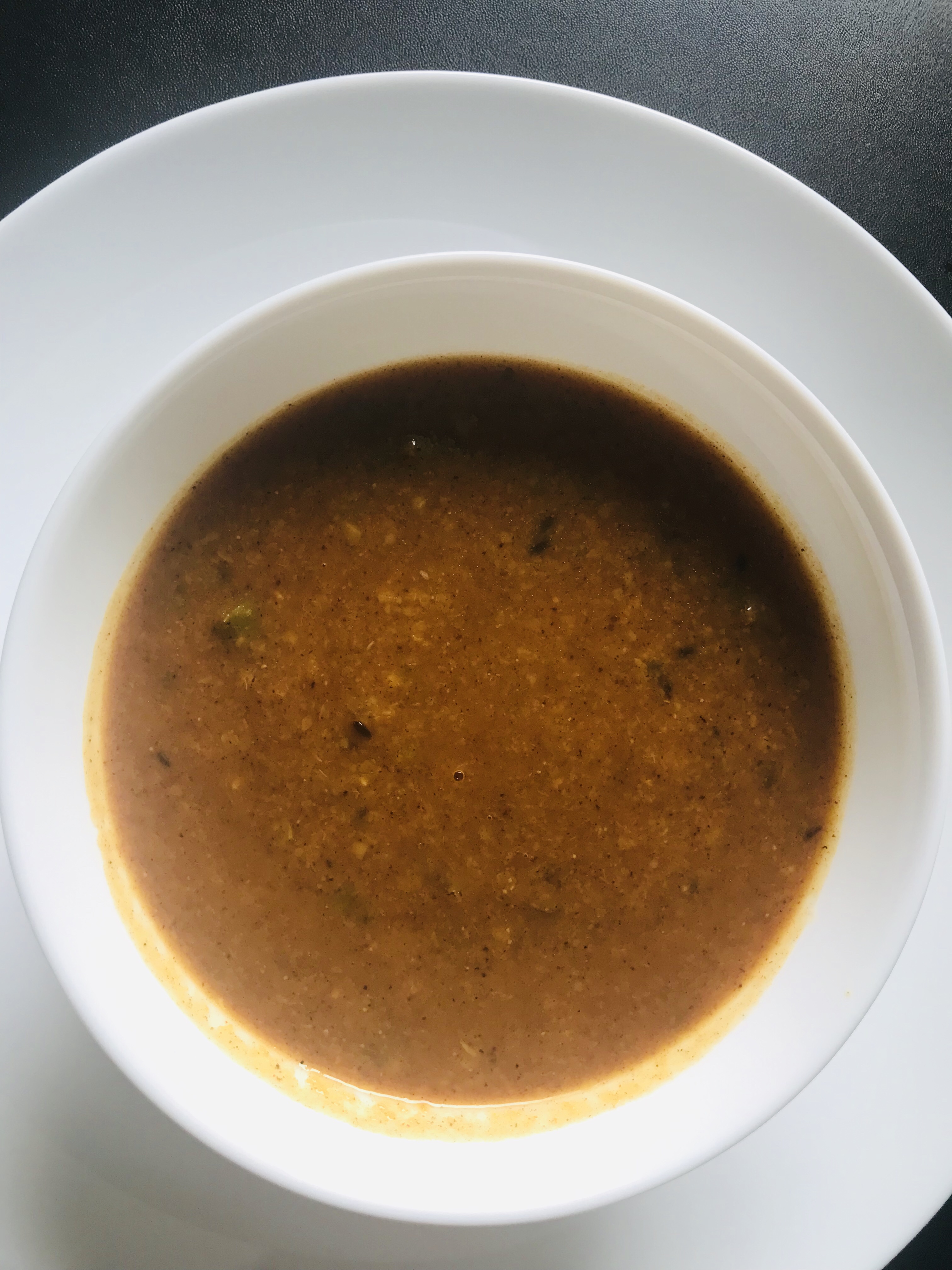
Dal, in most Indian households is ubequetiois and gets prepared almost every day. For those who are vegetarian, this is the main source of protein in their diet. What this means is that there are probably as many variations of dals as there are households in the country!

I came across this recipe for Khatti Dal which literally means ‘Sour Dal’ in my Facebook feed. I really don’t know which website this was from, so I can’t credit them here. I also slightly changed the recipe because I only saw it once and it may not be the most authentic recipe around.

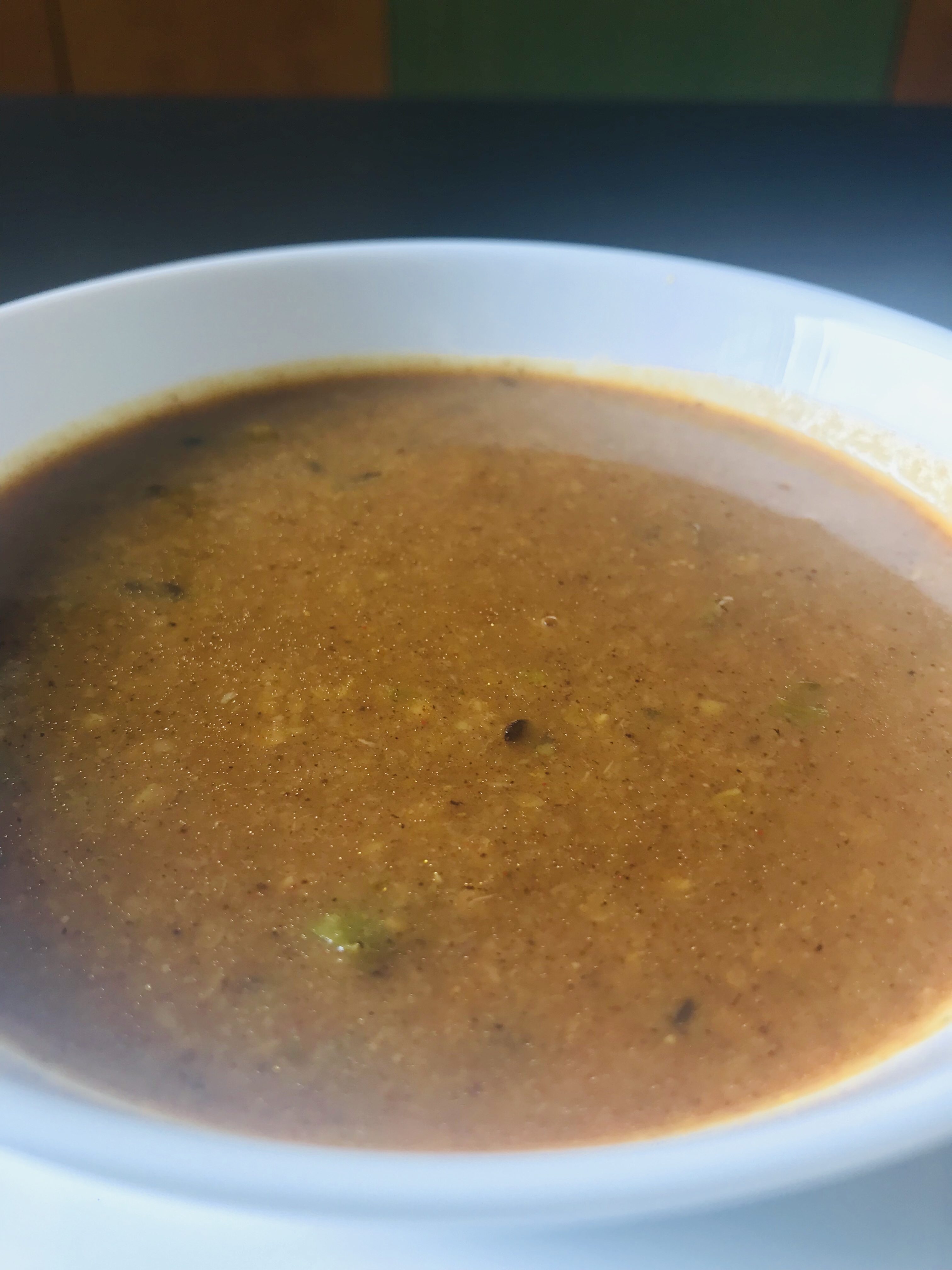
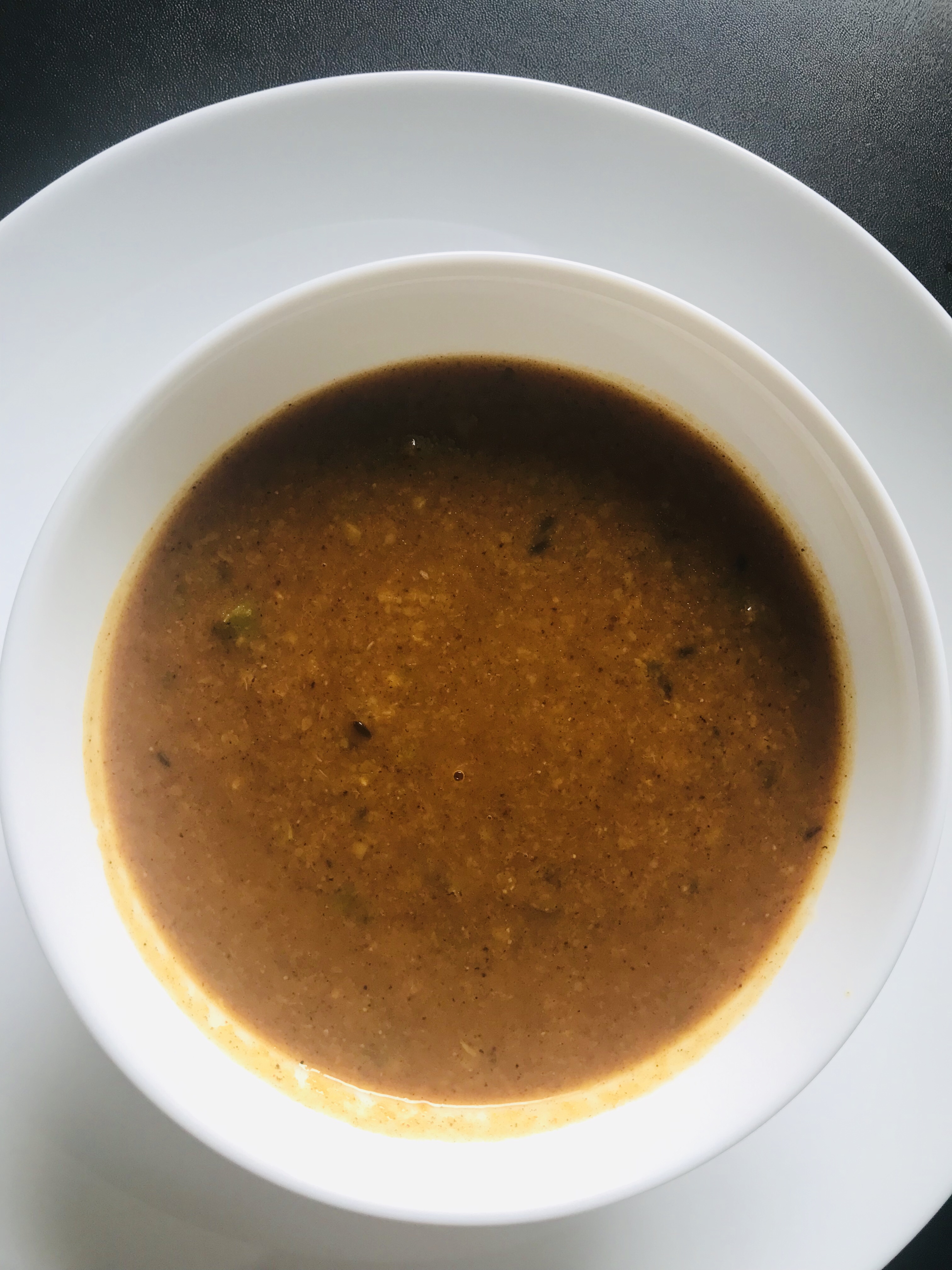
The recipe was this slightly garlicky dal with the children saying it reminded them of a garlic sambar or rasam. I thought though it reminded me of a puli kozhambu. Irrespective of what this dal reminded us of, it was delicious and is a definite keeper in our home.

Here’s the recipe I made so I can refer to it the next time I make it.
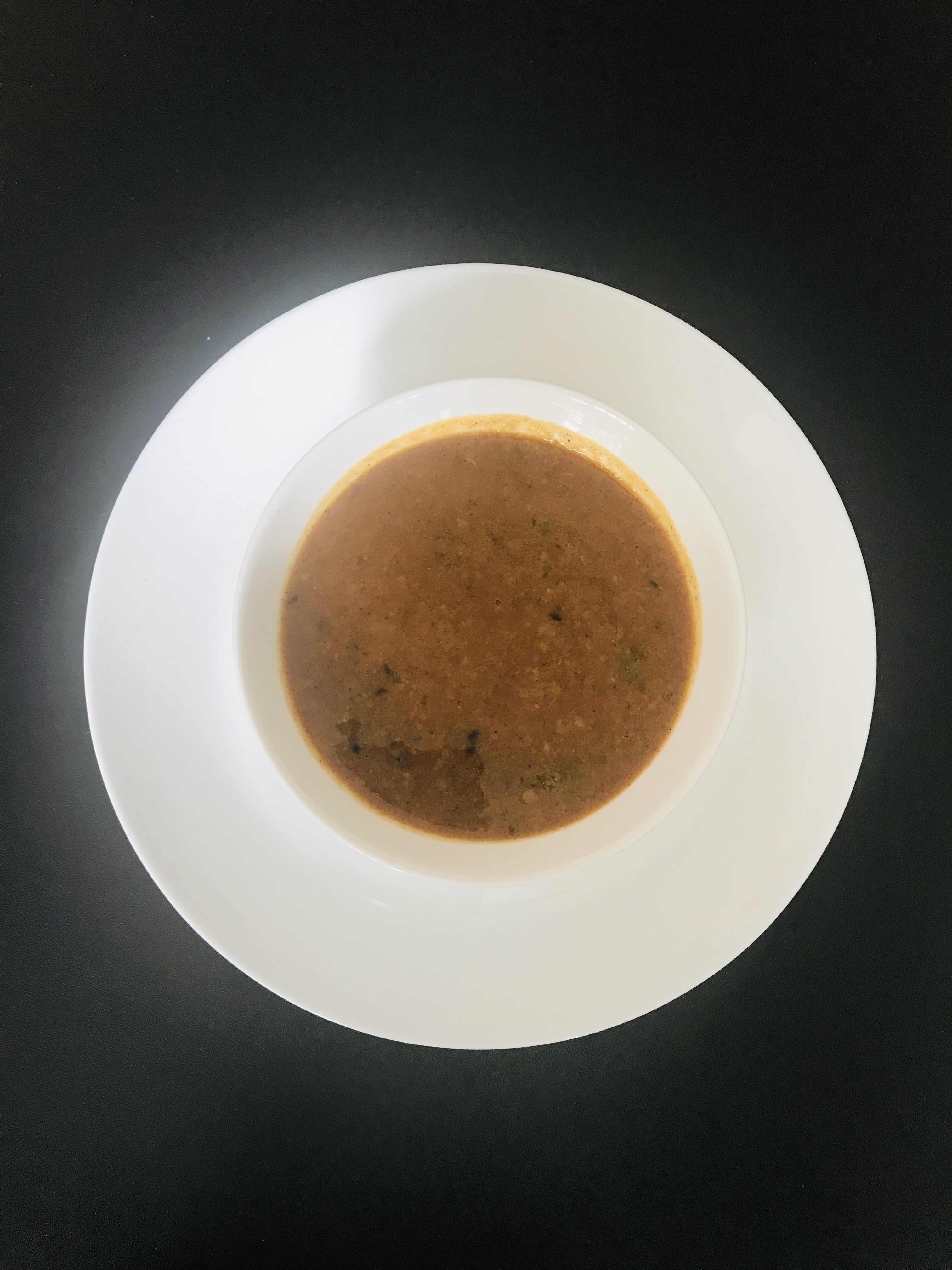
Hyderabadi Khatti Dal

Ingredients:

  • 1 cup toovar dal, washed and soaked for 15 mins in warm water
  • 1 small lime sized ball of tamarind (or 1-2 tbsp tamarind paste)
  • 1 medium sized tomato
  • 2 tbsp grated garlic
  • 1.5 tbsp grated ginger
  • 2 medium sized green chillies
  • 1/2 tsp asafoetida powder
  • 1/4 tsp turmeric powder
  • 1 tsp coriander powder
  • 1 tsp red chilli powder
  • 1 tbsp ghee or oil
  • 2-3 dried red chillies
  • 8-10 curry leaves
  • 1 tsp cumin seeds
  • Salt to taste
  • Coriander leaves to garnish

Method:

  • Soak the tamarind in warm water for 15 minutes, squeeze and mash it and strain the water. Keep aside
  • In a pressure cooker, add the toovar dal and 1.5 cups water with the turmeric powder, 1 tbsp each of grated ginger and garlic and half the asafoetida.
  • Make an x slit in the stem of the tomato and add it to the soaked dal and then pressure cook it for 3-4 whistles. Switch off the flame and let the pressure reduce.
  • When the pressure reduces, open the cooker and remove the tomato gently. Remove the skin which should have started peeling and put it back with the dal. Using a hand-held blender or whisk, whisk the dal till it becomes a smooth paste.
  • Switch on the gas again. Chop the green chilli into 2-3 pieces and add it to the dal along with the tamarind water. Add the tamarind water slowly till it reaches the sourness you like. When it comes to a boil, add the salt, red chilli powder and coriander powder and let it come to a nice rolling boil. Boil on a medium heat for around 10 minutes till the raw smell of the tamarind goes away. Check for seasoning and add what extra is needed. Keep aside.
  • In a smaller skillet, add the ghee or oil and when it warms up, add the cumin seeds and let the seeds crackle. Then add the curry leaves, the balance of garlic and ginger and the red chillies. Let the grated ginger, garlic and red chillies start to brown switch off the flame and pour this tempering directly into the dal.
  • Garnish with coiander leaves and cover for 10 minutes till the flavours blend well. Serve hot with plain rice.
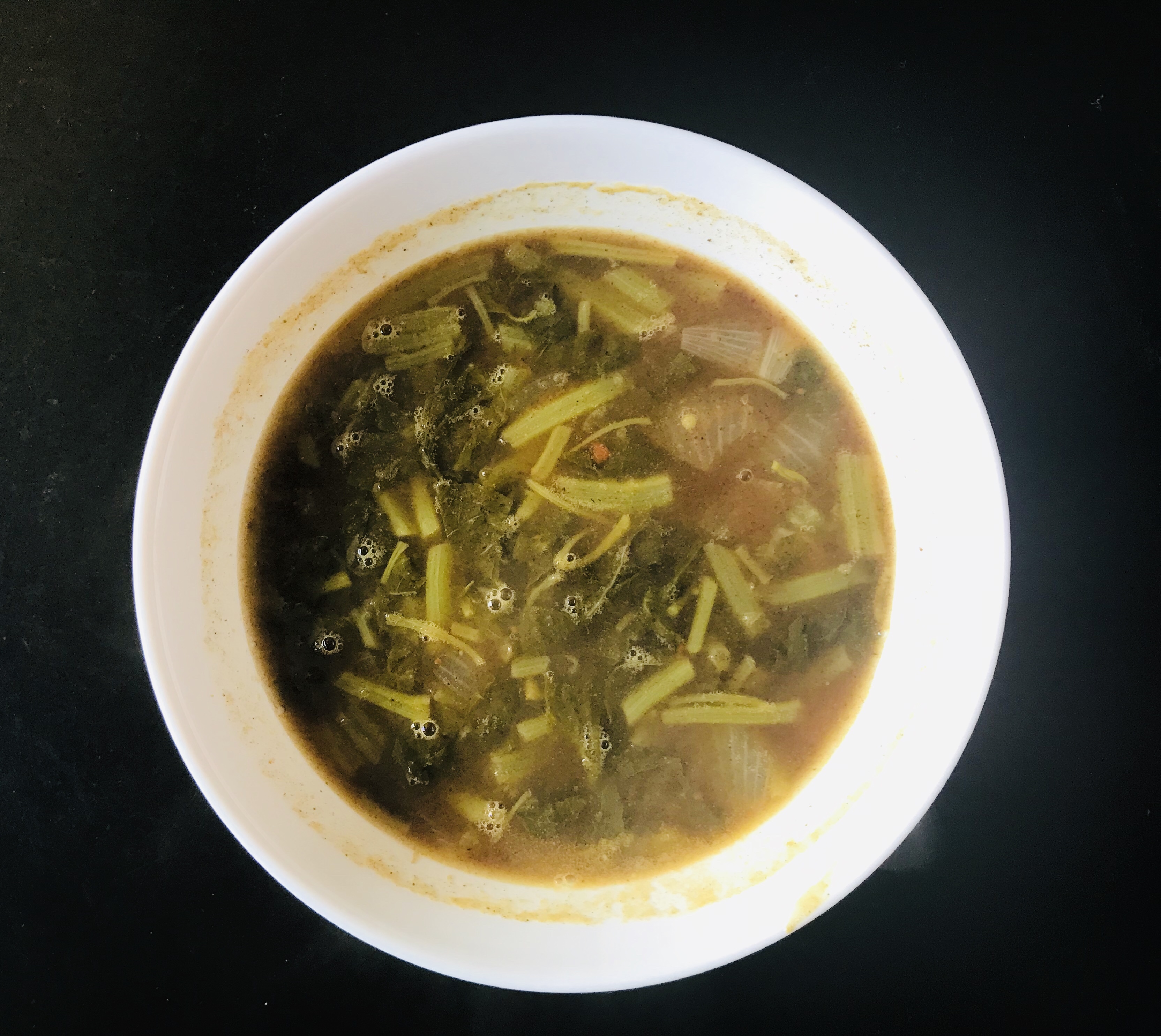
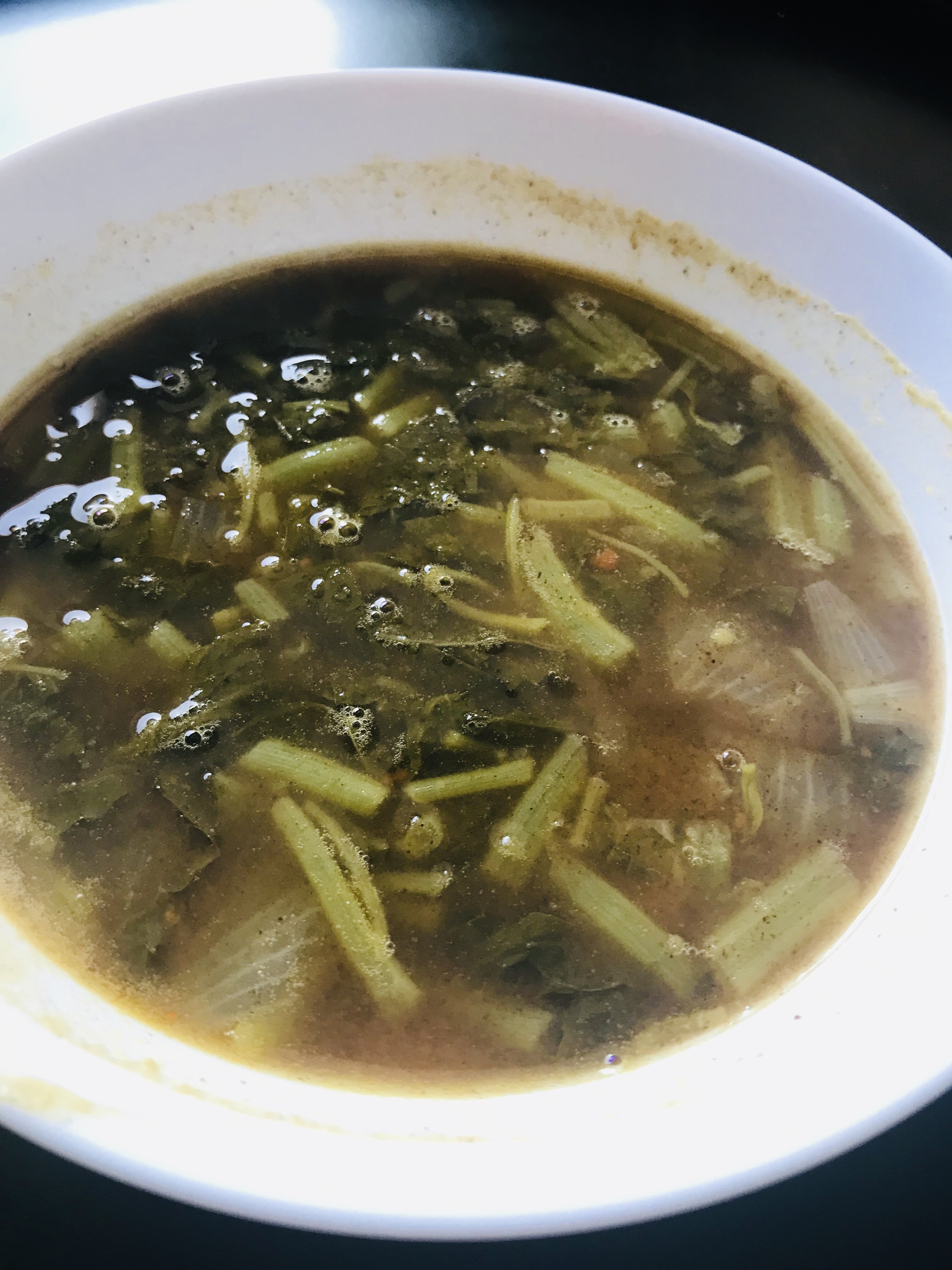
Keerai Sambar or Spinach Sambar

Everyone knows how healthy spinach is. A low calorie vegetable, the spinach is consiidered a superfood and green vegetables like the spinach are very good for skin, hair and bone health. Spinach is a great source of iron and one cup of raw spinach contains as much as 0.81 gm of iron. Spinach is low in carbs but high in insoluble fiber. Spinach also packs high amounts of carotenoids, vitamin C, vitamin K, folic acid, iron, and calcium.

I usually make Spinach Dal, Mor Keerai or even Spinach Rice, but never really tried trying spinach as a sambar. Earlier this week, when making lunch where the other dishes were south Indian, I decided to make spinach sambar as opposed to a dal which was what the children were asking for just so all the dishes were south Indian. The resultant sambar was super yum and it even cooked faster than the usual sambar.

Spinach or Keerai Sambar

Ingredients:

  • 2 cups spinach, washed and chopped roughly
  • 2 medium sized onions, chopped into big pieces
  • 1 gooseberry size tamarind, soaked in hot water for 20-30 minutes
  • 1 cup toor dar, soaked in warm water for 20 minutes
  • 1 tsp mustard seeds
  • 1/4 tsp asafoetida
  • 1 tsp jaggery
  • 2 tsp sambar powder
  • Salt to taste
  • 1 tbsp oil

Method:

  • Cook the toor dal in a pressure cooker or on the stove top till it is cooked and mushy. Beat it well till it becomes a homogenous mass, adding water if it is too thick. Keep aside.
  • Mash and seive the soaked tamarind and thin it till it is at the sourness you like. Keep aside.
  • Heat the oil in a pan and when warm, add the mustard seeds and let them pop. Then add the asafoetida and stir for a few seconds.
  • Now add the chopped onions and stir until they are translucent.
  • When the onions are translucent and soft, add the chopped spinach and let them wilt.
  • When the spinach is wilted, add in the prepared tamarind water and then add the salt, sambar powder and jaggery and let it cook for around 5-7 minutes.
  • When the spinach and onions and completely cooked and the raw smell of tamarind goes away, add the cooked dal to the sambar.
  • Check for seasoning and add what needs to be added. Let the sambar cook for another five minutes and then switch off the flame.
  • Serve hot with a south Indian meal of rice and a stir fry curry.

Notes:

  • If you don’t have access to tamarind pulp, you can also buy tamarind paste which you should get in any Indian store. Use 1-2 tsp (as per your taste)
  • Instead of spinach, you can use any greens for this recipe

Recipes: Chettinad Style Shallots and Baby Potatoes Curry

Chettinad is a region located mainly in the Sivaganga district ruled by Ramnad kingdom of Pandya Nadu and has a small portion extending into the Pudukottai District of Chola Nadu in Tamil Nadu, India. This region is also home to the Nattukottai Chettiars or Nagarathar who are a prosperous prosperous banking and business community and many in this community have migrated to various parts of south and southeast Asia in the 19th and early 20th centuries. The region is associated with gorgeous and palatial homes as well as a lip-smacking spicy cuisine.

I used to make a shallots and baby potatoes curry from Sanjeev Kapoor many years back, so last week when I found myself with both shallots and baby potatoes in the house, I decided to try to make this curry, but this time tried a spin on the classic chettinad masala. Now this is not an authentic masala as I only used a fraction of the ingredients usually used, but the result was equally yummy and the whole curry disappeared in no time!

This recipe can also be made with normal onions and potatoes, just cut them up to the size of shallots and baby potatoes and you can continue to make it the same way.

Chettinad Style Shallots and Baby Potatoes Curry

Ingredients:

  • 1 cup shallots, peeled
  • 1 cup baby potatoes, washed and scrubbed
  • 1 green capsicum, cut into 1 inch squares
  • ¼ tsp black peppercorns
  • ½ tsp fennel seeds
  • ½ tsp coriander seeds
  • ¼ tsp cumin seeds
  • ¼ tsp fenugreek seeds
  • 4-6 dried red chillies
  • 4-6 curry leaves
  • 1 tsp mustard seeds
  • ¼ tsp turmeric powder
  • 1 tbsp oil
  • Salt to taste

Method:

  • Heat a pan on low-medium flame and when the pan becomes warm, add all the whole spices – pepper corns, fennel seeds, coriander seeds, cumin seeds, fenugreek seeds and the dried red chillies and dry roast them till they are crisp, but not burnt. You should be able to smell the fragrance of the spices. Switch off the gas and when cool, transfer to a spice blender and blend to a fine powder.
  • Cut those shallots which are big into half or quarters and keep the others as they are. Do the same with the scrubbed potatoes. Those which are big can be halved or quartered. Cut the green bell pepper or capsicum also into the same size pieces. The intention is to keep all pieces roughly the same size so they cook at the same time. Keep everything aside.
  • In the same pan, heat the oil and when the oil is warm, add the mustard seeds. When the mustard seeds start to pop, tear the curry leaves and add it to the oil. Stir for a couple of seconds and then add the turmeric powder.
  • Now add the shallots and stir for a few minutes. When the shallots start to turn translucent, add the capsicum and baby potatoes and cook covered until they are 50% done.
  • At that point, add salt and the ground masala and stir well, making sure to coat all pieces of shallots, baby potatoes and capsicum with the masala.
  • Let the vegetables cook completely and when done, serve hot as part of any south Indian meal.

Enjoy a delicious and yummy curry!

Recipes: Traditional Summer Coolers – Neer Mor aka Spiced Buttermilk

Thinned and whisked yoghurt or buttermilk is a staple across India and is known by different names across the sub continent. Chaas or chaach across the northern parts of India, ghol in Bengal, Mor in Tamil Nadu, majjige in Karnataka, and taak in Maharashtra, this spiced drink is a much loved drink in India, especially during the summer months.

Buttermilk is made by churning yogurt and water, preferably cold, together in a pot, using a hand-held whisk. This can be consumed plain or seasoned with a variety of spices. Unlike lassi, buttermilk is never sweet and more diluted.

The best buttermilk is made from homemade yoghurt that is a few days old which becomes slightly sour. This sourness imparts the tartness to the buttermilk. Salt and spices are added to enhance the taste.

Neer Mor aka Spiced Buttermilk

Ingredients:

  • 1 cup yoghurt
  • 4 cups cold water
  • 2-3 green chillies
  • 5-6 curry leaves
  • 2 sprigs coriander leaves
  • 1 tsp cumin seeds
  • 1 inch piece ginger
  • 1/8 tsp asafoetida
  • 1 tsp oil
  • 1 tsp mustard seeds
  • Salt to taste

Method:

  • In a blender, blend together the the yoghurt with the green chillies, 3-4 curry leaves, 1 sprig of coriander leaves, ginger, asafoetida and cumin seeds into a smooth paste.
  • Pour into a large jug and add the remaining cold water to thin it to the desired consistency. Add salt to taste. Chop the remaining sprig of coriander and garnish.
  • In a smaller skillet, heat the oil and when warm, add the mustard seeds and balance curry leaves. When the curry leaves becomes crisp, temper the buttermilk with this.
  • Serve cold as a refreshing summer drink.

Note: I didn’t temper the buttermilk this time, but this is the traditional method to make Neer Mor.

Recipes: Traditional South Indian Summer Coolers – Panakam

It’s been really hot these days here in Singapore and the week before last, when the festival of Ram Navami came around, I was really happy to make this traditional cooler as an offering to the Lord. This along with another summer drink called Neer Mor is traditionally offered as neividhyam or offering.

As I’ve previously mentioned, Ram Navami almost always came during the fag end of our annual exams back in India and was never really celebrated with pomp in our home, but my mum always used to make these coolers, which as a child, I rarely appreciated. As an adult, I love this drink and look for opportunities to make it.

The ingredients in this no cook drink probably are there for a reason. In the summer months, it is excessively hot in South India and each of these ingredients are meant to reintroduce sugar and hydrate you. Panakam brings down body heat and helps in preventing the human body from chicken pox in the summer. Jaggery purifies the blood, and is rich in iron, magnesium and anti-oxidants. Cardamom and ginger aid digestion, while lemon is rich in Vitamin-C and B-complex.

Panakam

Ingredients:

  • 1 cup chopped jaggery
  • 4 cups cold water
  • 1/4 cup lemon juice
  • 1/4 tsp cardamom powder
  • 2-3 cardamom pods
  • 1/2 tsp dry ginger powder (saunth)
  • 1/2 tsp julienned ginger (optional)
  • 1/2 to 1 tsp rock or pink Himalayan salt

Method:

  • Finely chop the jaggery and keep it in a large pan. Pour around 1 cup of medium warm water into the jaggery and let the jaggery melt.
  • If you feel that the jaggery has impurities, then strain the melted jaggery into a jug.
  • To the strained jaggery, add the remaining ingredients and then pour in the cold water.
  • You can play around with the ingredients, adding more or less, depending on your taste.
  • Serve cold. This really hits the spot on a warm summer day.

Notes:

  • Do not substitute jaggery for sugar. At a pinch, perhaps palm sugar may work, but the taste would not be the same as the panakam made with jaggery.
  • Use the darkest coloured jaggery you can find, because the colour of the drink is completely dependent on the colour of the jaggery used.