One of the best things about India is that there are so many colourful festivals one can witness and be a part of. several colourful and grand festivities. One of the many vibrant, but relatively unknown festivals is the annual Tarnetar Mela which takes place in Sundernagar in the western state of Gujarat. A tiny village about 56 km from Sundernagar, about 76 km from Rajkot and about 176 km from Ahmedabad, the village comes alive during the festival.
Being Saurashtra’s most important fair, the Tarnetar Mela is attended by more than 50,000 people, including the Kolis, Rabaris, Bharwads, Khants, Kanbis, Kathis, Charans, Harijans and the Desh-rabaris. The festival has its roots in the epic Mahabharata, specifically Draupadi’s swayamvar. Swayamvar is a type of marriage mentioned in Hindu history where a woman chose a man as her husband from a group of suitors. The word comes from Sanskrit where Svayam means self and vara means groom. At Draupadi’s swayamvar, the Pandava prince Arjun performed the difficult task of piercing the eye of a rotating fish with an arrow, by only looking at its reflection in the water, after which he won the heart and hand of Draupadi.

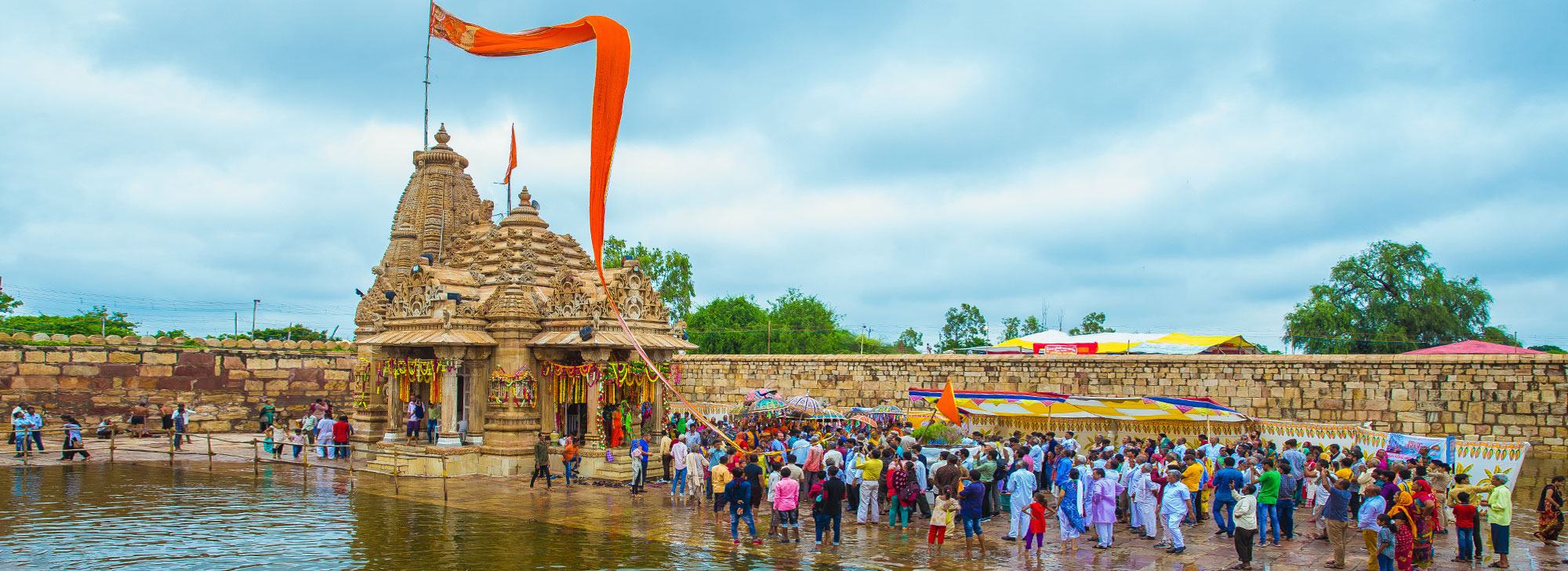
The festival’s tradition is believed to have begun about 200 or 250 years ago and is held on the grounds of the temple of Triniteshwar Mahadev, which means the three-eyed God. The old temple that used to stand in Tarnetar is now in ruins, but a new one was built by the Gaekwads of Vadodara in the 19th century during the Solanki era and is now the focal point of the festival. It stands on the bank of a rivulet and opens into a beautiful kund or pond. Inside the temple, there is a Brahma Kund, a Shiva Kund, and a Vishnu Kund and it is believed that taking a plunge in these three water reservoirs is equivalent to taking a dip in the waters of the holy Ganges.
Fast forwarding to today, the three-day festival falls in the Bhadarva Sud or during August and September. This year the festival will take place between 18 to 20 September. The festival is a celebration of tribal Gujarat’s folk dance, music, costume and arts and is centred around young tribal men and women seeking marriage partners.
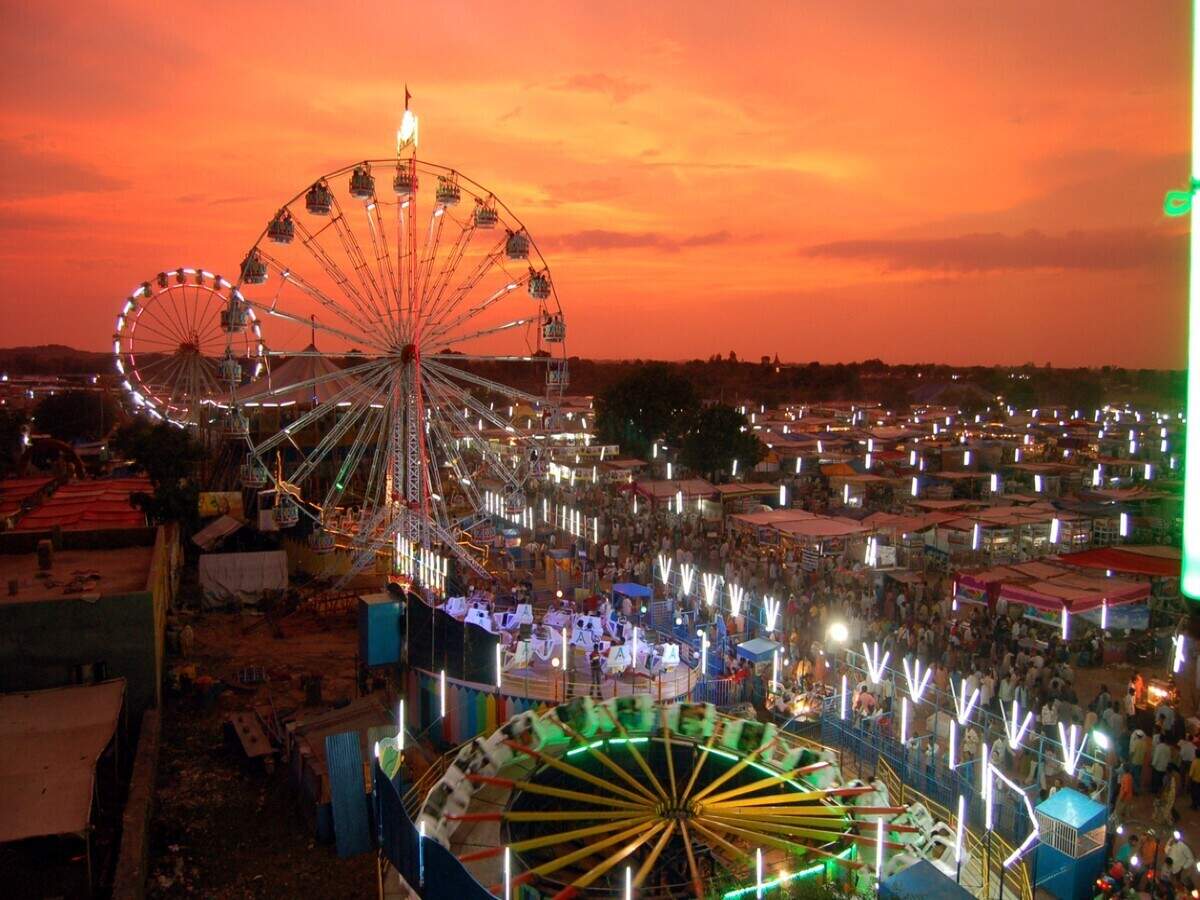
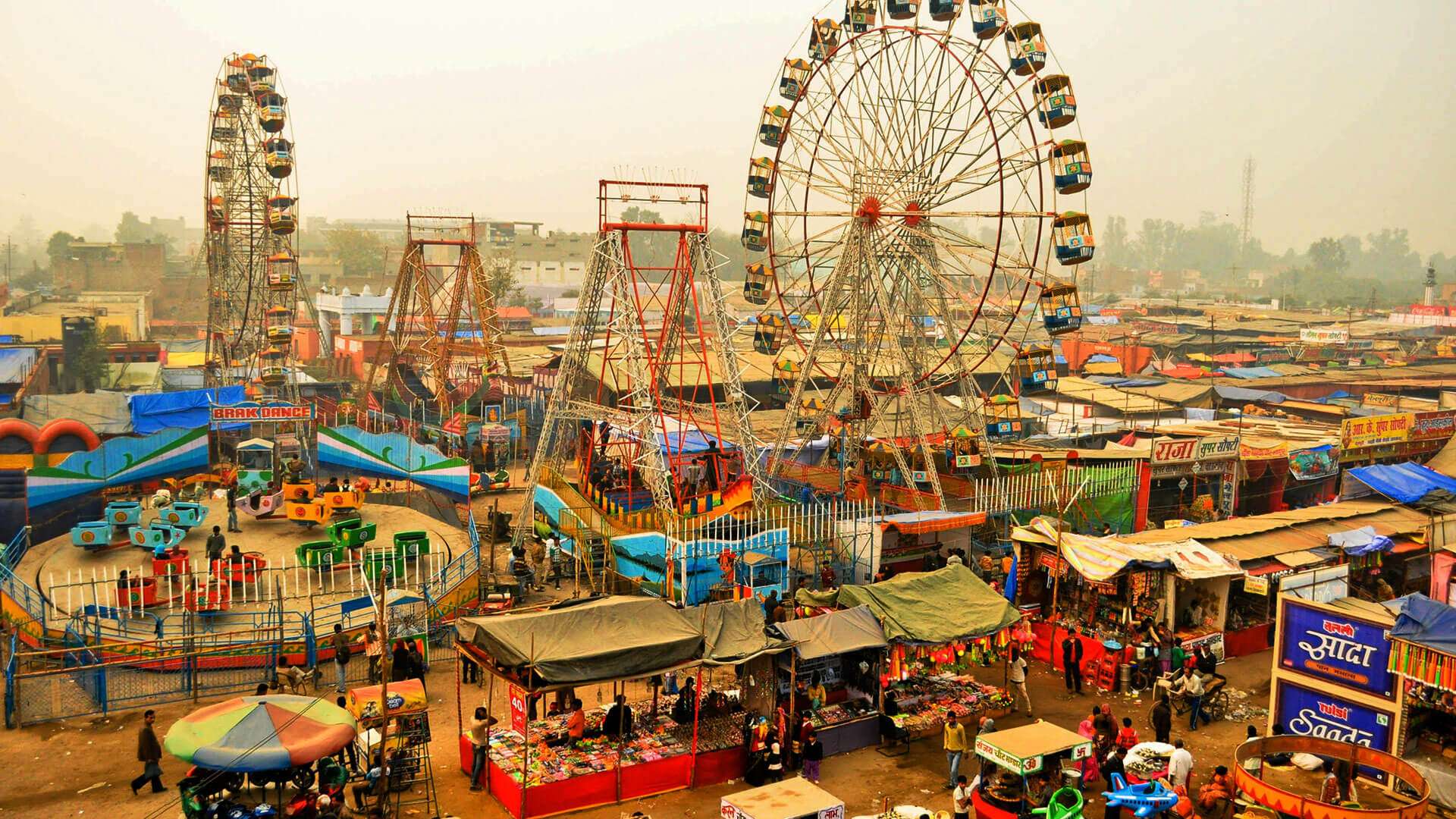
The Tarnetar Mela covers a large part of the Tarnetar village with a huge number of stalls put up to sell beautiful local handicrafts unavailable elsewhere, along with ethnic jewellery, statues of deities and traditional attire with tiny mirrors embroidered into the clothing. There are also merry-go-round rides, photography stalls, magic shows and tattoo artists who attract a large variety of visitors.
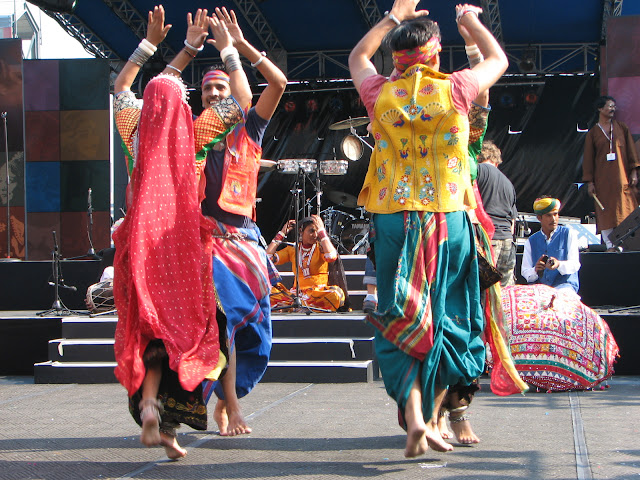
Rabari women from Zalawad, which is close to Tarnetar perform the famous circular folk dance called rahado. Their marital status is indicated clearly by their costumes; a black zimi or skirt means she is married. But if a woman is wearing a red zimi, it means she has not yet tied the knot and is probably seeking a husband. The potential husbands seeking brides are elegantly dressed in colourful dhotis, artistically designed waistcoats and a head-cloth twisted at an angle, moving about the fairground at Tarnetar with striking umbrellas, advertising the bachelorhood they are keen to relinquish.

The Kolis of Saurashtra initiated the custom of embroidering umbrellas, which are exquisitely elaborate in terms of embellishments. The embroidery of each is unique and rises from the edges to the top, with beadwork and patchwork in the design as well. Small colourful handkerchiefs are attached all around the edge, to attract further attention. These men spend over a year embroidering their umbrellas. They intend to entice the girls with their art, clothes, and headgear and impress them so that they can propose to them for marriage. It is not surprising that, before the fair is over, they usually meet the lady of their choice.
At the heart of the Tarnetar Mela lies a unique and heartwarming tradition — the swayamvar. This ancient matchmaking ritual allows young, unmarried women to choose their life partners from a group of eligible bachelors. Eligible men from various communities gather, each hoping to find their soulmate among the bevvy of beautiful women. It’s a sight to behold as the women circulate among the men, engaging in cheerful banter and trying to find a connection that transcends words. As modern influences blend seamlessly with tradition, young participants have the freedom to exchange phone numbers, engage in conversations, and even meet their potential life partners accompanied by their families.
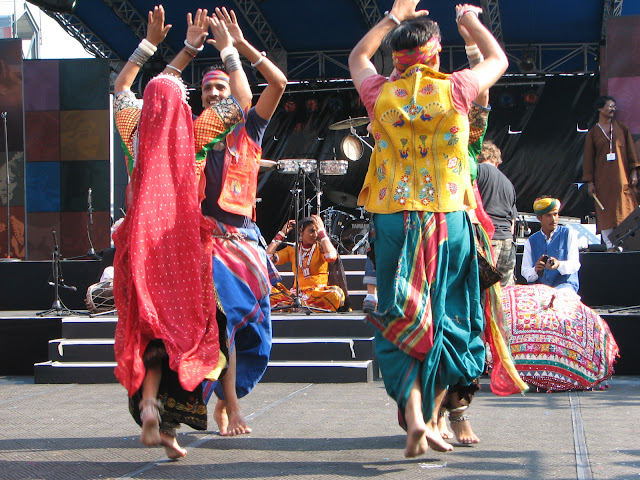
As the dancers surge in waves of circular movement, the incessant throbbing of the drums keeps them moving in unison, and the drum beats continue throughout the day even as the dancers change from one group to the next. Many kinds of folk dances are performed; by far the most popular is the raas, in which dancers hold sticks to clack against those of other dancers. As many as one to two hundred women perform rasadas in a single circle, to the beats of four drums at a time and the tunes ofjodia pavas or the double flutes. One can also see people break out into a spontaneous hudo. Amidst the festivities, the Tarnetar Mela also champions essential social causes. Various NGOs and organisations set up stalls to raise awareness about health, education, and women’s empowerment.
There is music in the air with many bhajan mandalis or music groups and sadhus or holy men singing religious songs, accompanied by folk instruments. But even for those not interested in finding a spouse, the romance and excitement in the air are captivating, and every year the fair seems only to grow in popularity, attracting visitors and tourists from Gujarat, elsewhere in India, and even abroad. At the fair, the many colourful costumes, glittering ornaments and free-spirited movements of folk dances, all combine to create a memorable scene. This is the vibrancy of India that mesmerises visitors and makes them come back.
 Memories and Such