Sacred Stones, Spaces and Stories: Shakti Peethas Part 1

For the past few months, I have been increasingly interested in Hinduism. I’ve been praying more and learning more about my culture, and so a natural offshoot of this was becoming more interested in the different temples and their stories. As I started learning more, I thought I should share it with everyone, hence this new series. This series, which I will call Sacred Stones, Spaces, and Stories, will dive deeper into the various temples across the subcontinent. I will start with the Shaktipeeths dedicated to the Mother Goddess. We can learn more about the Divya Desams, Vaishnava temples of great significance, the Jyotirlingas, dedicated to Lord Shiva, as well as the Ashtavinayaks, temples for Lord Ganesha. Follow me on this journey as we learn more about the incredible temples and the stories behind them. I will upload a new post every Friday starting next week about one or more temples. Today, let’s learn more about Shaktipeeths.

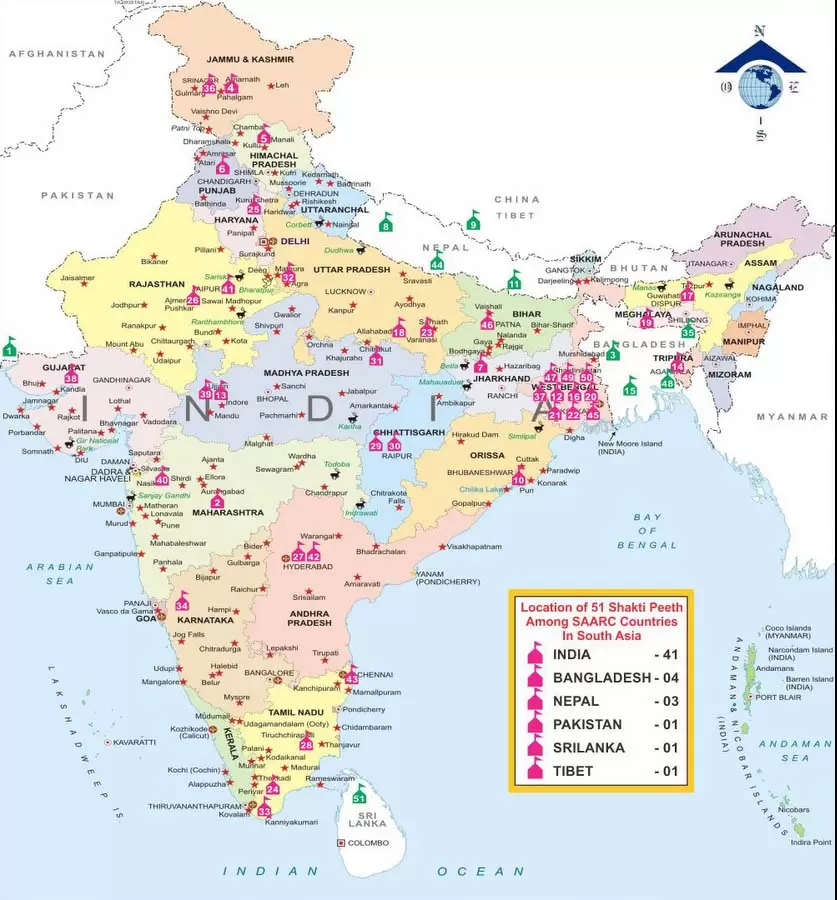
Shakti Peethas are sacred sites in Hinduism dedicated to the worship of Goddess Shakti, the divine feminine power. These temples hold immense spiritual significance and are scattered across the Indian subcontinent, including parts of Bangladesh, Nepal, and Pakistan. The origin of these temples is deeply rooted in Hindu mythology, particularly in the tragic tale of Goddess Sati and Lord Shiva.
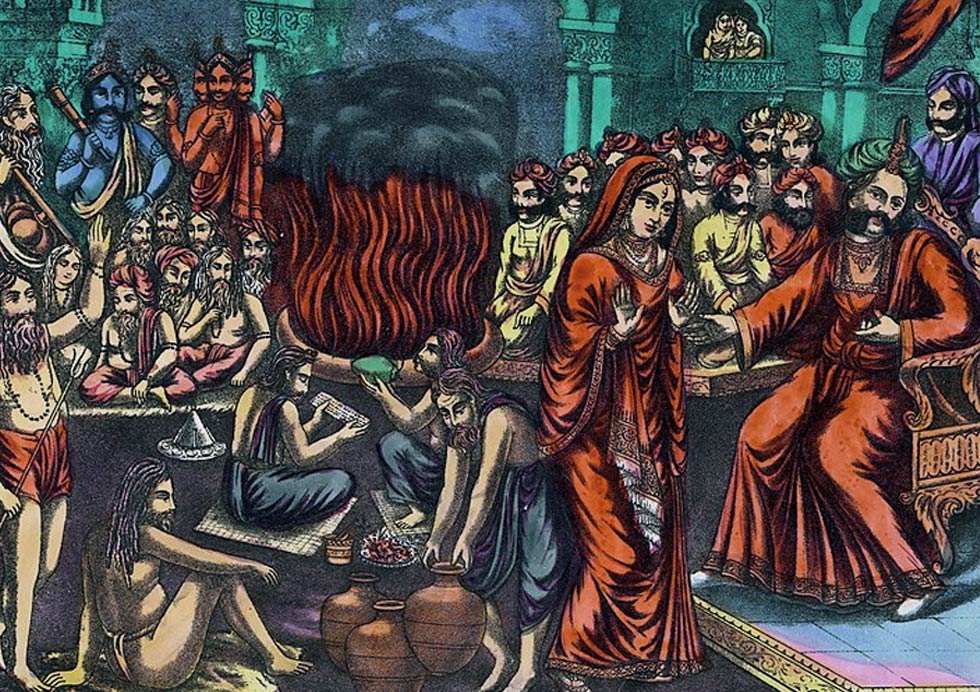
The story behind the creation of Shakti Peethas is one of the most poignant and significant in Hindu mythology. It revolves around Goddess Sati, the first consort of Lord Shiva, and her father, King Daksha. Sati, daughter of King Daksha, was married to Lord Shiva against her father’s wishes. Daksha, disapproving of this union, organised a grand yajna or sacrificial ritual but deliberately excluded Sati and Shiva from the invitation. Despite Shiva’s advice, Sati decided to attend the yajna, determined to uphold her husband’s honour.

At the yajna, Daksha publicly insulted Lord Shiva, which Sati could not bear. In a supreme act of devotion and protest, Sati invoked her yogic powers and immolated herself in the sacrificial fire. This act of self-sacrifice had profound cosmic repercussions and forms the crux of the Shaktipeetha origin story.

Upon learning of Sati’s death, Lord Shiva was overcome with grief and rage. He created two fearsome deities, Virabhadra and Bhadrakali, who wreaked havoc at Daksha’s yajna. Shiva then took up Sati’s charred body and began to perform the Tandava, the cosmic dance of destruction, across the universe. As Shiva’s dance threatened to unravel the cosmic order, the other gods appealed to Lord Vishnu to intervene. Using his divine discus, the Sudarshana Chakra, Vishnu dismembered Sati’s body into multiple pieces. These pieces fell to earth at various locations, each becoming a sacred Shakti Peetha.

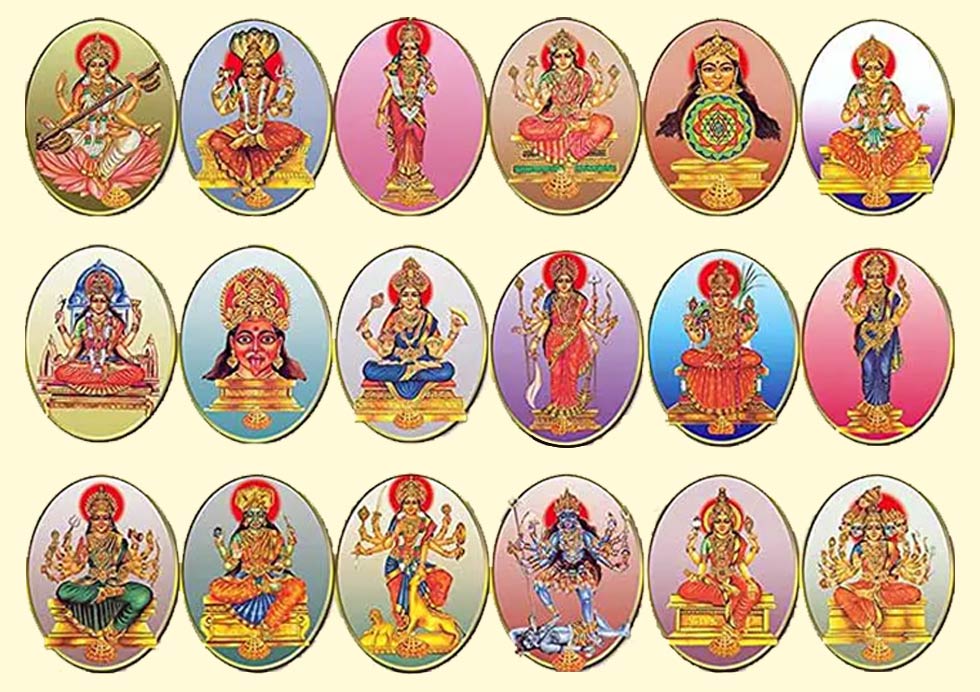
Each Shakti Peetha is believed to embody a particular form of the Goddess Shakti, representing different aspects of her divine power. These sites are not just temples but are considered to be living manifestations of the Goddess herself. The exact number of Shakti Peethas is a matter of debate among different Hindu texts. Various Puranas mention 51, 52, 64, or even 108 Shakti Peethas. However, 51 is the most commonly accepted number. These sacred sites are spread across the Indian subcontinent, with some located in present-day Bangladesh, Nepal, and Pakistan.
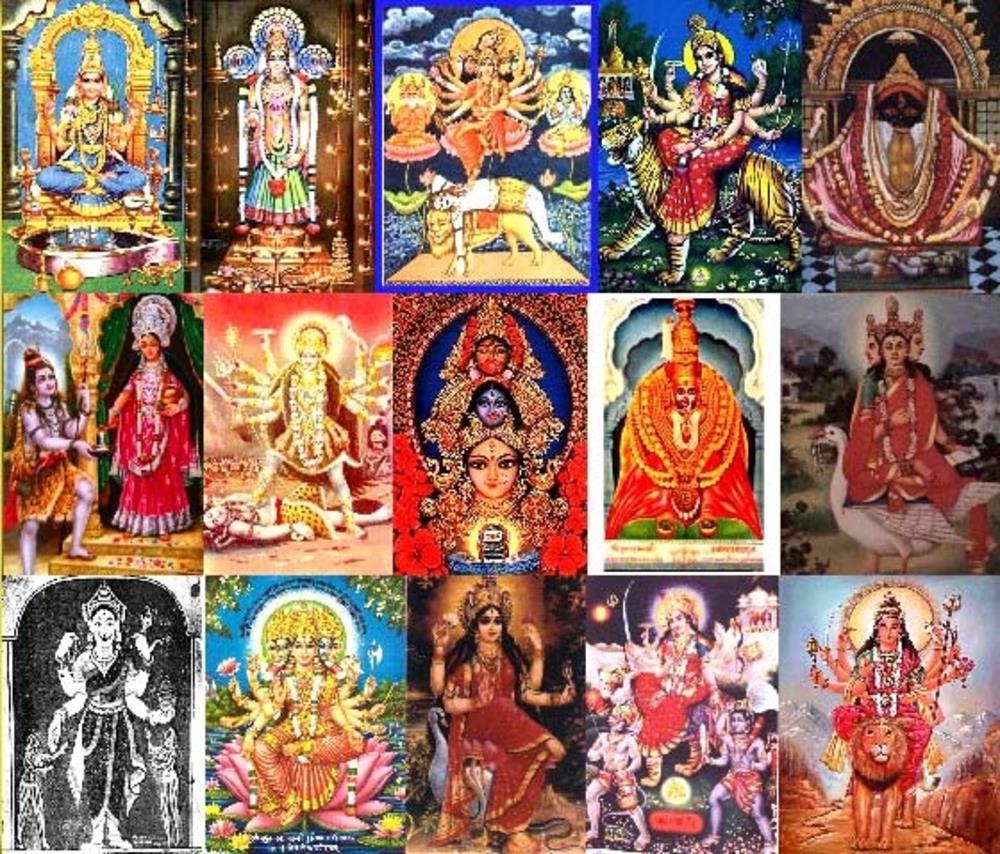
Among the Shakti Peethas, four are considered to be of paramount importance and are known as the Adi Shakti Peethas. These are the Kamakhya Temple in Assam, associated with Sati’s yoni or vagina; the Kalighat Temple in Kolkata, associated with Sati’s face; the Tara Tarini Temple in Behrampur, Odisha, associated with Sati’s chest; and the Bimala Temple in Puri, associated with Sati’s feet. These four sites are believed to be the most potent in terms of spiritual energy and are highly revered by devotees.

Shakti Peethas are not merely places of worship; they represent the fundamental concept of Shakti or divine feminine energy in Hinduism. They are considered sources of immense spiritual power and are believed to fulfil the desires of devotees who visit them with true devotion.

At each Shakti Peetha, the Goddess is worshipped in a specific form, often accompanied by a form of Bhairava, a manifestation of Lord Shiva. The worship practices can vary from one Peetha to another, but they generally involve offerings, prayers, and sometimes elaborate rituals.

Visiting the Shakti Peethas is considered a significant pilgrimage in Hinduism. Many devotees undertake arduous journeys to visit these sites, believing that such pilgrimages can lead to spiritual enlightenment, fulfilment of wishes, and liberation from the cycle of birth and death.

Many Shakti Peethas have faced challenges over the centuries, including invasions, natural disasters, and the ravages of time. Some, like those in Bangladesh, have witnessed heroic efforts by devotees to protect and preserve them. Efforts are ongoing to restore and maintain these ancient temples. Many have undergone renovations to preserve their architectural beauty while maintaining their spiritual essence. However, the challenge lies in balancing modernisation with the preservation of the temples’ historical and spiritual integrity.
Shakti Peethas are not just religious sites but also repositories of art, architecture, and cultural heritage. They often feature intricate carvings, sculptures, and architectural styles that reflect the artistic traditions of their respective regions. In the contemporary era, Shakti Peethas continue to be centres of faith and pilgrimage. They attract millions of devotees annually and play a significant role in the spiritual and cultural life of Hindus. Many Shakti Peethas have become important tourist destinations, contributing to the local economy. This has led to the development of infrastructure around these sites, making them more accessible to pilgrims and tourists alike. Some Shakti Peethas have evolved into spiritual retreats and yoga centres, offering programmes that blend traditional practices with modern wellness approaches. This evolution reflects the adaptability of these ancient sites to contemporary spiritual needs.

As we explore these Shakti Peethas, we delve into a world where myth and reality intertwine, where ancient stories come alive through stone and ritual, and where the divine feminine is celebrated in all her power and glory. These temples serve as bridges between the earthly and the divine, offering seekers a chance to connect with the primordial energy of creation. As we continue this series on Hindu temples, the Shakti Peethas serve as a profound starting point, setting the stage for an exploration of the rich and diverse world of Hindu sacred architecture and spirituality. These temples, with their deep-rooted legends and living traditions, offer a window into the heart of Hindu philosophy and practice, inviting us to discover the divine in the world around us and within ourselves. So let’s start on our journey of exploration.

Sacred Journeys: Exploring some Andhra Pradesh Temples Part 2

This is Part 2 of our temple pilgrimage to the Tirupati Balaji Temple, the Sri Padmavati Temple and the Sri Kalahasthi Temple on a road trip from Bengaluru.

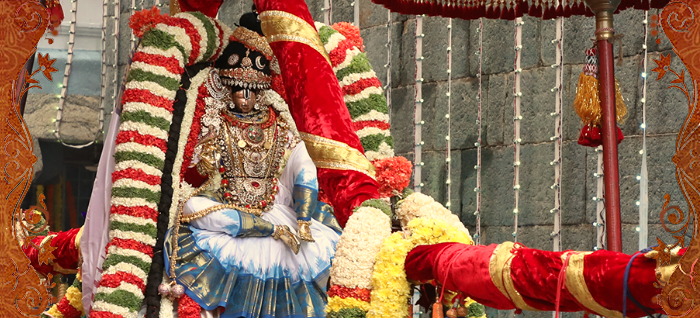
Coming down from Tirumala took almost an hour because there are speed restrictions and it took us about 45 minutes from the point of entering Tirupati to reaching the Padmavati temple. Located in Tiruchanur on the outskirts of Tirupati, the temple is under the administration of Tirumala Tirupati Devasthanams. Padmavathi or Alamelumanga is the main deity of the temple and faces the east. She is an incarnation of Goddess Lakshmi and the consort of Lord Venkateswara. It is believed that the Goddess Lakshmi was born as Alamelu to Akasha Raja, the ruler of this region, and wed Venkateshwara of Tirupati. Goddess Lakshmi gave darshan to Lord Venkateswara on a red Lotus flower or a Padma in Sanskrit at Alamelu Mangapuram after his deep penance for twelve years. According to tradition, the Mother Goddess manifested Herself in the holy Pushkarini called Padmasarovaram in a golden lotus. The Venkatachala Mahatyam states that Lord Suryanarayana was instrumental in the blossoming of the lotus in full splendour. A temple dedicated to Lord Suryanarayana is situated on the eastern side of the Pushkarini. The Padma Purana gives a vivid description of the advent of the Goddess and subsequent wedding with Lord Srinivasa. The manifestation of Sri Padmavathi Devi occurred in the month of Karthika on Sukla Paksha Panchami when the star Uttarashada was in the ascendant. The Brahmotsavam of the Goddess is celebrated with pomp and glory.

We reached the temple around 8:15 am and realised that the temple was closed after the early morning prayers and would reopen at 9 am. So while waiting, we had breakfast nearby. After breakfast, we brought the tickets for the express queue which were for about Rs 200 per person and started waiting. As with Tirumala, our belongings were scanned and all mobile phones asked to be deposited at a counter. My parents were sent on ahead in the senior citizen queue. The queue took about 20 minutes to reach the goddess who was beautiful! We had a very good darshan and then waited for my parents to come, after which we rushed to the last temple in our itinerary, the Sri Kalahasthi temple.

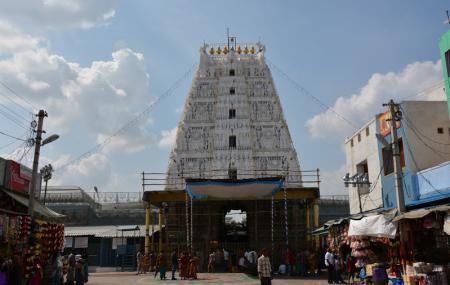
The only photo I could click in the of a temple in the entire tripSriKalahasthi Temple

By the time we finished with the Padmavati temple, the time was nearly 10:45 am. On Friday, the day we were to go to the SriKalahasthi temple, the Rahu Kalam was between 10:30 am to 12 noon and I wanted to visit the temple during this time. Located in the town of Srikalahasti, about 40 km from the Padmavati temple, the temple is one of the most famous Shiva temples in South India and is said to be the site where Kannappa was ready to offer both his eyes to cover the blood flowing from the linga before Lord Shiva stopped him and granted him moksha. It is also famous for its Vayu or Wind Lingam, one of the Panchabhoota Sthalams, representing wind. The temple is also regarded as a Rahu-Ketu kshetra and Dakshina Kailasam. The inner temple was constructed around the 5th century and the outer temple was constructed in the 11th century by the Rajendra Chola I, later Chola kings and the Vijayanagara kings. Shiva in his aspect as Vayu is worshipped as Kalahasteeswara. This is the only temple in India which remains open during Solar and lunar eclipses, while, all other temples are closed. This temple is famous for Rahu-Kethu pooja where it is believed that performing this pooja will ward the people from the astrological effects of Rahu and Kethu.

Goddess Parvati is enshrined in the temple as Shiva-Gnanam Gnana Prasunamba or Gnana Prasunambika Devi. According to legend, Lord Shiva’s consort Goddess Parvati was cursed by him to discard her divine form and assume human form. To atone, Parvati performed penance at Srikalahasti and pleased Shiva. Shiva granted her a heavenly body, a hundred times better than her previous divine form. Cursed to become a ghost, Ghanakala prayed at Srikalahasti for 15 years and after chanting the Bhairava Mantra, Shiva restored her original form.

On reaching the temple, I was praying hard to Lord Shiva that we make it to the sanctum sanctorum before Rahu Kalam ends. Our driver was god-sent and raced down and made sure we reached and prayed to the Lord just as it turned noon. He also spoke to someone at the temple entrance and got us to alight at the VIP entrance. He also spoke to an employee who, on payment, became our guide and took us on a very good tour of the temple without standing in any line and also procured a wheelchair for my father. Goddess Parvati was decked out in gold and this is something only done twice a week, on Mondays and Fridays and we were fortunate to have a glimpse of the Goddess in this form. At this temple also, we were asked to deposit our phones and electronic devices, so I could not take any photos anywhere.

After an hour spent in the temple, we finally exited the temple and started our journey back to Bengaluru. The journey back to Bengaluru was uneventful and took us about seven hours because just as we entered the city, we caught the evening rush hour which added another hour to the journey. We had lunch at the same place we had brunch the day before and our next meal was at our home. We all slept a fair bit of the drive back and were pretty exhausted by the time we hit the bed. But our hearts were full because of the amazing darshans we had. I was happy that I could facilitate this trip for my parents. Hopefully, we can make another trip to all these temples again and soon.

Sacred Journeys: Exploring some Andhra Pradesh Temples Part 1

During our recent trip to India, my father wanted to visit my family’s ancestral temple or Kuladevta. A Kuladevta is is a clan deity or an ancestral tutelary deity in Hinduism and Jainism. Such a deity is often the object of one’s devotion and is coaxed to watch over one’s clan, gotra, family, and children from misfortune. This is distinct from an ishta-devata or personal tutelar and a grama devata or village deity. Male kula devatas are sometimes referred to as kuladeva, while their female counterparts are called kuladevi. The word kula devata is derived from two words: kula, meaning clan, and devata, meaning deity, referring to the ancestral deities that are worshipped by particular clans.

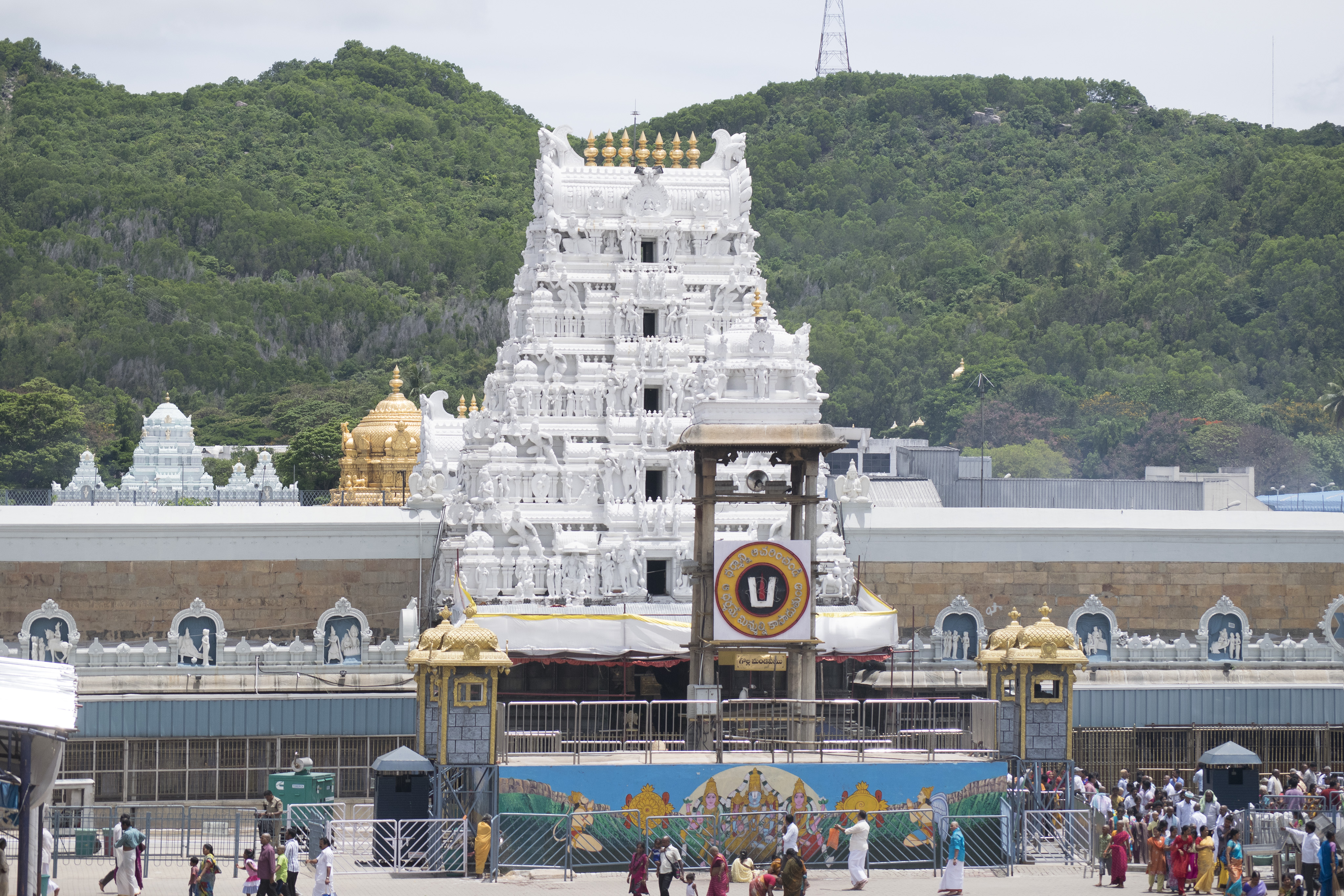
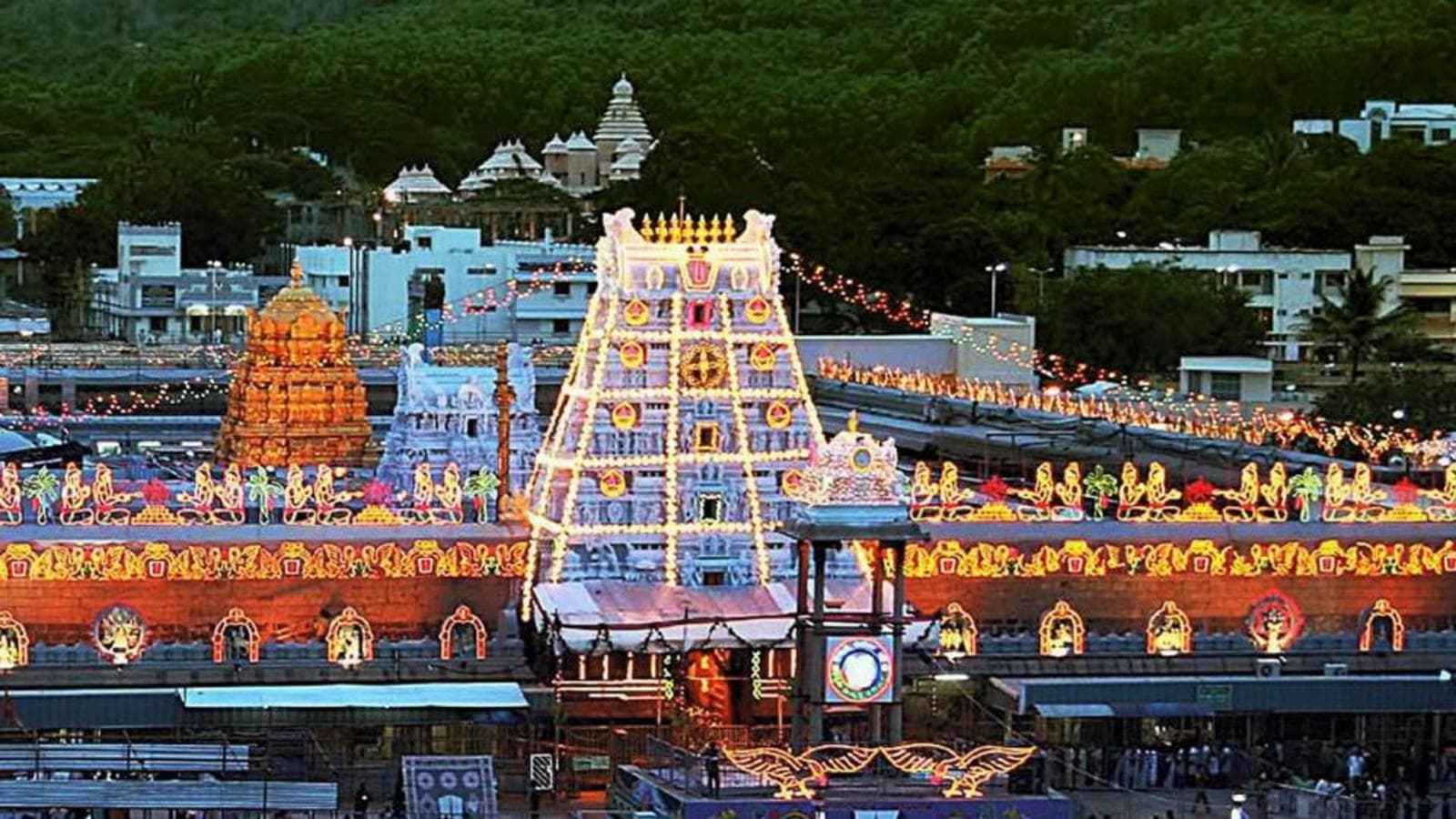
In my father’s family, Tirupati Balaji is the kuladevta and so he wanted to make one last trip to see the Lord before he becomes unable to travel at all. Tirupati is about 280 km from where they live on the outskirts of Bengaluru and we decided to hire a car with a driver to take us there. The driver was very experienced and since he usually makes at least three trips to Tirumala and Tirupati weekly, he knew all the ins and outs of the temple and was able to guide us accordingly.

By the time we left Bengaluru, it was almost 7 am and it took us almost two hours to navigate the city and get into the Bengaluru-Tirupati Highway. The highway, especially the part that falls in the state of Andhra Pradesh was a super smooth six-lane highway with extremely good roads that could be driven at 100 kph. For those travelling from Bengaluru to Tirupati, I can recommend Hotel Sapthagiri as a rest stop for lunch or brunch. We stopped here both ways and I found the food good and reasonable, and most importantly during a road trip, the restrooms are clean and useable. Travelling from Bengaluru to Tirupati, the restaurant is on the side towards Tirupati and comes just after the toll plaza and is about 30ish minutes before Tirupati. We had breakfast before leaving home and stopped there around 10:30 am for an early lunch or brunch.

After a brunch stop, we continued on our journey and then I had my first surprise. On reaching the town of Tirupati, at the turn-off to Tirumala, we saw many people in other vehicles getting down with their luggage and walking. I was very curious but realised very soon that, just like you clear customs and immigration when you go from one country to another, just like that, before entering Tirumala, you need to get out of your vehicle, carry all your luggage and get them scanned, before getting a pat-down. While this is going on, your vehicle also gets a scan and then once everyone and everything is cleared, you are allowed to sit back in your vehicle and start the journey up the seven hills. Since my parents were old, they were allowed to remain in the car and were scanned along with the vehicle. This whole process reminded me of clearing customs in Singapore and Malaysia when we travel between the two countries by public transport. Tirumala is also a plastic free zone and our driver told us that plastic water bottles are asked to be binned at this point. But our bottles went through, though it may be because they were not single use bottles. From the time we reached the checkpoint to the time we were allowed to resume our journey, it took us about 20-25 minutes. According to our driver, this was the off-season and during the peak season, this process can easily take an hour or more.

The time taken from the checkpoint to Tirumala takes about 30 minutes and once at the top, we went to leave my parents to a special senior citizens queue. We had gotten the agency that supplied us with the car and vehicle to get us special tickets for my parents under the senior citizen scheme and for us under the NRI scheme. But don’t think this meant we got special privileges. The cost of all the tickets was Rs 300 each and all this meant was that we were in a different line and instead of spending about five hours, we spent about three hours in the line. This queue is also available to others and most of the people in the line with us looked to be locals, so I am not sure how we were in a special line.

After dropping off my parents, we went to secure our room. An aunt’s friend who is a frequent temple visitor got us one room, but we were six people and the second room was only available from midnight. After securing the room, we were dropped off for our darshan queue.

All the temples we visited are electronic-free zones and we had to leave our phones in the car with the driver. At some point in the line, our bags were scanned and there was a power bank in my bag that I forgot to remove. I was asked about it and when I explained that there are no phones in the bag, a senior official was called and even though I was thinking of giving up the power bank if needed, they allowed me to keep it. But the problem with not having any mobile phones during the darshan meant that after we came out, we needed to get access to a phone to call the driver. But according to him, most employees are more than happy to share their phones with us and this is what happened to us. While getting the famous laddoos, we asked someone working there if we can use their phone and they obliged. And this was useful because we were looking for my parents and after speaking to the driver, we learnt that they were already in the vehicle.

After the darshan, we reached our room which was on the second floor. This was a problem because there was no lift and my father who was already exhausted by this point could not walk up. After trying to reason with the person giving the keys to the guest house, we tried to get him to walk up, but after seeing him, another employee got the first employee to speak with the main booking office and finally shifted us to a room on the ground floor. After resting for a while, we adults went out because my father wanted to do a hair tonsure which is free. The barbers ask for some money which we are supposed to give discreetly because the room is fitted with CCTV cameras and there are signs which remind pilgrims not to pay the barbers as they are salaried. After that, we brought some food and went back to a room that was meant for three people, but was going to sleep six people now. The guest house refused to give us an extra mattress or even extra pillows or sheets, so we made do with what was available.

Tirumala is incredibly clean and where we stayed was close to some houses, where even at 9 pm, we saw women washing their doorsteps and putting rangoli which seemed odd to us as usually this is only done first thing in the morning. Also there are RO water machines everywhere and pilgrims can refill their water bottles throughout the temple complex. We spent a sleepless night except for the children who shared a bed and we four adults shared the double bed. After the sleepless night, we woke up early and after getting some coffee, left the room around 6:45 am to go to our next temple, the Padmavati temple.

Please watch this space for Part 2 where we visit two more temples.