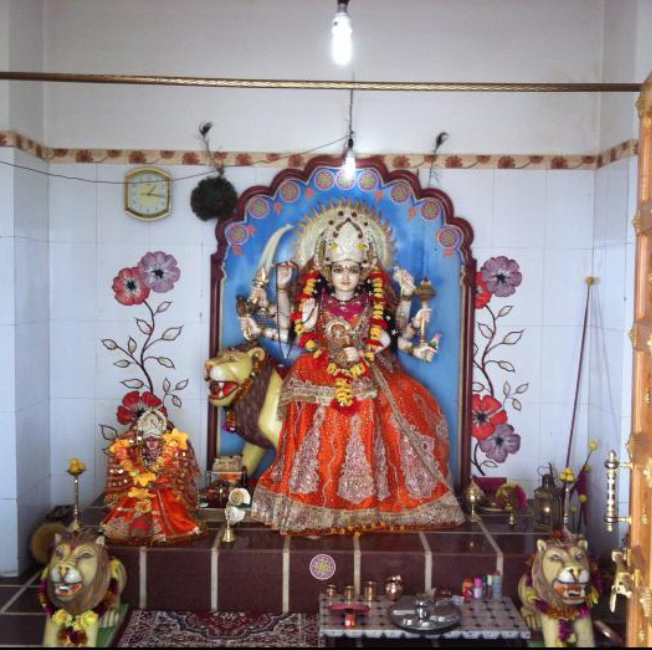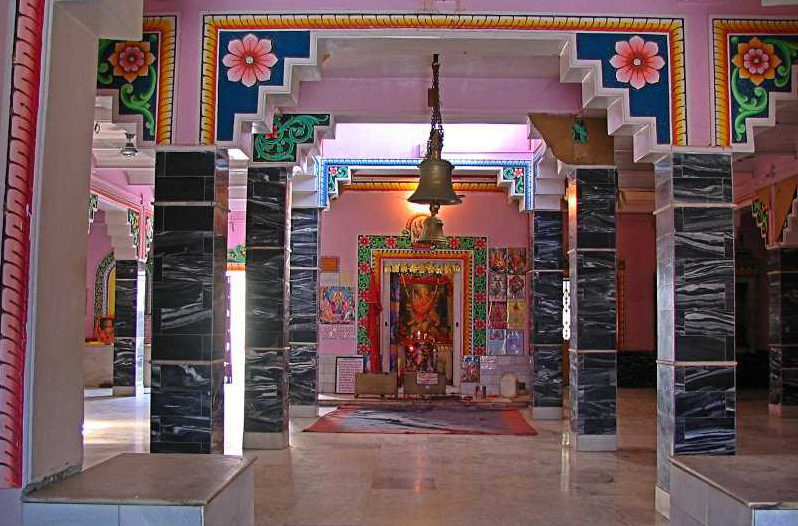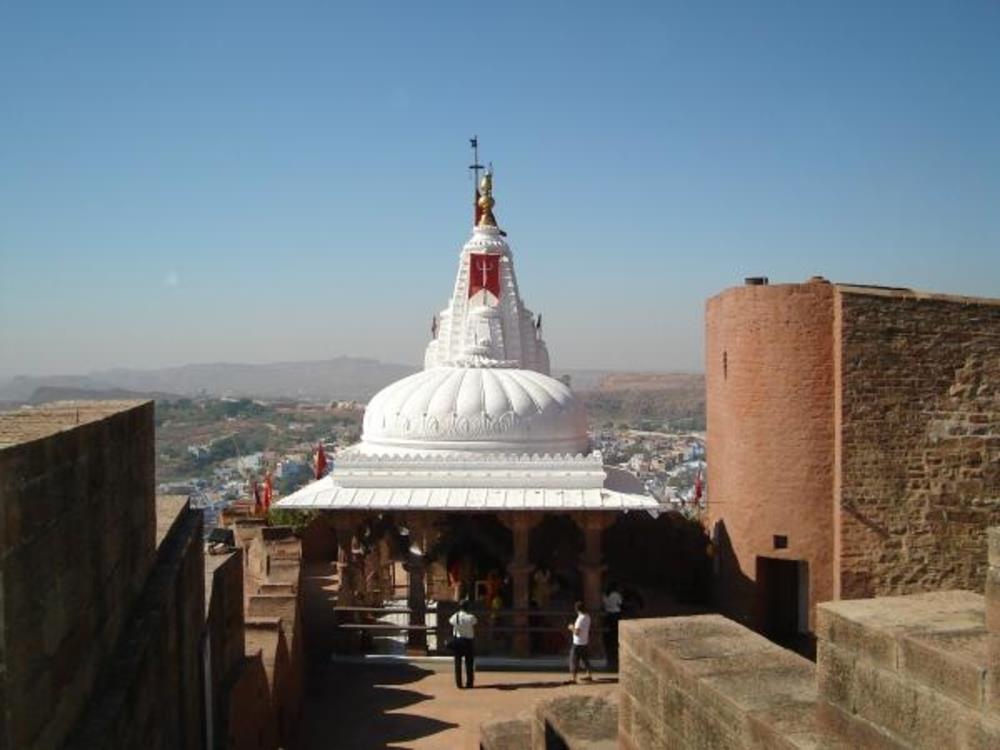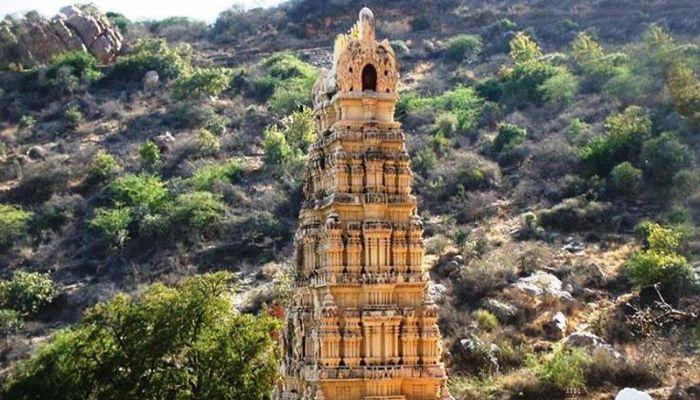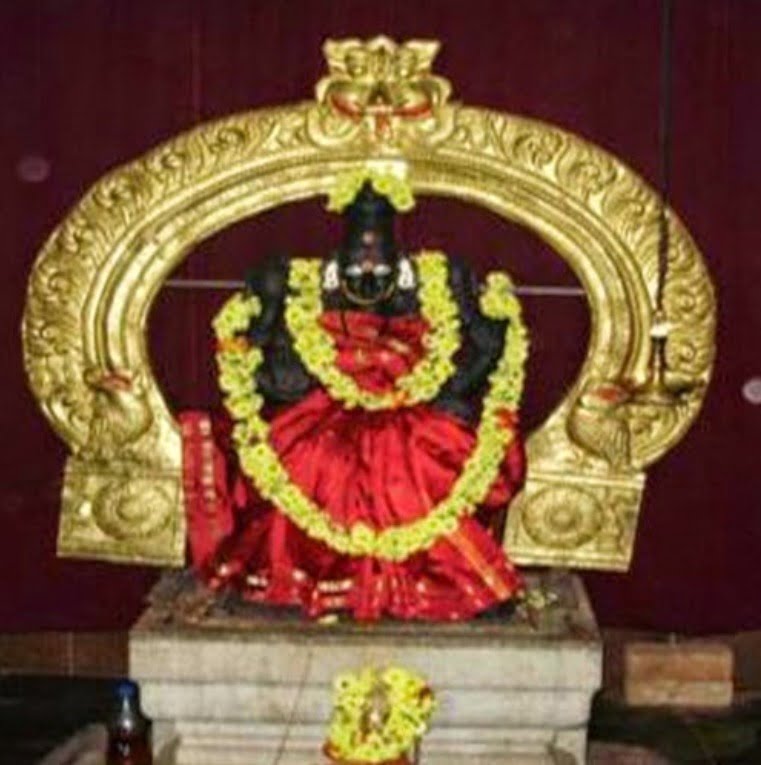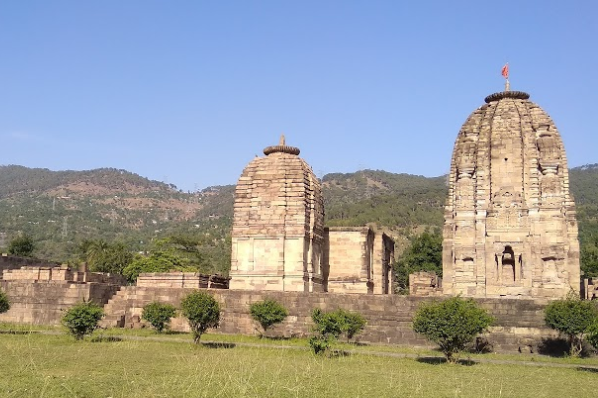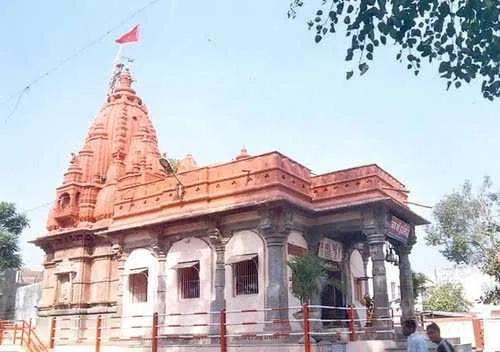
Sacred Stones, Spaces, and Stories: Shakthipeeta Part 8

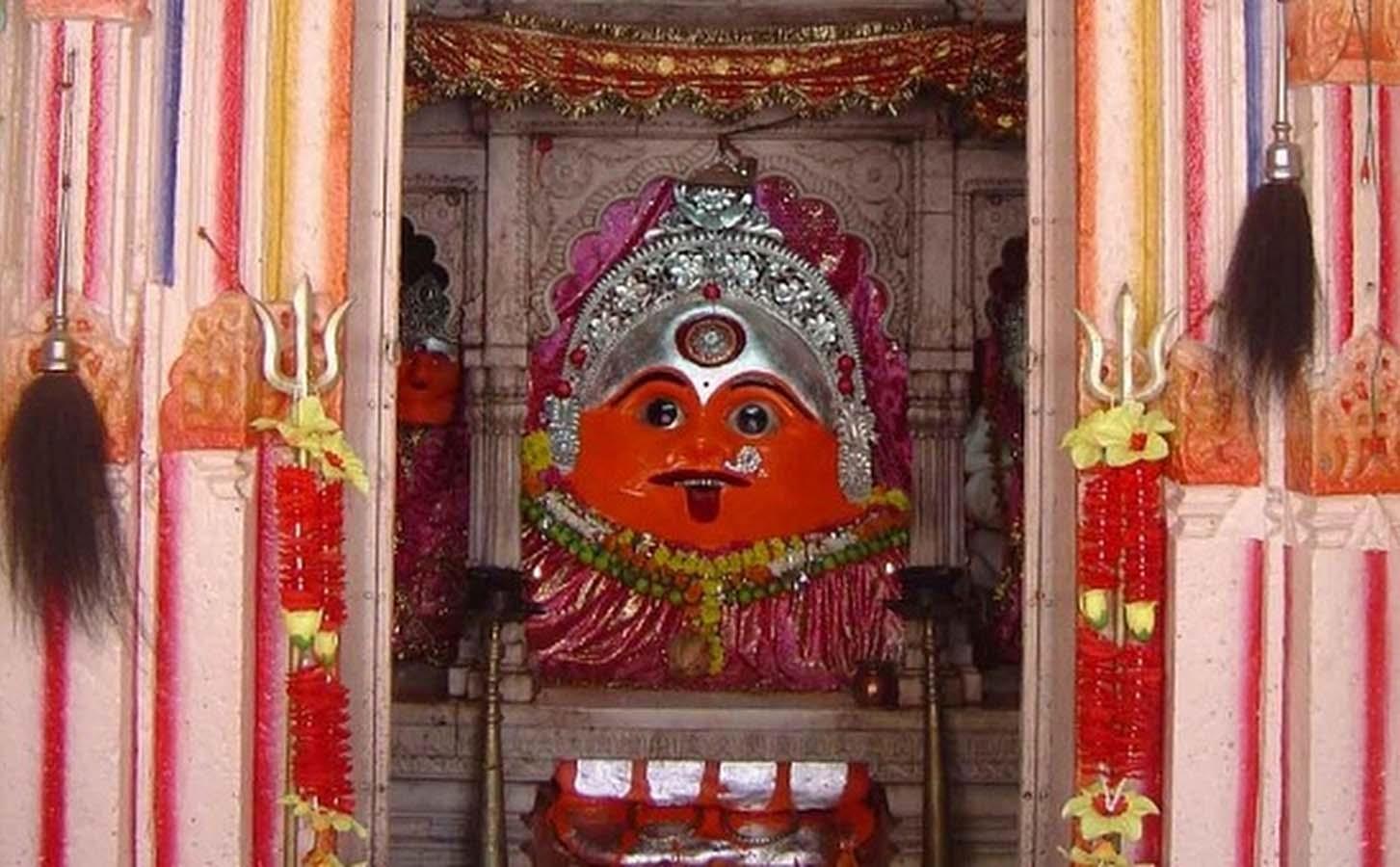
Nainadevi Temple, Nainadevi, Himachal Pradesh
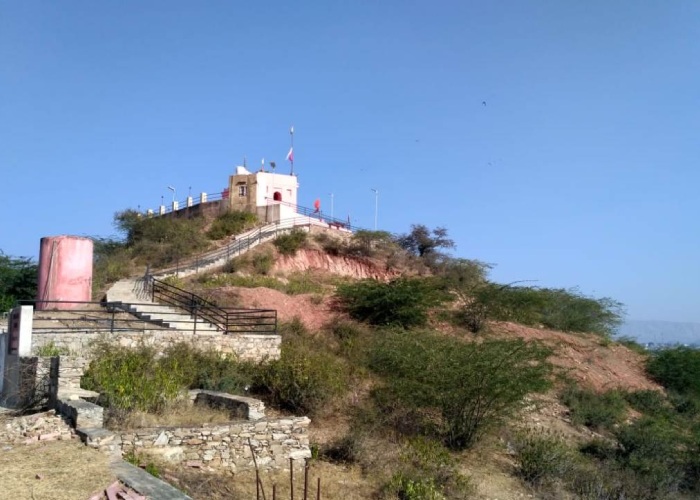
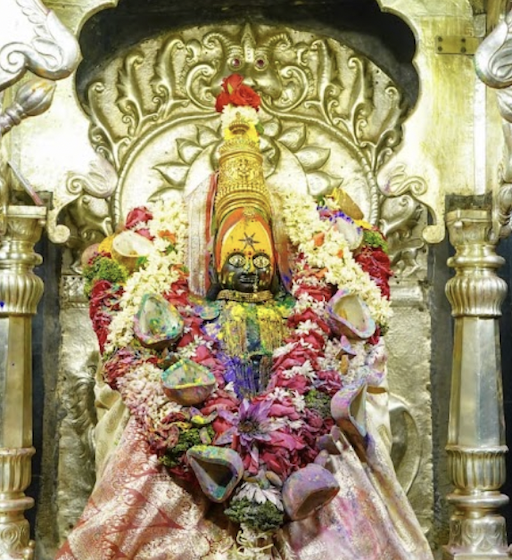
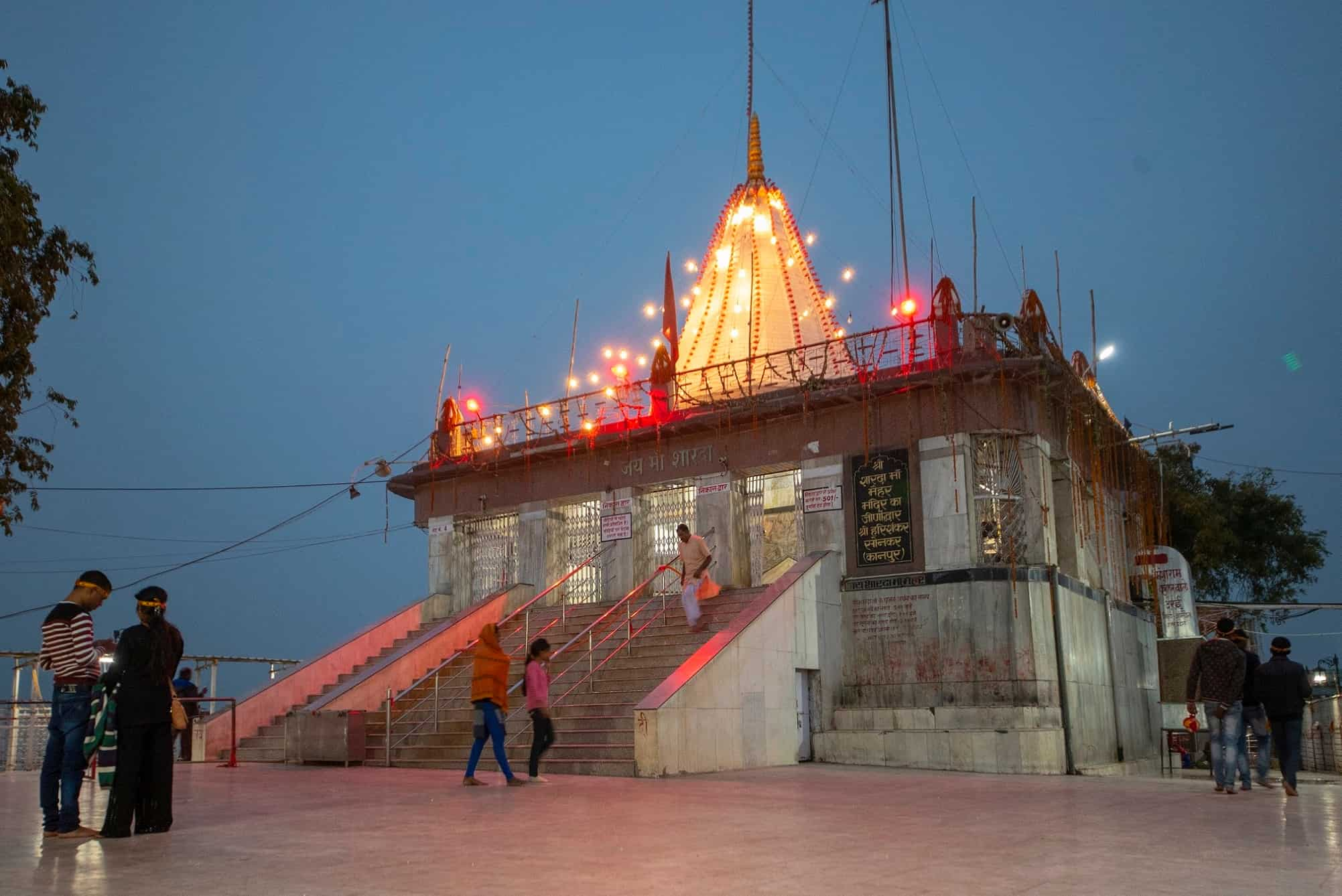
Nestled atop a triangular hill in the Bilaspur district, the Naina Devi Temple is an ancient shrine, dedicated to Goddess Naina Devi. The origins of the temple stretch back in time, with its spiritual significance predating recorded history. While the exact date of its establishment remains uncertain, legends trace its roots to ancient times. One account attributes the temple’s construction to Raja Bir Chand in the 8th century, adding layers of historical depth to this sacred site.

The temple’s location, perched at an altitude of approximately 1,177 m above sea level, offers breathtaking views of the surrounding landscape, including the Holy Anandpur Sahib Gurudwara on one side and the Gobind Sagar Lake on the other.

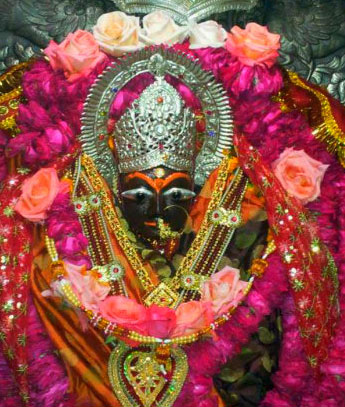
This site is said to mark the spot where the eyes of Goddess Sati fell. The name Naina means eyes in Sanskrit, connecting to the legend of Sati’s eyes falling at this location. The temple is also known as Mahishapeeth because of the defeat of the demon Mahishasur by the Goddess. According to legend, Mahishasur was a powerful demon who was blessed with the boon of immortality by Lord Brahma, but the condition was that he could be defeated only by an unmarried woman. Due to this boon, Mahishasur started spreading terror on earth and the heaven. To cope with the demon, all Gods combined their powers and created a Devi to defeat him. The Devi was gifted different types of weapons by all Gods. When Mahishasur got mesmerised by the immense beauty of Devi and proposed her to marry him. Devi told him that she would marry him if he would overpower her. During the battle, Devi defeated the demon and took out both his eyes. This urged Gods to happily applaud Jai Naina and hence the name. The Shakti at Naina Devi Temple is called Mahishamardini Devi and the bhairav is known as Krodhishwar.

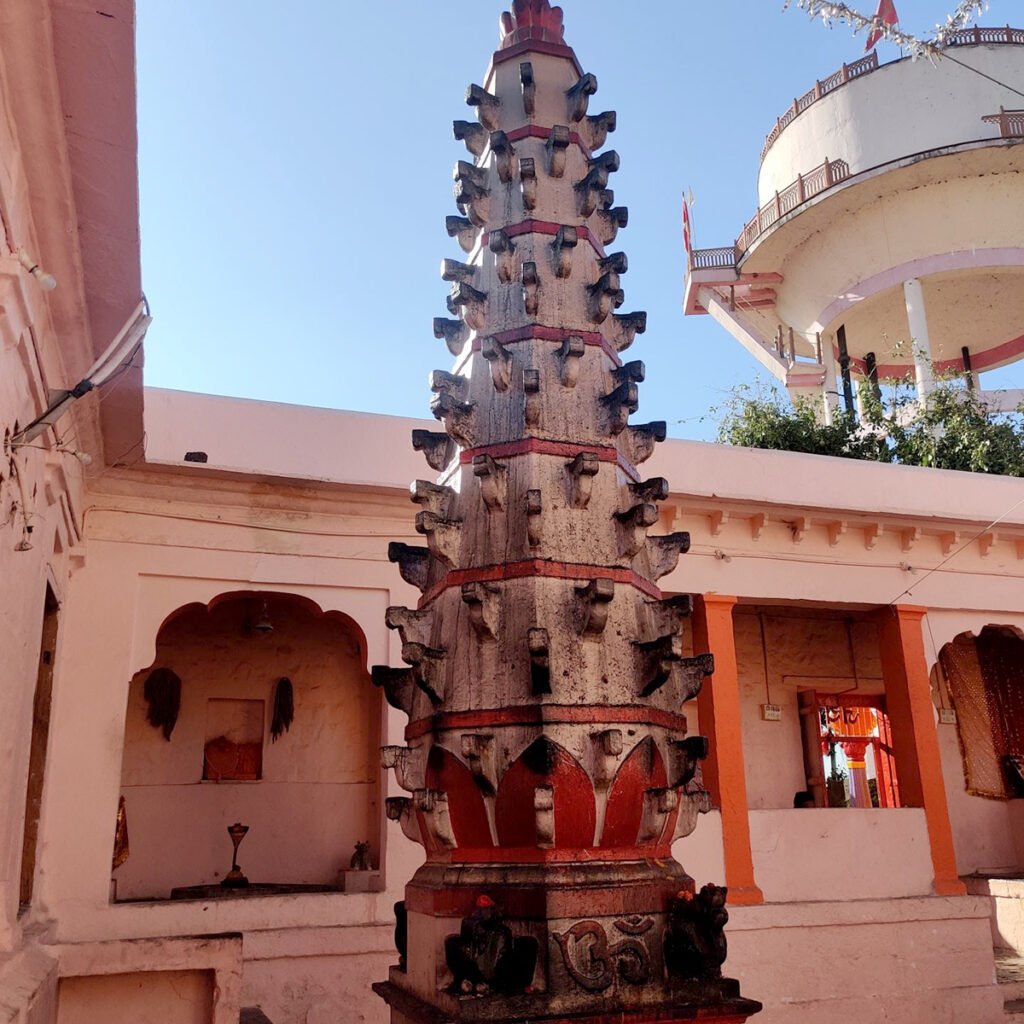
The main shrine reveals images of three deities. Goddess Kali can be traced on the extreme left, the image of Naina Devi is visible in the centre, while Lord Ganesha is on the right side. After crossing the main gate of the shrine, two striking statues of lions are visible, symbolising the goddess’s power and protection. The temple complex houses a huge Peepal tree that is said to have been present for many centuries, adding to the site’s historical and spiritual ambience. On the right side of the entrance to the main shrine, idols of Lord Hanuman and Lord Ganesha are placed, welcoming devotees. Close to the main shrine, there is a small cave known as Shri Naina Devi Cave, adding an element of mystery and spiritual intrigue to the site. In recent times, a cable car facility has been launched to make the journey to the hilltop temple easier and more enjoyable for pilgrims.

The temple comes alive during its numerous festivals and special occasions. Navaratri is celebrated with great fervour at the temple. It attracts devotees from all over the country, with special pujas performed each day to honour the nine forms of the goddess. The Chaitra Purnima Fair is held each year on the full moon of Chaitra, usually in April, drawing large crowds of devotees and tourists alike. Shravan Ashtami is celebrated in July-August and sees a significant influx of pilgrims seeking the goddess’s blessings. On Bhadrapad Shukla Ashtami, a statue immersion ceremony has been celebrated since 1918-19, similar to practices in Maharashtra and West Bengal.

According to local lore, a Gujjar boy named Naina once observed a white cow showering milk on a particular stone while grazing his cattle. This phenomenon repeated for several days. One night, the boy had a dream where the Goddess claimed that the stone was her Pindi or symbolic representation. Upon hearing this story, Raja Bir Chand, convinced by the divine sign, decided to construct the temple atop the hill. A variation of the above legend speaks of Raja Bir Chand himself witnessing the miracle of the white cow showering milk on the stone, leading to his decision to build the temple.

Another intriguing tale suggests that when Raja Bir Chand decided to build a temple for the goddess in the plains, she agreed on the condition that he should not look back while leading her down the hill. Unable to resist his curiosity, the king peeped back, causing the goddess to stop at the current temple site. It is believed that the goddess has the divine power to grant the boon of offspring to those who passionately seek her favor, making the temple a popular pilgrimage site for couples hoping to conceive.

As one stands in the temple courtyard, surrounded by centuries of devotion and the echoes of ancient rituals, one can’t help but feel a connection to the spiritual heritage that has shaped this land for millennia. The Naina Devi Temple, with its blend of myth, history, and living faith, invites all who visit to partake in its timeless spiritual journey.

Chhinnamastika Temple, Chintpurni, Himachal Pradesh
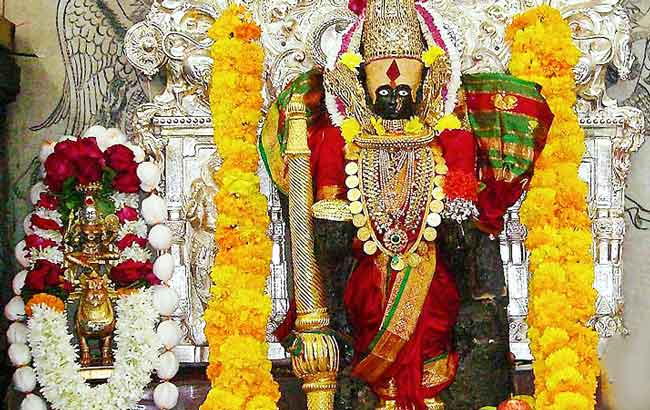
Located in the beautiful hills of Una, the Chhinnamastika Temple in Chintpurni is dedicated to Goddess Chhinnamastika. The temple’s origins predate recorded history and while the exact date of its establishment remains uncertain, local tradition attributes the temple’s founding to Pandit Mai Das, a Saraswat Brahmin, about 12 generations ago, approximately 300 years back. Over time, the village of Chhaproh where the temple was established came to be known as Chintpurni, after the eponymous deity. The temple’s location atop a hill not only provides a serene atmosphere for worship but also offers panoramic views of the surrounding landscape, enhancing the spiritual experience for devotees.

The temple is where the foot of Sati is said to have fallen. The Shakti at the Chhinnamastika Temple is known as Chhinnamastika Devi while the bhairava is known as Rudra Mahadeva. According to Markandeya Purana, goddess Chandi defeated the demons after a fierce battle but two of her yogini emanations, Jaya and Vijaya, were still thirsty for more blood. Goddess Chandi cut off her own head to quench Jaya and Vijaya’s thirst for more blood. Chhinnamasta, the headless goddess, is the great cosmic power who helps the sincere and devoted yogi to dissolve his or her mind, including all the preconceived ideas, attachments and habits into the pure divine consciousness. Cutting off the head suggests the separation of the mind from the body, that is the freedom of the consciousness from the material confines of the physical body.

According to Puranic traditions, Chhinnamastika Mata will be protected by Shiva – Rudra Mahadev in the four directions. There are four Shiva temples – Kaleshwar Mahadev in the east, Narayhana Mahadev in the west, Muchkund Mahadev in the north and Shiva Bari in the south – which are nearly equidistant from Chintpurni. In the garbha griha, the sanctum sanctorum of the temple, the image of Mata Chintpurni is installed in the form of a pindi – a round-shaped stone. The main shrine reveals images of three deities, the goddess flanked by her attendants, Jaya and Vijaya. Unlike many Hindu temples with elaborate idols, the main deity here is represented by the pindi, emphasising the formless aspect of the divine.

The temple comes alive during its numerous festivals and special occasions, including Navratri and Makar Sankranti. Observed on the Chaturdashi during the Shukla Paksha of the Vaishakha month, Chhinnamasta Jayanti commemorates the day when Goddess Shakti took the form of Mata Chhinnamasta. A fair is arranged during this auspicious celebration. Maha Shivaratri is also observed at the temple, highlighting the connection between Shiva and Shakti.

Another legend tells of Goddess Parvati bathing in the Mandakini river with her attendants. Losing track of time, she failed to notice her companions’ growing hunger. When she finally realized their plight, she beheaded herself to feed them with her blood. A variation of the bathing story tells that after slaying demons and drinking their blood, Goddess Chandi’s companions Jaya and Vijaya were still thirsty. The goddess then cut off her own head to satisfy their thirst. An oral tradition connects Chhinnamasta to the Samudra Manthan or the churning of the ocean episode. It’s said that she drank the demons’ share of the elixir of immortality and then beheaded herself to prevent them from acquiring it.

The Chhinnamastika Temple, with its blend of myth, history, and living faith, invites all who visit to partake in its timeless spiritual journey. The temple’s significance extends beyond its religious importance. It serves as a cultural centre, preserving ancient traditions and fostering community bonds.

Mahamaya Temple, Amarnath, Jammu & Kashmir
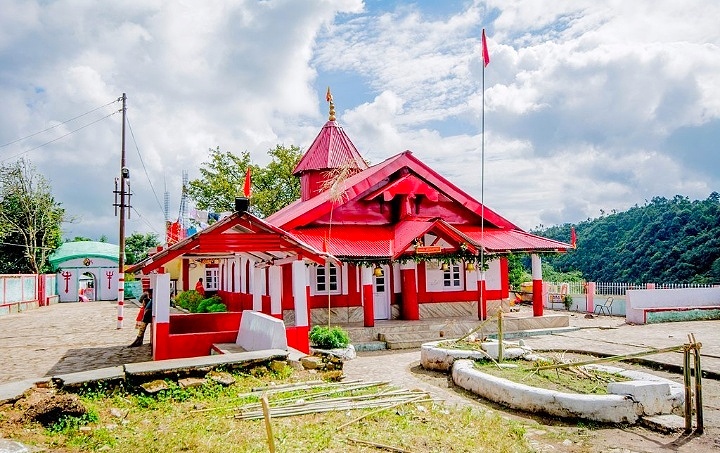
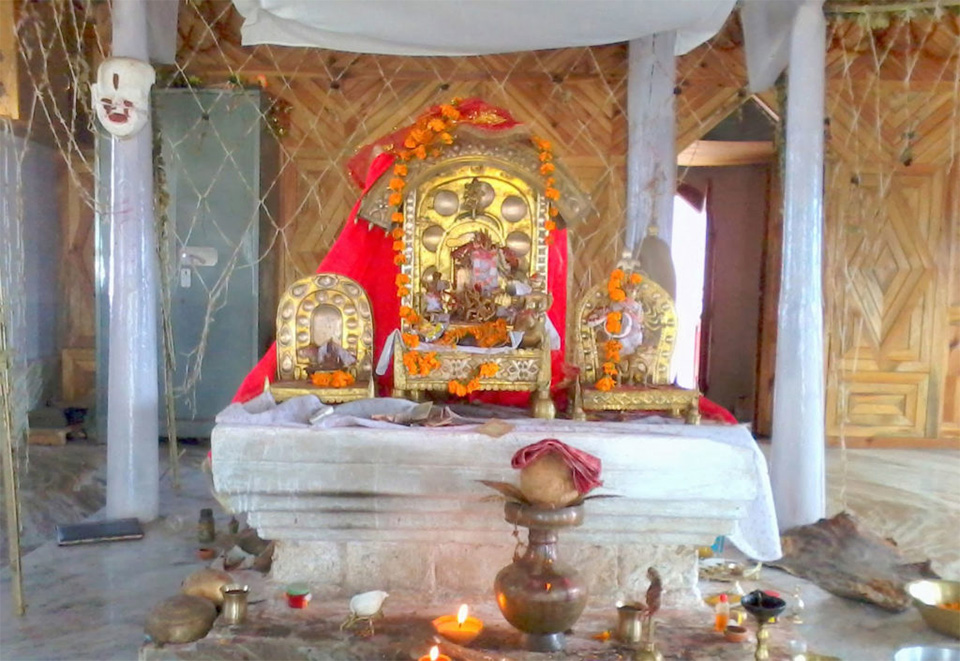
Located within the holy Amarnath Caves, the Mahamaya Temple lies at an altitude of 3,888 m and is believed to be over 5,000 years old. While the exact date of its establishment is unknown, the site’s sacred status stretches back millennia. The Amarnath cave itself is renowned for its naturally formed ice lingam, representing Lord Shiva, which forms each year. According to legend, it was in this cave that Lord Shiva imparted the secret of immortality to his consort Parvati.

A fascinating story from the 15th century adds another layer to the shrine’s history. It is said that a shepherd named Buta Mallik encountered a saint who gave him a bag of coal. Miraculously, upon reaching home, Buta found the coal had transformed into gold. When he returned to thank the saint, he instead discovered the holy cave containing the Shiva Linga. This tale spread, leading to increased worship at the site.

It is believed that Sati’s throat fell at this location, making devotees worship her as Mahamaya or the great illusion. The Bhairava is called Trisandhyeshwar.

Unlike many elaborate temple structures, the shrine is housed within a natural cave. The primary objects of worship – the ice lingam and the Shakti Peetha – are naturally formed. The journey to Amarnath is considered one of the most arduous pilgrimages in Hinduism. The difficult trek through snow-covered terrain is seen as a test of devotion and adds to the spiritual merit of visiting the shrine. Due to its high-altitude location, the shrine is only accessible for a short period during the summer months when the snow melts enough to allow pilgrims to make the journey. The site uniquely combines worship of both Shiva, in the form of the ice lingam, and Shakti, as the Mahamaya Peetha, making it significant for devotees of both deities.

The primary ritual for pilgrims is to have darshan or the sacred viewing of the naturally formed ice lingam, which represents Lord Shiva. Devotees offer prayers and perform rituals dedicated to Goddess Mahamaya, seeking her blessings and divine protection. A unique aspect of worship at this shrine is the offering of Vibhuti or sacred ash as prasad or offering to devotees. This ash is believed to carry the blessings of both Shiva and Shakti. The cave’s serene and spiritually charged atmosphere makes it an ideal place for meditation and the chanting of sacred mantras. The entire pilgrimage to Amarnath is filled with various rituals, from preparatory prayers before beginning the journey to specific observances along the trek.

The most significant period for the Mahamaya Shakti Peeth is during the annual Amarnath Yatra, which typically occurs in July and August. This pilgrimage attracts thousands of devotees who brave the challenging conditions to seek blessings at this sacred site. The month of Shravan in the Hindu calendar usually falls in July-August and is considered especially auspicious for the worship of Lord Shiva and visits to the shrine. While the shrine is not accessible during Maha Shivaratri, it is still an important day of worship and remembrance for devotees of the Amarnath shrine.

It is said that Lord Shiva chose this secluded cave to reveal the secret of immortality to Goddess Parvati, highlighting the site’s connection to profound spiritual wisdom. The tale of Buta Mallik’s miraculous encounter leading to the rediscovery of the holy cave in the 15th century adds a touch of wonder to the shrine’s history. Local legends speak of the goddess Mahamaya’s protective presence over the entire Amarnath region, safeguarding pilgrims on their arduous journey. Some interpretations suggest that the melting and reforming of the ice lingam each year symbolises the cycle of creation and dissolution in the universe, reflecting deep philosophical concepts.

The Mahamaya Shakti Peeth in Amarnath’s unique position high in the Himalayas, its naturally formed objects of worship, and its rich tapestry of legends and spiritual significance make it a truly special place in the landscape of Hindu pilgrimage sites. The story of the Mahamaya Shakti Peeth is ultimately a story of the meeting of earth and sky, of human devotion and divine grace. It teaches us about the power of faith to overcome obstacles, the importance of preserving our natural and spiritual heritage, and the eternal presence of the divine feminine in the cosmic dance of creation.

Sacred Stones, Spaces, and Stories: Shakthipeeta Part 7

Chandrabhaga Temple, Somnath, Gujarat
Located within the sacred complex of the Somnath Temple, the Chandrabhaga Temple stands as a unique and enigmatic Shakti Peetha. Unlike many other elaborate temples, this sacred site presents itself in a surprisingly modest form, challenging our conventional notions of what constitutes a temple.

The origins of the Chandrabhaga Temple are shrouded in antiquity, intertwined with the rich tapestry of myths and legends that surround the Somnath complex. While the exact date of its establishment remains elusive, its spiritual significance stretches back millennia, predating many of the structures in the area.
The temple’s name, Chandrabhaga, carries deep meaning. Chandra refers to the moon, while bhaga can be interpreted as a part or portion. This name is intimately connected to the legend of Chandra Dev, the Moon God and his interactions with Lord Shiva at Somnath.

According to tradition, the temple marks the spot where Sati’s Udara or stomach fell. What sets this Shakti Peetha apart is its unique form. Unlike most temples that house elaborate structures and idols, the Chandrabhaga Shakti Peetha is essentially the confluence of three rivers – Hiran, Kapila, and Saraswati. This Triveni Sangam or meeting point of three rivers, is considered the actual Shakti Peetha. At Chandrabhaga, the Bhairava is known as Vakratunda. The name Vakratunda, meaning one with a curved trunk, is intriguing, as it’s more commonly associated with Lord Ganesha. The goddess here is worshipped as Chandrabhaga, embodying the divine feminine energy in its cosmic form. However, it’s important to note that there is no specific idol or structure dedicated to the goddess at this site.

Unlike most Shakti Peethas, there is no dedicated temple structure for Goddess Chandrabhaga. The confluence of rivers itself is considered the sacred site. While the main shrine is absent, there are remnants of old temples in the vicinity. These include the Sitaleshwar Temple, Shiva Temple, Vishnu Temple, Kalika Devi Temple, also known as Navadurga Temple, and a Ganesha Mandapa. A banyan tree at the site is considered highly auspicious. It’s believed to symbolise the Trimurti of Lord Vishnu, Lord Shiva, and Lord Brahma, and is associated with life, fertility, and wish-fulfillment. The focus of devotion here is the river itself, with devotees considering the act of bathing in the Chandrabhaga as a sacred ritual. During the reconstruction of the Somnath Jyotirlinga, the trustees reportedly overlooked or chose not to rebuild the Devi shrine, leaving it in its current state. The month of Kartik sees a surge in devotees who come to bathe in the river and light lamps, following an ancient tradition.

The most prominent legend associated with this site is that of Chandra Dev or the Moon God. Cursed by his father-in-law Daksha Prajapati to lose his luster, Chandra came to Somnath and prayed to Lord Shiva. Pleased with his devotion, Shiva partially lifted the curse, allowing Chandra to wax and wane rather than remain permanently dimmed. In gratitude, Chandra built the first temple to Shiva at Somnath. The name Chandrabhaga is believed to have originated from this legend, representing the portion or bhaga of the moon or Chandra that was saved by Lord Shiva’s grace. One intriguing tale speaks of a Nataraja idol in the temple complex that supposedly floated in a hall with the help of magnetic walls. This was said to be part of the temple’s reconstruction in 1169 by King Kumarapala. The confluence of the three rivers – Hiran, Kapila, and Saraswati – at this spot is considered highly sacred. Each river is associated with different aspects of spirituality and purification.

The absence of a grand temple at the Chandrabhaga Shakti Peetha might initially seem perplexing, but it is this very absence that invites a deeper contemplation of the nature of divinity and worship. The sacred rivers flowing into each other, the ancient banyan tree standing sentinel, and the echoes of centuries of devotion create an atmosphere that transcends the need for man-made structures.

Bhadrakali Temple, Kurukshetra, Haryana
Located in the historic city of Kurukshetra, the Bhadrakali Temple, also known as Shri Devi Koop Temple, is dedicated to Goddess Bhadrakali, one of the eight forms of the Goddess Kali. The origins of the temple and its spiritual significance stretch back into unrecorded times. Archaeological evidence and ancient texts suggest that this location has been a place of worship since the times of the Mahabharata, making it one of India’s ancient temples.

The temple’s history is deeply intertwined with the epic Mahabharata. It is said that the Pandavas, the heroes of the epic, sought the blessings of Goddess Bhadrakali here before the great battle of Kurukshetra. According to tradition, it is believed that the right heel or ankle of Goddess Sati fell here.

The temple is also known by several other names, each highlighting its significance in the pantheon of Shakti worship. It is referred to as Savitri Peeth, Devi Peeth, Kalika Peeth, or Aadi Peeth. These various appellations underscore the temple’s importance in different traditions of goddess worship.

The temple is built around a well, known as Devi Koop, which is believed to be the exact spot where Sati’s ankle fell. A marble representation of the goddess’s ankle is installed in the temple, serving as a tangible reminder of the site’s Shakti Peetha status. One of the most unique aspects of this temple is the tradition of offering miniature horses. Devotees who have their wishes fulfilled offer terracotta or metal horses to the deity. The temple houses terracotta and metal horses offered by the Pandavas after their victory in the Mahabharata battle, adding to its historical significance.

The temple is open daily from 5 am to 1 pm and then again between 4 and 9 pm. One of the most significant daily rituals is the aarti, which is performed twice a day, the morning aarti between 6 and 6:40 am and the evening aarti between 7 and 7:40 pm.

The temple comes alive during its numerous festivals and special occasions. The Navratri festival sees a surge in devotees, and special pujas are performed, especially on the day of Durga Puja. The temple hosts special celebrations during Raksha Bandhan and it is believed that visiting the temple on Saturdays and worshipping the Goddess is particularly auspicious and fulfils the wishes of devotees. The temple is popular for the hair-removing ceremony of young children, believed to be connected to a similar ceremony performed for Lord Krishna and Balram at this site.

According to local lore, the Pandavas sought the blessings of Goddess Bhadrakali before the Kurukshetra War. After their victory, they returned to offer thanks and presented terracotta and metal horses to the deity. This story is the origin of the unique tradition of offering miniature horses at the temple. It is believed that the mundan or hair removal ceremony of Lord Krishna and his brother Balram was performed at this temple. This legend has made the temple a popular site for similar ceremonies for young children. A tale from the Dvapara Yuga speaks of King Mayurdhwaj, who ruled this area. Lord Krishna and Arjuna visited the king to test his charity. Krishna asked for the meat from the right side of the king’s son to feed his lion. As the king and queen prepared to fulfil this request, the Goddess appeared, blessing them with their devotion.

The temple’s significance extends beyond its religious importance. It serves as a cultural centre, preserving ancient traditions and fostering community bonds. The Bhadrakali Temple of Kurukshetra stands not just as a place of worship, but as a living link to India’s rich mythological past and a vibrant centre of contemporary devotion.

Jwaliji Temple, Kangra, Himachal Pradesh
Nestled in the picturesque Kangra valley of Himachal Pradesh, the Jwalaji Temple, dedicated to the Goddess of Light, is not just a place of worship but a powerful symbol of divine feminine energy.

Also known as the Jwala Devi Temple or Jwalamukhi Temple, the Jwalaji Temple is located on Kalidhar hill in the Kangra district. The temple’s exact date of establishment remains unknown, with legends tracing its origins to various eras of Hindu mythology. The temple’s construction is attributed to Raja Bhumi Chand, the Katoch ruler of Kangra, who was a great devotee of Goddess Durga. However, the present structure of the temple was completed in 1835 by Maharaja Ranjit Singh and Raja Sansar Chand. According to tradition, it is believed that the tongue of Goddess Sati fell here, making it a powerful centre of Shakti worship.

The most unique aspect of this temple is the presence of nine natural flames that have been burning continuously for centuries. These flames emerge from the earth through fissures in the rock and are considered manifestations of the goddess. Unlike most Hindu temples, no deity or idol is worshipped here. The eternal flames themselves are considered the embodiment of the goddess. The nine flames are known by different names: Annapurna, Chandi, Hinglaj, Vindhyavasani, Mahalakshmi, Saraswati, Ambika, Anjidevi, and Mahakali. The temple features a series of domes covered with gold, creating a striking visual against the backdrop of green hills.

Navaratri is celebrated with great fervour at the temple. It attracts thousands of devotees from across India. During Navaratri, Ashtami and Navami are considered particularly auspicious for worship at the temple. Ceremonial fire sacrifices known as havans are performed in the Chachar Chowk, an open square surrounding the temple.

According to local lore, a cowherd noticed that one of his cows always returned without milk. Upon following the cow, he saw a girl emerging from the forest to drink its milk before disappearing in a flash of light. This led to the discovery of the sacred site. The Mughal Emperor Akbar, skeptical of the temple’s miraculous flames, attempted to extinguish them. He tried covering them with an iron disk and even channeling water towards them, but all attempts failed. Impressed by this divine display, Akbar presented a golden parasol or chattar to the shrine, which is said to have transformed into an unknown metal due to his initial skepticism. The mystery of the eternal flames has attracted scientific attention. Despite digging nine kilometers deep, researchers have been unable to locate the source of the natural gas fueling these flames.

Some legends associate the temple with the Pandavas, heroes of the Mahabharata epic. It is said that they renovated the temple, as evidenced by the folk song Panjan Panjan Pandavan Tera Bhawan Banaya. The temple has been mentioned in various historical accounts. Firoz Shah Tughlaq is said to have translated a book from the temple’s library of 1300 volumes. Emperor Jahangir, after capturing Kangra fort in 1620 AD, also visited and mentioned this temple.

As one stands in the temple courtyard, surrounded by centuries of devotion and the mesmerising sight of the eternal flames, one can’t help but feel a connection to the spiritual heritage.

Vajreshwari Temple, Nagarkot, Himachal Pradesh
Located in the picturesque town of Nagarkot in Kangra district, the Vajreshwari Temple, dedicated to Goddess Vajreshwari is also known as Kangra Devi Mandir or Nagarkot Devi Temple. While the exact date of the temple’s establishment remains unknown, legends trace its roots to the epic era of the Mahabharata.

According to tradition, the original temple was built by the Pandavas. As the legend goes, the Goddess appeared to the Pandavas in a dream, revealing her presence in Nagarkot and instructing them to construct a temple for her protection. The Pandavas promptly built a magnificent shrine on the site, establishing what would become one of the most revered temples in the region.

However, the temple’s history is not one of uninterrupted peace. Over the centuries, it faced numerous challenges and destructions. Most notably, the infamous ruler Mohammed Ghazni is said to have looted the temple at least five times, drawn by its immense wealth of gold and silver. Despite these setbacks, the temple’s spiritual significance never waned, and it was always rebuilt and restored.

The present structure of the temple dates back to 1920. In 1905, a powerful earthquake had reduced the previous temple to ruins. However, it was reconstructed and restored to its former glory. According to tradition, this site marks the spot where the right breast of Goddess Sati fell. The name Vajreshwari is significant, literally meaning the lady of the thunderbolt, hinting at the goddess’s fierce and protective nature. The bhairava associated with the temple is Abhirunatheshwar, while the Shakti is Jayadurga Devi.

The temple is surrounded by a stone wall, reminiscent of a fort. This unique architectural feature not only adds to the temple’s grandeur but also speaks to its historical importance and the need for protection in turbulent times. Unlike many Hindu temples with elaborate idols, the main deity in the Vajreshwari Temple is present in the form of a Pindi. This abstract representation of the goddess adds to the mystical atmosphere of the shrine. Within the temple complex, there is a small shrine dedicated to Bhairav. This presence of Bhairav, a fierce manifestation of Lord Shiva, is typical of Shakti Peethas and symbolises the union of Shiva and Shakti energies.

In front of the main temple, an idol of Dhayanu Bhagat stands. According to local lore, Dhayanu Bhagat offered his head to the Goddess during the time of Akbar. Uniquely, the temple compound houses three tombs. While the significance of these tombs is not explicitly mentioned in the available sources, their presence adds an intriguing historical element to the temple complex.

One unique ritual associated with this temple occurs during Makar Sankranti, which falls in the second week of January. According to legend, after slaying the demon Mahishasura in battle, the Goddess sustained some injuries. To heal these wounds, she applied butter to her body in Nagarkot. To commemorate this event, the Pindi of the Goddess is covered with butter during Makar Sankranti, and the festival is celebrated for a week in the temple.

As mentioned earlier, the temple’s origin is linked to a divine dream of the Pandavas. This connection to the heroes of the Mahabharata adds a layer of epic significance to the shrine. Another legend speaks of a demon named Kalikala or Kalikut who terrorised humans, saints, and even gods in the region. The gods and sages, led by sage Vashista, performed a Chandi yajna to please Goddess Parvati. During this yajna, an offering was not given to Indra, enraging him. Indra hurled his Vajra or thunderbolt at the yajna, terrifying everyone. The Goddess then appeared, swallowed Indra’s weapon, and killed the demon. From this event, she came to be known as Vajreshwari Devi.

In a variation of the above legend, it’s said that when Indra hurled his Vajra at the demon Kalikala, the demon broke it into pieces. From these pieces, Vajra Devi appeared and slew the demon, hence earning the name Vajreshwari. The temple’s history of being looted multiple times by Mohammed Ghazni speaks to its immense wealth and importance. Despite these setbacks, the temple’s spiritual significance never diminished, and it was always restored. The presence of Dhayanu Bhagat’s idol in the temple complex hints at another intriguing story. It’s said that Dhayanu Bhagat offered his head to the Goddess during the time of Mughal Emperor Akbar.

As one stands in the temple courtyard, surrounded by centuries of devotion and the echoes of ancient rituals, one can’t help but feel a connection to the spiritual heritage that has shaped this land for millennia. The temple’s resilience in the face of natural disasters and human invasions is a testament to the enduring power of faith.

Sacred Stones, Spaces, and Stories: Shakthipeeta Part 6

Danteshwari Temple, Dantewada, Chhattisgarh
Dedicated to Goddess Danteshwari, the Danteshwari Temple located in the heart of Dantewada in Chhattisgarh is not just a place of worship but a powerful symbol of divine feminine energy and a crucial component of the spiritual landscape of the region.

The Danteshwari Temple was established in the 14th century, though this location has been a place for millennia according to archaeological evidence and ancient texts. The temple’s construction is attributed to the lords of Chindak Nagvanshi of Bastar. An inscription discovered in an archaeological site called Jatanpal reveals that in 1224 Devi Manikeswari was the tutelary deity of King Narsingh Jagdek Bhushan of the Chindak Nagvanshi dynasty. The Bhairamgarh inscription further indicates that the Goddess Danteswari was known as Manikeswari Devi at that time. The temple underwent significant repairs and renovations in the 14th century by Annamdev, the brother of Prataprudra of Warangal.

According to tradition, the temple marks the spot where the tooth or Daanth of Goddess Sati fell after her body was dismembered. At the Danteshwari Temple, the Bhairava presence is unique and intriguing. There is a Bhairav Temple located within the larger Danteshwari Temple complex. Initially, this Bhairav Temple was separate from the main shrine. However, with the construction of the Natamandap, the Bhairav Temple was incorporated into the main structure and still stands today.

Interestingly, two large idols of Bhairo Baba are installed on both sides outside the sanctum. These four-armed idols represent Bhairav Baba, who is considered the bodyguard of Maa Danteshwari. According to Vijendra Jiya, the nephew of the head priest, it is customary for devotees to visit Bhairav Baba after having the darshan of the goddess. It is believed that if devotees please Bhairav Baba, he conveys their wishes to the mother, leading to the swift fulfilment of their desires.

The temple is divided into four parts: the Garbh Griha or the sanctum sanctorum, the Maha Mandap, the Mukhya Mandap, and the Sabha Mandap. The Garbha Griha and Maha Mandap were constructed with stone pieces. The main idol of Goddess Danteshwari is chiselled out of black stone, and a Garuda Pillar stands prominently in front of the temple entrance, serving as a distinctive architectural element. The temple is located in a spacious courtyard surrounded by massive walls with the temple spire or shikhara adorned with intricate sculptural work. There are two Danteshwari temples – one in Dantewada and another in Jagdalpur. While the idol in Dantewada is black, the one in Jagdalpur is white, offering a unique duality in the goddess’s representation.

Throughout the day, multiple pujas are offered to the deity at specific times, accompanied by the chanting of hymns and recitation of sacred texts. These rituals are conducted with precision and adherence to traditional practices. The nine-night Navratri festival is celebrated with great fervour. Devotees participate in elaborate rituals, and the temple sees a surge in visitors seeking the goddess’s blessings.

The Danteshwari Temple is at the heart of the famous Bastar Dussehra celebrations. Unlike the traditional 10-day festival, Bastar Dussehra is a unique 75-day celebration. During this time, the idol of Goddess Danteshwari is taken out of the ancient temple and carried around the city in an elaborate procession, attracting thousands of devotees and tourists. During Navaratri, devotees participate in the Jyoti Kalash Sthapana ritual. This paid process involves lighting lamps in the name of family members and loved ones. In recent years, the temple has hosted over 5,500 Kalash Sthapanas.

Jogi Baithai is a unique ritual involving members of the Halda caste from specific villages becoming jogis or ascetics. The Maharaja himself initiates this ritual, which includes the sacrifice of seven Mangur fish. The jogi observes a strict fast for nine days, neither eating, drinking, nor attending to bodily functions. The temple conducts special worship three times a year – during Shardiya Navratri, Chaitra Navratri, and Phagun Madai, also known as the third Navratri. Every year, more than 7,000 ghee and oil lamps are lit in the temple. Devotees from abroad also participate in this ritual, lighting lamps for nine days.

According to legend, this temple marks the spot where the tooth of Goddess Sati fell during Lord Shiva’s cosmic dance of destruction. This event is said to have occurred in the Satya Yuga, the first of the four yugas in Hindu cosmology. Goddess Danteshwari is traditionally revered as the Kuldevi or family goddess of the Bastar state. The town of Dantewada itself is named after Goddess Danteshwari. Ancient inscriptions suggest that the goddess was initially known as Manikeswari Devi before being recognised as Danteshwari.

Another fascinating story ties the temple to King Annamdev, a 14th-century ruler who is credited with establishing the Bastar kingdom. According to legend, Annamdev was blessed by Goddess Danteshwari with a boon that allowed him to define his kingdom’s boundaries. The goddess instructed him that the territory he could cover while walking with his head held high would become his domain. During his journey, Goddess Danteshwari followed him to protect him, and he could hear her anklets as she walked behind him. However, when he reached a riverbed filled with sand, he could no longer hear her anklets and doubted whether she was still accompanying him. Overcome by curiosity, he turned around—breaking the condition set by the goddess. At that moment, Danteshwari stopped following him but blessed him and vowed to protect his descendants for 22 generations. She also gifted him a piece of fine cloth and declared that the area covered by it would mark his kingdom’s borders.

The Danteshwari Temple is uniquely situated at the confluence of two rivers: Shankini and Dhankini, which are considered sacred by devotees. According to local lore, these rivers were created from two streams of divine energy emanating from Goddess Danteshwari herself. They represent her nurturing and protective aspects. A lesser-known legend states that during ancient times, these rivers were believed to have healing properties due to their divine origin. Devotees who bathed in their waters or drank from them were said to be cured of ailments and cleansed of sins. Even today, pilgrims consider this confluence a sacred spot for purification rituals before entering the temple.

As one stands in the temple courtyard, surrounded by centuries of devotion and the echoes of ancient rituals, one can’t help but feel a connection to the spiritual heritage that has shaped this land for millennia.

Arasuri Ambaji Temple, Ambaji, Gujarat
Nestled in the Arasur hills of Gujarat’s Banaskantha district, the Arasuri Ambaji Temple is dedicated to Goddess Ambaji. Archaeological evidence and ancient texts suggest that this location has been a place of worship since the pre-Vedic period. The temple’s antiquity is so profound that its exact date of establishment remains unknown. The original temple is believed to have been built atop the Gabbar Hillock, which is considered the true seat of the goddess. This hilltop shrine continues to be maintained, with a lamp burning continuously, day and night. According to tradition, this site marks the spot where the heart of Goddess Sati fell.

Unlike most Hindu temples, the Arasuri Ambaji Temple does not house an idol of the goddess in its sanctum sanctorum. Instead, a sacred geometric diagram known as the Shree Visa Yantra is the main object of worship. This Vedic text on sacred geometry is fixed on a gold-plated marble inscription in a niche or gokh within the inner sanctum. It is believed to be so powerful that it cannot be photographed and is only worshipped after bandaging the eyes.

The temple, made of white marble with gold cones, was originally built by Nagar Brahmins. It features a main entrance in the front and only a small side door, as it is believed that the goddess has forbidden the addition of any other door. The temple is surrounded by an open square called Chachar Chowk, where ceremonial sacrifices known as havans are performed. The temple complex includes two shrines – the main temple in Ambaji town and the original hilltop shrine on Gabbar Hill.

The temple follows a strict schedule, opening its doors to devotees from 7 to 11:30 am, then from 12:30 to 4:30 pm, and again between 6:30 to 9 pm every day of the week. A grand fair, Bhadarvi Purnima Mela, is held on the full moon day of Bhadrapada month, attracting devotees from all over the country. The nine-night festival of Navratri is celebrated with great fervour, featuring garba dances and bhavai theatre performances by the Nayak and Bhojok communities. Every full moon day, a large number of devotees throng the temple to offer worship and attend the fair held outside. During Navaratri, devotees participate in the Jyoti Kalash Sthapana, a ritual where they light lamps in the name of family members and loved ones.

A fascinating local legend tells of a king from Danta who fervently prayed to Goddess Ambaji, requesting her to move from her original abode on Gabbar Hill to his town. The goddess agreed to his request on one condition: he must lead her down the hill without looking back even once. As he descended the hill, he could hear the sound of her anklets following him, reassuring him of her presence. Unable to resist his curiosity, the king peeped back, causing the goddess to stop at the current temple site. To this day, devotees consider their pilgrimage incomplete without visiting both the temple in Ambaji town and Gabbar Hill, where a sacred lamp burns perpetually.

It is said that Lord Rama and Lakshmana visited the ashram of Shrungi Rishi during their search for Sita. They were advised to worship Devi Ambaji at Gabbar, where the goddess bestowed upon Rama a miraculous arrow named Ajay, which helped him defeat Ravana. Legend also has it that the hair-removal ceremony or mundan of the infant Krishna was performed on Gabbar Hill in the presence of his foster parents, Nand and Yashoda.

The renowned Rajput king Maharana Pratap was a devoted follower of Arasuri Amba Bhawani. Once saved by the goddess, he gifted his famous sword to her holy feet. According to the Mahabharata, Princess Rukmini worshipped Mata Ambica on Gabbar Hill to invite Lord Krishna to abduct her from her swayamvar. The goddess granted her wish, allowing her to marry Krishna against her family’s wishes.

The Arasuri Ambaji Temple, with its blend of myth, history, and living faith, continues to be a powerful force in Gujarat’s religious landscape, inviting all who visit to partake in its timeless spiritual journey.

Kaali Mandir, Champaner Pavagadh Archaeological Park, Gujarat
Located in the Champaner-Pavagadh Archaeological Park, the Kalika Mata Temple is dedicated to Goddess Kali. Archaeological evidence and ancient texts suggest that this location has been a place of worship since the 10th or 11th centuries. The temple’s antiquity is so profound that it is considered the oldest in the area, predating many of the other structures in the Champaner-Pavagadh complex.

Initially, the Goddess Kalika Mata was worshipped by the local Bhil and Koli people, indigenous tribes of the region. The temple’s significance grew over time, and it was mentioned in the Gangadas Pratap Vilasa Natakam, a 15th-century drama. According to tradition, this site marks the spot where the right toe of Goddess Sati fell.

The temple houses a Kali yantra, a sacred geometric diagram used for worship. This yantra is considered a powerful representation of the goddess. The temple showcases a blend of architectural styles, reflecting its long history and the various influences it has absorbed over time. Situated at the summit of Pavagadh Hill, the temple offers breathtaking views of the surrounding landscape. The temple contains three goddess images: Mahakali Mata in the centre, Kali on the right, and another form on the left. The path to the temple, known as the Patha, is considered the soul of Champaner. It consists of thousands of steps and various decorative and functional structures along the way. One unique aspect of worship here is the tradition of devotees worshipping by beating bell-metal symbols. This practice adds a distinctive auditory element to the devotional atmosphere of the temple.

The temple comes alive during its numerous festivals and special occasions. Navaratri, the nine-night festival is celebrated with great fervour at the temple. It attracts lakhs of devotees from across Gujarat. The temple becomes a hub of activity, with special pujas performed each day to honor the nine forms of the goddess. The Chaitra Purnima Fair is held each year on the full moon of Chaitra, usually in April. Durga Puja which is celebrated in the month of Ashwin or September-October, during the Navaratri festivities, commemorates the triumph of Goddess Durga over the buffalo demon Mahishasura. Mahashivaratri is celebrated in the last week of February, is reminiscent of Lord Shiva bringing Goddess Parvati with him. A grand celebration is arranged by priests and the temple committee.

According to local legend, Sage Vishwamitra constructed an idol of Maa Kalika at the Pavagadh Temple. Locals believe that Vishwamitra’s power brought abundant blessings to the region. Faith-based legend suggests that Pavagadh Hill was formed when God sent a large hill to fill a deep valley created by the falling of Sati’s foot. This was done at the request of Rishi Vishwamitra to prevent his sacred cows from falling into the valley.

The temple has faced its share of historical challenges. In the 15th century, Mahmood Begda captured Pavagadh and damaged the temple, destroying its shikhara or temple spire. As an act of further insult, a Dargah was built directly next to the shikhara in the garbhagrih, the sanctum sanctorum. In recent times, the dargah was peacefully relocated nearby and in 2022, the temple underwent renovations, including the construction of a new shikhara.

The Kalika Mata Temple, with its blend of myth, history, and living faith, continues to be a powerful force, inviting all who visit to partake in its timeless spiritual journey.

Sacred Stones, Spaces, and Stories: Shakthipeeta Part 5

Kukkuteswara Swamy Temple, Kakinada Port Town, Andhra Pradesh
Located in the historic town of Pithapuram, near Kakinada Port Town, the Puruhutika Shaktipeeth, also known as the Kukkuteswara Swamy Temple is dedicated to Goddess Puruhutika and Lord Kukkuteswara. The origins of the Puruhutika Shaktipeeth extend deep into Hindu mythology and historical texts. This temple is not only revered in contemporary times but has also been mentioned in the Skanda Purana, Srinatha’s Bheemeswara Puranamu, and Samudragupta’s Allahabad stone pillar inscription.

The Pithapuram Puruhutika Devi temple is mentioned in texts that were written as early as the 8th century. Rishi Vyasa, in one of his prominent works, Skanda Purana, describes in detail his trip to the Pithapuram temple he undertook along with his disciples. The 15th-century Telugu poet Srinatha also mentions this temple in Bheemeswara Purana. He lists this temple as one of the four places that are Moksha Sthaanas – abodes of liberation. Therefore, one can say that this place is parallel to Varanasi, Kedarnath and Kumbakonam in terms of divinity.

The Puruhutika Shaktipeeth is recognised as one of the Asta Dasha or eighteen Shakti Peethas scattered across the Indian subcontinent. After the Daksha Yagna, Goddess Sati Devi’s back fell down in this area, because of which this place was earlier called Puruhoothika puram, later changed to Peetika Puram, and finally to Pithapuram. This temple is considered as the 10th Sakthi Peetham of the 18 Shakti Peethas. At the Puruhutika Shaktipeeth, the goddess is worshipped as Sri Raja Rajeswari Devi. Her consort, Lord Shiva, is worshipped as Sri Kukkuteswara Swamy.

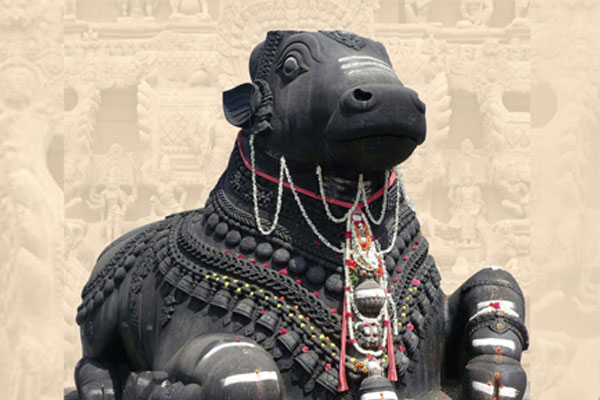
The presiding deity is Lord Shiva, who reveals himself in the form of a Spatika Linga. This is a Swayambhu Linga of white marble and is about two feet in height. The Linga resembles that of a cock; hence Lord Shiva is called Sri Kukkuteswara Swamy. There is a huge beautiful idol of Nandi the bull made from a single stone in front of the temple. Goddess Puruhutika Devi is in a standing position. The idol of Goddess Puruhutika is made from granite and is adorned with jewels, a Kirit and robed in silks. The deity has four palms and Starting from the lower right to the lower left, Goddess Devi’s lower right hand has a bag full of seeds, an axe or parashu, a lotus and a Madhu Patra.

This place is one among the Trigaya Kshetrams and has become famous as Pada Gaya Kshetram. Gaya Asura, a powerful demon who laid his body at the behest of Brahma for doing a great yagna for the betterment of people, was so huge that his head rested in Bihar and his legs reached Pithapuram. The place where his legs rested was a pond which came to be known as Pada Gaya Sarovar. It is believed that whoever bathes in this sacred pond will be relieved of their sins. The Kunti Madhavaswamy temple adjacent to Kukkuteswara temple is another major temple in the town. Kunti is said to have installed the image in this place, and so is called Kunti Madhavaswamy. This deity is said to have been worshipped by Vyasa, Valmiki and Agastya in the past. The Swayambhu Sri Dattatreya Swamy is also in the temple complex. Sripada Srivallabha Swamy’s idol is worshipped separately in the same complex. It is the only place where an idol of Sri Datta incarnation is worshipped. There are other shrines of various gods like Sri Rama, Ayyappa, Sri Vishveshwara and Sri Annapurna Devi, Sri Durga Devi.

Devotees can participate in Nitya pujas or daily worship, Sani Trayodasi, the Dassera festival in September/October, the Kartik Masam in October/November, Maha Shivaratri in February/March, Swamy Vari Kalyanam or the divine wedding and Radotsavam or the Chariot Festival during February/March, and Magha Masam Trayodasi in February/March. Maha Shivaratri, Sarannavarathri and Kartika Masam are the main festivals celebrated at this temple. The temple celebrates Devi Navaratri in Dussehra season. Annual festivals celebrated here are different for different deities like Maghabahula Ekadasi for Kukkuteswara, Suddha Ekadasi for Kunti Madhava, Palguna for Kumaraswamy and Karthikamasa for Venugopalaswamy.

According to legend, the demon Gayasura was a devout devotee of Lord Vishnu who did penance for years. Lord Vishnu appeared before him and granted his wish that anyone who sees him achieve Moksha. Gayasura used his spiritual powers to enlarge his body so that everyone on Earth could be saved. The God of Heaven, Indra, and the Devas expressed concern to the three deities about the creation’s imbalance. Lord Vishnu, Brahma, and Siva disguised themselves as Brahmins and approached Gayasura in search of Yajna space. This legend is closely tied to the Pada Gaya Sarovar in the temple complex.

There are two sects of worshippers of Devi. The first worshipped the Devi as Puruhootha Lakshmi. She is meditating with a lotus and Madhu Patra in her palms. This sect observed the Samayachar shape of worship. The second sect worshipped the Devi as Puruhoothamba. She is meditating with an axe or Parashu and a bag of seeds in her fingers. This sect followed the Vamachara shape of worship and the unique deity was buried under the temple.

According to mythology, this temple is linked to the demon king Gayasura, who was granted a boon that made him invincible. However, when his tyranny grew unbearable, the gods sought the Trimurtis for help. The Trimurtis—Lord Shiva, Lord Vishnu, and Lord Brahma—devised a plan to subdue him. They approached Gayasura and requested him to offer his body for a Yagna or sacrificial ritual, as his body was considered sacred. Gayasura agreed and lay down, stretching his body across the land. His head rested at Gaya in present-day Bihar, his navel at Jajpur in Odisha, and his feet at Pithapuram in Andhra Pradesh. The Yagna was to last seven days, during which Gayasura was forbidden from moving. On the sixth day, Lord Shiva took the form of a rooster or Kukkuta and crowed at midnight, tricking Gayasura into believing that the ritual was complete. Thinking it was dawn, Gayasura moved before the Yagna concluded, breaking his vow. The Trimurtis then revealed their true forms and explained that his movement had disrupted the ritual. Realizing his mistake, Gayasura accepted his fate gracefully. The Trimurtis blessed him, declaring that his body would sanctify the places where it lay. The pond where Gayasura’s feet rested became known as Pada Gaya Sarovar, and it is believed that taking a dip in this sacred pond cleanses sins and grants liberation.

The Kukkuteswara Swamy Temple is also closely linked to Sri Pada Srivallabha, considered an incarnation of Lord Dattatreya. According to legend, Sri Pada Srivallabha was born in Pithapuram to a devout Brahmin couple named Sumathi and Raja Simha Sharma. The couple had two sons who were blind, deaf, and mute due to their past karmic deeds. Despite their hardships, they remained devoted to Lord Datta Devi and worshipped at Padagaya Kshetram with unwavering faith. One day, during an annual ceremony for their ancestors, a sage disguised as Lord Dattatreya visited their home seeking alms. Sumathi offered food without hesitation, even though her husband was not present—a gesture considered sacrilegious during such rituals. Pleased by her devotion and selflessness, Dattatreya revealed his true form and granted her a boon: he would be born as her son. Thus, Sri Pada Srivallabha incarnated in Pithapuram as their child. He is regarded as one of the greatest saints in Hinduism and is believed to have performed numerous miracles during his lifetime.

The Puruhutika Shaktipeeth, with its blend of myth, history, and living faith, continues to be a powerful force in the religious landscape, inviting all who visit to partake in its timeless spiritual journey. Its unique blend of Shaivite and Shakta traditions, coupled with its rich historical background, makes it a fascinating destination for both devotees and those interested in India’s spiritual heritage.
Aranya Devi Temple, Arrah, Bihar
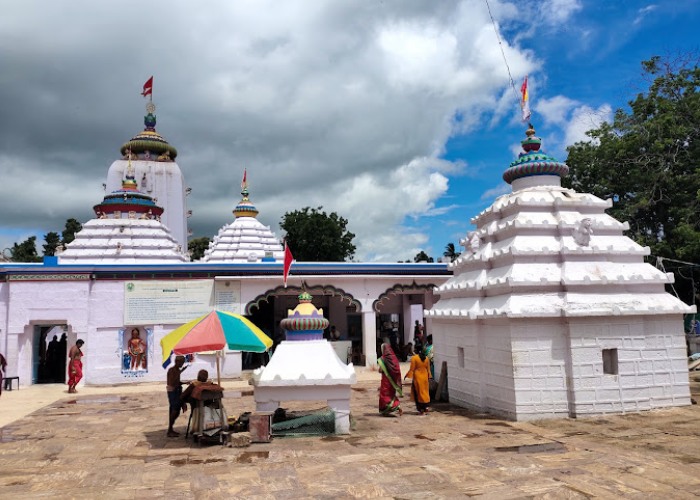
Dedicated to Goddess Aranya Devi, the Aranya Devi Temple is located in Arrah and dates back to antiquity. While the present temple building was established in 2005, the site’s sacred status extends far beyond this recent construction. The name Aranya is derived from the Sanskrit word meaning forest, hinting at the area’s lush past. Archaeological evidence and ancient texts suggest that this location has been a place of worship for millennia. The temple finds mention in various mythological texts, linking it to different eras of Hindu mythology. Some legends associate it with the Satya Yuga, while others connect it to events of the Treta Yuga and Dvapara Yuga.

According to the Devi Bhagavata Purana, this temple is recognised as both a Siddh Pitha and one of the 108 Shakti Pithas. This dual status imbues the site with immense spiritual power, drawing devotees seeking blessings and enlightenment. While the specific body part of Goddess Sati associated with this Shakti Peetha is not mentioned in the available sources, the site’s inclusion in this sacred network underscores its importance in the pantheon of divine feminine energy centres.

The temple houses the idol of Goddess Aranya Devi, considered the presiding deity of Arrah city. This connection to the local geography and culture makes the temple a focal point of regional devotion. While the temple structure is relatively new, it is said that one of the idols of the Goddess was consecrated by the Pandavas during their exile. The temple showcases a blend of ancient and modern architectural styles.

A unique aspect of worship here is the practice of taking vows for the fulfilment of desires. Devotees come to the temple, make their wishes known to the Goddess, and return with offerings of thanksgiving when their desires are fulfilled. This cycle of petition and gratitude forms a core part of the devotional practice at the temple.

The temple is also connected to Lord Rama’s journey to Janakpur for Sita’s swayamvara or marriage ceremony. According to legend, while travelling with Lakshmana and Sage Vishwamitra via Buxar for King Janaka’s Dhanush Yagna, they stopped near present-day Arrah. Sage Vishwamitra narrated to Lord Rama and Lakshmana the glory of Goddess Aranya Devi, who was considered an incarnation of Adishakti and protector of forests. Before crossing the Sonbhadra River, Lord Rama bathed in the nearby Ganges and offered prayers to Goddess Aranya Devi at this sacred site. It is believed that he sought her blessings for success in breaking Lord Shiva’s bow during Sita’s swayamvara.

One of the most prominent legends tied to the Aranya Devi Temple dates back to the Mahabharata period. During their exile, the Pandavas are said to have stayed in the forested region of Arrah. While there, they worshipped Goddess Adishakti, who was revered as the protector of forests and wilderness. One night, Yudhishthira, the eldest Pandava, had a divine dream in which Goddess Aranya Devi appeared. She instructed him to install her idol at the spot where they were staying so that she could continue to protect the region and its people. Following her command, Yudhishthira installed a statue of the goddess at this sacred site. This marked the beginning of her worship in Arrah, and over time, the temple became a revered place of devotion.

Another fascinating story associated with Aranya Devi Temple is linked to King Mordhwaj, who ruled this region during the Dvapara Yuga, the era of Lord Krishna. The king was renowned for his unwavering devotion and generosity. To test his faith and devotion, Lord Krishna disguised himself as a hermit and appeared before King Mordhwaj along with Arjuna, who took on the form of a lion. The hermit claimed that his lion would only eat human flesh and demanded that the king sacrifice his son’s body to feed it. Without hesitation, King Mordhwaj and his queen prepared to saw their son’s body in half to fulfil the hermit’s demand. Moved by their selflessness and devotion, Goddess Durga appeared before them in her divine form as Aranya Devi. She stopped them from carrying out the sacrifice and blessed their family with eternal happiness. The site where this test took place is believed to be where the Aranya Devi Temple now stands. The name Arrah is said to have originated from this incident, deriving from Ara, meaning a saw. Local tradition holds that Bhima, one of the Pandavas, defeated the demon Bakasura at a place called Chakra Ara, which later came to be known as Ara or Arrah.

The temple houses two idols of Goddess Aranya Devi: one representing Saraswati, the Goddess of knowledge and another representing Mahalakshmi, the Goddess of prosperity. These sister goddesses are worshipped together. The temple’s east-facing dome adds architectural significance. Devotees believe that prayers offered here bring protection, prosperity, and the fulfilment of wishes.

Sacred Stones, Spaces and Stories: Shakthipeeta Part 4

Bheemeswara Swami Temple, Draksharamam, Andhra Pradesh

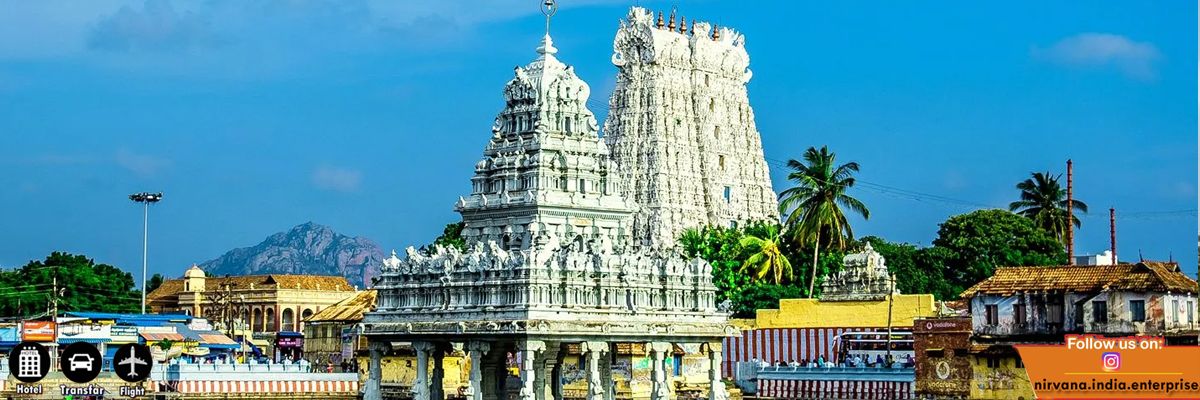
Nestled in the lush landscapes of Andhra Pradesh, the Manikya Amba Shaktipeeth, also known as the Bheemeswara Swami Temple is located in Draksharamam, Kakinada district. As one approaches the temple, the imposing structure comes into view, its towering gopuram reaching skyward, adorned with intricate sculptures that tell tales of divine exploits and cosmic battles. One of the Pancharama Kshetras, the temple complex, spread over 12 acres, is surrounded by high walls that seem to whisper secrets of bygone eras.

The origins of the Bheemeswara Swami Temple stretch back over a millennium. While the exact date of its establishment remains a subject of scholarly debate, inscriptions and architectural evidence suggest a rich history dating back to at least the 9th century. The temple’s construction is attributed to various dynasties that ruled the region, including the Eastern Chalukyas and the Cholas. Each ruling dynasty left its mark on the temple, contributing to its architectural grandeur and spiritual significance. The big Mandapam of the temple was built by Ganga Mahadevi, daughter-in-law of Eastern Ganga Dynasty king Narasingha Deva I of Odisha. 

According to tradition, it is believed that the navel of Goddess Sati fell at this spot, making the Manikya Amba a Shaktipeeth. At Draksharamam, the Bhairava is known as Bhimeswara, lending his name to the temple itself. The presence of both Shakti, in the form of Manikya Amba, and Shiva, as Bhimeswara, creates a powerful spiritual synergy, symbolising the union of divine masculine and feminine energies.

The Bheemeswara Swamy Temple spans over 12 acres and features high walls that enclose several shrines dedicated to various deities within its premises. The sanctum sanctorum or the garbha griha houses an intricately decorated Shiva Linga surrounded by exquisite carvings representing cultural grandeur from bygone eras. The inscriptions on its walls are written in multiple languages such as Telugu, Kannada, Tamil, and Sanskrit—reflecting contributions from different dynasties over centuries.

As one wanders through the temple complex, several unique features capture the attention. The sanctum houses a tall octagonal lingam, accessible through a pradakshina patha or circumambulatory path. This lingam is the focal point of worship and is believed to possess immense spiritual power. A special Nandi idol, known as Ekasila Nandi, is carved from a single stone, showcasing the exceptional craftsmanship of ancient artisans. At the entrance, a magnificent dancing Ganapati welcomes visitors. Uniquely, the trunk of Lord Ganesh is turned to the right, a rare and auspicious feature. During the months of Chaitra and Vaisakha, usually between March and May, a celestial spectacle occurs. The early morning sunlight touches the feet of the deity, while in the evening, it illuminates the feet of the goddess, creating a mesmerising play of light and shadow. Within the temple complex, one can find a small stone model of the temple. 

Unlike most temples where male deities dominate worship practices, Draksharamam gives equal importance to Manikyamba Devi or Goddess Parvati. This unique aspect makes it one of the few pilgrimage centres where both male and female deities are equally revered. Manikyamba Devi faces south in her shrine within the temple complex—a rare positioning symbolising her role as a guardian deity protecting devotees from negative energies.

The temple follows a strict schedule, opening its doors to devotees from 6 am to 8 pm, with a brief afternoon closure from 12 noon to 3 pm. Throughout the day, priests perform various pujas and rituals, invoking the blessings of Lord Bhimeswara and Goddess Manikya Amba. Devotees participate in these rituals, offering flowers, fruits, and prayers, seeking divine grace and protection.

The temple comes alive during its numerous festivals, each celebration adding vibrant hues to the spiritual canvas of Draksharamam. Observed on the 28th day of Magha in February/March, Maha Shivaratri is the main festival of the temple. Thousands of devotees flock to the shrine, observing fasts and participating in night-long vigils, reciting the Panchakshari mantra or reading Shiva Puranas. During this auspicious month of Karthika, in October/November, the temple is illuminated by thousands of lamps lit by devotees in honour of Lord Shiva and Goddess Manikyamba. The nine-night festival of Navaratri, known locally as Sarrannavarathri, celebrates the victory of Goddess Durga over evil. Held from Asviyuja Suddha Padyami to Dwadasi, usually in October, it’s a time of fasting, special prayers, and elaborate decorations. The Kartheeka Monday Festivals, along with the Jwalathoranam ritual, involve lighting thousands of lamps around the temple, symbolising the triumph of light over darkness. Sri Swamyvari Incarnation Day is celebrated on Margasira Suddha Chaturdhasi, usually in December, and honours the birth of Bhimeswara Swamy. Sri Swamyvari Kalyanam is the divine wedding celebration of Lord Bhimeswara and Goddess Manikyamba that takes place on Bhisma Ekadasi day in Magha Masam, usually in February. Elaborate rituals are performed to commemorate this celestial union.

Local lore suggests that the name Draksharamam is derived from Daksha Rama referring to the ashram of Daksha Prajapati, father of Goddess Sati. According to one tale, a devotee once offered grapes or draksha in Sanskrit to Lord Shiva at this temple. Miraculously, the grapes transformed into lingams, giving rise to the name Draksharamam. Draksharamam is one of the Pancharama Kshetras, a group of five ancient Shiva temples in Andhra Pradesh. Each of these temples is said to represent one of the five faces of Shiva, with Draksharamam representing the Tatpurusha face.

One of the most prominent legends associated with the Bheemeswara Swamy Temple is tied to the demon Tarakasura. According to the Shiva Purana and Skanda Purana, Tarakasura performed intense penance and was granted a boon by Lord Brahma that made him nearly invincible. He received the Atmalinga from Lord Shiva, which he placed in his throat as a source of immense power. Empowered by the Atmalinga, Tarakasura began terrorising the gods and sages. In response, the gods sought Lord Shiva’s help. Shiva created his son, Kumara Swamy or Lord Kartikeya, who was destined to defeat Tarakasura. During the battle, Kumara Swamy realized that the Atmalinga in Tarakasura’s throat was his source of invincibility. Using his divine weapon, Kumara Swamy shattered the Atmalinga into five fragments, which fell at different locations in Andhra Pradesh. These fragments became sacred Shiva Lingas worshipped at the Pancharama Kshetras. The piece of Atmalinga that fell at Draksharamam became known as Bheemeswara Swamy, named after its association with Lord Shiva and King Bhima of the Eastern Chalukyas.

Another fascinating story revolves around River Godavari’s connection to Draksharamam. It is believed that when a piece of Atmalinga fell here, sages requested River Godavari to sanctify it. However, Godavari delayed her arrival, prompting Lord Shiva to manifest himself directly at Draksharamam. Eventually, Godavari arrived with the blessings of the Saptarishis or the seven sages, dividing herself into seven streams known as Sapta Godavari Kundam near the temple. This sacred water body on the eastern side of the temple is considered highly auspicious for purification rituals and spiritual merit.

Legend has it that Sage Vyasa performed intense penance at Draksharamam to seek divine blessings. His devotion elevated Draksharamam’s sanctity further, earning it the title Dakshina Kasi or Southern Varanasi. This association with Vyasa underscores the temple’s importance as a centre for spiritual enlightenment.

The Bheemeswara Swami Temple exemplifies the Dravidian architectural style, characterised by its pyramidal tower, intricate stone carvings, and spacious courtyards. The temple walls serve as a historical record, etched with numerous inscriptions and epigraphs in various South Indian scripts. These provide valuable insights into the temple’s history and the socio-cultural context of different eras. The temple features two mandapas or halls supported by exquisitely carved pillars. These pillars are adorned with intricate patterns and figurines, each telling a story from Hindu mythology. The cloistered walkway, Tiruchuttumala,  around the shrine includes 67 pillars, each adorned with intricate sculptures depicting dancers, musicians, and mythical figures. The sanctum sanctorum or the Garbhaalaya is a masterpiece of craftsmanship, its walls adorned with intricate decorations that reflect the cultural grandeur of bygone eras. 

The Bheemeswara Swami Temple stands not just as a monument to faith, but as a bridge between the earthly and the divine, inviting all who visit to partake in its timeless spiritual journey. Whether one is drawn by its architectural splendour, its rich history, or its spiritual significance, the Manikya Amba Shaktipeeth in Draksharamam offers a profound experience that resonates long after one has left its hallowed grounds.
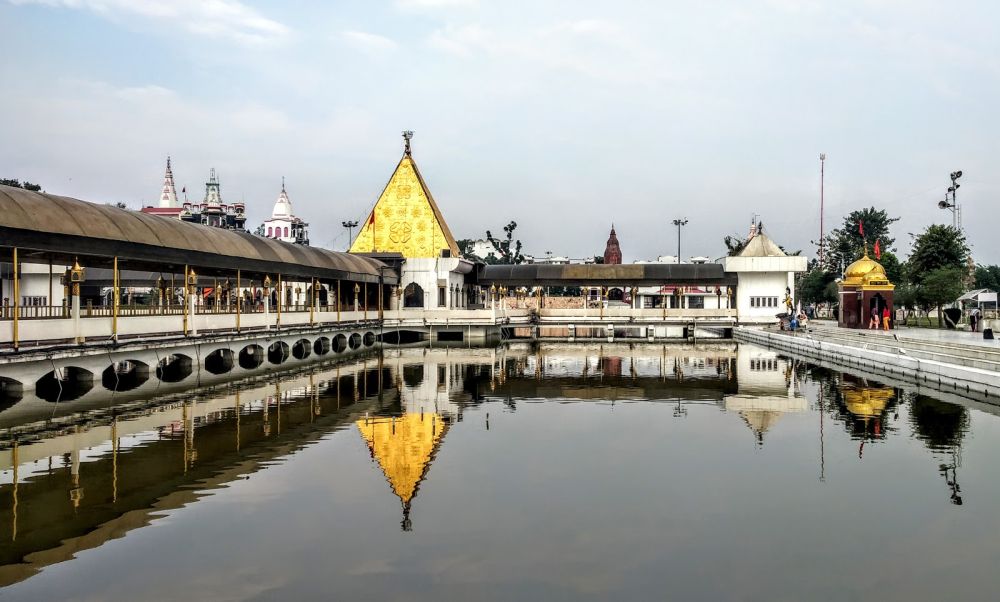
Srisailam Temple, Srisailam, Andhra Pradesh

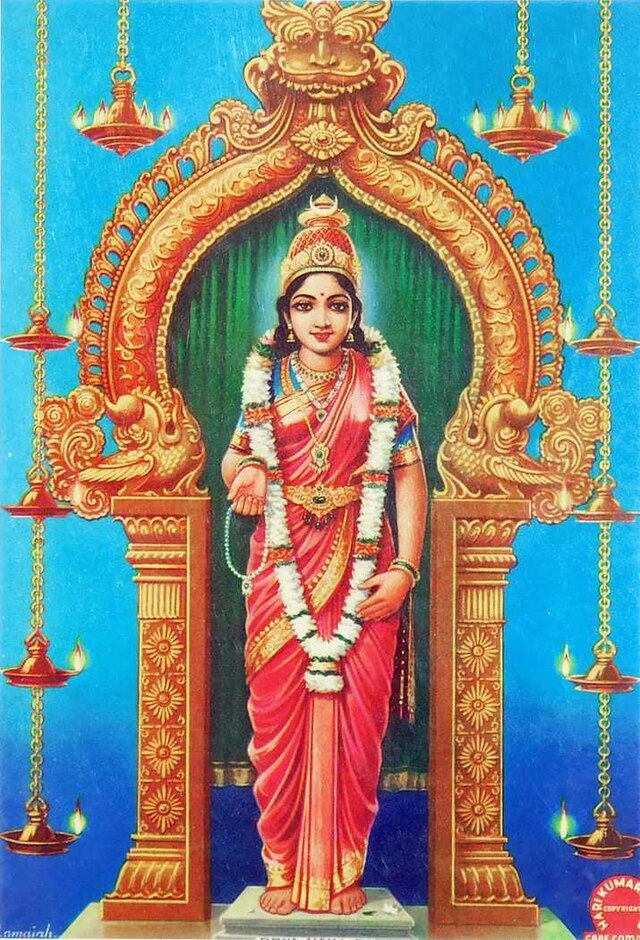
Nestled atop the Nallamala Hills, the Srisailam Temple complex is home to two interconnected temples – the Mallikarjuna Temple dedicated to Lord Shiva, and the Bhramaramba Devi Temple honoring the divine feminine. Together, they form one of the most revered Shakti Peethas in India, drawing pilgrims from far and wide.

The origins of the Srisailam Temple complex date back centuries. Inscriptional evidence from the Satavahana dynasty suggests the temple’s existence as early as the 2nd century. However, the temple has evolved over centuries, with contributions from various dynasties. The Reddi Kingdom who ruled between the 12th and 13th centuries, made significant additions, including the construction of the veerasheromandapam and paathalaganga steps. The rulers of this dynasty were ardent devotees of Sri Bhramarambha Mallikarjuna Swamy. The most substantial renovations and expansions occurred during the reign of the Vijayanagara Empire in the 14th and 15th centuries. King Harihara I, in particular, is credited with major architectural enhancements that have shaped the temple’s current grandeur.
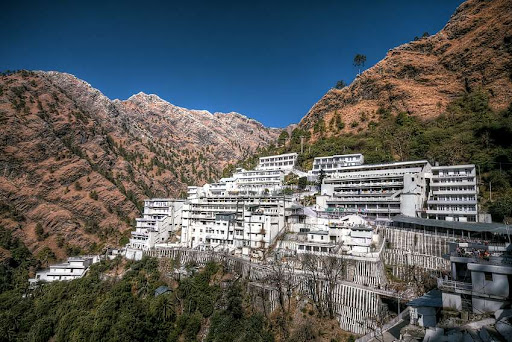
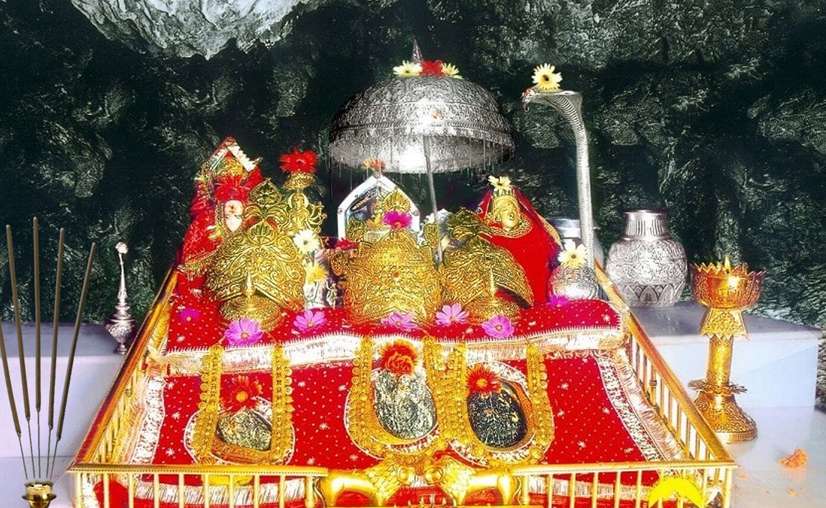
The Bhramaramba Devi Temple is one of the 18 Maha Shakti Peethas. According to tradition, it is believed that the neck of Goddess Sati fell here. At Srisailam, the Bhairava is Mallikarjuna himself, represented by the Mallikarjuna Temple adjacent to the Bhramaramba shrine. This unique arrangement, where both Shiva and Shakti have prominent temples side by side, creates a powerful spiritual synergy, symbolizing the union of divine masculine and feminine energies.

The presence of both Mallikarjuna and Bhramaramba temples in close proximity is a unique aspect of this Shakti Peetha. The idol of Bhramaramba Devi is depicted with eight arms, wearing a silk sari, embodying her multifaceted divine power. A Sri Yantra is installed in front of the main sanctum sanctorum, adding to the temple’s tantric significance. The temple showcases a harmonious blend of different architectural styles, reflecting its long history and patronage by various dynasties. The temple’s enclosure features Salamandapas on the northern and southern sides, adorned with intricate sculptural work. The Mukha Mandapa, a popular hall was constructed by the Vijayanagara Dynasty. The complex includes several other significant shrines, such as the Vriddha Mallikarjuna temple, Sahasra Lingeswara shrine, Uma Maheswara temple, and the Navabrahma temples.

The Srisailam Temple follows a strict schedule, opening its doors to devotees from 4:30 am to 10 pm. Throughout the day, priests perform various pujas and rituals, invoking the blessings of Lord Mallikarjuna and Goddess Bhramaramba. Devotees participate in these rituals, offering flowers, fruits, and prayers, seeking divine grace and protection. One unique aspect of worship here is the sanctification of Mahaprasad. The food offered to Lord Mallikarjuna is not considered Mahaprasad until it has been offered to Goddess Bhramaramba, highlighting the goddess’s supreme status at this site.

The temple complex comes alive during its numerous festivals. Maha Shivaratri is the most significant festival, celebrated with great fervour in February or March. Thousands of devotees observe fasts, participate in night-long vigils, and engage in the recitation of the Panchakshari mantra or reading of Shiva Puranas. The nine-day Brahmotsavam is a celebration, usually held in September or October, that sees the temple adorned with colorful decorations. Various rituals and processions create a joyous and festive atmosphere. The Telugu New Year, Ugadi,  is marked by special prayers, cultural programs, and the offering of traditional dishes to the deities. During the month of Karthika, a month-long festival is dedicated to Lord Shiva and Goddess Parvati and involves fasting, special prayers, and religious activities throughout the auspicious month. Kumbhothsavam is considered the most significant festival of the Bhramaramba Devi Temple with various offerings to the goddess. It’s celebrated on the first Tuesday or Friday, whichever comes first, after the full moon day of Chaitram, the beginning month of the Indian calendar.

The name Bhramaramba means Mother of Bees. According to legend, the goddess assumed the form of a bee to worship Shiva at this site, choosing it as her abode. This connection to bees is central to the temple’s mythology. A popular legend tells of the demon Arunasura, who received a boon from Lord Brahma that he couldn’t be killed by any two or four-legged being. When he began terrorizing the world, the gods appealed to Goddess Durga. She took the form of Bhramari or Bhramarambika and created thousands of six-legged bees that ultimately defeated the demon. Another legend speaks of Shiva coming to Earth and marrying a Chenchu girl, who was Goddess Parvati in disguise. They settled in Srisailam, explaining the presence of both deities in the temple complex. Local Chenchu tribes refer to Lord Shiva as Chenchu Mallaya and worship both deities. The presence of both Mallikarjuna or Lord Shiva and Bhramaramba or Goddess Parvati temples side by side is said to represent their eternal union and their choice to reside together in Srisailam to bless their devotees.

One of the most beloved legends of the Srisailam Temple is the tale of Chenchu Mallayya, which ties Lord Shiva to the local Chenchu tribal community. According to this story, Lord Shiva once descended to the Srisailam forest in the form of a hunter. While wandering through the dense woods, he encountered a beautiful Chenchu girl and fell in love with her. The girl, who was none other than Goddess Parvati in disguise, reciprocated his feelings. The two were married and lived together on the hill. The Chenchu tribe reveres Lord Shiva as their relative and affectionately calls him Chenchu Mallayya with Mallayya meaning Lord Shiva. Even today, this story is depicted on the temple’s prakaram or outer walls, and the Chenchus are given special privileges at the temple. For instance, during Maha Shivaratri, members of the Chenchu tribe are allowed to perform abhishekam, the ritual bathing and puja for Lord Mallikarjuna Swamy, making this legend an enduring part of their identity.

The story of Princess Chandravati is another fascinating tale tied to the origins of the Srisailam Temple. Chandravati was a princess who fled her kingdom to escape her father’s wrath and sought refuge in the forests of Srisailam. While living there, she noticed a miraculous event: one of her Kapila cows stood under a Bilwa tree and shed milk over a natural rock formation resembling a Shiva Linga. Intrigued by this divine phenomenon, Chandravati began worshipping the Linga daily, offering garlands made from jasmine flowers, locally known as Malle. Her devotion pleased Lord Shiva, who appeared before her and blessed her. The Linga came to be known as Mallikarjuna with Mallika meaning jasmine and Arjuna referring to Shiva. Chandravati later built a grand temple around this self-manifested or Swayambhu Linga. It is said that Chandravati attained salvation or moksha through her unwavering devotion. Her story is immortalised in stone inscriptions within the temple complex, making her an integral part of its history.

The Srisailam Temple complex is not just a place of worship but is like stepping into pages of history, art, and spirituality with each stone, carving, and ritual carrying within it the devotion of countless generations, inviting one to become part of its continuing story.