Sacred Stones, Spaces and Stories: Shakthipeeta Part 3

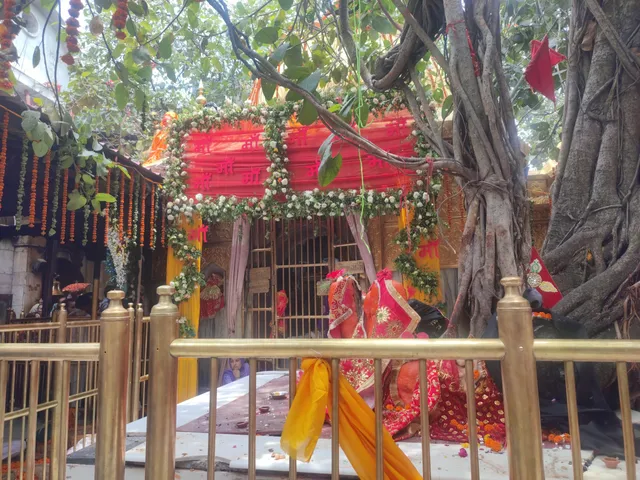
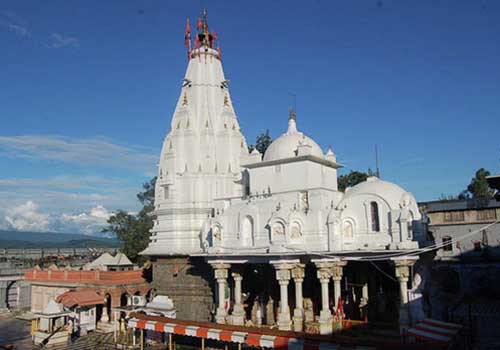
Vimala Temple, Puri, Odisha
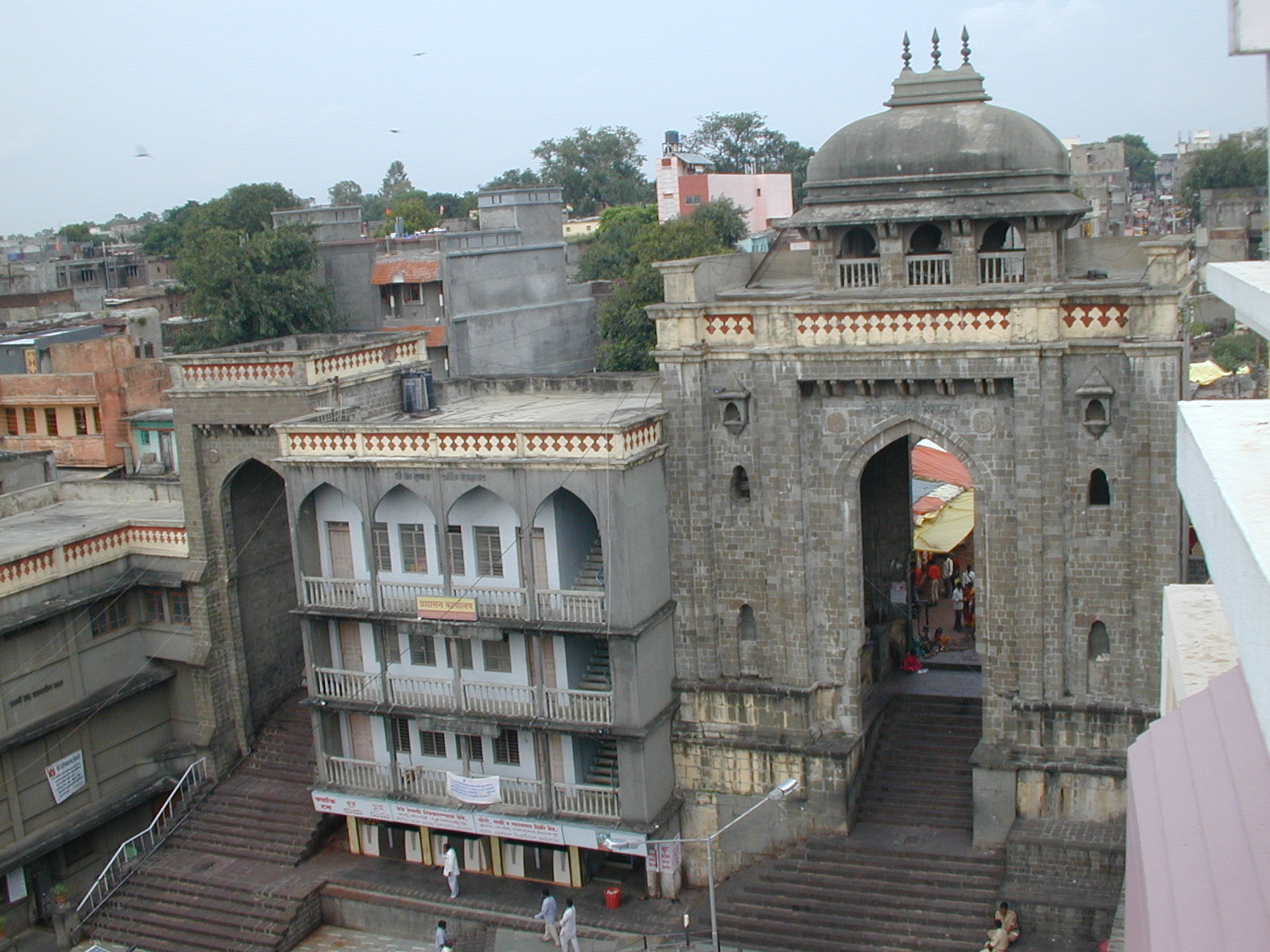
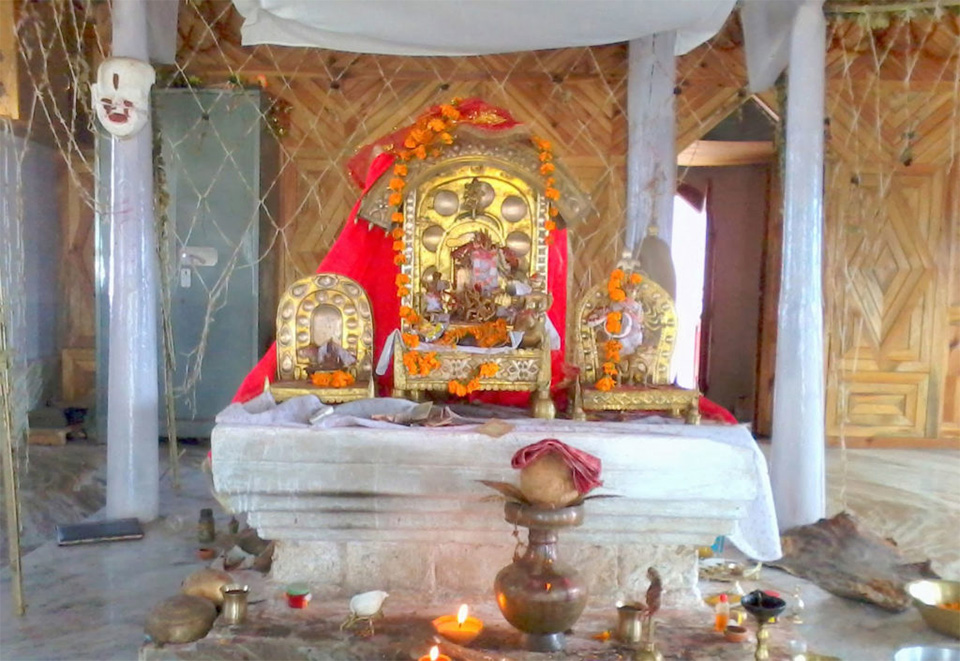
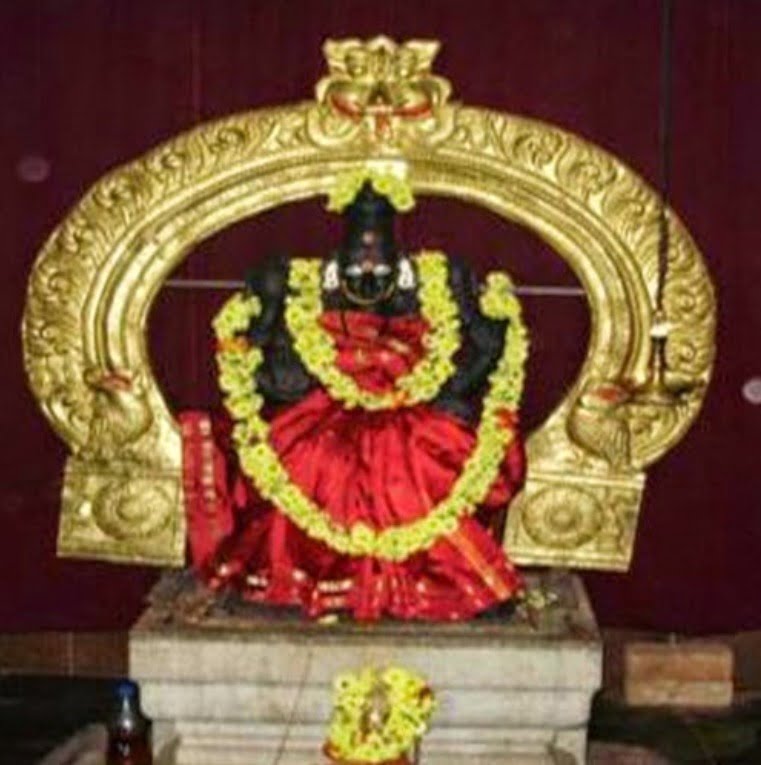
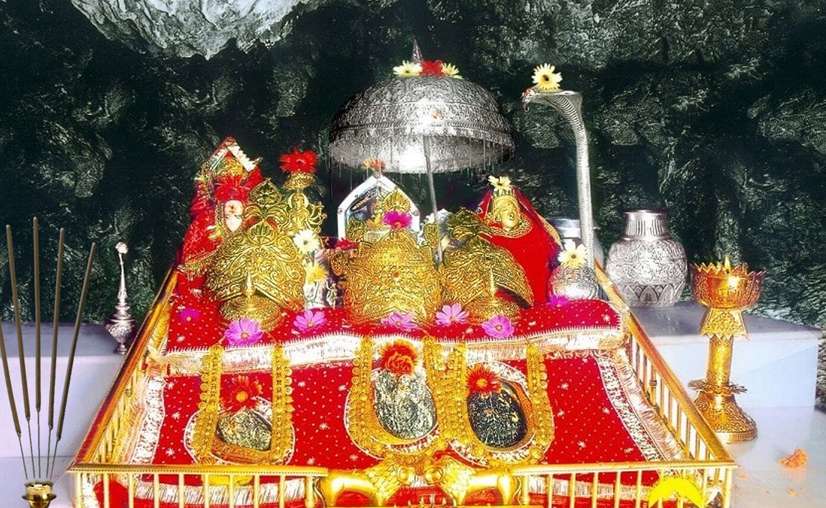
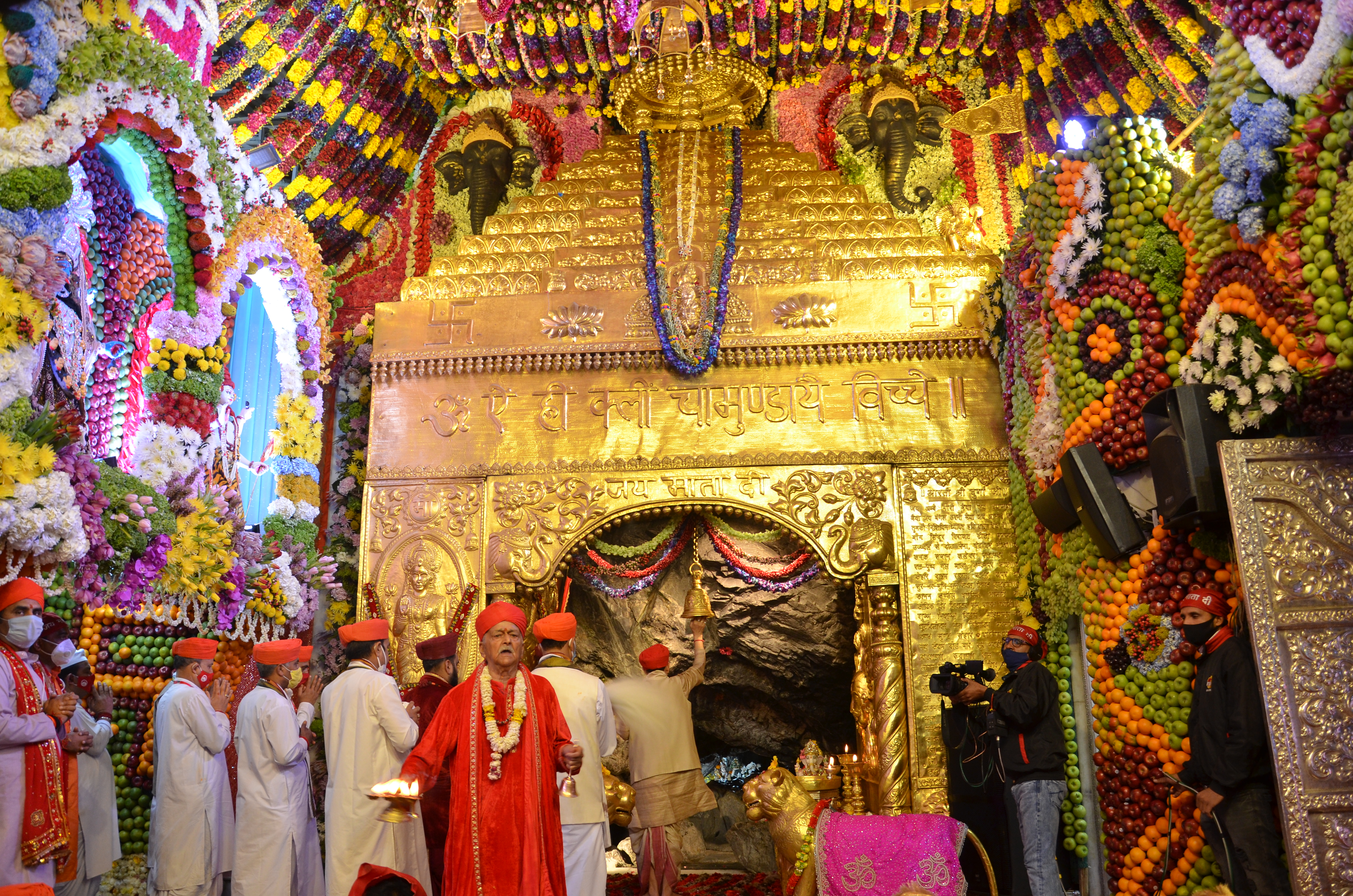
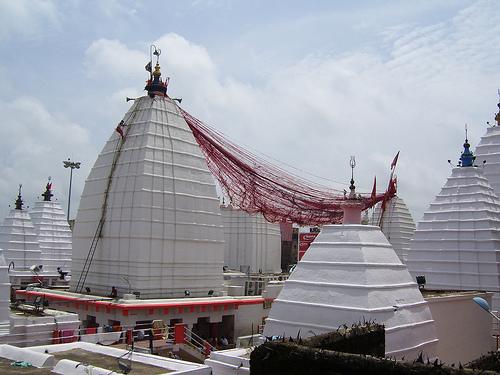
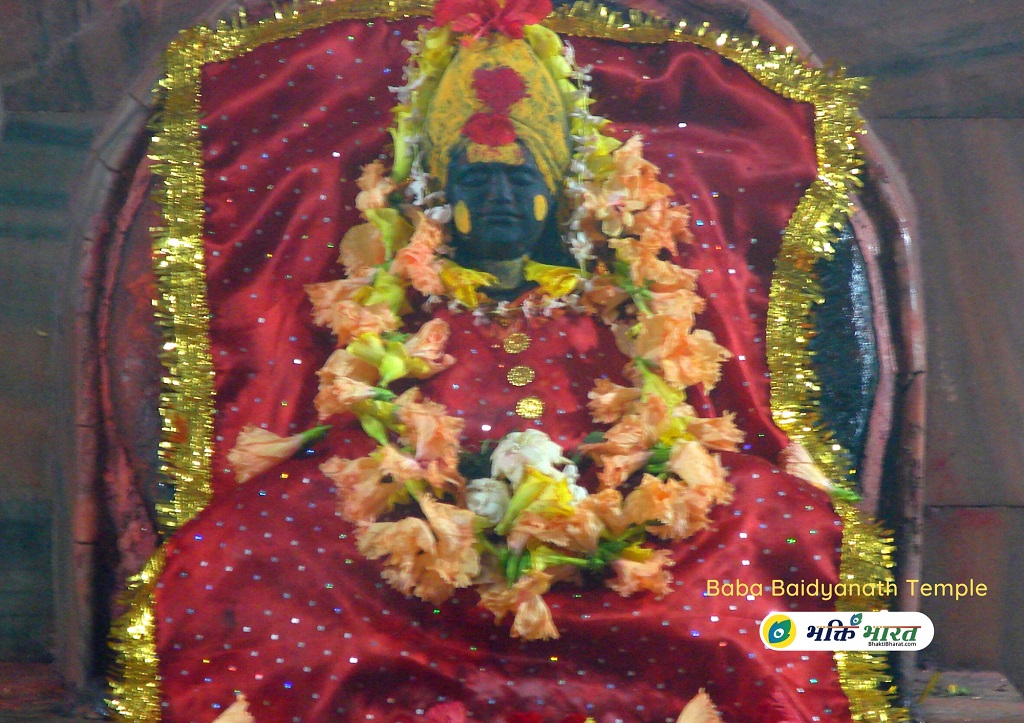
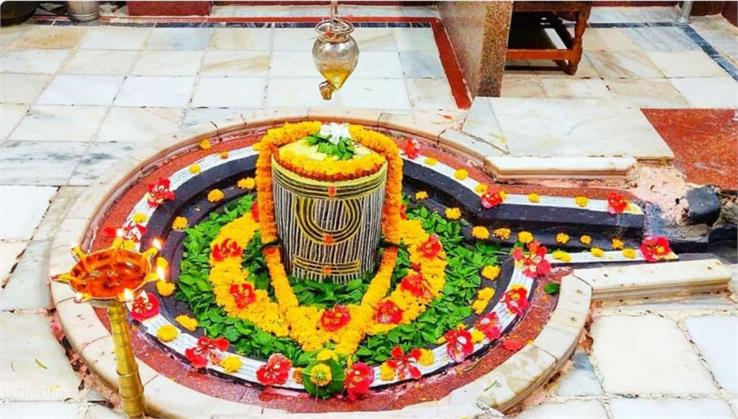
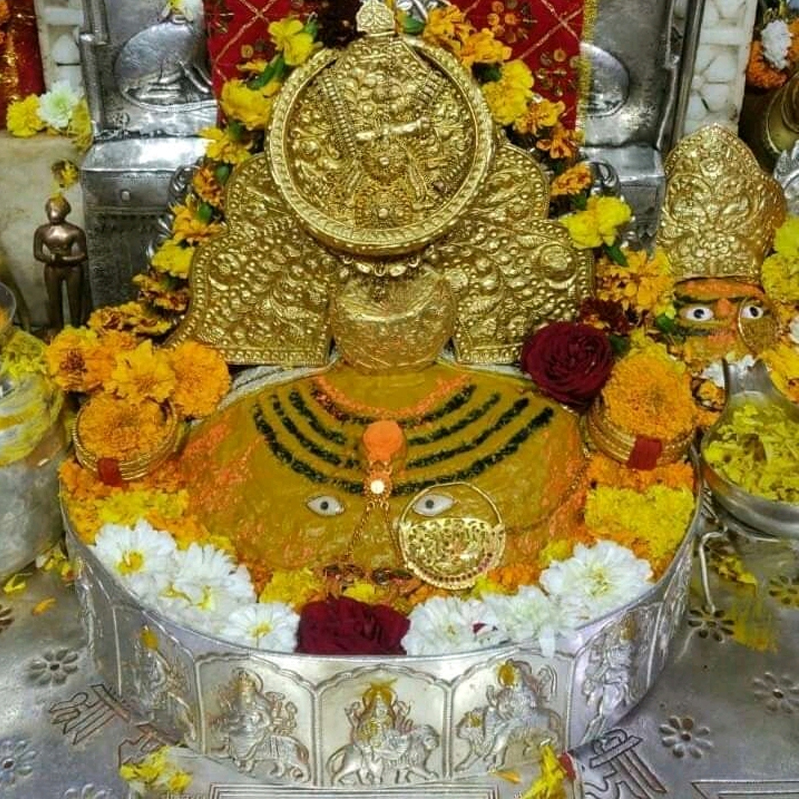
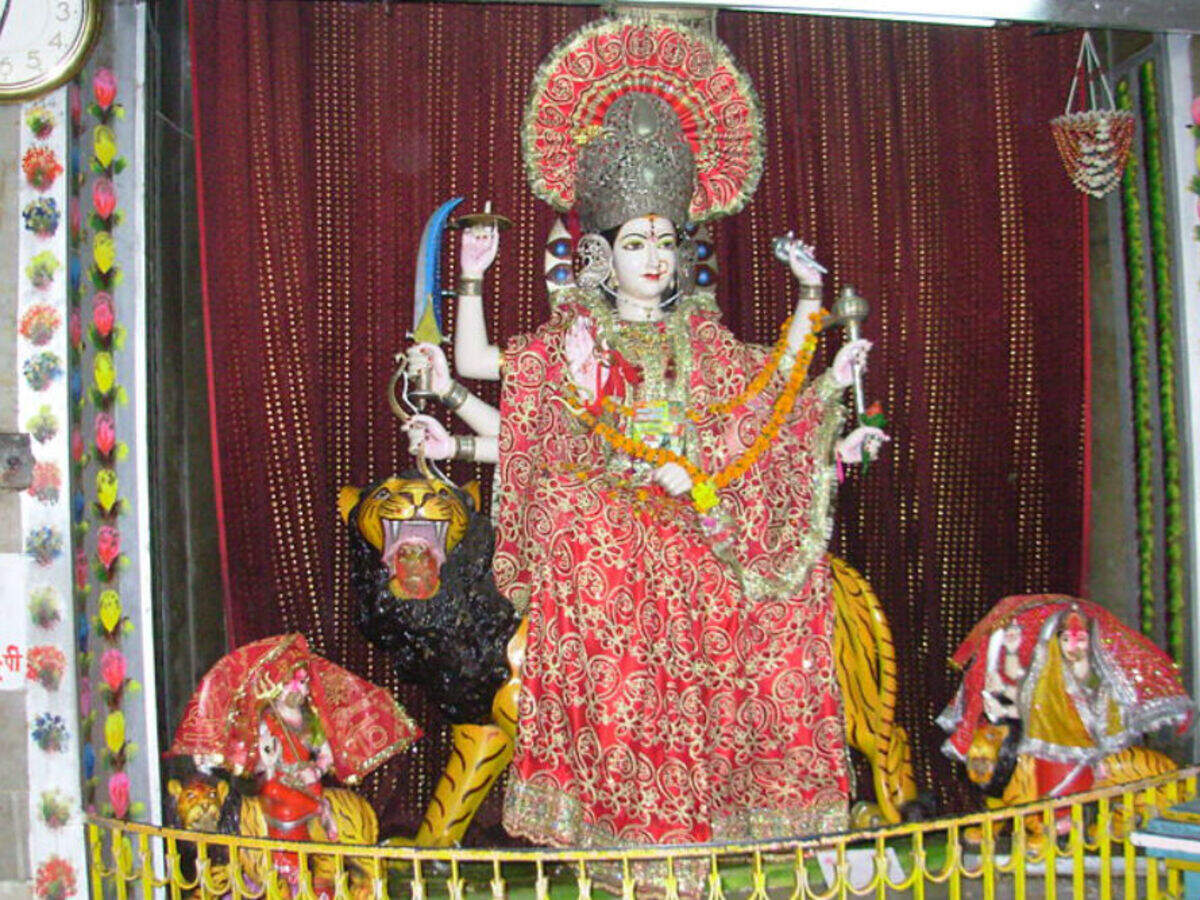
Nestled within the renowned Jagannath Temple complex in Puri, the Vimala Temple is an ancient shrine, dedicated to Goddess Vimala, also known as Bimala. The Vimala Temple’s origins stretch back centuries, with the central icon of the goddess dating to the 6th century. However, the current structure, based on its architectural style, is believed to have been constructed in the 9th century during the reign of the Eastern Ganga dynasty. This temple was likely built upon the ruins of an earlier shrine, showcasing the site’s long-standing spiritual significance.

According to the Madala Panji, a chronicle of the Jagannath Temple, the temple was constructed by Yayati Keshari, a ruler of the Somavashi Dynasty of South Kosala. This could refer to either King Yayati I (c. 922–955) or Yayati II (c. 1025–1040), known as Yayati Keshari. Interestingly, some scholars believe that the Vimala Temple may predate even the central Jagannath shrine, highlighting its paramount importance in the religious landscape of Puri.

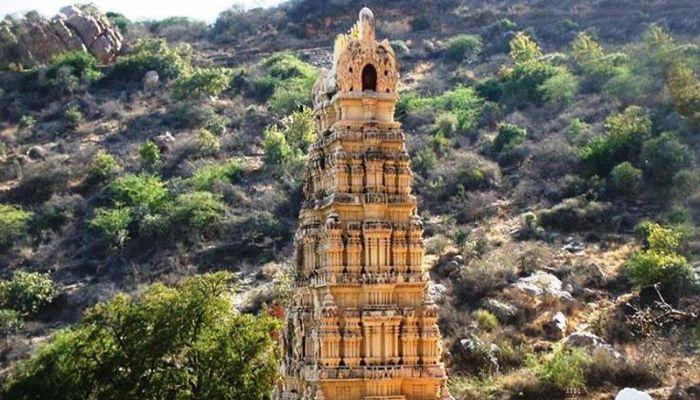
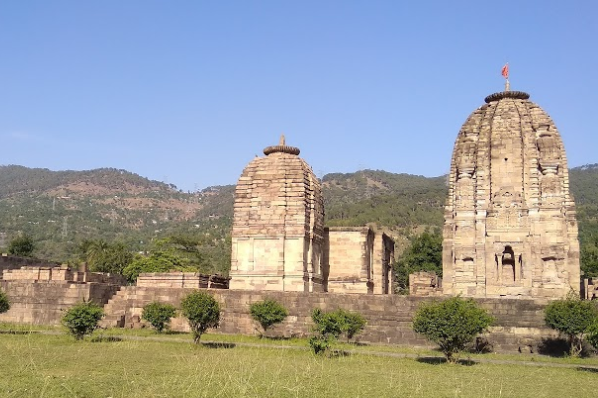
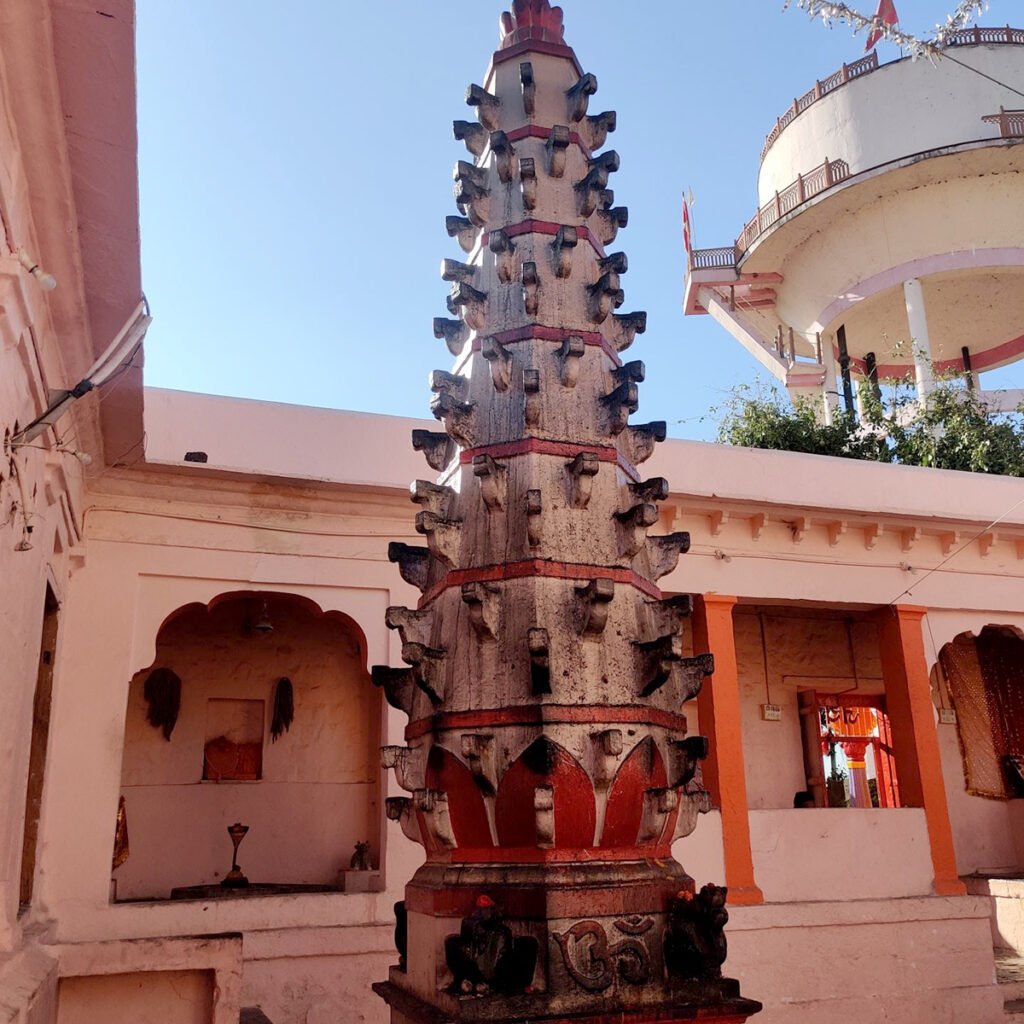
The Vimala Temple is a masterpiece of Odishan temple architecture, built in the distinctive Deula style. The temple complex consists of four main components. The Vimana is the structure containing the sanctum sanctorum while the Jagamohana is the assembly hall. The Nata-mandapa is the festival hall and the Bhoga-mandapa is the hall of offerings. Constructed primarily of sandstone and laterite, the temple faces east and is situated in the south-west corner of the inner enclosure of the Jagannath temple complex, next to the sacred Rohini Kunda pond.

The temple’s architecture bears similarities to the 9th-century shrine of Narasimha near the Mukti-mandapa in the Jagannath temple complex, further supporting its dating. The intricate carvings on the temple walls and the unique architecture offer visitors a glimpse into the rich artistic traditions of ancient Odisha. In 2005, the temple underwent significant renovations to preserve its original grandeur while enhancing visitor accessibility. Today, it is maintained by the Archaeological Survey of India, Bhubaneswar Circle, ensuring its continued preservation for future generations.

The Vimala Temple holds a special place among Hindu shrines as one of the four Adi Shaktipeethas, considered the oldest and most significant among all Shakti Peethas. According to tradition, this site is where Sati’s navel fell after her body was dismembered. However, another popular belief claims it was Sati’s left foot that fell at this location.

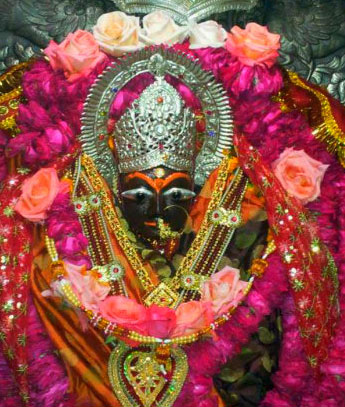
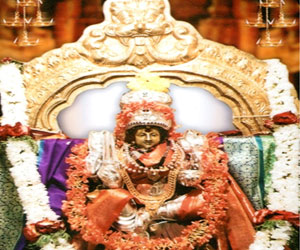
Several features set the Vimala Temple apart from other shrines. The temple holds particular importance for followers of Tantric traditions and Shakta worshippers, who revere it even more than the main Jagannath shrine. Goddess Vimala is considered the tantric consort of Lord Jagannath and is believed to be the guardian of the entire temple complex. Devotees traditionally pay respect to Goddess Vimala before worshipping Lord Jagannath in the main temple. The food offered to Lord Jagannath is not considered Mahaprasad until it has been offered to Goddess Vimala. The four-armed statue of Goddess Vimala holds a rosary, an akshyamala, a pitcher of amrita or Amritakalasa, and an object interpreted by some as a nagini or a Nagaphasa. The fourth arm displays the mudra of blessing. Uniquely, at this Shakti Peetha, Lord Vishnu, in the form of Jagannath, is considered the Bhairava, symbolising the oneness of divine energies.
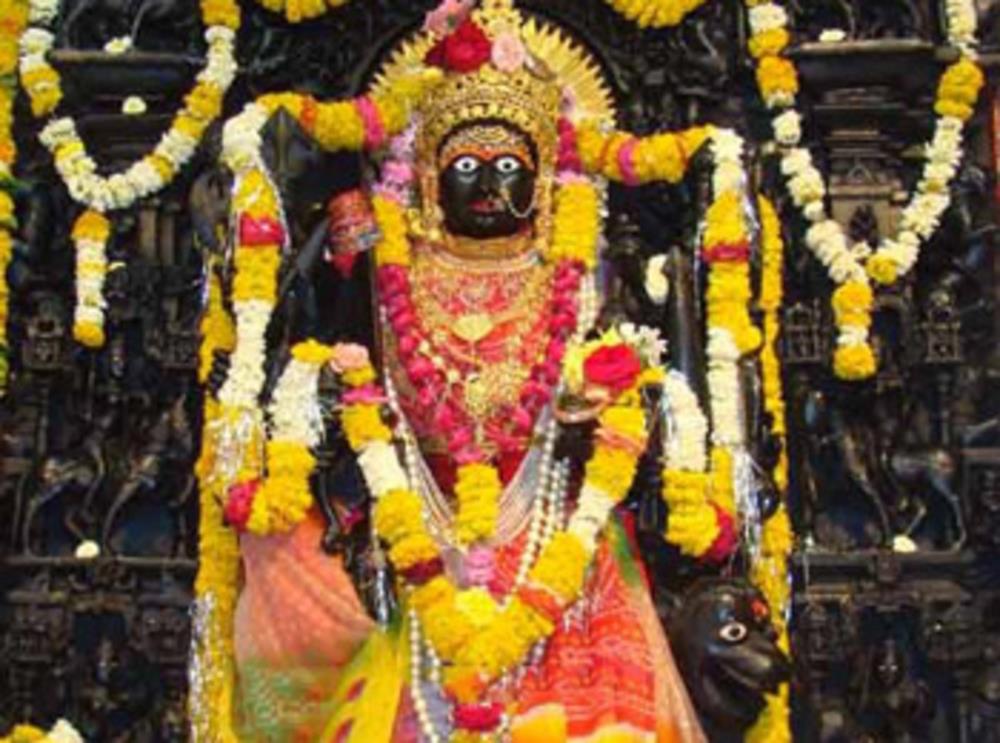
The Vimala Temple is a hub of vibrant rituals and festivals throughout the year. The temple follows a strict schedule of daily worship rituals performed by specially trained priests. Unlike in other parts of India, Durga Puja at the Vimala Temple is a 16-day celebration culminating in Vijayadashami. During this festival, the Gajapati King of Puri worships the Goddess on the final day. A unique ritual involves offering the food prepared for Lord Jagannath to Goddess Vimala before it is considered Mahaprasad. During Durga Puja, separate non-vegetarian food is cooked and offered to the goddess, a departure from the usual vegetarian offerings in the Jagannath Temple. During the famous Ratha Yatra festival, the deities of Jagannath Temple are offered food only after Goddess Vimala is served, underscoring her significance.

The rituals at the Vimala Temple have evolved over time, reflecting changing social and religious norms. Historically, the temple was known for Tantric practices, including the Panchamakara ritual, which involved fish, meat, liquor, parched grain, and ritual intercourse. However, these practices have been modified over the centuries. King Narasimhadeva, who ruled between 1623 and 1647, ended the meat and fish offerings to the goddess. Today, while vegetarian offerings are the norm, the goddess is still offered meat and fish on special occasions, maintaining a link to the temple’s Tantric past.

The Vimala Temple has had a profound impact on the cultural and spiritual landscape of Puri and beyond. As part of the larger Jagannath Temple complex, it attracts millions of devotees annually, contributing significantly to the local economy and tourism. The temple plays a crucial role in preserving ancient Tantric and Shakta traditions, even as Vaishnavism has become the dominant tradition in the Jagannath Temple complex. The temple exemplifies the syncretic nature of Hinduism, where Vaishnava and Shakta traditions coexist harmoniously. Devotees of Vishnu consider Vimala as a form of Lakshmi, while Shaivites view her as a form of Parvati. The temple serves as a venue for traditional Indian classical music and dance performances, particularly during festivals, contributing to the preservation and promotion of these art forms.

In our modern world, where the interplay of various religious traditions is often a source of tension, the Vimala Temple offers a model of harmonious coexistence. Here, Vaishnava and Shakta traditions blend seamlessly, reminding us of the underlying unity of diverse spiritual paths.

Tara Tarini Temple, Ganjam, Odisha
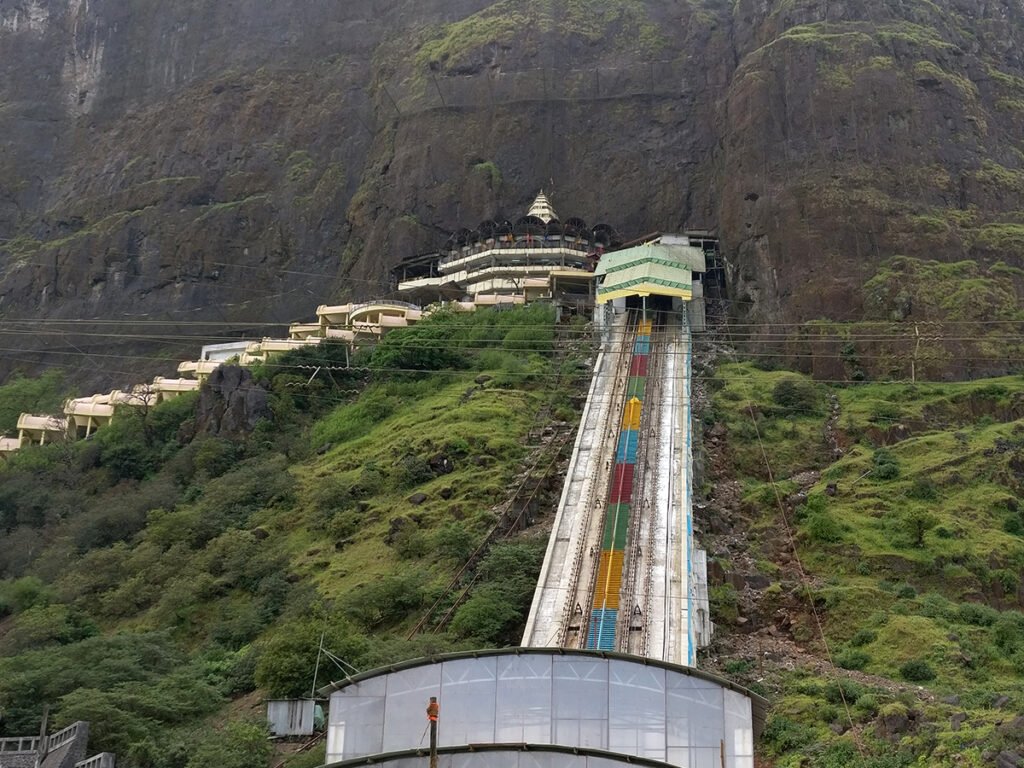
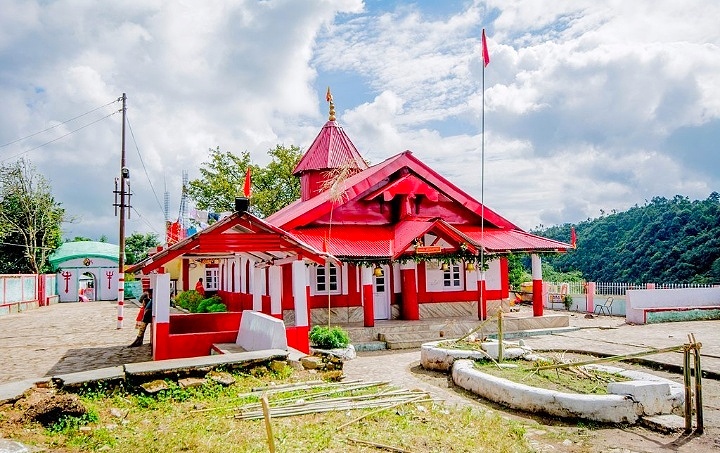
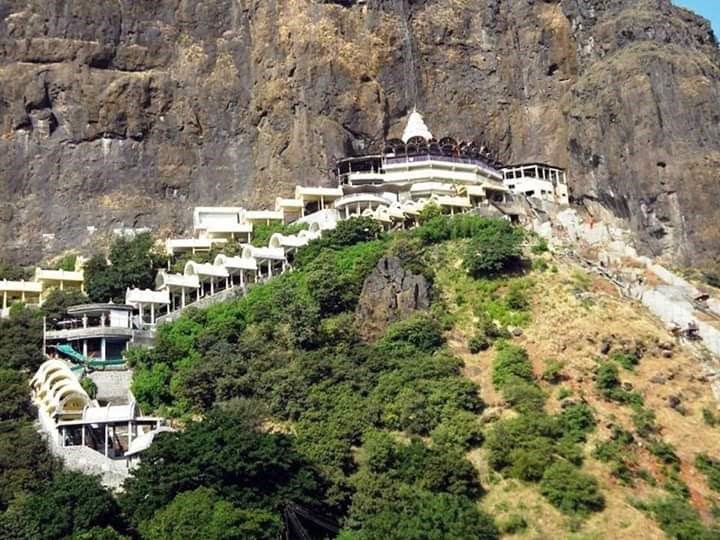
Nestled atop the verdant Kumari hills in Ganjam district of Odisha, overlooking the serene Rushikulya river, the Tara Tarini Temple is dedicated to the twin goddesses Tara and Tarini. As one of the four Adi Shakti Peethas, it is considered among the oldest and most significant centres of divine feminine power in Hinduism.

The roots of the Tara Tarini Temple stretch deep into antiquity, with its spiritual significance predating its current structure. The present temple, built in the 17th century, stands as a testament to centuries of devotion and reverence. However, the site’s sacred status extends far beyond the current edifice. Archaeological evidence and ancient texts suggest that this location has been a place of worship for over two millennia. The nearby Jaugada Rock Edict, an important monument built by Emperor Ashoka over 2000 years ago, hints at the area’s historical and spiritual importance. Some scholars believe that in ancient times, this place was a sacred Buddhist site, highlighting the syncretic nature of Indian spirituality.

The Kalika Purana, an ancient Hindu text written approximately a thousand years ago, describes the location of the Tara Tarini Shaktipeeth, further cementing its longstanding significance in Hindu cosmology. Through the ages, the Tara Tarini temple has continued to be an important place of worship for both Buddhist and Hindu tantra practitioners, showcasing the fluid and inclusive nature of Indian spiritual traditions.

The Tara Tarini Temple’s status as a Shakti Peetha imbues it with profound spiritual significance. It is believed to be the Stana Peetha or breast shrine of Adi Shakti, the supreme mother goddess. This association with the divine feminine principle makes it a potent source of spiritual energy for devotees. What sets Tara Tarini apart is its unique representation of the divine feminine as twin goddesses. Tara and Tarini are considered manifestations of Adi Shakti, embodying various aspects of the supreme goddess known by names such as Mahakali, Mahalakshmi, Mahasaraswati, Durga, and Parvati.

The Bhairavs associated with this Shakti Peetha are Someshwar or Tumkeswar, the bhairav of the elder sister Devi Tara, and Udayeshwar or Utkeswar, the bhairav of the younger sister Devi Tarini. Their temples are located on the path leading to the main Shakti temple, creating a holistic spiritual landscape.

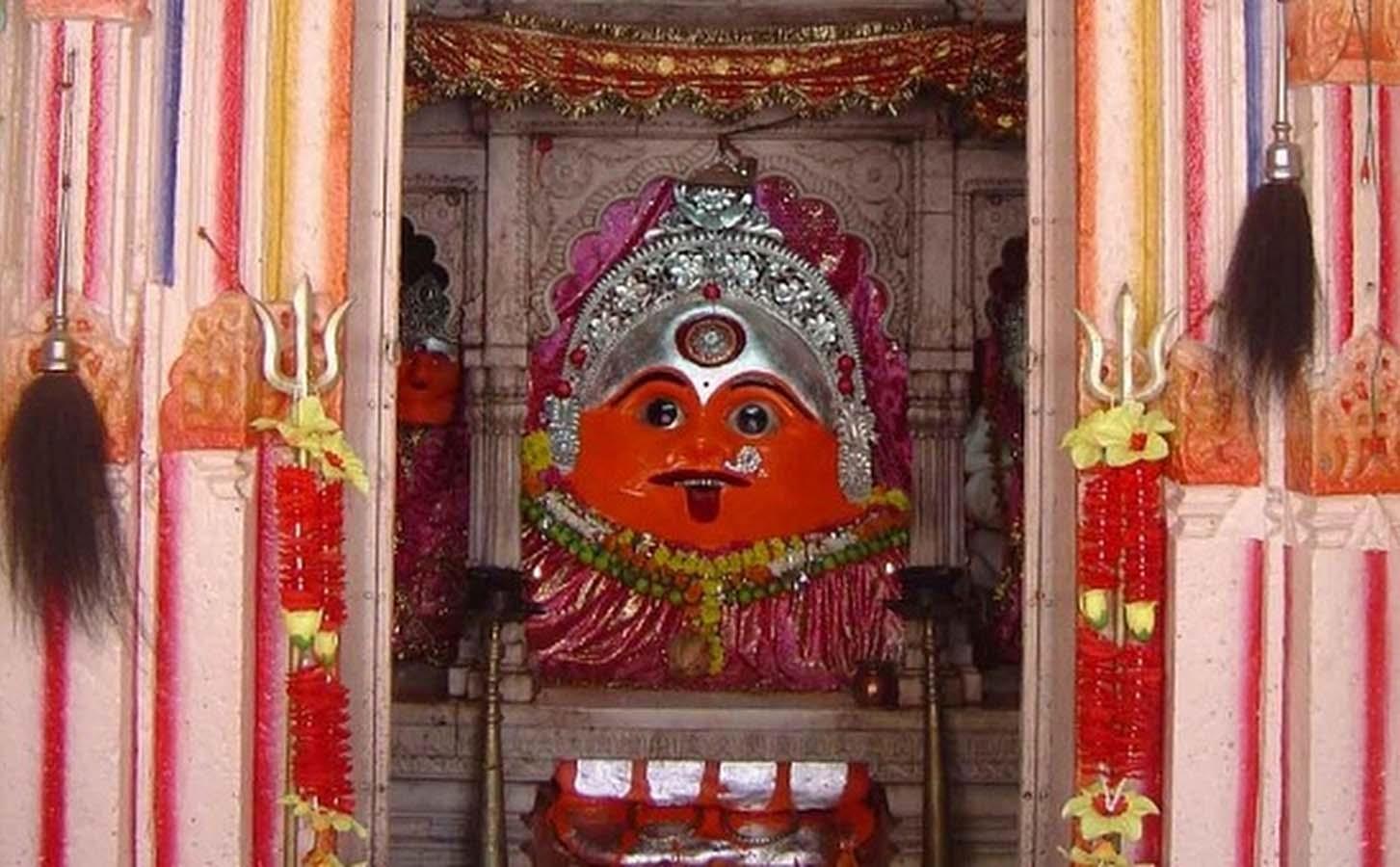
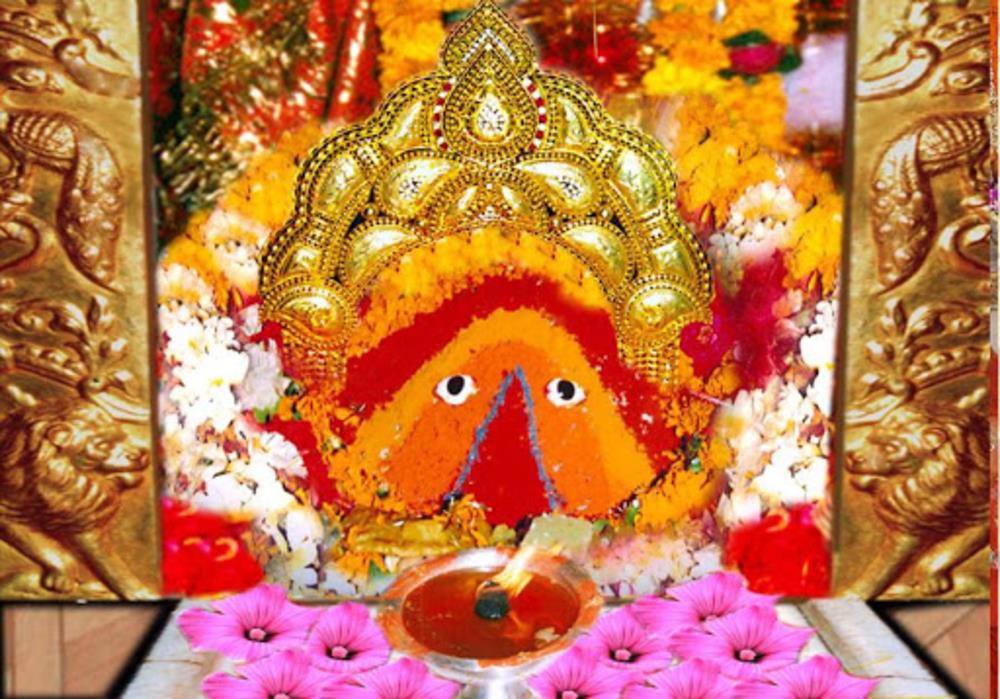
Several features distinguish the Tara Tarini Temple from other shrines. The temple is unique in its worship of twin goddesses, Tara and Tarini, each with distinct iconography and attributes. The main temple houses Swayambhu statues of the goddesses Tara and Tarini, believed to have appeared by divine will rather than human craftsmanship. The temple architecture showcases a beautiful fusion of Kalinga and Dravidian styles, featuring a conical spire and intricate carvings. Situated at an elevation of 708 feet, the temple offers panoramic views of the surrounding landscape. A flight of 999 steps leads from the foot of the hill to the temple, adding to its mystique and the devotees’ sense of pilgrimage. The site’s history as a place of worship spans over two millennia, with evidence of both Buddhist and Hindu influences. Maa Tara is depicted with four arms holding various symbolic items, while Maa Tarini is shown with two arms holding a sword and a lotus, symbolising their roles as protectors and providers.

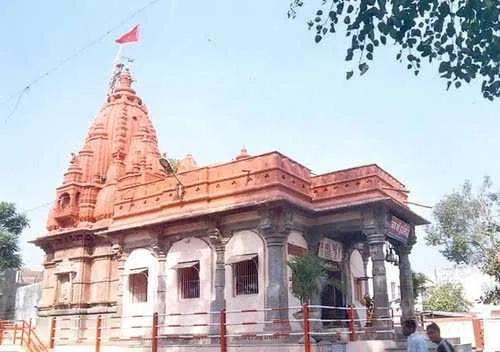
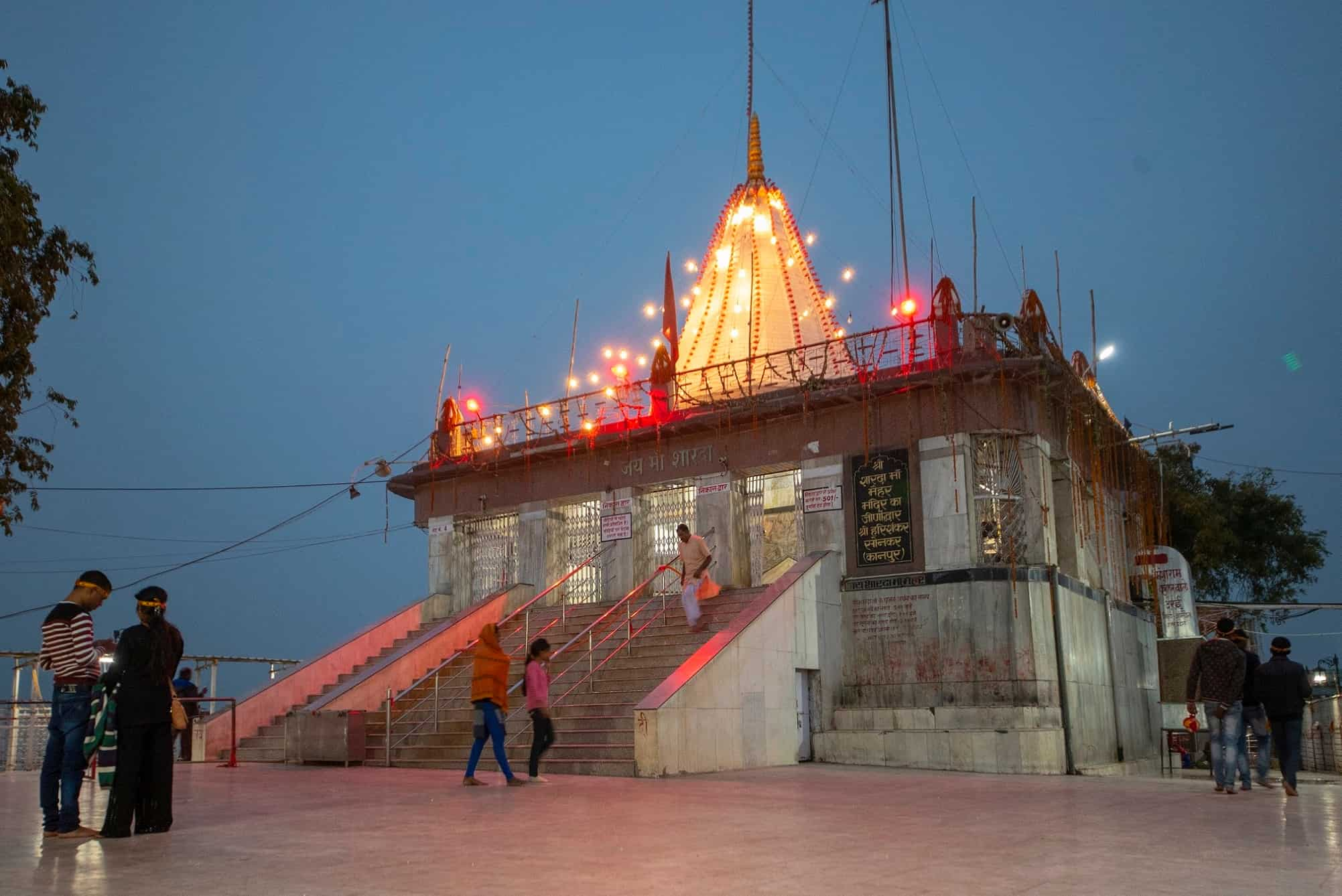
The Tara Tarini Temple is a masterpiece of Odishan temple architecture, built in the distinctive Kalinga style. The temple complex consists of several key components. The central temple houses the Swayambhu statues of Tara and Tarini, made of stone and adorned with gold and silver. A towering archway decorated with intricate carvings marks the main entrance, while the inner sanctum features colorful murals depicting the divine stories of the goddesses. A large courtyard surrounds the main shrine, accommodating devotees during festivals and rituals. Smaller temples dedicated to other deities dot the complex, and the temple houses several deities known as utsav murtis, used in processions during festivals like the Rath Yatra. The use of sandstone and laterite in the temple’s construction not only adds to its aesthetic appeal but also reflects the region’s geological heritage. The intricate carvings on the temple walls showcase the exceptional skill of ancient Odishan artisans and serve as a visual narrative of Hindu mythology and local legends.

The Tara Tarini Temple is a hub of vibrant rituals and devotional practices throughout the year. The temple follows a strict schedule of daily worship rituals performed by specially trained priests. Food offerings to the goddesses play a crucial role in the temple’s rituals, with the prasad being highly revered by devotees. Many devotees bring their children to the temple for the mundan, or the first haircut ritual as an offering to the goddesses for their protection. Given its historical association with Tantric traditions, the temple continues to be an important centre for certain Tantric rituals, though many have been modified over time to align with contemporary practices. During the famous chariot festival, the utsav murtis of the goddesses are taken out in a grand procession, allowing devotees who cannot climb the hill to receive their blessings.

The Tara Tarini Temple comes alive with numerous festivals throughout the year, attracting thousands of devotees from across India and beyond. Chaitra Parba or the Tara Tarini Mela is the most important festival held at the temple, occurring annually during March and April. The festival spans the entire month of Chaitra, with each Tuesday being particularly auspicious. The third Tuesday witnesses the grandest celebrations, drawing over 50,000 devotees. During the nine-day Navaratri festival, the temple sees a surge of pilgrims coming to worship the goddesses as manifestations of Goddess Durga. The temple is elaborately decorated, and special pujas are conducted. Held in January, the Sankranti Mela festival marks the sun’s transit into Capricorn and is celebrated with great fervour at the temple. Coinciding with Holi, Dol Purnima is a spring festival that sees joyous celebrations while Saradiya Parba is an autumn festival, coinciding with Durga Puja, that is another important event in the temple’s calendar. Celebrated during Diwali, Shyamakali Parba adds to the temple’s yearly cycle of celebrations.

The Tara Tarini Temple holds immense cultural significance in the region, influencing local traditions, art, and folklore. Goddesses Tara and Tarini are regarded as the presiding deities or the Ista Devi in most households in Southern Odisha. According to one local legend, Tara and Tarini were beautiful sisters from Padmapur village known for their generosity. Their kindness led Goddess Tara to make them divine, ensuring they would be worshipped forever. The site where the temple stands is believed to be the battleground where the goddesses defeated the demons Sumbha and Nisumbha, making it a symbol of divine victory and protection. The temple’s architecture, iconography, and associated legends have inspired various forms of local art, including paintings, sculptures, and performing arts. The temple has fostered a strong tradition of pilgrimage in the region, with devotees undertaking arduous journeys to seek the blessings of the goddesses.

The temple’s unique representation of twin goddesses, its ancient history, and its vibrant traditions make it a crucial piece in understanding the spiritual landscape of Odisha and India as a whole. The story of the Tara Tarini Temple is ultimately a story of continuity and change – of ancient traditions persisting through centuries of social and religious evolution.

Sacred Stones, Spaces and Stories: Shakthi Peetas Part 2

The first Shaktipeeta temples we will first learn about are the four Adi Shakta Peethas which are sites where most of the energy is. These include the Kamakhya Temple in Assam where the genitals fell, the Dakshina Kalika or Kalighat Temple in West Bengal, where the toes of the right foot fell, the Vimala Temple in Odisha where the feet fell, and the Tara Tarini Temple, also in Odisha housing the breasts.

Kamakhya Devi Temple, Guwahati, Assam
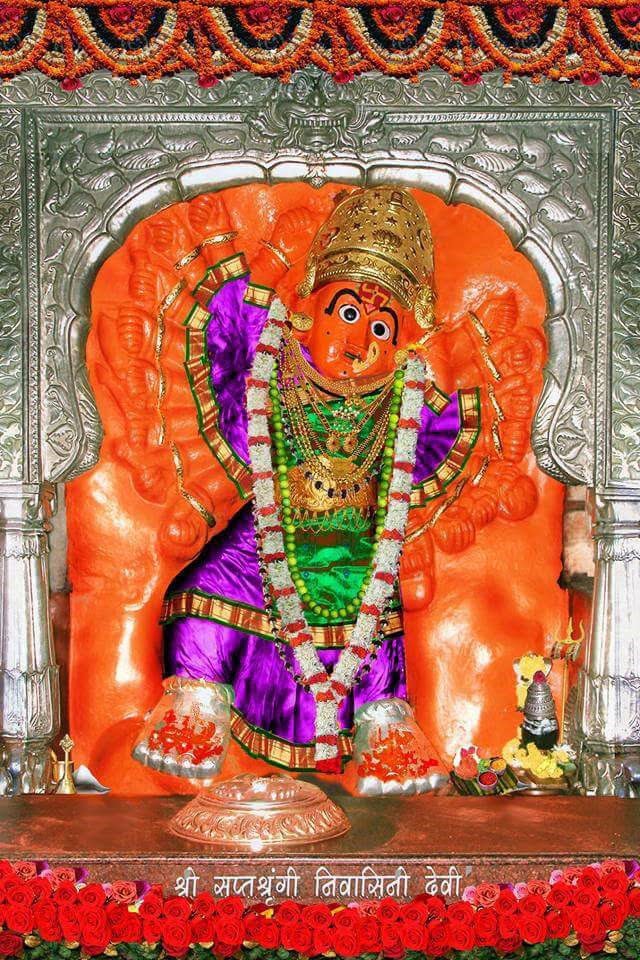
Perched atop the Nilachal Hills in Guwahati, the Kamakhya Devi Temple stands as one of the most revered and enigmatic spiritual sites in India. This ancient temple, dedicated to the Goddess Kamakhya, is not just a place of worship but a powerful symbol of feminine energy, fertility, and creation. As one of the 51 Shakti Peethas, it holds a special place in Hindu mythology and Tantric traditions. It is believed that Sati’s yoni or female reproductive organ fell at the site where the Kamakhya Temple now stands. This event gave the location its sacred status as a Shakti Peetha, symbolising fertility and the power of creation.

The Kamakhya Temple is considered one of the most important among the 51 Shakti Peethas. Ancient Hindu texts such as the Kalika Purana and Devi Purana regard Kamakhya as the supreme Shakti Peetha of all the 51 sites. The Shakti here is known as Maa Kamakhya, and the associated Bhairava, a form of Lord Shiva, is called Umananda or Umanath. What sets Kamakhya apart from other Shakti Peethas is its unique representation of the divine feminine. Unlike most Hindu temples that house idols of deities, the Kamakhya Temple does not contain an anthropomorphic image of the goddess. Instead, the primary object of worship is a yoni-shaped stone over which a natural spring flows. This distinctive feature emphasises the temple’s focus on the primal aspect of feminine energy and fertility.

The Kamakhya Temple complex is a marvel of architecture and spiritual significance. It showcases a blend of styles, with elements of Nilachal and Ahom architecture. The temple features seven oval spires, each capped with three golden pitchers. The intricate carvings and patterns adorning the walls and ceilings reflect Assam’s rich cultural heritage.

The sanctum sanctorum, or the garbhagriha, is located in a cave-like structure below ground level. This is where the yoni-shaped stone, the primary object of worship, is located. The temple complex houses several other shrines dedicated to various forms of the goddess and other deities. A natural spring flows over the yoni-shaped stone in the garbhagriha, which is believed to turn red during the goddess’s menstrual cycle. Kamakhya Temple is renowned as a major centre for Tantric practices and rituals.

The Kamakhya Temple is known for its unique rituals and festivals, the most famous being the Ambubachi Mela. This annual festival, held in June, celebrates the menstruation cycle of Goddess Kamakhy. During this time, the temple remains closed for three days, symbolising the goddess’s menstrual period. The event attracts thousands of devotees and tantra practitioners from across India and abroad. The temple follows a strict schedule of daily pujas and rituals, performed by specially trained priests. As a hub of Tantric practices, the temple is known for its esoteric rituals involving mantras, yantras, and complex ceremonies. Historically, the temple was known for animal sacrifices, though these are now mostly symbolic. Many couples visit the temple seeking blessings for conception and childbirth.

The Kamakhya Temple has a rich history dating back several centuries. Archaeological evidence suggests that the site may have been a centre for Tantric practices as early as the 5th century. Over time, it has been patronised by various dynasties and rulers. The Mleccha dynasty of Kamarupa was among the first to patronise the temple and the Pala dynasty continued the patronage. King Nara Narayana of Cooch Behar rebuilt the temple in the 16th century after it was destroyed while the Koch dynasty made significant contributions to the temple’s development. The temple’s prominence grew significantly during the colonial era, particularly in the 19th century, when it became an important pilgrimage destination for devotees from Bengal.

The Kamakhya Temple has had a profound impact on the cultural and spiritual landscape of Assam and beyond. It attracts millions of devotees annually, contributing significantly to the local economy and tourism. The temple has played a crucial role in preserving and propagating Tantric traditions and practices. By celebrating menstruation as a sacred process, the temple challenges taboos and promotes a positive view of women’s biological processes. The temple’s unique architecture and legends have inspired numerous works of art, literature, and music. Despite its Hindu origins, the temple attracts devotees from various faiths, fostering interfaith understanding and respect.

Like many ancient structures, the Kamakhya Temple faces several challenges. Maintaining the ancient structure while accommodating increasing numbers of pilgrims is an ongoing challenge. The temple’s location on a hill poses challenges related to erosion and environmental preservation. Balancing the need for modern amenities with the preservation of traditional practices and architecture is a delicate task. Many of the temple’s ancient practices and histories are oral traditions, and efforts are being made to document these for future generations.

Kalighat Kali Temple, Kolkata, West Bengal
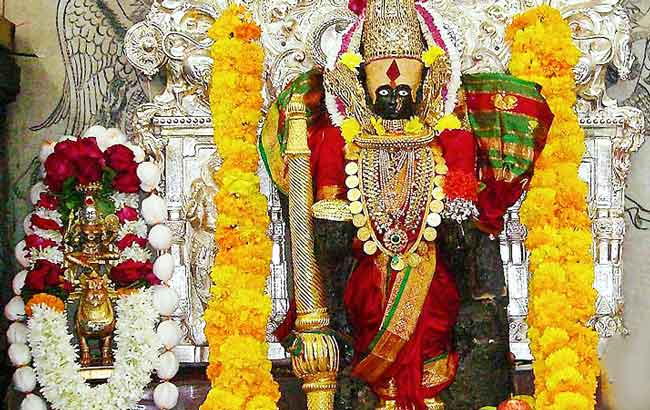
The Kalighat Kali Temple is one of the most revered Shakti Peethas in the bustling city of Kolkata. Dedicated to the fierce goddess Kali, the temple is believed to be where Sati’s right toe fell. At Kalighat, Shakti is known as Dakshina Kali, or the benevolent mother, and the associated Bhairava is called Nakuleshwar Mahadev. What sets Kalighat apart is its status as one of the four Adi Shaktipeethas, considered the oldest and most significant Shaktipeethas. The name of the city of Kolkata is believed to originate from Kalikshetra, meaning the place of Goddess Kali.

The history of the Kalighat Temple stretches back several centuries, with references dating to the 15th century. The original temple is believed to have been established by a devotee named Kalapahad. However, the current structure is not that old. The temple underwent significant reconstruction in the 19th century. Raja Basanta Roy, the King of Jessore, is credited with building the original temple. Around 1570, Padmabati Devi, the mother of Laksmikanta Roy Choudhury of the Sabarna Roy Choudhury family, claimed to have a divine vision and discovered Sati’s right toe in a lake called Kalikunda in Kalighat. During the British colonial period, the area around Kalighat was part of the Dihi Panchannagram, which the East India Company purchased from Mir Jafar in 1758 after the Battle of Plassey. As Calcutta, now Kolkata, grew, the forested suburbs around Kalighat were gradually cleared and assimilated into the expanding city.

The Kalighat Kali Temple is a classic example of Bengal architecture, which emulates the mud and thatch-roofed huts of rural Bengal. The main temple is a four-sided building with a truncated dome, topped by a smaller identically-shaped projection. Key architectural features include a Chala Temple design with each sloping side of the roof called a Chala, giving the temple its designation as a Chala temple. The two roofs bear a total of eight separate faces, creating a distinctive stacked, hut-like appearance common in Bengali temples. Both roofs are painted with shiny, metallic silver and adorned with bright bands of red, yellow, green, and blue where they join the building at the cornice. The uppermost roof is topped by three spires, with the tallest central spire bearing a triangular pennant flag. The outer walls are decorated with a diamond chessboard pattern of alternating green and white tiles. A recent addition to the temple complex is an elaborate lighting system that creates a novel atmosphere, causing the temple to glow with vibrant colours throughout the night.

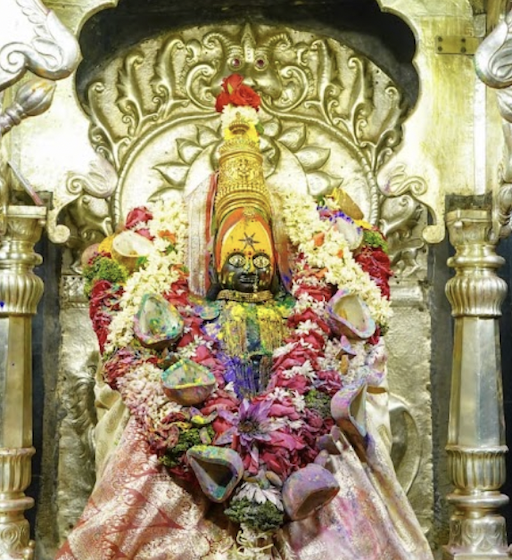
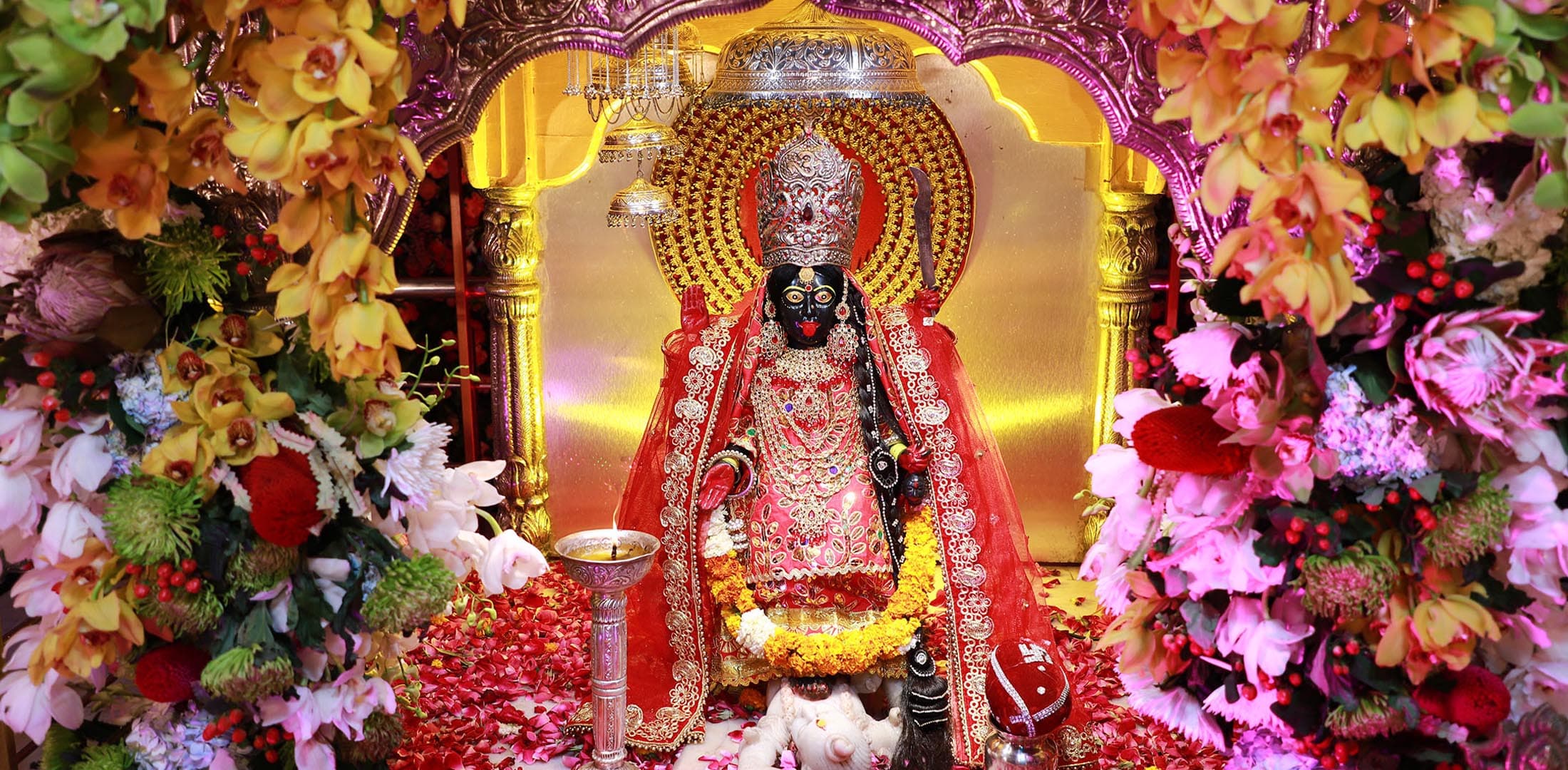
The idol of Goddess Kali at Kalighat is distinct from other Kali images in Bengal. Created by two saints, Brahmananda Giri and Atmaram Giri, the idol is made of black touchstone and has several unique features. The idol has three enormous eyes symbolising omniscience, a long, protruding tongue made of gold, representing the goddess’s fierce aspect, and four arms, with two hands holding a scimitar and a severed head of the asura king Shumbha, while the other two are in the abhaya and varada mudras or gestures of protection and blessings. The scimitar symbolises divine knowledge, while the severed head represents the human ego. The blessing gestures indicate that devotees worshipping with a true heart will receive the goddess’s guidance and protection. Interestingly, the Kali idol originally only had a face. The tongue and hands made of gold and silver were added later.

A fascinating aspect of the Kalighat Temple is the presence of another image of Goddess Kali that is never displayed to the public or seen by priests. This hidden image is believed to be svayambhu or self-manifested and extremely powerful. Identified as Sati’s toe, this adirup or original form is concealed within the pedestal upon which the visible Kali idol stands. Adjacent to the temple lies a sacred tank called Kundupukar. The water in this pond is considered as holy as the river Ganga and is believed to have the power to bestow the boon of a child.

The Kalighat Temple is known for its unique rituals and festivals. The temple follows a strict schedule of daily worship rituals performed by specially trained priests. The Snan Yatra is an annual ritual that involves a ceremonial bath of the goddess. Interestingly, the priests perform this ritual with their eyes covered with cloth. Kali Puja is celebrated in October or November, coinciding with Diwali and is one of the most important events at the temple. The temple is beautifully decorated, and thousands of devotees gather to offer prayers and participate in the festivities. Historically, the temple was known for animal sacrifices, though these are now mostly symbolic. Many couples visit the temple seeking blessings for conception and childbirth. The sacred tank, Kundupukar, is believed to have special powers in this regard.

The Kalighat Temple has had a profound impact on the cultural and spiritual landscape of Kolkata and beyond. It attracts millions of devotees annually, contributing significantly to the local economy and tourism. The temple’s unique architecture and legends have inspired art, literature, and music. The Kalighat painting style, characterised by bold lines and vibrant colours, originated in the vicinity of this temple.

In our modern world, where gender dynamics and women’s empowerment are at the forefront of social discourse, the Kalighat Temple’s celebration of feminine power takes on new significance. It reminds us of the timeless wisdom embedded in Hindu traditions and invites us to reflect on the balance of energies in the universe and within ourselves.

Sacred Stones, Spaces and Stories: Shakti Peethas Part 1

For the past few months, I have been increasingly interested in Hinduism. I’ve been praying more and learning more about my culture, and so a natural offshoot of this was becoming more interested in the different temples and their stories. As I started learning more, I thought I should share it with everyone, hence this new series. This series, which I will call Sacred Stones, Spaces, and Stories, will dive deeper into the various temples across the subcontinent. I will start with the Shaktipeeths dedicated to the Mother Goddess. We can learn more about the Divya Desams, Vaishnava temples of great significance, the Jyotirlingas, dedicated to Lord Shiva, as well as the Ashtavinayaks, temples for Lord Ganesha. Follow me on this journey as we learn more about the incredible temples and the stories behind them. I will upload a new post every Friday starting next week about one or more temples. Today, let’s learn more about Shaktipeeths.

Shakti Peethas are sacred sites in Hinduism dedicated to the worship of Goddess Shakti, the divine feminine power. These temples hold immense spiritual significance and are scattered across the Indian subcontinent, including parts of Bangladesh, Nepal, and Pakistan. The origin of these temples is deeply rooted in Hindu mythology, particularly in the tragic tale of Goddess Sati and Lord Shiva.

The story behind the creation of Shakti Peethas is one of the most poignant and significant in Hindu mythology. It revolves around Goddess Sati, the first consort of Lord Shiva, and her father, King Daksha. Sati, daughter of King Daksha, was married to Lord Shiva against her father’s wishes. Daksha, disapproving of this union, organised a grand yajna or sacrificial ritual but deliberately excluded Sati and Shiva from the invitation. Despite Shiva’s advice, Sati decided to attend the yajna, determined to uphold her husband’s honour.

At the yajna, Daksha publicly insulted Lord Shiva, which Sati could not bear. In a supreme act of devotion and protest, Sati invoked her yogic powers and immolated herself in the sacrificial fire. This act of self-sacrifice had profound cosmic repercussions and forms the crux of the Shaktipeetha origin story.

Upon learning of Sati’s death, Lord Shiva was overcome with grief and rage. He created two fearsome deities, Virabhadra and Bhadrakali, who wreaked havoc at Daksha’s yajna. Shiva then took up Sati’s charred body and began to perform the Tandava, the cosmic dance of destruction, across the universe. As Shiva’s dance threatened to unravel the cosmic order, the other gods appealed to Lord Vishnu to intervene. Using his divine discus, the Sudarshana Chakra, Vishnu dismembered Sati’s body into multiple pieces. These pieces fell to earth at various locations, each becoming a sacred Shakti Peetha.

Each Shakti Peetha is believed to embody a particular form of the Goddess Shakti, representing different aspects of her divine power. These sites are not just temples but are considered to be living manifestations of the Goddess herself. The exact number of Shakti Peethas is a matter of debate among different Hindu texts. Various Puranas mention 51, 52, 64, or even 108 Shakti Peethas. However, 51 is the most commonly accepted number. These sacred sites are spread across the Indian subcontinent, with some located in present-day Bangladesh, Nepal, and Pakistan.

Among the Shakti Peethas, four are considered to be of paramount importance and are known as the Adi Shakti Peethas. These are the Kamakhya Temple in Assam, associated with Sati’s yoni or vagina; the Kalighat Temple in Kolkata, associated with Sati’s face; the Tara Tarini Temple in Behrampur, Odisha, associated with Sati’s chest; and the Bimala Temple in Puri, associated with Sati’s feet. These four sites are believed to be the most potent in terms of spiritual energy and are highly revered by devotees.

Shakti Peethas are not merely places of worship; they represent the fundamental concept of Shakti or divine feminine energy in Hinduism. They are considered sources of immense spiritual power and are believed to fulfil the desires of devotees who visit them with true devotion.

At each Shakti Peetha, the Goddess is worshipped in a specific form, often accompanied by a form of Bhairava, a manifestation of Lord Shiva. The worship practices can vary from one Peetha to another, but they generally involve offerings, prayers, and sometimes elaborate rituals.

Visiting the Shakti Peethas is considered a significant pilgrimage in Hinduism. Many devotees undertake arduous journeys to visit these sites, believing that such pilgrimages can lead to spiritual enlightenment, fulfilment of wishes, and liberation from the cycle of birth and death.

Many Shakti Peethas have faced challenges over the centuries, including invasions, natural disasters, and the ravages of time. Some, like those in Bangladesh, have witnessed heroic efforts by devotees to protect and preserve them. Efforts are ongoing to restore and maintain these ancient temples. Many have undergone renovations to preserve their architectural beauty while maintaining their spiritual essence. However, the challenge lies in balancing modernisation with the preservation of the temples’ historical and spiritual integrity.

Shakti Peethas are not just religious sites but also repositories of art, architecture, and cultural heritage. They often feature intricate carvings, sculptures, and architectural styles that reflect the artistic traditions of their respective regions. In the contemporary era, Shakti Peethas continue to be centres of faith and pilgrimage. They attract millions of devotees annually and play a significant role in the spiritual and cultural life of Hindus. Many Shakti Peethas have become important tourist destinations, contributing to the local economy. This has led to the development of infrastructure around these sites, making them more accessible to pilgrims and tourists alike. Some Shakti Peethas have evolved into spiritual retreats and yoga centres, offering programmes that blend traditional practices with modern wellness approaches. This evolution reflects the adaptability of these ancient sites to contemporary spiritual needs.

As we explore these Shakti Peethas, we delve into a world where myth and reality intertwine, where ancient stories come alive through stone and ritual, and where the divine feminine is celebrated in all her power and glory. These temples serve as bridges between the earthly and the divine, offering seekers a chance to connect with the primordial energy of creation. As we continue this series on Hindu temples, the Shakti Peethas serve as a profound starting point, setting the stage for an exploration of the rich and diverse world of Hindu sacred architecture and spirituality. These temples, with their deep-rooted legends and living traditions, offer a window into the heart of Hindu philosophy and practice, inviting us to discover the divine in the world around us and within ourselves. So let’s start on our journey of exploration.

Sacred Journeys: Exploring some Andhra Pradesh Temples Part 2

This is Part 2 of our temple pilgrimage to the Tirupati Balaji Temple, the Sri Padmavati Temple and the Sri Kalahasthi Temple on a road trip from Bengaluru.

Coming down from Tirumala took almost an hour because there are speed restrictions and it took us about 45 minutes from the point of entering Tirupati to reaching the Padmavati temple. Located in Tiruchanur on the outskirts of Tirupati, the temple is under the administration of Tirumala Tirupati Devasthanams. Padmavathi or Alamelumanga is the main deity of the temple and faces the east. She is an incarnation of Goddess Lakshmi and the consort of Lord Venkateswara. It is believed that the Goddess Lakshmi was born as Alamelu to Akasha Raja, the ruler of this region, and wed Venkateshwara of Tirupati. Goddess Lakshmi gave darshan to Lord Venkateswara on a red Lotus flower or a Padma in Sanskrit at Alamelu Mangapuram after his deep penance for twelve years. According to tradition, the Mother Goddess manifested Herself in the holy Pushkarini called Padmasarovaram in a golden lotus. The Venkatachala Mahatyam states that Lord Suryanarayana was instrumental in the blossoming of the lotus in full splendour. A temple dedicated to Lord Suryanarayana is situated on the eastern side of the Pushkarini. The Padma Purana gives a vivid description of the advent of the Goddess and subsequent wedding with Lord Srinivasa. The manifestation of Sri Padmavathi Devi occurred in the month of Karthika on Sukla Paksha Panchami when the star Uttarashada was in the ascendant. The Brahmotsavam of the Goddess is celebrated with pomp and glory.

We reached the temple around 8:15 am and realised that the temple was closed after the early morning prayers and would reopen at 9 am. So while waiting, we had breakfast nearby. After breakfast, we brought the tickets for the express queue which were for about Rs 200 per person and started waiting. As with Tirumala, our belongings were scanned and all mobile phones asked to be deposited at a counter. My parents were sent on ahead in the senior citizen queue. The queue took about 20 minutes to reach the goddess who was beautiful! We had a very good darshan and then waited for my parents to come, after which we rushed to the last temple in our itinerary, the Sri Kalahasthi temple.

The only photo I could click in the of a temple in the entire tripSriKalahasthi Temple

By the time we finished with the Padmavati temple, the time was nearly 10:45 am. On Friday, the day we were to go to the SriKalahasthi temple, the Rahu Kalam was between 10:30 am to 12 noon and I wanted to visit the temple during this time. Located in the town of Srikalahasti, about 40 km from the Padmavati temple, the temple is one of the most famous Shiva temples in South India and is said to be the site where Kannappa was ready to offer both his eyes to cover the blood flowing from the linga before Lord Shiva stopped him and granted him moksha. It is also famous for its Vayu or Wind Lingam, one of the Panchabhoota Sthalams, representing wind. The temple is also regarded as a Rahu-Ketu kshetra and Dakshina Kailasam. The inner temple was constructed around the 5th century and the outer temple was constructed in the 11th century by the Rajendra Chola I, later Chola kings and the Vijayanagara kings. Shiva in his aspect as Vayu is worshipped as Kalahasteeswara. This is the only temple in India which remains open during Solar and lunar eclipses, while, all other temples are closed. This temple is famous for Rahu-Kethu pooja where it is believed that performing this pooja will ward the people from the astrological effects of Rahu and Kethu.

Goddess Parvati is enshrined in the temple as Shiva-Gnanam Gnana Prasunamba or Gnana Prasunambika Devi. According to legend, Lord Shiva’s consort Goddess Parvati was cursed by him to discard her divine form and assume human form. To atone, Parvati performed penance at Srikalahasti and pleased Shiva. Shiva granted her a heavenly body, a hundred times better than her previous divine form. Cursed to become a ghost, Ghanakala prayed at Srikalahasti for 15 years and after chanting the Bhairava Mantra, Shiva restored her original form.

On reaching the temple, I was praying hard to Lord Shiva that we make it to the sanctum sanctorum before Rahu Kalam ends. Our driver was god-sent and raced down and made sure we reached and prayed to the Lord just as it turned noon. He also spoke to someone at the temple entrance and got us to alight at the VIP entrance. He also spoke to an employee who, on payment, became our guide and took us on a very good tour of the temple without standing in any line and also procured a wheelchair for my father. Goddess Parvati was decked out in gold and this is something only done twice a week, on Mondays and Fridays and we were fortunate to have a glimpse of the Goddess in this form. At this temple also, we were asked to deposit our phones and electronic devices, so I could not take any photos anywhere.

After an hour spent in the temple, we finally exited the temple and started our journey back to Bengaluru. The journey back to Bengaluru was uneventful and took us about seven hours because just as we entered the city, we caught the evening rush hour which added another hour to the journey. We had lunch at the same place we had brunch the day before and our next meal was at our home. We all slept a fair bit of the drive back and were pretty exhausted by the time we hit the bed. But our hearts were full because of the amazing darshans we had. I was happy that I could facilitate this trip for my parents. Hopefully, we can make another trip to all these temples again and soon.

Sacred Journeys: Exploring some Andhra Pradesh Temples Part 1

During our recent trip to India, my father wanted to visit my family’s ancestral temple or Kuladevta. A Kuladevta is is a clan deity or an ancestral tutelary deity in Hinduism and Jainism. Such a deity is often the object of one’s devotion and is coaxed to watch over one’s clan, gotra, family, and children from misfortune. This is distinct from an ishta-devata or personal tutelar and a grama devata or village deity. Male kula devatas are sometimes referred to as kuladeva, while their female counterparts are called kuladevi. The word kula devata is derived from two words: kula, meaning clan, and devata, meaning deity, referring to the ancestral deities that are worshipped by particular clans.

In my father’s family, Tirupati Balaji is the kuladevta and so he wanted to make one last trip to see the Lord before he becomes unable to travel at all. Tirupati is about 280 km from where they live on the outskirts of Bengaluru and we decided to hire a car with a driver to take us there. The driver was very experienced and since he usually makes at least three trips to Tirumala and Tirupati weekly, he knew all the ins and outs of the temple and was able to guide us accordingly.

By the time we left Bengaluru, it was almost 7 am and it took us almost two hours to navigate the city and get into the Bengaluru-Tirupati Highway. The highway, especially the part that falls in the state of Andhra Pradesh was a super smooth six-lane highway with extremely good roads that could be driven at 100 kph. For those travelling from Bengaluru to Tirupati, I can recommend Hotel Sapthagiri as a rest stop for lunch or brunch. We stopped here both ways and I found the food good and reasonable, and most importantly during a road trip, the restrooms are clean and useable. Travelling from Bengaluru to Tirupati, the restaurant is on the side towards Tirupati and comes just after the toll plaza and is about 30ish minutes before Tirupati. We had breakfast before leaving home and stopped there around 10:30 am for an early lunch or brunch.

After a brunch stop, we continued on our journey and then I had my first surprise. On reaching the town of Tirupati, at the turn-off to Tirumala, we saw many people in other vehicles getting down with their luggage and walking. I was very curious but realised very soon that, just like you clear customs and immigration when you go from one country to another, just like that, before entering Tirumala, you need to get out of your vehicle, carry all your luggage and get them scanned, before getting a pat-down. While this is going on, your vehicle also gets a scan and then once everyone and everything is cleared, you are allowed to sit back in your vehicle and start the journey up the seven hills. Since my parents were old, they were allowed to remain in the car and were scanned along with the vehicle. This whole process reminded me of clearing customs in Singapore and Malaysia when we travel between the two countries by public transport. Tirumala is also a plastic free zone and our driver told us that plastic water bottles are asked to be binned at this point. But our bottles went through, though it may be because they were not single use bottles. From the time we reached the checkpoint to the time we were allowed to resume our journey, it took us about 20-25 minutes. According to our driver, this was the off-season and during the peak season, this process can easily take an hour or more.

The time taken from the checkpoint to Tirumala takes about 30 minutes and once at the top, we went to leave my parents to a special senior citizens queue. We had gotten the agency that supplied us with the car and vehicle to get us special tickets for my parents under the senior citizen scheme and for us under the NRI scheme. But don’t think this meant we got special privileges. The cost of all the tickets was Rs 300 each and all this meant was that we were in a different line and instead of spending about five hours, we spent about three hours in the line. This queue is also available to others and most of the people in the line with us looked to be locals, so I am not sure how we were in a special line.

After dropping off my parents, we went to secure our room. An aunt’s friend who is a frequent temple visitor got us one room, but we were six people and the second room was only available from midnight. After securing the room, we were dropped off for our darshan queue.

All the temples we visited are electronic-free zones and we had to leave our phones in the car with the driver. At some point in the line, our bags were scanned and there was a power bank in my bag that I forgot to remove. I was asked about it and when I explained that there are no phones in the bag, a senior official was called and even though I was thinking of giving up the power bank if needed, they allowed me to keep it. But the problem with not having any mobile phones during the darshan meant that after we came out, we needed to get access to a phone to call the driver. But according to him, most employees are more than happy to share their phones with us and this is what happened to us. While getting the famous laddoos, we asked someone working there if we can use their phone and they obliged. And this was useful because we were looking for my parents and after speaking to the driver, we learnt that they were already in the vehicle.

After the darshan, we reached our room which was on the second floor. This was a problem because there was no lift and my father who was already exhausted by this point could not walk up. After trying to reason with the person giving the keys to the guest house, we tried to get him to walk up, but after seeing him, another employee got the first employee to speak with the main booking office and finally shifted us to a room on the ground floor. After resting for a while, we adults went out because my father wanted to do a hair tonsure which is free. The barbers ask for some money which we are supposed to give discreetly because the room is fitted with CCTV cameras and there are signs which remind pilgrims not to pay the barbers as they are salaried. After that, we brought some food and went back to a room that was meant for three people, but was going to sleep six people now. The guest house refused to give us an extra mattress or even extra pillows or sheets, so we made do with what was available.

Tirumala is incredibly clean and where we stayed was close to some houses, where even at 9 pm, we saw women washing their doorsteps and putting rangoli which seemed odd to us as usually this is only done first thing in the morning. Also there are RO water machines everywhere and pilgrims can refill their water bottles throughout the temple complex. We spent a sleepless night except for the children who shared a bed and we four adults shared the double bed. After the sleepless night, we woke up early and after getting some coffee, left the room around 6:45 am to go to our next temple, the Padmavati temple.

Please watch this space for Part 2 where we visit two more temples.