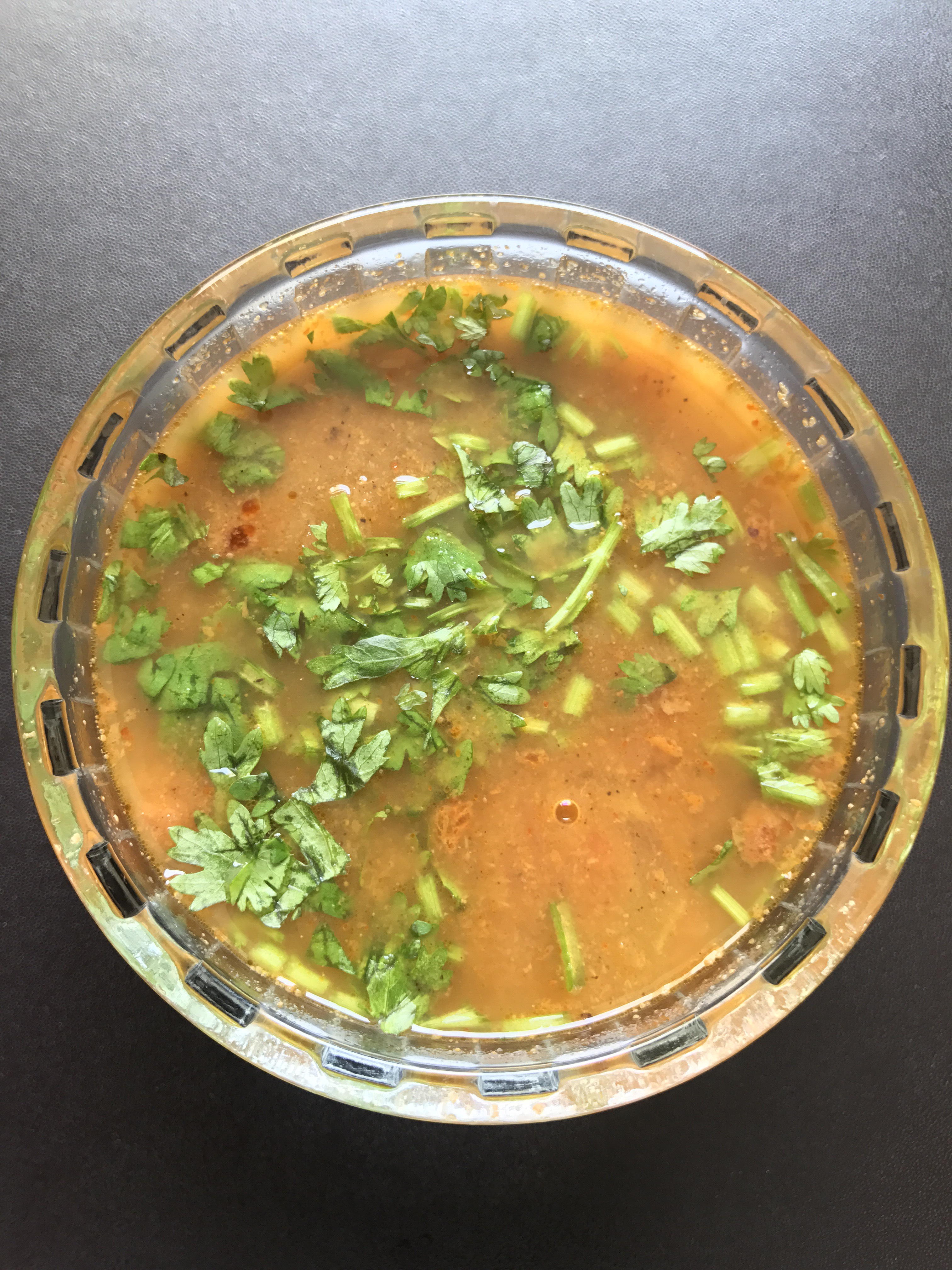
Recipes: Traditional Summer Coolers – Neer Mor aka Spiced Buttermilk

Thinned and whisked yoghurt or buttermilk is a staple across India and is known by different names across the sub continent. Chaas or chaach across the northern parts of India, ghol in Bengal, Mor in Tamil Nadu, majjige in Karnataka, and taak in Maharashtra, this spiced drink is a much loved drink in India, especially during the summer months.

Buttermilk is made by churning yogurt and water, preferably cold, together in a pot, using a hand-held whisk. This can be consumed plain or seasoned with a variety of spices. Unlike lassi, buttermilk is never sweet and more diluted.

The best buttermilk is made from homemade yoghurt that is a few days old which becomes slightly sour. This sourness imparts the tartness to the buttermilk. Salt and spices are added to enhance the taste.

Neer Mor aka Spiced Buttermilk

Ingredients:

  • 1 cup yoghurt
  • 4 cups cold water
  • 2-3 green chillies
  • 5-6 curry leaves
  • 2 sprigs coriander leaves
  • 1 tsp cumin seeds
  • 1 inch piece ginger
  • 1/8 tsp asafoetida
  • 1 tsp oil
  • 1 tsp mustard seeds
  • Salt to taste

Method:

  • In a blender, blend together the the yoghurt with the green chillies, 3-4 curry leaves, 1 sprig of coriander leaves, ginger, asafoetida and cumin seeds into a smooth paste.
  • Pour into a large jug and add the remaining cold water to thin it to the desired consistency. Add salt to taste. Chop the remaining sprig of coriander and garnish.
  • In a smaller skillet, heat the oil and when warm, add the mustard seeds and balance curry leaves. When the curry leaves becomes crisp, temper the buttermilk with this.
  • Serve cold as a refreshing summer drink.

Note: I didn’t temper the buttermilk this time, but this is the traditional method to make Neer Mor.

Recipes: Traditional South Indian Summer Coolers – Panakam

It’s been really hot these days here in Singapore and the week before last, when the festival of Ram Navami came around, I was really happy to make this traditional cooler as an offering to the Lord. This along with another summer drink called Neer Mor is traditionally offered as neividhyam or offering.

As I’ve previously mentioned, Ram Navami almost always came during the fag end of our annual exams back in India and was never really celebrated with pomp in our home, but my mum always used to make these coolers, which as a child, I rarely appreciated. As an adult, I love this drink and look for opportunities to make it.

The ingredients in this no cook drink probably are there for a reason. In the summer months, it is excessively hot in South India and each of these ingredients are meant to reintroduce sugar and hydrate you. Panakam brings down body heat and helps in preventing the human body from chicken pox in the summer. Jaggery purifies the blood, and is rich in iron, magnesium and anti-oxidants. Cardamom and ginger aid digestion, while lemon is rich in Vitamin-C and B-complex.

Panakam

Ingredients:

  • 1 cup chopped jaggery
  • 4 cups cold water
  • 1/4 cup lemon juice
  • 1/4 tsp cardamom powder
  • 2-3 cardamom pods
  • 1/2 tsp dry ginger powder (saunth)
  • 1/2 tsp julienned ginger (optional)
  • 1/2 to 1 tsp rock or pink Himalayan salt

Method:

  • Finely chop the jaggery and keep it in a large pan. Pour around 1 cup of medium warm water into the jaggery and let the jaggery melt.
  • If you feel that the jaggery has impurities, then strain the melted jaggery into a jug.
  • To the strained jaggery, add the remaining ingredients and then pour in the cold water.
  • You can play around with the ingredients, adding more or less, depending on your taste.
  • Serve cold. This really hits the spot on a warm summer day.

Notes:

  • Do not substitute jaggery for sugar. At a pinch, perhaps palm sugar may work, but the taste would not be the same as the panakam made with jaggery.
  • Use the darkest coloured jaggery you can find, because the colour of the drink is completely dependent on the colour of the jaggery used.

Recipe: Mysore Rasam

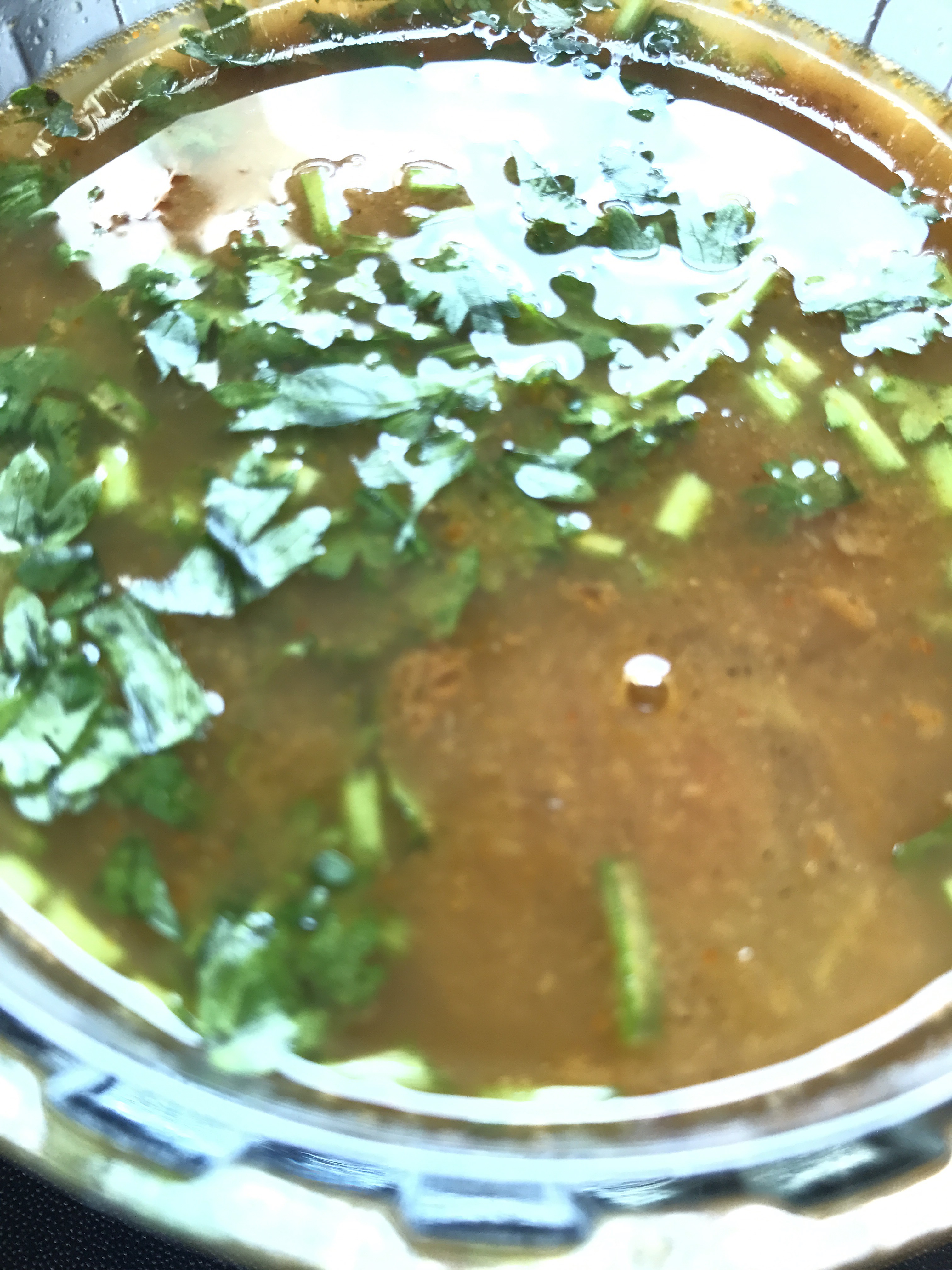
IMG_0639This a very typical rasam made in tambram households, yet at the same time, this is not something we usually make on a daily basis. You can call this a version of the arachavitta sambhar, only this is a rasam. In this recipe, you do not use the rasam powder at all, instead of making the masala paste fresh just before you start cooking.
I know of a friend, when she first got married, had a culture shock of sorts as she had to make the paste for sambhar and rasam on a daily basis as her in-laws did not like to use powders for the two items. So what we used to eat on special occasions, she had to cook daily. Now after years of marriage, she has converted her husband to liking rasams and sambhars made with powders, so things are a lot easier for her now.

I made this over the weekend when I was bored of making the same three-four things over and over. It does take a bit of time to make, but the end result is lip-smackingly delicious. You can also drink this as a spicy soup, especially when the weather is cold or rainy.

IMG_0641Mysore Rasam

Ingredients:

  • 1 cup toor dal, washed and cooked until done in a pressure cooker or on the stove. The dal has to be mushy and has to be completely disintegrated
  • 1 small, lime-sized ball of tamarind, soaked in warm water for 20-30 minutes and the pulp squeezed and water extracted. Alternatively, use 2-3 tbsps of tamarind paste
  • 2 tomatoes, quartered and halved again
  • 1 tsp jaggery. You can omit this or substitute brown or white sugar instead
  • Salt to taste
  • 1/4 tsp asafoetida powder
  • Coriander leaves to garnish

To be ground into a paste

  • 4-5 dried red chillies
  • 1 tsp peppercorn
  • 1.5 tsp coriander seeds
  • 1 tsp chana dal
  • 2 tbsps grated coconut
  • 1 tbsp ghee

To temper

  • 1 tsp ghee
  • 1 tsp mustard seeds
  • 1 tsp cumin seeds
  • 4-5 curry leaves

Method:

  • In a pan, heat the ghee and fry the dried red chillies, peppercorn, coriander seeds and chana dal till they start turning brown. Now add the grated coconut and fry until the coconut loses its moisture and turns brown. You need to keep stirring once you add the coconut, otherwise, the coconut will burn.
  • Cool this and when cool, grind this to a smooth paste and keep aside.
  • In a large vessel, add the tamarind water,  some water to reach the level of sourness you want, the chopped tomatoes, salt and asafoetida powder and let it boil.
  • Boil for a while till the raw smell of the tamarind goes away and then add the mashed dal and let it boil for a couple of minutes more.
  • Now add the blended masala paste and let it boil well till it comes together. Add the jaggery if you are using it this point.
  • The rasam will start frothing and at this point, add around 1/2 cup water and when it starts to boil again, switch off the flame and remove the rasam. Check for seasoning and adjust if needed.
  • In a smaller skillet, heat the ghee and when it is warm, add the mustard seeds. When the seeds pop, add the cumin seeds and the curry leaves. Pour this over the rasam. Garnish with coriander leaves and serve with hot rice and a vegetable of your choice.

IMG_0637

IMG_0642

IMG_0640


Recipe: Puli Inji aka Sweet Sour Ginger Chilli Sauce/Pickle

img_6105An essential part of a Tamil brahmin wedding feast, Puli Inji is one of my favourite parts of the fest. Sweet, Sour and also slightly spicy, I love this dish, and always want more, though the servers would only put a small tsp in each banana leaf.

The other day, with a whole bunch of ginger at home, I was wondering what to make which will use the ginger up and then decided to make some puli inji. I make a slight change to the traditional recipe. In the traditional recipe, the chilli and ginger are chopped into tiny pieces, while I blended it up so the end result was more chutney-like than a gravy-like which is how it is usually made. This recipe can be stored for a couple of weeks when refrigerated.

img_6107Puli Inji aka Sweet Sour Ginger Sauce

Ingredients:

  • 1 cup ginger, peeled, chopped and ground into a rough paste
  • 1 cup green chillies, peeled, chopped into a paste
  • 1 lemon sized ball of tamarind
  • 1/2 tsp turmeric powder
  • 2-3 tbsps of grated jaggery (more or less depending on the spice intensity of the chilli plus your spice tolerance)
  • Salt to taste

To be ground into a powder

  • 1 tbsp Urad dal (split black gram)
  • 1/2 tsp fenugreek seeds
  • 5-6 curry leaves

For the seasoning

  • 1-2 tbsps Gingelly oil
  • 1 tsp mustard seeds
  • 1/4 tsp asafoetida


Method:

  • Soak the tamarind in hot water and keep aside for 30-45 mins. When it cools, smash it well and extract all the juice. Throw the pulp and reserve the tamarind water. You can also use store-bought tamarind paste and use a couple of tsps for this recipe.
  • In a dry pan, dry-roast the urad dal, fenugreek seeds and curry leaves till they become brown and crisp. Keep aside to cool completely and then grind this into a fine powder.
  • In another pan, add the oil and when it warms up, add the mustard seeds and let them pop. Now add the asafoetida and stir for a couple of seconds. Next, add the ginger and let it brown. Now add the chilli and let that cook for a couple of minutes.
  • When the ginger and the chilli are brown, add the tamarind juice, turmeric powder, salt and let it come to a rolling boil.
  • Once the mixture is boiling, add the jaggery and the ground powder and let it come to the consistency that you want and switch off the flame.
  • The mixture will thicken as it cools, so do switch off the flame before it reaches the final consistency you want.

img_6106Yummy Puli Inji is ready. This is great as a side to any south Indian dish as well as a chutney for bread. You can also use this as a dip.
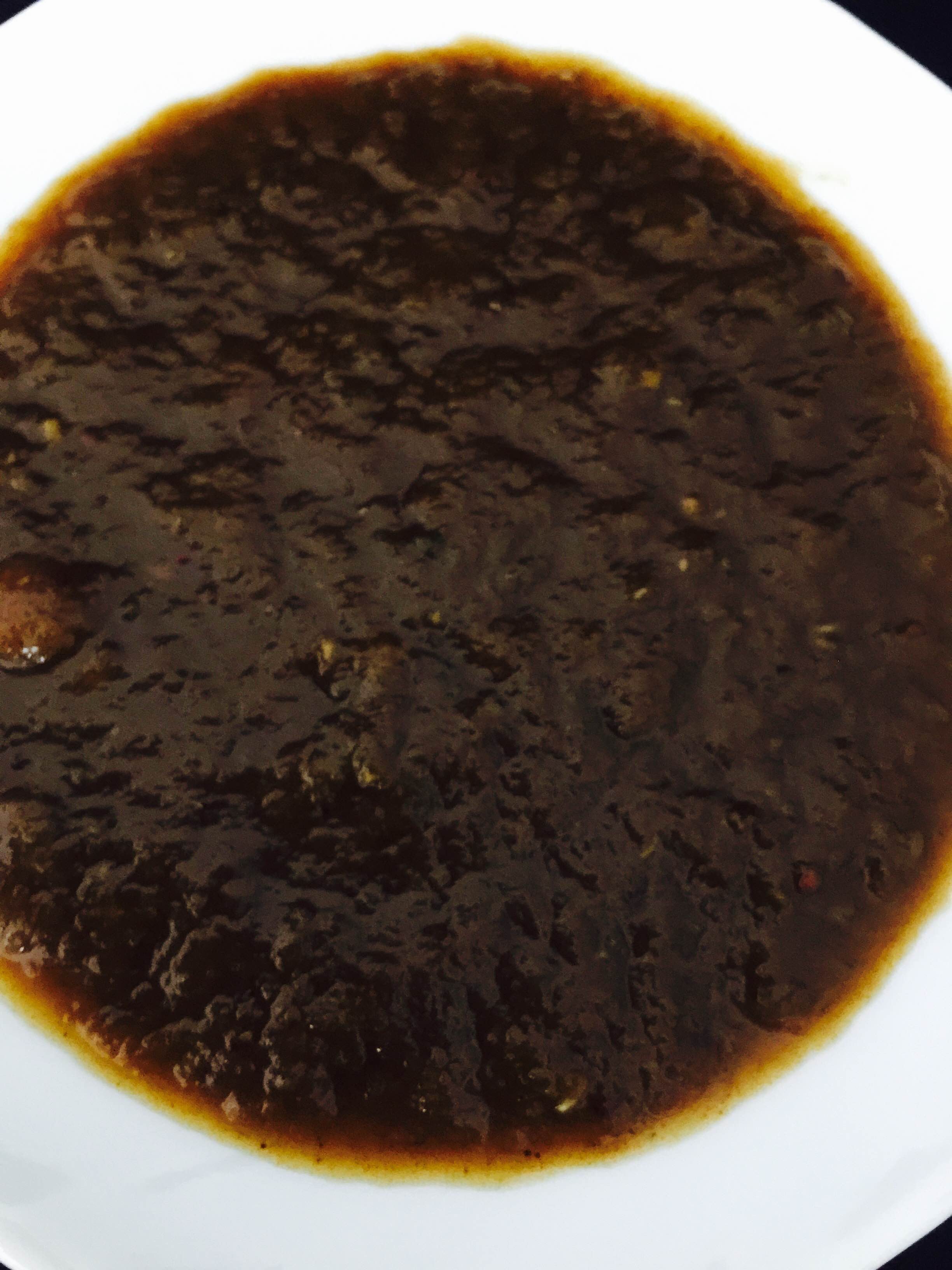
If you want a more textured dish, chop the ginger and chillies and then make it as per the recipe.

img_6108