
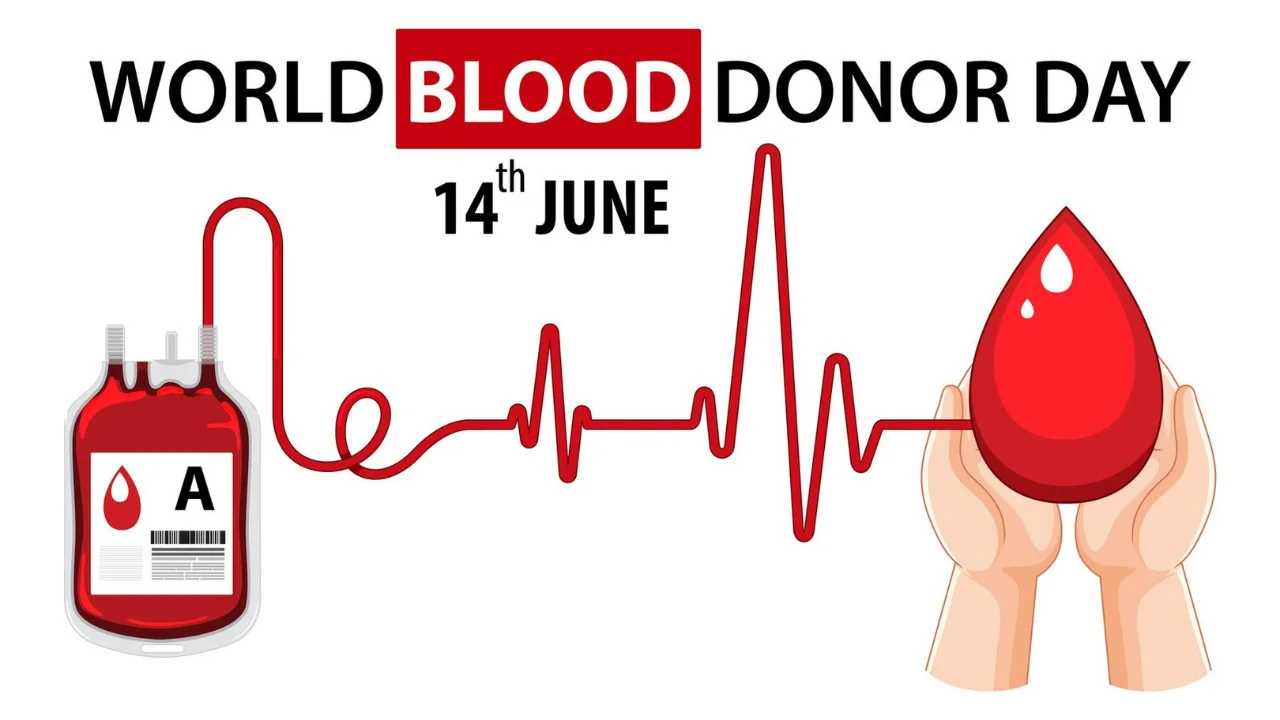
Friday is World Blood Donor Day, a global event celebrated annually on June 14th to raise awareness about the critical need for safe blood and blood products and to honour the selfless individuals who donate blood to save lives.
The idea for World Blood Donor Day was first proposed by the World Health Organisation or WHO, in 2004, in collaboration with the International Federation of Red Cross and Red Crescent Societies, the International Federation of Blood Donor Organisations, and the International Society of Blood Transfusion. The date of June 14th was chosen to commemorate the birthday of Karl Landsteiner, the Austrian-American physician who discovered the ABO blood group system in 1901 – a groundbreaking achievement that paved the way for safe blood transfusions and the modern practice of blood banking.
The first World Blood Donor Day was celebrated in 2005, and since then, it has become an annual event observed by all member states of the WHO. The event aims to thank voluntary blood donors for their life-saving contributions, while also encouraging more people to become regular blood donors.
The theme for World Blood Donor Day 2024 is “Give Blood, Give Plasma, Share Life, Share Often.”. This theme reflects the crucial role that blood and plasma donations play in maintaining the health and well-being of communities around the world. The 2024 theme will focus on several key objectives, including, celebrating and expressing gratitude to individuals who donate blood and plasma, inspiring more people to become blood donors, and encouraging healthy individuals to donate blood and plasma regularly, within safe and feasible limits, to improve the quality of life for patients who depend on transfusions and contribute to the establishment of a reliable blood supply system. emphasising the vital role of voluntary, non-remunerated regular blood and plasma donations in achieving universal access to safe blood products for all populations, and mobilising support at national, regional, and global levels from governments and development partners to invest in, strengthen, and sustain national blood programs. The 2024 campaign aims to raise awareness about the importance of blood and plasma donations and to inspire more people to become regular, voluntary blood donors.
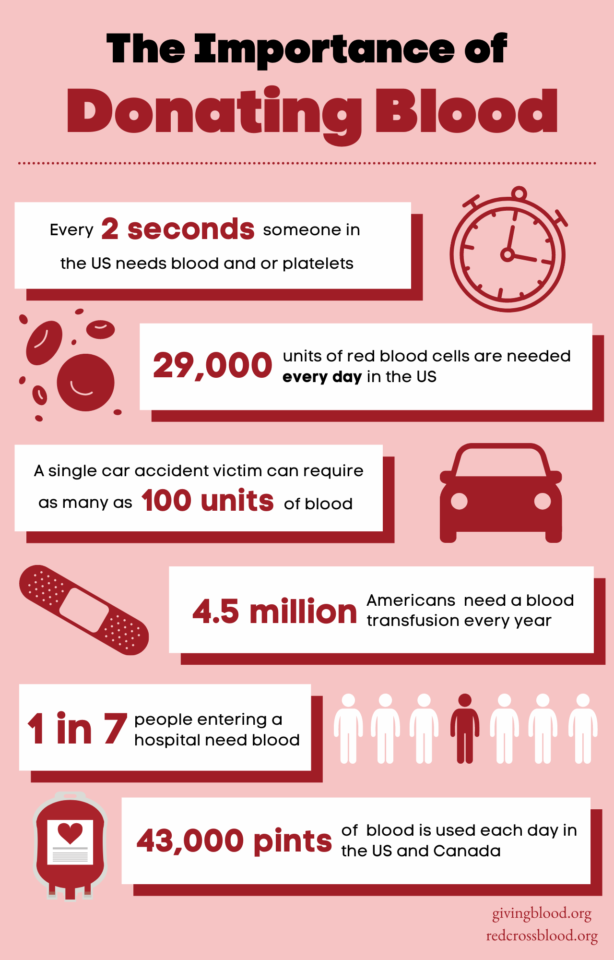
So why is blood donation so important? Blood is a precious and irreplaceable resource that is essential for saving lives and supporting complex medical and surgical procedures. Every day, millions of people around the world rely on blood transfusions to treat life-threatening conditions, such as severe bleeding, anaemia, and various forms of cancer. However, in many countries, there is not an adequate supply of safe blood, and blood services face the challenge of making sufficient blood available while also ensuring its quality and safety. An adequate supply can only be assured through regular donations by voluntary, unpaid blood donors.
The WHO’s goal is for all countries to obtain all their blood supplies from voluntary, unpaid donors by 2020. As of 2014, 60 countries had their national blood supplies based on 99-100% voluntary, unpaid blood donations, while 73 countries were still largely dependent on family and paid donors. In 2020, the WHO found that from 2013 to 2018, blood donations from voluntary, unpaid donors increased by 7.8 million across 156 countries. By 2018, 79 countries, mostly high- and middle-income, were collecting more than 90% of their blood supply from voluntary, unpaid donors. However, in 56 countries, more than half of the blood supply was still dependent on family/replacement and paid blood donors as of 2018. So, while progress has been made, with more countries transitioning to 100% voluntary, unpaid blood donation systems, there are still a significant number of countries that remain heavily reliant on family/replacement and paid donors. Continued efforts are needed to promote voluntary blood donation globally. World Blood Donor Day plays a vital role in promoting a culture of voluntary blood donation, ensuring the availability of safe blood, and saving lives through the selfless acts of blood donors.

Blood is classified into different types based on the presence or absence of specific antigens on the surface of red blood cells. The main blood group systems are ABO and Rh, which together determine an individual’s blood type. The ABO blood group system consists of four main blood types: A, B, AB, and O. The Rh system, on the other hand, is based on the presence or absence of the Rh factor, which can be either positive (+) or negative (-). The rarity of blood types varies significantly, with some being more common than others. Here’s a breakdown of the relative rarity of different blood types:
- O-negative: The universal donor blood type, O-negative, is the rarest, accounting for only about 7% of the population.
- AB-positive: The universal recipient blood type, AB-positive, is the least common, making up only about 3.4% of the population.
- A-negative: Approximately 6.3% of the population has this blood type.
- B-negative: Around 1.5% of people have this blood type.
- O-positive: The most common blood type, O-positive, is found in about 37.4% of the population.
- A-positive: Approximately 35.7% of people have this blood type.
- B-positive: Around 8.5% of the population has this blood type.
The rarity of certain blood types, such as O-negative and AB-positive, underscores the importance of having a diverse and reliable pool of blood donors. Individuals with these rare blood types play a crucial role in ensuring that patients in need can receive the specific blood products they require.

Blood donation has a profound and immediate impact on the lives of those in need. Every unit of blood donated can potentially save up to three lives, as the different components of blood like red cells, platelets, and plasma can be separated and used to treat a variety of medical conditions. Blood transfusions are essential for treating severe bleeding, anaemia, and various forms of cancer, as well as supporting complex medical and surgical procedures. They also play a critical role in maternal and perinatal care, helping to reduce rates of death and disability due to severe bleeding. Beyond the direct impact on patients, blood donation also has broader societal benefits. A reliable and sustainable blood supply helps to strengthen national health systems, ensuring that essential medical services are available when needed. It also fosters a sense of community and solidarity, as individuals come together to support one another in times of need.
World Blood Donor Day 2024 presents a unique opportunity for individuals around the world to become part of the #GenerationDonor movement. By donating blood or plasma, people can make a tangible and life-changing difference in the lives of those who depend on these vital resources. To encourage more people to become regular blood donors, the 2024 campaign will feature educational initiatives, such as a World Blood Donor Day quiz, to raise awareness about the importance of blood donation and the different blood types. The campaign will also provide resources and support for individuals and organizations to organise their blood donation events and activities.
By participating in World Blood Donor Day 2024, people can not only save lives but also inspire others to follow in their footsteps. Together, we can build a global community where the gift of blood and plasma is celebrated and shared freely, ensuring that no one is left behind in the quest for universal access to safe blood products. As we recognise the rarity of certain blood types and the profound impact that blood donation can have on individual lives and entire communities, we are reminded of the power of collective action.


 Memories and Such