
The United Nations’ flagship event for promoting worldwide awareness, and action for the environment, World Environment Day was established in 1972 and is celebrated annually on June 5. Today, it has become the largest global platform for environmental public outreach, engaging millions worldwide. The idea for World Environment Day was born at the 1972 United Nations Conference on the Human Environment in Stockholm, Sweden. During this landmark event, the UN General Assembly designated June 5 as World Environment Day, with the first celebration the following year, in 1973.
The original theme for the inaugural World Environment Day was “Only One Earth,” a call to action to protect our planet’s finite resources and bring people and nature back into balance. This motto has remained relevant over the decades, as humanity grapples with the devastating effects of environmental degradation.
Over the years, World Environment Day has tackled pressing environmental issues, from air pollution and plastic waste to illegal wildlife trade and sustainable consumption. Each year, the event is hosted in a different country, where official celebrations and initiatives take place. This rotating hosting model has allowed World Environment Day to shine a spotlight on the diverse environmental challenges faced by nations around the globe.
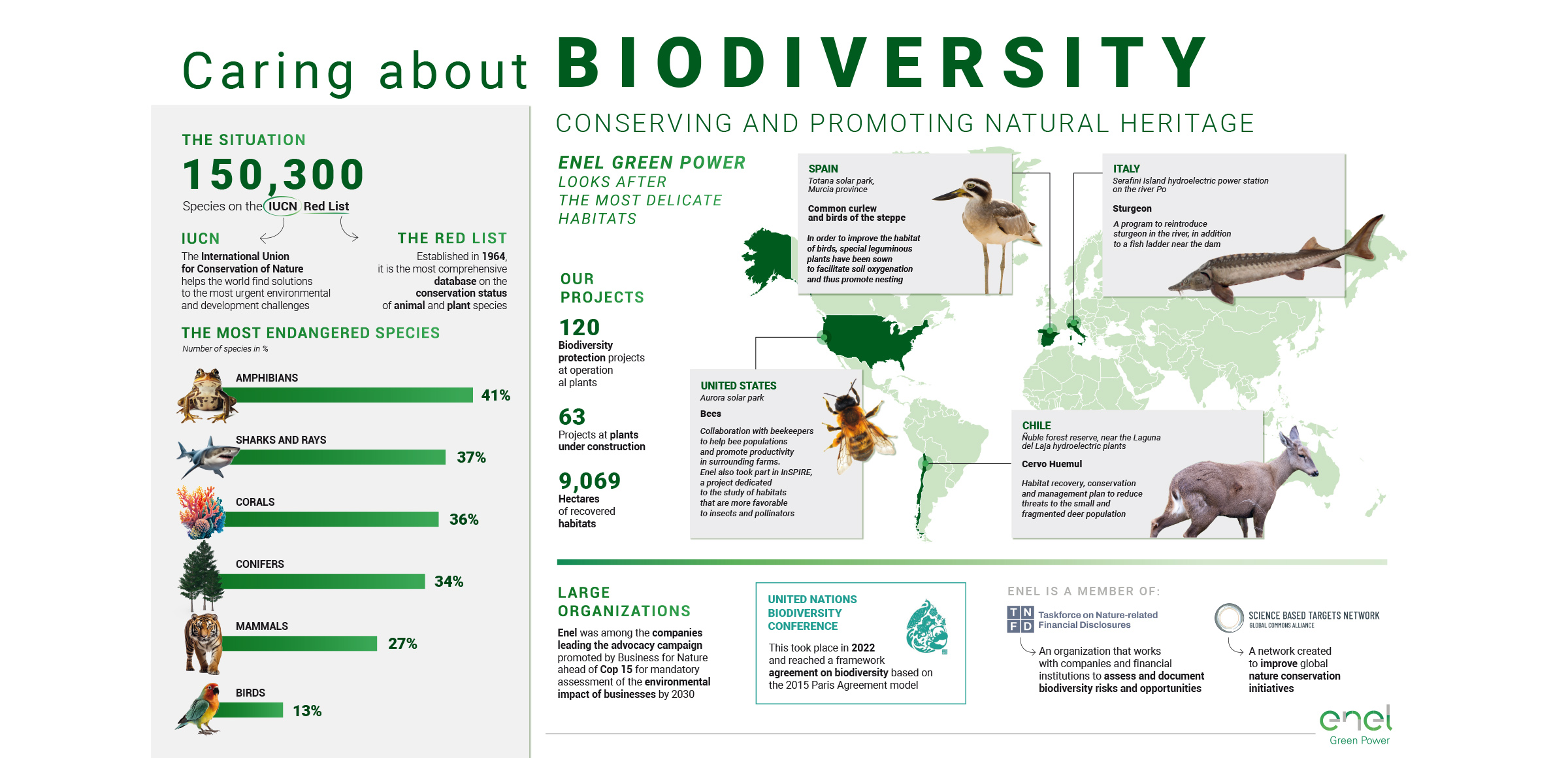
Biodiversity underpins the healthy functioning of ecosystems and provides a wide range of benefits that are critical for human societies and the natural world. Conserving biodiversity is essential for securing a sustainable future. Diverse ecosystems are more resilient and better able to withstand and recover from disturbances, including disease outbreaks. Healthy, diverse ecosystems can absorb and store large amounts of carbon, helping to mitigate climate change. Diverse natural habitats, like wetlands and forests, can help regulate extreme weather events and protect against natural disasters. Biodiversity supports food production and provides resources and income for many communities, especially in developing countries. Many modern pharmaceuticals are derived from plant and animal species, and biodiversity loss threatens the discovery of future cures and treatments. Biodiversity is integral to human health, well-being, and cultural heritage, providing opportunities for tourism, outdoor recreation, and inspiration. Diverse ecosystems are more stable and better able to withstand environmental stresses and disturbances, ensuring the continued provision of essential services.
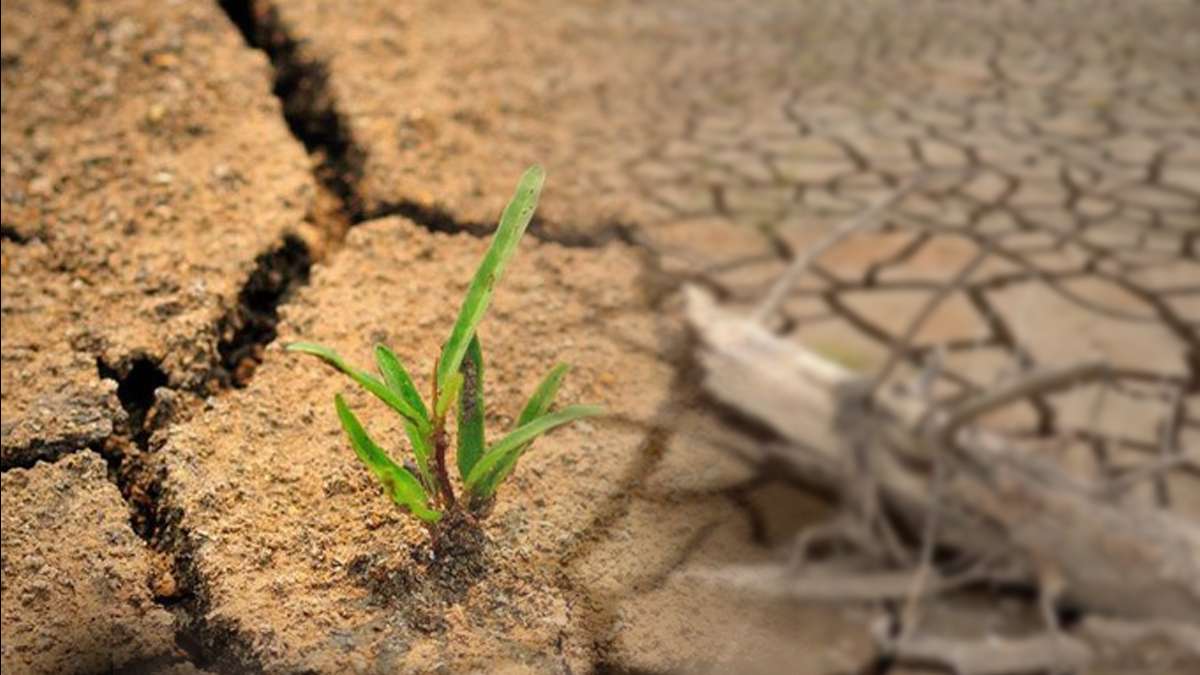
The theme for World Environment Day 2024 will focus on land restoration, desertification and drought resilience, under the slogan “Our Land. Our Future. We are #GenerationRestoration.” This theme is particularly timely, as 2024 marks the 30th anniversary of the United Nations Convention to Combat Desertification, UNCCD. According to the UNCCD, up to 40% of the planet’s land is currently degraded, directly affecting half of the world’s population and threatening roughly half of global GDP or USD 44 trillion. The number and duration of droughts have increased by 29% since 2000, and without urgent action, droughts may affect over three-quarters of the world’s population by 2050. Land degradation and desertification pose a grave threat to food security, biodiversity, and the livelihoods of millions of people worldwide.
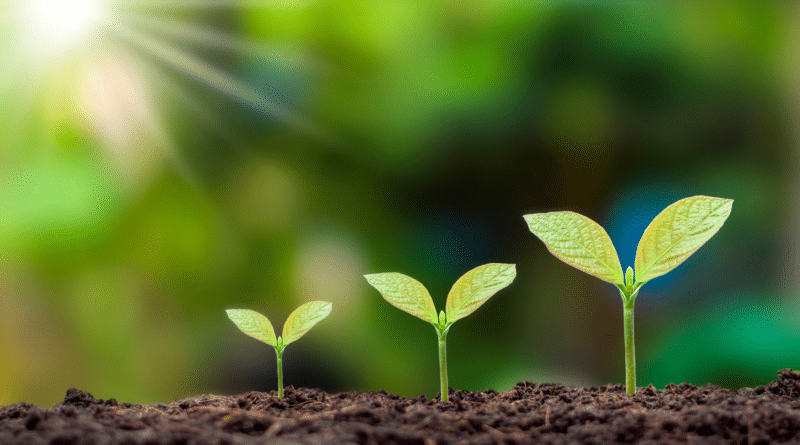
The 2024 World Environment Day campaign aims to mobilise global action to address these pressing challenges. Land restoration is a key pillar of the UN Decade on Ecosystem Restoration from 2021 to 2030, a rallying call for the protection and revival of ecosystems around the world, which is critical to achieving the Sustainable Development Goals.
The Kingdom of Saudi Arabia has been selected to host the 2024 World Environment Day global celebrations. As a nation facing the challenges of land degradation, desertification and drought, the Kingdom is deeply invested in delivering solutions. Through initiatives such as the Saudi Green Initiative and the Middle East Green Initiative, the Kingdom is taking action both nationally and regionally to address these environmental threats. The 16th session of the Conference of the Parties (COP 16) to the UNCCD will also be held in Riyadh, Saudi Arabia, from December 2–13, 2024.
The 2024 World Environment Day theme of land restoration, desertification and drought resilience is a critical call to action. Healthy, productive land is the foundation for sustaining life on our planet, providing food, water, and livelihoods for billions of people. The alarming rate of land degradation and desertification poses an existential threat to humanity. Every second, an area the size of four football fields of healthy land becomes degraded, adding up to 100 million hectares every year. Climate change is exacerbating these challenges, with droughts becoming more frequent and severe. Currently, around 2 billion people live on drylands vulnerable to desertification, which could displace an estimated 50 million people by 2030. Urgent action is needed to halt and reverse these trends. Land restoration, through practices such as reforestation, sustainable agriculture, and the revival of degraded ecosystems, is a key solution.
Ecosystem restoration is at the heart of the 2024 World Environment Day campaign. By reviving forests, wetlands, grasslands, and other natural habitats, we can not only combat desertification and drought, but also mitigate climate change, protect biodiversity, and secure the livelihoods of millions of people. The UN Decade on Ecosystem Restoration, set to take place from 2021 to 2030, has set a global goal of restoring 1 billion hectares of degraded land by 2030. This ambitious target represents a critical opportunity to heal our planet and secure a sustainable future for all. Restoration efforts can take place at any scale, from community-led initiatives to large-scale national and international programs. Everyone has a role to play in becoming part of #GenerationRestoration and lending a helping hand to our planet.
The World Environment Day 2024 will serve as a powerful platform to mobilise global action towards land restoration, desertification and drought resilience. The event will bring together governments, businesses, civil society, and individuals to share best practices, showcase innovative solutions, and inspire collective action. Ahead of the celebrations, the World Environment Day campaign was launched on April 28, 2024, in Riyadh, Saudi Arabia. This campaign focused on combating desertification, restoring land, and building drought resilience. The campaign aims to mobilise global action, showcase solutions, and inspire collective efforts towards restoring degraded ecosystems, protecting land, and building resilience against droughts. This aligns with the UN Decade on Ecosystem Restoration (2021-2030) and global commitments to restore 1 billion hectares of degraded land by 2030.
World Environment Day 2024 will be a pivotal moment in the global effort to address the urgent challenges of land degradation, desertification and drought. As the world grapples with the devastating effects of environmental degradation, the 2024 theme of land restoration, desertification and drought resilience offers a glimmer of hope. By mobilizing global action and empowering individuals, communities, and nations to become part of #GenerationRestoration, we can work towards a future where our land is healthy, our ecosystems are thriving, and our communities are resilient. The stakes have never been higher, but the power of collective action has never been more inspiring. Let us heed the call of World Environment Day 2024 and commit ourselves to restoring our land, securing our future, and building a sustainable world for generations to come.


 Memories and Such