

In a world often dominated by stress, negativity, and the relentless pursuit of more, World Gratitude Day stands as a beacon of positivity, reminding us to pause and appreciate the good in our lives. Celebrated annually on September 21, this day encourages individuals, communities, and nations to express thankfulness and recognise the profound impact of gratitude on our well-being.
World Gratitude Day was born in 1965 during a Thanksgiving dinner in the meditation room of the United Nations building. The idea was proposed by Sri Chinmoy, a spiritual leader and meditation teacher who believed that gratitude could foster global unity and peace. At the dinner, Chinmoy suggested the creation of a global holiday dedicated to gratitude, and each attendee pledged to host an event in their home country on September 21 every year. The first World Gratitude Day was celebrated in 1966, and by 1977, the United Nations Meditation Group officially recognised the day. Since then, it has been observed annually, with people from all walks of life coming together to express their appreciation for the blessings in their lives.
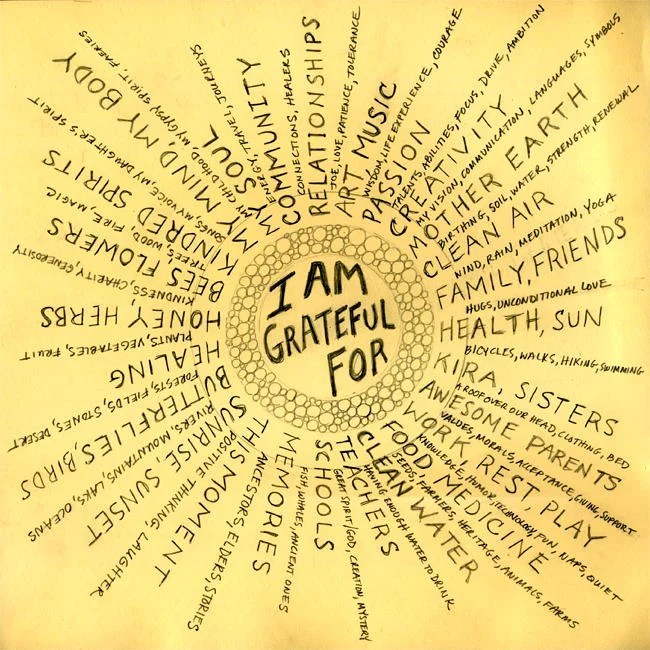
Gratitude is more than just a polite “thank you”; it is a profound emotion that can transform our mental, emotional, and physical well-being. Research has shown that practicing gratitude can lead to increased happiness, improved relationships, and even better physical health.
Gratitude shifts our focus from what we lack to what we have, fostering a sense of contentment and reducing feelings of envy and resentment. Studies have shown that individuals who regularly practice gratitude experience higher levels of happiness and life satisfaction. Expressing gratitude strengthens our relationships by making others feel valued and appreciated. It fosters empathy and compassion, creating a positive feedback loop of kindness and generosity.
Gratitude has been linked to improved sleep, reduced stress, and even a stronger immune system. By focusing on the positive aspects of our lives, we can reduce the harmful effects of stress and promote overall health.

While World Gratitude Day does not have an official theme each year, the overarching message remains the same: to cultivate a sense of appreciation and thankfulness in our lives. There are countless ways to celebrate World Gratitude Day, whether through personal reflection, acts of kindness, or community events.
- Keep a gratitude journal: Start writing down three things you are grateful for everyday. This simple exercise can help shift your focus to the positive aspects of your life and cultivate a sense of appreciation.
- Write gratitude letters: Take the time to write heartfelt letters to the people who have made a positive impact on your life. Expressing your gratitude in writing can be a powerful way to strengthen your relationships and make others feel valued.
- Perform random acts of kindness: Show your appreciation for others by performing small acts of kindness. Whether it’s buying coffee for a stranger, helping a colleague with a project, or volunteering your time, these gestures can have a ripple effect of positivity.
- Practice mindfulness: Take a few moments throughout the day to be present and appreciate the beauty around you. Notice the small things, like the warmth of the sun on your face or the sound of birds chirping outside your window.
- Host a gratitude gathering: Organise a gathering with friends, family, or colleagues to share what you are grateful for. This can be a powerful way to foster a sense of community and connection.
Gratitude has the power to transform not only individuals but also entire communities and societies. When people practice gratitude, they are more likely to engage in prosocial behaviors, such as volunteering, donating to charity, and helping others in need. This creates a culture of kindness and generosity, where people feel valued and supported.

In the workplace, gratitude can increase employee satisfaction, improve teamwork, and increase productivity. When employees feel appreciated, they are more motivated and engaged, creating a positive and productive work environment.
On a global scale, gratitude can foster a sense of unity and peace. By recognising and appreciating the good in our lives, we can cultivate a sense of interconnectedness and empathy, leading to a more compassionate and harmonious world.
As we approach World Gratitude Day, let us take the time to reflect on the blessings in our lives and express our appreciation to those who have made a positive impact. Gratitude is a powerful force that can transform our lives, our relationships, and our world. By practicing gratitude, we can create a ripple effect of positivity, kindness, and compassion that extends far beyond ourselves.
So, make gratitude a daily practice. Whether through a simple “thank you,” a heartfelt letter, or an act of kindness, let us spread the message of gratitude and create a world where appreciation and thankfulness are at the forefront of our lives.
 Memories and Such