World Mental Health Day

World Mental Health Day, observed annually on October 10, serves as a global platform to raise awareness about mental health issues, reduce stigma, and advocate for better mental health care. Since its inception in 1992, the day has grown into a significant event, uniting individuals, organisations, and governments in a collective effort to prioritise mental well-being.

The concept of World Mental Health Day was introduced by the World Federation for Mental Health (WFMH) in 1992. Initially, the day lacked a specific theme, focusing broadly on promoting mental health awareness and education. However, in 1994, the WFMH introduced annual themes to address specific aspects of mental health. The day has since evolved into a global movement, supported by the World Health Organisation (WHO) and other international bodies. It now involves over 150 countries, with activities ranging from public awareness campaigns to policy advocacy. In some regions, the day is part of a broader Mental Health Week, further emphasising the importance of mental health in society. 

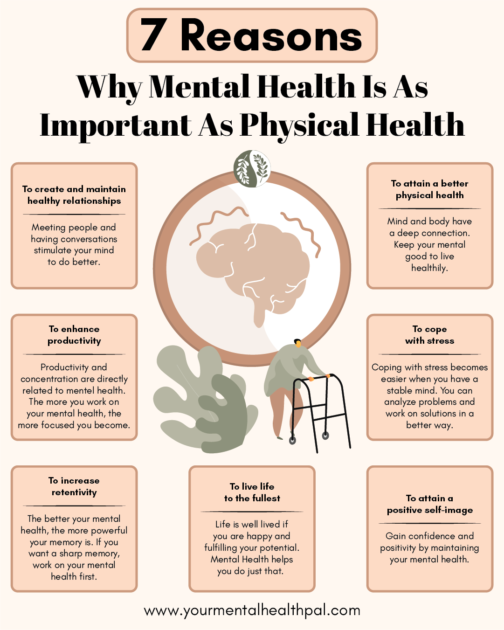
Mental health is a cornerstone of overall well-being, influencing every aspect of our lives, from how we think and feel to how we interact with others and navigate challenges. Prioritising mental health is not just about preventing illness; it’s about fostering resilience, enhancing quality of life, and enabling individuals to thrive. Good mental health enables individuals to cope with life’s challenges, build meaningful relationships, and contribute to their communities. Conversely, poor mental health can lead to a range of issues, including reduced productivity, strained relationships, and even physical health problems. Mental health conditions, such as anxiety and depression, are among the leading causes of disability worldwide. According to the WHO, one in four people will experience a mental health issue at some point in their lives, yet stigma and lack of resources often prevent individuals from seeking help.

Failing to address mental health needs can have severe consequences. Untreated mental health conditions can lead to chronic physical illnesses, such as heart disease and diabetes, which are often exacerbated by stress and poor coping mechanisms. Additionally, mental health issues can impact educational and professional achievements, leading to reduced productivity and economic instability.

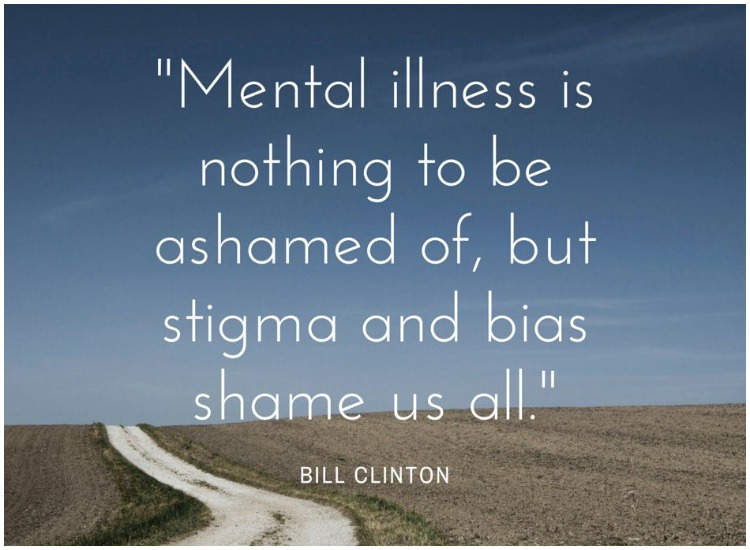
Stigma surrounding mental health further compounds these challenges, discouraging individuals from seeking help and perpetuating a cycle of suffering. This is particularly concerning in low-resource settings, where mental health services are often inaccessible or of poor quality.

Mental health profoundly impacts our ability to function effectively in daily life. When mental health is prioritised, individuals can better manage stress, make informed decisions, and maintain healthy relationships. Conversely, neglecting mental health can lead to difficulties in coping with life’s challenges, reduced productivity, and strained personal connections.
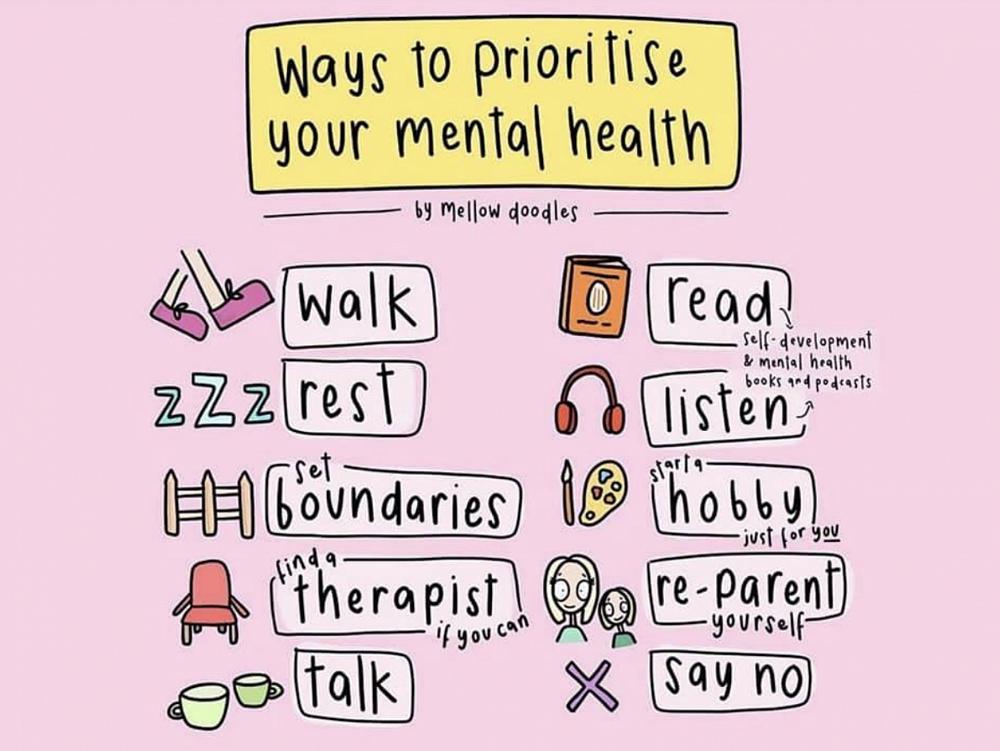
Good mental health contributes to emotional stability and psychological resilience. It helps individuals maintain a positive outlook, manage anxiety, and cultivate a sense of inner peace. This emotional balance is essential for navigating life’s ups and downs, fostering self-esteem, and building meaningful relationships. Mental health also plays a critical role in how we perceive ourselves and our ability to achieve personal goals. A strong mental foundation enables individuals to stay motivated, pursue their passions, and realise their full potential.

The relationship between mental and physical health is bidirectional. Poor mental health can exacerbate physical conditions, while good mental health can enhance physical well-being. For instance, mental health conditions like depression and anxiety are associated with chronic illnesses such as diabetes and cardiovascular disease. Addressing mental health can, therefore, lead to better physical health outcomes.

Mental health significantly influences productivity and creativity, both in personal and professional settings. Individuals with good mental health are better equipped to focus, problem-solve, and innovate. In the workplace, prioritising mental health can lead to higher engagement, reduced absenteeism, and improved job performance.

Mental health also affects how we interact with others and contribute to our communities. Individuals who prioritise their mental health are more likely to build supportive relationships, engage in community activities, and foster a sense of belonging. This, in turn, strengthens social networks and promotes collective well-being.
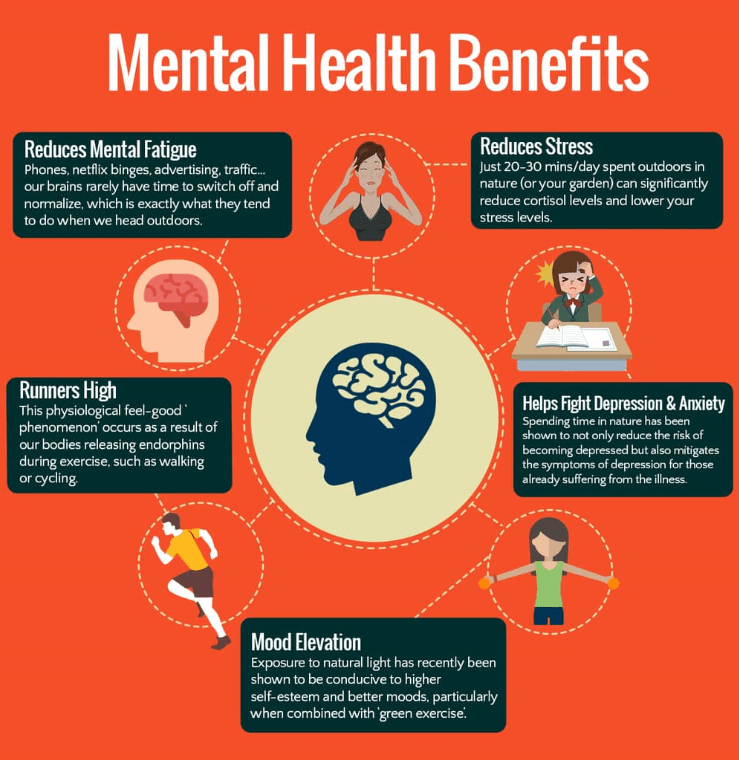
One of the most significant benefits of good mental health is the ability to develop resilience and effective coping mechanisms. Resilience allows individuals to bounce back from adversity, adapt to change, and maintain a positive outlook even in challenging circumstances. This is particularly important in today’s fast-paced, often stressful world.

Investing in mental health yields long-term benefits, including improved quality of life, greater life satisfaction, and a reduced risk of mental health disorders. It also helps individuals build a strong foundation for handling future challenges, ensuring sustained well-being throughout their lives.

To reap these benefits, individuals can adopt various strategies to prioritize their mental health:

  • Set Goals: Identify specific mental health focus areas and set achievable goals to address them.
  • Seek Support: Don’t hesitate to reach out to mental health professionals for guidance and treatment.
  • Practice Self-Care: Engage in activities that promote relaxation, such as mindfulness, exercise, or hobbies.
  • Build Resilience: Develop healthy coping mechanisms to manage stress and adversity.
  • Advocate for Mental Health: Share experiences and resources to reduce stigma and encourage others to seek help.
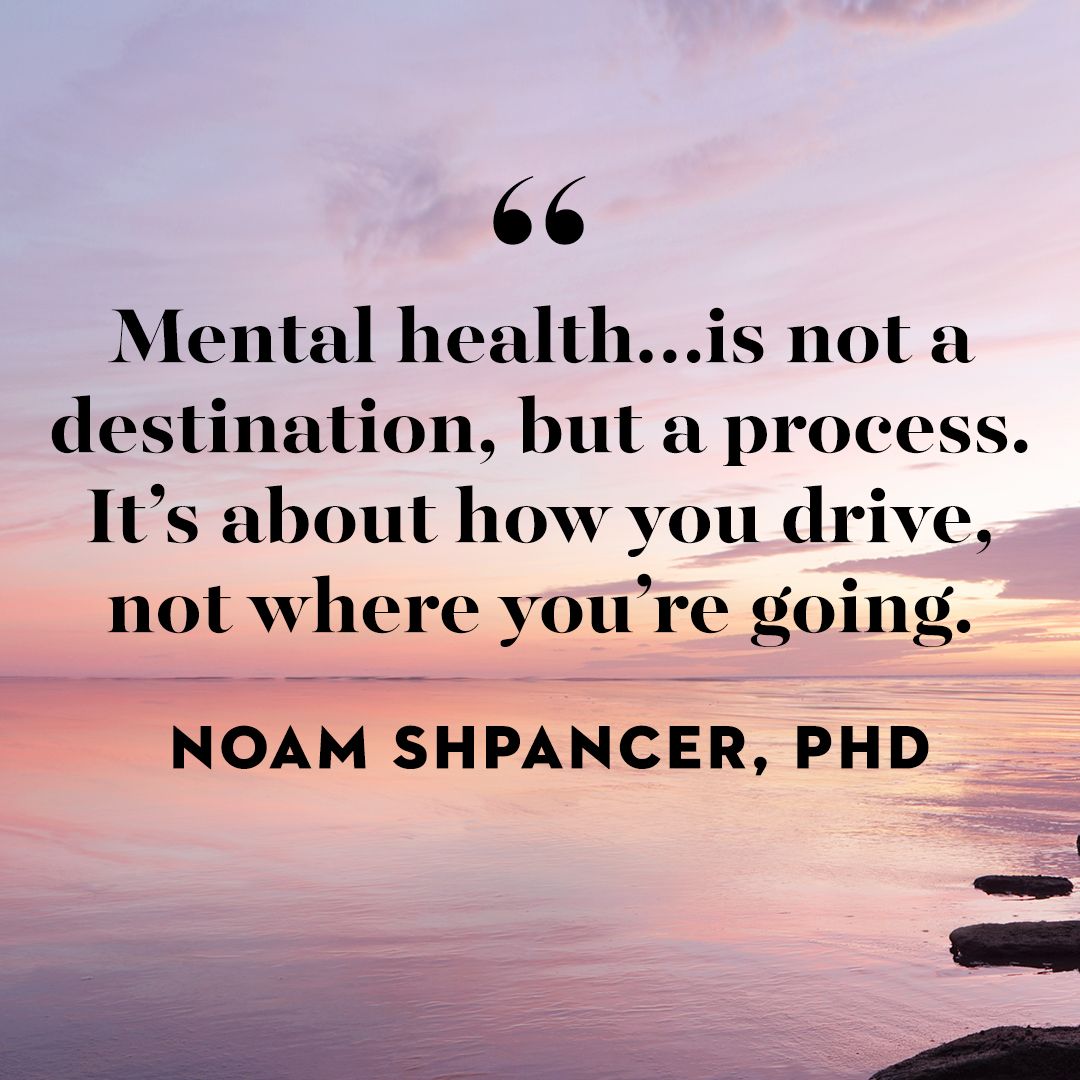
Taking care of mental health is not a luxury—it’s a necessity. It impacts every facet of life, from emotional well-being and physical health to productivity and social connections. By prioritizing mental health, individuals can build resilience, enhance their quality of life, and contribute positively to their communities. In a world where mental health challenges are increasingly prevalent, recognizing its importance and taking proactive steps to care for it is more critical than ever.

World Mental Health Day serves as a call to action for individuals, organizations, and governments to prioritise mental health. Advocacy efforts include raising awareness, reducing stigma, and improving access to mental health services. Initiatives such as public education campaigns, community support programs, and policy reforms are essential in creating a society that values and supports mental well-being. 

World Mental Health Day is more than just a date on the calendar; it is a global movement that highlights the importance of mental health and the need for collective action. By understanding the origins of this day, recognising the significance of mental health, and addressing the consequences of neglecting it, we can work towards a future where mental well-being is a priority for all.

World Mental Health Day

Tomorrow is World Mental Health Day. This day serves as a global reminder of the importance of mental health and encourages open conversations around mental well-being. It was first celebrated in 1992 at the initiative of the World Federation for Mental Health, a global mental health organisation with members and contacts in more than 150 countries. This day, each October, thousands of supporters come to celebrate this annual awareness program to bring attention to mental illness and its major effects on people’s lives worldwide. In addition, this day provides an opportunity for mental health professionals to discuss and shed light on their work, making mental health a priority worldwide. In some countries, this day is part of an awareness week.

Mental health is an integral part of our overall well-being and encompasses the emotional, psychological, and social aspects of our lives. It affects how we think, feel, and act, as well as how we handle stress, make choices and relate to others. It is crucial to recognise that mental health is not merely the absence of mental illness but rather the presence of positive psychological states and coping mechanisms. Just like physical health, mental health is subject to fluctuations throughout our lives. We all experience a range of emotions, face challenges, and cope with stress at various times. This is perfectly normal. However, when these challenges become overwhelming and persist over extended periods, they can negatively impact our mental well-being.

Maintaining a healthy mental state is essential for multiple reasons. Mental health is interconnected with physical health and impacts every aspect of our lives. When we take care of our mental health, we are better equipped to handle stress, make informed decisions, and maintain healthy relationships. Good mental health is linked to higher productivity and improved performance in various areas of life, including work, academics, and personal goals. Research has shown a strong connection between mental and physical health. Poor mental health can lead to a weakened immune system, increased risk of chronic diseases, and even slower recovery from illnesses. Promoting mental health helps reduce the stigma associated with mental illnesses. Open discussions encourage empathy and understanding, leading to a more inclusive society. Taking care of our mental health proactively can act as a protective measure, reducing the risk of developing mental illnesses or exacerbating existing conditions.

The theme for the 2023 edition of World Mental Health Day is “Mental Health for All,” emphasising the need for universal access to mental health care and support. This year’s theme aims to break barriers and ensure that mental health services are available to everyone, regardless of their background or location. The theme addresses the disparity in mental health care and aims to break down barriers that prevent individuals from seeking help.

By encouraging open conversations and education about mental health, we can work towards eliminating the stigma that often prevents people from seeking help. Ensuring that mental health services are accessible to everyone, regardless of their socioeconomic status, location, or background, is crucial to achieving mental health for all. The theme highlights the need to prioritise mental health support for vulnerable populations, such as refugees, victims of violence, and those facing discrimination. Empowering individuals with the knowledge and tools to take care of their mental health can lead to better self-awareness and improved coping mechanisms. The theme also emphasises the importance of collaboration between governments, non-governmental organizations, healthcare providers, and communities to advocate for mental health support and resources.

World Mental Health Day is not just a day of awareness, but also a call to action. There are several ways individuals and communities can contribute to the “Mental Health for All” initiative. One can educate themselves and others about mental health issues, signs of distress, and available resources. By raising awareness, one can create a supportive environment for those in need. One can and should advocate for inclusive mental health policies and services that cater to the diverse needs of all individuals, including marginalised communities. One should volunteer or contribute to mental health organisations and initiatives that work towards improving access to mental health care. Open conversations about mental health should be encouraged and seeking help from mental health professionals when needed, is normalised. So one should prioritise self-care and mental well-being in their daily life and engage in activities that promote relaxation, stress reduction, and emotional well-being.

World Mental Health Day is a powerful reminder that mental health is a fundamental aspect of our lives and should be a global priority. 2023’s theme emphasises the importance of breaking down barriers and ensuring universal access to mental health care and support. By promoting awareness, education, and inclusivity, we can work towards building a society that fosters mental well-being for everyone, regardless of their background or circumstances. Let’s visualise a world where mental health is valued, protected, and nurtured, not just on World Mental Health Day but every day of the year.

World Mental Health Day

A term that includes our emotional, psychological, and social well-being, mental health affects how we think, feel, and act and also helps determine how we handle stress, relate to others, and make healthy choices. Mental health is important at every stage of life, from childhood and adolescence through adulthood. Although the terms are often used interchangeably, poor mental health and mental illness are not the same. A person can experience poor mental health and not be diagnosed with a mental illness. Likewise, a person diagnosed with a mental illness can experience periods of physical, mental, and social well-being. Mental health is important for overall health because mental and physical health are equally important components of overall health. 

During the COVID-19 pandemic, mental health has come to the fore and I am glad that the millennials and the gen Z know that they have to make their mental health their priority. A 2017 study estimated that 792 million people lived with a mental health disorder. This is slightly more than one in ten people globally or 10.7%. In low- and middle-income countries, more than 75% of people with mental, neurological and substance use disorders receive no treatment for their condition at all.

Today, there has been increasing acknowledgement of the important role mental health plays. People with severe mental health conditions die prematurely – as much as two decades early – due to preventable physical conditions. Despite the progress in some countries, people with mental health conditions often experience severe human rights violations, discrimination, and stigma. Many mental health conditions can be effectively treated at relatively low cost, yet the gap between people needing care and those with access to care remains substantial. Effective treatment coverage remains extremely low.

To commemorate mental health, the World Health Organisation has declared today, 10 October as World Mental Health Day. The overall objective of World Mental Health Day is to raise awareness of mental health issues around the world and to mobilize efforts in support of mental health. The Day provides an opportunity for all stakeholders working on mental health issues to talk about their work, and what more needs to be done to make mental health care a reality for people worldwide. Celebrated since 1992, World Mental Health Day began at the initiative of the World Federation for Mental Health, a global mental health organization with members and contacts in more than 150 countries.

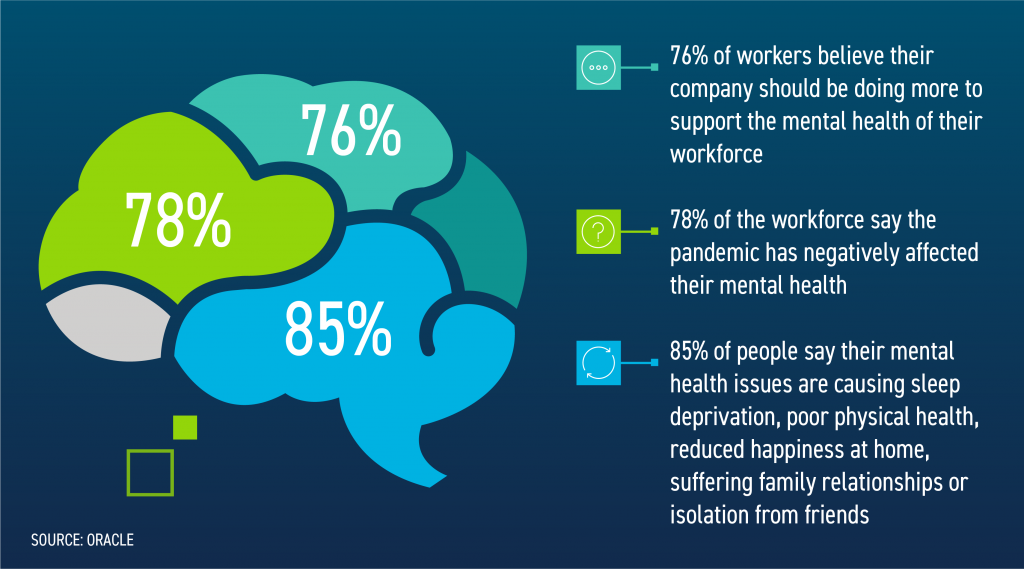
The theme for the 2022 edition is “Make mental health & well-being for all a global priority”.  The pandemic continues to take its toll on our mental health and our ability to reconnect with each other. Many aspects of mental health have been challenged and already before the pandemic in 2019, an estimated one in eight people globally were living with a mental disorder. At the same time, the services, skills and funding available for mental health remain in short supply and fall far below what is needed, especially in low and middle-income countries. The COVID-19 pandemic has created a global crisis for mental health, fueling short- and long-term stresses and undermining the mental health of millions. Estimates put the rise in both anxiety and depressive disorders at more than 25% during the first year of the pandemic. At the same time, mental health services have been severely disrupted and the treatment gap for mental health conditions has widened. Growing social and economic inequalities, protracted conflicts, violence and public health emergencies affect whole populations, threatening progress toward improved well-being with a staggering 84 million people worldwide forcibly displaced in 2021. 

On the occasion of World Mental Health Day, all of us must deepen the value and commitment we give to mental health as individuals, communities and governments and match that value with more commitment, engagement and investment by all stakeholders, across all sectors.  We must strengthen mental health care so that the full spectrum of mental health needs is met through a community-based network of accessible, affordable and quality services and supports. Stigma and discrimination continue to be a barrier to social inclusion and access to the right care; importantly, we can all play our part in increasing awareness about which preventive mental health interventions work. Let’s try and envision a world in which mental health is valued, promoted and protected; where everyone has an equal opportunity to enjoy mental health and to exercise their human rights; and where everyone can access the mental health care they need.

World Mental Health Day

Sunday is World Mental Health Day. In the last two years or so, we all have finally woken up to the importance of mental health and its importance in our lives. Mental health includes our emotional, psychological, and social well-being. It affects how we think, feel, and act and also helps determine how we handle stress, relate to others, and make healthy choices. Mental health is important at every stage of life, from childhood and adolescence through adulthood.

Mental and physical health are equally important components of overall health.  For example, depression increases the risk for many types of physical health problems, particularly long-lasting conditions like diabetes, heart disease, and stroke. Similarly, the presence of chronic conditions can increase the risk for mental illness. It’s important to remember that a person’s mental health can change over time, depending on many factors.  When the demands placed on a person exceed their resources and coping abilities, their mental health could be impacted.

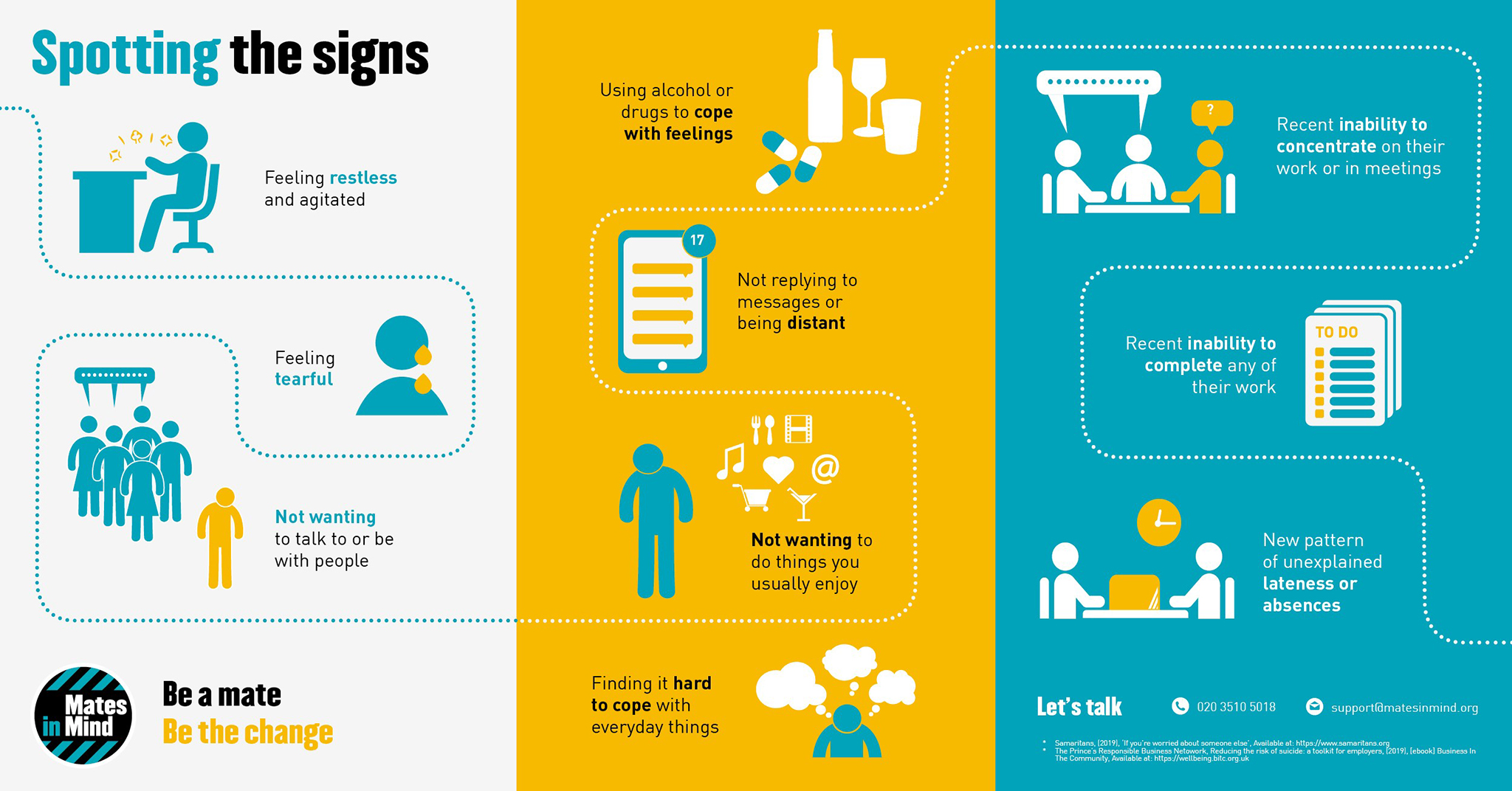
There is no single cause for mental illness with many factors contributing to the risk for mental illness, including early adverse life experiences, like trauma or a history of abuse, experiences related to other ongoing or chronic medical conditions, biological factors or chemical imbalances in the brain, use of alcohol or drugs or having feelings of loneliness or isolation.

The World Mental Health Day celebrated on 10 October is an international day for global mental health education, awareness and advocacy against this social stigma. It was first celebrated in 1992 at the initiative of the World Federation for Mental Health, a global mental health organisation with members and contacts in more than 150 countries. On this day, each October, many awareness programmes bring attention to mental illness and its major effects on peoples’ lives worldwide with some countries having an awareness week as part of the awareness programme.

Up until 1994, the day had no specific theme other than general promoting mental health advocacy and educating the public. In 1994 World Mental Health Day was celebrated with a theme for the first time: “Improving the Quality of Mental Health Services throughout the World”. On World Mental Health Day 2018, the then UK Prime Minister Theresa May appointed UK’s first suicide prevention minister as the government hosted the first-ever global mental health summit.

The theme for the 2021 edition of the World Mental Health Day is “Mental Health in an Unequal World”. This theme was chosen because the world is increasingly polarised, with the very wealthy becoming wealthier, and the number of people living in poverty still far too high. 2020 highlighted inequalities due to race and ethnicity, sexual orientation and gender identity, and the lack of respect for human rights in many countries, including for people living with mental health conditions. Such inequalities have an impact on people’s mental health.

The theme will highlight that access to mental health services remains unequal, with between 75% to 95% of people with mental disorders in low and middle-income countries unable to access mental health services at all, and access in high-income countries is not much better. Lack of investment in mental health disproportionate to the overall health budget contributes to the mental health treatment gap.  Many people with a mental illness do not receive the treatment that they are entitled to and deserve and together with their families and carers continue to experience stigma and discrimination. The gap between the ‘haves’ and the ‘have nots’ grows ever wider and there is continuing unmet need in the care of people with a mental health problem.

Research evidence shows that there is a deficiency in the quality of care provided to people with mental health problems. It can take up to 15 years before medical, social and psychological treatments for mental illness that have been shown to work in good quality research studies are delivered to the patients that need them in everyday practice. The stigma and discrimination experienced by people who experience mental ill-health not only affects that persons physical and mental health, it also affects their educational opportunities, current and future earning and job prospects, and also affects their families and loved ones.  This inequality needs to be addressed so that people with mental health issues are fully integrated into all aspects of life. Research has shown that those with physical illness also often experience psychological distress and mental health difficulties. As an example, one can take visual impairment. Over 2.2 billion people have visual impairment worldwide, and the majority also experience anxiety and/ or depression and this is worsened for visually impaired people who experience adverse social and economic circumstances.

The COVID 19 pandemic has further highlighted the effects of inequality on health outcomes and no nation, however rich, has been fully prepared for this.  The pandemic has and will continue to affect people, of all ages, in many ways: through infection and illness, sometimes resulting in death bringing bereavement to surviving family members; through the economic impact, with job losses and continued job insecurity; and with the physical distancing that can lead to social isolation.

So if you or someone you know have issues relating to mental health, please reach out to an expert. If that is not possible, at least talk to someone sympathetic to you and your condition. If there are hotlines or numbers where you can speak with someone, anonymously, please do so and if possible, reach out to a medical expert, even if it is your general physician or family doctor who can point you in the right direction in terms of treatment and counselling. I have always advocated meditation, so try and incorporate some meditation into your daily routine, even if it is as little as five to ten minutes a day, it helps!

World Mental Health Day

Mental health is essential to our overall well-being and as important as physical health. When we feel mentally well, we can work productively, enjoy our free time, and contribute actively to our communities. Tomorrow is commemorated as World Mental Health Day to put a spotlight on what mental illness is and how it can affect large portions of society.

Today, more than ever before mental health has come front and centre of people’s conscious. Because of the pandemic that’s hit our world, there are many, due to various reasons, who have reached the end of their teather, mentally and physically. Physical symptoms are very visible and treatable, but what about mental symptoms? Mental illnesses are the silent killers of our century and is one of the most neglected areas of public health.

Close to 1 billion people are living with a mental disorder, 3 million people die every year from the harmful use of alcohol and one person dies every 40 seconds by suicide. And now, billions of people around the world have been affected by the COVID-19 pandemic, which is having a further impact on people’s mental health. Yet, relatively few people around the world have access to quality mental health services. In low- and middle-income countries, more than 75% of people with mental, neurological and substance use disorders receive no treatment for their condition at all. Furthermore, stigma, discrimination, punitive legislation and human rights abuses are still widespread.

The limited access to quality, affordable mental health care in the world before the pandemic, and particularly in humanitarian emergencies and conflict settings, has been further diminished due to COVID-19 as the pandemic has disrupted health services around the world. Primary causes have been infection and the risk of infection in long-stay facilities such as care homes and psychiatric institutions; barriers to meeting people face-to-face; mental health staff being infected with the virus; and the closing of mental health facilities to convert them into care facilities for people with COVID-19. The current worldwide pandemic arose against an already dire mental health landscape that saw mental health conditions on the rise across the globe. About 450 million people live with mental disorders that are among the leading causes of ill-health and disability worldwide according to the WHO World Health Report of 2001. One person in every four will be affected by a mental disorder at some stage of their lives while mental, neurological and substance use disorders exact a high toll on health outcomes, accounting for 13% of the total global burden of disease according to a WHO report from 2012. The World Health Organization in 2018 stated that every 40 seconds someone dies by suicide. Annually, this represents over 800 000 people that die by suicide, which is more than people dying by war and homicide put together. For every suicide, there are many more people who attempt suicide every year. A prior suicide attempt is the single most important risk factor for suicide in the general population. Suicide is the second leading cause of death among 15 to 29-year-olds while 79% of global suicides occur in low- and middle-income countries. Every suicide is a tragedy that affects families, communities and entire countries and has long-lasting and devastating effects on the people left behind.

The World Economic Forum in 2018 noted that mental health disorders are on the rise in every country in the world and could cost the global economy up to $16 trillion between 2010 and 2030 if a collective failure to respond is not addressed. We are faced with an international mental health crisis and have been forewarned over the past two decades of this imminent catastrophe. This has been compounded by the need for psychosocial support and mental health interventions during this trying time. This bleak picture necessitates that we ensure that mental health is prioritised now more than ever before.

So this year’s World Mental Health Day’s message is a call for the world to come together and begin to readdress this inequality in the treatment of mental health. According to the World Health Organisation, unless the world makes a serious commitment to scale up investments in mental health now, the health, social and economic consequences will be far-reaching.

Countries are estimated to spend, on an average, only around 2% of their total healthcare budgets on mental health and  international development assistance for mental health has never exceeded 1% of all development assistance for health. This is despite the fact that for every US$ 1 invested in scaled-up treatment for common mental disorders such as depression and anxiety, there is a return of US$ 5 in improved health and productivity.

Because of the global pandemic, this year’s World Mental Health Day event will be online and the WHO will host a global online advocacy event on mental health. You can click on WHO’s social media pages to follow the event.

If you or someone you know are stressed and need resources to keep mentally healthy and reduce stress, here’s a link where you can find many resources to help you. In cases of mental distress, the first step is to talk to someone you trust. If you feel you need it, seek help from a professional.