
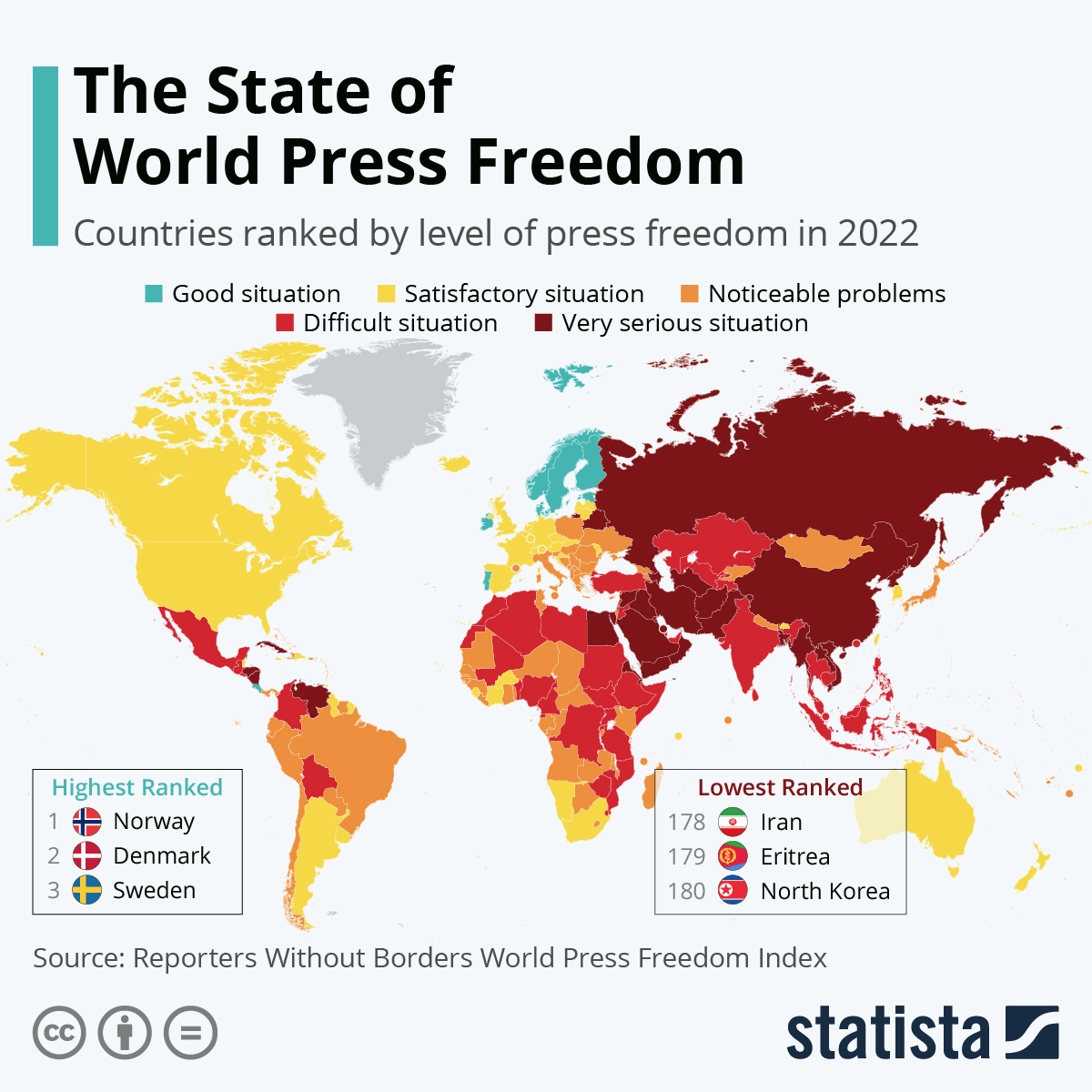
World Press Freedom Day, observed annually on May 3, serves as a vital reminder of the importance of press freedom in democratic societies. This day not only celebrates the fundamental principles of press freedom but also evaluates the state of media freedom worldwide, defends the media against attacks on their independence, and pays tribute to journalists who have sacrificed their lives in pursuit of truth.
Press freedom refers to the right of journalists and media organisations to report news and express opinions without censorship or restraint from the government or other powerful entities. It is a cornerstone of democracy, enabling citizens to access information, hold power accountable, and engage in informed public discourse. The importance of press freedom today cannot be overstated.
A free press acts as a watchdog over government actions, revealing corruption and abuse of power. Journalists inform the public about critical issues, ensuring that citizens are aware of events and policies that affect their lives. A pluralistic media landscape allows for a variety of perspectives and opinions to be heard, fostering a more inclusive society. Free expression is linked to other fundamental rights, such as the right to assembly and the right to participate in governance.

Despite these critical roles, press freedom is increasingly under threat. Journalists face censorship, harassment, violence, and even imprisonment in many parts of the world. According to UNESCO, the ongoing challenges highlight the need for vigilance in protecting journalistic freedoms.
The origins of World Press Freedom Day trace back to the Windhoek Declaration, adopted in 1991 during a conference organised by UNESCO in Windhoek, Namibia. This declaration was a response to escalating attacks on journalists during conflicts in Africa and emphasised the need for an independent and pluralistic press as essential for democracy.
In December 1993, following a recommendation from UNESCO’s General Conference, the United Nations General Assembly officially proclaimed May 3 as World Press Freedom Day. This date was chosen to commemorate the Windhoek Declaration’s adoption and to remind nations of their commitment to uphold press freedom as enshrined in Article 19 of the Universal Declaration of Human Rights.
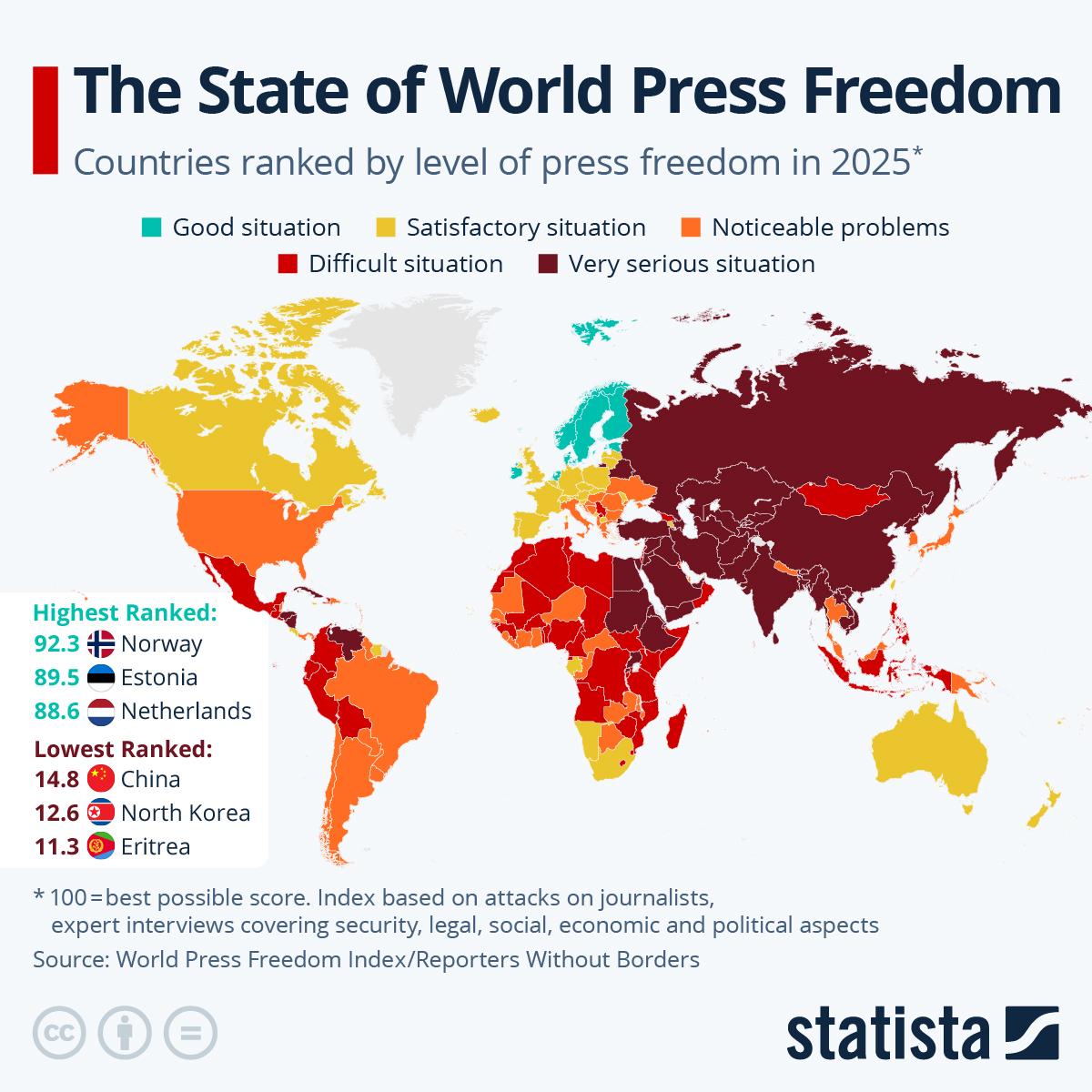
World Press Freedom Day serves several critical purposes. The day provides an opportunity to raise awareness about the importance of press freedom and its role in democracy. It encourages governments and civil society to assess the state of press freedom within their countries. The day highlights the risks faced by journalists worldwide and calls for action to protect their rights. It pays tribute to journalists who have lost their lives while reporting on critical issues.
In recent years, themes associated with World Press Freedom Day have focused on various pressing issues affecting journalism today, such as digital safety, media plurality, and environmental reporting. The theme for the 2025 edition of World Press Freedom Day is “A Press for the Planet.” This theme emphasises journalism’s crucial role in addressing global environmental crises. It recognises that journalists are essential in informing the public about environmental issues, advocating for sustainable practices, and holding powerful entities accountable for their impact on the planet. The focus on environmental journalism aligns with growing concerns about climate change and ecological degradation. As traditional media faces challenges such as declining revenues and increasing censorship, it becomes even more crucial to support journalistic efforts that prioritise environmental reporting.
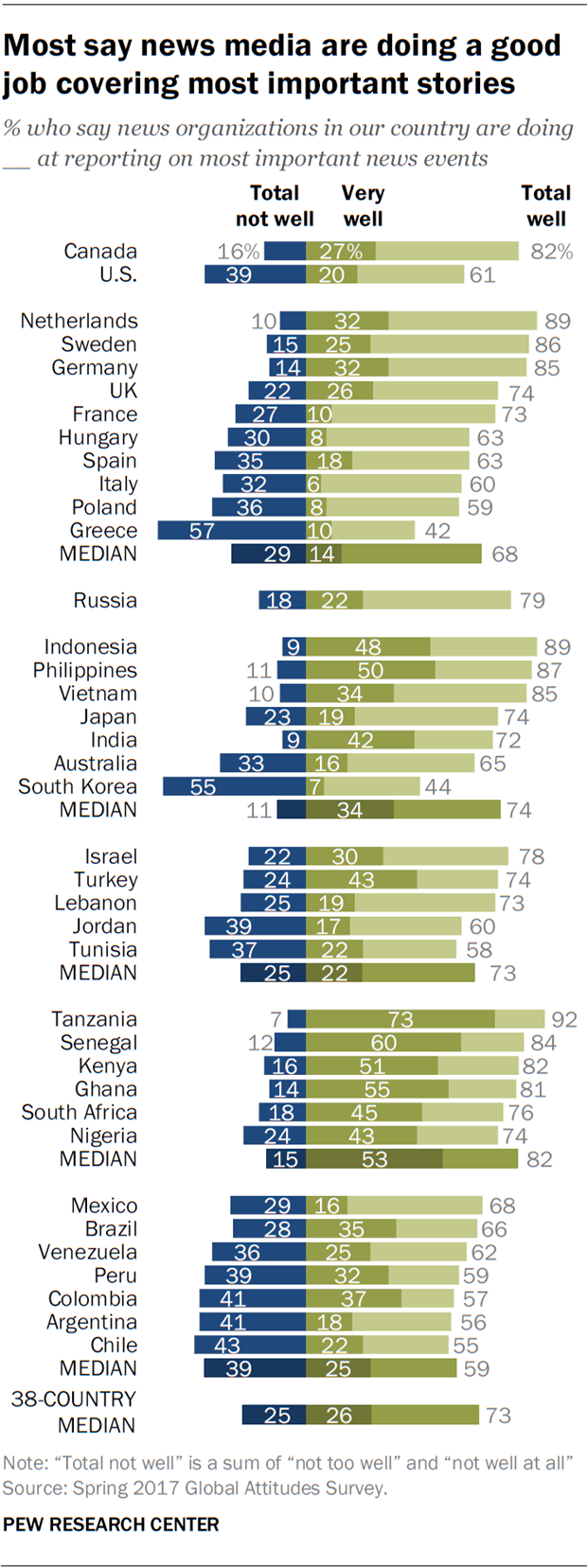
World Press Freedom Day is more than just a commemoration; it is a call to action for individuals, organisations, and governments worldwide to recognise and uphold the principles of press freedom. In an era where misinformation can spread rapidly and where many journalists face threats simply for doing their jobs, it is imperative that society collectively defend these freedoms.
It is our duty as a world citizen to reflect on our responsibilities toward supporting a free press that can effectively address global challenges—especially those related to our planet’s future. By championing press freedom today, we contribute not only to democracy but also to a sustainable world where truth prevails over misinformation.
 Memories and Such