
World Tsunami Awareness Day is observed annually on November 5th to raise awareness about the dangers of tsunamis and the importance of preparedness and early warning systems. Established by the United Nations General Assembly on December 22, 2015, this day serves as a reminder of the devastating impact of tsunamis and the need for proactive measures to mitigate their effects.
The Japanese delegation proposed the day, reflecting Japan’s long history of tsunami experiences and its commitment to disaster risk reduction. November 5th was chosen to commemorate the Japanese story of “Inamura-no-hi,” which translates to “burning of the rice sheaves.” This tale recounts the actions of a Japanese farmer, Hamaguchi Goryō, who, in 1858 set fire to his rice crop to warn his village of an impending tsunami following an earthquake. His foresight allowed many villagers to evacuate to safety, and he later built protective seawalls to safeguard against future tsunamis.
The establishment of WTAD came in the wake of numerous devastating tsunamis, most notably the Indian Ocean tsunami of December 26, 2004. This catastrophic event resulted in over 230,000 fatalities across 14 countries, including Indonesia, Sri Lanka, India, and Thailand. The sheer scale of destruction highlighted the urgent need for improved tsunami preparedness and early warning systems worldwide. In response, the UN and various organisations began to focus on raising awareness about tsunamis and promoting disaster risk reduction strategies.

World Tsunami Awareness Day serves several important purposes. The day aims to educate the public about the risks associated with tsunamis and the importance of preparedness. It highlights the need for communities, especially those in coastal areas, to understand tsunami risks and take proactive measures. The day encourages governments, organisations, and communities to develop and implement effective tsunami early warning systems and disaster response plans. Preparedness can significantly reduce the loss of life and property during a tsunami. The day serves as a solemn reminder of the lives lost in past tsunamis, particularly the 2004 Indian Ocean tsunami. It honours the resilience of affected communities and the ongoing efforts to rebuild and recover. World Tsunami Awareness Day fosters collaboration among governments, NGOs, and communities to share best practices and innovative approaches to tsunami risk reduction. The day provides a platform for advocating for policies that prioritise disaster risk reduction and enhance the resilience of vulnerable communities.
The theme for World Tsunami Awareness Day 2024 is “Agriculture and Food Systems: The Key to Ending Hunger and Achieving Food Security.” This theme emphasises the critical role of agriculture and food systems in addressing the challenges posed by tsunamis and other natural disasters.
The theme highlights how tsunamis can disrupt agricultural production and food supply chains, leading to food insecurity. Coastal communities often rely on agriculture and fishing for their livelihoods, making them particularly vulnerable to the impacts of tsunamis. The theme encourages the adoption of sustainable agricultural practices that can withstand the impact of natural disasters. This includes promoting resilient crop varieties, improving soil health, and implementing effective water management strategies.
The theme underscores the importance of integrating disaster risk reduction into agricultural policies and practices. This includes developing early warning systems for tsunamis and other disasters that can affect food production. The theme emphasises the need to build resilient communities that can adapt to the impacts of tsunamis and other natural disasters. This involves empowering local farmers and communities to take proactive measures to protect their livelihoods. It calls for collaboration among governments, NGOs, and international organisations to address the challenges of food security in the face of natural disasters. This includes sharing knowledge, resources, and best practices for disaster preparedness.
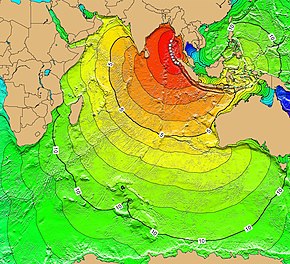
The Indian Ocean tsunami of December 26, 2004, remains one of the deadliest natural disasters in history. Triggered by a magnitude 9.1 earthquake off the coast of Sumatra, Indonesia, the tsunami struck several countries, including Indonesia, Sri Lanka, India, Thailand, and others. The impact was catastrophic, with over 230,000 lives lost and millions more affected.
The 2004 tsunami highlighted several critical lessons about disaster preparedness and response. The lack of a comprehensive tsunami warning system in the Indian Ocean region contributed to the high death toll. In the aftermath of the disaster, there was a global push to establish early warning systems to alert communities of impending tsunamis. The disaster underscored the need for communities to be prepared for tsunamis. Education and training programs that teach residents about tsunami risks and evacuation procedures are essential for saving lives.
The response to the 2004 tsunami demonstrated the importance of international cooperation in disaster relief efforts. Countries and organisations came together to provide aid and support to affected communities. The disaster highlighted the need for long-term resilience building in vulnerable communities. This includes infrastructure investments, disaster risk reduction strategies, and sustainable agricultural practices. Local knowledge and traditional practices play a crucial role in disaster preparedness. Engaging communities in planning and response efforts can enhance resilience and improve outcomes.
World Tsunami Awareness Day is observed through various activities and initiatives aimed at raising awareness and promoting preparedness. UNESCO plays a vital role in promoting tsunami awareness and preparedness through its Intergovernmental Oceanographic Commission (IOC). The IOC coordinates national and regional tsunami early warning services and raises global awareness about effective actions to reduce disaster risk.
As we look to the future, several trends and priorities are emerging in the field of tsunami preparedness and disaster risk reduction. The use of technology, such as satellite monitoring and early warning systems, is becoming increasingly important in tsunami preparedness. Innovations in data collection and analysis can enhance our understanding of tsunami risks and improve response efforts. Engaging communities in disaster preparedness efforts is crucial for building resilience. Local knowledge and participation can significantly enhance the effectiveness of preparedness initiatives. Climate change is expected to increase the frequency and intensity of natural disasters, including tsunamis. Integrating climate change considerations into disaster risk reduction strategies is essential for enhancing resilience. Addressing the needs of vulnerable communities is critical for effective disaster preparedness. Ensuring that marginalised populations have access to information, resources, and support is essential for reducing risk. Continued collaboration among countries, organisations, and communities is vital for sharing knowledge, resources, and best practices in tsunami preparedness and disaster risk reduction.
World Tsunami Awareness Day serves as a crucial reminder of the ongoing risks posed by tsunamis and the importance of preparedness and early warning systems. The lessons learned from the 2004 Boxing Day tsunami continue to inform the understanding of tsunami risks and the importance of proactive measures to mitigate their impacts. By raising awareness, promoting preparedness, and fostering collaboration, we can work towards a more resilient future for communities at risk of tsunamis.
 Memories and Such