Festivals of India: Pana Sankranti

Also known as Maha Vishuba Sankranti, Pana Sankranti is a vibrant and culturally significant festival celebrated in Odisha. This auspicious occasion marks the traditional Odia New Year and heralds the arrival of spring, serving as a time for renewal, spiritual reflection, and communal joy. Falling on the first day of the Odia calendar month of Baisakha, typically around mid-April, Pana Sankranti coincides with the solar transit into the Mesha (Aries) Rashi, lending it cultural and astrological importance.

The roots of Pana Sankranti can be traced back to ancient times, with references found in various scriptures and texts. The festival’s origins are deeply intertwined with the agrarian culture of the region. Marking the beginning of the new agricultural year, the festival highlights its importance in the traditional Odia way of life.

One of the most significant aspects of Pana Sankranti is its association with Lord Jagannath, the presiding deity of the Puri Jagannath Temple. According to legend, Lord Jagannath created the Pana drink to remedy the scorching summer heat. Another mythological tale associated with Pana Sankranti involves Lord Vishnu’s incarnation as Varaha (the boar). It is believed that on this day, Lord Vishnu rescued the Earth from the demon Hiranyaksha, an act of divine intervention that is commemorated through various rituals and prayers during the festival.
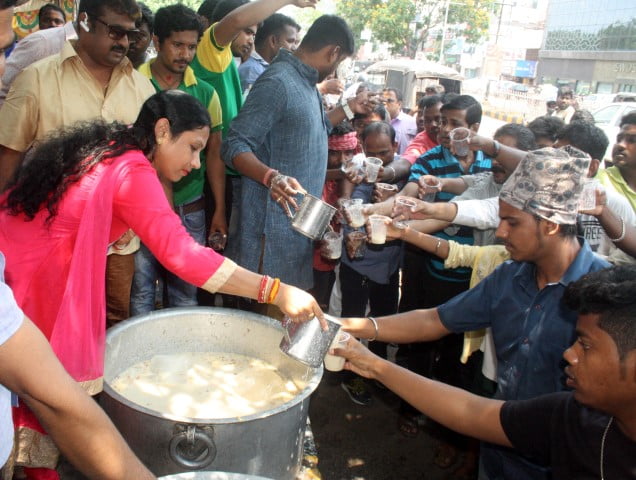
Pana Sankranti is celebrated with great enthusiasm and fervour across Odisha, with each region adding its unique cultural flavour to the festivities. At the festival’s heart is the preparation and sharing of Pana, a special drink that gives the festival its name. This refreshing concoction is made from many ingredients, including water, jaggery, fruits, and sometimes milk or yoghurt. The Pana is not only a delicious treat but also serves a symbolic purpose, representing the essence of life and the spirit of sharing. It is offered to deities and distributed among family members, friends, and neighbours, fostering a sense of community and togetherness.

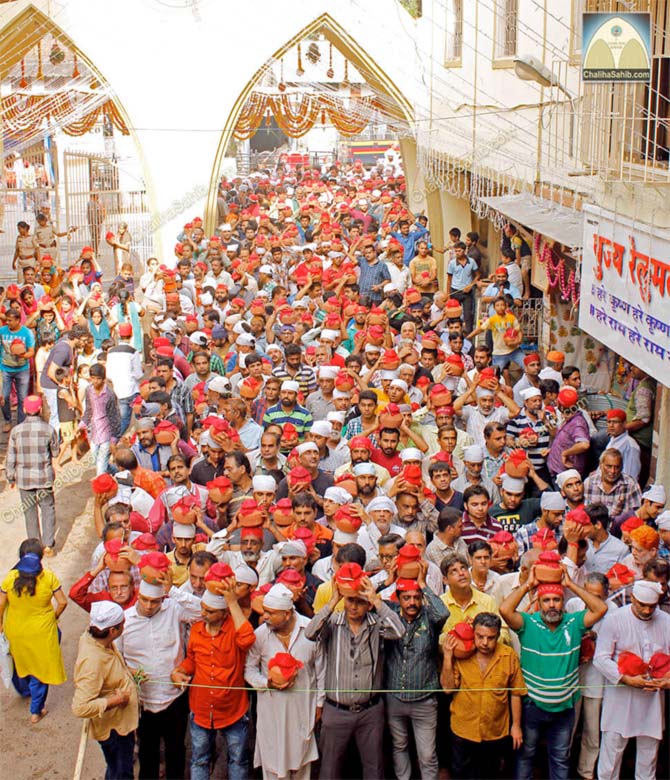
Devotees mark Pana Sankranti by visiting temples dedicated to various deities, with special emphasis on Lord Jagannath, Lord Shiva, and Goddess Tarini. The Tarini Temple near Brahmapur and the Cuttack Chandi are particularly popular pilgrimage sites during this time. One of the most spectacular rituals associated with Pana Sankranti is the Jhaamu Yatra at Sarala Temple, where priests walk across hot coals, demonstrating their devotion and faith. This awe-inspiring display draws many spectators and adds to the festival’s mystical atmosphere.

Pana Sankranti is also a time for vibrant cultural expression. One of the most notable traditions is the Danda Nacha, or Danda Jatra, an ancient dance form dedicated to Goddess Kali. Performed by a group of men known as Danduas, this dance is a testament to physical endurance and spiritual devotion, often involving acrobatic feats and rhythmic movements. In different parts of Odisha, various cultural events mark the occasion. For instance, in Chhatrapada, Bhadrak, the Patua Yatra festival spans from April 14th to April 21st, bringing communities together. Northern Odisha resonates with the festivities of Chadak Parva, while in the south, the Meru Yatra festival marks the culmination of the month-long Danda Nata dance festival.

The festival is a time for strengthening social bonds. In urban areas, Odia families often gather in community halls to celebrate together, while in rural settings, the festival takes on a more traditional flavour with community-wide celebrations. These gatherings often feature feasts where traditional delicacies are shared, further reinforcing the sense of community and shared cultural heritage.

Pana Sankranti holds deep significance in Odia culture, embodying various symbolic meanings and cultural values. As the traditional New Year, Pana Sankranti symbolises new beginnings and fresh starts. It’s a time for people to clean their homes, wear new clothes, and set positive intentions for the year ahead. This reflects the universal desire for renewal and the opportunity to begin anew. Pana Sankranti marks the beginning of the new agricultural year. This connection to the land reminds people of the importance of agriculture in their lives and the need to maintain harmony with nature. The festival provides an opportunity for spiritual reflection and devotion. The various rituals, temple visits, and prayers associated with Pana Sankranti allow people to connect with their spiritual beliefs and seek divine blessings for the coming year.

Several myths and legends are associated with Pana Sankranti, adding depth and richness to the festival’s cultural significance. According to one legend, Pana Sankranti is linked to the story of Lord Vishnu’s incarnation as Lord Jagannath. It is believed that on this day, Lord Jagannath, with his siblings Lord Balabhadra and Devi Subhadra, embarked on their annual journey to the Gundicha Temple in Puri, known as the Ratha Yatra. The legend of Lord Jagannath creating the Pana drink as a remedy for the summer heat explains the origin of this central element of the festival and emphasises the belief in divine intervention in everyday life. The myth of Lord Vishnu, in his Varaha avatar, rescuing the Earth from the demon Hiranyaksha on this day adds a cosmic dimension to the festival. This story symbolises the triumph of good over evil and the restoration of cosmic order, themes that resonate with the idea of new beginnings associated with the New Year.

While Pana Sankranti is primarily celebrated in Odisha, similar festivals marking the solar New Year are observed across South and Southeast Asia. These include Vaisakhi in North and Central India and Nepal, Bohag Bihu in Assam, Pohela Boishakh in Bengal, and Puthandu in Tamil Nadu. Each of these festivals shares common themes of renewal and celebration while incorporating unique regional traditions and customs.

In Odisha, the celebration of Pana Sankranti can vary from region to region, with each area adding its local flavour to the festivities. In the Taratarini Temple area, the festival coincides with the Chaitra Yatra, drawing large crowds of devotees. In Northern Odisha, the Chadak Parva is a significant part of the Pana Sankranti celebrations. The Meru Yatra festival in Southern Odisha marks the end of the month-long Danda Nata dance festival, coinciding with Pana Sankranti. These regional variations highlight the diversity within Odisha’s cultural landscape and demonstrate how a single festival can take on different forms while maintaining its core significance.

As with many traditional festivals, the celebration of Pana Sankranti has evolved, adapting to changing social structures and urban lifestyles. In cities, community halls often become the focal point of celebrations, where Odia families gather to observe the festival. This adaptation allows urban dwellers to maintain cultural connections even in modern settings. The preparation and sharing of Pana remain central to the festival, but the recipe might vary from household to household, with some incorporating modern ingredients or adapting the drink to suit contemporary tastes. However, the spirit of sharing and community bonding remains intact.

Pana Sankranti plays a significant role in preserving and promoting Odia culture. The festival serves as a platform for showcasing traditional art forms, music, and dance, helping to pass these cultural treasures on to younger generations. The Danda Nacha, for instance, not only entertains but also educates people about ancient rituals and beliefs. Economically, the festival boosts local businesses. The demand for traditional foods, new clothes, and items used in rituals increased during this time, benefiting local traders and artisans. Additionally, the influx of visitors to temples and pilgrimage sites during Pana Sankranti contributes to the local tourism industry.

In recent years, there has been a growing awareness of the environmental impact of festivals. While Pana Sankranti is generally an eco-friendly celebration, with its focus on natural ingredients and traditional practices, efforts are being made to make it even more sustainable. For instance, some communities are promoting the use of biodegradable materials for decorations and encouraging the responsible disposal of waste generated during the festivities. The tradition of offering water to the Tulsi plant and the symbolic representation of rain through the Pana-filled earthen pot also serve as reminders of the importance of water conservation, especially relevant as the festival marks the beginning of summer.

Pana Sankranti stands as a testament to the rich cultural heritage of Odisha, blending spiritual devotion, communal harmony, and joyous celebration. This festival, with its deep-rooted traditions and evolving practices, continues to play a vital role in the cultural and social fabric of Odia society. As a celebration of new beginnings, Pana Sankranti offers a moment for reflection, renewal, and community bonding. It serves as a bridge between the past and the present, allowing people to honour their traditions while adapting to the changing world around them.

In an increasingly globalised world, festivals like Pana Sankranti play a crucial role in maintaining cultural distinctiveness while fostering a sense of unity and shared heritage. The enduring popularity and significance of Pana Sankranti demonstrate the power of cultural traditions to adapt and thrive, even in the face of rapid social change. As long as people continue to find meaning and joy in coming together to celebrate new beginnings, share in age-old customs, and reaffirm their cultural identity, Pana Sankranti will continue to be a vibrant and integral part of Odia life for generations to come.


Adulting 101: The Importance of Sleep for Young Adults

Sleep is often one of the first sacrifices young adults make in today’s fast-paced world. With busy schedules filled with classes, work, social activities, and the constant allure of technology, many find themselves prioritising everything but rest. However, understanding the importance of sleep and establishing a good sleep schedule is crucial for overall health and well-being.

Sleep is a natural state of rest characterised by altered consciousness, reduced sensory activity, inhibition of voluntary muscles, and decreased interactions with the environment. It plays a vital role in physical health, mental well-being, and cognitive function.

Sleep consists of several stages that cycle throughout the night. NREM or Non-Rapid Eye Movement Sleep consists of three stages. Stage 1 is the light sleep stage where one drifts in and out of sleep; it is easy to wake up during this stage. Stage 2 is the slightly deeper sleep; the heart rate slows down, and body temperature drops. Stage 3 is the deep sleep stage. This stage is crucial for physical recovery and growth.

The REM or Rapid Eye Movement Sleep stage occurs after about 90 minutes of sleep. During REM sleep, the brain is active, dreams occur, and the body experiences temporary paralysis to prevent acting out dreams. REM sleep is essential for memory consolidation and emotional processing.

A typical sleep cycle lasts about 90 minutes and includes both NREM and REM stages. Most adults require 7-9 hours of sleep per night to complete several cycles effectively. Understanding this cycle can help young adults appreciate the importance of uninterrupted sleep.

A good sleep schedule is very important for physical and mental health as good academic performance, social interactions, and long-term health risks.

Adequate sleep is essential for maintaining physical health. Sleep plays a critical role in immune system function. Lack of sleep can weaken the immune response, making individuals more susceptible to illness. During deep sleep, the body releases growth hormones that aid in tissue growth and muscle repair. Poor sleep can disrupt hormones that regulate appetite, leading to weight gain and obesity.

Sleep has a profound impact on mental well-being. Insufficient sleep can lead to irritability, mood swings, anxiety, and depression. Sleep is vital for cognitive processes such as attention, memory consolidation, problem-solving skills, and decision-making abilities.

For students, good sleep is directly linked to academic success. Adequate rest enhances focus and concentration in class or while studying. Sleep helps consolidate memories learned during the day, making it easier to recall information during exams.

Sleep deprivation can affect social skills. Lack of sleep can lead to increased stress levels and irritability, which may strain relationships with peers and family members. Feeling tired can reduce motivation to engage in social activities or maintain friendships.

Chronic sleep deprivation has been linked to various long-term health issues. Inadequate sleep increases the risk of heart disease and hypertension. Poor sleep patterns are associated with insulin resistance and increased risk of type 2 diabetes. Long-term lack of quality sleep can contribute to serious mental health conditions such as anxiety disorders or depression.

Many young adults believe that sacrificing sleep for productivity or social activities is a sign of strength or ambition. However, this mindset can be detrimental. Society often glorifies busyness and productivity at the expense of self-care. It’s essential to challenge this narrative by recognizing that rest is not a weakness but a necessity for optimal performance.

Understanding the science behind why we need sleep can help shift perspectives. Quality rest improves cognitive function, creativity, and problem-solving skills—key attributes for success in both academic and professional settings. Well-rested individuals are better equipped to handle stressors and challenges effectively.

Tips for Establishing a Healthy Sleep Schedule

Creating a consistent sleep schedule is crucial for reaping the benefits of restorative rest. Here are some tips for young adults looking to improve their sleeping habits:

  • Set a consistent sleep schedule: Aim to go to bed and wake up at the same time every day—even on weekends—to regulate the body’s internal clock.
  • Create a relaxing bedtime routine: Establish calming pre-sleep rituals such as reading a book, practising relaxation techniques like deep breathing or meditation, or taking a warm bath to create the best way to start a sleep schedule.
  • Limit screen time before bed: Avoid screens like phones, computers, and TVs at least an hour before bedtime, as blue light interferes with melatonin production—a hormone that regulates sleep.
  • Optimise the sleep environment: Invest in a comfortable mattress and pillows that support restful sleep. Use blackout curtains to keep the room dark; consider earplugs or white noise machines if noise disrupts your rest.
  • Be mindful of food and drink intake: Limit caffeine consumption after mid-afternoon, as it can interfere with the ability to fall asleep. If hungry before bed, opt for light snacks rather than heavy meals that may cause discomfort during the night.
  • Incorporate physical activity: Engage in physical activity during the day; however, avoid vigorous exercise close to bedtime as it may energise instead of helping to wind down.
  • Manage stress levels: Incorporate mindfulness practices like yoga or meditation into the daily routine to help manage stress effectively.
  • Seek professional help if needed: If one continues to experience difficulties with sleeping despite implementing these strategies, seek guidance from a doctor or specialist who can provide insights into potential underlying issues affecting the ability to rest well.

Understanding the importance of quality sleep is essential for young adults navigating their academic pursuits or early careers; prioritising healthy sleeping habits leads to improved physical health but also enhanced mental clarity & emotional resilience! By establishing consistent routines while creating optimal environments conducive towards restful slumber, young individuals will find themselves better equipped both personally & professionally!

Remember—it’s not merely about getting enough hours in bed; it’s about ensuring those hours are restorative! By embracing these tips & strategies, young adults who are embarking on their journey towards better sleeping patterns, their future self will thank them! Prioritise rest today so that one can thrive tomorrow!

The Psychology of Regret: How to Make Decisions You Won’t Regret

Regret is a complex and multifaceted emotion that plays a significant role in the decision-making process and one’s overall well-being. It involves the cognitive and emotional recognition that something desirable did not occur, often due to our actions or inactions. While regret can be challenging to grapple with, understanding its psychology and learning strategies to make better decisions can help us lead more fulfilling lives with fewer regrets.

Regret is an inevitable part of the human experience, particularly in modern times when we are faced with many choices. This emotion can range from mild and fleeting to intense and long-lasting, potentially haunting individuals for years or even a lifetime.

Regret is often characterised by several key components. Self-reproach is a sense of responsibility for the negative outcome, while sadness is about the emotional distress over what could have been. Ruminations are persistent thoughts about the decision and its consequences, and a desire for change is a wish to undo or alter the past decision. Regret can be triggered by both actions taken and opportunities missed. Interestingly, research suggests that regrets related to inaction—the roads not taken—tend to be more persistent and harder to overcome than those stemming from actions.

While regret is a natural and sometimes beneficial emotion, excessive or chronic regret can have significant negative impacts. Regret has been linked to anxiety, depression, and sleep problems. It can increase stress levels and negatively affect hormones and immune systems. Regret, which is also the fear of future regret, can lead to decision paralysis or overly cautious choices. However, when managed effectively, regret can also serve as a catalyst for personal growth and improved decision-making.

To better understand regret and how to manage it, it’s crucial to explore the psychological mechanisms at play.

Several cognitive biases can influence our experience of regret. Negativity bias is the tendency to focus more on negative experiences than positive ones. In black-and-white thinking, one views situations as entirely good or bad, with no middle ground. Catastrophising is assuming the worst possible outcome in a given situation. These biases can amplify feelings of regret and make it more difficult to move past negative experiences.

Regret is closely tied to counterfactual thinking – the process of imagining alternative outcomes to past events. While this type of thinking can sometimes lead to rumination and increased distress, it also plays a crucial role in learning from our experiences and improving future decision-making.

Not everyone experiences regret in the same way. Factors that can influence an individual’s propensity for regret include perfectionism, where those with perfectionistic tendencies may be more prone to regret. Maximisers who seek optimal outcomes tend to experience more regret than satisficers who are content with good enough results. The more opportunities one perceives, the greater the potential for regret.

While it’s impossible to completely eliminate regret from our lives, there are several strategies we can employ to make better decisions and minimise future regrets.

Embrace Self-Compassion: Practicing self-compassion is crucial in managing regret and making better decisions. This involves acknowledging that everyone makes mistakes and experiences regret, treating yourself with kindness and understanding, and using past experiences as learning opportunities rather than sources of self-criticism.

Develop Emotional Intelligence: Improving your emotional intelligence can help you better understand and manage your feelings of regret. Practice identifying and naming your emotions accurately, learn to accept and sit with uncomfortable emotions rather than avoiding them, and use emotional awareness to inform your decision-making process.

Utilise Counterfactual Thinking Constructively: Instead of getting stuck in unproductive rumination, use counterfactual thinking to your advantage. Analyse past decisions objectively to identify areas for improvement, focus on controllable factors that you can change in the future, and use insights gained from this process to inform future decisions.

Implement a Structured Decision-Making Process: Adopting a systematic approach to decision-making can help reduce the likelihood of future regrets. Clearly define the decision to be made, gather relevant information and consider multiple perspectives, identify and evaluate potential alternatives, make a choice based on your values and priorities, implement your decision and monitor the results, and reflect on the outcome and learn from the experience.

Practice Mindfulness: Incorporating mindfulness into your decision-making process can help you make more thoughtful choices. Stay present in the moment and avoid getting caught up in past regrets or future anxieties, pay attention to your thoughts and feelings without judgment, and use mindfulness techniques to reduce stress and enhance clarity when facing important decisions.

Cultivate a Growth Mindset: Adopting a growth mindset can help you view regret as an opportunity for learning and personal development. Embrace challenges as chances to grow and improve, see failures and mistakes as valuable learning experiences, and focus on the process of improvement rather than fixating on outcomes.

Consider Long-Term Consequences: When making decisions, try to look beyond immediate gratification and consider the long-term implications. Visualise how you might feel about your choice in the future, consider how the decision aligns with your core values and life goals, and use techniques like the “10-10-10” rule: How will you feel about this decision in 10 minutes, 10 months, and 10 years?

Seek Multiple Perspectives: Gathering input from others can help you make more well-rounded decisions. Consult with trusted friends, family members, or mentors, seek out diverse viewpoints to challenge your assumptions, and be open to constructive feedback and alternative perspectives.

Learn to Forgive Yourself: Developing the ability to forgive yourself for past mistakes is crucial in managing regret. Acknowledge that you did the best you could with the information and resources available at the time, practice self-forgiveness exercises, such as writing a letter of forgiveness to yourself, and use the REACH model: Recall the hurt, Empathise, Altruistically offer forgiveness, Commit publicly, and Hold onto forgiveness.

Embrace Uncertainty and Imperfection: Accepting that life is inherently uncertain and that perfect decisions are rarely possible can help reduce regret. Recognise that some level of risk is inevitable in decision-making, focus on making good enough decisions rather than striving for perfection, and embrace the idea that mistakes and regrets are part of the human experience and can lead to personal growth.

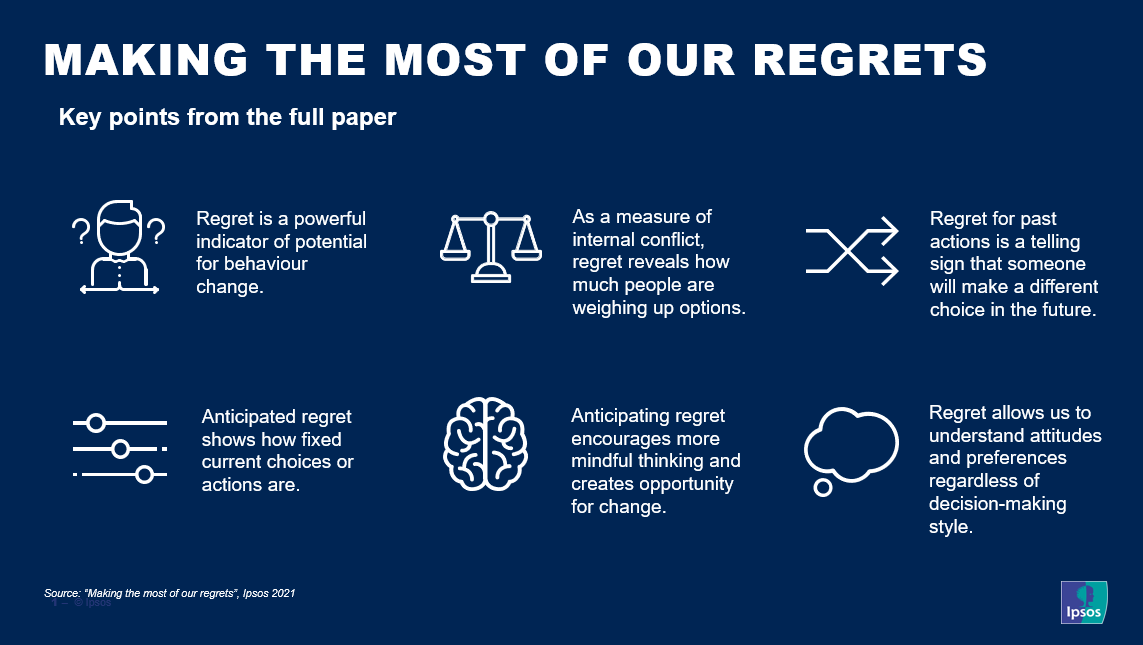
While regret is often viewed negatively, research suggests that people value regret more than many other negative emotions. This seemingly paradoxical finding highlights the potential benefits of regret when managed effectively. Regret can serve as a powerful motivator for personal development and behaviour change. The experience of regret can inform future choices, helping us avoid similar mistakes. Reflecting on regrets can provide valuable insights into our values and priorities. The counterfactual thinking associated with regret can improve our ability to identify and address issues. Sharing regrets can foster empathy and strengthen relationships.

To make the most of regret’s potential benefits, reflect on the lessons learned from past regrets, identify patterns in your regrets to uncover areas for personal growth, use regret as motivation to take positive action in the present, and share your experiences with others to gain new perspectives and foster connection.

Regret is a complex emotion that plays a significant role in our lives and decision-making processes. While it can be challenging to experience, understanding the psychology of regret and implementing strategies to make better decisions can help us lead more fulfilling lives with fewer regrets. By embracing self-compassion, developing emotional intelligence, utilising counterfactual thinking constructively, and implementing structured decision-making processes, we can learn to navigate life’s choices more effectively. By cultivating a growth mindset, considering long-term consequences, seeking multiple perspectives, and learning to forgive ourselves, we can transform regret from a source of distress into a catalyst for personal growth and improved decision-making.

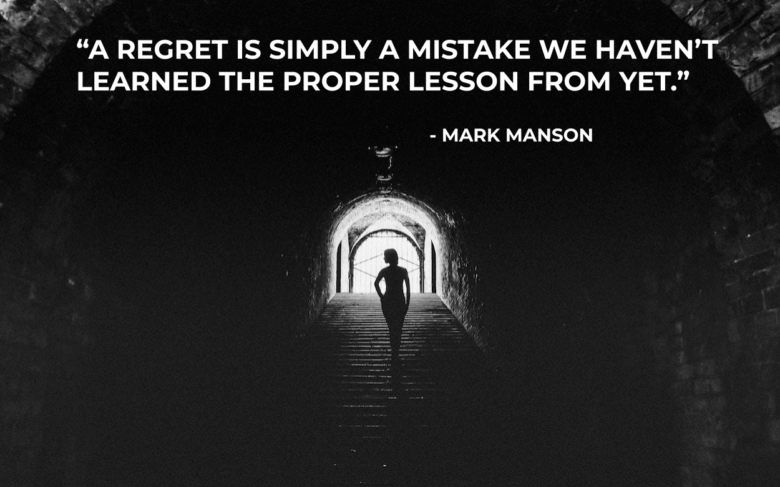
The goal is not to eliminate regret entirely—as it is a natural and sometimes beneficial part of the human experience—but to develop a healthier relationship with this emotion. By doing so, we can make decisions that align more closely with our values and aspirations, leading to a life of fewer regrets and greater satisfaction. Perfection is not attainable, and some level of regret is inevitable. But, by maintaining a balanced perspective, we can learn to make peace with our regrets and use them as stepping stones toward a more fulfilling future.

World Autism Awareness Day

A day aimed at raising awareness about autism and promoting acceptance and inclusion for individuals on the spectrum, World Autism Awareness Day (WAAD) is celebrated annually on April 2. Established by the United Nations General Assembly in 2007, this day serves as a platform for advocating for the rights and needs of autistic individuals, emphasising the importance of understanding and support from society.

Autism Spectrum Disorder (ASD) is a developmental condition that affects communication, behaviour, and social interaction. Parents can recognise potential signs of autism in their children by observing specific behaviors and developmental milestones. Key symptoms to watch for include social interaction difficulties, communication delays, repetitive behaviours, and sensory sensitivities. Children with autism may avoid eye contact, show little interest in engaging with others, or not respond to their name being called. They might also struggle with understanding social cues and emotions. Delayed speech and language development are common. Some children may not babble by 12 months or fail to use gestures like pointing or waving. They may also have difficulty understanding simple verbal instructions. Many children with autism engage in repetitive movements like hand-flapping, and rocking or exhibit intense focus on specific interests, often to the exclusion of other activities. Autistic children may be overly sensitive to sounds, lights, textures, or tastes, leading to distress in certain environments. Recognising these symptoms early is crucial for seeking appropriate support and intervention. Parents should consult a paediatrician for further evaluation and guidance if they notice these signs. Early intervention can significantly improve outcomes for children with autism.

In 2025, WAAD will focus on the theme “Moving from Surviving to Thriving,” highlighting the need for autistic individuals to survive and thrive in their communities. The theme reflects a significant shift in how society views and supports individuals with autism. This theme emphasises empowerment, resilience, and the importance of creating environments where autistic individuals can flourish. It encourages communities to focus on empowerment by providing resources and opportunities that enable autistic individuals to lead fulfilling lives; support systems by establishing strong support networks within families, schools, and workplaces to foster growth; and celebrating strengths by recognising and valuing the unique contributions that autistic individuals bring to society. The theme aligns with broader goals of inclusivity and acceptance, urging all stakeholders — families, educators, employers, and policymakers — to work collaboratively towards creating a supportive atmosphere for those on the autism spectrum.

Since its inception in 2008, WAAD has focused on various themes that address crucial aspects of autism awareness and acceptance. Each year has brought a new focus, allowing for a diverse range of discussions around education, employment, health care, and social inclusion.

Autism Spectrum Disorder (ASD) prevalence in Asia varies significantly across different regions, reflecting a complex interplay of cultural, diagnostic, and healthcare factors. A systematic review indicated that the overall prevalence of ASD in Asia is approximately 0.36%, with notable differences among regions: 0.51% in East Asia, 0.31% in South Asia, and 0.35% in West Asia. In Southeast Asia specifically, the prevalence has been estimated at 6 cases per 1,000 individuals, which translates to about 0.6%. Notably, this prevalence is higher among males, with studies showing that males are affected at rates approximately two to three times higher than females. In Singapore, recent statistics suggest that 1 in 150 children is diagnosed with autism, surpassing the global average of 1 in 1603. This increase is attributed to heightened awareness and improved diagnostic practices rather than an actual rise in cases. Overall, while autism prevalence is increasing across Asia, it remains essential to standardise diagnostic criteria and improve awareness to ensure better identification and support for affected individuals.

Education plays a crucial role in promoting understanding about autism. Schools are encouraged to implement programs that educate students about neurodiversity, fostering an environment where differences are celebrated rather than stigmatised.

Advocacy is also essential in ensuring that policies reflect the needs of autistic individuals. Organisations worldwide are working towards legislative changes that enhance accessibility in education, healthcare, and employment for those on the spectrum.

Families are often the first line of support for autistic individuals. By fostering an environment of understanding at home, families can help their loved ones navigate challenges effectively. Engaging with local autism organisations can provide families with resources and community connections that enhance their support systems.

World Autism Awareness Day serves as a reminder of our collective responsibility to create an inclusive society where every individual has the opportunity to thrive by advocating for change, celebrating diversity, and fostering environments where all autistic individuals can flourish. Through education, community engagement, and supportive policies, we can ensure that neurodiversity is recognized as a valuable aspect of our society.

Festivals of India: Cheti Chand

Celebrated primarily by the Sindhi community, Cheti Chand marks the beginning of the Hindu New Year and commemorates the birth of their revered patron saint, Lord Jhulelal. This festival, which falls on the second day of the month of Chet in the Sindhi lunar calendar, corresponding to March and April in the Gregorian calendar, holds immense cultural and religious significance. It is a time for renewal, reflection, and celebration among Sindhis worldwide.

The roots of Cheti Chand can be traced back to the Sindhi community’s struggle against oppression during the rule of Mirkhshah, a tyrannical Muslim ruler. According to legend, Mirkhshah sought to convert the Sindhi Hindus to Islam, threatening their cultural and religious identity. In desperation, the Sindhi people prayed to Varun Devta, the Water God for deliverance. Their prayers led to a divine promise that a saviour would be born to protect them.

This saviour was Uderolal, later known as Jhulelal, who was born in Nasarpur in 1007 CE. His miraculous birth was heralded by a divine voice that assured the Sindhis of their protection. Jhulelal is believed to have performed numerous miracles that not only saved his people from persecution but also reinforced their faith and cultural identity. The festival of Cheti Chand thus symbolises hope, resilience, and divine intervention.

Jhulelal is often depicted as an old man with a long beard, seated on a lotus flower supported by a fish. He embodies wisdom and strength and is regarded as the protector of Sindhi culture and values. Celebrating Cheti Chand serves as a reaffirmation of faith for Sindhis, honouring their heritage while fostering a sense of unity within the community.

Cheti Chand holds deep spiritual significance for the Sindhi community. The festival marks the start of the Hindu New Year for Sindhis, symbolizing fresh starts and new opportunities. It reinforces the cultural identity of Sindhis, especially those who migrated after the Partition in 1947. Cheti Chand serves as a reminder of their roots and traditions. The festival fosters communal harmony as families come together to celebrate with rituals, prayers, and festive meals. And it is an occasion for introspection and gratitude towards Lord Jhulelal for his protection and blessings.

Cheti Chand is celebrated with enthusiasm across various regions in India, each with its own unique customs and traditions. In states like Punjab and Haryana, Cheti Chand is observed with fervour among local Sindhi communities. Families come together to perform rituals at home or in temples dedicated to Jhulelal and devotees prepare offerings such as fruits, sweets, and special dishes like Guji Deg, a sweet dish made from rice flour to honour Jhulelal.

In Maharashtra, celebrations during Cheti Chand include traditional folk dances performed in honour of Lord Jhulelal. Participants often dress in colourful attire and engage in lively music. The Behrana Sahib Ceremony involves preparing a ceremonial plate containing items like an oil lamp or diya, sugar crystals or misri, fruits, and flowers which are taken to nearby rivers or lakes as offerings. In states like Karnataka and Tamil Nadu, devotees visit rivers or lakes to perform rituals, reflecting their gratitude towards Varun Devta. Leading up to Cheti Chand, many observe a period of prayer known as Chaliho for 40 days. In West Bengal, families prepare special dishes for communal feasts after performing rituals and local communities organise events that include singing devotional songs dedicated to Jhulelal.

Cheti Chand is characterised by several unique rituals that reflect its cultural significance. A central ritual involves lighting an earthen wheat lamp known as Jyot Jagan on a bronze plate filled with rice grains. This lamp typically has five wicks symbolising enlightenment and prosperity. The lighting marks the beginning of the festivities. The Behrana Sahib consists of symbolic items such as an oil lamp, crystal sugar, and fruits. These items are taken to water bodies where they are immersed as an offering to Lord Jhulelal.

One of the most vibrant aspects of Cheti Chand celebrations is the Chhej dance, where participants form circles while clapping in rhythm with traditional drums, or dhols, and wind instruments, or shehnais. This dance embodies communal joy and unity among devotees.

On this day, devotees prepare an offering called Akho—made from rice mixed with flour and milk—which symbolises gratitude towards Varun Devta.

The festival is rich with stories that highlight its significance. The tale of how Jhulelal emerged during a time of crisis for the Sindhi people serves as a reminder of hope amidst adversity. The miraculous circumstances surrounding Jhulelal’s birth reflect divine intervention in protecting his devotees. The narrative emphasises how faith can triumph over tyranny, reinforcing the importance of cultural identity among Sindhis.

Cheti Chand transcends geographical boundaries; it is celebrated by Sindhi communities around the globe. In Pakistan’s Sindh province, where many original traditions have been preserved, local temples host elaborate celebrations while community feasts are organised with families gathering to celebrate their heritage. The Sindhi diaspora communities in North America celebrate Cheti Chand through cultural events showcasing traditional music and dance, and community gatherings where prayers are offered collectively. In the United Kingdom, in cities with significant Sindhi populations, temples organise special prayers and community members participate in cultural programs highlighting Sindhi traditions.

Cheti Chand stands as a beacon of hope, resilience, and cultural pride for the Sindhi community worldwide. As they commemorate the birth of Lord Jhulelal on this auspicious day, they reaffirm their faith while celebrating their rich heritage through vibrant rituals, communal gatherings, and heartfelt prayers. The festival not only marks the beginning of a new year but also reinforces the values that bind them together as a community—unity, devotion, and an unwavering spirit in preserving their identity against challenges throughout history. Through its unique customs and stories that resonate deeply within their cultural memory, Cheti Chand invites everyone to partake in its love, light, and legacy—a celebration that transcends time and space while nurturing communal bonds across generations.