Short Story: The Homecoming

A young Brahmin named Narayan lived in the small town of Narmadapuram, nestled along the banks of the sacred Narmada River. Born into a family of priests, Narayan was raised in a household steeped in tradition and discipline. His father, Pandit Raghav, was a strict and learned man who upheld the values of their lineage with unwavering resolve. Narayan often felt the weight of his father’s expectations pressing down on him.

At 18, Narayan had just completed his class 12 exams. The day was bright and filled with promise, and his friends had convinced him to celebrate their newfound freedom. They planned a day of fun, laughter, and indulgence. Little did Narayan know that this day would change his life.

“Come on, Narayan! Let’s have some fun!” his friend Vikram urged, a mischievous grin on his face. “We’ve earned it!” 

With a mix of excitement and apprehension, Narayan agreed. They ventured into the heart of the town, where the air was filled with the aroma of street food and the sounds of celebration. As the sun dipped lower in the sky, they found themselves at a local eatery, where the boys ordered meat dishes and drinks.

Just as they were enjoying their meal, Narayan’s father appeared at the entrance, his face a mask of fury. “Narayan!” he bellowed, his voice echoing through the crowded eatery. “What have you done?”

Narayan’s heart sank. He had never seen his father so angry. “Baba, I—”

“Silence!” Pandit Raghav interrupted, his voice cold and unforgiving. “You have disgraced our family. You’re a Brahmin, and you should know better than to indulge in such vices.”

Without waiting for an explanation, Raghav turned and stormed out, leaving Narayan, humiliated and bewildered. The laughter of his friends faded into the background as he realised the gravity of his father’s words.

“Get out of my house!” Raghav had shouted when they returned home. “You’re no son of mine.”

His wife and other children’s words had no impact on Raghav and with a finality, he shut the door in Narayan’s face. With that, Narayan was cast out, forced to leave the only home he had ever known. He wandered the streets of Narmadapuram, lost and alone, the weight of his father’s rejection heavy on his heart.

For the next 14 years, Narayan roamed the vast landscapes of India. He travelled from the bustling streets of Mumbai to the serene hills of Rishikesh, seeking solace in the beauty of the world around him. He took on various jobs, from working as a waiter to assisting in temples, trying to find a sense of belonging.

Despite the freedom he experienced, Narayan felt a void in his heart. He missed his family, especially his younger sister, Radha, and his brother, Lakshman. Memories of their childhood together haunted him, but pride and fear kept him from returning home.

As the years passed, Narayan grew into a man of resilience and wisdom. He learned to appreciate the diversity of life and the lessons it offered. Yet the longing for his family never faded. Over the years Narayan had worked his way up in the hospitality industry and now owned a small, but thriving cafe in Pune’s Fergusson College Road, which was a big hit with students and office goers for the eclectic cuisine it offered.

Narayan was also married by now to Sayali, and had a two-year-old son, whom he had named Ram, in honour of his father. He seemed to have a happy life, but the ache in his heart would not go away. Sayali would often find introspective and sad, but knew enough of his life to not probe further. 

One fateful day, at the cafe, Narayan encountered an old neighbour from Narmadapuram. The man whom he knew as Abhay bhaiya was about a decade older than him. Abhay was with a woman and a teenager who looked just like him. As Abhay was eating, he kept staring at Narayan and while paying the cost of their meal, approached him with a warm smile.

“Is that you, Narayan? My, how you’ve changed!” Abhay exclaimed. Narayan felt a mix of emotions. “Yes, it’s me, Abhay bhaiya,” he replied cautiously. Abhay introduced him to his wife and son, who was now enrolled in Fergusson College. Narayan wanted to ask about his family but hesitated. Seeing this, Abhay decided to broach the topic. 

“Your family is fine, though your mother has never stopped pining for you. And your father is distraught that, in anger, he threw you out of the house. He repented the next day and looked all over for you, but could never find you,” Abhay continued, his expression turning sombre. “Lakshman in his final year of college and studies engineering in Indore while Radha is getting married soon, just after Diwali.”

The news struck Narayan like a lightning bolt. His heart raced as he processed the information. Radha was getting married? He had missed so much of their lives, and now he was about to miss the most significant moment for his sister.

That night, Sayali knew something was bothering Narayan, but waited for him to open his heart to her. Finally after a while, Narayan heaved a huge sigh and turned to his wife. “We are going home for Diwali”, he proclaimed. Sayali was stunned and just looked at her husband as she processed his proclamation. Sayali knew in her heart this was what was needed for Narayan to heal and she turned to her husband with a huge smile. “Yes, let’s go home for Diwali, it is time Siddarth knows this part of his family”. 

With a newfound determination, Narayan set out for Narmadapuram. The journey was filled with memories of his childhood, his parents, and his siblings, but also tainted by the pain of his departure. A few days later, Narayan finally arrived at the familiar streets of his hometown. The sights and sounds flooded back, and he felt a mix of nostalgia and anxiety. Would his family accept him after all these years?

The streets of Narmadapuram were adorned with lights and decorations to welcome the festival of lights. The air was filled with the scent of sweets and the sounds of laughter. Narayan stood outside his childhood home, his heart pounding in his chest. Taking a deep breath, he stepped forward and knocked on the door. Moments later, it swung open to reveal his mother, her eyes widening in shock.

“Narayan?” She gasped, tears welling up in her eyes. “Maa,” he replied, his voice trembling. “I’m home.”

His mother rushed forward, enveloping him in a warm embrace. “Oh, my son! We thought we had lost you forever!”

As they embraced, Narayan felt the weight of the years lift from his shoulders. He stepped inside, where his father stood, his expression a mix of surprise and disbelief.

“Baba,” Narayan began, but Raghav held up a hand. “Let’s talk later,” he said, his voice softening. “I need time to process this.” Narayan nodded, understanding the complexity of emotions swirling within his father. He turned to see Radha and Lakshman watching from the side, their faces filled with joy and surprise.

“Bhaiya!” Radha exclaimed, rushing forward to hug him. “I can’t believe you’re here!” “Radha, I’ve missed you so much,” Narayan replied, his heart swelling with love for his sister.

“This is Sayali and Siddharth, your daughter-in-law and grandson,” Narayan introduced his family to his family. His mother stopped her daughter-in-law from entering the house, rushing to the kitchen to bring the aarti thali or the veneration tray, to welcome her grandson and daughter-in-law into their family.

“This Diwali is the best gift I have received,” Narayan’s mother exclaimed when she sat down after a hectic day surrounded by her family. “Not only is my daughter going to her home, but to fill this void, I have now gotten another daughter and a grandson.” 

As the days passed, Narayan settled back into the rhythm of family life. The wedding preparations for Radha were in full swing, and the house was filled with laughter and excitement. Narayan, Sayali and Siddharth helped wherever they could, feeling a sense of belonging that had always been missing in their lives. 

On the day of the wedding, the atmosphere was electric. The house was adorned with flowers, and the sounds of traditional music filled the air. Narayan watched as Radha, radiant in her bridal attire, prepared to embark on this new chapter of her life. As the ceremony unfolded, Narayan felt a profound sense of gratitude. He had returned just in time to witness his sister’s happiness, and he knew he was exactly where he was meant to be.

Later that evening, as the celebrations continued, Narayan found a quiet moment outside the house. The sky was painted with stars, and the air was filled with the sweet scent of marigolds. He took a deep breath, reflecting on how far he had come. Just then, he heard footsteps behind him. It was Sayali, her face glowing with contentment. “Narayan, I am so glad you decided to come back. Meeting Ma and Baba has been so fulfilling for both me and Siddharth.” 

“Yes, this is truly the homecoming I wondered if I ever would have.” They heard footsteps behind them and soon were surrounded by Raghav, who was carrying Siddharth as if afraid to let him go, as well as his wife and Lakshman. “Narayan, I am sorry; I should not have thrown you out of the house all these years ago. Thank you for coming back and forgiving  me.” With folded hands, Raghav stood before his son, who pulled his father into a hug that erased all those years of loneliness. Father and son stood like that for a while as the years melted away and all the rancour was erased. 

Narayan and his family spent a few weeks with each other before they returned back to Pune. When his parents started growing older and less mobile, Narayan brought them back to Pune to spend their golden years with him and Sayali. Lakshman also found a job in Pune after his course and the family spent many years together.

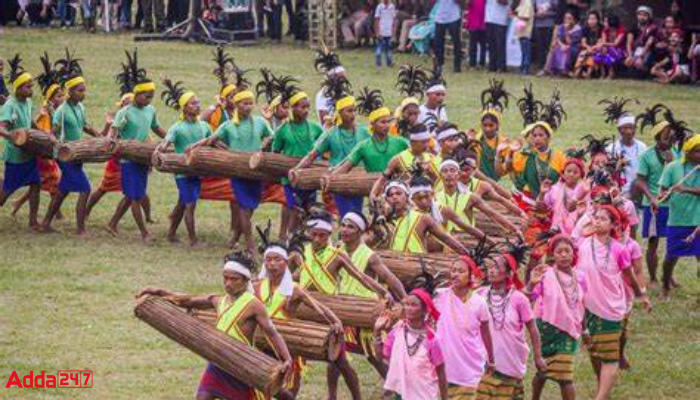
Festivals of India: Wangala

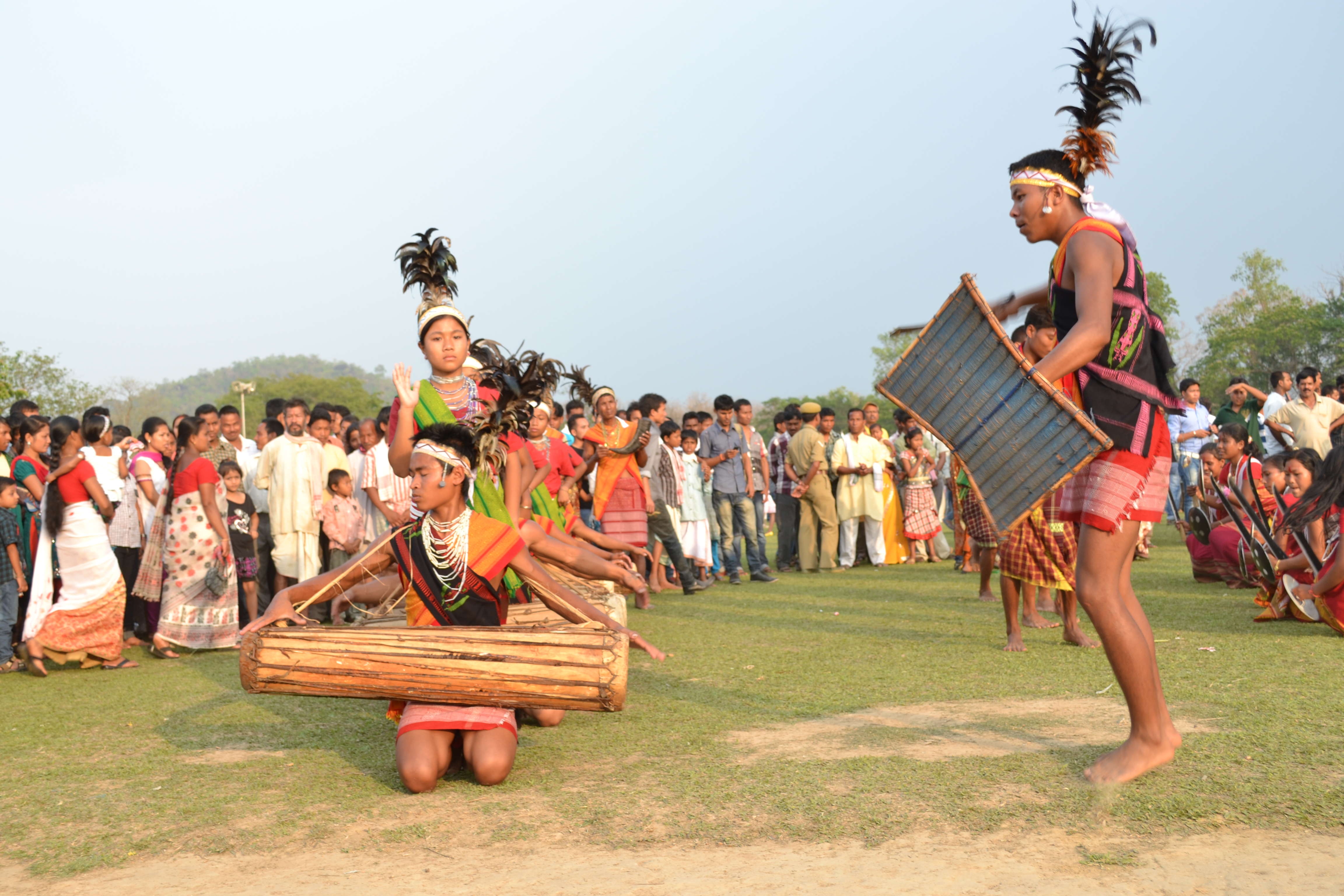
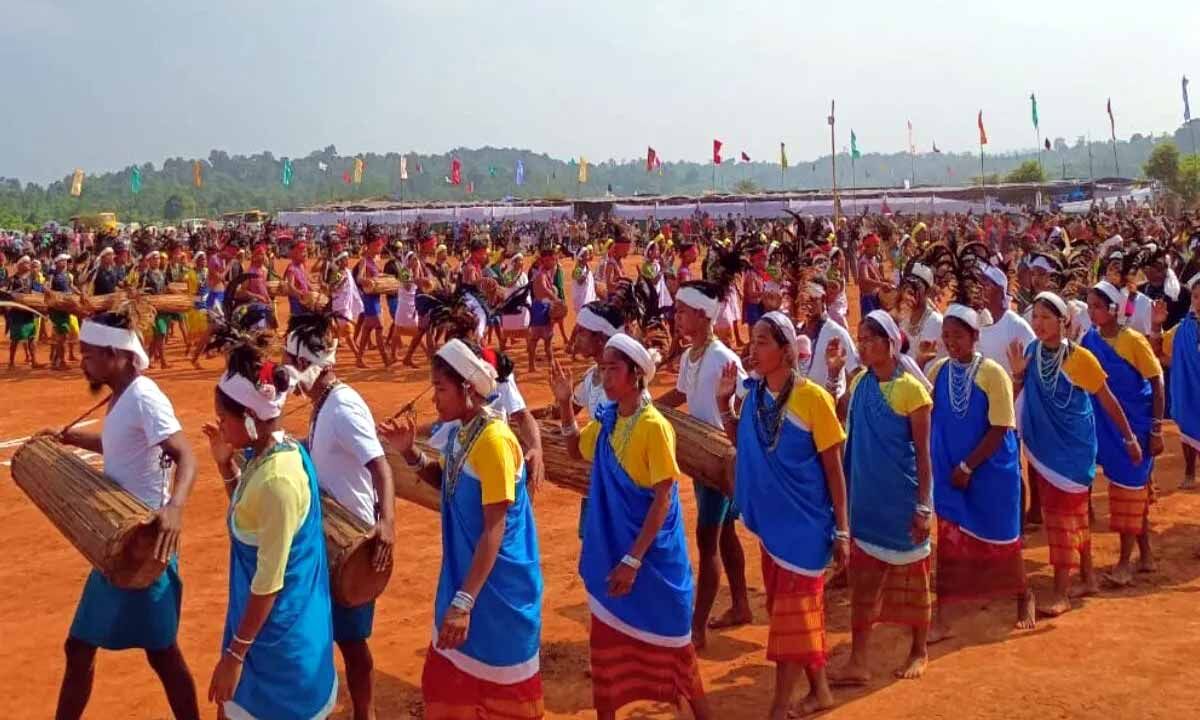
Also known as the Hundred Drums Festival, the Wangala festival is one of the most significant and colourful celebrations of the Garo tribe in Meghalaya. This post-harvest festival marks the end of the agricultural year. It is a thanksgiving ceremony for Misi Saljong, also known as Pattigipa Ra’rongipa or the Great Giver, the sun god of fertility. The Wangala festival is a vibrant display of Garo culture, traditions, and their deep connection to nature and agriculture.

The Wangala festival has its roots in the ancient agricultural practices and beliefs of the Garo people. The Garos, one of the major tribes of Meghalaya, are known for their matrilineal society and strong connection to the land. Agriculture has been the primary occupation of the Garos for centuries, and their festivals and rituals are closely tied to the agricultural cycle.

The exact origin of the Wangala festival is lost in the mists of time, but it is believed to have been celebrated for many generations. The festival’s name, “Wangala,” is derived from the Garo word “wanna,” which means celebration. It is a time when the community comes together to express gratitude for a bountiful harvest and to seek blessings for the coming year.

Historically, the Wangala festival was celebrated independently in every Garo village. Each village would have its dates and duration for the festival, which could last anywhere from a few days to a week. However, in recent times, efforts have been made to organise a centralised Wangala celebration to showcase Garo culture to a wider audience and preserve their traditions.

The Wangala festival is deeply rooted in Garo mythology and their traditional belief system. At the festival’s heart is the worship of Misi Saljong, the sun god, believed to be the provider of good harvests and prosperity. According to Garo mythology, Misi Saljong taught the Garo people the art of agriculture. He showed them how to clear the land, sow seeds, and harvest crops. The Garos believe that it is through Misi Saljong’s blessings that they receive abundant harvests. The Wangala festival is their way to express gratitude to this benevolent deity and to seek his continued favour. Another important mythological figure in the Wangala festival is Goera, the goddess of agriculture. Goera is believed to be the protector of crops and is often invoked alongside Misi Saljong during the festival rituals.

The Garos also believe in various nature spirits that inhabit the forests, rivers, and mountains. These spirits are thought to play a role in the success of their agricultural endeavors. During the Wangala festival, offerings are made to these spirits to appease them and ensure their cooperation in the coming agricultural year.

One of the myths associated with the Wangala festival tells of a time when the Garo people faced a severe drought. The crops were failing, and the community was on the brink of starvation. The village elders gathered to perform rituals and prayers to Misi Saljong. According to the legend, Misi Saljong appeared to them in a dream and instructed them to perform a dance with drums and to make offerings of rice beer. When the villagers followed these instructions, rain began to fall, and their crops were saved. This myth is said to be the origin of the drum dance that is now central to the Wangala celebrations.

The preparations for the Wangala festival begin well in advance of the actual celebration. As the harvest season nears its end, the village elders come together to decide on the dates for the festival. Traditionally, the festival is held in November, but the exact dates can vary depending on the completion of the harvest and other local factors. Once the dates are set, the entire community gets involved in the preparations. 

One of the most important preparations is the brewing of rice beer, known as “chu” in the Garo language. Rice beer plays a significant role in Garo rituals and celebrations. The brewing process begins several weeks before the festival to ensure that the beer is properly fermented by the time of the celebration. The Garos take great pride in their traditional clothing, and the Wangala festival is an occasion to showcase their finest attire. Women prepare colourful wraparound skirts called dakmanda and blouses kutchi. Men ready their traditional dhotis and vests. Special attention is given to the headdresses, often adorned with feathers and hornbill beaks.

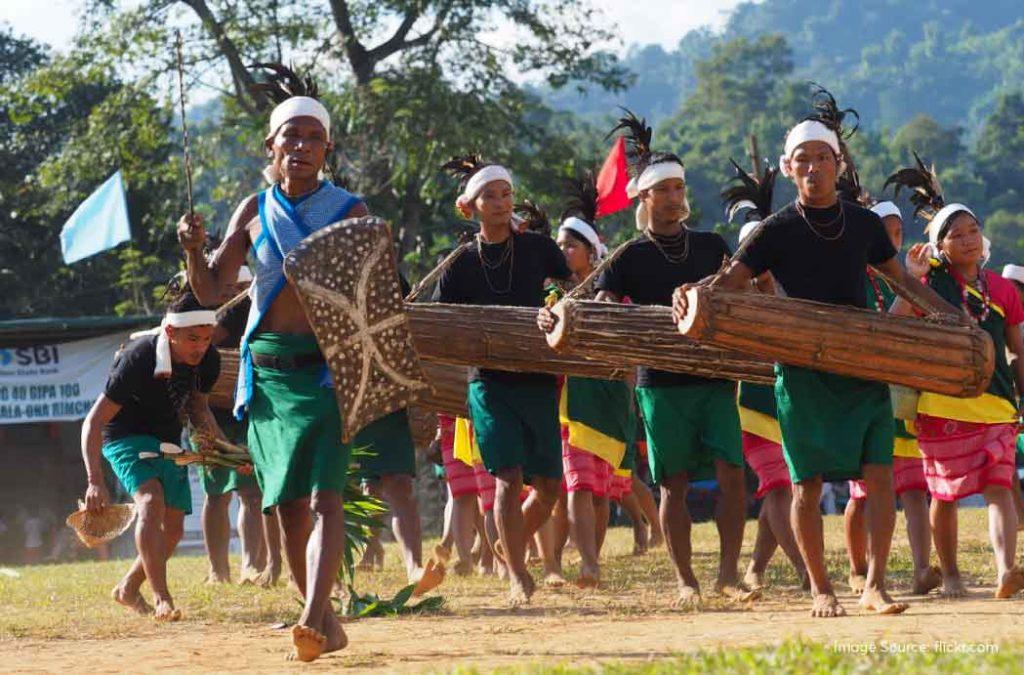
The festival’s alternative name, “Hundred Drums Festival,” highlights the importance of drums in the celebration. Skilled craftsmen in the village work on repairing old drums and making new ones. The primary drum used in the Wangala festival is the “dama,” a long, cylindrical drum made from hollowed-out tree trunks and animal hide. The entire village undergoes a thorough cleaning in preparation for the festival. Houses are repaired and whitewashed. The central area where the main celebrations will take place is cleared and decorated with bamboo structures, flowers, and leaves.

A significant amount of time is spent preparing food for the festival. Large quantities of rice, meat, and vegetables are readied for the communal feasts that will take place during the celebration. In the weeks leading up to the festival, the community, especially the youth, practice the traditional dances and songs that will be performed during the Wangala. 

The Wangala festival typically lasts two to three days, although in some villages, it can extend up to a week. The celebration is a mix of solemn rituals and joyous festivities. The first day of the festival is known as Salgittal or Salgittoa, which means “thanksgiving.” This day is marked by several important rituals. The festival begins with the village priest, the “Kamal,” performing an invocation ceremony. The Kamal offers prayers to Misi Saljong and other nature spirits, seeking their blessings for the community. The first fruits of the harvest are offered to Misi Saljong. This typically includes newly harvested rice, vegetables, and fruits. The offering is made on a special altar set up for the occasion. In some villages, a ceremonial sacrifice of a rooster or a goat may be performed. This is done to appease the spirits and ensure their continued favour. The Nokma or village chief and other important members of the community are anointed with rice powder mixed with water. This symbolises purification and preparation for the festivities to come. A sacred fire is lit, which will be kept burning throughout the festival. This fire symbolises the presence of Misi Saljong among the people.

The second day, known as Kakkat or Kakket, is the main day of celebration. This is when the most iconic events of the Wangala festival take place. The day begins with the Rugala ceremony, where Nokma and his wife lead a procession to the central festival ground. They carry a basket of rice, which symbolises the community’s harvest. The highlight of the festival is the Wangala dance. Dancers, dressed in colourful traditional attire, form lines with men and women alternating. They dance to the rhythmic beat of drums, bamboo clappers, and gongs. The dance movements mimic various agricultural activities such as sowing, weeding, and harvesting. This is where the festival gets its alternative name. A hundred or more drums are played simultaneously, creating a thunderous and mesmerising rhythm. The sound of the drums is believed to reach Misi Saljong, carrying the community’s prayers and gratitude. A grand feast is held where the community comes together to share food and rice beer. This feast symbolises the abundance of the harvest and the spirit of community sharing. Various traditional games and sports are organised, including wrestling, tug-of-war, and archery competitions. 

The final day of the festival is typically reserved for concluding rituals. The Kamal leads the community in offering final thanksgiving prayers to Misi Saljong and other deities. The sacred fire lit on the first day is ceremonially extinguished, marking the end of the festival. The community elders bless the younger generation, wishing them prosperity and good fortune for the coming year. In some villages, there are rituals to bid farewell to the spirits and deities, thanking them for their presence during the festival.

Music and dance are integral to the Wangala festival. The most important musical instruments used during the celebration include the Dama, a long, cylindrical drum that gives the festival its “Hundred Drums” moniker; the Nagra, a smaller drum used to provide counterpoint rhythms; the Gong which is used to provide additional rhythmic elements; and Bamboo Clappers which provides a distinctive clacking sound that complements the drums. The Wangala dance is a complex performance that tells the story of the agricultural cycle. The dancers move in synchronised patterns, their movements representing different farming activities. Swaying movements represent the swaying of rice plants in the wind while stomping feet mimic the act of threshing rice and hand movements show the sowing of seeds and the harvesting of crops. The dance is performed in lines, with men and women alternating. As the dance progresses, the tempo of the music increases, and the movements become more energetic, culminating in a joyous celebration of the harvest.

Food plays a central role in the Wangala festival. The celebration is an opportunity for the community to come together and share in the abundance of the harvest. Some traditional dishes served during the festival include Wak Pura, a dish made from pork and bamboo shoots, Nakham Bitchi, a chicken curry cooked with special herbs, Pura which are various types of smoked meat, Minil Songa, a dish made from fish and local vegetables, and Pitha which are rice cakes often served as dessert. Rice, being the main crop, features prominently in all meals. It is often served with various meat and vegetable side dishes. The traditional rice beer, “chu,” is essential to the celebration. It is consumed during the feasts and used in various rituals as an offering to the deities.

The Wangala festival holds immense social and cultural significance for the Garo community. The festival brings the entire community together, strengthening social bonds and reinforcing a sense of shared identity. Through the rituals, dances, and music, the festival helps in preserving and passing down Garo cultural traditions to younger generations. The festival marks the end of the agricultural year and the beginning of a new cycle, helping to structure the community’s annual activities. Today, the festival has become a tourist attraction, bringing economic benefits to the region. The festival’s focus on nature worship and agricultural cycles helps maintain an awareness of environmental issues among the community.

While the Wangala festival remains an important part of Garo culture, it faces several challenges in the modern era. As more young Garos move to cities for education and employment, there’s a risk of losing touch with traditional practices. The spread of Christianity among the Garo community has led to changes in how the festival is perceived and celebrated. There are concerns that the increasing tourism around the festival might lead to its commercialisation, potentially diluting its cultural significance. Changes in agricultural practices and environmental conditions pose challenges to the traditional agricultural cycle that the festival celebrates. Despite these challenges, the Wangala festival has shown remarkable resilience and adaptability. 

In recent years, there have been concerted efforts to preserve and promote the festival. While individual villages still celebrate Wangala, there are now also centralised celebrations organized by cultural organizations and the state government. These larger events help in showcasing Garo culture to a wider audience. Efforts are being made to document the rituals, songs, and dances associated with the festival to ensure their preservation. Schools and colleges in the Garo Hills region often organise programs to educate students about the significance of Wangala and other traditional festivals. The festival is now promoted as a cultural tourism event, attracting visitors from across India and abroad. While this brings economic benefits, care is taken to maintain the festival’s authenticity. Some communities have adapted certain aspects of the festival to align with changing religious beliefs while still maintaining its core cultural significance.

The Wangala festival is more than just a harvest celebration; it is a vibrant expression of Garo culture, spirituality, and connection to the land. Through its colorful dances, rhythmic music, traditional attire, and communal feasts, Wangala offers a window into the rich cultural heritage of the Garo people.

As the festival continues to evolve in the face of modern challenges, it remains a testament to the resilience and adaptability of indigenous cultures. The Wangala festival serves as a reminder of the importance of preserving cultural traditions while also embracing change.

World Tsunami Awareness Day

World Tsunami Awareness Day is observed annually on November 5th to raise awareness about the dangers of tsunamis and the importance of preparedness and early warning systems. Established by the United Nations General Assembly on December 22, 2015, this day serves as a reminder of the devastating impact of tsunamis and the need for proactive measures to mitigate their effects. 

The Japanese delegation proposed the day, reflecting Japan’s long history of tsunami experiences and its commitment to disaster risk reduction. November 5th was chosen to commemorate the Japanese story of “Inamura-no-hi,” which translates to “burning of the rice sheaves.” This tale recounts the actions of a Japanese farmer, Hamaguchi Goryō, who, in 1858 set fire to his rice crop to warn his village of an impending tsunami following an earthquake. His foresight allowed many villagers to evacuate to safety, and he later built protective seawalls to safeguard against future tsunamis.

The establishment of WTAD came in the wake of numerous devastating tsunamis, most notably the Indian Ocean tsunami of December 26, 2004. This catastrophic event resulted in over 230,000 fatalities across 14 countries, including Indonesia, Sri Lanka, India, and Thailand. The sheer scale of destruction highlighted the urgent need for improved tsunami preparedness and early warning systems worldwide. In response, the UN and various organisations began to focus on raising awareness about tsunamis and promoting disaster risk reduction strategies.

World Tsunami Awareness Day serves several important purposes. The day aims to educate the public about the risks associated with tsunamis and the importance of preparedness. It highlights the need for communities, especially those in coastal areas, to understand tsunami risks and take proactive measures. The day encourages governments, organisations, and communities to develop and implement effective tsunami early warning systems and disaster response plans. Preparedness can significantly reduce the loss of life and property during a tsunami. The day serves as a solemn reminder of the lives lost in past tsunamis, particularly the 2004 Indian Ocean tsunami. It honours the resilience of affected communities and the ongoing efforts to rebuild and recover. World Tsunami Awareness Day fosters collaboration among governments, NGOs, and communities to share best practices and innovative approaches to tsunami risk reduction. The day provides a platform for advocating for policies that prioritise disaster risk reduction and enhance the resilience of vulnerable communities.

The theme for World Tsunami Awareness Day 2024 is “Agriculture and Food Systems: The Key to Ending Hunger and Achieving Food Security.” This theme emphasises the critical role of agriculture and food systems in addressing the challenges posed by tsunamis and other natural disasters.

The theme highlights how tsunamis can disrupt agricultural production and food supply chains, leading to food insecurity. Coastal communities often rely on agriculture and fishing for their livelihoods, making them particularly vulnerable to the impacts of tsunamis. The theme encourages the adoption of sustainable agricultural practices that can withstand the impact of natural disasters. This includes promoting resilient crop varieties, improving soil health, and implementing effective water management strategies. 

The theme underscores the importance of integrating disaster risk reduction into agricultural policies and practices. This includes developing early warning systems for tsunamis and other disasters that can affect food production. The theme emphasises the need to build resilient communities that can adapt to the impacts of tsunamis and other natural disasters. This involves empowering local farmers and communities to take proactive measures to protect their livelihoods. It calls for collaboration among governments, NGOs, and international organisations to address the challenges of food security in the face of natural disasters. This includes sharing knowledge, resources, and best practices for disaster preparedness.

The Indian Ocean tsunami of December 26, 2004, remains one of the deadliest natural disasters in history. Triggered by a magnitude 9.1 earthquake off the coast of Sumatra, Indonesia, the tsunami struck several countries, including Indonesia, Sri Lanka, India, Thailand, and others. The impact was catastrophic, with over 230,000 lives lost and millions more affected.

The 2004 tsunami highlighted several critical lessons about disaster preparedness and response. The lack of a comprehensive tsunami warning system in the Indian Ocean region contributed to the high death toll. In the aftermath of the disaster, there was a global push to establish early warning systems to alert communities of impending tsunamis. The disaster underscored the need for communities to be prepared for tsunamis. Education and training programs that teach residents about tsunami risks and evacuation procedures are essential for saving lives.

The response to the 2004 tsunami demonstrated the importance of international cooperation in disaster relief efforts. Countries and organisations came together to provide aid and support to affected communities. The disaster highlighted the need for long-term resilience building in vulnerable communities. This includes infrastructure investments, disaster risk reduction strategies, and sustainable agricultural practices. Local knowledge and traditional practices play a crucial role in disaster preparedness. Engaging communities in planning and response efforts can enhance resilience and improve outcomes.

World Tsunami Awareness Day is observed through various activities and initiatives aimed at raising awareness and promoting preparedness. UNESCO plays a vital role in promoting tsunami awareness and preparedness through its Intergovernmental Oceanographic Commission (IOC). The IOC coordinates national and regional tsunami early warning services and raises global awareness about effective actions to reduce disaster risk.

As we look to the future, several trends and priorities are emerging in the field of tsunami preparedness and disaster risk reduction. The use of technology, such as satellite monitoring and early warning systems, is becoming increasingly important in tsunami preparedness. Innovations in data collection and analysis can enhance our understanding of tsunami risks and improve response efforts. Engaging communities in disaster preparedness efforts is crucial for building resilience. Local knowledge and participation can significantly enhance the effectiveness of preparedness initiatives. Climate change is expected to increase the frequency and intensity of natural disasters, including tsunamis. Integrating climate change considerations into disaster risk reduction strategies is essential for enhancing resilience. Addressing the needs of vulnerable communities is critical for effective disaster preparedness. Ensuring that marginalised populations have access to information, resources, and support is essential for reducing risk. Continued collaboration among countries, organisations, and communities is vital for sharing knowledge, resources, and best practices in tsunami preparedness and disaster risk reduction.

World Tsunami Awareness Day serves as a crucial reminder of the ongoing risks posed by tsunamis and the importance of preparedness and early warning systems. The lessons learned from the 2004 Boxing Day tsunami continue to inform the understanding of tsunami risks and the importance of proactive measures to mitigate their impacts. By raising awareness, promoting preparedness, and fostering collaboration, we can work towards a more resilient future for communities at risk of tsunamis.

From Dreams to Reality: The Imagination-Creativity Connection

Creativity is often viewed as a mystical, elusive quality reserved for artists, musicians, and writers. However, this perception is misleading. A fundamental aspect of human cognition and experience, creativity manifests in various forms across different contexts. 

So what is creativity? Creativity is defined as the ability to generate new ideas, solutions, or expressions that are both novel and appropriate. It involves two primary processes: thinking and producing. While many people may have imaginative ideas, true creativity is realised when those ideas are acted upon and brought into existence. 

Creativity encompasses a wide range of activities, from artistic endeavours such as painting and writing to problem-solving in everyday situations. It is characterised by the ability to perceive the world in new ways, find hidden patterns, make connections between seemingly unrelated phenomena, and generate innovative solutions. 

Rollo May, a prominent psychologist, described creativity as ‘the process of bringing something new into being, requiring passion and commitment’. He emphasised that creativity can lead to heightened consciousness and a sense of ecstasy in the creator. The notion that creativity is an exclusive trait is exclusive to a select few is a common misconception. Everyone has the potential for creativity, though it may manifest differently in each individual. 

Research supports the idea that creativity is not a binary trait but a spectrum. A study conducted by George Land and Beth Jarman in 1968 revealed that 98% of children aged five scored at a genius level of creativity. However, as they grew older, this percentage dramatically decreased, with only 12% of 15-year-olds and a mere 2% of adults maintaining that level of creative thinking. 

This decline is often attributed to societal pressures, educational systems, and self-imposed limitations that stifle creative expression. Many individuals internalise the belief that they are not creative, leading to a cycle of self-doubt and conformity. Creativity is not limited to artistic pursuits; it can be found in everyday activities and problem-solving scenarios. Ruth Richards, a psychology professor, refers to this as “everyday creativity,” which includes engaging in activities that bring joy and fulfilment, such as cooking, gardening, or DIY projects. Engaging in creative behaviours enhances resilience, self-awareness, and connection to the world.

Imagination is defined as the ability to form mental images, concepts, and sensations that are not present to the senses. It involves simulating scenarios, visualizing outcomes, and exploring ideas without direct sensory input. This cognitive process is essential for creativity, as it provides the raw material from which creative ideas are generated.

While imagination and creativity are often used interchangeably, they represent distinct concepts. Imagination refers to the capacity to envision new ideas and possibilities, whereas creativity is the application of those imaginative ideas to produce something novel and valuable. In other words, imagination is the wellspring of ideas, and creativity is the act of bringing those ideas into reality.

What role does imagination play in the creative process? Imagination provides cognitive freedom, allowing individuals to explore ideas without constraints. This freedom is essential for creative thought, as it encourages experimentation and the exploration of unconventional solutions. Imagination plays a key role in problem-solving by allowing individuals to visualise potential solutions and outcomes. It enables creative thinkers to simulate different scenarios and evaluate the consequences of their ideas. This process of mental simulation is vital for generating innovative solutions to complex challenges.

Imagination facilitates the ability to make connections between seemingly unrelated concepts. By visualising and manipulating ideas in the mind, individuals can identify patterns and relationships that may not be immediately apparent. This capacity for associative thinking is a hallmark of creativity, enabling the generation of original ideas. Imagination is closely tied to emotional engagement, as it allows individuals to connect with their feelings and motivations. This emotional resonance can fuel creativity, as passionate engagement with an idea often leads to more profound and impactful creative expressions.

Imagination encourages the exploration of alternatives and “what if” scenarios. This exploratory mindset is essential for creativity, as it allows individuals to consider multiple perspectives and potential outcomes, ultimately leading to more innovative solutions.

While some may believe that creativity is an innate quality, it can be nurtured and developed through practice and intentionality. Here are several strategies to enhance creativity in daily life:

Embrace curiosity: Curiosity is the foundation of creativity. Cultivating a curious mindset allows one to explore new ideas and perspectives. Ask questions, challenge assumptions, and seek out new experiences that broaden the understanding of the world. 

Create a supportive environment: Surround oneself with people who inspire and encourage creativity. Engage in discussions, collaborate on projects, and share ideas with others. A supportive environment fosters creativity by providing a safe space for experimentation and exploration.

Practice mindfulness: Mindfulness encourages present-moment awareness, allowing one to observe their thoughts and feelings without judgment. This practice can help clear mental clutter, making room for new ideas and insights. Techniques such as meditation, deep breathing, and journaling can enhance mindfulness and creativity.

Set aside time for creativity: Dedicate specific time in the daily routine for creative pursuits. Whether it is writing, drawing, or brainstorming new ideas, carving out time for creativity allows one to focus and immerse themselves in the creative process. 

Experiment and take risks: Creativity thrives on experimentation. Allow oneself to take risks and try new approaches, even if they lead to failure. Embrace mistakes as valuable learning experiences that contribute to growth as a creative thinker.

Engage in diverse activities: Participate in a variety of activities that challenge thinking and stimulate creativity. This could include taking up a new hobby, learning a musical instrument, or exploring different art forms. Engaging in diverse experiences helps one make connections and draw inspiration from various sources.

Limit self-criticism: The inner critic can be a significant barrier to creativity. Practice self-compassion and silence the negative self-talk that discourages one from pursuing creative endeavours. Remember that creativity is a process, and producing imperfect work is okay.

To further enhance creative practice, consider the following tips and tricks:

Keep a creativity journal: Document thoughts, ideas, and inspirations regularly. This journal can be a valuable resource for future projects and help you track creative progress.

Use prompts and challenges: Engage in creative prompts that encourage thinking outside the box. This could involve daily drawing prompts, writing exercises, or cooking challenges.

Take breaks: Allow oneself to step away from tasks and give the mind a chance to rest. Breaks can lead to moments of inspiration and clarity, allowing new ideas to surface.

Collaborate with others: Collaborating with others can spark new ideas and perspectives. Seek out opportunities for teamwork and brainstorming sessions to enhance your creative output.

Limit distractions: Create a focused environment by minimising distractions like social media and notifications. A distraction-free space allows for deeper concentration and creativity.

Explore nature: Spending time in nature can stimulate creativity. Take walks, observe the surroundings, and let the natural world inspire thoughts and ideas.

Practice gratitude: Cultivating gratitude can shift the mindset and open one up to new possibilities. Reflect on what one is grateful for and how it contributes to one’s creative journey.

Creativity is an essential aspect of human experience that transcends artistic expression. It is a skill that can be cultivated and enhanced through practice, curiosity, and a supportive environment. By recognising that everyone possesses the potential for creativity, one can embrace one’s unique creative journeys and explore new ways to express oneself.

Incorporating creativity into one’s daily life not only enriches one’s personal experiences but also enhances one’s professional endeavours. By adopting practical strategies and fostering a curious mindset, one can unlock one’s creative potential and lead more fulfilling, innovative lives. Remember, creativity is not a destination but a journey—one that is open to everyone willing to explore and embrace it.

Imagination plays a crucial role in the creative process, acting as the foundation for generating ideas and solutions. It allows individuals to envision possibilities beyond their immediate reality, facilitating the transformation of abstract thoughts into tangible outcomes. This article explores the significance of imagination in creativity, its distinction from creativity, and how it can be harnessed to enhance creative endeavours.

World Cities Day

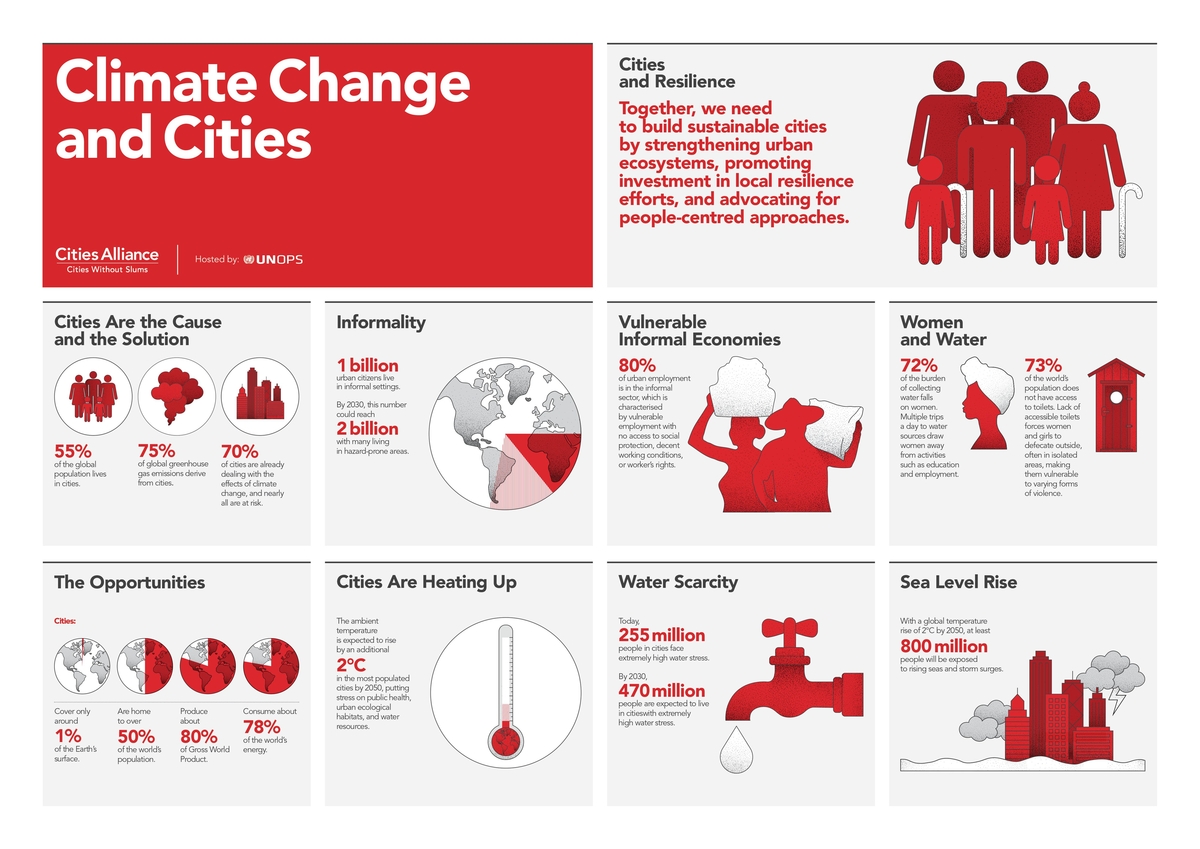
Held annually on October 31st, World Cities Day was established by the United Nations to promote the international community’s interest in global urbanisation and sustainable urban development. World Cities Day was established by the United Nations General Assembly on December 27, 2013, starting in 2014. The day was created to promote the international community’s interest in global urbanisation, push forward cooperation among countries in meeting opportunities and addressing challenges of urbanisation, and contribute to sustainable urban development around the world.

The observance of World Cities Day is a legacy of Expo 2010, held in Shanghai, China. The Expo’s theme, Better City, Better Life, emphasised the importance of cities in fostering sustainable development and improving the quality of life for urban residents. This theme continues to be the general theme for World Cities Day, reflecting the ongoing commitment to enhancing urban living conditions globally.

World Cities Day aligns with Sustainable Development Goal 11, which aims to make cities inclusive, safe, resilient, and sustainable. This goal underscores the importance of sustainable urban planning and management in achieving broader development objectives. By focusing on cities, World Cities Day highlights the critical role urban areas play in driving economic growth, innovation, and social progress.

The general theme of World Cities Day is “Better City, Better Life.” Each year, a different sub-theme is selected to address specific challenges or highlight successes in urbanisation. This approach allows for a focused discussion on various aspects of urban development and encourages the sharing of best practices among cities worldwide.

The theme for World Cities Day 2024 is “Youth leading climate and local action for cities.” This theme emphasises the role of young people in driving climate action and local initiatives to make cities more sustainable and resilient. Young people are increasingly advocating for bolder steps to tackle the climate crisis, and this year’s theme aims to capture their bold ideas and ambitious targets, turning them into tangible achievements.

Youth engagement is crucial for sustainable urban development. Young people bring fresh perspectives, innovative solutions, and a sense of urgency to address climate change and other urban challenges. By focusing on youth-led initiatives, World Cities Day 2024 aims to empower the next generation of urban leaders and foster a culture of active participation and collaboration.

The theme encourages cities to meet young people where they are, which often means utilising digital platforms. The theme also promotes the idea of youth participation in decision-making processes. This could lead to the development of new governance structures in urban planning, such as youth advisory boards or mandated youth representation in city councils. The theme highlights the importance of addressing climate challenges in informal settlements, where many young people reside. Urban planners need to develop more inclusive strategies that consider the unique needs of these areas. Youth engagement often highlight intersectional issues such as social equity and environmental justice. Young people are early adopters of new technologies. Their involvement could lead to greater integration of smart city technologies and data-driven decision-making in urban planning processes.

World Cities Day serves as a platform to raise awareness about the importance of sustainable urban development. It encourages governments, organisations, and individuals to reflect on the role of cities in shaping our future and to take action to make urban areas more inclusive, safe, resilient, and sustainable.

One of the key objectives of World Cities Day is to foster collaboration among countries, cities, and stakeholders. Urbanisation presents both opportunities and challenges that require coordinated efforts and collective action. World Cities Day provides a forum for dialogue and cooperation, enabling cities to learn from each other and work together to address common challenges and achieve sustainable development goals.

World Cities Day also celebrates the achievements and successes of cities in promoting sustainable development. It recognises the efforts of cities that have implemented innovative solutions to improve urban living conditions and enhance the quality of life for their residents. By showcasing these successes, World Cities Day inspires other cities to adopt similar approaches and strive for continuous improvement.

To celebrate World Cities Day, one can do an urban safari, which is a fun and engaging way to celebrate the day. So one can grab a camera and explore a city, capturing photos of hidden gems and famous landmarks, reveling new sights and interesting angles in familiar places, and encouraging one to appreciate the beauty and diversity of their urban environment.

World Cities Day is a vital observance that highlights the importance of sustainable urban development and the role of cities in shaping our future. The day encourages active participation and collaboration among all stakeholders, particularly young people. As cities continue to grow and evolve, World Cities Day serves as a reminder of the need for inclusive, safe, resilient, and sustainable urban environments.