
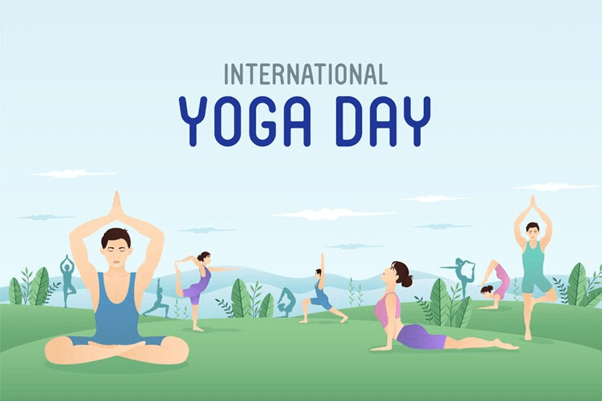
A practice originating in ancient India, yoga today is popular worldwide because of the physical, mental and spiritual benefits it provides to its practitioners. The word yoga is derived from Sanskrit and means to join or to unite, symbolising the union of body and consciousness. Yoga promotes a holistic approach to health and well-being.
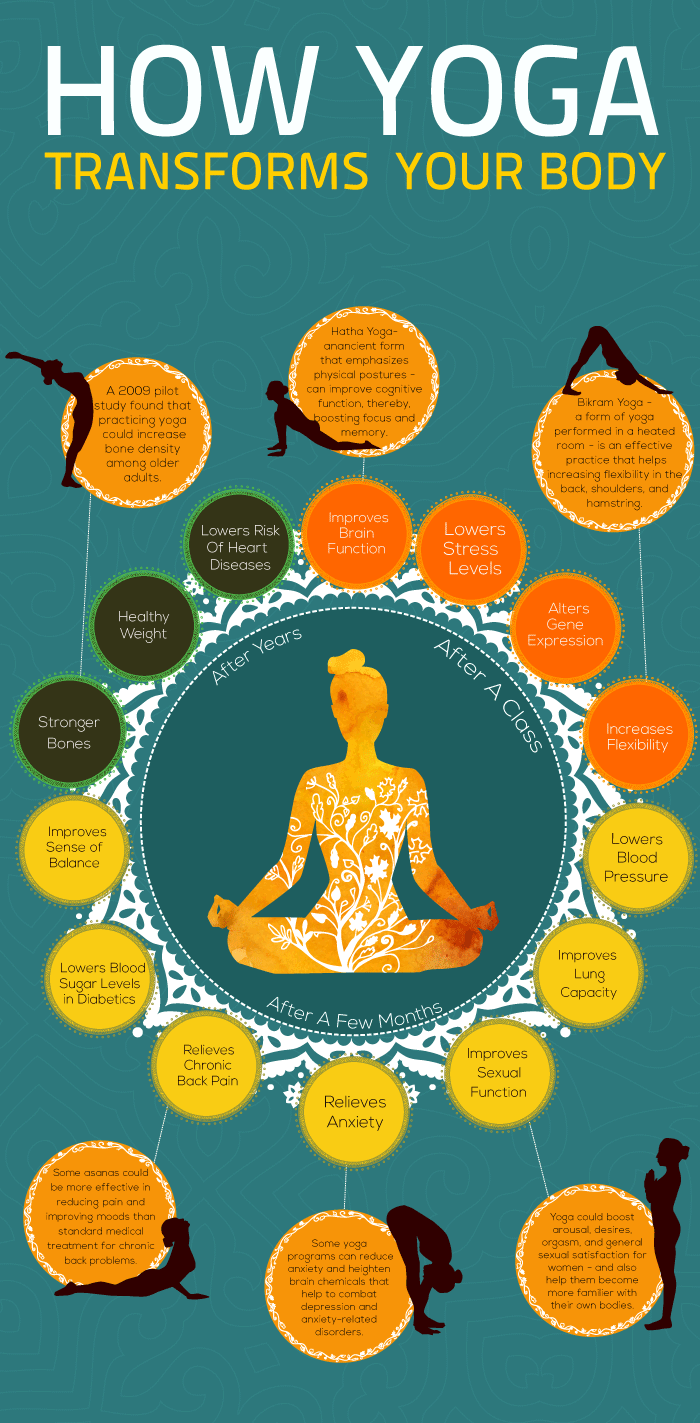
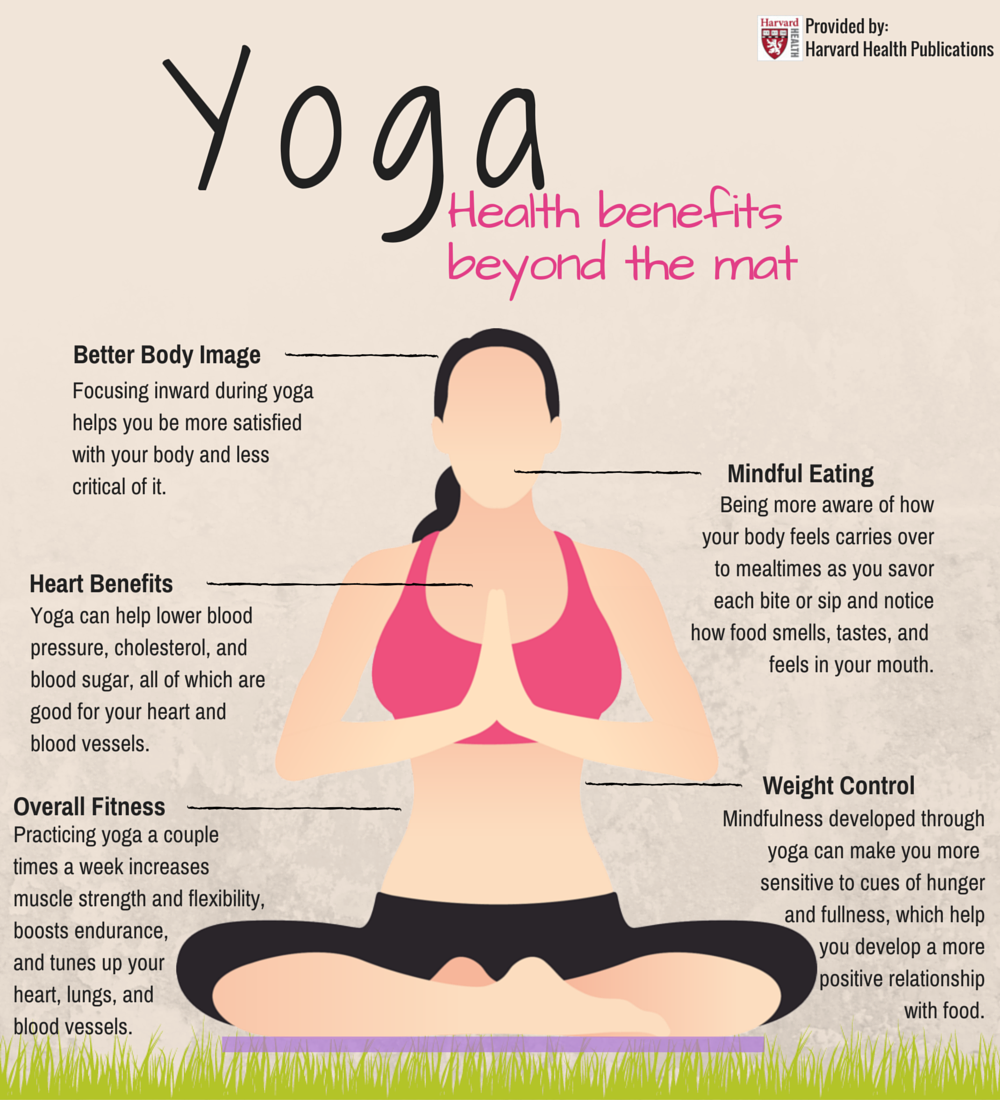
Yoga is a low-impact form of exercise that promotes flexibility, strength, and balance. The practice of yoga involves a series of physical postures or asanas that help improve muscle tone, increase range of motion, and improve overall physical health. Regular practice of yoga can also help improve cardiovascular health and reduce the risk of chronic diseases such as diabetes, heart disease, and obesity. Yoga is known for its ability to promote mental clarity, reduce stress, and improve overall mental health. The practice of yoga involves deep breathing exercises and meditation that can help calm the mind and reduce stress levels. Yoga can also help improve mood, reduce symptoms of anxiety and depression, and promote overall mental well-being. Yoga is deeply rooted in spirituality and promotes a connection with the inner self. The practice of yoga involves developing self-awareness, compassion, and gratitude, which can help promote spiritual growth and well-being. Yoga can also help individuals develop a sense of purpose and meaning in their lives. The practice of yoga promotes a holistic approach to health and well-being, which encompasses physical, mental, and spiritual health. Yoga can help individuals develop a healthier lifestyle, including healthier eating habits, improved sleep quality, and reduced stress levels. The practice of yoga can also help individuals develop stronger social connections and a sense of community.
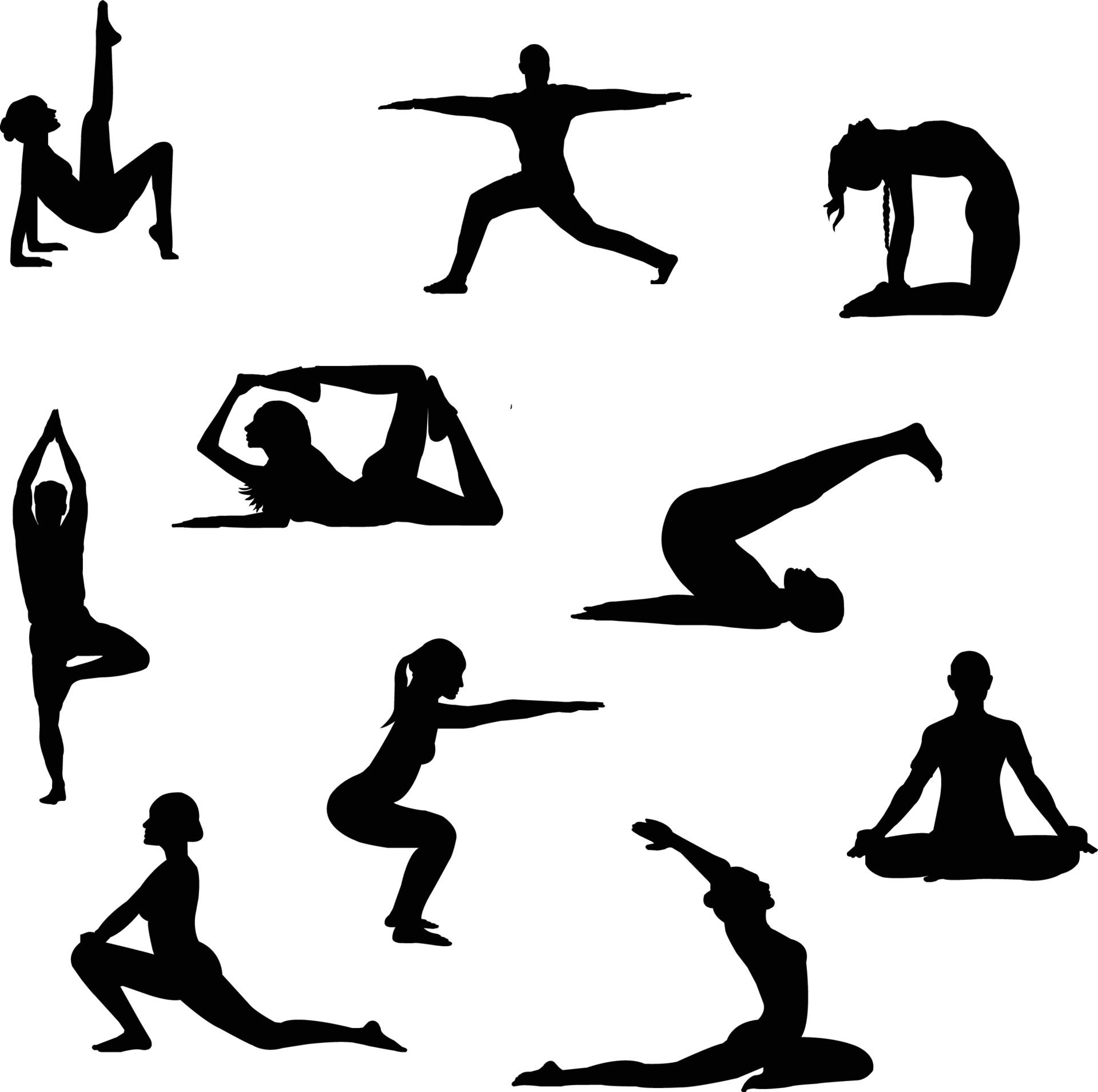
In addition to the above benefits, yoga is also a highly accessible practice that can be adapted to suit individuals of all ages, fitness levels, and abilities. Yoga can be practised at home, in a studio, or outdoors, making it a highly flexible and convenient form of exercise. Other than the obvious physical benefits, yoga is also known to promote mental clarity, reduce stress and anxiety, and improve overall mental well-being. The deep breathing exercises used in yoga help calm the mind and reduce stress levels and make the practitioner sleep well. Yoga also helps improve cognitive function and mental clarity as the practice involves focusing the mind on the present moment, helping to improve concentration and focus as well as memory and cognitive flexibility, essential for mental health and well-being.
Yoga is also known to boost the immune system, which is crucial in these trying times. A strong immune system plays a vital role in protecting the body against infections and can help prevent or reduce the severity of infections. Yoga can help boost the immune system by reducing stress, improving sleep quality, and promoting overall physical health.
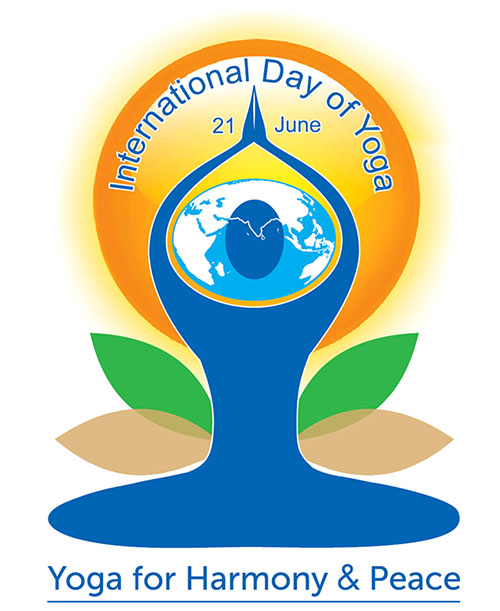
The importance of yoga has been recognised by the United Nations, which declared June 21 as International Yoga Day in 2014. The idea of June 21 came from Indian Prime Minister Narendra Modi, who, in his UN address in 2014, suggested the date June 21, as it is the longest day of the year in the Northern Hemisphere and shares a special significance in many parts of the world. In Indian calendars, the summer solstice marks the transition to Dakshinayana. The second full moon after the summer solstice is known as Guru Poornima. In Hindu mythology, Shiva, the first yogi or Adi Yogi, is said to have begun imparting the knowledge of yoga to the rest of mankind on this day and became the first guru Adi Guru.
To achieve a healthy life, the theme for the 8th World Yoga Day 2023 is Humanity. This theme is relevant in the current pandemic where the practice of yoga is very beneficial in promoting mental, physical and spiritual health and well-being. COVID-19 has impacted millions of people, both physically and mentally. Daily routines have been disrupted and stress and anxiety levels have skyrocketed and so in these times, yoga can be an effective tool to promote mental and physical health.

 Memories and Such